
You sit down at a fancy restaurant, scan the menu, and suddenly feel a little dizzy. Not from hunger. From the prices. Forty-dollar pasta. A hundred-dollar wagyu steak. Caviar on literally everything. It all feels so glamorous, so necessary. But here’s what the people actually behind the stoves will quietly tell you: a lot of it is smoke and mirrors.
Chefs have strong opinions about which dishes are overpriced or underwhelming, whether they’re better made at home or only worth ordering if you truly know what you’re getting. The restaurant world is, at its core, a business. Presentation sells. Labels sell. And sometimes, the most expensive item on the menu is simply the most profitable one for the kitchen. Let’s get into the six biggest offenders.
Table of Contents
1. Truffle Oil Pasta: The Great Aromatic Scam
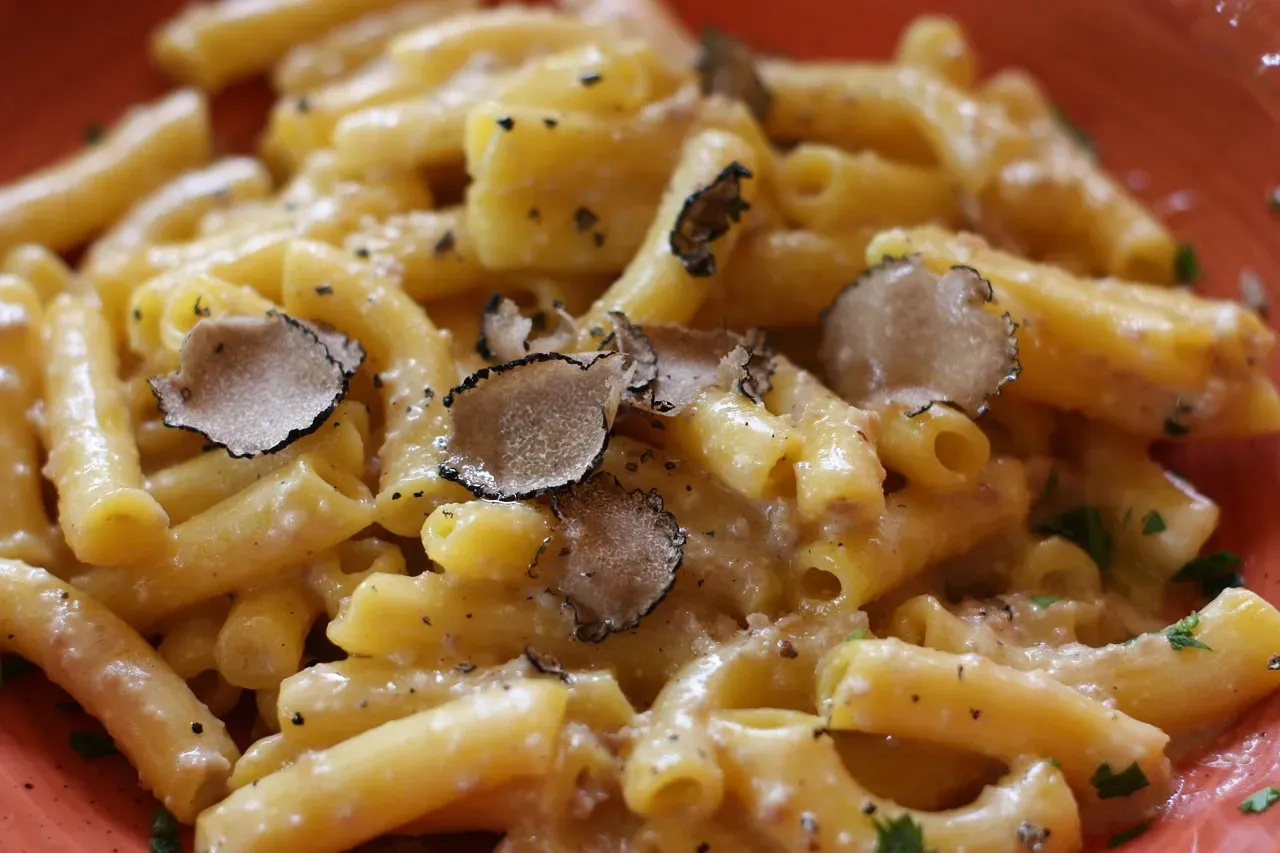
Pasta made with truffle oil is one of the most overpriced dishes on many restaurant menus. The truth is, most of the truffle flavor in these dishes isn’t coming from actual truffles. It sounds absurd when you say it out loud, but it’s entirely true. You’re paying a premium for something synthetic.
Many truffle oils are not made from truffles at all, but instead use manufactured aromatic compounds including 2,4-dithiapentane with an oil base. This chemical compound is the dirty little secret of the truffle oil industry, and most truffle oils do not contain any real truffles. Think about that next time a menu brags about “truffle-infused” anything.
Synthetic truffle oils remain incredibly overpriced due to their false association with real truffles, though they are cheap to produce. Consumers think they’re getting a bargain compared to fresh truffles, but they’re actually paying premium prices for something that costs pennies to manufacture. The markup on a single plate is staggering.
This artificial flavor is often used to elevate bland dishes like fries, pasta, or flatbreads, but it tends to overpower other ingredients rather than enhance them. Many chefs find it gimmicky and believe it masks poor cooking or low-quality ingredients. Honestly? They’re right. If a dish needs synthetic truffle oil to seem interesting, it probably wasn’t interesting to begin with.
2. “Kobe” Beef Burgers and Steaks: A Label Without a Guarantee
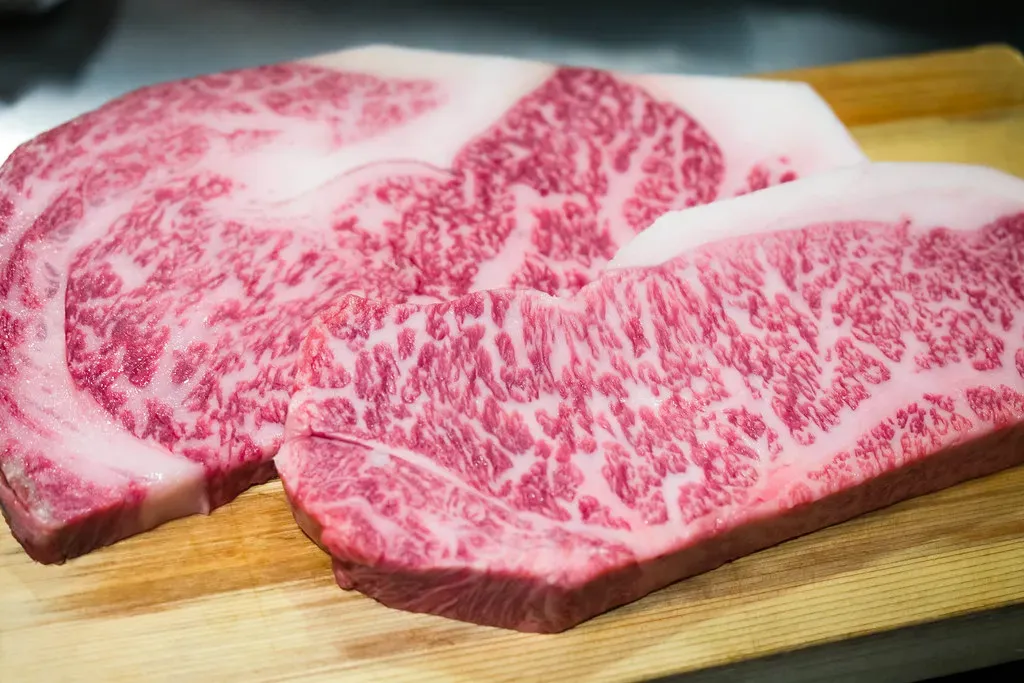
True Japanese Kobe and Wagyu beef are delicacies known for incredible marbling and a melt-in-your-mouth texture. However, they come with a hefty price tag and strict certification. Many restaurants use these terms loosely, selling American-style “Wagyu” or “Kobe-style” beef that doesn’t compare to the real thing but carries a premium price.
Slap the word “Kobe” in front of something, and suddenly you’re paying triple. The thing is, real Kobe beef comes from a specific region in Japan and is incredibly rare. Most “Kobe beef burgers” are anything but. There’s no law requiring restaurants in the U.S. to prove the origin of what they’re calling Kobe. That’s a problem.
Kobe is a type of Wagyu beef sourced from the Hyogo Prefecture in Japan. In order to boast the name, Kobe cattle must have spent their entire lives, from birth to harvesting, there. If Wagyu beef is already considered rare, Kobe beef is the unicorn of the Wagyu world. So when your local steakhouse slaps “Kobe” on a $75 burger, ask some hard questions.
3. Caviar Bumps and Caviar-Topped Everything
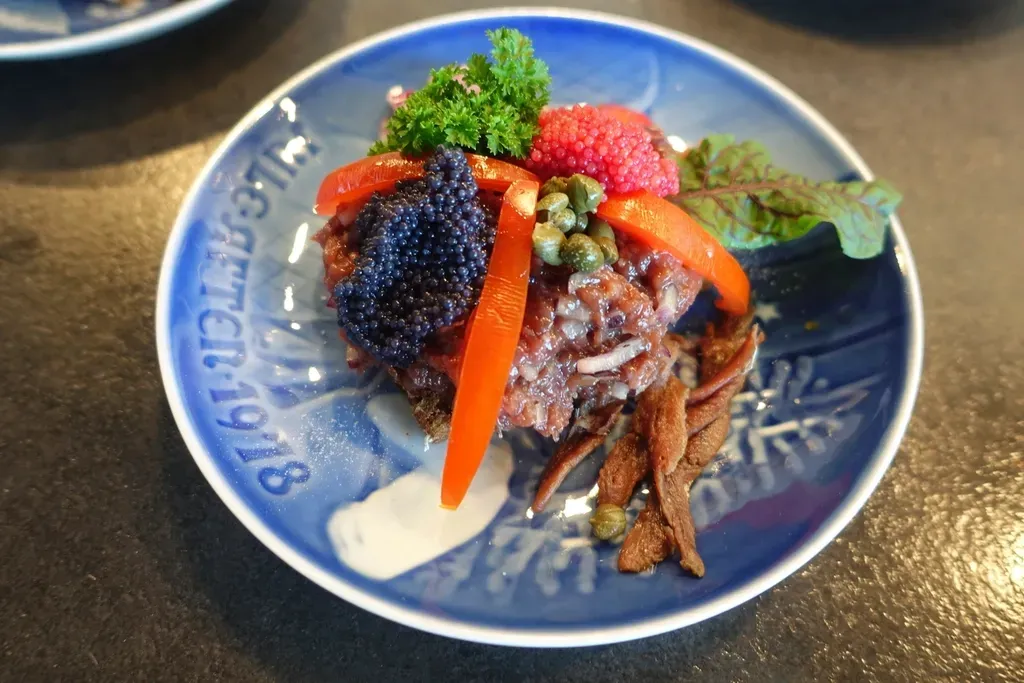
From chicken nuggets to beef tartare, caviar bumps graced almost every sort of dish in 2025. It became the restaurant world’s favorite trick. A dollop here, a bump there. Suddenly a $12 ingredient feels worth triple.
Chef Sam Hart called out “all the places that layer Wagyu, uni and caviar on top of sushi,” saying the idea of stacking luxury items loses the point of each ingredient. Executive chef David Garcia also noted that caviar can now be found on pretty much anything, which has made it “more of a mainstream, household staple rather than this luxury, special item.”
Chefs are now flagging this approach as style without substance. The caviar trend wasn’t about flavor. It was about optics. Think of it like adding gold leaf to a mediocre cake. It glitters, but it doesn’t taste like anything meaningful. Shelling out sixty dollars for a dish stacked with luxury garnishes feels harder to justify when budgets are tighter and expectations for genuine flavor have never been higher.
4. Deconstructed Dishes: Paying More for Less on Your Plate
Deconstructed dishes are the modern art of the culinary world. But do they live up to the hype? Often, it’s just a clever way to charge more for less. Chefs sometimes see it as a way to mask simplicity with complexity. That deconstructed tiramisu you paid $22 for? Probably the same ingredients as a $7 version, spread across three tiny plates.
It’s a trick of playing with presentation to justify prices. Before you order, ask yourself if you’re paying for flavor or just a fancy layout. There’s a real difference between a genuinely innovative dish and one that just spreads its components across a slate board to look impressive on Instagram.
Honestly, the deconstructed concept started with some truly creative chefs doing something new. Then restaurants noticed the price tag it commanded and ran with it. A commonly debated belief is that ordering the most expensive item guarantees the best quality. Often, high-priced dishes like seafood platters or premium cuts of meat are marked up significantly without offering a proportional jump in quality. Deconstructed dishes are a masterclass in exactly that.
5. Chilean Sea Bass: Overfished, Overhyped, Overpriced
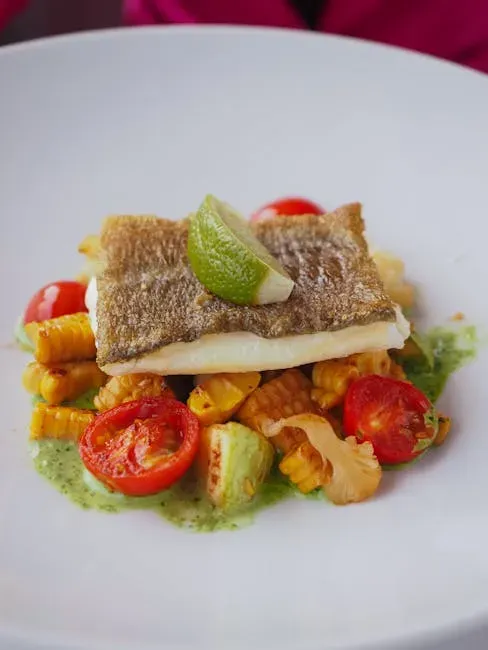
Once upon a time, Chilean sea bass lingered in obscurity. Then a handful of celebrity chefs showcased it, and suddenly diners clamored for its mild flavor and flaky texture. Overfishing soon followed, driving prices skyward. The fish itself doesn’t possess a particularly bold taste, so the cost often appears hard to justify.
Here’s the thing: mild and flaky is not a personality. Dozens of fish deliver the same texture at a fraction of the cost. A more eco-friendly choice like sablefish or halibut can offer the same satisfying tenderness without decimating ocean populations or emptying your wallet. Yet Chilean sea bass sits on fine dining menus at $45 or more per portion, often smothered in sauces that do most of the flavor work anyway.
Even the most high-end restaurants struggle with perfectly cooking delicate fish. Chefs warn that overcooked fish loses its flaky, moist texture and ends up dry, stringy, and bland. It’s also often smothered in sauce to mask the dryness, which doesn’t help. The fish became famous not because it was extraordinary, but because it was well-marketed at the right moment in culinary history. It’s still riding that wave.
6. Multi-Course Tasting Menus at Certain Price Points
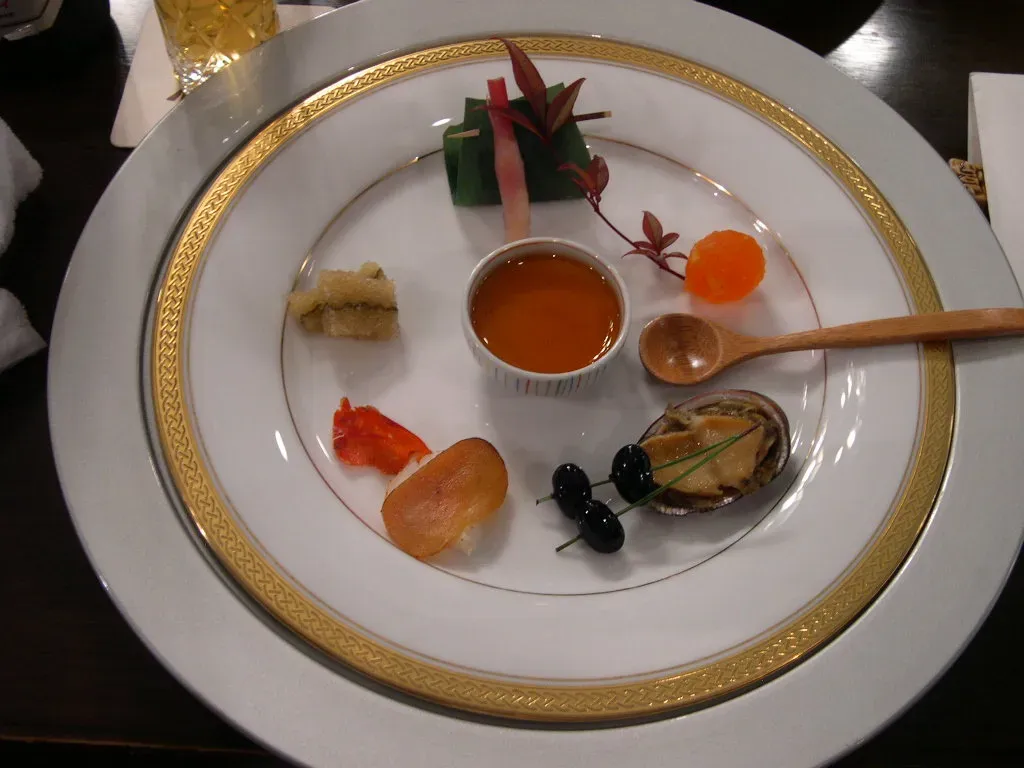
According to the US Consumer Price Index, “food away from home” rose about 6 percent from January 2024 to September 2025, driven by rising labor, rent, and ingredient costs. That kind of inflation puts the lengthy, expensive tasting menu under particular pressure. Yet these menus keep climbing in price, sometimes past $400 per person before wine.
Inflation has reshaped consumer dining habits broadly, with guests still wanting to eat out but in more rational, budget-conscious ways. A sixteen-course dinner costing several hundred dollars per person is a harder sell when grocery bills feel punishing. Many chefs are candid that not every course in a long tasting menu is worthy of its slot. Some are filler, designed to build narrative rather than deliver flavor.
Perhaps most surprising is the idea that chef’s recommendations are always about flavor and experience. Sometimes, chefs recommend dishes to move inventory or highlight items with higher profit margins. Tasting menus, by design, remove your ability to choose. You eat what they decide. That’s fine when the kitchen is exceptional. But at many mid-tier restaurants playing the fine-dining aesthetic game, some chefs and restaurant owners have even expressed regret in their distinction, and others have criticized high-end dining standards for making it difficult to maintain food costs while remaining profitable.
The bottom line is surprisingly simple. A high price tag on a menu tells you what a restaurant thinks its food is worth. It doesn’t tell you whether it actually is. Chefs know which dishes are overpriced or underwhelming, and savvy diners who learn the same can make far smarter choices with their money. Next time you’re tempted by the truffle pasta or the “Kobe” slider, remember: the most satisfying meal isn’t always the most expensive one. What dish on this list surprised you the most?