
There’s a funny thing that happens to travelers. They arrive somewhere with a fully formed opinion about the food, usually borrowed from someone else’s blog post or a lazy stereotype, and then reality slaps them in the face. In the best possible way. Some of the most unfairly dismissed food cultures in the world are quietly delivering experiences that rival anything in Paris or Tokyo.
According to Virtuoso, there has been a roughly three-quarters increase in travelers booking trips that specifically focus on food and wine. People are hungry, literally and figuratively, for authentic discovery. So here are six countries that get written off before the first bite, and why that is a serious mistake.
1. England – The Nation That Reinvented Its Own Kitchen
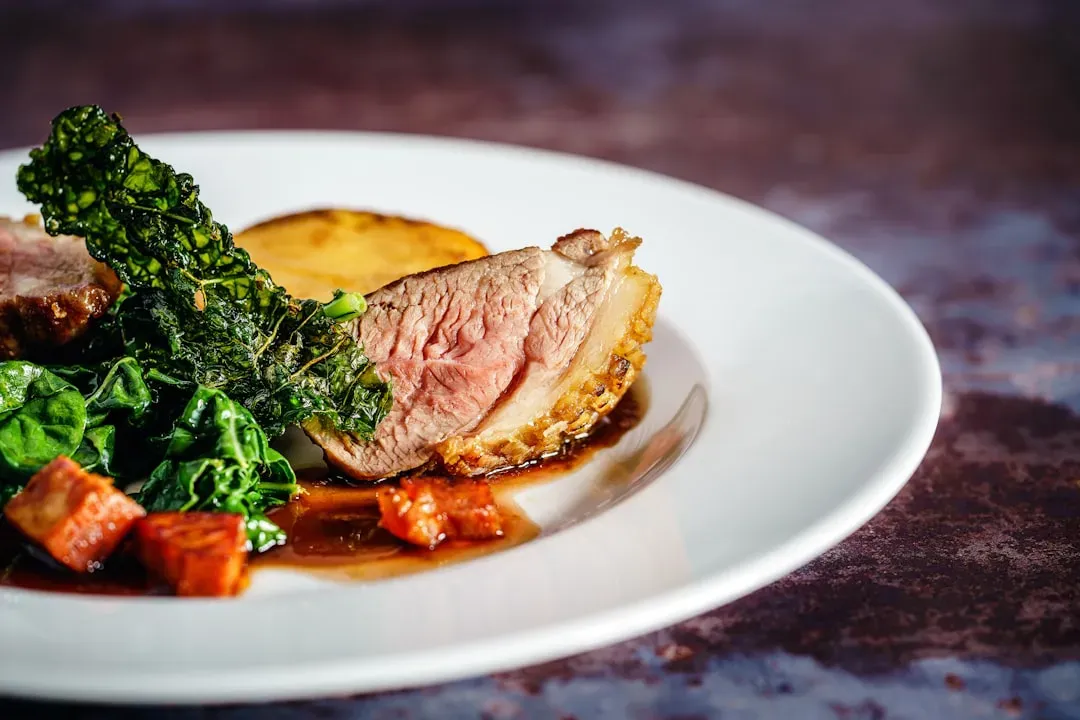
Let’s be real. England has probably the worst food reputation of any major travel destination on earth. The jokes practically write themselves. It’s an unfortunate reality that British cuisine has been something of an international PR disaster, with most people living outside the UK, and even many Brits themselves, labeling the food as boring or bland. But here is the thing: that reputation is decades out of date.
According to writer Debora Robertson in The Daily Telegraph, British cuisine has undergone a genuine culinary revolution, shedding the shadows of wartime rationing and post-war scarcity, with standards that now rival France. The 2024 Michelin Guide awarded nine restaurants in Britain with the coveted three stars, with six of them in London alone, more than any other city in the world except for Paris and Tokyo. That is not a fluke. That is a food scene that earned its stripes.
As of the MICHELIN Guide, Britain was home to 185 restaurants holding at least one Michelin star – just 75 fewer than the entire United States at the time. Heading into 2026, the UK’s fine-dining scene continues to strengthen its global standing, with regional cities increasingly contributing to the country’s growing reputation for culinary excellence. Beyond fine dining, the gastropub revolution has transformed everyday eating. As regions return to their roots, there has been a renaissance of traditional local tastes, with farmers’ markets thriving, food sourcing turning both seasonal and local, and raw talent going mobile with street food stalls.
According to a 2025 survey by YouGov, roast chicken ranked as the most popular British dish, closely followed by chips and the classic English breakfast. As 2026 unfolds, these comforting staples continue to dominate national tastes, reflecting Britons’ enduring preference for familiar, hearty fare even as global cuisines gain ground across the UK’s dining scene. Honestly, a well-made Sunday roast with crispy potatoes and proper gravy is one of the most underrated comfort food experiences in Europe. Don’t sleep on it.
2. Germany – Beyond Bratwurst and Beer Halls

Germany gets dismissed as a meat-and-potatoes country with nothing interesting to offer a food lover. That assumption is wrong, and I think it irritates every German cook alive. German food gets a bad rap, with few people listing it among their favorite global cuisines. That’s a shame, because long a haven for beer drinkers and meat eaters, modern German food now includes options for all kinds of diners.
Food in locations like the Black Forest and Bavaria is quite different from food in urban enclaves like Berlin, Hamburg, and Düsseldorf. Germany’s central European location places it in close proximity to Austria, France, Poland, Italy, Slovenia, and the Czech Republic, all of which have influenced German cuisine, as have more recent immigrants from countries like India, Turkey, and the Middle East. That layering of influence is what makes modern German cooking so quietly exciting.
In Berlin, you’ll find currywurst, a post-war invention of sausage smothered in tangy curry ketchup. It’s messy, spicy, and utterly delicious. Beyond the classic versions, sausage culture in Germany is remarkably regional: in Thuringia you’ll find bratwurst with a finer grind, while in Franconia it’s all about pork and marjoram. That kind of regional specificity is a hallmark of a cuisine with real depth.
Germany’s Mosel region produces some of the world’s finest Rieslings, along with Pinot Noir and Müller-Thurgau. Pair that wine with a plate of Maultaschen, the Swabian pasta pockets that function like oversized ravioli, and you start to understand why food in Germany deserves a full reassessment. With nearly 433 million overnight stays recorded in 2024, Germany ranked as the ninth most visited country in the world. The crowds are catching on.
3. Croatia – The Adriatic Secret That Foodies Are Finally Finding
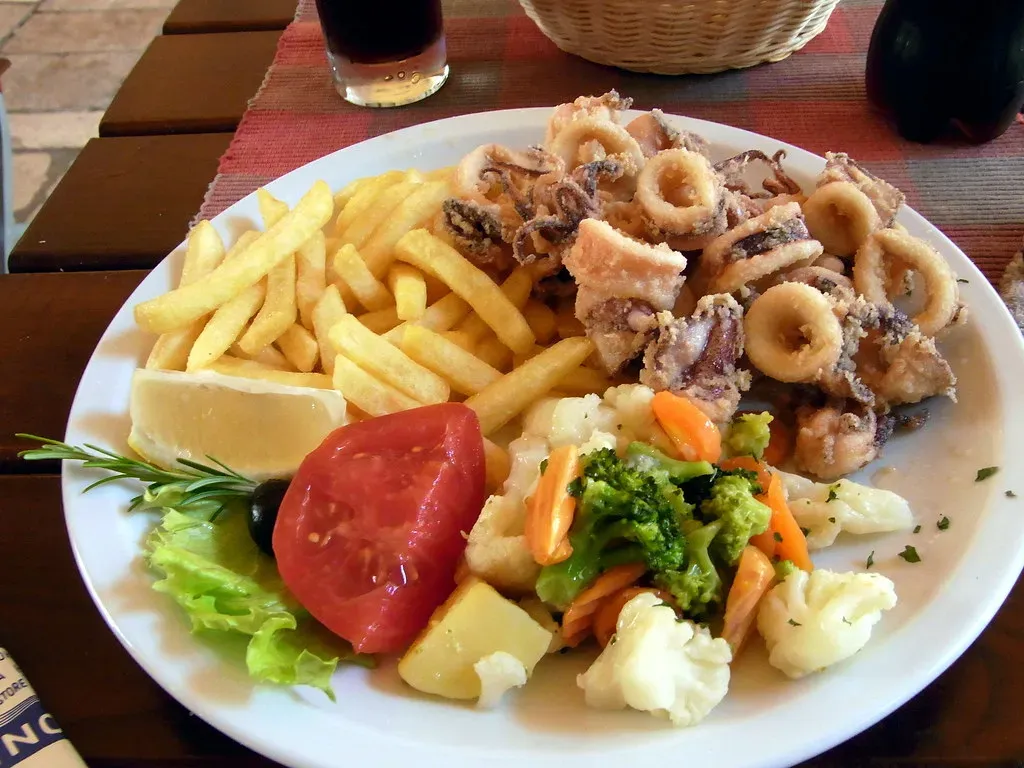
Having flown under the radar for many years, Zagreb and Croatia in general is finally realizing its potential as a destination for food lovers. The country offers so much, from the sweeping Dalmatian mountains to glorious Istria and a stunning coastline dotted with islands. Most travelers think of Croatia purely as a beach destination. A gorgeous one, sure, but just a beach destination. That framing sells the food dramatically short.
Istria is a beautiful part of the country with a thriving fine-dining scene that carries a distinct Italian influence. Agli Amici Rovinj is where chef Simone De Lucca serves accomplished Italian-Croatian cuisine in a stunning seaside location. The crossover of Italian coastal cooking traditions with fresh Adriatic seafood creates something that neither country could have made alone.
Outstanding restaurants in Zagreb include Noel, where you can find a high-quality, well-executed tasting menu. A trip to the wine-producing region of Plešivica and a meal at Korak offers sustainable, exquisitely cooked cuisine. Honestly, this is a food culture still growing into its own identity. Getting there now, before the food world fully catches up, feels like a privilege.
4. India – Where the Spice Map Has No Borders
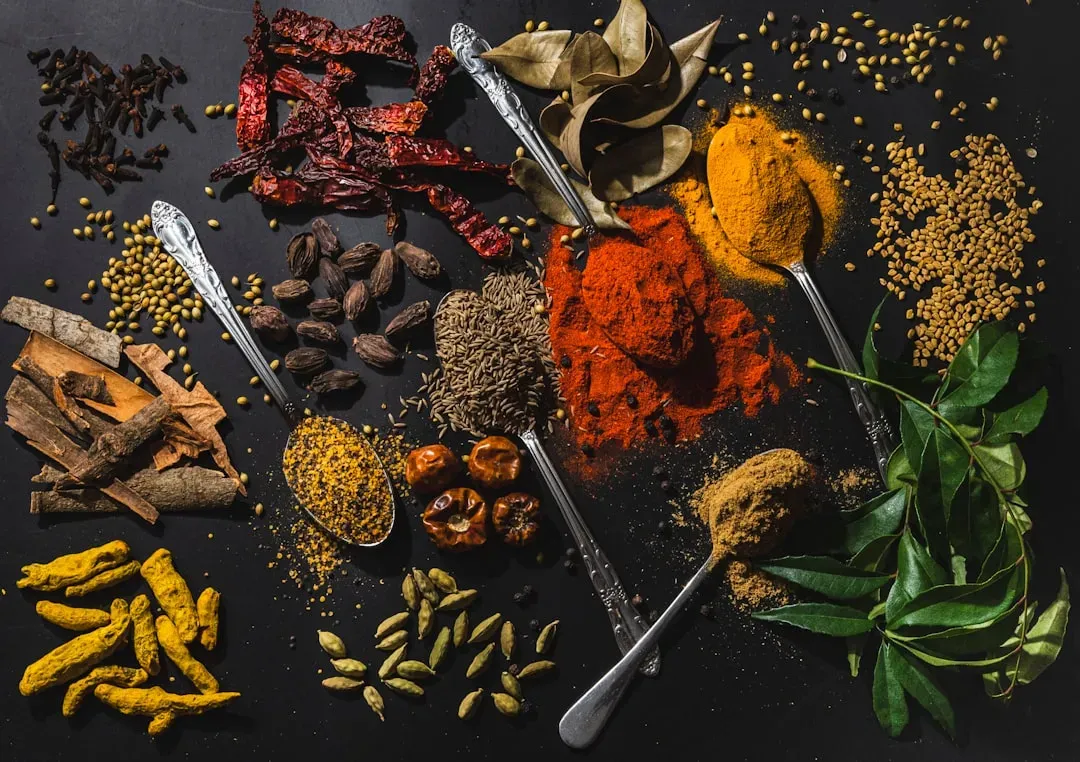
Some travelers arrive in India genuinely nervous. The food seems unpredictable, the menus overwhelming, the spice levels intimidating. I get it. It can feel like walking into a kitchen where everything is turned up to eleven. One of the most remarkable things to learn while traveling in India is that a dish being spicy and hot are, in fact, two entirely different things. That single distinction unlocks a whole universe of flavor.
A trip to India opens your eyes, mind, palate, and senses in ways that are genuinely hard to overstate. For vegetarians, it is like being a kid in a candy store. Around every corner is a restaurant, street food stall, or cafe to try something new. The sheer variety is staggering. Think of India’s food not as one cuisine but as dozens of completely distinct regional traditions packed into a single country.
In Lucknow, the one dish you simply cannot miss is the galouti kebab, also known as the Tunday kebab. It is the city’s most iconic expression of Awadhi finesse, a patty so soft it barely holds its shape, built on a famously complex masala blend that delivers warmth and aroma rather than heat. You’ll find it everywhere from street-side grills to established dining rooms, always served with paratha or sheermal, because the bread is part of the ritual.
The narrative around Indian food in the West often collapses it into one single flavor profile. That is like describing all European food as bread and cheese. New Delhi is at once chaotic and calm, with Chandni Chowk representing an exercise in friendly haggling and sensory overload. Street food there alone could occupy a week of eating without ever repeating a single dish.
5. Thailand – The Country That Gets Dismissed in Tourist Traps
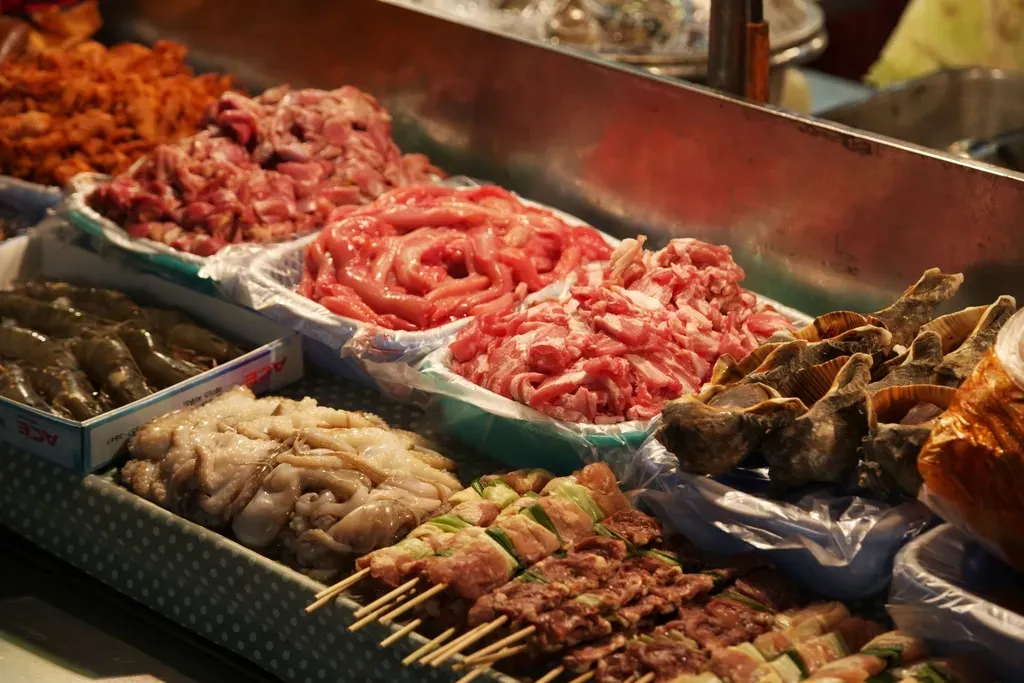
Here is a paradox. Thailand is technically considered one of the world’s great food destinations, yet countless travelers come back disappointed. Bangkok continues to appear near the top of lists of overrated cities, with tourist dissatisfaction rising from about one in six in 2023 to nearly one in five in 2024. As 2026 unfolds, challenges such as overcrowding, inflated prices in popular districts, and growing tensions between tourism and local quality of life suggest that the city’s reputation among travelers may remain mixed despite its enduring appeal. The reason is usually the same: travelers eat exclusively in tourist areas and then judge the whole country by that experience. That is like visiting a fast food restaurant in Paris and concluding French food is terrible.
Traveling from the north to the south of Thailand, you encounter a completely different set of flavors. In the north, the climate is cooler and ties to Myanmar, China, and Laos flow through in the food, with dishes that are slightly milder, earthy, and full of herbs. In the south, closer to the Malaysian and Indonesian borders, there is a shared love for bolder, spicier flavors with a tropical, coconut-based curry base. That internal diversity is what separates Thailand from most other food destinations.
According to Food Network, underrated foodie destinations like Chiang Mai, Thailand, are among the perfect places to tour, taste, and truly explore. Chiang Mai specifically operates on a completely different culinary wavelength than Bangkok. The northern Lanna cuisine, with its khao soi egg noodle soup and sai oua sausage, could honestly be a food destination all on its own.
6. Georgia – The Country That Keeps Shocking First-Time Visitors
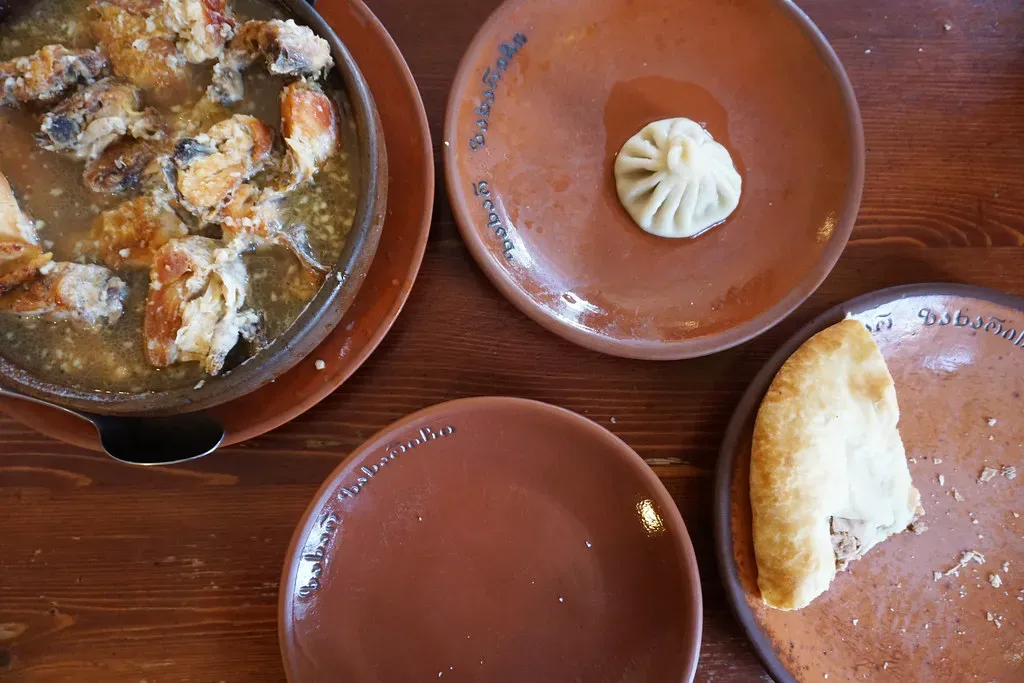
Not the American state. The small, fierce, deeply proud country nestled between the Caucasus Mountains and the Black Sea. Georgia has been quietly astonishing food travelers for years, and the mainstream travel world is only just beginning to notice. Travelers describe Georgia as home to some of the best food they have ever tasted, with dishes like Khachapuri, the iconic Georgian cheese bread, earning devoted fans who admit to gaining considerable weight during their visits. Worth every bite, apparently.
Georgian cuisine is ancient, genuinely ancient, with winemaking traditions that stretch back roughly eight thousand years according to archaeological evidence. The country lays claim to being one of the oldest wine-producing regions on the planet. While culinary preferences are always subjective, what one person initially finds unfamiliar, another finds fascinating and delicious, and traveling with an open mind and willingness to explore new flavors can turn any culinary experience into a genuine adventure.
Dishes like Chakapuli, a lamb stew with tarragon and plum sauce, or Pkhali, herb and walnut vegetable rolls, reflect a flavor philosophy completely unlike anything in nearby countries. The fermented drinks, the fresh herbs piled onto everything, the open-hearth breads baked in clay ovens called tone: it is a cuisine that feels ancient and utterly alive at the same time. Georgia is the kind of food destination that makes you recalibrate every assumption you had.
The Real Lesson Here

The pattern across all six countries is the same. The reputation arrived before the food did. As experienced travelers often note, overrated does not mean bad. It means expectations somehow exceeded reality, usually because the expectations were set in the wrong place entirely. A stereotype is not a meal. An assumption is not a bite.
The global food tourism market was valued at roughly 1.1 trillion dollars in 2023 and is expected to grow dramatically over the next decade. In the United States alone, nearly all travelers express interest in having unique food experiences while traveling, with the vast majority having at least one unique food or drink activity during recent trips. People are clearly hungry to be surprised.
The most honest thing a food traveler can do is arrive empty-handed: no assumptions, no rankings borrowed from the internet, no comparing everything to the last place they visited. Just an open table and a willing stomach. The six countries on this list all have one thing in common. They reward exactly that kind of traveler with something genuinely unforgettable.
Which of these six countries surprised you the most? Drop your experience in the comments below.