
Searing Meat Doesn’t Actually Seal In The Juices
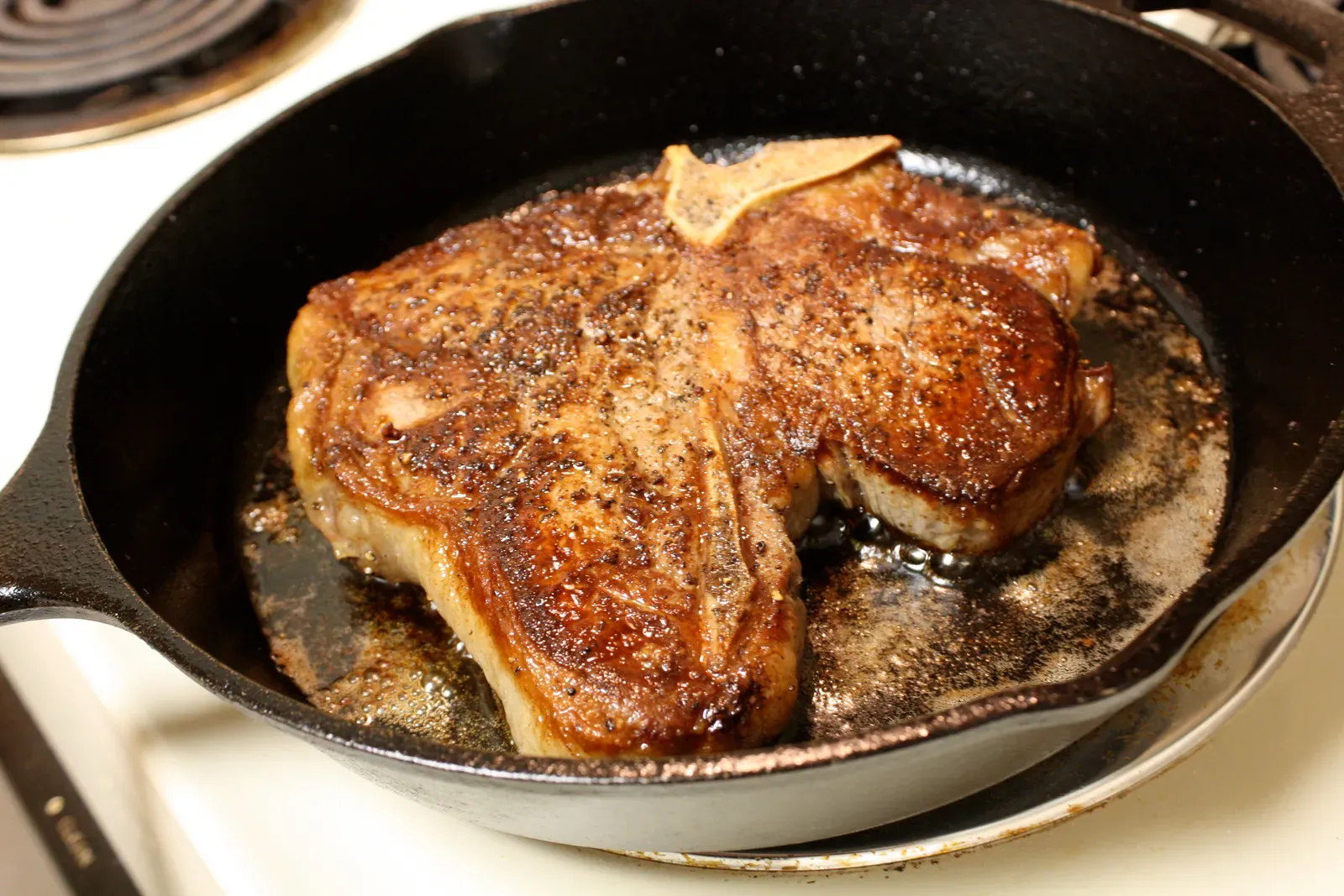
The belief that searing meat seals in juices has been widespread and repeated since Justus von Liebig first proposed this theory around 1850, embraced by legendary cooks including Auguste Escoffier. Here’s the thing though: it’s completely wrong. Experiments conducted as early as the 1930s found that seared roasts lost the same amount of moisture or more, since searing exposes meat to higher temperatures that destroy more cells and release more liquid. J. Kenji Lopez-Alt at SeriousEats.com found that meat seared first then roasted lost 1.68% more juices than meat roasted first then seared. The real reason to sear? Searing creates a delicious extra level of flavor through the Maillard reaction, forming a brown crust which releases a smoky, almost caramelized flavor profile.
Adding Salt To Pasta Water Won’t Make It Boil Faster
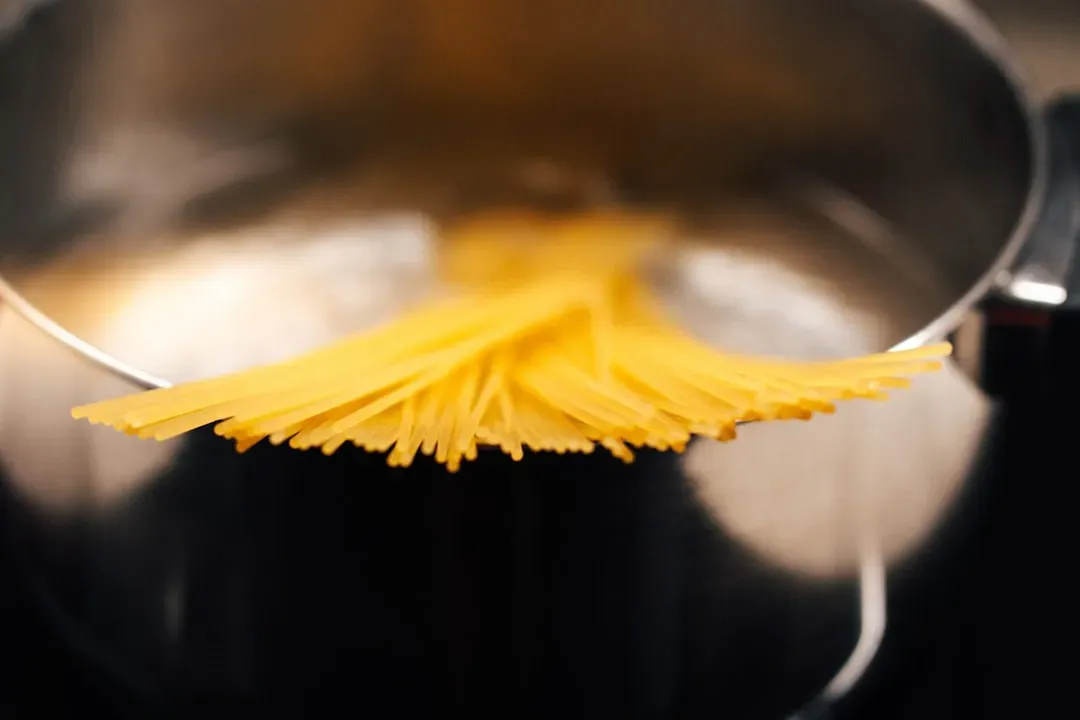
Many people assume that adding salt makes water boil faster, but in reality, it increases the boiling point, meaning more heat is needed and the water actually takes longer to reach its boiling temperature. Let’s be real, the difference is negligible anyway. Harold McGee, author of On Food and Cooking, notes that it takes one ounce of salt per quart of water to raise the boiling point a negligible 1°F. Adding sodium chloride to water raises its boiling point by an irrelevant 0.17°C per water liter, and not adding salt until later does save time and energy, but not much. The actual reason to salt your pasta water is simple: flavor. Pasta itself is quite bland, and when you add salt to the water, it penetrates the pasta as it cooks, seasoning it from the inside out, ensuring that every bite of pasta is flavorful.
You Should Never Rinse Cooked Pasta For Hot Dishes
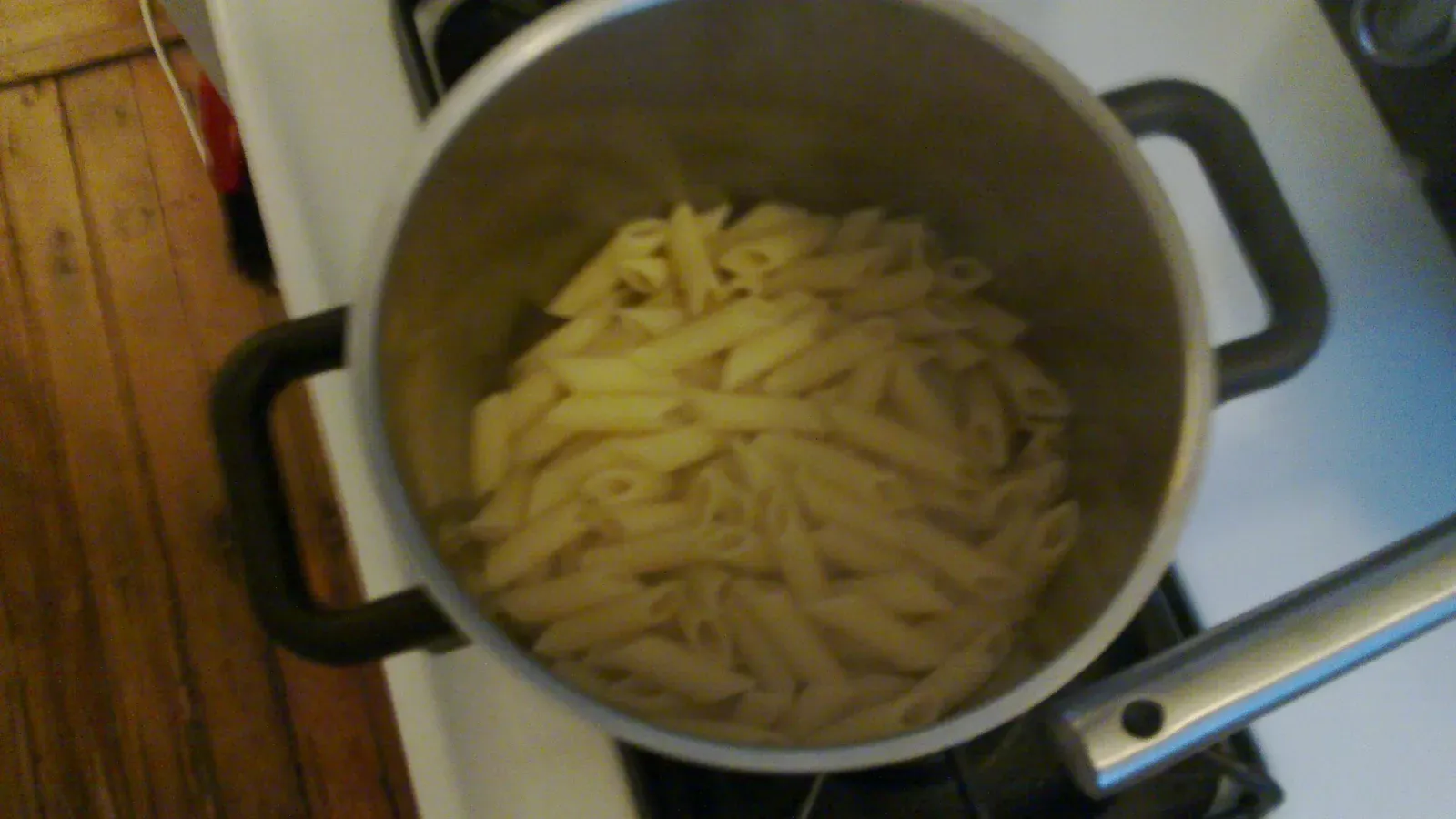
The answer is simple: absolutely not – Italians never rinse pasta because doing so washes away the starch that gives pasta their heavenly taste and binds the pasta to its sauce. I know it sounds crazy, but that starchy coating is culinary gold. An executive chef from Barilla America says you should never rinse your pasta because letting the starch coat the pasta will create a clingy surface for the sauce. The starch coating is what helps sauce stick, and washing it away leaves you with noodles that sauce slides right off. However, there is one exception to this rule. According to Food & Wine, pasta should always be rinsed when it is going to be eaten cold or at room temperature, because pasta that is not rinsed and cools off will have a clear, sticky coating of starch on the outside.
Olive Oil In Pasta Water Is A Waste
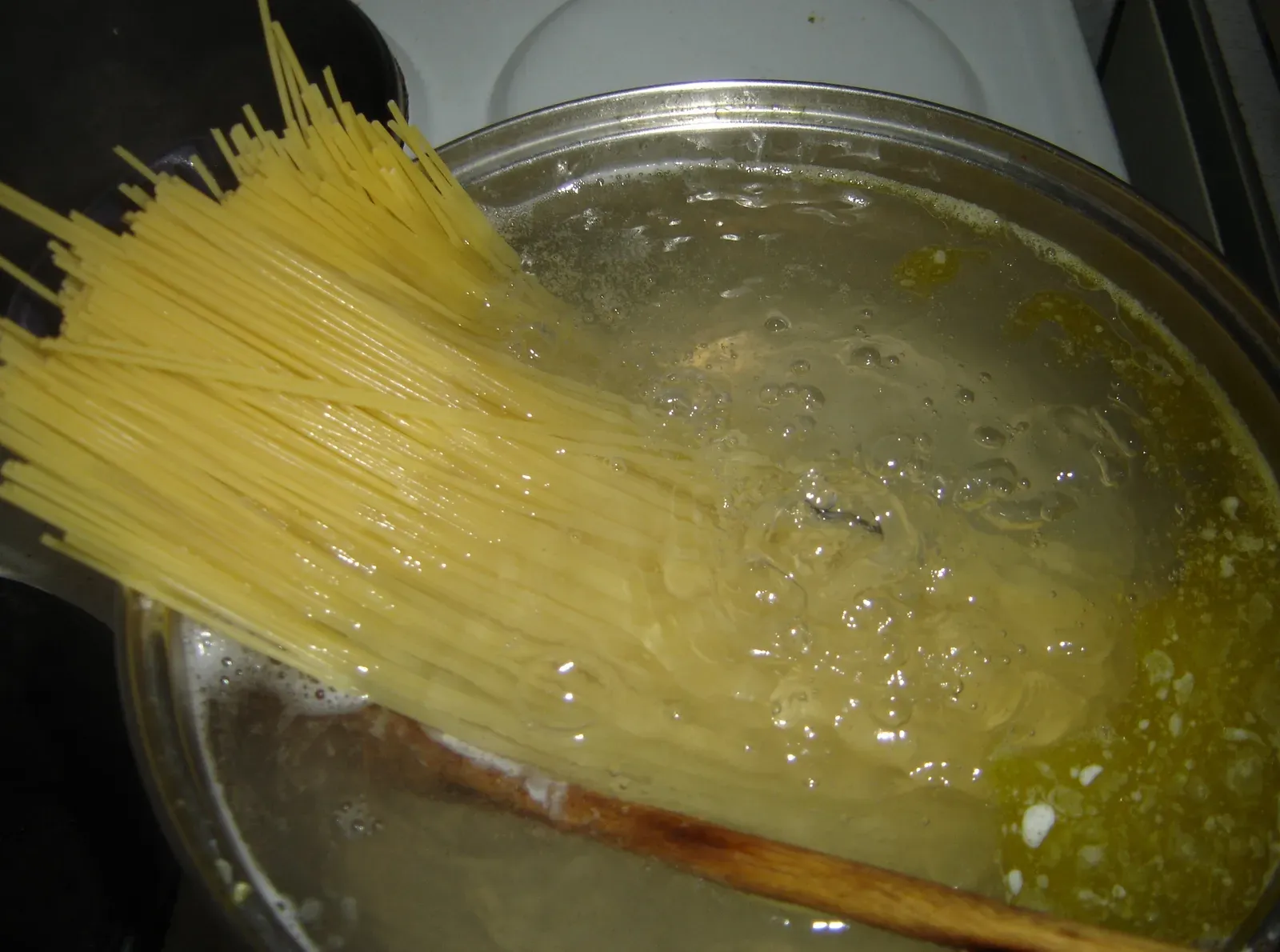
This myth probably won’t go away anytime soon, even though professional chefs have been trying to debunk it for years. Olive oil is fantastic at many things, but it does not prevent spaghetti from sticking together because it floats to the top of the water while the spaghetti is cooking, doing nothing to prevent the pasta from sticking. Remember basic chemistry? Oil and water don’t mix. Oil and water don’t mix, meaning the oil in a pot of boiling pasta water is going to float in globs on the surface as the pasta cooks, and you can stand there forever stirring the water, trying to emulsify the oil into it, but it’s not gonna happen. When you drain the water and oil away, a coat of oil is left on the pasta, and the coating of oil prevents sauce from sticking to the pasta, making it difficult for the pasta to absorb the flavor of any sauce you put on it. The number-one line of defense to prevent pasta from sticking is to stir often, especially at the beginning, because the first few minutes are crucial when starch molecules release into the water, and if you’re stirring frequently with good technique, you will always avoid pasta sticking.
Marinating Doesn’t Penetrate Deep Into Meat
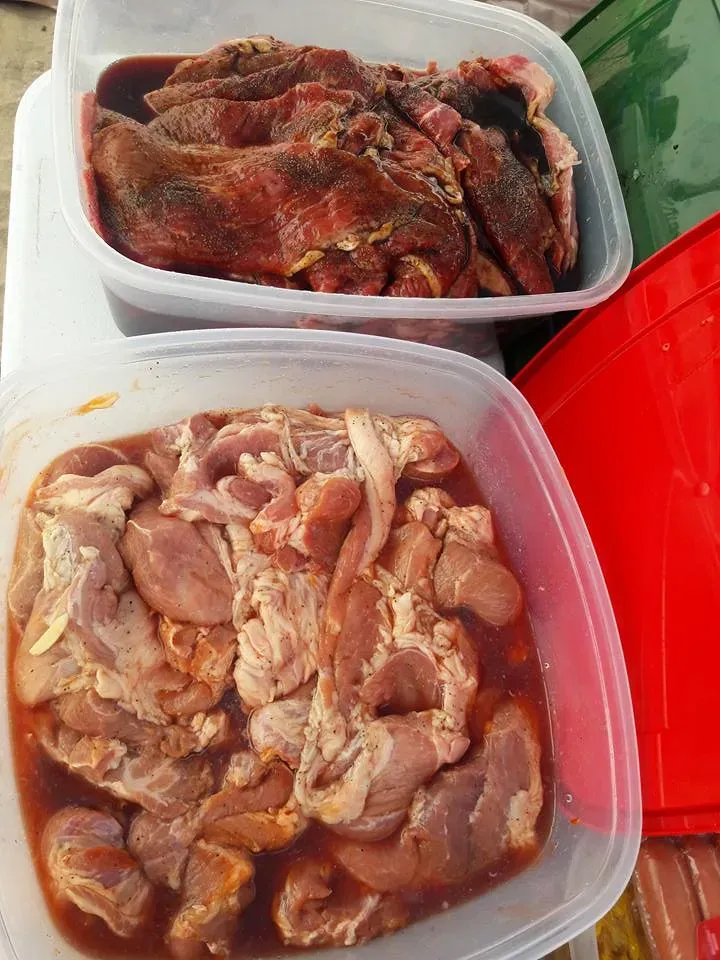
The myth that searing seals in juices is deeply ingrained in kitchen know-how and was first perpetrated by Justus von Liebig in 1850, adopted by chefs and food authors of the time, and even found its way into Auguste Escoffier’s Le Guide Culinaire, which is still trusted by chefs worldwide. Honestly, the same kind of misconception exists with marinating meat. Most home cooks believe that if they marinate a thick cut of meat overnight, the flavors will penetrate deep inside. The reality is far less impressive. Marinade flavor typically only penetrates a few millimeters into the surface of meat, regardless of how long you soak it. The acids in marinades can break down surface proteins, making the exterior more tender, but they don’t work miracles throughout the entire cut. What marinades do exceptionally well is coat the surface with flavor and create a delicious crust when cooked.
You Don’t Need To Let Meat Rest To Redistribute Juices
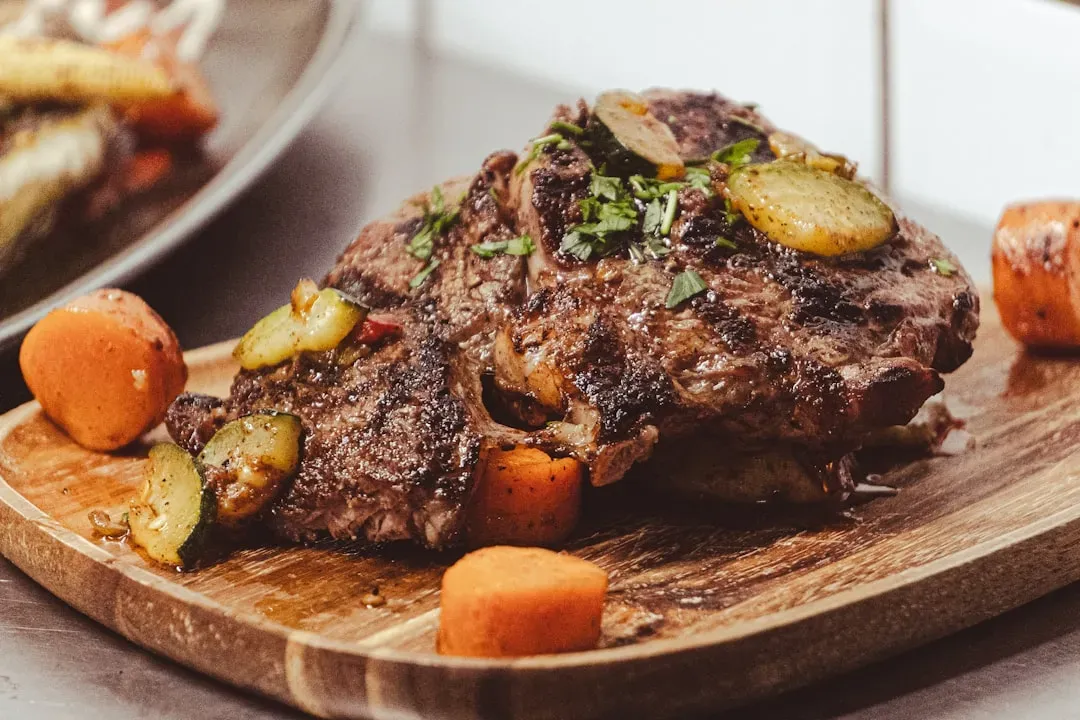
Heating meat always squeezes out juices and nothing can stop the process, with some juices dripping off during cooking and some evaporating, and although searing turns the surface brown and makes it harder and better tasting, it does not weld the fibers shut and lock in the juices. The common advice to let meat rest after cooking supposedly allows juices to redistribute throughout the meat. While resting does help slightly, the science isn’t quite what most people think. The real benefit of resting meat is that it allows the temperature to even out and the muscle fibers to relax a bit, which reduces the immediate flow of liquid when you cut into it. The juices don’t magically move around inside the meat like water finding its level. They’re mostly staying put where they are. Resting is still a good idea because cutting into meat immediately causes more liquid loss simply because the fibers are still contracting from heat, not because the juices need time to redistribute. It’s a subtle but important distinction that changes how we think about this widely accepted practice.