
What you eat every day is quietly shaping your future health in ways most people simply never consider. Some of the most familiar foods on grocery store shelves, things you’ve grown up with, things you grab on a rushed morning, turn out to be far more damaging than their packaging ever hints at. Honestly, the gap between what we assume is “fine in moderation” and what the science actually shows is wide enough to be genuinely alarming.
On the flip side, a handful of common, affordable foods keep showing up in study after study as genuine allies to long-term health. Some of them might already be sitting in your kitchen. Research from 2025 and early 2026 has made the trends clearer than ever, and the picture it paints is worth paying close attention to. Let’s dive in.
Table of Contents
1. Processed Meats: The Dementia and Cancer Connection

Few findings from recent years have turned heads quite like the growing body of evidence linking processed meats to brain decline. A Harvard study published in February 2025 in the journal Neurology directly links processed red meat consumption to dementia, involving more than 133,000 people followed for more than four decades. That is not a small study with questionable methods. That is a massive, long-running, peer-reviewed investigation with hard data.
Compared to people who ate the least processed red meat, those eating the equivalent of a quarter-serving or more per day, like a couple of slices of bacon, had a 13% higher risk of developing dementia and a 14% higher risk of cognitive decline. Think about that the next time you’re reaching for the deli counter. For every extra serving per day of processed meat, there was an increase of 1.6 years in the speed of cognitive aging.
Strong evidence also links processed meat to colorectal cancer, while cooking methods like grilling and barbecuing can further elevate cancer risk by producing cancer-causing compounds. The science on this is no longer tentative. Processed red meat has been shown to raise the risk of cancer, heart disease, and diabetes, and it may affect the brain because it has high levels of harmful substances such as nitrites and sodium.
2. Sugar-Sweetened Beverages: Liquid Sugar with Hidden Consequences

Here is the thing about sugary drinks: they feel harmless because they are liquid. You drink them quickly, you don’t feel “full” from them, and they rarely register as a meal in people’s minds. Yet the research paints a startlingly different picture. Researchers found that the ultraprocessed foods most strongly associated with the highest risk for heart disease included sugar-sweetened beverages and processed meats.
High intake of ultra-processed foods, particularly processed meats, sugary breakfast foods, and sugar- or artificially sweetened beverages, may increase risk of early death, according to a study led by researchers at Harvard T.H. Chan School of Public Health. That study was published in The BMJ in 2024. The WHO advises that consumption of free sugars should be limited to less than 10% of total daily energy intake, roughly 50 grams or about 12 level teaspoons for someone consuming 2,000 calories a day.
A single can of many popular sodas already pushes dangerously close to that ceiling. Most ultraprocessed foods contribute to adverse cardiometabolic health outcomes, including heart attack, stroke, obesity, inflammation, type 2 diabetes, and vascular complications. Sugary drinks are among the most consumed of this category globally, making this a public health issue, not just a personal one.
3. Ultra-Processed Packaged Snacks: 32 Health Conditions in One Category

A review published in the British Medical Journal in 2024 looked at 45 studies involving almost 10 million participants and found that eating more ultraprocessed foods is linked to a higher risk of dying from any cause and has ties to 32 health conditions, including heart disease, mental health disorders, and type 2 diabetes. Thirty-two. That number is extraordinary. It means there is virtually no organ system in the human body that excessive ultra-processed food consumption does not touch.
A 2024 review of 45 meta-analyses covering nearly 10 million study participants found convincing evidence that a high ultra-processed food diet increases the risk of death from cardiovascular disease and also found highly suggestive evidence that it increases the risk of obesity, sleep disorders, type 2 diabetes, and depression. These are not minor, obscure side effects. These are the defining diseases of our era.
Frozen pizza, ready-to-eat meals, instant noodles, and many store-bought breads are examples of ultraprocessed foods, containing a long list of ingredients, chemical additives, and little to no whole foods. Think of them as nutritional voids dressed up in bright packaging. It is not just about what is added to these foods. They also tend to be lower in fiber, micronutrients, and phytochemicals, the naturally occurring compounds with potential health benefits.
4. Refined Grains and Commercial Baked Goods: The White Flour Problem

White bread, white rice, pastries, crackers, most commercially produced muffins. These are staples in millions of households across the world, yet they sit in a troubling dietary category. Most ultraprocessed foods commonly seen in U.S. dietary patterns are high in saturated fat, added sugars, and sodium, and this includes refined grains, candy, and commercial baked goods, among others. The problem with refined grains is that the milling process strips out the fiber and most of the nutrients, leaving behind something that spikes blood sugar fast and keeps you hungry faster.
New research published in The Lancet in November 2025 found that more people consuming more ultraprocessed food and less whole food is a key driver in the rise of chronic diseases tied to diet, such as type 2 diabetes and obesity, and that the negative health effects extend to almost all organ systems. Refined grain products are a core component of that shift. People are now consuming more highly processed foods high in unhealthy fats, free sugars, and salt, and many do not eat enough fruit, vegetables, or sufficient dietary fiber.
I think most people genuinely underestimate how dramatically white flour products affect their metabolic health over time, especially when consumed daily. It is the kind of slow, cumulative harm that never feels urgent until it is. The group that consumed the most ultraprocessed foods was 11% more likely to develop cardiovascular disease and 16% more likely to develop coronary artery disease than those who consumed the least.
5. Processed Red Meat Beyond Deli Cuts: Hot Dogs, Bacon, and Sausages

Let’s be real: the processed meat category deserves its own closer look beyond the brain health angle, because the risks pile up in multiple directions. Findings from the Alzheimer’s Association International Conference 2024 showed that people who ate a quarter serving or more of processed red meat daily had a 14% higher risk of dementia than those who ate less than a tenth of a serving daily. Hot dogs, sausages, bacon, bologna, salami. These are not rare indulgences in the average diet. For many families, they are weekly or even daily staples.
The findings also suggest that people can decrease their risk of dementia by replacing one serving of processed red meat with one serving of nuts and legumes, such as beans and peas, every day. That is actually an empowering takeaway hidden inside a scary statistic. Replacing one daily serving of processed red meat with one daily serving of nuts and legumes was linked to a 20% lower risk of developing dementia.
Current dietary guidelines recommend very little or no processed meat and limiting red meat to three servings per week to reduce risks for colorectal cancer, heart disease, and type 2 diabetes. Most people are eating far above that threshold without realizing it. This is one area where awareness genuinely matters.
6. Trans Fats in Fried and Pre-Packaged Foods: Still a Lurking Danger
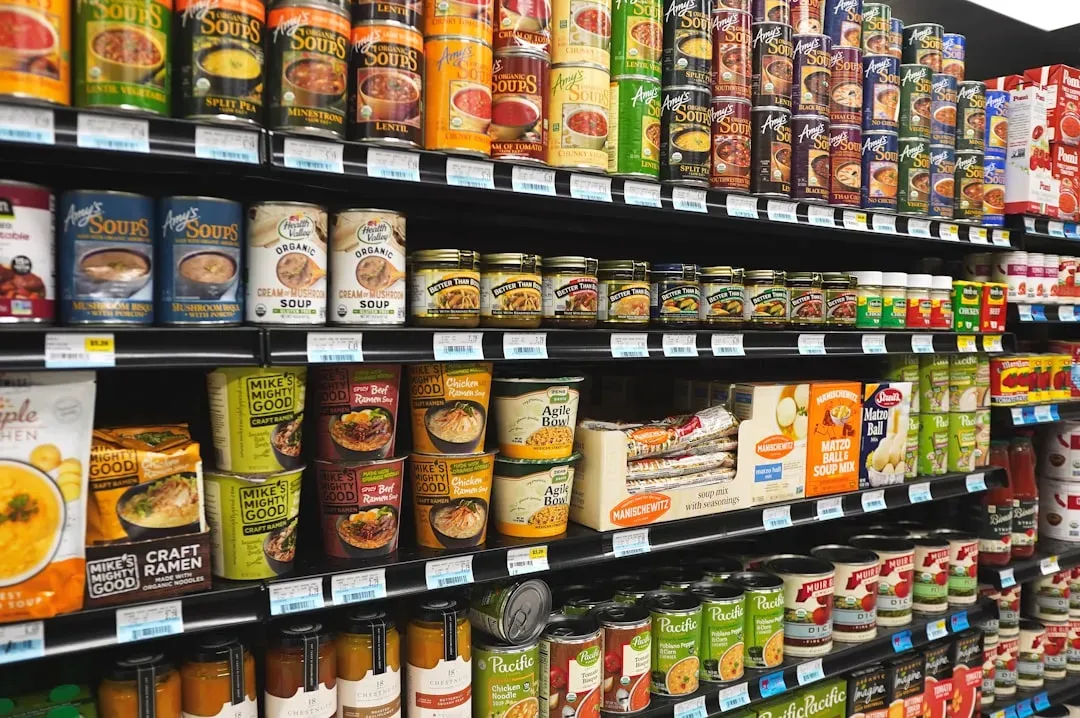
Trans fats have been officially restricted or banned in many countries, yet they have not disappeared entirely. They still show up in certain pre-packaged baked goods, fried fast foods, and products from regions with looser food safety regulations. The WHO identifies industrially produced trans fats found in baked and fried foods and pre-packaged snacks as among the most dangerous dietary fats, recommending that no more than 1% of total daily energy come from trans fat of any type.
Emerging evidence suggests that certain additives and industrial processing techniques may have negative health effects above and beyond what the ingredient list alone reveals. Trans fats are perhaps the clearest example of an industrial food additive that turned out to be genuinely toxic in even small quantities. Ultraprocessed foods can also contain contaminants with health implications that migrate from packaging materials, such as bisphenols, microplastics, and phthalates.
The broader lesson is that the container your food comes in matters as much as what is in it. Other possible mechanisms explaining how ultraprocessed foods are linked to heart disease include inflammation, immune system dysregulation, and changes in the gut microbiome, the collection of bacteria and other microorganisms that live in our intestines. Trans fats drive all three of those mechanisms simultaneously.
7. Blueberries: Small Berry, Enormous Evidence

Now for the good news, and there genuinely is some. Blueberries have accumulated one of the most impressive bodies of research of any single food. A 2024 review found that regularly eating blueberries every day for a month could significantly improve blood flow and blood vessel dilation, and a 2023 study found that consuming blueberry powder equivalent to about one cup of fresh blueberries daily could help maintain brain function and improve memory in older adults.
Anthocyanins give blueberries their deep color and are linked to memory health, among other benefits. Blueberries also contain vitamin K, which supports the body’s cells, healthy blood flow, and calcium processing. Those anthocyanins are essentially nature’s anti-aging compounds for the brain. Think of them like tiny blue helmets protecting your neurons.
Research on wild blueberries shows the strongest evidence for improvements in blood vessel function, with encouraging signs for blood pressure, cholesterol, blood sugar, gut health, and cognition. A January 2026 review published in Critical Reviews in Food Science and Nutrition confirmed these findings. Research suggests that anthocyanins in blueberries have beneficial effects on insulin sensitivity and glucose metabolism.
8. Fatty Fish: The Omega-3 Powerhouse

Fatty fish are a top source of omega-3 fatty acids, which are vital for brain health and powerful inflammation fighters. Omega-3s help reduce levels of cytokines, the proteins involved in chronic inflammation, while also supporting memory, mood, and heart health. Salmon, mackerel, sardines, herring. These fish are doing serious work inside your body every time you eat them. It is hard to say for sure whether any single food category has more consistent scientific support than this one.
Salmon is probably best known for its omega-3 fatty acids, called EPA and DHA, and these fats may support heart health, brain function, and healthy joints. The American Heart Association has long endorsed fatty fish as a core component of a heart-healthy diet. Salmon, along with sardines and trout, tend to be lower in mercury than other types of seafood, making them a safer regular choice compared to larger predatory fish like tuna or swordfish.
Omega-3 fatty acids, polyphenols, and B vitamins were linked to improved cognitive performance in research examining neuroprotective diets. The MIND diet, which specifically targets brain health, places fatty fish as a cornerstone recommendation. Omega-3s form up to roughly three-fifths of your brain’s fat content, and deficiencies are linked to depression, poor memory, and cognitive decline.
9. Leafy Greens: The Quietest Superstars on the Plate
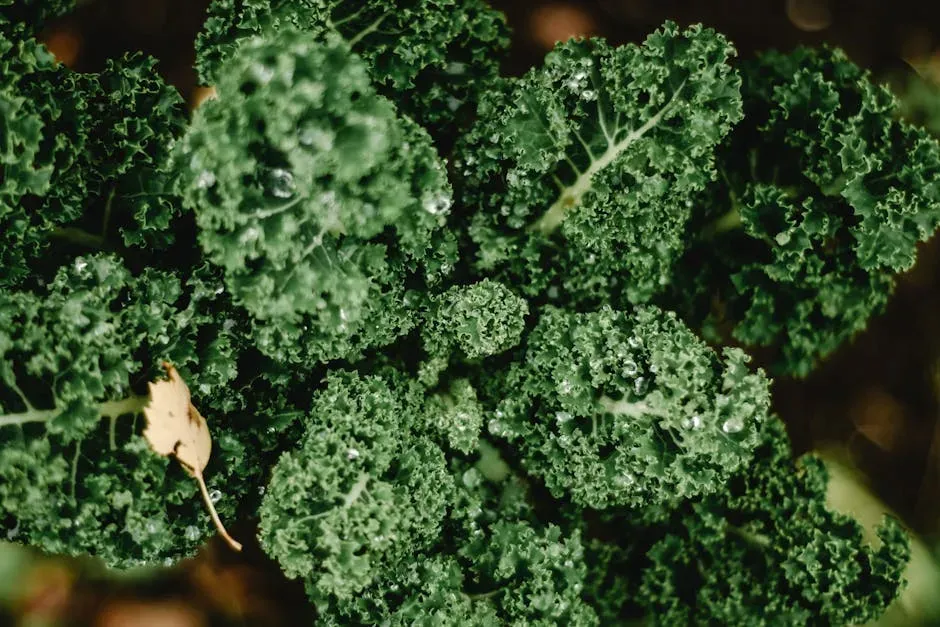
Honestly, leafy greens deserve more credit than they get. They are not glamorous. They rarely go viral. Yet the research on their long-term health benefits is as consistent as anything in nutritional science. Leafy greens like spinach, kale, collard greens, and Swiss chard are rich in vitamin K, folate, and antioxidants that help protect the brain and reduce inflammation throughout the body. They are high in fiber, which supports gut health and helps regulate blood sugar. The anti-inflammatory compounds in greens can help reduce the risk of chronic illnesses like heart disease, stroke, and Alzheimer’s disease.
Research from Neurology found that people who ate approximately one serving of leafy greens per day had slower cognitive decline compared to those who rarely consumed them, the equivalent of being 11 years younger cognitively. Eleven years. Just from eating greens regularly. That is one of the most striking statistics in all of nutritional research.
Leafy greens like kale, spinach, and Swiss chard are packed with vitamins A, C, and K, fiber, and plant-based compounds that support cellular health and longevity. These greens contain lutein and zeaxanthin, antioxidants that help protect eye health and cognitive function. Pairing them with a small amount of healthy fat, like olive oil, helps the body absorb those fat-soluble vitamins far more efficiently. One of the key benefits of leafy greens is their ability to lower inflammation and improve gut microbiome health, and research suggests that higher vegetable intake is associated with a longer lifespan and a reduced risk of chronic diseases such as cancer and diabetes.
The verdict from the evidence, when you pull it all together, is not complicated: the more closely your plate resembles whole, minimally processed food, the better off your body will be across virtually every health metric that matters. What’s on your plate tonight?