
Picture this: your grandparents’ faces lighting up as they recall sweet memories from their childhood. The candy counter at the local five-and-dime, penny treats that felt like treasures, and flavors that defined an entire generation. Yet many of these beloved confections have vanished from our world, taking with them a piece of American history that historians now study as cultural artifacts.
These weren’t just snacks – they were symbols of their times, reflections of economic conditions, marketing innovations, and social trends. From accidental discoveries that revolutionized candy making to bars that promised complete nutrition, these forgotten treats tell stories that go far beyond sugar and chocolate. Let’s unwrap the fascinating histories of six candies your grandparents treasured but can never taste again.
Table of Contents
Fat Emma Bar: The Accidental Innovation That Changed Candy Forever
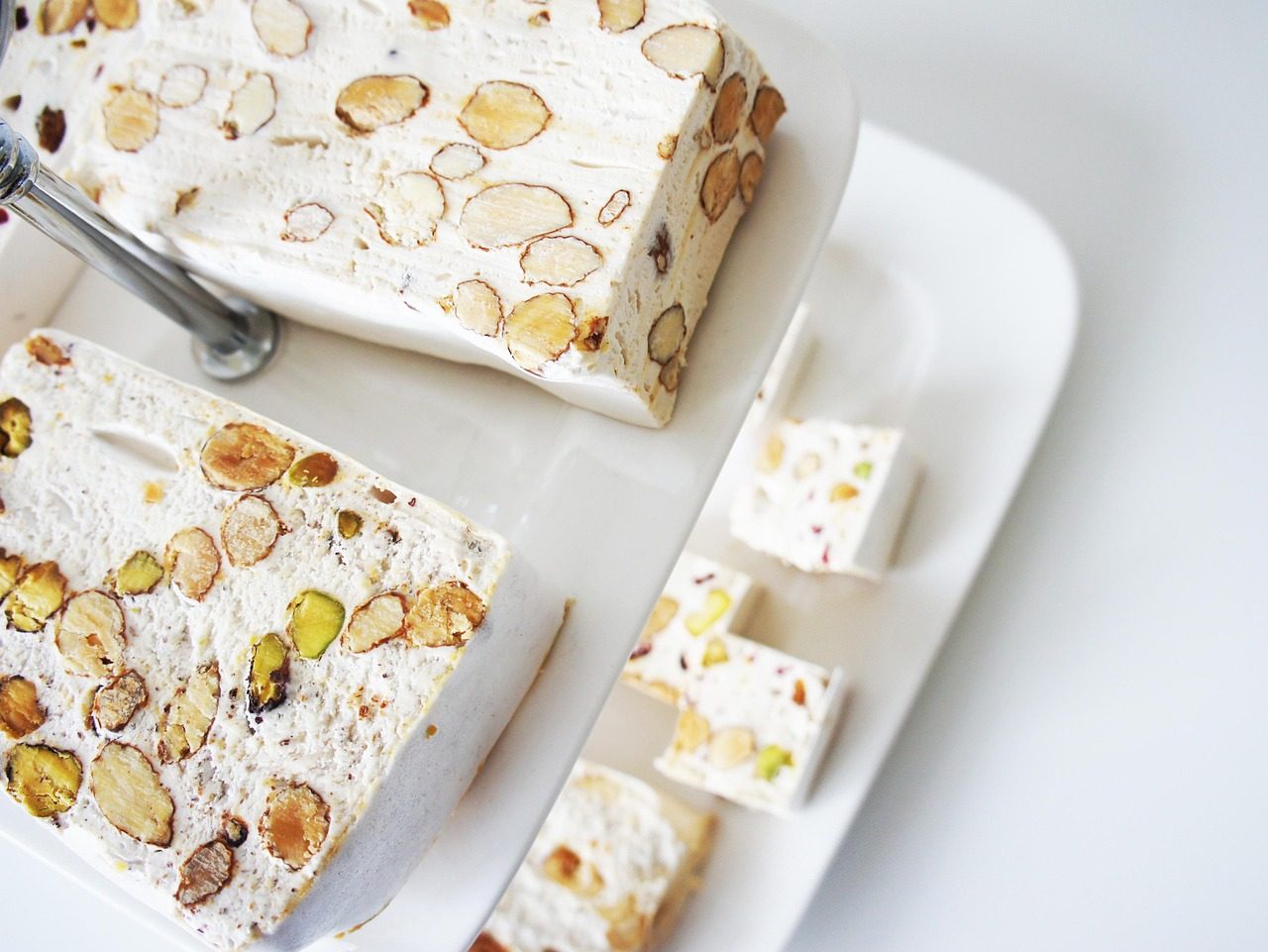
The modern American candy nougat was invented in Minneapolis, Minnesota in the early 1920s by the Pendergast Candy company. In the 1920s the candy makers at the Pendergast candy company were trying to come up with a manufacturable chewy nougat. They screwed up with the formula and put in too much egg albumin, and the result was not chewy, but a fluffy, airy, puffier nougat. Before the nougat discovery, Pendergast had decided to call their chewy nougat bar the Emma, which was a popular girl’s name at the time. With the new lighter, fluffier, and bigger nougat, they decided to rename it the Fat Emma.
Frank Mars saw the potential, and in Minneapolis at the time, introduced his Milky Way. Pendergast, which was bought by Hollywood Candy Company in 1928, countered with their version of the Milky Way, a Double Milk Shake malt-chocolate flavored nougat candy bar. You would think this was an unfortunate name for marketing, but it became maybe the most licensed candy bar name in American candy bar history. For years the bar bounced around from company to company, last surfacing in Canada, and fading from sight less than a decade ago.
Chicken Dinner Bar: When Candy Promised a Complete Meal
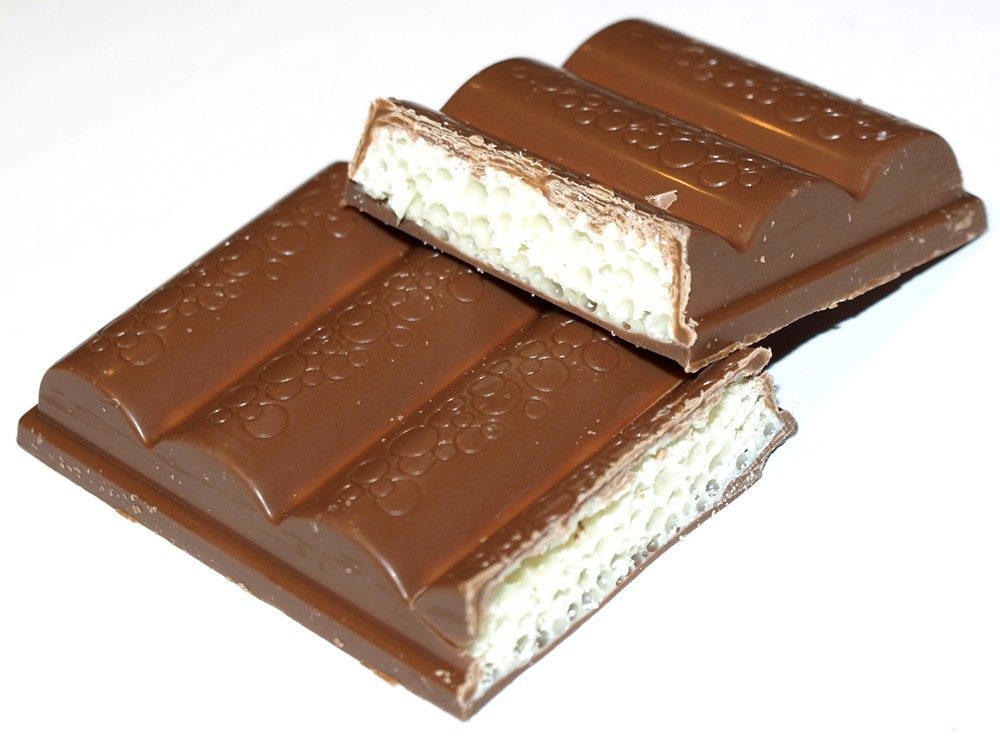
This particular idea came to fruition in 1923 and was one of the most popular 1920s candy. Chicken dinner candy bars are like chocolate-covered nut rolls. Introduced in 1923 by the Sperry Candy Company of Milwaukee, the oddly named bar sold for 10 cents and featured a roasted chicken on each package. “An expensive, high-grade candy” was how a 1924 Sperry ad described Chicken Dinner, giving it a puzzling air of exclusivity considering it didn’t contain any actual chicken (it was filled with nuts instead, and was coated in chocolate), and kids were the target market.
Sperry helped sales along by aggressively marketing Chicken Dinner with billboards, magazine ads and, most notably, a fleet of trucks decorated to look like chickens. After Sperry dropped the price of the bar to five cents, the decked-out chicken-mobiles canvassed the U.S. Apparently the trucks’ horns would cackle and crow when pressed. Released six years before the Great Depression struck (numerous sources have incorrectly linked its release with the Republican Party’s 1928 campaign pledge to provide “a chicken in every pot”), Chicken Dinner seemed to promise value for cash-strapped Americans. Production of Chicken Dinner bars ceased in 1962 after Pearson’s, the makers of Bit-O-Honey, bought Sperry. All told, Chicken Dinner spent an impressive 40 years on shelves.
Seven Up Bar: The Original Candy Variety Pack
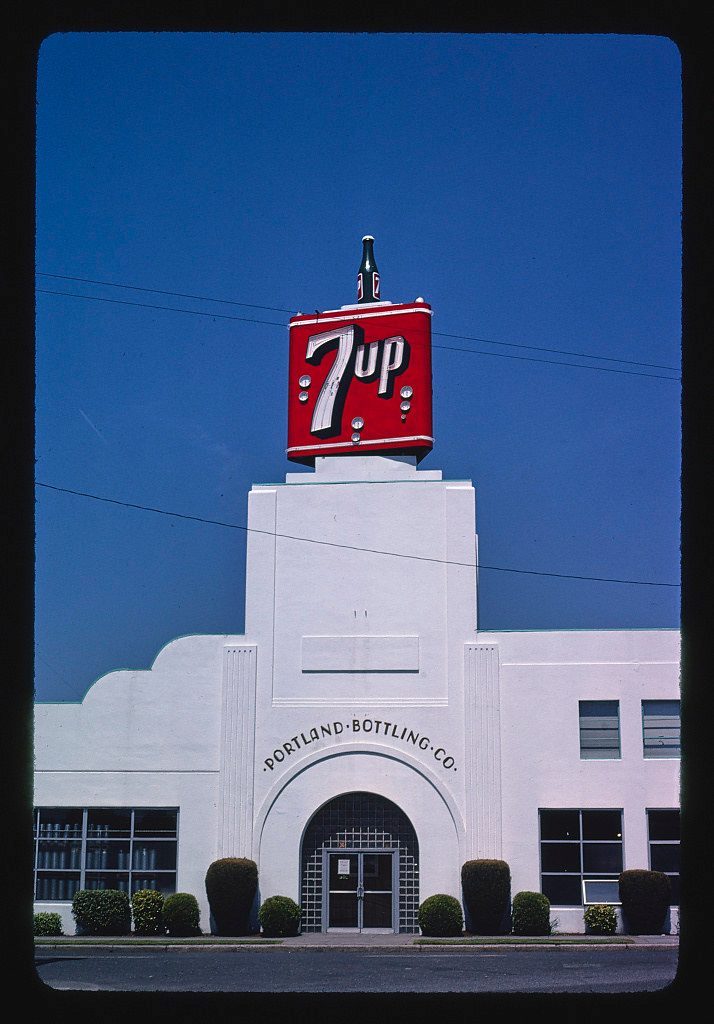
The anticipation of biting into a pillow of coconut, butterscotch caramel, buttercream, fudge, mint, cherry cream, or orange jelly was the thrill of the Seven Up Bar, manufactured by Pearson’s from the 1930s to 1979. The Seven Up bar got its name from having seven connected pieces, each with a different center. The bar came out in the 1930s, before the 7-Up Bottling Company began production of its soft drink – so the Trudeau Candy Company owned the trademark rights to the name. Eventually, the 7-Up Bottling Company bought the bar and retired it, so they had exclusive use of the name no matter how it was spelled – Seven Up or 7-Up.
In 1951, Pearson’s acquired the Trudeau Candy Company, which brought Mint Patties and the Seven Up bar to Pearson’s product line. Seven Up Bar featured seven layers filled with different flavors, including coconut, butterscotch, caramel, and cherry cream. Pearson Candy called these sections “pillows.” High manufacturing costs and trademark disputes with 7 Up sodaforced the candy’s discontinuation after nearly 50 years. It’s gone for good, but the Sky Bar could be an apt alternative, with four chocolate squares containing caramel, vanilla, peanut, and fudge fillings. This popular bar from the ’70s almost met its own demise last year when Necco broke up, but a small manufacturer in Massachusetts bought the brand and plans to start selling Sky Bars later this year.
Marathon Bar: The Foot-Long Braided Wonder
A unique and beloved retro treat, the Marathon candy bar was introduced by Mars in 1973. Chewy and delicious, it featured a braided caramel base with a smooth milk chocolate coating and stretched an impressive 8 inches. Mars Inc. launched Marathon Bar as an eight-inch braided caramel bar covered in chocolate. Red wrapper and cowboy-themed TV ads emphasized telling the consumer how long it would be to chew through it. Despite memorable marketing, poor sales ended production after eight years. It remains highly requested by nostalgic consumers.
Snickers Marathon Bar only lasted from 1973 to 1981, with the Mars Company citing poor sales as the reason it stopped production. The chocolate bar was associated with the popular cowboy movies of the time and used Western movie star Patrick Wayne in advertising. The name reflected the time it took to eat the bar, which included a caramel ribbon covered with chocolate. A popular choice in the 1970s, the Marathon bar consisted of a braided caramel base with a smooth milk chocolate coating. It was produced by Mars, and while it was chewy and delicious, its sticky caramel often got stuck in your teeth. Much to fans’ dismay, the bar was eventually discontinued in 1981 and is yet to make a reappearance.
Reggie Bar: The Sweet Home Run That Struck Out
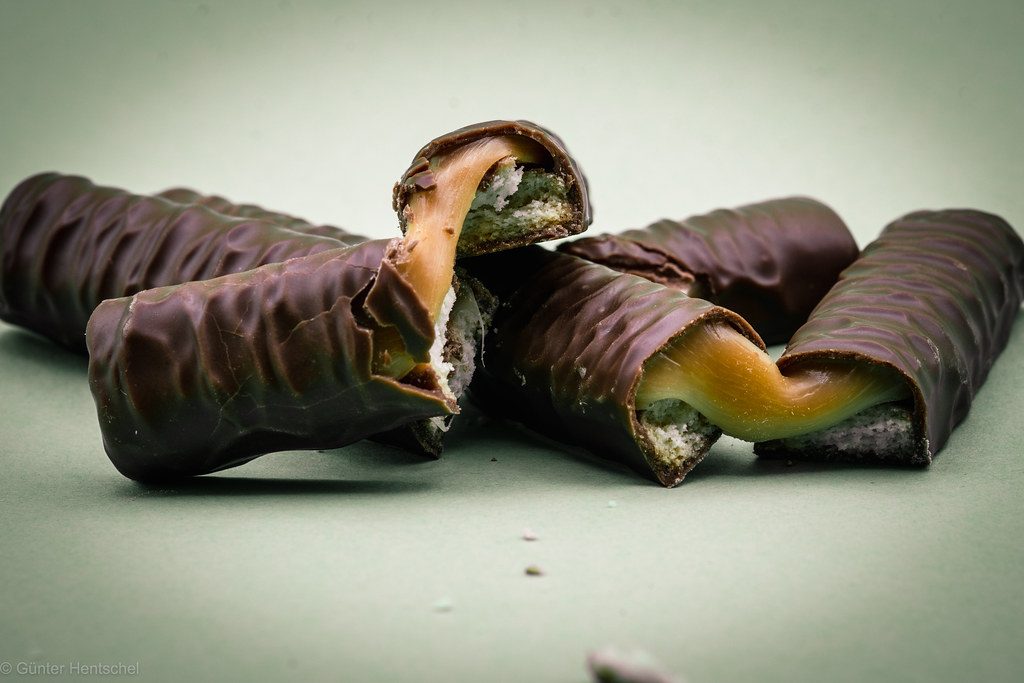
Although this American candy bar was only sold for a short amount of time, between 1978 and 1981, Reggie! made a big name for itself. It was named after the New York Yankee player Reggie Jackson and featured rich caramel, roasted peanuts, and chocolate. Sometimes old bars of it still resurface on eBay. Why: Tied to Reggie Jackson’s Yankees era and corporate changes; momentum faded after Jackson left and ownership shifted.
This short-lived candy bar, produced by Curtiss, only lasted from 1978 to 1981. Named after New York Yankees player Reggie Jackson, it featured a rich caramel center, roasted peanuts, and a chocolate coating. Although there have been rumors it will return, it hasn’t been available since the 1990s. The bar’s brief existence mirrors the volatile nature of celebrity endorsements in the candy world, where sports fame didn’t always translate to lasting confectionery success.
Milkshake Bar: The Malted Memory in Chocolate Form
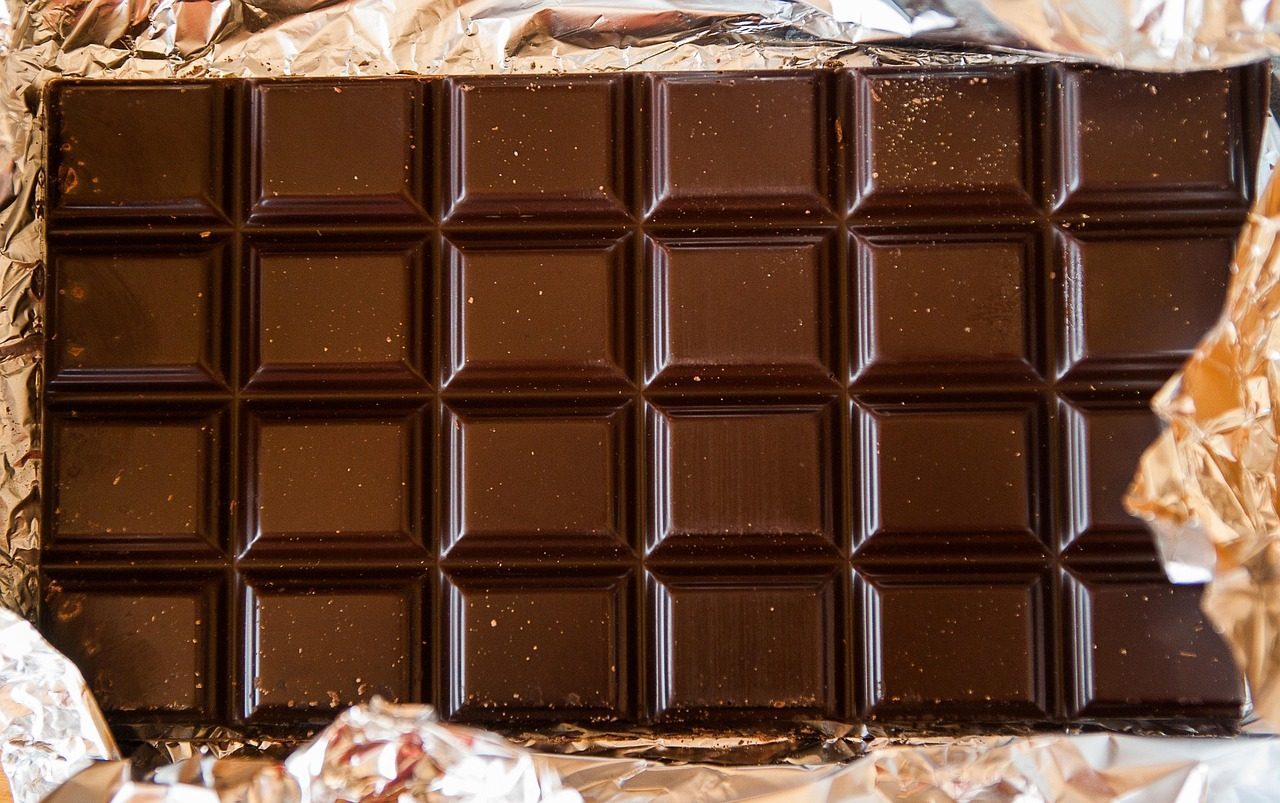
When the Hollywood Candy Company created the Milkshake candy bar in the late 1920s, its fluffy malted-milk nougat (topped with caramel and coated in chocolate) was fairly unique. Made with malted milk nougat, caramel, and chocolate covering, Milkshake was a popular chocolate bar that was discontinued due to a corporate buyout. It was available from the late 1920s until corporate changes in the 1990s. The taste was reminiscent of a malted milkshake and made by the innovative Hollywood Candy Company in Hollywood, Minnesota. (Fun fact: The company was responsible for helping to develop the technology that fluffs nougat and covers bars in chocolate in order to be shelf stable.)
The Milkshake Bar was a luscious treat from the 1920s until the 1960s. It featured a smooth, malted milk filling, encased in a layer of milk chocolate. This combination mimicked the taste of a classic milkshake in a convenient bar form. Munching on this candy was like enjoying a sweet, creamy drink without the straw.The Milkshake Bar tantalized taste buds with its unique flavor, yet it couldn’t withstand the test of time. As modern candies emerged, it quietly vanished from stores, leaving behind a legacy of creamy nostalgia in its wake.
These forgotten confections remind us that the candy aisle has always been a place of experimentation and innovation. Each discontinued treat represents not just a lost flavor, but a moment in American history when candy makers dared to dream big, think creatively, and sometimes stumble upon accidental genius. While we can’t taste these sweets again, their stories live on as sweet reminders of bygone eras when a nickel could buy happiness and a candy bar could promise an entire meal.
What do you think? Would any of these vintage treats tempt your modern taste buds?
Why These Classics Disappeared While Snickers Survived
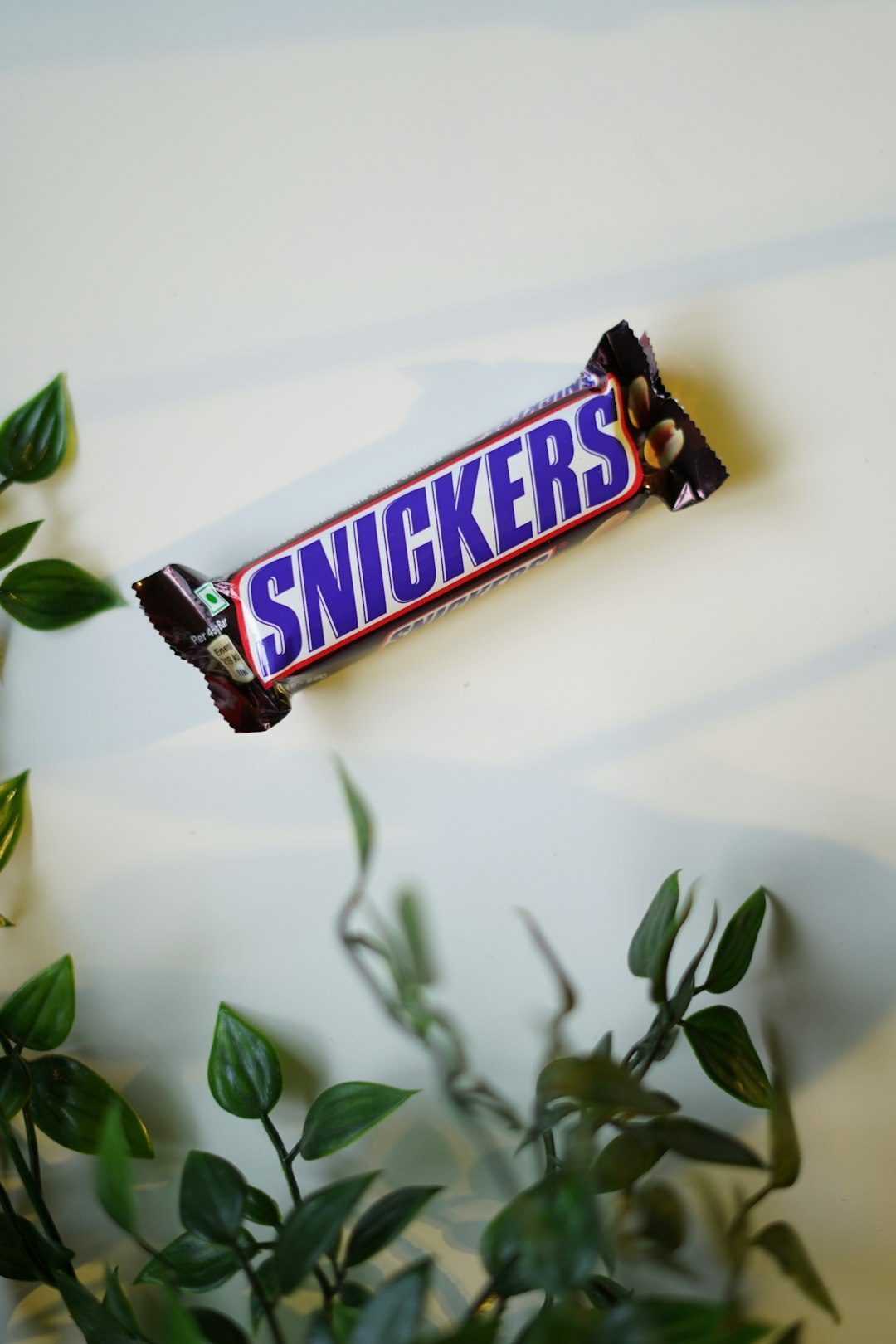
Ever wonder why some candy bars become immortal while others fade into obscurity? It’s not always about taste – sometimes it’s pure business drama. Corporate mergers killed more beloved candies than bad flavors ever did. When big companies like Nestlé or Mars gobbled up smaller candy makers, they’d ruthlessly cut product lines to focus on their bestsellers. The Milkshake Bar vanished after Leaf Inc. bought Hollywood Candy Company, and similar fates befell countless others. But here’s the kicker: manufacturing costs played a sneaky role too. Bars like the Marathon required special braiding equipment that cost a fortune to maintain, while simpler bars could be churned out faster and cheaper. Consumer tastes shifted toward chocolate-peanut combos and away from malted flavors, sure, but the real culprit was often some executive in a boardroom deciding your favorite childhood candy wasn’t profitable enough to justify the factory space. It’s capitalism at its most bittersweet – literally.