
Buffets remain one of the most polarizing dining experiences in America. While customers see endless possibilities on those warming trays, restaurant staff witness a completely different reality unfolding behind the scenes. Buffets and cafeterias have experienced significant workforce challenges, yet those who remain have developed keen insights into patron behavior that might surprise you.
The truth is, most diners walk through buffet lines completely unaware of the intricate systems, safety protocols, and human drama playing out around them. Here are six secrets that restaurant staff say almost every customer misses.
Table of Contents
Temperature Violations Are More Common Than You Think

Restaurant staff constantly monitor something most diners never consider: the critical temperature danger zone. Food safety experts identify the range between 40 F and 140 F as ‘the danger zone where harmful bacteria multiply most rapidly, and bacteria like salmonella, E. coli, and staphylococcus aureus can double in number every 20 minutes at optimal growth temperatures. What staff notice immediately is when chafing dishes malfunction or when food sits too long without proper heating.
Buffet temperatures should be checked every two hours to ensure food safety and compliance with health regulations, yet many establishments struggle with consistent monitoring. Staff often spot lukewarm entrees that should be steaming hot, or notice when the ice in cold displays has melted, leaving potentially dangerous temperature conditions. Failing to regularly check and document food temperatures is one of the top reasons restaurants get cited. Neglecting cold or hot holding temperatures creates a risk of bacterial growth. To avoid this, establish strict protocols with digital thermometers and automated alerts where possible.
In recent food safety incidents, checks of seafood restaurants in several coastal towns showed widespread dangerous practices, including improper storage temperatures and lack of proper marking for allergens. Staff members become expert at quickly assessing whether food has been sitting in that danger zone too long.
Customers Contaminate Food More Than They Realize
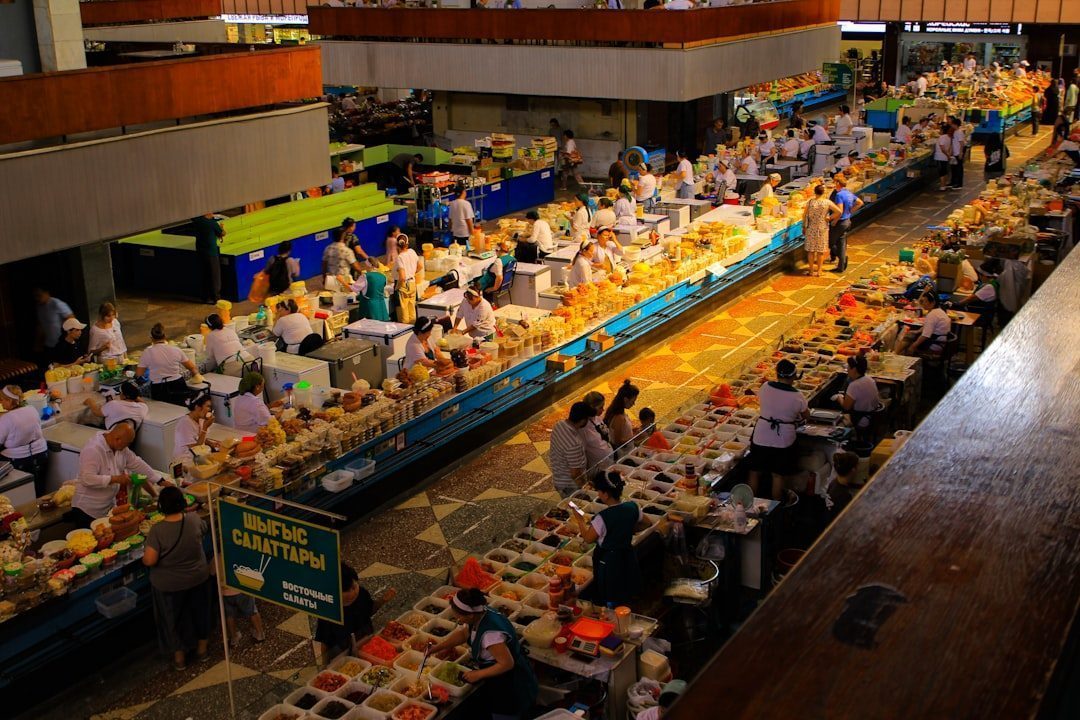
The funny thing about buffet food safety is that the customers themselves often pose the greatest risk – to themselves and to other customers. Staff watch in horror as diners commit countless hygiene violations without realizing it. Unlike trained food handlers, many consumers remain skeptical about sustainability claims. Food Handlers take precautions to prevent food contamination, whereas the public, who have not undergone food safety training, may not. That means that any man, woman or child eating at the buffet could contaminate their own food and everybody else’s.
Staff frequently observe customers using serving utensils incorrectly, reaching over sneeze guards, or worst of all, using their hands instead of the provided tools. If you notice missing utensils, shared utensils between dishes, or handles submerged in food without staff intervention, consider these significant red flags regarding the overall food safety standards of the establishment. Restaurant workers have developed a sixth sense for spotting these violations and quickly replacing contaminated items.
The most cringe-worthy moments happen when children are allowed to handle serving utensils unsupervised, or when adults sample food directly from serving spoons before returning them to dishes. Staff members often have to discretely replace entire portions of food that have been compromised by customer behavior.
The Two-Hour Rule Gets Broken Constantly
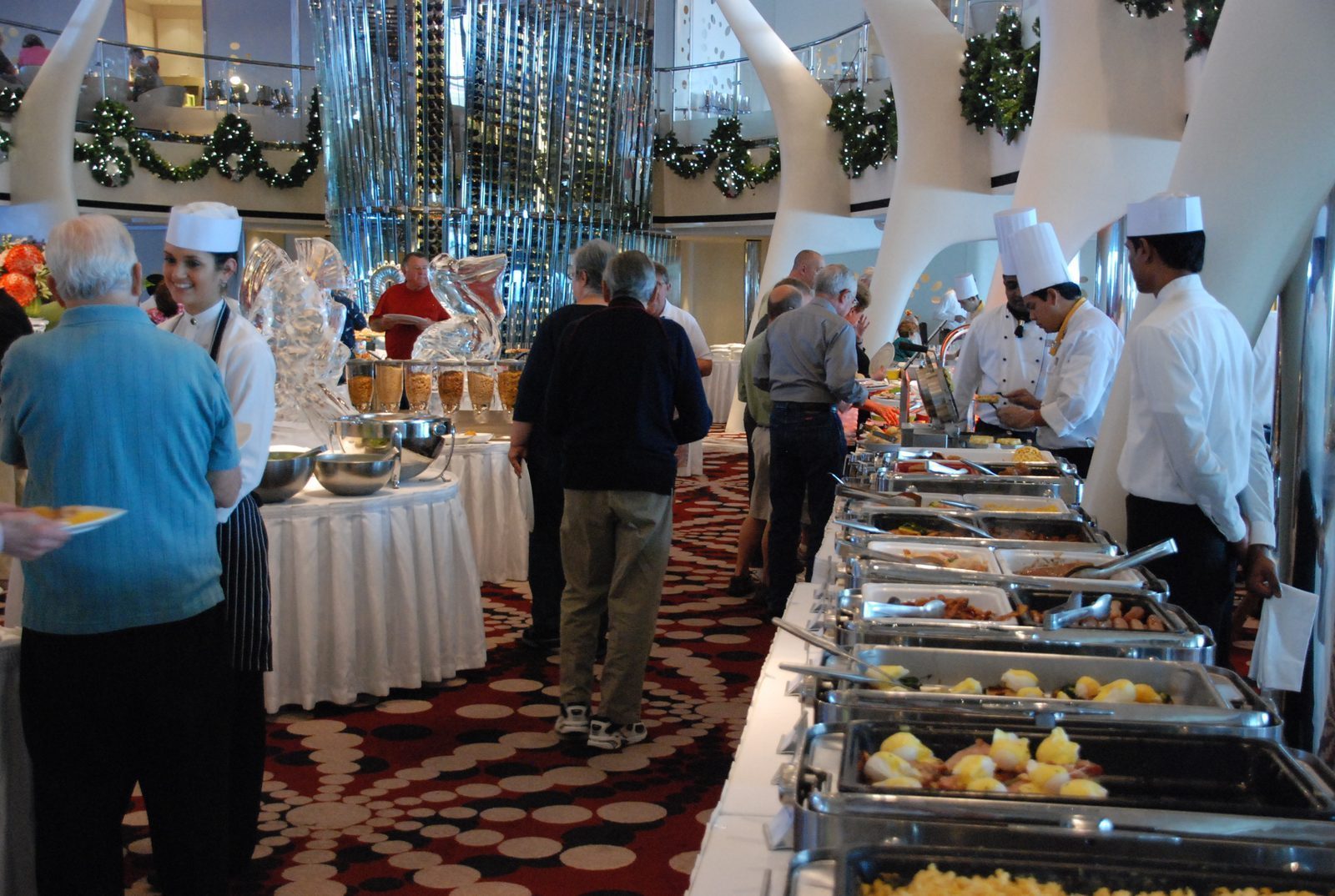
Most diners assume fresh food continuously flows from the kitchen, but staff know better. Remember the 2-Hour Rule: Discard any perishables left out at room temperature for more than 2 hours, unless you’re keeping it hot or cold. If the buffet is held in a place where the temperature is above 90 °F, the safe holding time is reduced to 1 hour. However, economic pressures often create conflicts between food safety and profit margins.
Staff regularly witness management decisions to keep food out longer than recommended, especially during slow periods. If you must hold food at room temperature, be sure to discard of any high-risk foods that have been on display for two hours or longer. To reduce food waste, you’ll want to prepare and display food in small batches that can be used within a two-hour timeframe. The reality is that smaller establishments particularly struggle with this balance.
Restaurant employees develop internal clocks for tracking how long items have been sitting out. They notice which dishes get refreshed regularly and which ones linger dangerously long. Well-managed buffets serve food in small batches that are frequently replaced rather than continuously topped off. This ensures food spends minimal time in the danger zone. Large, full trays that remain unchanged throughout service suggest food has been sitting too long at potentially unsafe temperatures.
Peak Hours Reveal Poor Planning
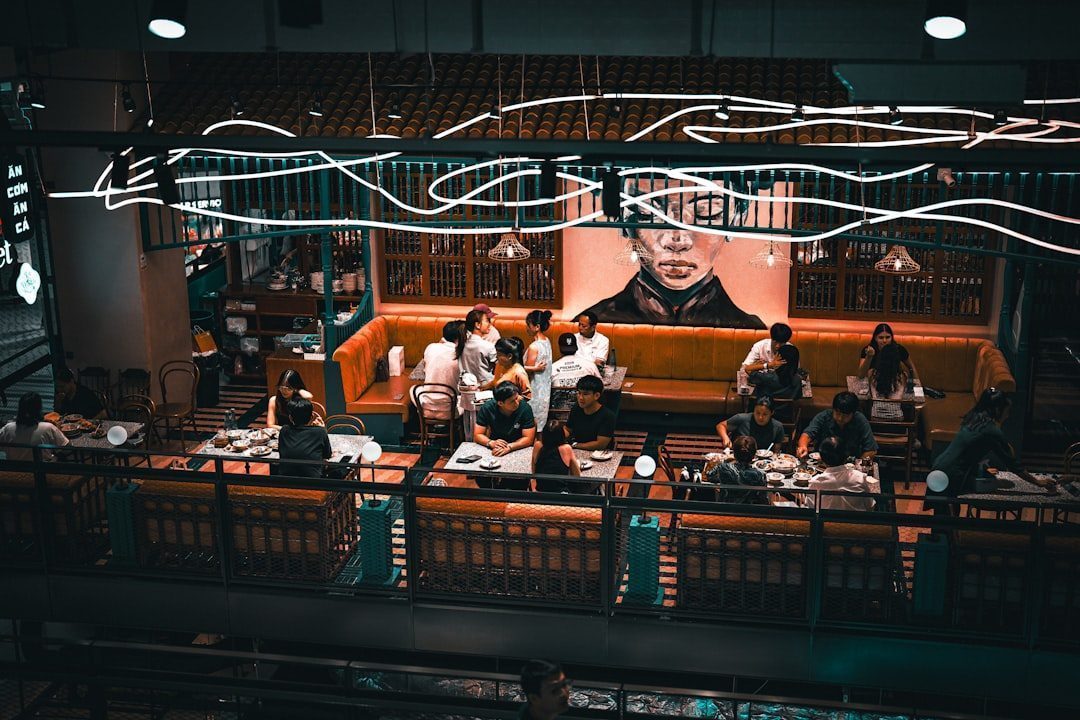
Restaurant staff can predict exactly when chaos will ensue based on their years of experience with customer flow patterns. There’s a swift change toward late afternoon/early evening dining across categories, with reservation times moving up and fewer visits in the late hours. During these rush periods, staff notice how unprepared management often is for the sudden influx of diners.
The telltale signs include empty chafing dishes that take forever to refill, overwhelmed prep cooks frantically trying to keep up, and servers who disappear when cleaning duties pile up. Staff observe how some establishments clearly haven’t planned adequate inventory for busy periods, leading to disappointment when popular items run out early. Meanwhile, they also spot when restaurants over-prepare for anticipated crowds that never materialize, resulting in massive food waste.
Experienced buffet workers can read the room and predict exactly when the sneeze guards will need cleaning, when utensils will run short, and when customer patience will start wearing thin. These operational failures become glaringly obvious to trained eyes, even when customers remain oblivious to the underlying organizational problems.
Customer Theft Happens Daily
Perhaps the most surprising secret staff share is how frequently customers attempt to game the system. Restaurant staff often use various approaches to address theft incidents, demonstrating nuanced methods for handling misconduct. Food theft ranges from subtle portion manipulation to outright smuggling of expensive items.
Staff develop eagle eyes for spotting customers who load up on premium seafood, hide desserts under napkins, or attempt to package food for later consumption. More critically, food theft raises serious food safety concerns. Wong pointedly questions how smuggled buffet items could be safely consumed at home, highlighting the potential health risks of improperly handled perishable foods. The health risks of taking buffet food home often go unrecognized by customers.
Staff training emerges as a crucial element in navigating these challenging scenarios. When incidents escalate, there’s a carefully structured response: frontline employees handle initial interactions, with managers stepping in if needed, and senior executives called upon for more complex confrontations. Restaurant workers must balance customer service with loss prevention, often walking a delicate line between hospitality and enforcement.
Health Inspection Scores Don’t Tell The Whole Story
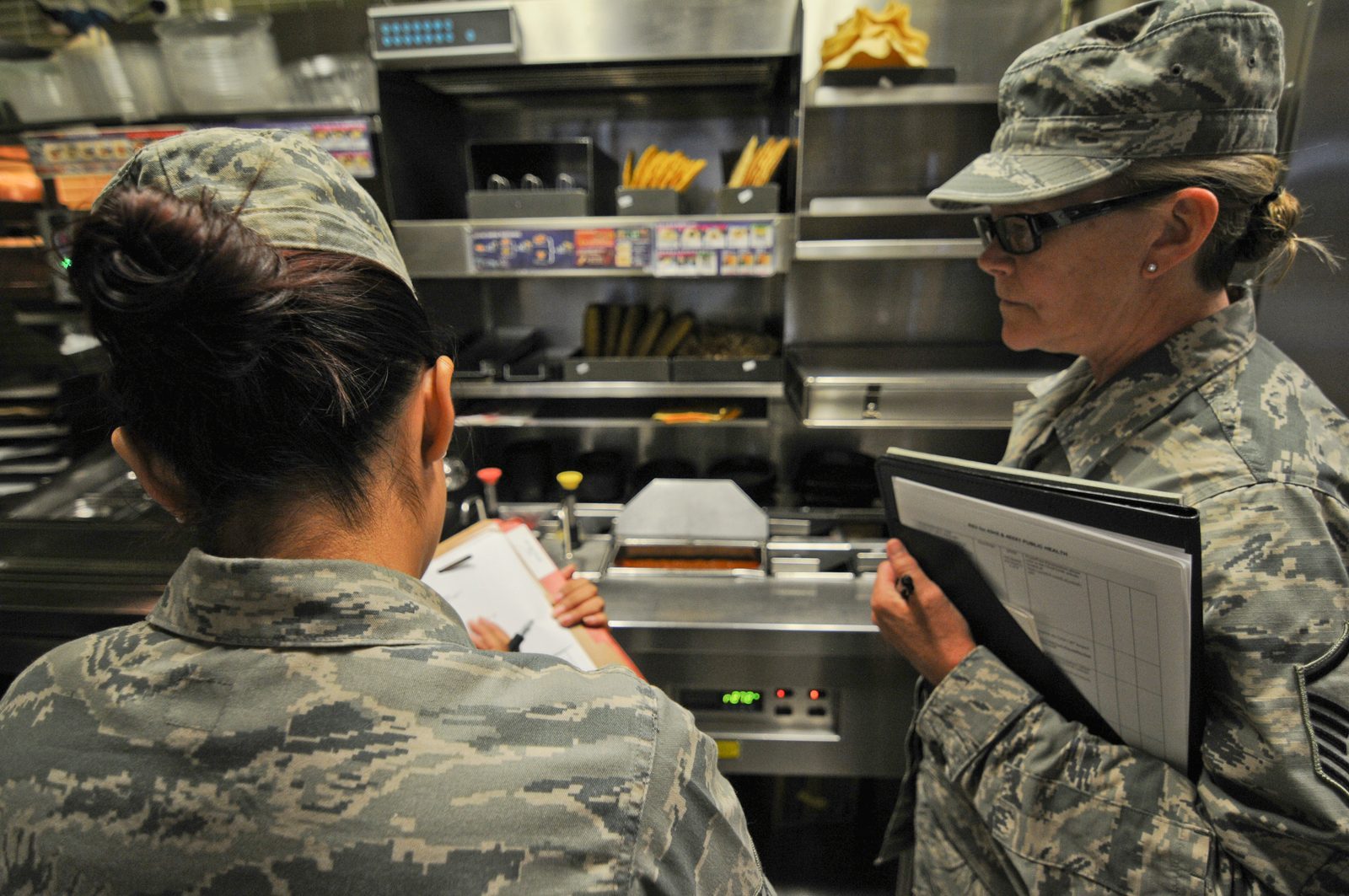
Restaurant staff know that health inspection scores only capture a snapshot of operations on one particular day. Having a B grade isn’t necessarily a deal-breaker. This common rating means there are some minor violations that need fixing, but the restaurant should still be safe. Smart diners can check what the specific violations were to decide if they’re concerning or not. However, staff witness daily practices that might not align with inspection day performance.
The reality is that establishments often implement intensive cleaning protocols and heightened safety measures specifically when they know inspections are coming. Health inspectors regularly find various violations at buffet establishments, including unsanitary conditions and improper food handling practices. Staff observe the dramatic difference between inspection-ready operations and typical daily routines.
What concerns longtime employees most is the inconsistency in safety practices. They notice when management cuts corners during busy periods, when cleaning schedules get abbreviated due to staffing shortages, or when equipment maintenance gets deferred. Inspectors frequently cite restaurants for missing logs related to temperature control, cleaning schedules, or pest management. Keeping thorough, organized records – preferably digital – helps demonstrate compliance and provides valuable insights to prevent future problems.
Restaurant staff become unofficial quality control experts, developing instincts about food safety that go far beyond what any single inspection can reveal. They understand that maintaining consistent standards requires daily vigilance, not just periodic compliance checks.
The next time you visit a buffet, remember that restaurant staff are watching everything with trained eyes that catch details most customers never notice. Their insights reveal a complex world of food safety challenges, operational pressures, and human behavior that exists just beneath the surface of your dining experience.