
You open a kitchen drawer and something plastic falls out before you even find what you were looking for. Sound familiar? We live in an era of wildly clever marketing and endless scroll, and somehow the result is always the same: drawers stuffed with gadgets that promised to change dinner forever and delivered mostly regret.
According to Business Research Insights, the kitchen tools market was valued at more than $31 billion globally in 2024. That is an enormous number. Instead of multi-use products designed to be the only tool you ever need, the industry tends to take the opposite approach, marketing a unique tool as the absolute best way to do one single kitchen task, and there is a persistent drive to infuse those tools with technological advances that are often unnecessary, making many gadgets needlessly complicated.
So before you hit add-to-cart on the next TikTok sensation, here is what professionals actually say about five of the most popular kitchen add-ons out there.
Table of Contents
The Avocado Slicer: Clever in a Video, Useless in Real Life
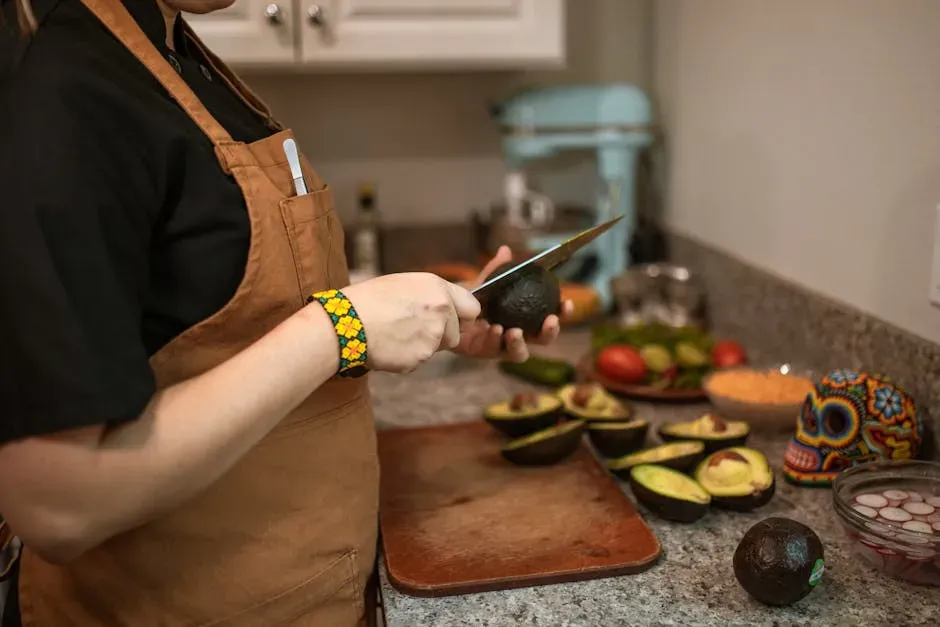
Let’s be real. Few gadgets have benefited more from social media hype than the avocado slicer. It looks so satisfying in a thirty-second clip. Then you actually own one and the magic disappears fast.
Avocado slicers are gadgets that look clever in an Instagram video and utterly useless the moment you own one. Made out of plastic, the device has only one purpose: to help you slice avocados into even slices. It does not help you ripen them or even scoop out the avocado itself, and it only works on softened, perfectly ripe avocados.
Both professional chefs Littley and Vanderbeeken agreed that an avocado slicer is not worth the price tag, with Littley noting that the gadget tends to be more cumbersome than helpful and often results in mangled avocado flesh rather than clean slices. The two chefs mutually agreed that a simple knife works just as well and yields superior results.
A standard chef’s knife splits, pits, and slices an avocado in around 15 seconds. The avocado slicer does the same in about 20 seconds, with an additional tool to clean and store. Net value: negative. Honestly, that math says it all.
The Garlic Press: A Cleaning Nightmare in Disguise
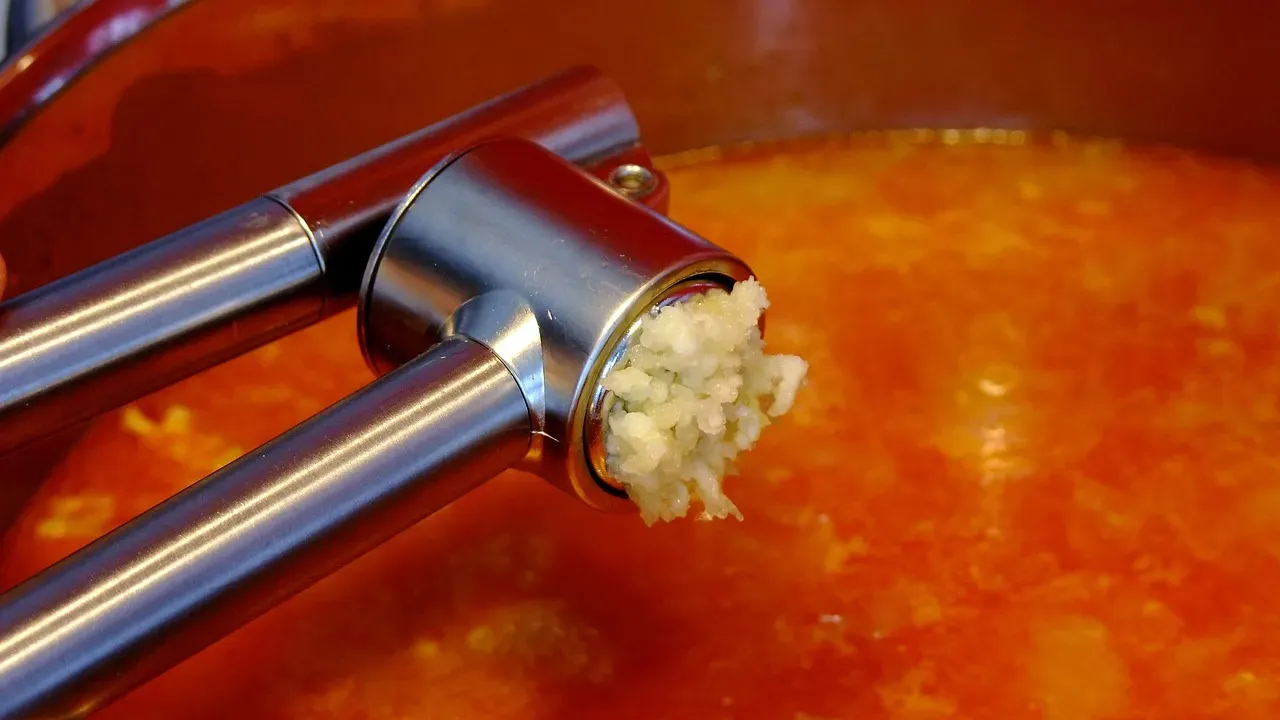
Garlic is in nearly everything we cook. So it makes complete sense that someone invented a dedicated device for it, right? Well, professional kitchens disagree. Loudly.
Notoriously hard-to-clean garlic presses are the subject of a bit of snobbery among professional cooks, who prefer to simply mince, chop, crush, or slice their garlic with a knife. Some food experts even say the press can impart a slight metallic tang as well as make the garlic overly potent, making it more likely to ruin a dish than enhance it.
As convenient as a garlic press may appear to be, it can be time-consuming to clean after use and even lends itself to food waste. The gadget tends to waste garlic by trapping it within its mechanisms, which is why chefs recommend sticking with a knife for garlic-related needs.
Garlic presses are a widely recognized offender in professional kitchens. While they seem convenient, they are notoriously difficult to clean, waste garlic, and professional chefs like Alton Brown and Anthony Bourdain have actively despised them. It is hard to argue with that kind of unanimous verdict.
The Electric Can Opener: A Solution Looking for a Problem
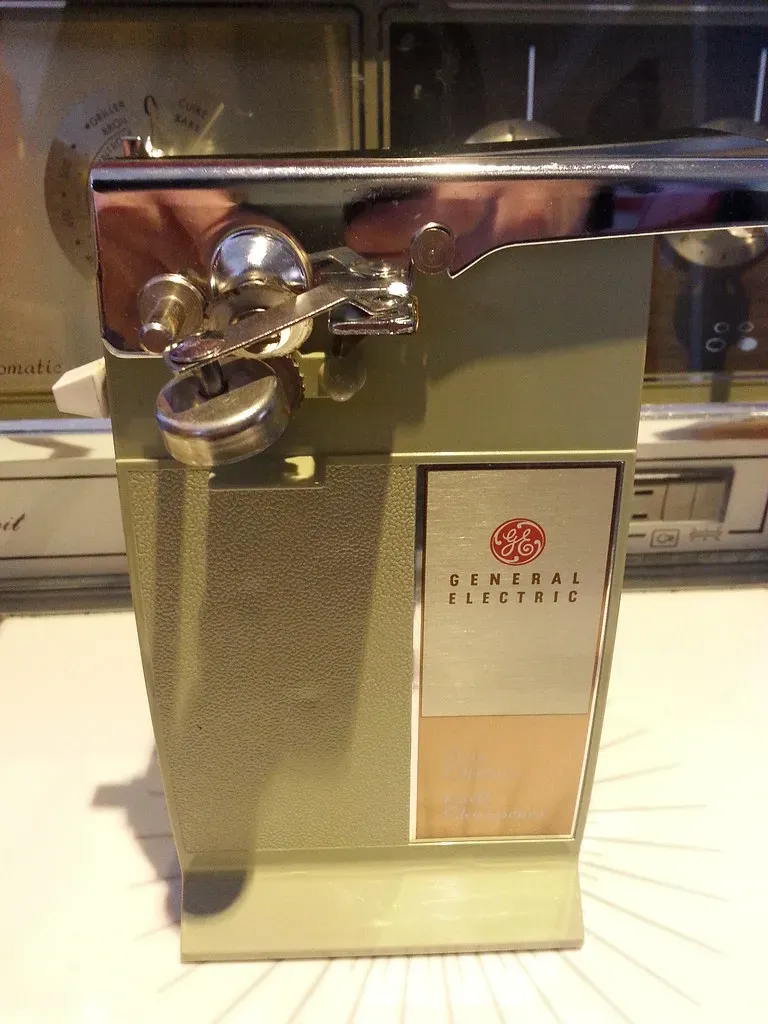
There is something almost admirable about the electric can opener. It took one of the simplest tools in the kitchen and made it need a power source. Think about that for a moment.
A quality manual can opener takes about 10 seconds and costs around eight dollars. Electric models require counter space, battery or outlet access, and cleaning. Unless you are opening more than twenty cans daily, they are simply unnecessary.
Electric can openers are considerably more compact than they used to be, so the clunky countertop gadgets of years past are no longer relevant, unless they serve an accessibility need. Electric can openers can be essential when dexterity is a factor, but if you are looking to declutter your countertops, losing the big electric can opener is an easy choice.
Unless you have a medical condition that limits hand strength, an electric can opener is rarely necessary. A good manual opener tucked in a drawer is lighter, cheaper, and never runs out of battery at the exact wrong moment. Think of the electric can opener like a sports car for a grocery run. Impressive in theory, impractical in practice.
The Single-Use Vegetable Chopper: A Substitute for Skills You Already Have
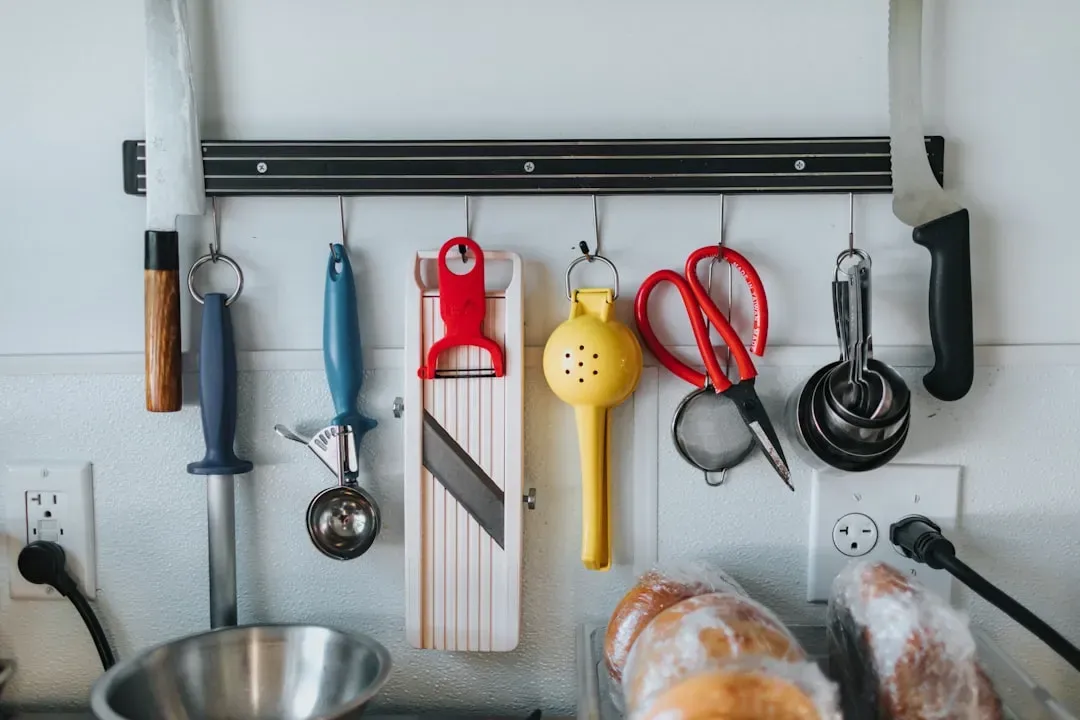
Walk into any kitchen gadget section and you will find an entire category of devices designed to chop, dice, spiralize, and shred specific vegetables. They pile up. They break. They rarely get used twice.
Kitchen gadgets that only serve one function just get in the way and are hardly ever used due to their specialization. All the various chopper-style gadgets usually replace what could be considered a basic knife skill, and it is better to just use a knife rather than clutter up your kitchen with more plastic.
The overwhelming majority of single-use kitchen machines are fairly pointless. These machines are actually worse than single-use gadgets because machines tend to be larger and thus take up way more space. Lower quality machines may not even perform the function very well for the amount of time, money, and space they require.
Gadgets like avocado slicers, onion choppers, or electric can openers are often unnecessary, since a good chef’s knife or a simple manual tool can easily replace them. When it comes to small kitchen appliances, chasing every trending gadget usually results in cluttered countertops filled with items you rarely touch.
The Oversized Knife Block Set: Paying for Blades You Will Never Touch
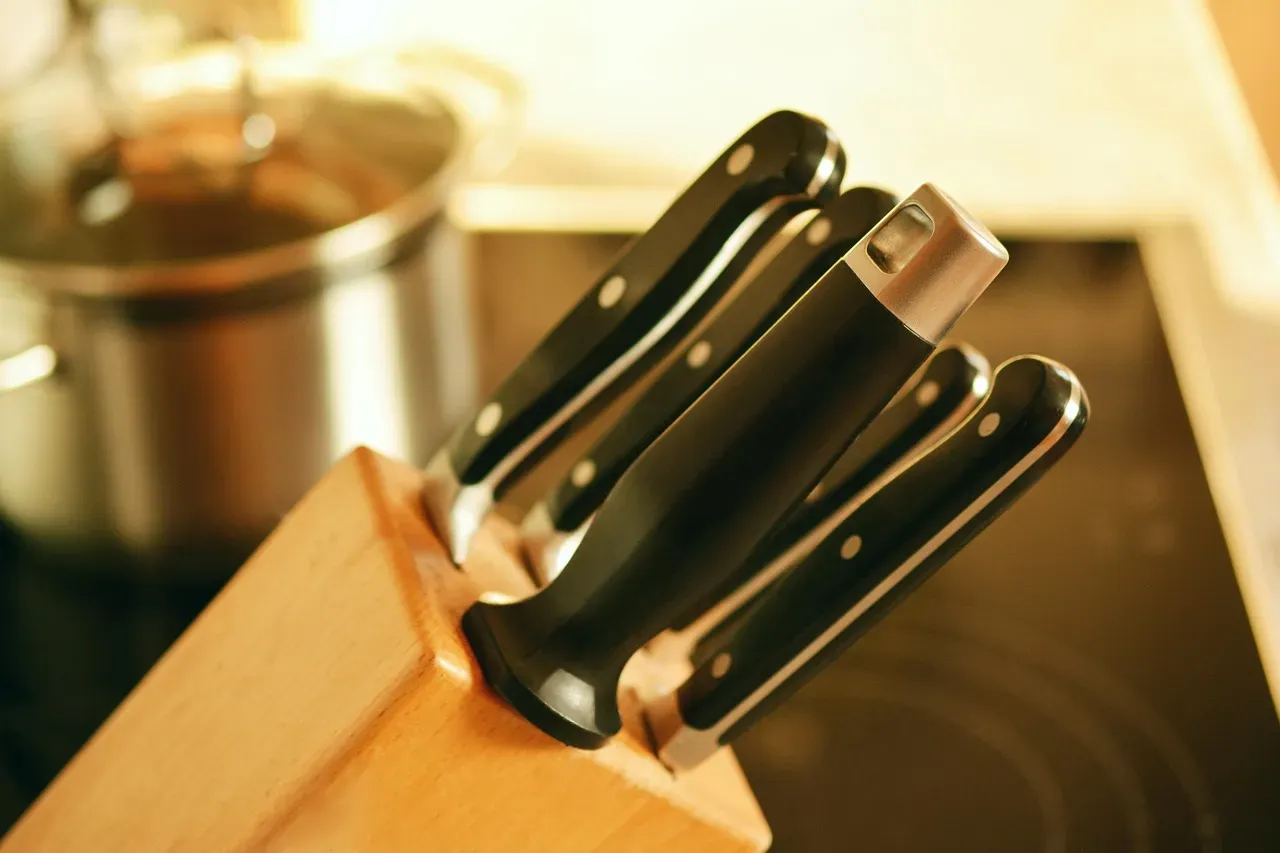
A big, beautiful knife block on the counter feels like a statement. It signals serious cooking. It looks like something out of a professional kitchen. It is also, according to most chefs, one of the more wasteful purchases a home cook can make.
Professional chefs have been saying for years that complete knife sets are largely a waste of money. It would be extremely frustrating to invest hundreds to thousands of dollars into a group of knives just to realize that day-to-day, you are only really using one or two. Instead of spending so much on a set of items you will likely never use, purchasing a very good chef’s knife offers far greater value.
In the name of quality and completeness, people often spend between twenty and two hundred dollars on a kitchen knife set, and some high-end sets are priced between five hundred and over two thousand dollars. That is an astonishing range of prices for a collection where, in practice, most of the blades remain untouched.
According to a 2024 survey by the National Kitchen and Bath Association, nearly 70% of home cooks invest in at least three specialty tools each year to improve efficiency and enjoyment in the kitchen – a trend that has remained strong heading into 2026 as more people continue to cook at home. Yet the professionals keep saying the same thing: a few excellent, versatile tools will always outperform a drawer full of single-use gadgets. A sharp, high-quality chef’s knife that you use every single day will always beat an eight-piece block set where six of those blades collect dust for years.
The Bottom Line
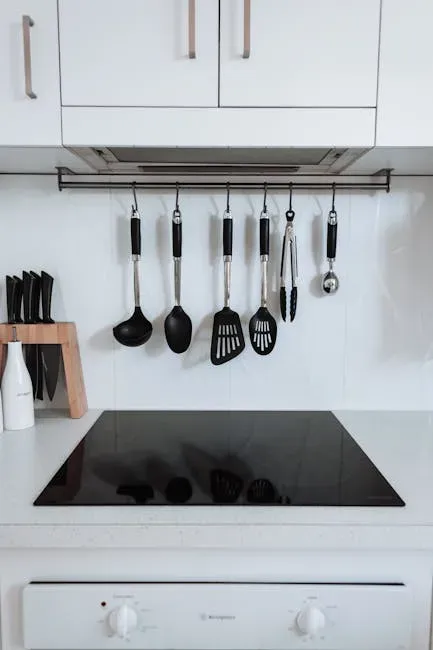
Here is the thing nobody in the kitchenware industry wants you to hear. Better cooking rarely comes from more gadgets. Professional chefs will tell you that technique matters far more than the price tag on your equipment. It is a bit like fitness: it is not about owning the most expensive running shoes. It is about actually running.
Ultimately, any kitchen gadget is only worth buying if it saves you more time or effort than the storage space it needs. That is the test. Apply it ruthlessly to every shiny new tool you see online. Most of them will fail.
The next time a thirty-second video convinces you that some single-use plastic device will transform your cooking forever, pause. Open your kitchen drawer first. Chances are, something in there already does the job. What is the most useless kitchen gadget you have ever bought? Drop it in the comments.