
We all want to believe our fast food is made with care. There’s something undeniably comforting about the idea that someone in a kitchen actually chopped those vegetables, hand-breaded that chicken, or baked that bread fresh this morning. Fast food chains have picked up on this longing, and many now lean hard into “made from scratch” as a marketing identity.
Here’s the thing though – the gap between what’s claimed on a menu board and what actually happens in that kitchen can be surprisingly wide. Some of what’s called “scratch cooking” in the fast food world would make any trained chef raise an eyebrow. The story is complicated, and honestly, a little surprising. Let’s dive in.
1. Panera Bread: The Brand Built on Bread – Now Par-Baked
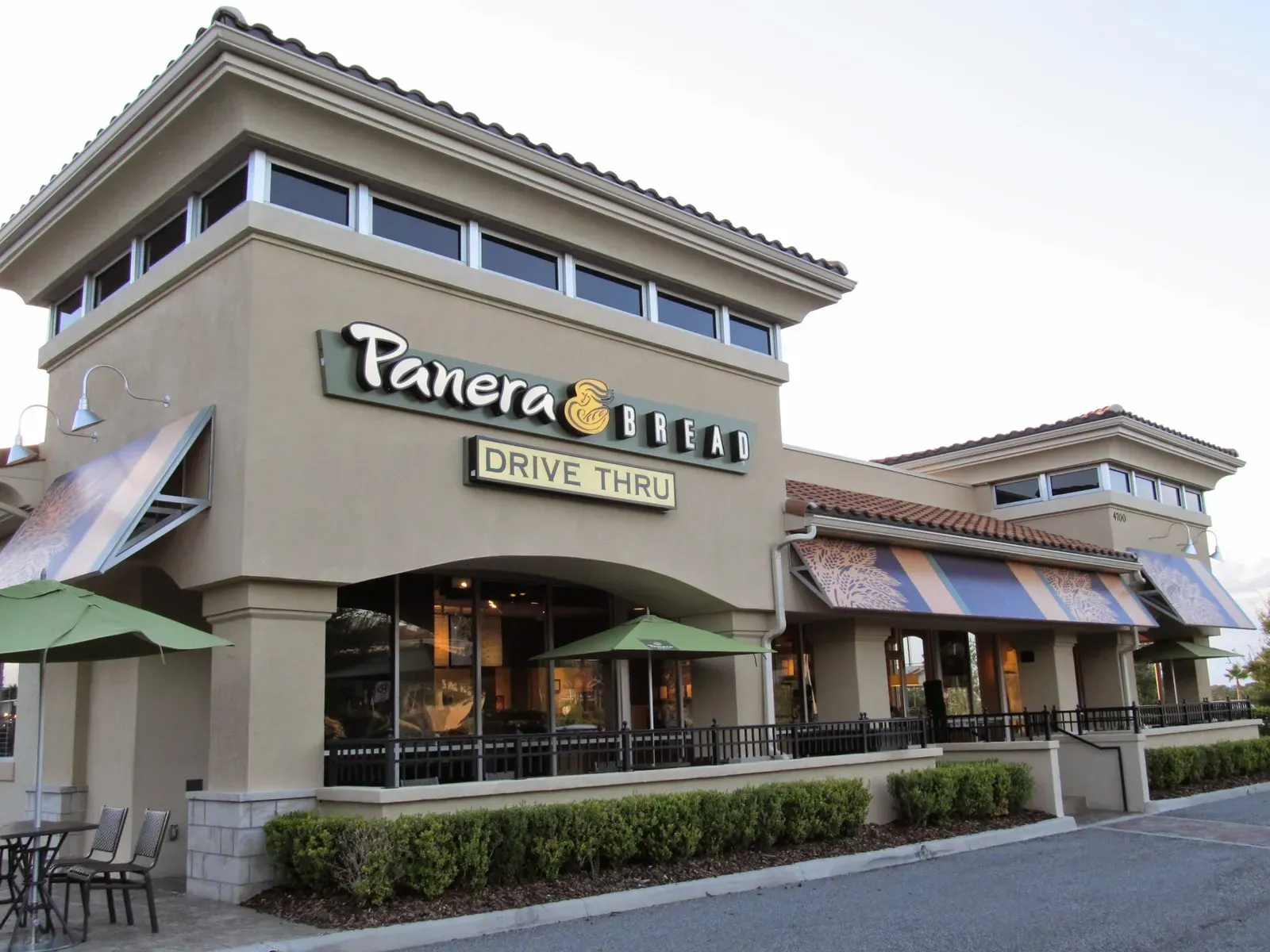
Panera Bread built its entire identity around fresh, handcrafted baking. Panera’s name literally translates from Latin as “bread basket,” and for decades, each café baked bread fresh daily – a signature feature that separated the chain from standard fast food. It was the kind of place people chose specifically because it felt more like a neighborhood bakery than a drive-through.
Then came the shift that genuinely shocked loyal customers. Panera is now ending its scratch baking operations and closing all remaining fresh dough facilities nationwide, having already shuttered at least eight since early 2024, leaving only nine in operation, down from 24 in 2016. Under the new model, third-party contractors prepare the dough, partially bake it, then freeze and ship it to restaurants for final baking. That’s par-baking, not baking from scratch.
What used to be a proud ritual of craftsmanship was reduced to a reheating process. For a company once built on a fresh food model, outsourcing the bread felt like more than cost-cutting – it felt symbolic of an abandoning of the very foundation that gave Panera its name. The ingredient story doesn’t stop there either. Reuters reported that Panera stores across the U.S. were directed to remove signs and artwork promoting commitment to meat raised without antibiotics, as well as any mention of “animal welfare” or “hormones.”
Last year, Panera’s sales fell roughly five percent to $6.1 billion, according to Technomic estimates. Once the number one fast-casual brand in the U.S., Panera has now dipped to number three, ceding the top spots to Chipotle and Panda Express. The brand is currently trying to fight back with a turnaround plan, but the trust erosion with its core customers runs deep.
2. Chipotle: “Food With Integrity” – But Portions and Consistency Tell a Different Story
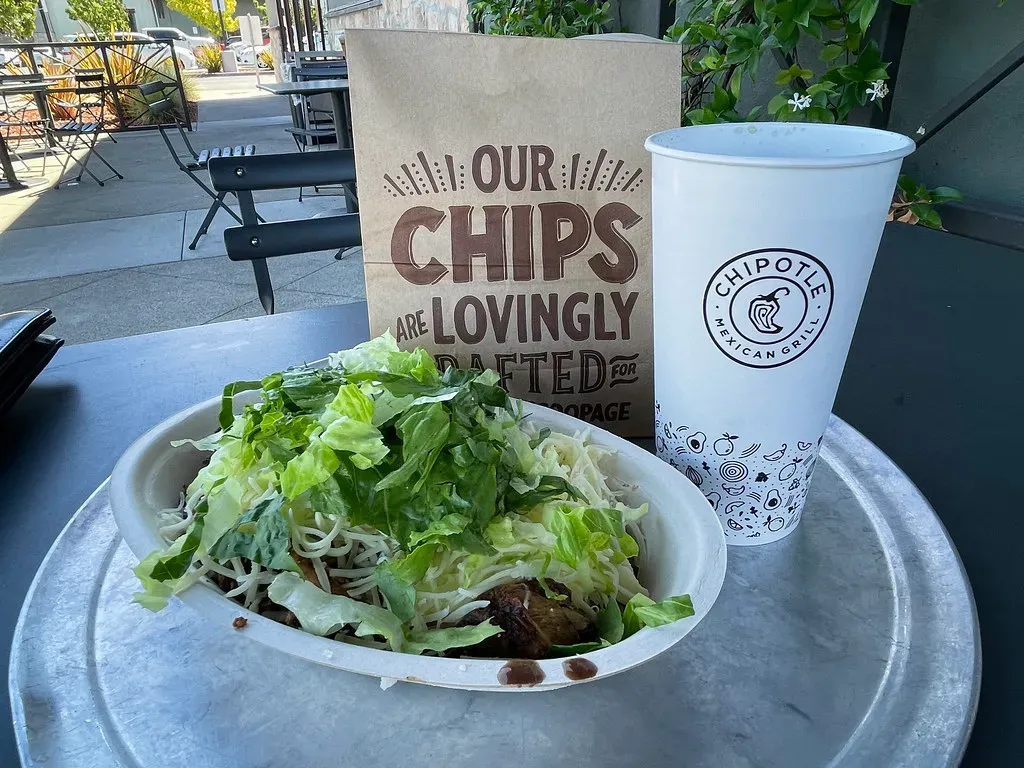
Chipotle has long presented itself as the anti-fast-food fast food chain. The chain has emphasized its “real ingredients” as a core value since its founding in 1993, long promoting that it doesn’t use artificial flavors, colors, or preservatives, and touting that there are no freezers or even can openers in its restaurants. On paper, that’s genuinely impressive. In practice, 2024 and 2025 told a different story.
The online rhetoric around shrinking portions became so loud that Chipotle was forced to respond. In May 2024, the then-CEO assured customers that portions had not gotten smaller – but one analyst ordered 75 burrito bowls from eight New York City locations and found the weight of the contents varied by as much as roughly a third. That’s not a scratch-cooking kitchen running like a well-oiled machine. That’s a consistency problem wearing the costume of a farm-to-table restaurant.
A July 2024 outbreak linked to a Chipotle restaurant in Ohio affected 647 people with confirmed cases of C. perfringens, with local health departments finding critical violations regarding time and temperature controls for food items. In response to earlier outbreaks, Chipotle had already moved preparation of some ingredients to central kitchens – a move that somewhat contradicts the romantic image of employees hand-chopping everything in-store.
On the heels of perhaps its most challenging year ever, with persistently negative same-store sales and traffic, Chipotle is doubling down on its “real ingredients” positioning to differentiate itself in an industry with intensifying competition. A new ad campaign titled “Choices” brings viewers into Chipotle’s daily preparations, juxtaposing those scenes with other brands’ use of frozen, fried, and processed meats. Whether that message resonates depends on whether customers still believe it.
3. Chick-fil-A: Biscuits From Scratch – But the Fine Print Matters
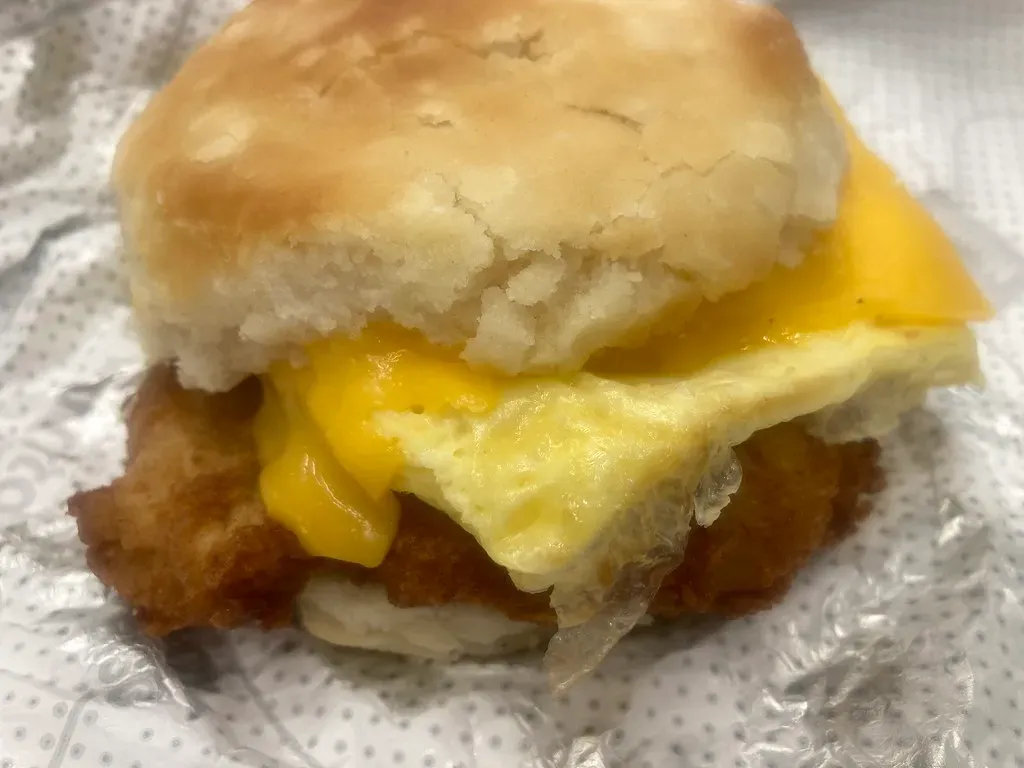
Chick-fil-A is arguably the most beloved chicken chain in America, and it does back up several of its scratch-cooking claims with real kitchen practices. Chick-fil-A’s biscuits are made from scratch every morning at each free-standing location, with employees responsible for biscuit creation getting to work at around 5:30 a.m. to begin the process. That’s an early and genuinely labor-intensive commitment.
Even so, 2024 and 2025 brought unexpected challenges for longtime fans. Some customers are still upset over the chain’s November 2024 tweak to its waffle fries recipe, which added pea starch to boost crispiness – a change that left many loyal fans swearing off the once-beloved side. As of 2026, the debate over this minor recipe adjustment continues to linger on social media and review boards. The chain also reversed its policy on sourcing only antibiotic-free chicken, which many customers aren’t happy about. For a brand that builds its premium identity on quality ingredients, these are not minor footnotes.
In 2025, the chain altered its fry recipe, with the key difference being that the new style of fry is coated in pea starch intended to keep orders crispier for longer – but plenty of fans of the classic waffle fries are unhappy with the new recipe’s flavor. Scratch cooking implies simplicity and naturalness. Adding a processed starch coating to a fry sits uneasily against that image. I think it’s fair to say the brand’s “made fresh” halo took a small but real dent.
4. Popeyes: Marinated and Hand-Breaded – With Some Caveats
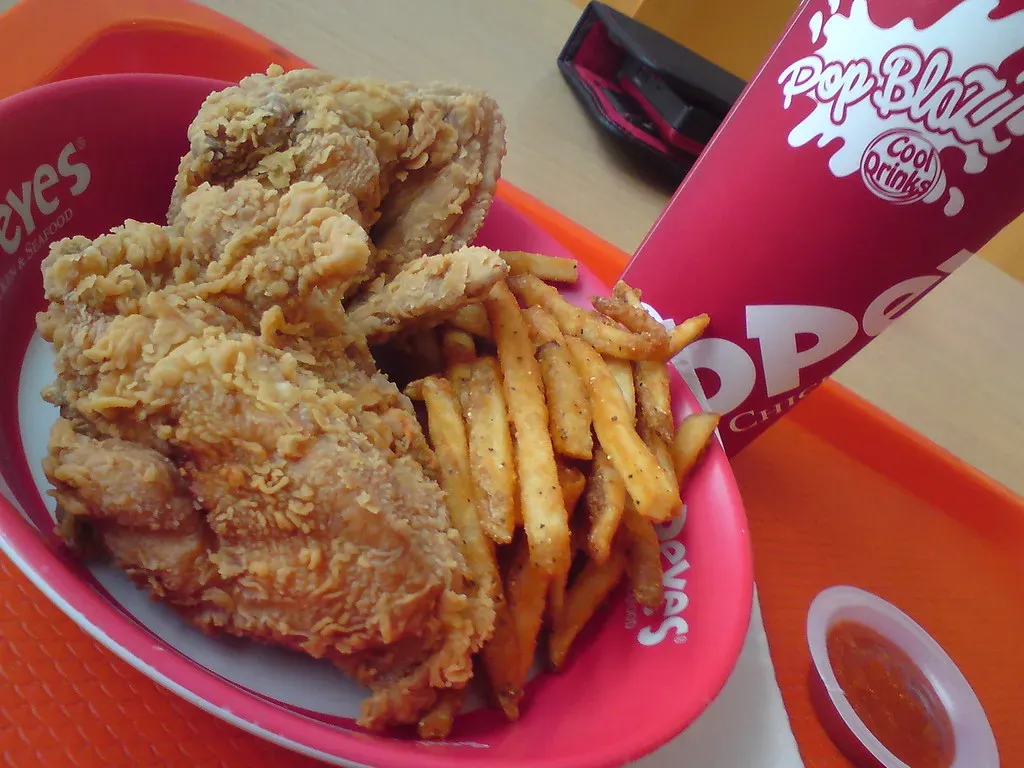
Popeyes carries genuine culinary credibility in the fried chicken world, and it doesn’t hide behind vague marketing language. What sets Popeyes apart is its frying process – the chain fries its food in beef tallow, which adds significant depth of flavor to the already flavorful Cajun coating, illustrating the chain’s commitment to its star menu item. That’s a real choice that carries real flavor consequences, for better or worse depending on your taste.
Other notable made-from-scratch menu items include Popeyes biscuits, which are made fresh daily, and the red beans and rice, which are slow-cooked in broth. These aren’t just marketing bullet points – they reflect an operational commitment that most chains abandon in the name of speed. The marinating process for the chicken is also genuinely time-consuming, not a quick spray-and-fry shortcut.
The doubts emerge when you zoom out. Popeyes saw its same-store sales slide by roughly four percent in a recent quarter, representing the most significant drop among Restaurant Brands International chains. When sales pressure builds on a franchise system, the first thing that often gets squeezed is ingredient quality and preparation time. It’s hard to say for sure whether every franchised location actually delivers on the scratch promises, but consistency across thousands of independently operated stores remains a real and persistent challenge for any chain making premium preparation claims.
5. Subway: “Fresh” as a Brand Identity – and a Controversial One
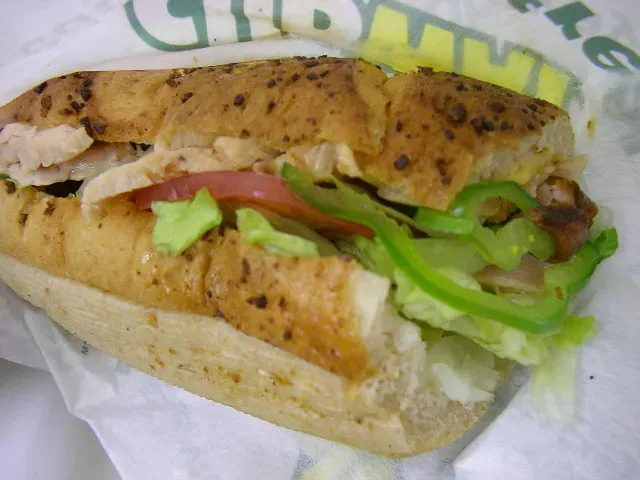
Perhaps no fast food chain has done more marketing heavy lifting with a single word than Subway has done with “fresh.” Not every chain that claims to make food “from scratch” is actually doing what customers think. Some places will hand-cut their fries and call it scratch cooking while still using pre-made burger patties. Others might make their own sauces but rely on processed cheese and pre-formed buns. Subway built an empire on exactly this kind of selective framing.
The vegetables are indeed sliced and assembled fresh at the counter – nobody seriously disputes that. What many customers don’t realize is how little of the preparation actually happens in-store. The meats arrive pre-cooked and pre-sliced, the bread dough is shipped in, and many sauces come from industrial suppliers. Subway continues shutting down stores nationwide at a concerning pace, with franchise instability creating a domino effect of closures, while legal issues plague the brand as owners struggle with declining profits and rising operational costs.
The “freshly made” claim is perhaps best understood as assembly, not cooking. It’s like saying you baked a cake because you scooped the mix into the pan. The truly impressive chains are the ones grinding their own meat daily, baking their own bread, and making condiments in-house – because the difference between real scratch cooking and reheating is like the difference between heating up a frozen dinner and actually cooking. Subway, honestly, falls much closer to the former than the latter, and that gap is exactly where the doubts live.
Conclusion: What “From Scratch” Actually Means in 2026
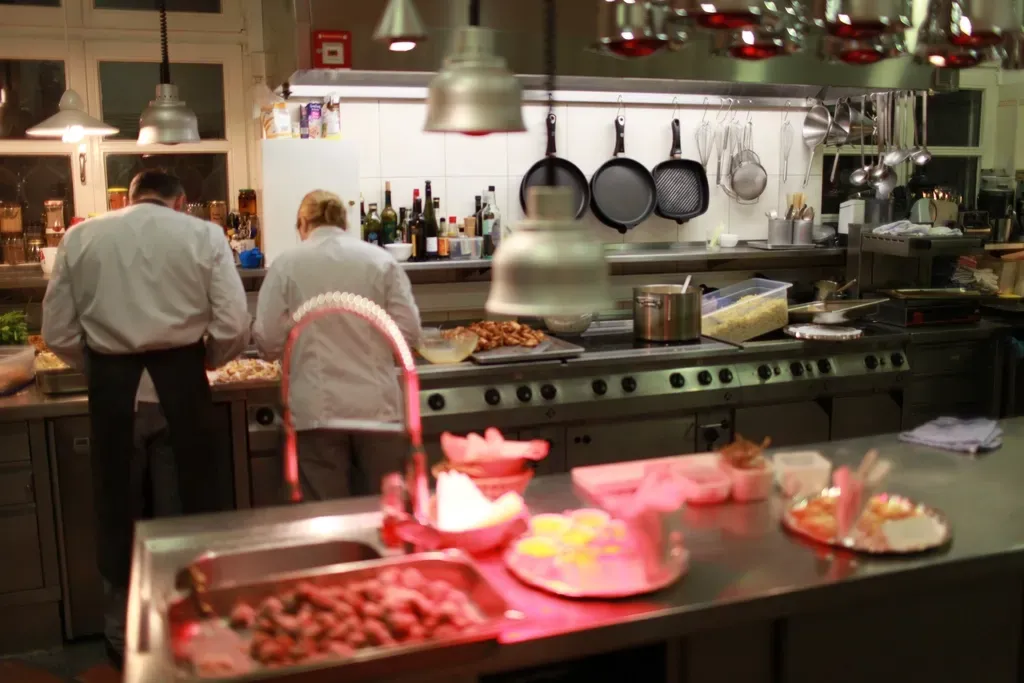
Scratch cooking is one of the most elastic phrases in the restaurant industry. It can mean anything from grinding your own beef daily to simply finishing a par-baked product in an oven that arrived frozen on a truck. The fast food industry has been undergoing major shakeups since the 2020 pandemic, and with tariffs and economic uncertainty adding more pressure, value-conscious customers are increasingly noticing changes at their favorite chains – from smaller portions and higher prices to falling standards.
The lesson here isn’t that all five chains are liars. Some genuinely do make impressive items in-restaurant every day. The lesson is to read carefully, ask questions, and understand that the definition of “scratch” in a commercial kitchen is not the same as your grandmother’s kitchen. Credible claims increasingly need to be backed by rigorous, externally verified data – not just brand storytelling. Until that bar becomes the industry standard, healthy skepticism remains your best dining companion.
Next time you’re handed a bag at the drive-through window and the packaging says “freshly made,” it’s worth asking one small question: made how, exactly? What would you have guessed before reading this?