
Ever been warned away from street food while traveling? Let’s be honest, that advice might be seriously outdated. In certain corners of the world, those sizzling carts and bustling stalls aren’t just convenient. They’re actually the smarter choice.
You might find this hard to believe, especially if you’ve grown up hearing horror stories about roadside vendors. The reality is far more interesting. Some countries have transformed their street food scenes into models of hygiene and safety that would put many established restaurants to shame. The secret often lies in strict regulations, rapid turnover, and cooking methods that eliminate bacteria on the spot.
Table of Contents
Thailand: Where Street Vendors Set the Standard
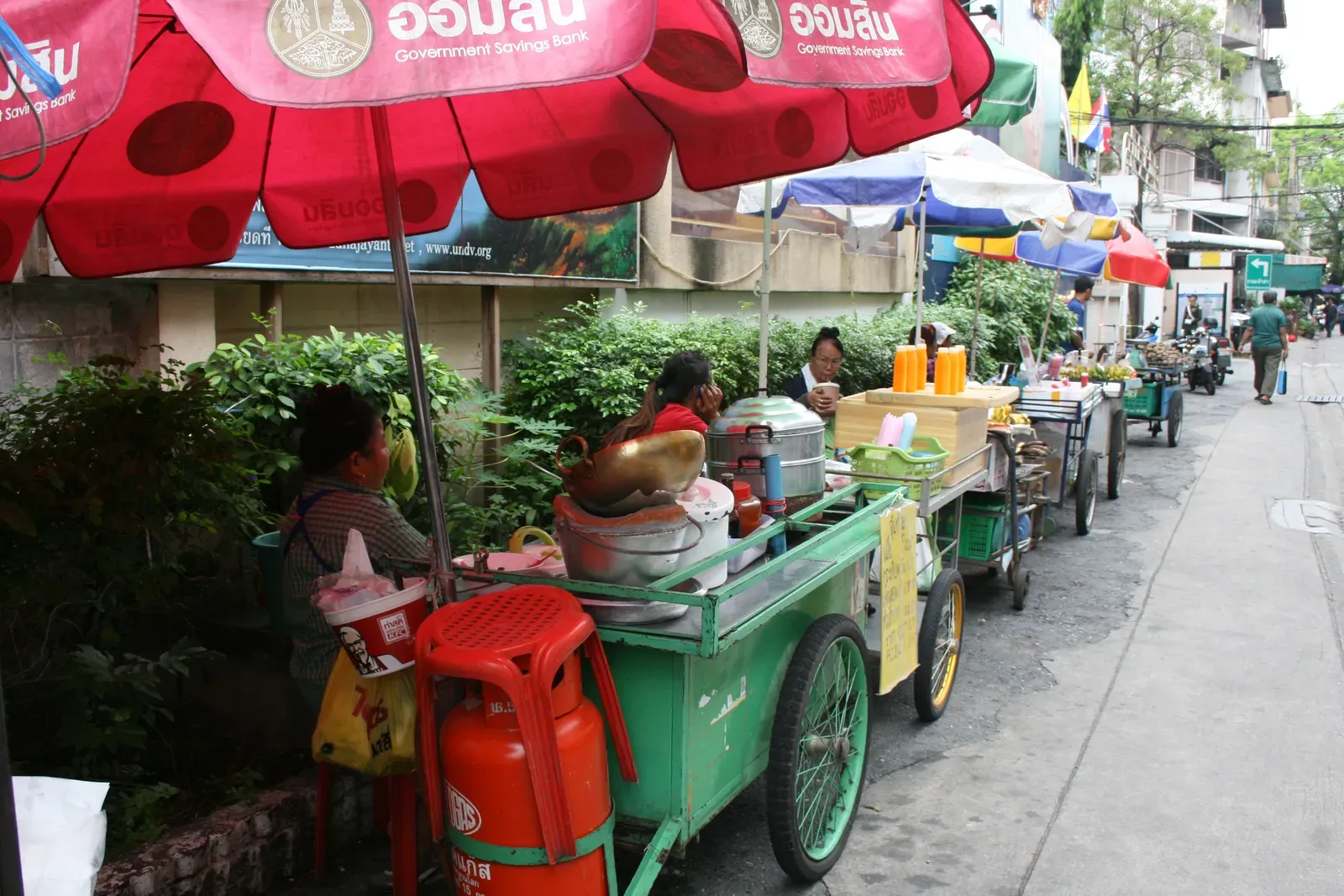
Thailand’s Department of Health launched a street food safety project in Bangkok in 1994, developing a comprehensive ten-step code of practice for street vendors that local authorities use extensively. Street food in Thailand is generally safe when following basic precautions, with most food cooked to order, ensuring it’s served hot and fresh, reducing the risk of contamination. The high turnover at busy stalls means ingredients stay fresh, and honestly, that’s something fancy restaurants can’t always guarantee.
Over three quarters of food consumed in Thailand by long-term residents comes from street stalls or markets, with many never experiencing illness. To improve food safety and sanitary conditions of restaurants and street vendors, collaboration between the government and food establishment sectors has been established through regular inspection and encouragement of food safety training among food service staff. What makes Thai street food particularly reliable is the transparency. You watch everything being prepared right in front of you, unlike hidden restaurant kitchens where anything could be happening behind closed doors.
Singapore: Hawker Centers as Government-Regulated Sanctuaries
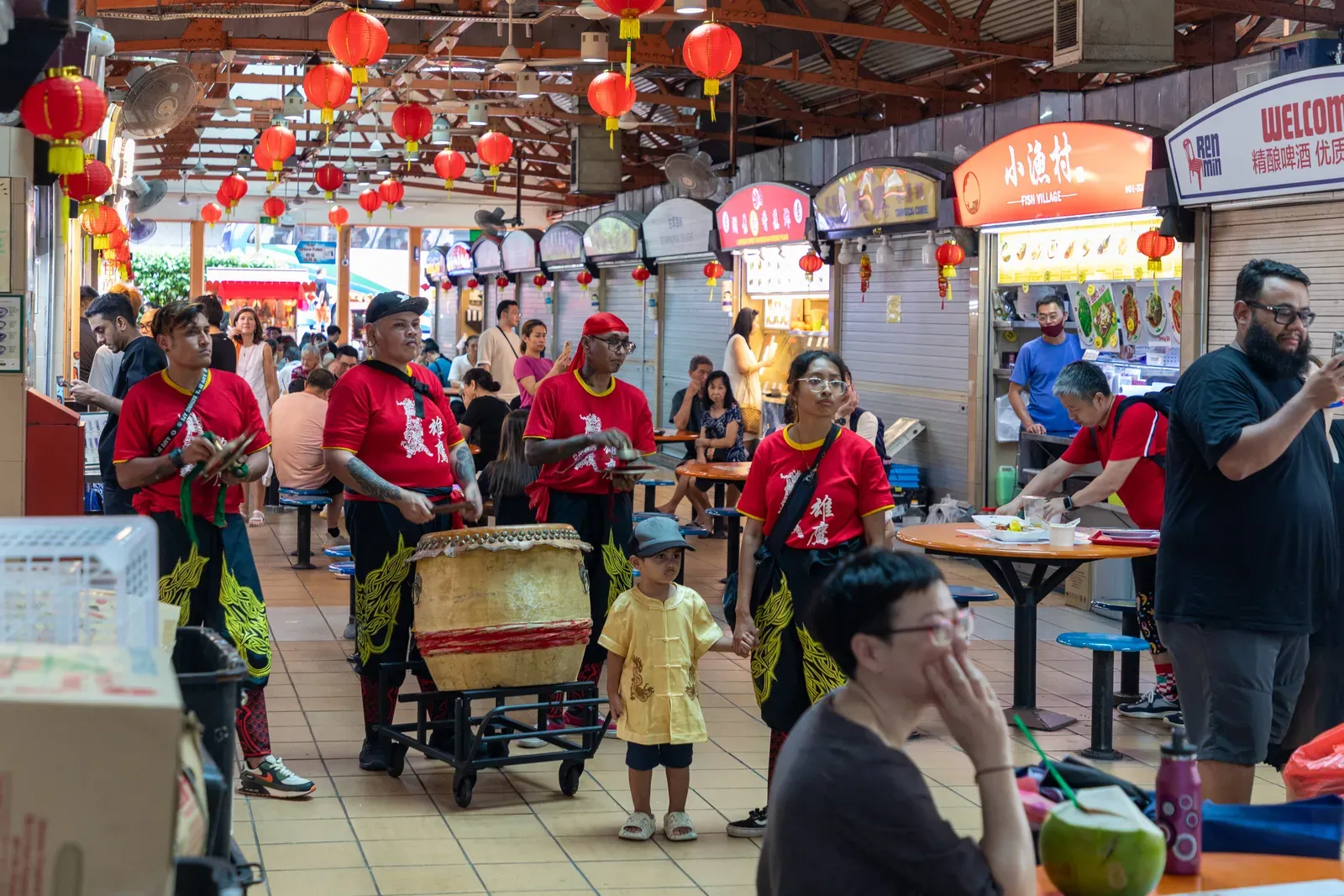
Hawker centres sprang up in urban areas during the 1950s and 1960s, built partly to address the problem of unhygienic food preparation by unlicensed street hawkers. Singapore hawker centers maintain exceptional food safety standards through government health inspections ensuring hygiene compliance, with food poisoning incidents occurring rarely at safety levels comparable to restaurants and Western developed countries.
The Points Demerit System assigns demerit points to offences based on their impact on food safety, with retail food businesses incurring demerit points for food safety offences committed, and offences with greater impact assigned more points. All hawker stalls receive regular inspections with results publicly displayed via grading systems with A, B, or C ratings visible at stall fronts, while government subsidies keep rental costs low enabling hawker profitability without corner-cutting on hygiene standards. Think about it: when was the last time you saw a restaurant’s inspection grade prominently displayed where you eat?
Japan: Street Food Under the Food Sanitation Act
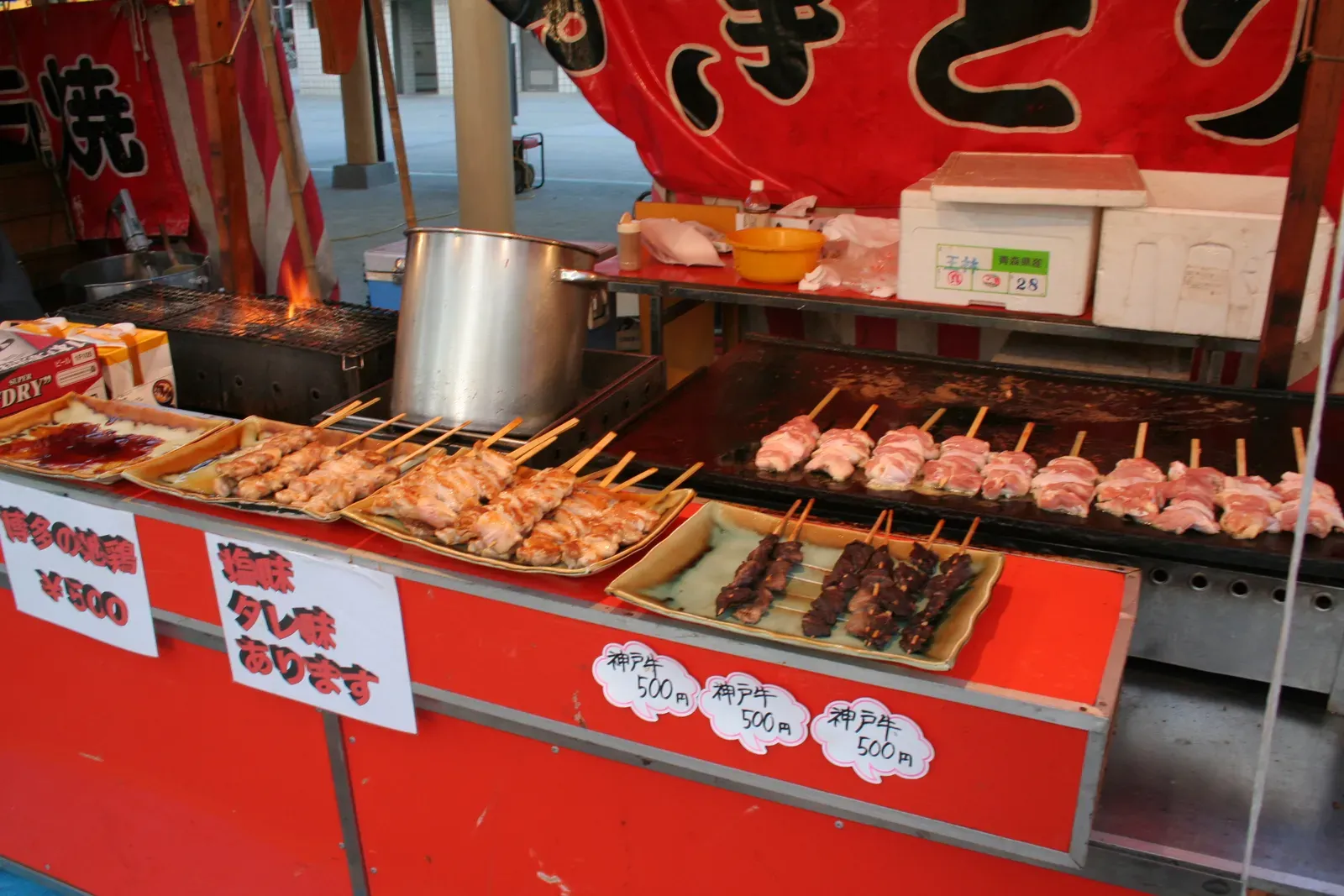
The Ministry of Health, Labour and Welfare plays a pivotal role in regulating the food industry in Japan, responsible for establishing and enforcing food safety standards and managing food sanitation through the Food Sanitation Act. Japanese and Korean street foods are made in extremely clean environments and stalls, with strict sanitation code laws making it very easy to trust that your food is clean.
Under Article 55 of the Japanese Food Sanitation Act, permission from the prefectural governor or equivalent authority is required to operate a business that handles food, with this permission requiring renewal every few years. Japan’s reputation for meticulous attention to detail extends far beyond sushi restaurants. Street vendors face the same rigorous standards as any food establishment, meaning that yakitori skewer from a tiny stall has been prepared under stricter oversight than most Western fast food chains. Government bodies work in concert to ensure food products are safe, high-quality, and accurately labeled, thereby safeguarding public health and enhancing Japan’s reputation as a global leader in food safety and quality.
Malaysia: Penang’s Legendary Food Safety Legacy
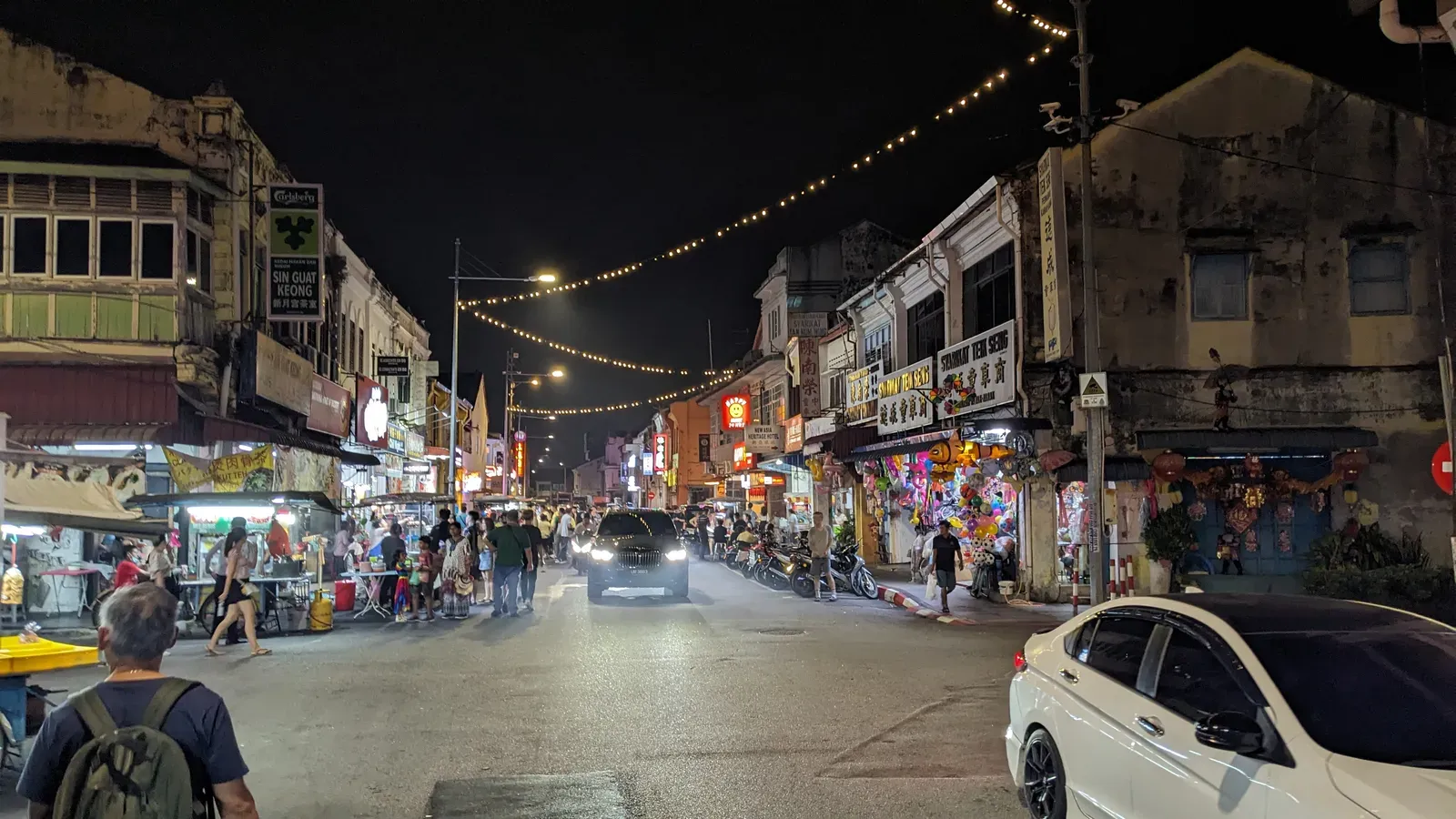
Penang, Malaysia is one of the most well-known foodie heavens in Asia, with Penang cuisine mostly comprising street food popularly sold at roadside hawker stalls, in hawker centres or in coffeeshops across the State of Penang. Street food in Penang offers options from Chinese to Indian and Malay, with something for everyone. Malaysia doesn’t get enough credit for its food safety infrastructure, but Penang specifically has cultivated a street food culture that spans generations.
The majority of famous Penang street-food stalls have been serving the same iconic dish for over thirty years, some for much longer from generation to generation. When a vendor has been in the same spot for decades, serving the same dish day after day, they’ve clearly figured out how to keep people safe and coming back. The first two hawker centers in Malaysia were built in Kuala Lumpur in 1967 as part of a programme to improve hygiene standards and clear the roads of streetside stores, with hawkers eventually moving to these facilities. That kind of longevity speaks volumes about consistent food safety practices that many newer restaurants simply can’t match.
South Korea: Strict Codes Behind the Street Food Boom
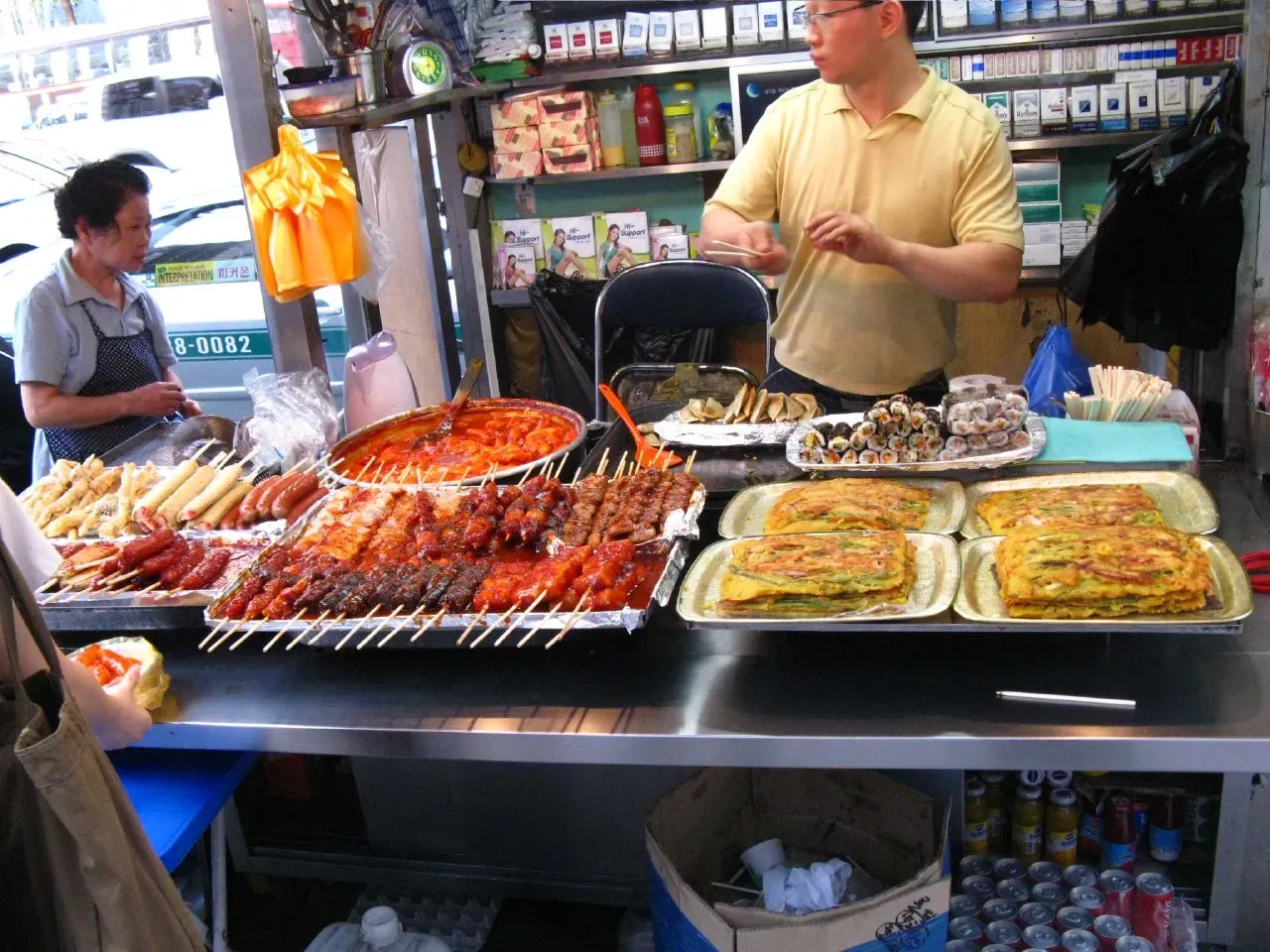
Street food in Korea, Japan, Hong Kong and Singapore is generally licensed and completely safe to eat or drink. South Korea’s street food scene exploded in popularity globally over the past decade, yet what tourists often miss is the ironclad regulatory framework supporting those trendy tteokbokki stalls. Korean street foods are made in extremely clean environments and stalls, with strict sanitation code laws making it very easy to trust that your food is clean.
The vendors you see in popular districts like Myeongdong aren’t just randomly set up. They’re operating under a licensing system that demands regular inspections and adherence to health codes. The Myeongdong Street Food Alley offers a mix of traditional and trendy street foods where must-tries include Patbingsoo shaved ice, Gyeran-bbang egg bread, Kimbap seaweed rice rolls, and delicious Korean style fried chicken. Korea has managed to maintain its street food authenticity while implementing Western-style food safety protocols, giving you the best of both worlds.
The next time someone warns you away from street food in these five countries, you can confidently ignore them. Many seasoned travellers who frequently visit Thailand say they rarely get sick from street food, often finding it safer than some restaurant food because it’s prepared right in front of you. These nations have proven that street food doesn’t have to be a gamble with your digestive system. What do you think about your local street food scene? Does it measure up?