
Living with diabetes isn’t just about what you avoid. It’s about what you choose to put on your plate every single day. The difference between a meal that sends your blood sugar soaring and one that keeps it steady can often come down to just a few smart food choices.
Honestly, the relationship between food and blood sugar is more nuanced than most people realize. Research from the past few years has made it clearer than ever that specific whole foods, eaten consistently, can make a genuine, measurable difference in how well diabetes is managed. Let’s dive in.
Table of Contents
1. Leafy Green Vegetables

Greens like spinach, kale, collard greens, and mustard greens are genuinely hard to beat when you’re managing blood sugar. Dark leafy greens are packed with vitamins A, C, and K, along with iron, magnesium, calcium, and potassium, and they can be eaten with little concern about calories or carbohydrates. That’s a rare combination of high nutrition and low glycemic impact.
Higher intakes of green leafy and cruciferous vegetables are associated with improved glucose tolerance and insulin sensitivity, according to findings published in the Journal of Clinical Endocrinology & Metabolism. Research published in May 2024 from the AusDiab cohort study, tracking over 8,000 Australian adults, reinforced this point specifically for everyday glucose management.
Consuming vegetables high in nitrates, such as spinach and lettuce, may help lower blood pressure and improve heart health, which is especially important since people with type 2 diabetes are at a higher risk of heart disease. Think of leafy greens as your daily insurance policy, not just a side dish.
According to the Diabetes Plate guidelines from the American Diabetes Association, non-starchy vegetables should make up half of your meal, as they are packed with vitamins and minerals including vitamins A, C, K, and folate, and are low in calories and carbohydrates. That’s a major portion of your plate dedicated to foods that actively support your health.
2. Fatty Fish

Salmon, mackerel, sardines, trout, and tuna aren’t just delicious. They carry a nutritional profile that makes them genuinely valuable for people managing diabetes. Omega-3 fatty acids, particularly EPA and DHA found in oily fish, are renowned for their anti-inflammatory and cardioprotective attributes, and their potential roles in glucose metabolism, lipid profile improvement, and insulin sensitivity could shed light on mechanisms underpinning type 2 diabetes prevention.
Omega-3 fatty acids assist in controlling blood sugar levels and lipid profile in patients with all types of diabetes, and they also reduce the occurrence of cardiovascular events and death linked to diabetes. That last point matters a lot, because cardiovascular risk is a very real concern for people living with diabetes.
Research revealed that substituting saturated fatty acids in the diet with polyunsaturated fatty acids led to enhanced glycemic control and reduced insulin resistance. Swapping out a red meat meal for a portion of salmon a couple of times a week is a practical, evidence-based change that’s also genuinely easy to enjoy.
People with all types of diabetes are suggested to include fatty fish and foods high in omega-3 fatty acids in their diet twice a week, as is prescribed for the general population. It’s one of those rare dietary recommendations where science, flavor, and practicality all align perfectly.
3. Nuts and Seeds
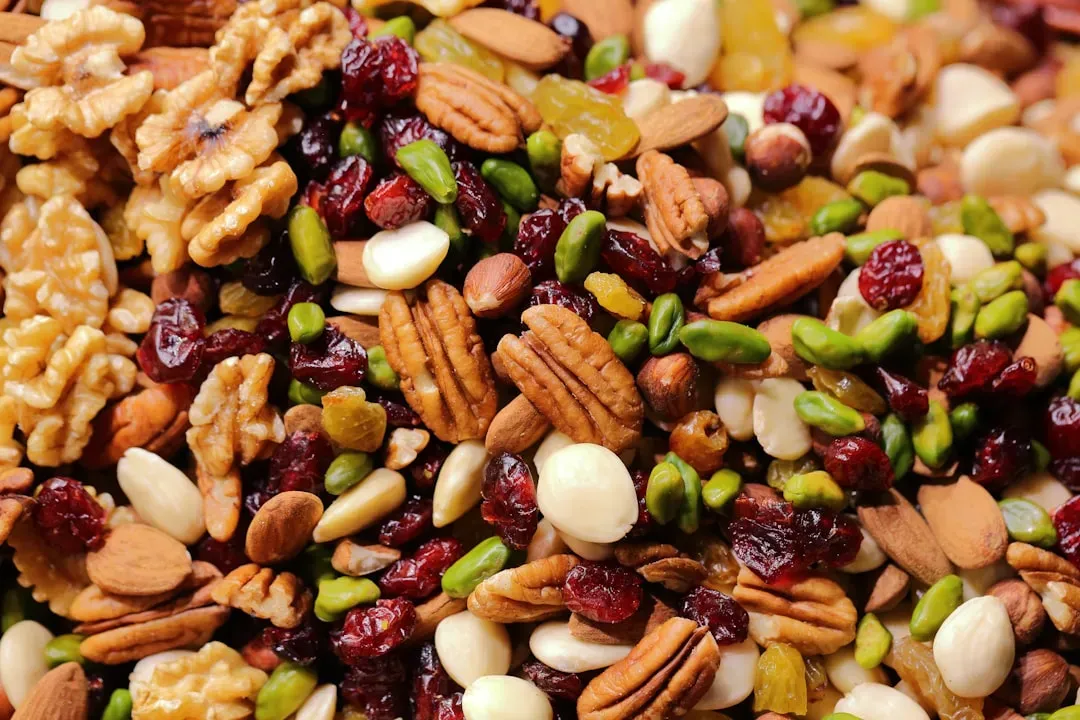
Here’s the thing about nuts. Many people avoid them because they seem high in calories, but the research consistently tells a different story when it comes to diabetes and blood sugar control. Overall, nuts and seeds have shown a favorable trend in improving fasting blood glucose concentrations, glycemic control, and insulin sensitivity, according to a comprehensive umbrella review of the available evidence.
One acute randomized crossover trial showed that consumption of 28 grams of almonds with a test meal significantly reduced postprandial glycemia in participants with diabetes compared to eating the same meal without almonds. That’s a small handful of almonds making a measurable real-time difference to your blood sugar response. Pretty remarkable, when you think about it.
A 2024 study found that greater adherence to a diet including nuts and seeds led to lower glycated hemoglobin (HbA1c) levels, with nuts and seeds and plant proteins having the greatest impact on glycemic outcomes. HbA1c is the key long-term marker for diabetes management, so this is significant.
An ounce of nuts can go a long way in providing key healthy fats, magnesium, and fiber, while some nuts and seeds such as walnuts and flax seeds are also a good source of omega-3 fatty acids. A small daily handful is all it takes to start benefiting.
4. Beans and Legumes
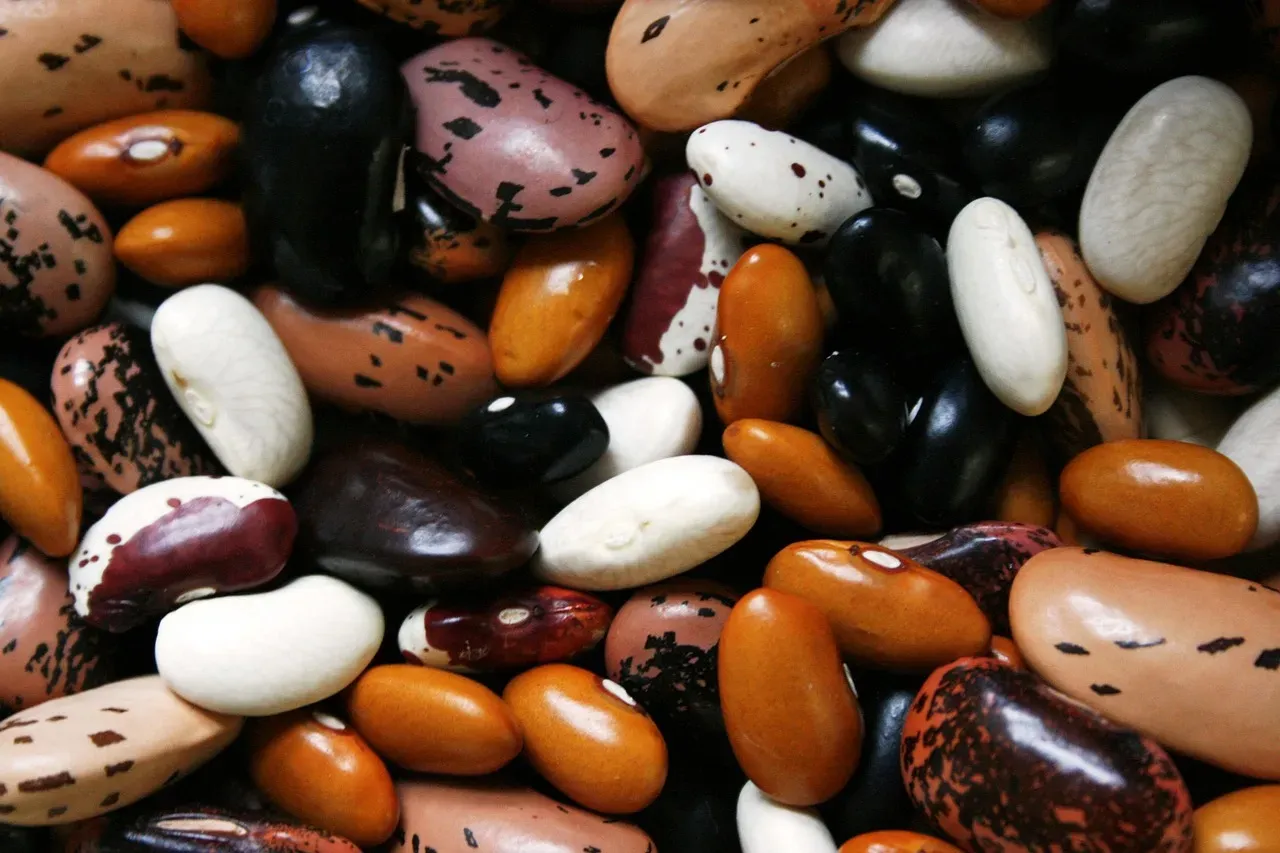
Beans might just be one of the most underrated foods on the planet for blood sugar control. They’re cheap, filling, versatile, and the evidence behind them for diabetes management is genuinely strong. Legumes are a rich source of dietary fiber, plant protein, and low glycemic index carbohydrate. That trifecta is practically custom-made for managing blood glucose levels.
Beans are an excellent option for people with diabetes, as they are a source of plant-based protein and can help satisfy the appetite while promoting digestive health due to their high content of soluble fibers. Beans are also low on the glycemic index scale, which means they may be more effective for blood sugar management than many other starchy foods.
Studies found that high consumption of soybeans, black beans, red beans, and green beans resulted in lower fasting blood sugar levels, according to 2024 research published in the peer-reviewed journal Nutrients examining plant-based diet and glycemic control. That’s a wide variety of bean types all pointing in the same direction.
In addition to reducing body weight and blood glucose, plant-based diets in patients with cardiometabolic disease have been shown in randomized controlled trials to improve pancreatic beta-cell function. The higher intake of vegetables and legumes is believed to be beneficial because of their antioxidant capacities and the optimization of fiber intake. I think this is one of the most compelling arguments for making beans a genuine staple, not just an occasional addition.
5. Berries

Sweet but smart. Berries give you the satisfaction of something genuinely tasty while actually working in your favor metabolically. Berries are a great option for a diabetes meal plan, packed with antioxidants, vitamins C and K, manganese, potassium, and fiber. They are naturally sweet and can be a great option to satisfy your sweet tooth without added sugar.
Cranberries, blueberries, raspberries, and strawberries help reduce the rise of blood sugar and insulin in overweight or obese adults with insulin resistance and in adults with metabolic syndrome. Regular consumption of berries, rich in soluble fibers and anthocyanins, can improve blood sugar levels in people with diabetes. Anthocyanins, which are the pigments that give berries their deep red and blue colors, appear to play a meaningful role here.
The American Diabetes Association recommends that regardless of carbohydrate quantity, the focus should be on high-quality, nutrient-dense carbohydrate sources that are high in fiber and minimally processed, including vegetables, fruits, legumes, whole grains, and dairy products. Berries fit that description almost perfectly.
Think of blueberries as a natural upgrade over processed sweets. They hit the same pleasure center in your brain but carry fiber, antioxidants, and a relatively gentle effect on blood sugar all at the same time. Systematic reviews and meta-analyses have shown that low glycemic index dietary patterns lead to improvements in hemoglobin A1c, the main target of glycemic control for diabetes, as well as improvements in body weight, blood lipids, and blood pressure in randomized controlled trials. Berries are a cornerstone of any low glycemic eating approach.
A Final Word on Eating for Diabetes Management

No single food is a cure. Let’s be real about that. Diabetes management relies on effective evidence-based advice that informs and empowers individuals to manage their health, and alongside other cornerstones of diabetes management, dietary advice has the potential to improve glycemic levels, reduce risk of diabetes complications, and improve health-related quality of life.
According to the 2025 ADA recommendations, a variety of eating patterns – including Mediterranean, DASH, low-fat, carbohydrate-restricted, vegetarian, and vegan diets – continue to show benefits for diabetes management. The emphasis is less on adhering to a single rigid plan and more on consistently choosing whole, minimally processed foods that help maintain stable blood sugar levels and support long-term metabolic health.
The five foods covered here, leafy greens, fatty fish, nuts and seeds, beans, and berries, are each backed by credible, peer-reviewed research. They’re not miracle foods, but they are genuinely powerful allies when eaten regularly as part of a balanced approach. Your plate is one of the most powerful tools you have. What would you change on yours starting tomorrow?