
There’s something quietly remarkable about the way grandparents cook. No apps. No food delivery subscriptions. No ingredient kits showing up in a box on Tuesday. Just knowledge, practice, and an instinct for what works. It’s the kind of culinary wisdom that took entire lifetimes to develop, passed from one generation to the next in a warm kitchen over the hiss of a cast iron pan.
Today, in a world dominated by ultra-processed foods and algorithm-generated recipes, many people are looking back to their grandparents for guidance. Honestly, maybe they should have been doing that all along. What follows are 15 lessons that came straight from the kitchens of generations past, and what the latest research says about why they still matter more than ever.
1. Cook From Scratch – Every Single Time You Can
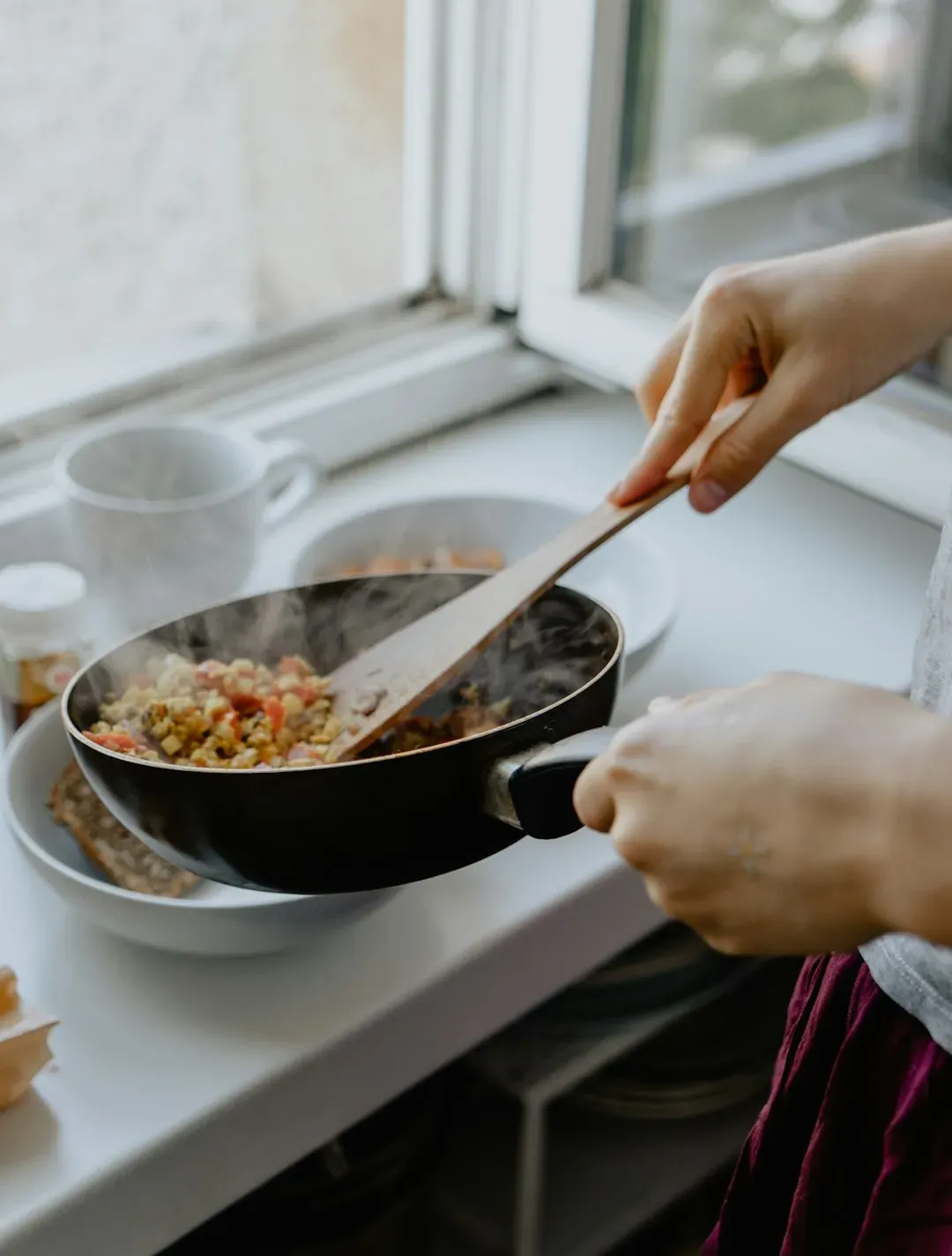
Our grandparents made meals from scratch because they had to. They didn’t have grocery stores online or around the corner. That necessity forged a deep, intuitive skill that many modern kitchens have gradually lost. It wasn’t just practical; it was a form of care.
Home food preparation can be an affordable method for improving diet quality and reducing intake of ultraprocessed foods, two important drivers of diet-related chronic diseases. That’s not nostalgia talking – that’s science from the University of North Carolina. Research published in the Public Health Nutrition journal found that people who prepare more home-cooked meals have a lower risk of obesity, heart disease, and even certain cancers. The study found that those who ate more home-cooked meals consumed fewer processed foods, which tend to be high in sodium, sugar, and unhealthy fats.
2. Teach Children in the Kitchen Early
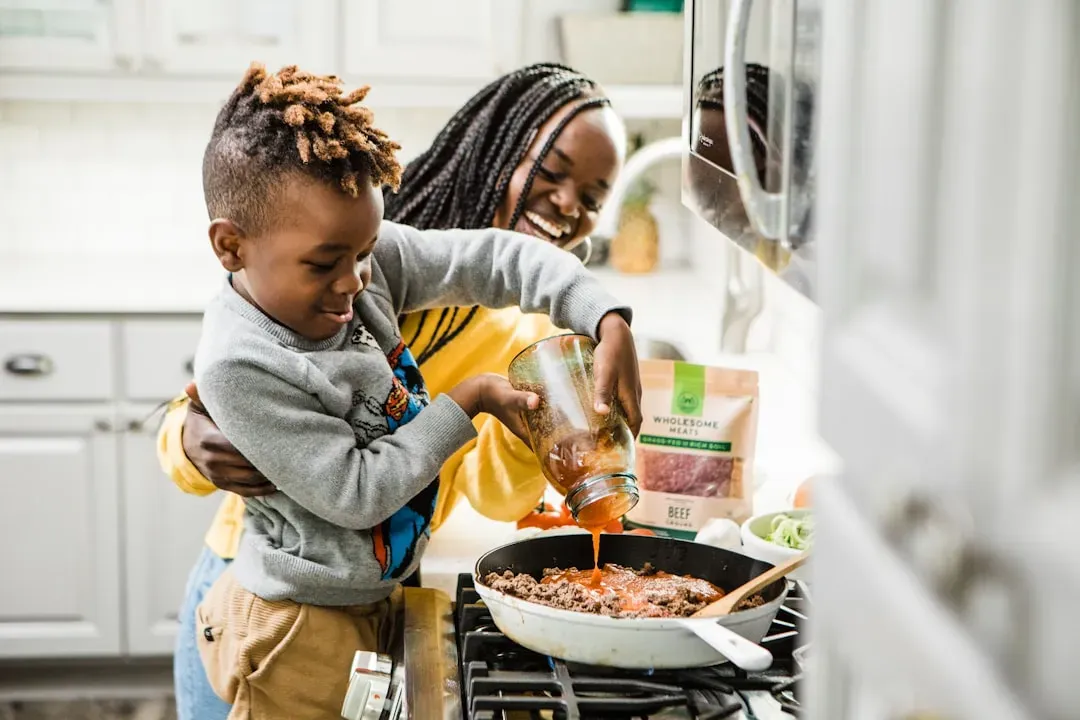
Think about the first time you stood on a stepstool beside an older relative and stirred something in a big pot. That moment mattered more than it seemed. Research shows kids who participate in the kitchen and help with grocery shopping are more likely to try nutritious foods. The kitchen, it turns out, is one of the best classrooms in the house.
Learning cooking skills as a child or a teenager was shown to be positively related to current use of cooking and food skills, cooking practices, cooking attitude and diet quality. This research illustrates that learning cooking skills early in life has potential associations with health, cooking behaviours and food sustainability. A longitudinal study from a nationally representative survey in Ireland reinforced this, showing that the earlier children learn, the better the long-term outcomes.
3. Never Waste Food – Reinvent Leftovers Instead
One-third of all food in the United States goes uneaten. That number is staggering, and it’s something grandparents would have found almost incomprehensible. They grew up in an era where frugality wasn’t a trend; it was survival. Grandmas were experts at avoiding food waste. When fruits were going soft, they’d probably bake them into something exciting. When whipped into a golden pie or fluffy muffins, old apples would take on a new lease of life.
The average family of four spends almost $3,000 per year on food that does not get eaten. That’s a remarkable sum being thrown in the trash. Instead of reheating the same dish, leftovers can be transformed into something new. Roast vegetables can become the base of a soup, and grilled chicken can be shredded for tacos. Grandparents understood this intuitively, long before sustainability became a buzzword.
4. Eat Seasonally – Let Nature Set the Menu
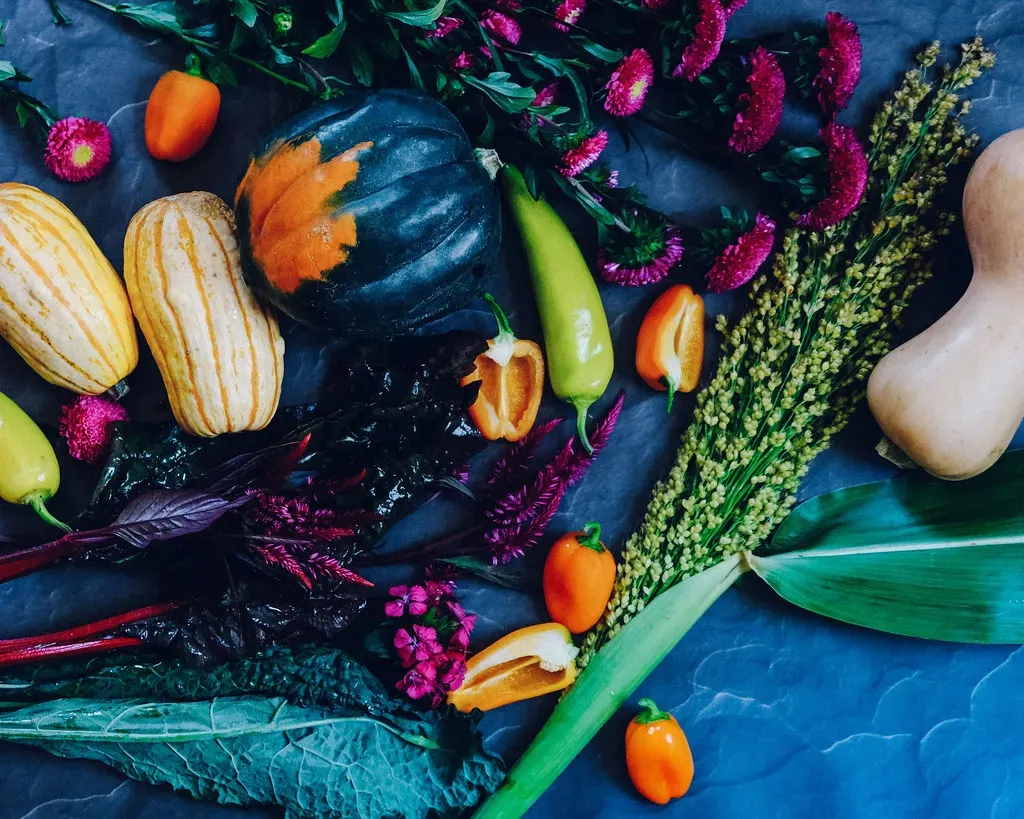
Seasonal ingredients that ripen at the same time tend to taste great together. Think fresh peaches and ripe tomatoes in the summer, or fresh asparagus and new potatoes in the spring. Our grandparents instinctively knew the benefits of seasonal eating. There was no choosing otherwise. What grew was what you ate.
Opting for seasonal and locally sourced ingredients not only supports local farmers but also reduces the carbon footprint associated with long-distance transportation. Intergenerational culinary knowledge often embodies principles of minimal waste, seasonal eating, and respect for ingredients, values that are incredibly relevant today. The seasonal rhythm grandparents lived by is now the aspiration of entire sustainability movements.
5. Preserve Food the Old-Fashioned Way
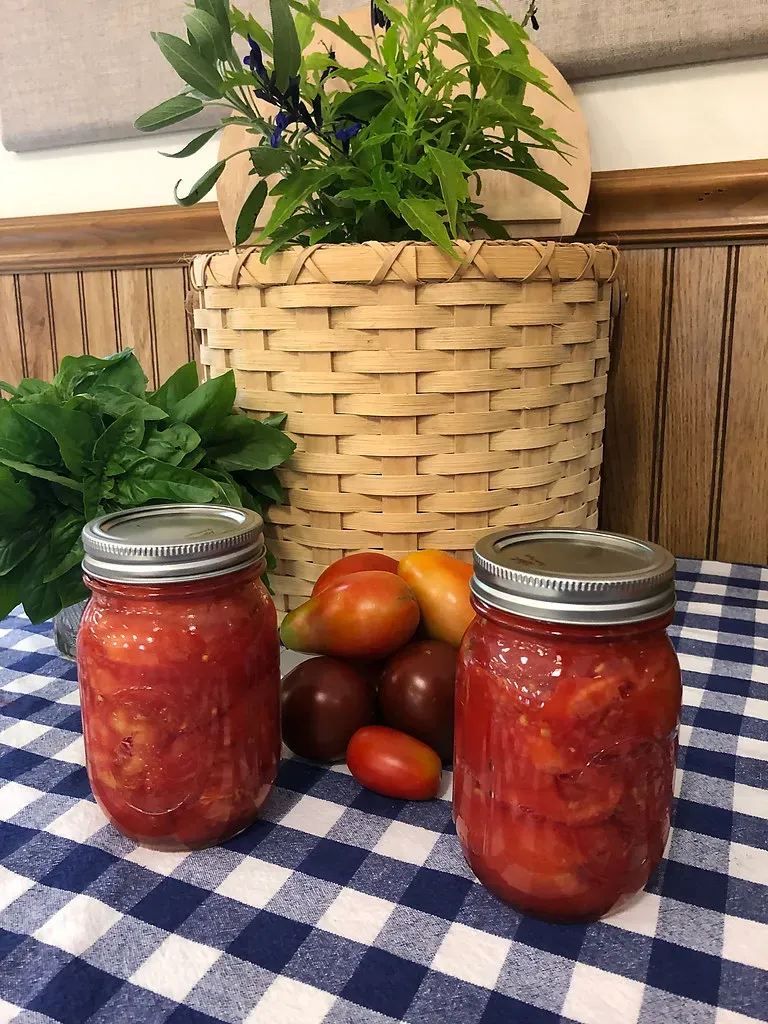
Picture grandmother’s pantry: rows of glass jars glowing like a stained-glass window, each one filled with something she made herself. Fermentation, pickling, and drying techniques reduce food waste by extending shelf life naturally. These were not quirky hobbies. They were survival strategies with brilliant nutritional logic built in.
Freezing, pickling, dehydrating, canning, or making jam from surplus fruits and vegetables, especially abundant seasonal produce, are powerful tools for minimizing waste. The U.S. EPA now recommends these exact methods as part of its food waste prevention guidelines. Embracing seasonal eating and food preservation isn’t just about following traditions; it’s about creating a sustainable and cost-effective kitchen that works for you.
6. Make Stock From Bones and Scraps
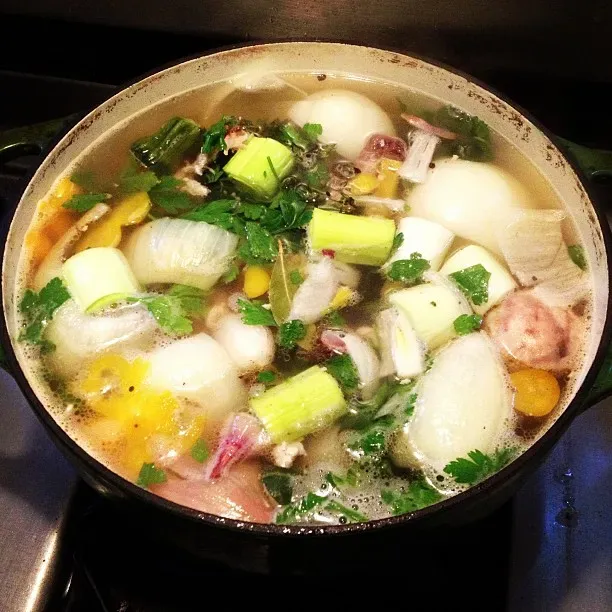
Here’s the thing – nothing signals old-school kitchen wisdom more than someone pulling a bag of chicken bones out of the freezer and making a rich, golden stock. Storing leftover chicken bones in the freezer to turn into stock later makes perfect sense. They have far too much flavor and nutrients to go in the bin. Use them to make a base for soups, stews, and curries so you don’t have to use shop-bought stock cubes.
Don’t throw out vegetable peels, bones, or leftover herbs. Use them to make homemade stocks, or turn them into a flavorful base for soups and sauces. This isn’t just delicious. It’s a complete philosophy about respect for ingredients. Every scrap carries flavor. Every bone has something left to give.
7. Food Is Memory – Recipes Are Family History
Food is a big part of family celebrations, including birthdays and holidays, and people often think about the food that went along with the celebration and recall the positive memories created. For many people, food memories are the strongest associative memories we have. Grandparents didn’t just cook; they encoded entire emotional archives into the act of preparing food.
Old family recipes aren’t just about what’s for dinner; they’re about where we come from. They’re like time capsules, holding stories of our ancestors and the places they lived. Each dish tells a story, connecting us to our roots and reminding us of the love that’s been cooked into every meal. I think that’s why so many people today are desperately hunting down their grandmother’s recipe cards, even after those grandmothers are long gone.
8. Pass Down Cultural Identity Through Food
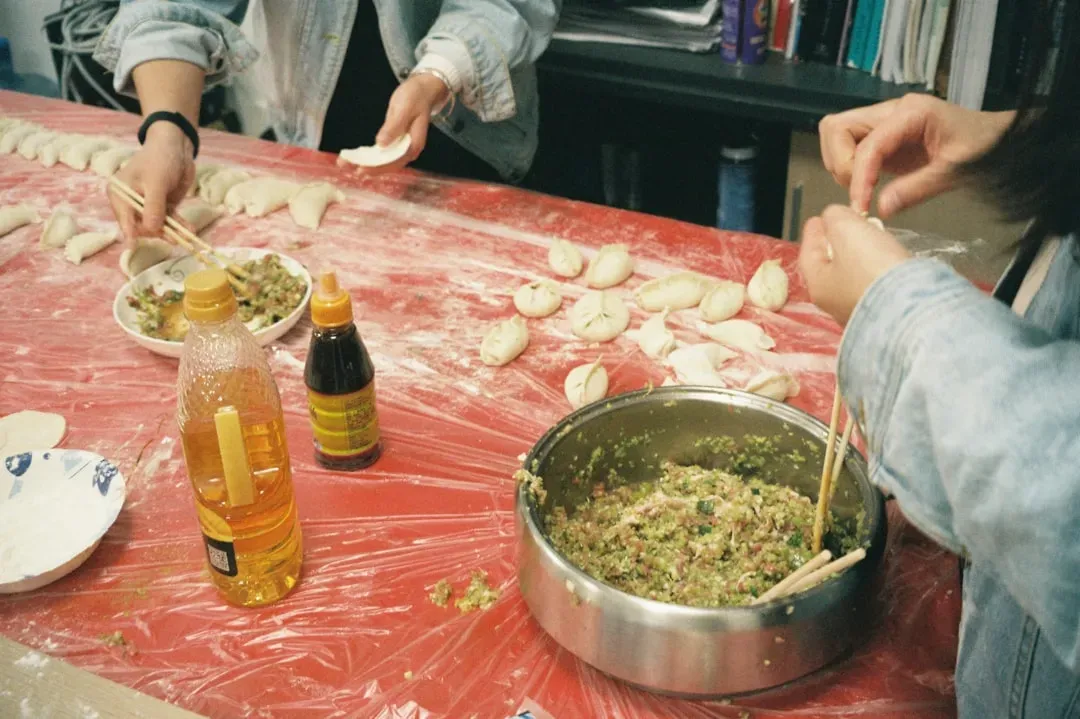
Traditional food knowledge can be a means of asserting cultural identity, particularly for minority cultural groups; transmitting this knowledge may contribute to personal skills that relate to food security and personal nutrition and enhanced community capacity. Food, for generations of immigrants and displaced families, was one of the last threads connecting them to home.
Migration has always sculpted the history of family recipes. Migrants bring their culinary traditions to new lands and adjust the recipes according to the region. Traditional food knowledge can fade within households and communities as regional food systems and cultures change with pressures from global industrialization, urbanization, and cultural homogenization. Grandparents who cooked their heritage dishes were, without knowing it, performing a profound act of cultural resistance.
9. Cook With All Your Senses – Not Just a Timer
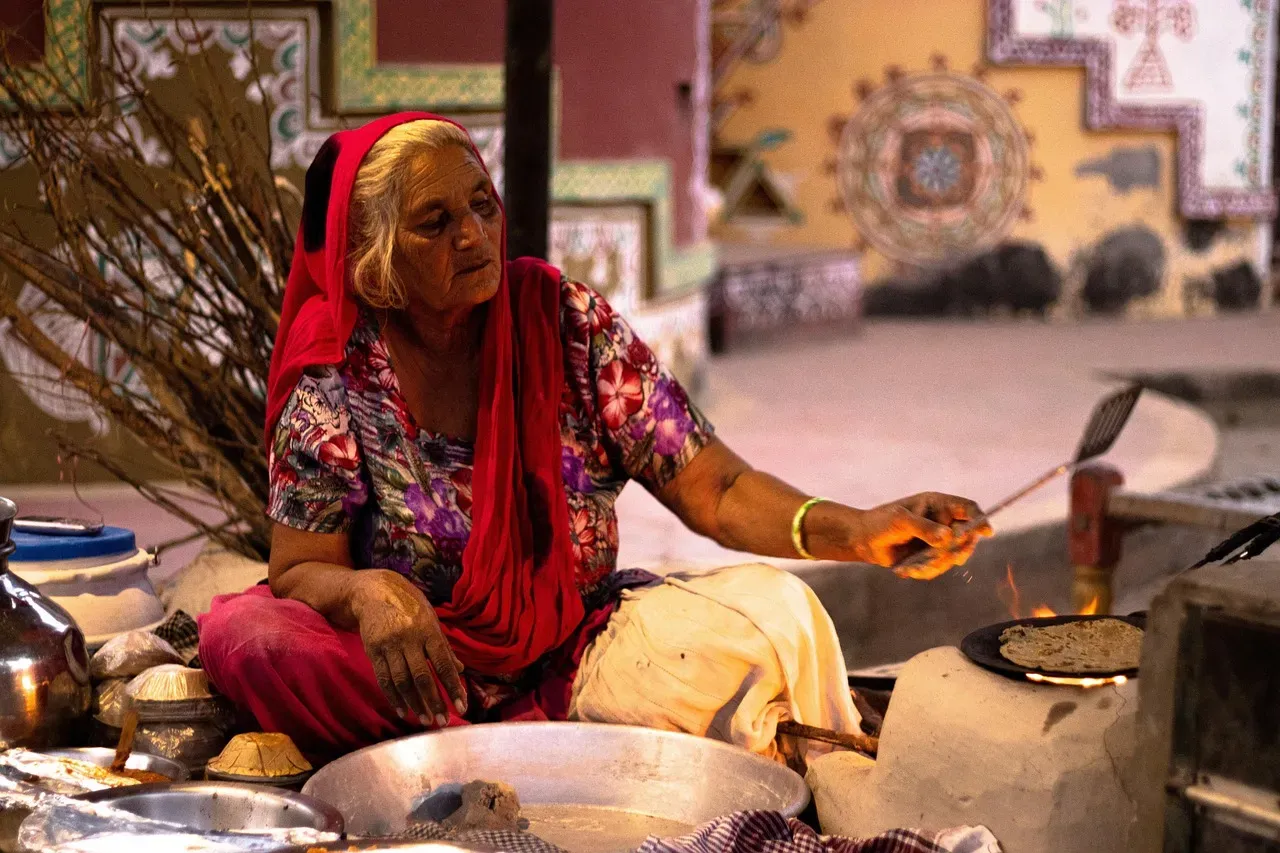
Learning to cook from someone experienced, especially within your family, often provides a more intuitive and adaptable skill set than simply following recipes online. You learn to judge by sight, smell, and touch, developing a deeper connection with ingredients and processes. That’s something no YouTube tutorial can fully replace.
Traditional cooking methods often rely on intuition and sensory experience rather than precise measurements and temperatures common in modern cooking. This inherent flexibility allows for adaptation to seasonal changes and resource availability, promoting resilience in food systems. It’s a bit like learning to drive by feel, not just by reading the manual. Grandparents were fluent in the language of food in a way most of us are still learning.
10. Sit Down Together – The Meal Table Is Sacred
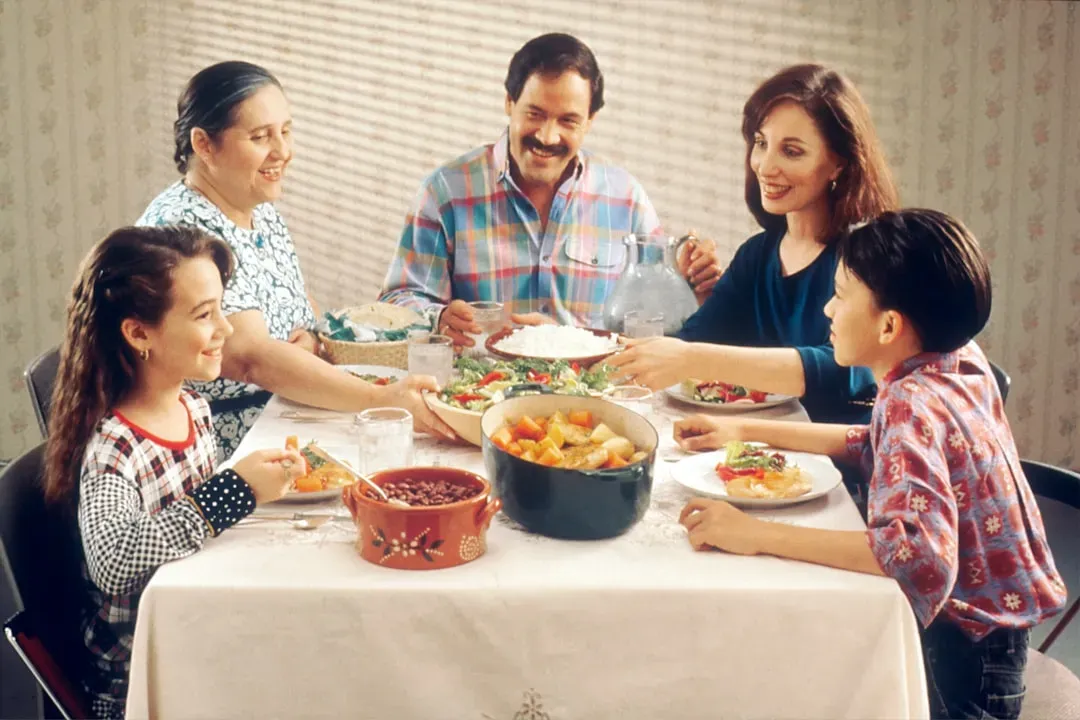
Experts claim that family food rituals equate to a lower incidence of substance abuse, teen pregnancy, depression, and problems in school. It sounds almost unbelievable that the simple act of eating together could carry that kind of weight, but the research supports it consistently. Grandparents never needed a study to tell them this. The dinner table was simply non-negotiable.
From the comforting aroma of fresh bread in Grandma’s kitchen to the laughter that fills the room during Sunday dinners, food has a remarkable way of connecting generations. Every recipe tells a story, every meal shared becomes a memory, and every cookbook handed down through the years becomes a treasured piece of family history. These shared rituals, research confirms, are not trivial. They are foundational.
11. Cook From Whole Ingredients – Avoid the Fake Stuff
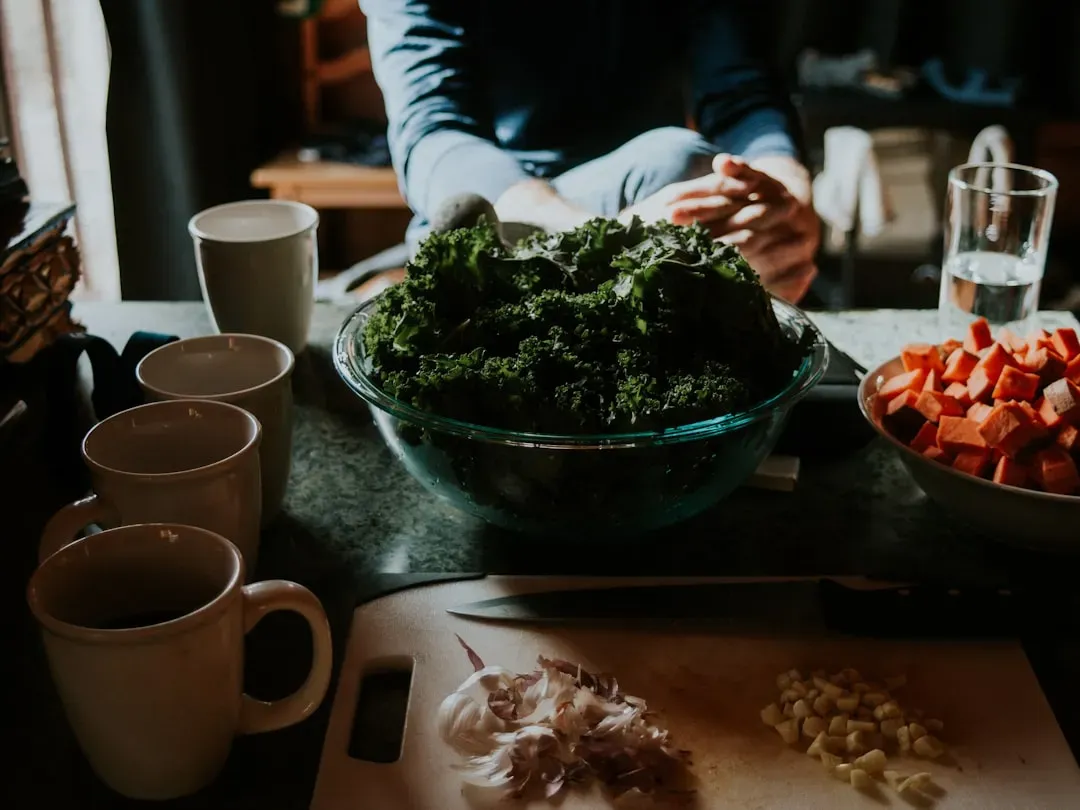
Ingredients were made of whole foods straight from the garden, farmer, mill, butcher, or monger, depending on the generation. This wasn’t a dietary philosophy grandparents debated. It was simply the only option available, and it shaped bodies and palates in ways we are only now measuring scientifically.
Many traditional diets, developed over long periods of trial and error, are naturally balanced and contribute to well-being. The emphasis on whole foods, less processed ingredients, and diverse cooking techniques in many traditional cuisines often leads to nutrient-rich meals. Scratch-cooking builds recipes using fresh, whole, local ingredients rather than using pre-packaged or processed products. The movement toward this approach in modern schools and institutions is really just rediscovering what grandparents never abandoned.
12. Grow Your Own – Even If It’s Just a Windowsill Herb
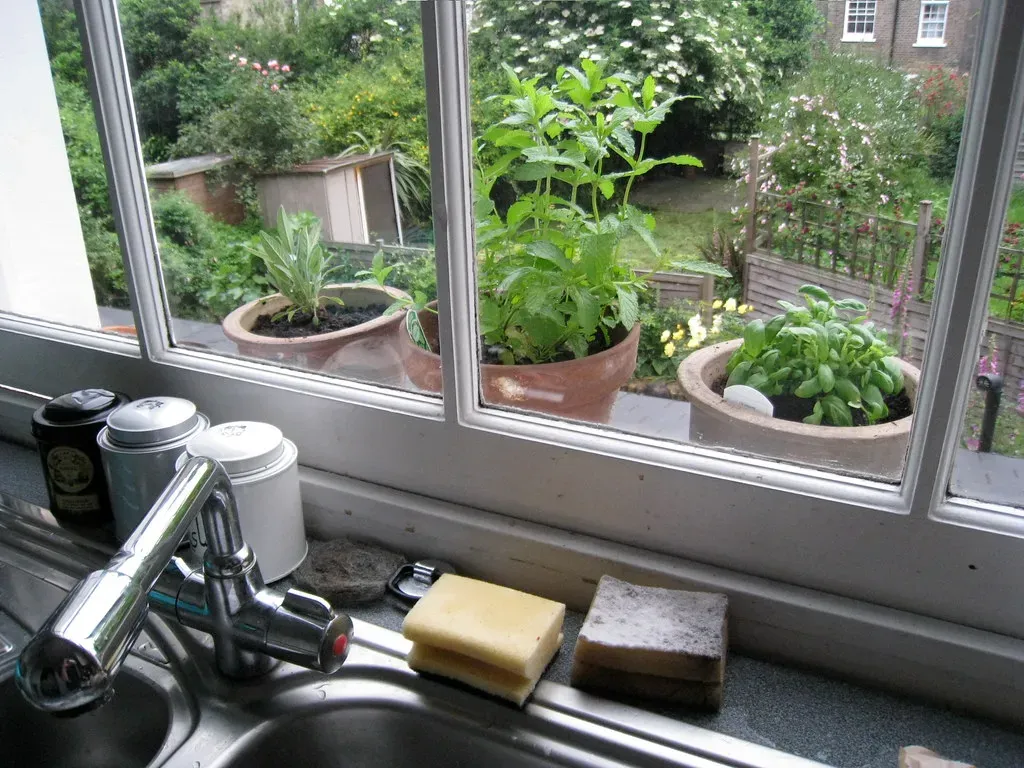
Back in the day, growing your own fruit and vegetables was the ultimate money-saving hack. In tougher times, it was also a necessity. For grandparents who survived economic hardship or wartime rationing, a vegetable garden wasn’t a hobby – it was the difference between eating and not eating. That relationship with the earth left its mark.
Cooking from scratch and growing your own food teaches children patience and exposes them to a culinary art. Passing down traditions helps connect children to their family history, developing a sense of pride that comes from learning and practicing a custom unique to them. Even a single pot of basil on a balcony carries some of that same spirit. It puts your hands in the process again, which matters more than people realize.
13. The Kitchen Builds Bonds – Not Just Meals
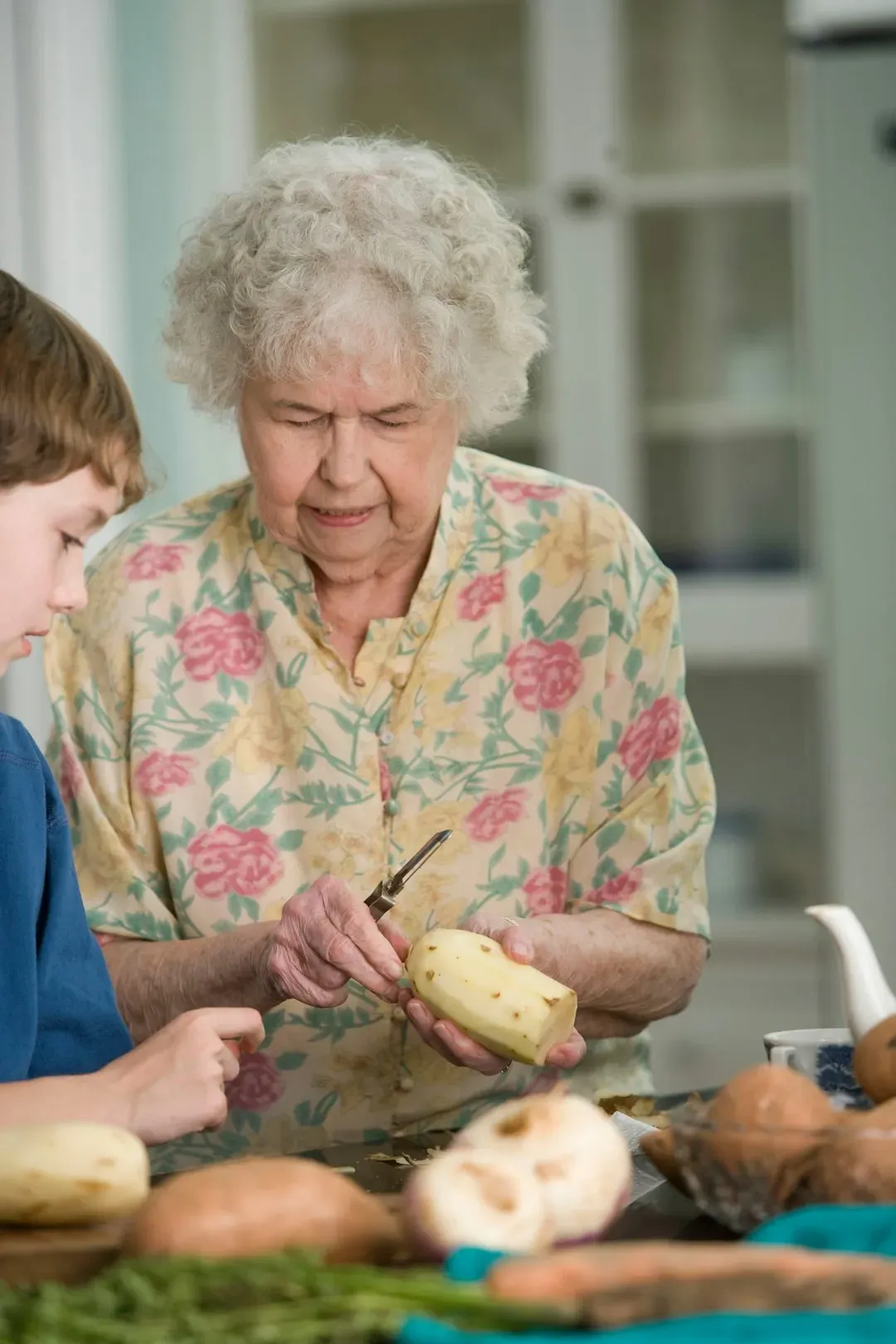
Grandparents hold a special place in a child’s life, often passing down traditions, wisdom, and life skills. One of the most rewarding and practical skills you can teach grandkids is cooking. Not only does it provide them with essential life skills, but it also strengthens your bond and creates lasting memories. The kitchen, viewed this way, is really more of a relationship builder than a food production space.
The transmission of intergenerational culinary knowledge has a ripple effect. It strengthens family bonds as cooking and eating together become shared activities. When children enjoy spending time in the kitchen doing age-appropriate tasks, it will grow their interest in learning about traditional family recipes and passing them down to generations to come. The recipe itself is almost secondary to the time spent shoulder-to-shoulder.
14. Good Cooking Skills Protect Long-Term Health
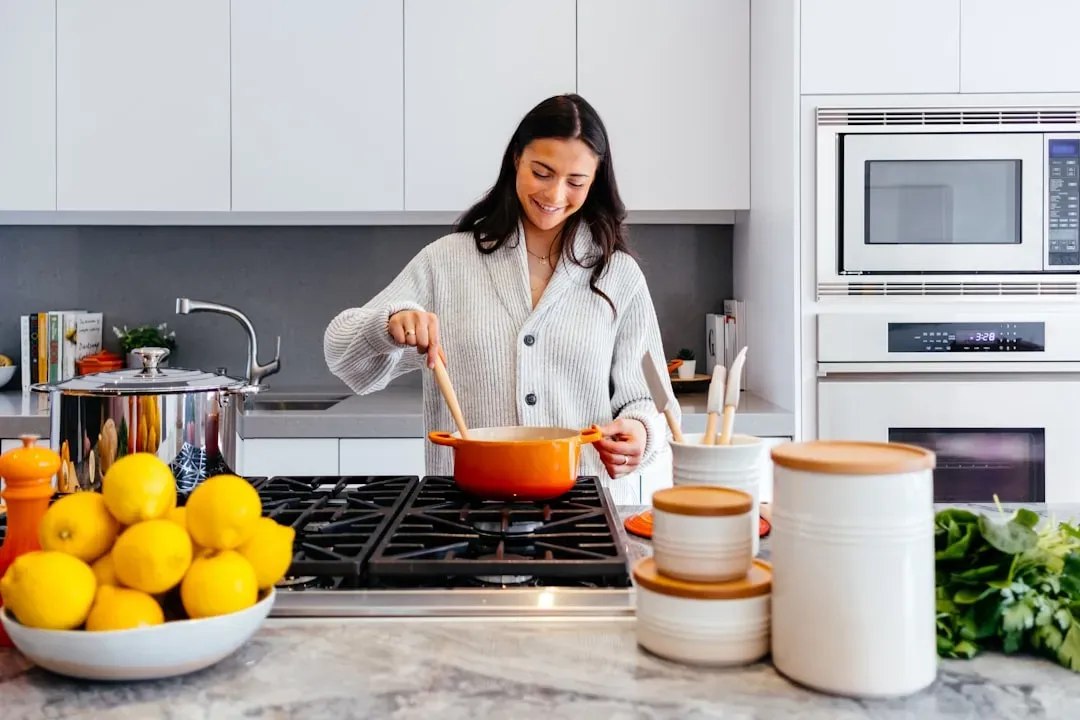
Honestly, this might be the most powerful lesson of all, and grandparents probably never framed it in terms of health outcomes. They just cooked. Reports of very adequate cooking skills at age 18 to 23 years predicted better nutrition-related outcomes 10 years later, such as more frequent preparation of meals including vegetables and less frequent fast food consumption. Developing adequate cooking skills by emerging adulthood may have long-term benefits for nutrition over a decade later.
Reporting very adequate cooking skills in emerging adulthood was associated with greater odds of preparing a meal with vegetables most days and identifying as a usual food preparer later in adulthood. Due to the reduction in the number of home cooks, this knowledge transfer may not be possible in the future and therefore high quality practical cooking education starting at a younger age is recommended. The window of opportunity that grandparents always seemed to instinctively understand is now a documented scientific concern.
15. Food Carries Meaning Beyond Nutrition – Never Forget That
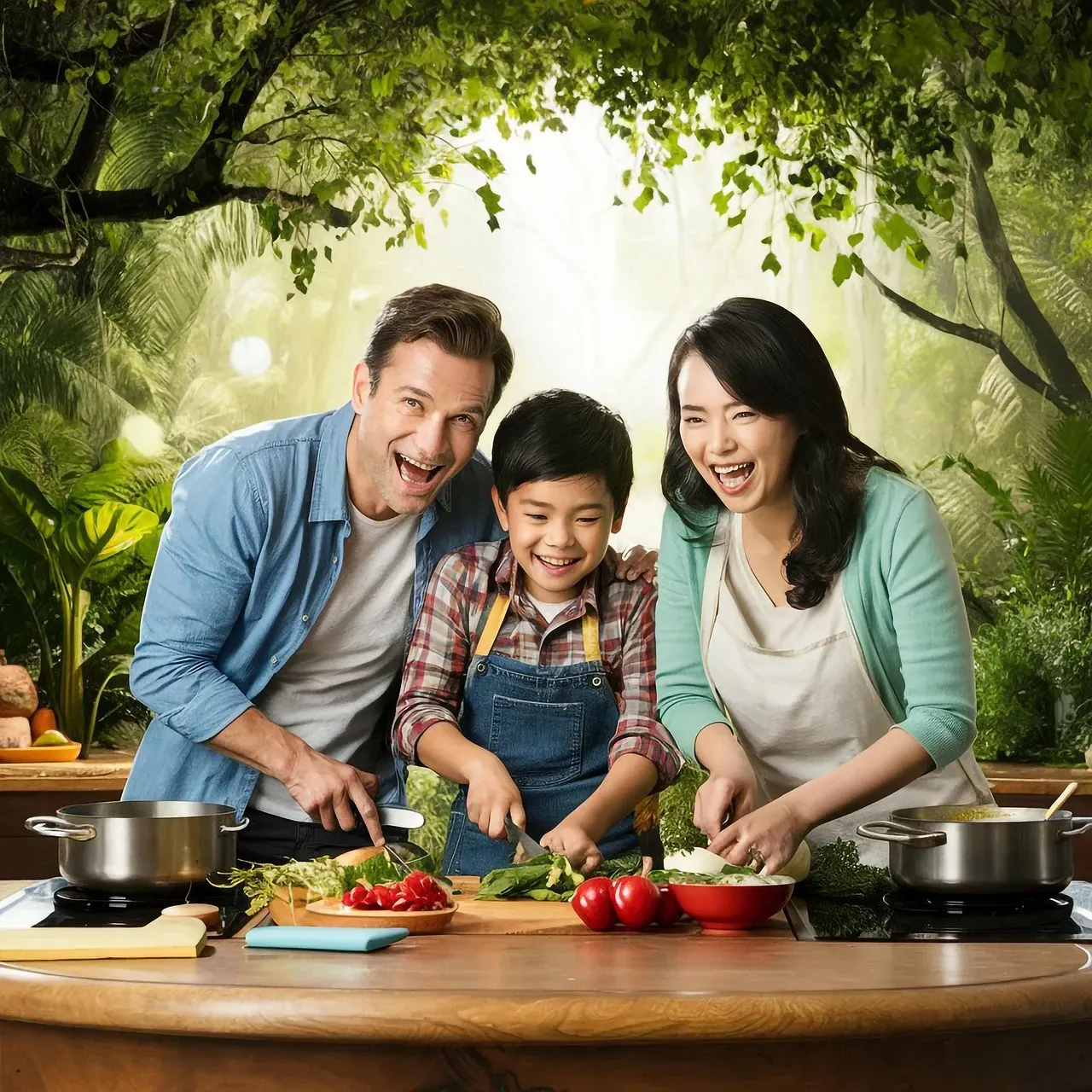
Intergenerational culinary knowledge is the unwritten cookbook, passed down not through pages, but through practice, stories, and shared meals. It’s the culinary wisdom that travels from one generation to the next, a living, breathing heritage right on your plate. This is what separates a grandmother’s stew from a fast food burger, even if both technically fill a stomach.
Family recipes are much more than simple instructions – they’re the flavors of family history, woven with love, tradition, and stories passed down through generations. Whether it’s a holiday feast, a cherished weekday meal, or a unique dish that reflects your heritage, these foods often bring our loved ones to mind and create a sense of belonging. A decline in traditional ecological and culinary knowledge has led to a decline in the food rituals that link communities to place and cultural heritage. Grandparents, knowingly or not, were the keepers of something irreplaceable.
The Lessons That Outlast Every Food Trend
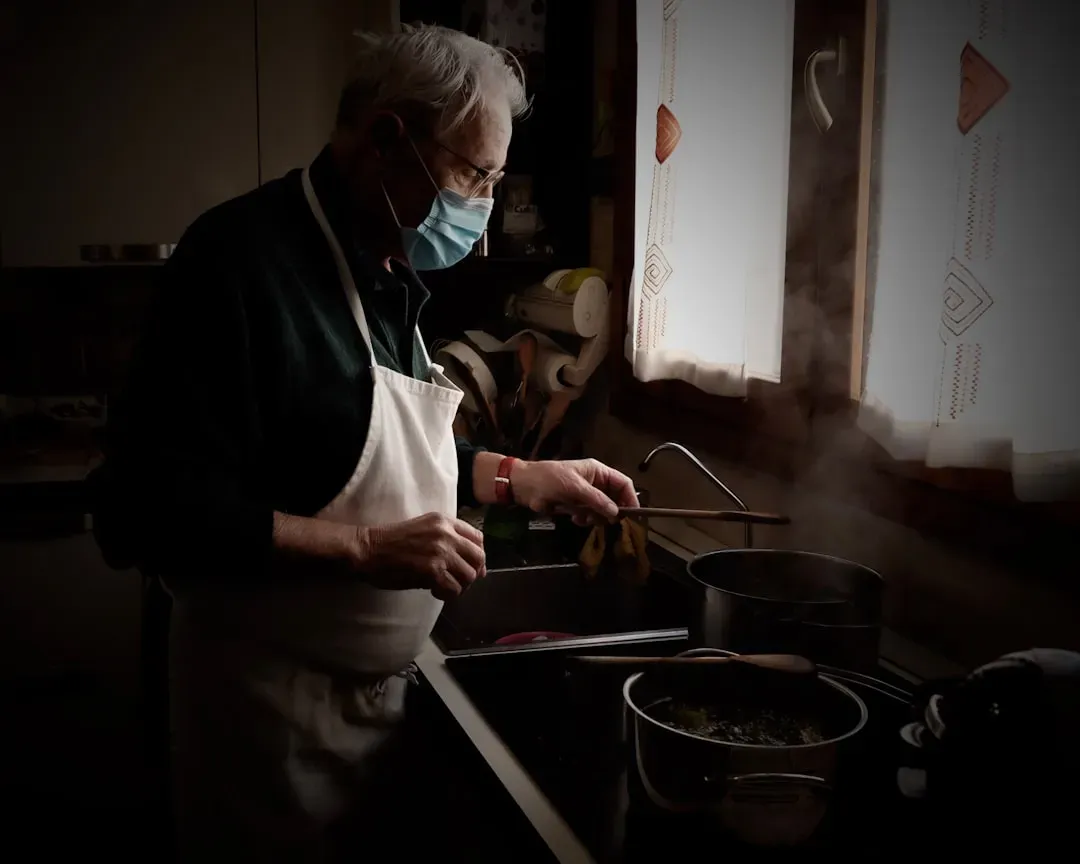
Every few years, a new dietary philosophy sweeps through culture and claims to have cracked the code on how we should eat. Keto, intermittent fasting, raw food, the carnivore diet. They all arrive with big promises and eventually fade. What doesn’t fade is what grandparents knew: cook real food, share it with the people you love, waste nothing, and teach the next generation how to do the same.
This is about more than just learning to cook; it’s about building bridges between generations, appreciating your heritage, and embracing a more grounded and sustainable way of relating to food. The research from nutritionists, public health scientists, and cultural scholars is converging on exactly the same conclusion that grandmothers and grandfathers demonstrated every single day in their kitchens for decades.
The tools have changed. The ingredients have gotten more complicated. The weeknight schedule has gotten busier. Yet the core wisdom endures. Which lesson from your own grandparents’ kitchen do you still carry with you? Tell us in the comments – because these stories deserve to be passed on.