
We all know the familiar routine. You open a recipe app, get excited about making something impressive, head to the grocery store, and walk out having spent twice what you expected. Sound familiar? The idea that cooking at home always saves money is one of those assumptions most people never question. Honestly, it holds true for the vast majority of meals. Research shows the average meal at an inexpensive restaurant costs nearly 285% more than eating at home, roughly $16 compared to just over $4 per home-cooked serving. But here’s the twist: some meals completely flip that script.
There are specific dishes where the math simply doesn’t work in the home cook’s favor. It comes down to expensive specialty ingredients, the equipment required, the bulk purchasing power restaurants have, and the cold, hard truth of portion waste. Curious which meals are actually cheaper to just order? Be prepared, because a few of these will genuinely surprise you.
Table of Contents
1. Authentic Ramen
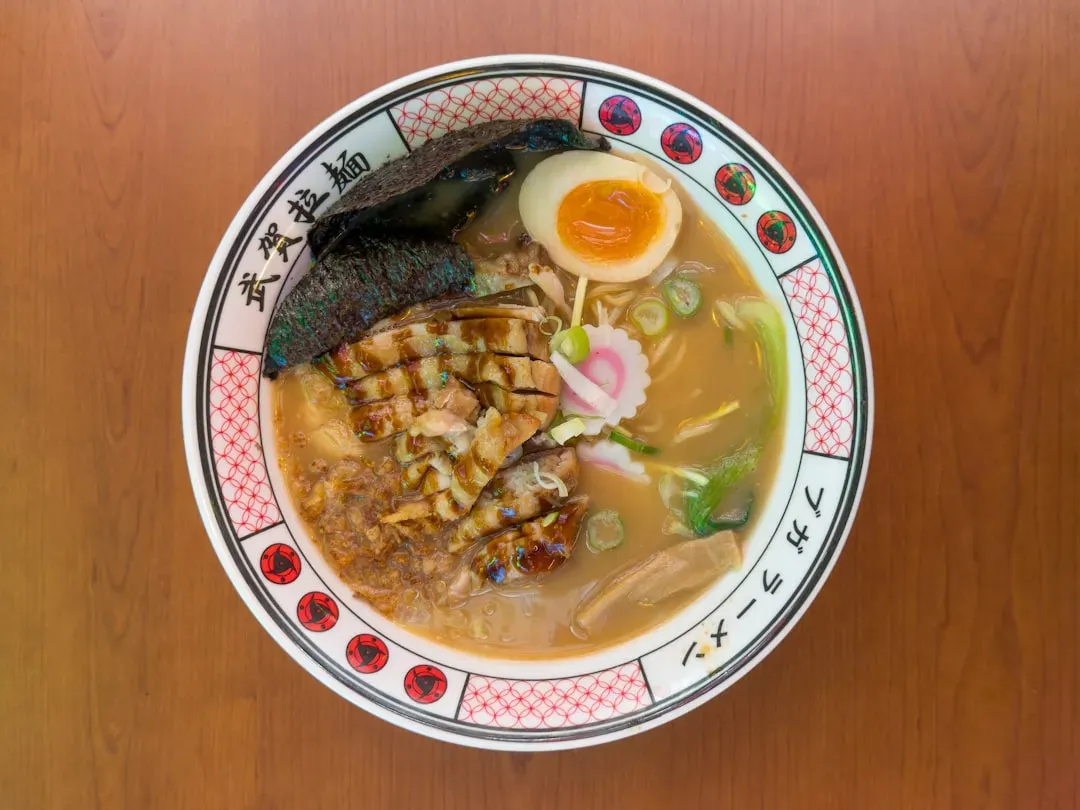
Forget the 25-cent packets. Authentic ramen is a completely different beast, and making it at home is one of the most expensive kitchen experiments you can attempt. Creating proper ramen broth means simmering pork bones for 12 or more hours, preparing marinated eggs, char siu pork, and finding fresh noodles, plus specialty ingredients like kombu, bonito flakes, and mirin aren’t everyday staples.
One home attempt at ramen tallied up to nearly $40 for ingredients that served just three bowls, while a local ramen shop charges around $14 per generous portion, as restaurants prepare broth in massive batches and serve hundreds daily, making their cost per bowl significantly lower than anything possible in a home kitchen. The time investment alone is staggering, and that’s before you factor in the specialty noodles that are nearly impossible to replicate.
2. Sushi and Sashimi
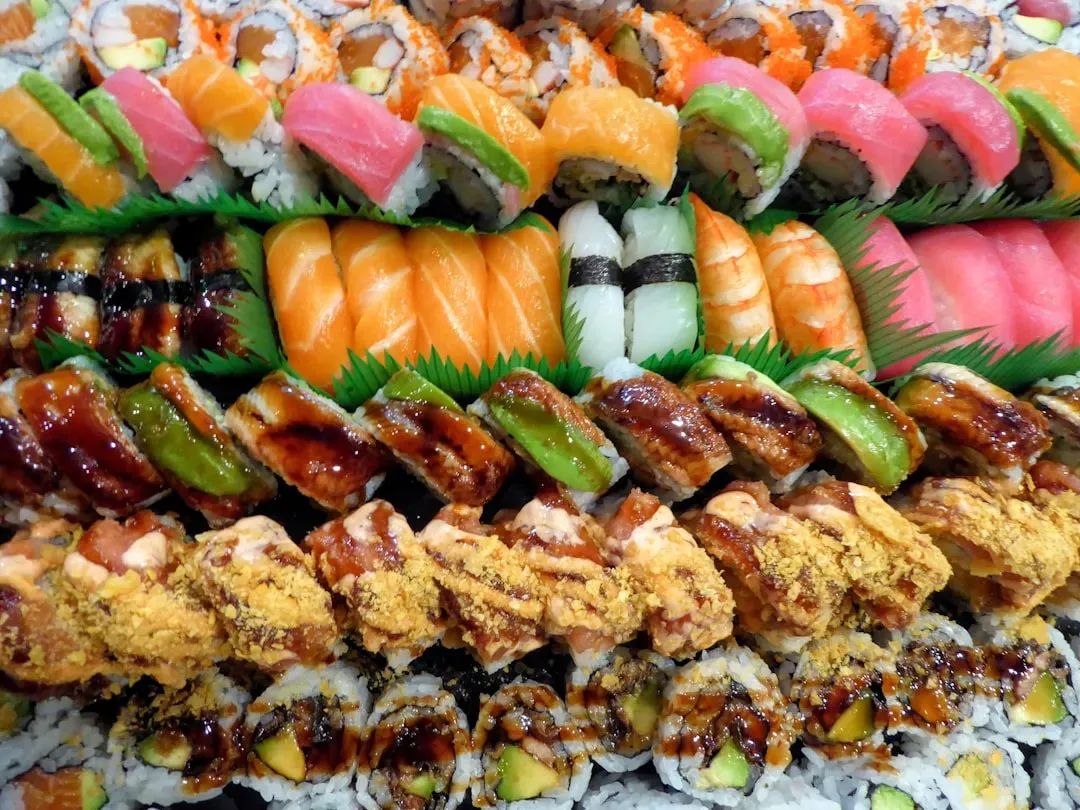
Sushi is one of those meals that looks deceptively simple. Roll some rice, wrap some fish, done. Except it’s really not. Sushi-grade fish is expensive and often only sold in quantities larger than needed, and you also need to buy nori sheets, sushi rice, rice vinegar, wasabi, soy sauce, pickled ginger, and a sushi mat.
Eating out, sushi can cost roughly $8 to $15 depending on rolls, while making it at home runs $20 or more just for sushi-grade fish, rice, seaweed, and sauces. Most home cooks also lack the knife skills and technique that sushi chefs spend years perfecting, and sushi restaurants benefit from daily fish deliveries and rapid turnover, ensuring freshness while spreading costs across many orders.
3. Lobster Rolls
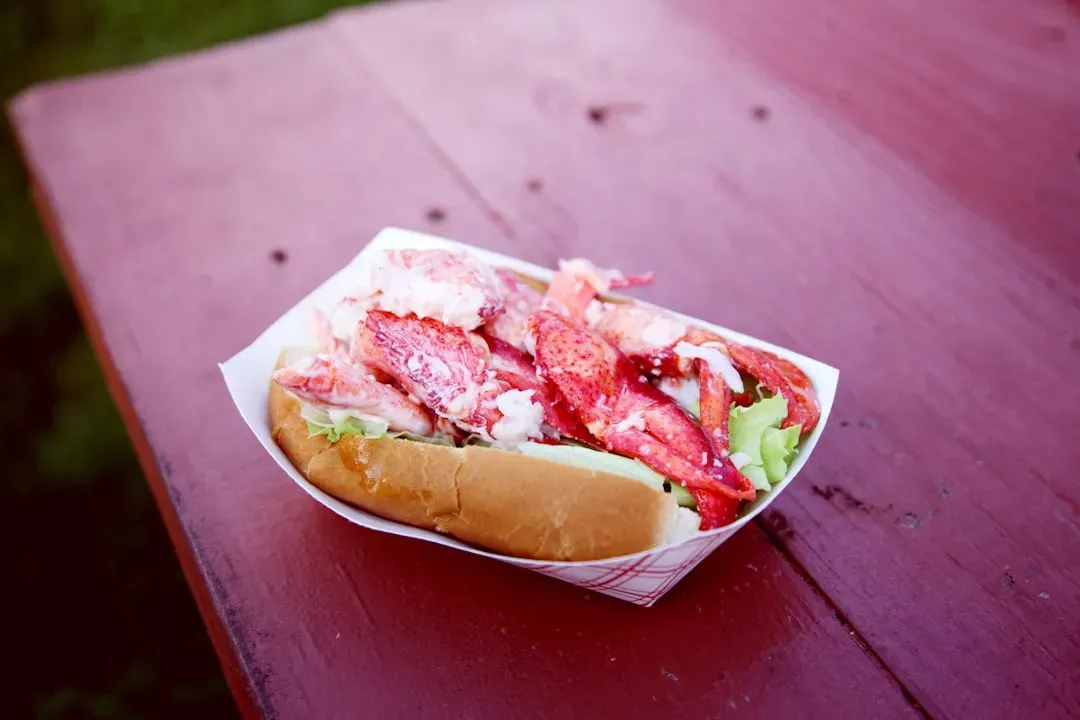
There are few summer meals as iconic as a lobster roll, but attempting one at home can feel like a financial ambush. Seafood counters charge around $38 per pound for lobster meat, enough for just two modest rolls, while restaurant suppliers get volume discounts that home cooks simply cannot access, and they utilize every part of the shellfish efficiently, something impossible in home kitchens.
Homemade lobster rolls can end up costing nearly $25 each when factoring in the special split-top buns, mayo, and lemon, while a seafood shack down the road might charge just $18 for a generously stuffed sandwich with chips and slaw included. Let’s be real: this is one case where the restaurant has every structural advantage over you.
4. Rotisserie Chicken
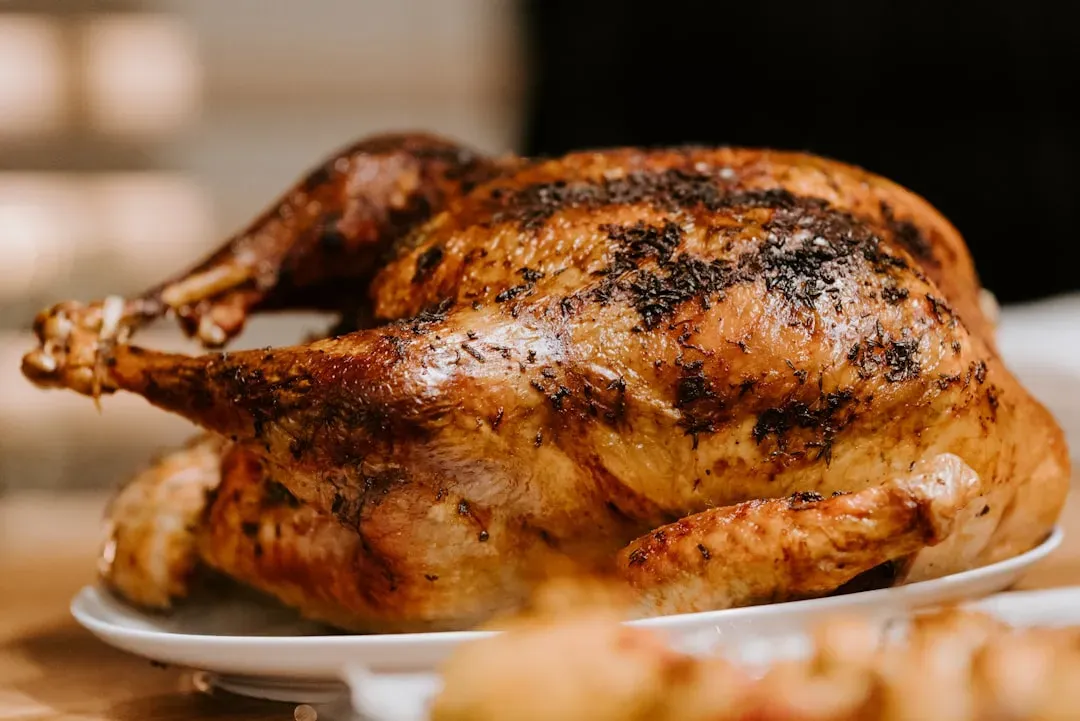
Here’s one that shocks people every single time. A whole rotisserie chicken at Costco has famously sold for under $5 for years, and it still does. Costco is known for its low-priced rotisserie chicken, where you can pick one up for under $5 and feed an entire family of four. Buying and roasting a comparable whole chicken at home, once you factor in the bird itself, seasoning, and energy costs, often comes out to more per serving.
Restaurants often beat home cooking costs because they buy ingredients in bulk and prep everything more efficiently than you ever could in a single kitchen session. A pre-seasoned, fully cooked rotisserie bird is one of retail’s most famous “loss leaders,” meaning they sell it cheap to get you in the door. It’s a deal you genuinely cannot recreate from scratch in your own kitchen.
5. Pho
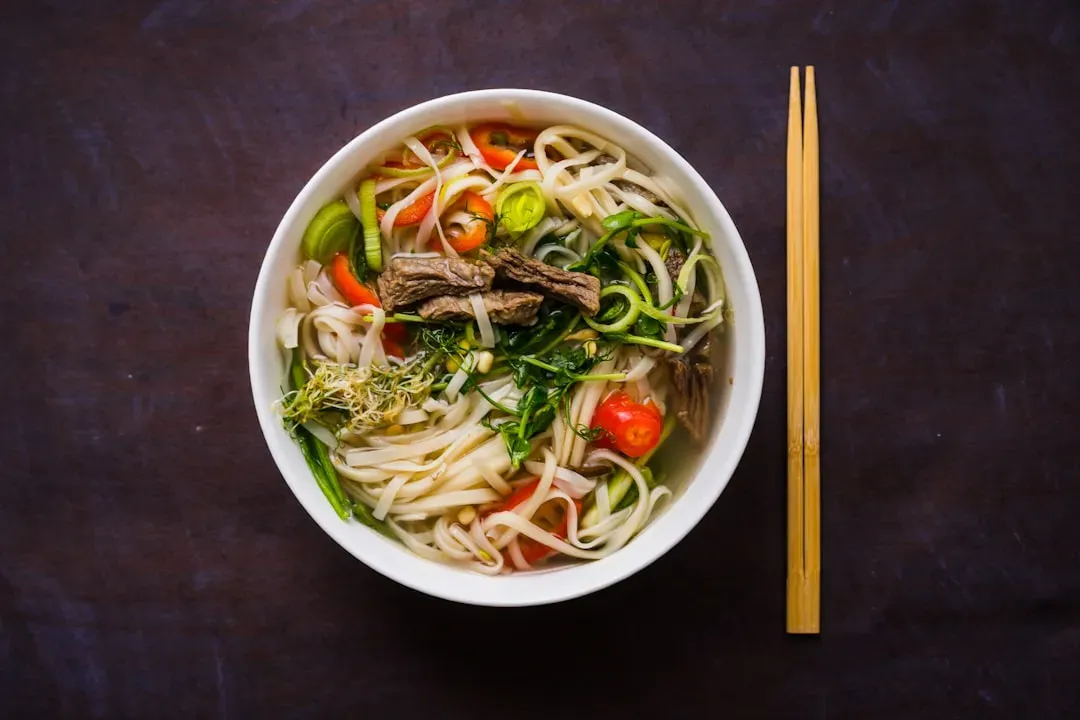
Pho is deeply comforting and deeply time-consuming to make right. A 12-hour home pho experiment comes with a serious price tag: the broth alone requires beef bones, oxtail, and a handful of whole spices that aren’t cheap, and quality pho demands simmering bones for hours, skimming constantly, and infusing with star anise, cinnamon sticks, and cardamom pods.
The trouble is that you’re buying large quantities of each spice just to use a pinch of each one. If you try making one bowl at home, you buy multiple containers of ingredients that rarely match up in servings, while restaurants portion everything all day, so your bowl stays cheaper, and when you want a quick, filling meal, grabbing one can save you money and effort.
6. Specialty Indian Curry
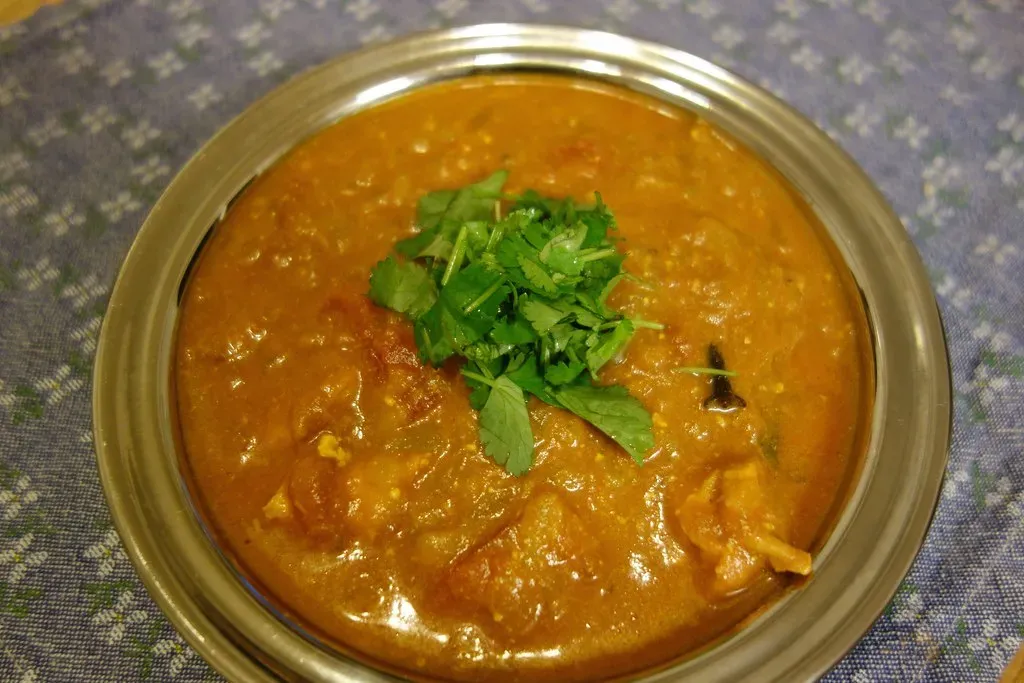
A good Indian curry is one of the most aromatic, deeply layered meals on earth. It is also one of the most expensive to attempt from scratch if you don’t already have a well-stocked spice cabinet. Indian curry can be an amazing dish, but recreating it at home, especially if you have to buy a lot of spices, can get expensive, and it’s also a rather difficult dish to perfect because of its complexities.
While a restaurant charges maybe $15 for a curry, a homemade version can cost nearly $40 after buying cardamom pods, fenugreek seeds, and asafoetida. Think of it this way: a single jar of each required spice, bought at retail price for one dish, is essentially a spice investment. Restaurants amortize those costs across hundreds of portions. You just pay for one.
7. Specialty Pizza With Premium Toppings
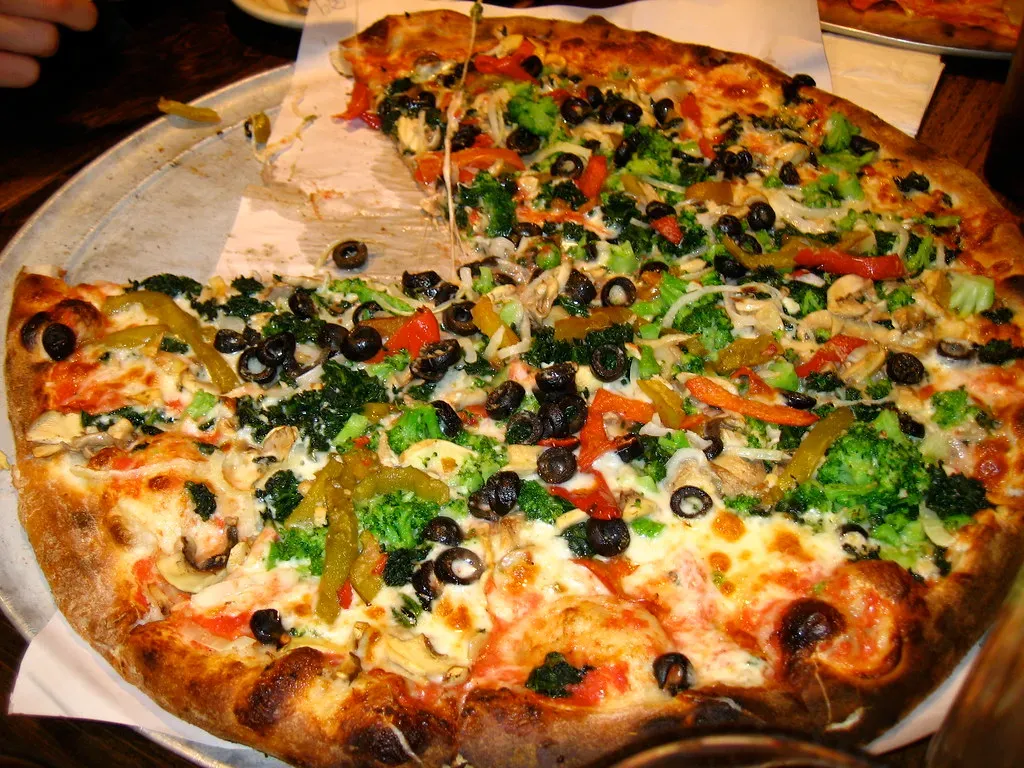
A simple homemade pizza with basic toppings? Totally affordable. A pizza with specialty cheeses, cured meats, and artisan toppings? That’s when the numbers turn against you. Attempting homemade specialty pizza can cost nearly triple what a local pizzeria charges, since specialty flour, fresh mozzarella, and those tiny jars of toppings add up fast, and the reality hits hard when you’re standing in the grocery store looking at individual topping containers that cost more than an entire large pizza from your neighborhood spot.
Eating out, a large pizza with a deal can cost often $7 to $12, while making it at home runs $12 or more for dough, sauce, cheese, and toppings. Factor in a pizza stone, the electric bill for a preheated oven, and the learning curve for a good crust, and that “fun homemade pizza night” suddenly gets expensive.
8. Tacos al Pastor
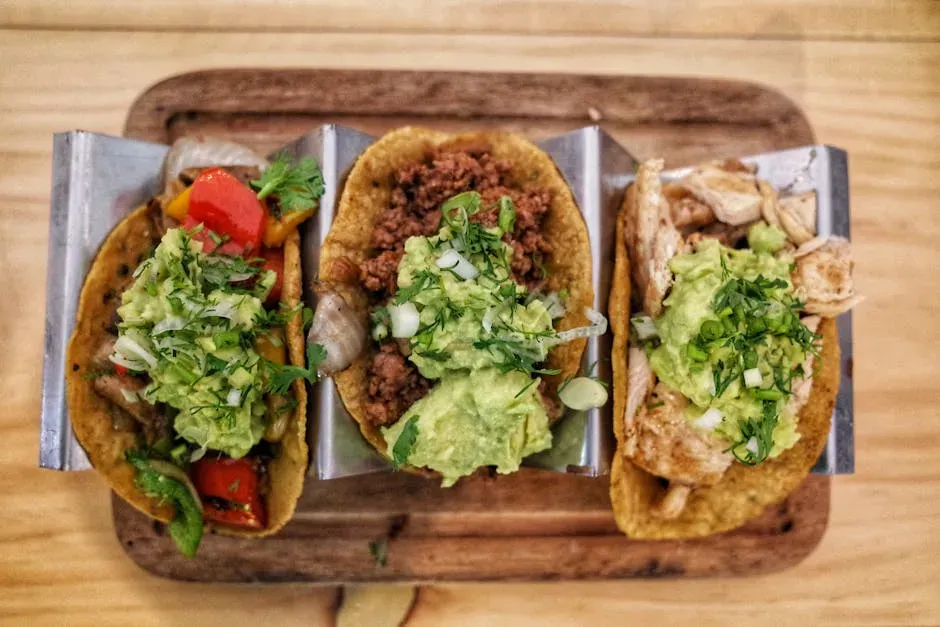
Traditional tacos al pastor are one of Mexico’s most celebrated street foods, and there’s a very specific reason they taste best from a taqueria: the trompo. Tacos al pastor is a Mexican dish that requires hours of prep time with flavors that can be difficult to replicate, needing pork marinated in an adobo sauce then slow roasted on a vertical spit, so eating tacos al pastor out ensures an authentic taste and saves you hours of prep time.
You simply cannot replicate a vertical rotisserie spit at home. It’s not a technique issue. It’s a physics issue. The caramelized outer pork shaved with pineapple on a spinning vertical grill is the entire point of the dish. Ordering these at a taqueria is not just cheaper. In many ways, it’s the only real option.
9. Beef Wellington
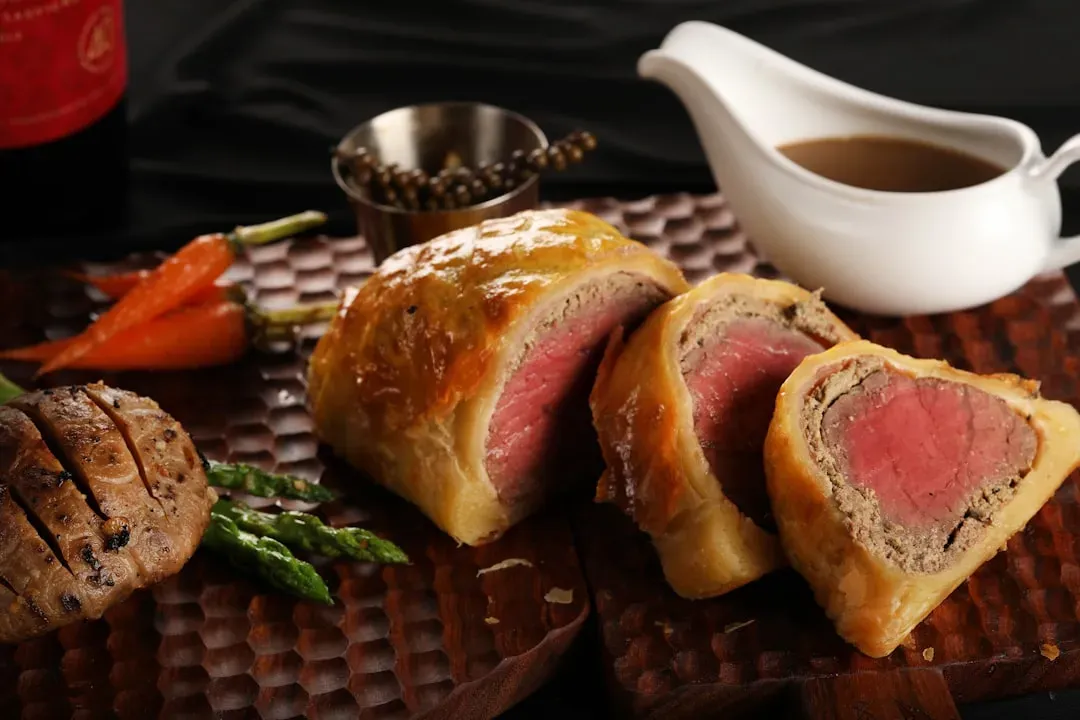
Gordon Ramsay’s signature dish has become synonymous with culinary ambition, and for good reason. Beef Wellington is considered one of the top ten hardest dishes to make and comprises a tender filet steak covered with pate de foie gras and duxelles, wrapped in golden puff pastry. The ingredients alone cost a fortune. Filet mignon, quality pâté, and fine puff pastry are among the priciest items in any grocery store.
When you add the specialized cooking skill required to get the pastry perfectly golden without overcooking the beef inside, a home attempt almost always means wasted, expensive ingredients. Whether it’s due to pricey specialty ingredients, the need for specific equipment, or large quantities that go to waste, some meals end up being true budget-busters, while many of these same dishes are much more affordable and just as delicious when ordered at a restaurant.
10. Poke Bowls
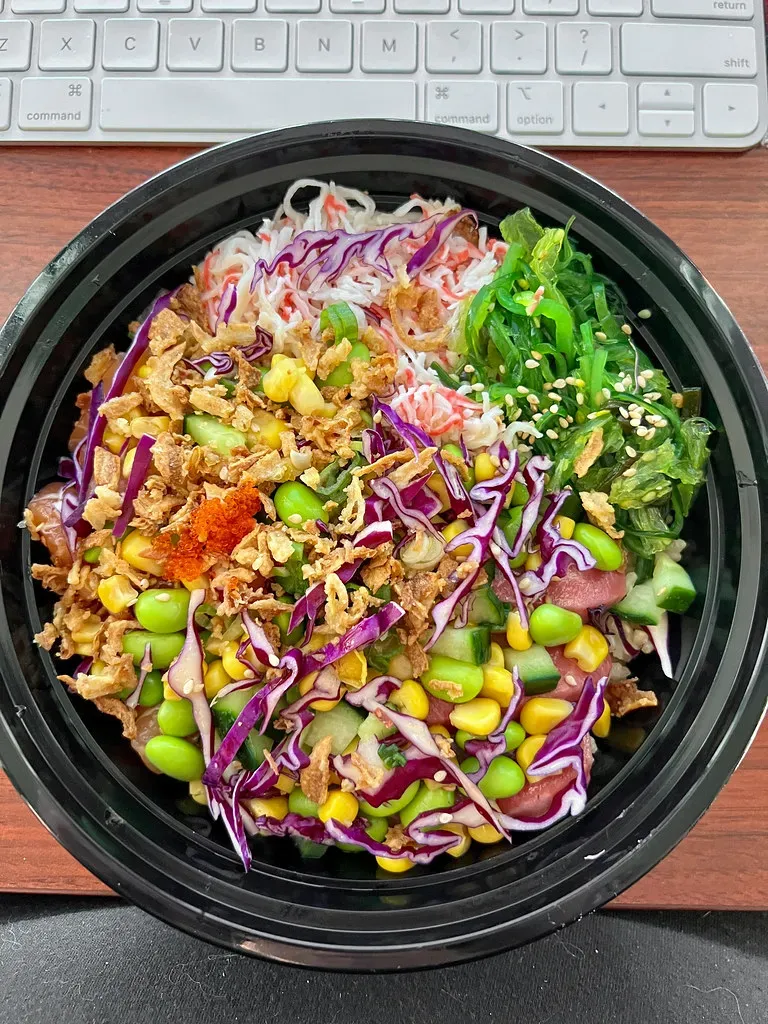
Poke bowls exploded in popularity over the past several years, and they have a sneaky way of emptying your wallet when you try to build them at home. It may be impossible to create a truly excellent poke bowl at home without incurring a significant expense, because you need high-ticket items like sushi-grade fish, sesame oil, seaweed, and perfectly ripe avocados, and unless you regularly cook with these items, making poke bowls at home is not a budget-friendly option.
Here’s the thing: each ingredient comes in a quantity far larger than what you need for a single bowl. You buy an entire container of sesame oil, a full pack of nori, a pricey piece of fish, and a full avocado. One poke bowl’s worth of ingredients at the grocery store can easily cost twice the price of ordering one from a restaurant. It’s almost comically inefficient for a single serving.
11. Falafel Wrap
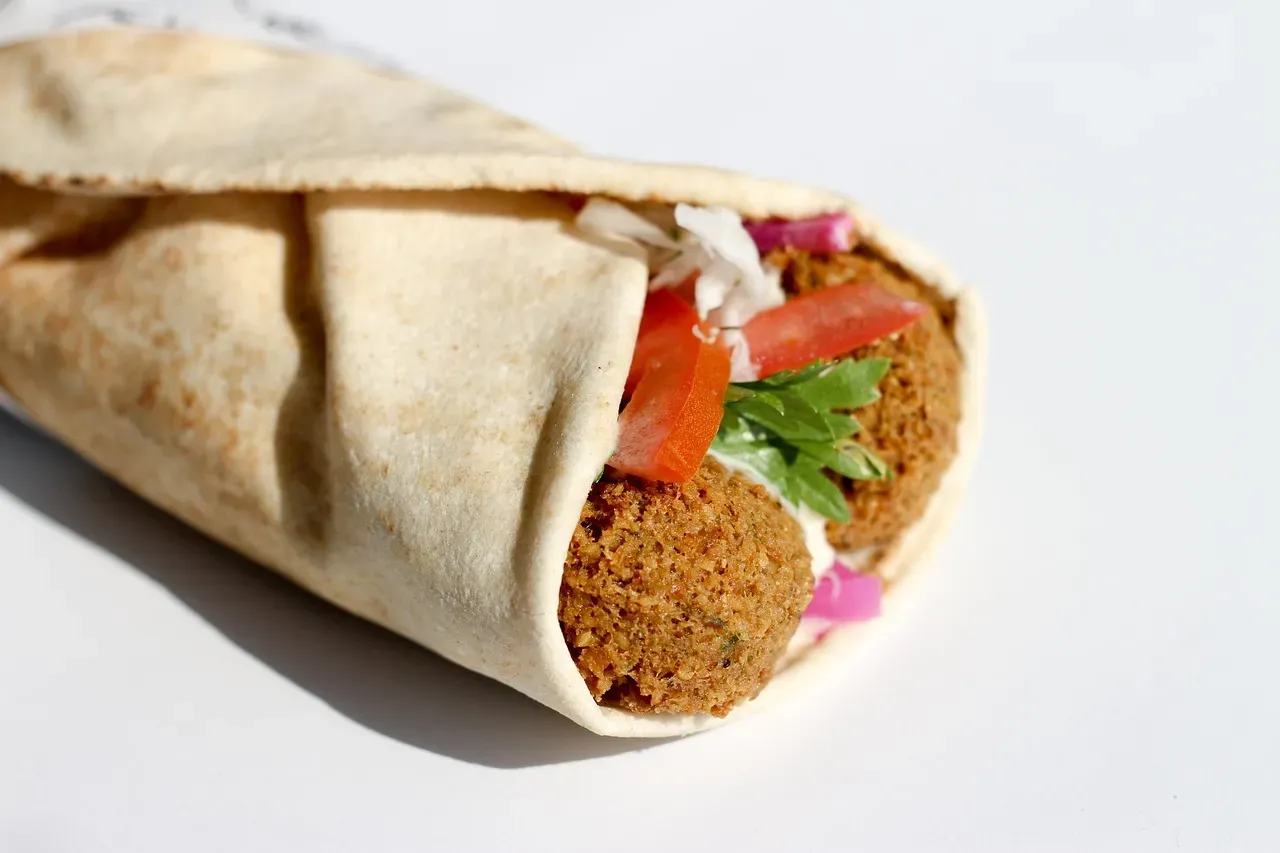
Falafel looks deceivingly cheap because chickpeas are inexpensive. The full wrap, however, is a completely different calculation. While dried chickpeas are cheap, falafel requires soaking, blending with herbs and spices, shaping, and frying, and it is a lot of work, since once you have made the filling, you still need to purchase pita bread, hummus, tahini sauce, and any additional vegetables you need, making it just not worth the time or cost for most people.
A falafel wrap from a street cart or Mediterranean eatery will be significantly cheaper and deliver that crisp, flavorful wrap you crave without any of the extra effort and expense. Think of it like this: the chickpeas are cheap, but everything else surrounding them is not. And getting that perfect falafel crisp without a commercial deep fryer? Nearly impossible.
12. Croissants

Few things are as rewarding and as financially devastating as attempting homemade croissants. Homemade croissants should come with a financial warning label, since European-style butter alone costs three times more than regular butter, and that’s just the beginning. The lamination process requires precise temperature control, hours of resting and folding the dough, and an enormous amount of high-quality butter.
A batch of a dozen homemade croissants will realistically cost between $15 and $20 in ingredients, assuming you don’t burn the first batch or fail the lamination. A quality bakery croissant runs $2 to $4 and has been made by someone who does this every single day. The technique gap is enormous, and the ingredient cost is high. It is genuinely one of the toughest value calculations in all of home baking.
13. Deep-Fried Chicken
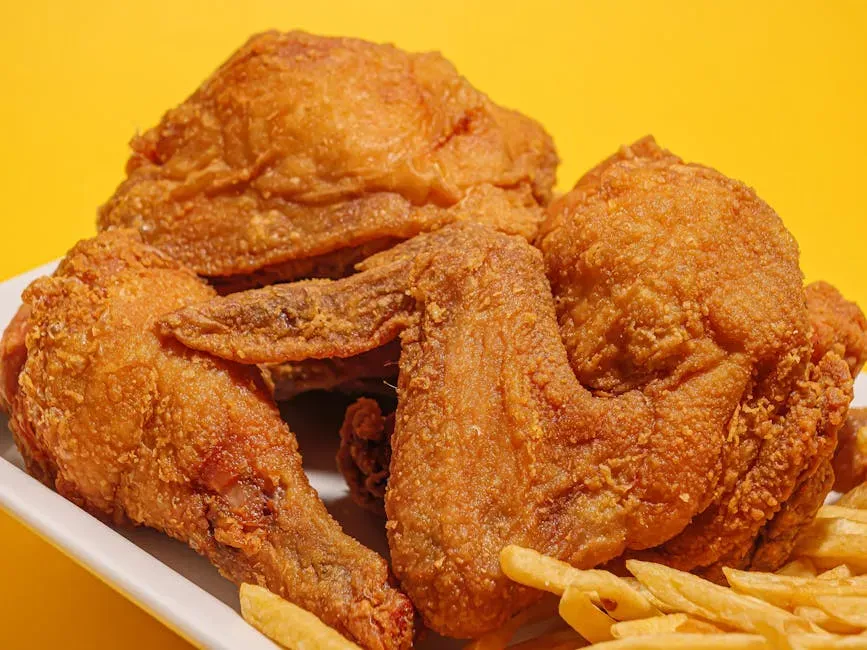
Fried chicken at home sounds like a budget win. In reality, the cooking oil alone can derail the math quickly. Homemade fried chicken comes with hidden costs, since cooking oil alone can cost significant amounts for the large quantity needed for deep frying, while chicken averages a meaningful per-kilogram cost, and when you add breadcrumbs, flour, buttermilk, and spices, the expense climbs further.
You also need a large, heavy pot or a dedicated deep fryer, a thermometer to maintain temperature, and enough oil to fully submerge the pieces. That oil is largely single-use. Restaurants spread that cost across thousands of meals, and when the craving hits, it is nice to let someone else handle the frying while you enjoy a crispy plate without scrubbing anything afterward.
14. Gourmet Burgers
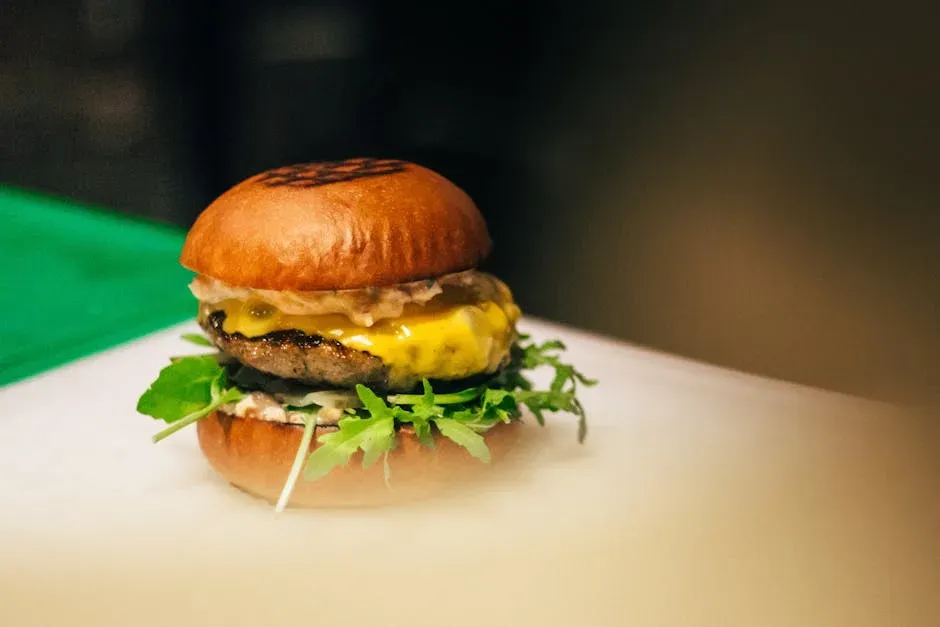
A basic burger at home? Very cheap. But the moment you start talking truffle aioli, brioche buns, specialty cheeses, and hand-ground wagyu beef, the story changes entirely. A homemade gourmet burger adventure can tally up to nearly $9 per patty before counting sides or drinks, while many restaurants offer complete gourmet burger meals with fries for $12 to $15 thanks to their bulk purchasing power and efficient kitchen operations, since when restaurants can buy specialty condiments by the gallon and artisanal cheese by the wheel, they pass those savings on to customers while home cooks pay premium prices for small portions.
The specialty bun situation is its own problem. A pack of brioche burger buns from a quality bakery costs $6 or $7 for four. You use one or two, and the rest go stale. That waste is invisible but very real in the final cost per burger. I think most people dramatically underestimate how much their “simple” gourmet burger actually costs them.
15. Delivery App Orders of Simple Meals
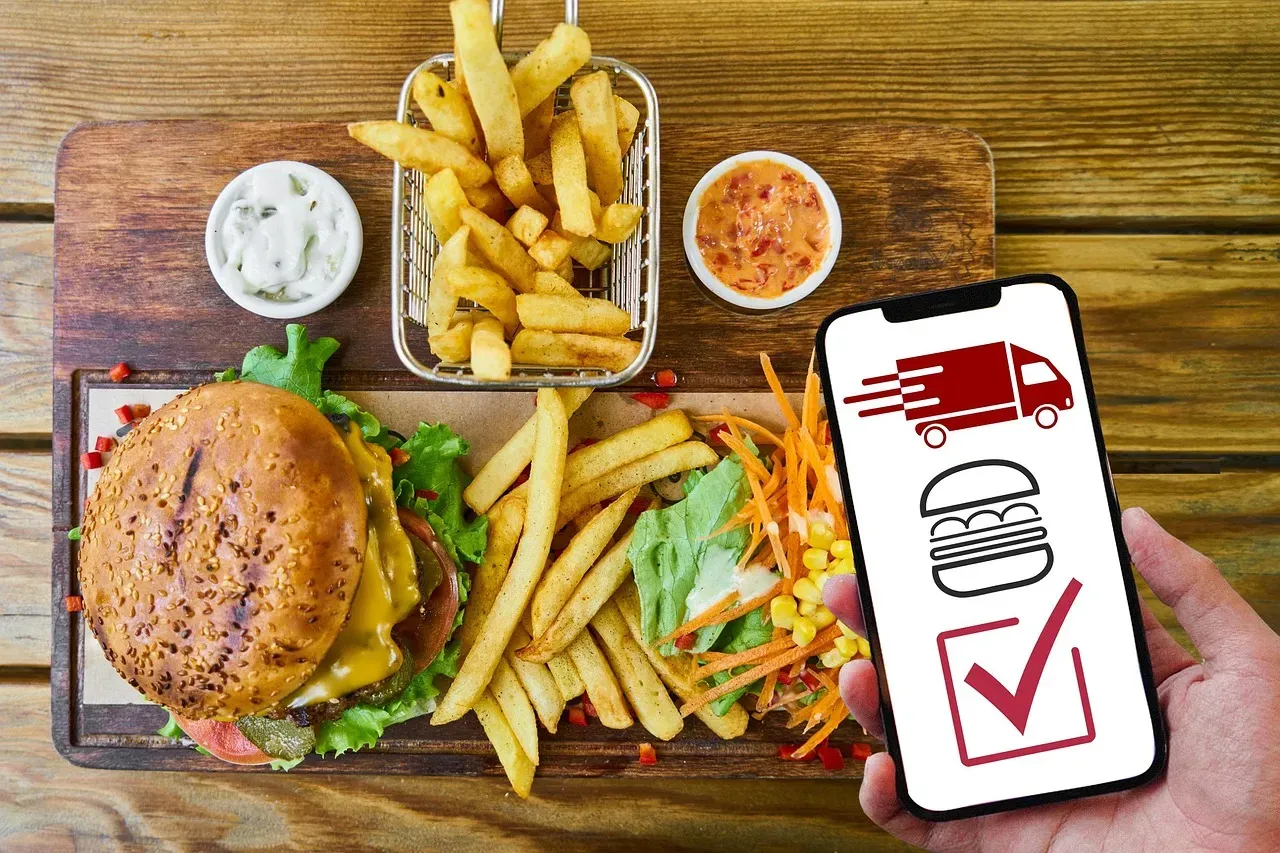
This one is less about the meal itself and more about the delivery ecosystem surrounding it. Ordering even something simple, like a pasta dish or a basic stir-fry through a delivery app, can make an ordinary meal absurdly expensive compared to cooking it. Yet here’s the flip side: the meal you’re ordering is often something a restaurant can make for far less per serving than you can replicate at home, due to bulk ingredient purchasing.
If you’re getting takeout from a delivery service like Uber Eats or DoorDash, restaurants will often mark up menu items, and as a result, delivery fees and tips can quickly turn a $10 meal into $20 or $25. According to USDA data, the cost of food at home rose 1.2% in 2024, while the cost of food away from home rose 4.1%, meaning the gap is widening. The irony is that delivery apps sit in the worst of both worlds: you pay restaurant prices plus delivery fees, but you lose the dining experience too.
The Bigger Picture: When Ordering Wins
The general rule still holds: cooking at home remains dramatically cheaper than eating out. In 2026, the average home-cooked meal still costs roughly $4 to $6 per person, while dining at a restaurant can easily run $15 to $20 or more. That reality hasn’t changed. According to Vericast’s 2025 Restaurant TrendWatch, restaurant prices continue to rise faster than groceries – averaging around 5% annually compared with roughly 1–1.5% for home staples.
Still, the meals above represent genuine exceptions. They involve either extreme ingredient costs at retail scale, specialized equipment, or preparation techniques that restaurants have mastered through sheer repetition and bulk volume. About 68% of Americans now forego restaurant meals to save money, investing in their local supermarket instead. That’s a smart move in most cases. For these 15 dishes, though, the smarter move might just be picking up the phone.
The next time you find yourself standing in a grocery store aisle doing mental math on a lobster roll or ramen broth, give yourself permission to close the recipe app and order from someone who has the industrial kitchen, the buying power, and the years of practice to make it cheaper and better than you ever could at home. There’s no shame in that. In fact, it’s just good economics. Which of these surprised you most?