
There is something almost magical about a grandparent’s kitchen. The smell of something slow-cooked on the stove, the sound of a wooden spoon hitting the side of a pot, the way a recipe card is dusted with flour and held together with old tape. These are not just cooking details. They are the building blocks of memory, identity, and love passed quietly from one generation to the next.
In an era where fast food competes with home cooking and convenience often wins over craft, grandparents remain an anchor. Their habits in the kitchen carry weight that science is only beginning to fully understand. So whether you grew up watching a grandmother roll pasta by hand or a grandfather season a cast iron skillet with almost ritual precision, this one’s for you. Let’s dive in.
Table of Contents
1. Cooking From Scratch Without a Second Thought
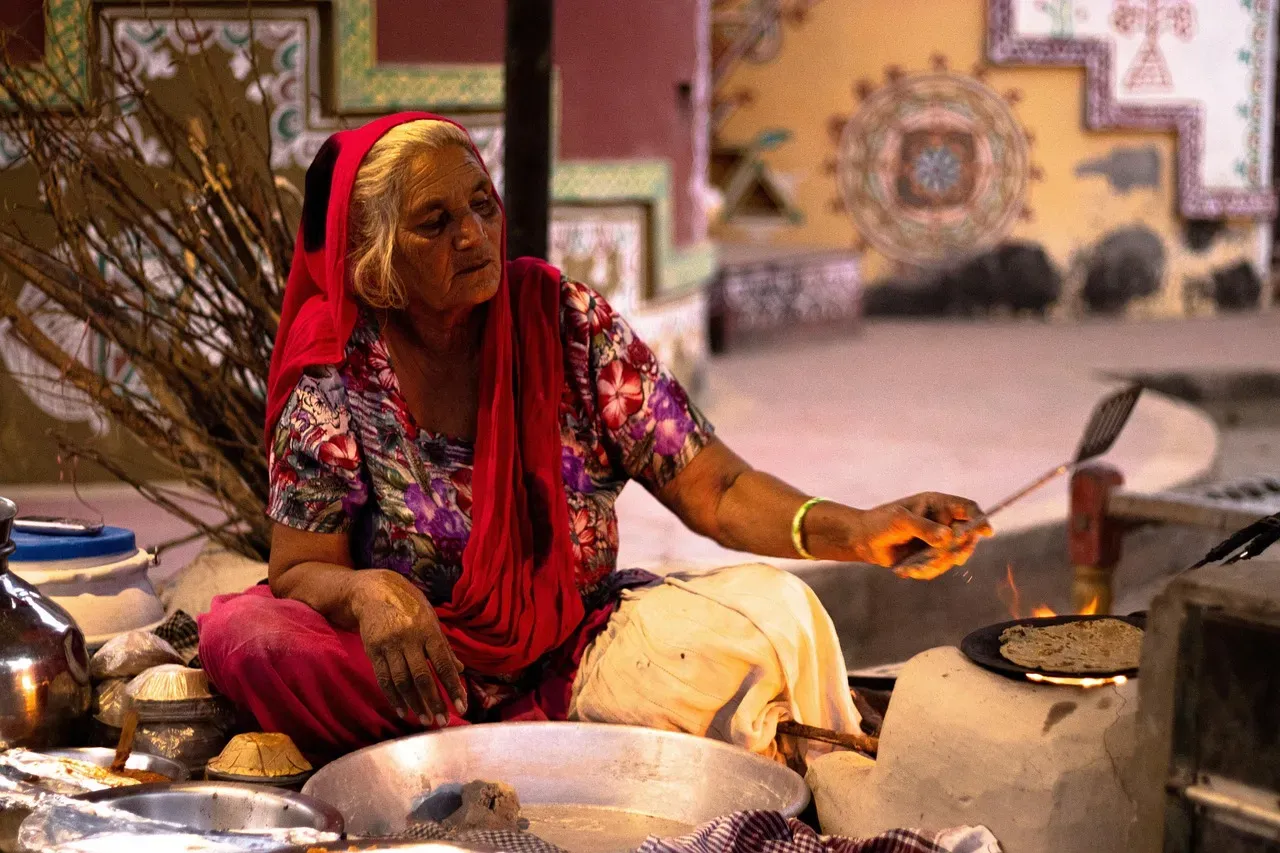
Most grandparents did not debate whether to use fresh ingredients. It was simply the default. Research published via Smith College has noted that home-cooked food orientation values conservation, security, tradition, and harmony in relationships, and that instinct was something grandparents lived out daily without needing a label for it.
Societal changes have not only impacted the time spent on consuming family meals but on preparing them as well. Across social class, in less than 50 years the amount of time spent on cooking has dropped significantly. Grandparents, however, are the ones who remember the other side of that shift. They grew up before the era of microwaveable meals.
On an average weeknight, about half of millennials say they cook dinner from scratch, compared with roughly seventy percent of baby boomers. That generational gap is real, and it reveals just how much scratch cooking still lives in older hands. Every loaf of bread kneaded, every broth simmered from bones, becomes a quiet lesson in what food is supposed to feel like.
2. Passing Down Recipes as a Form of Storytelling
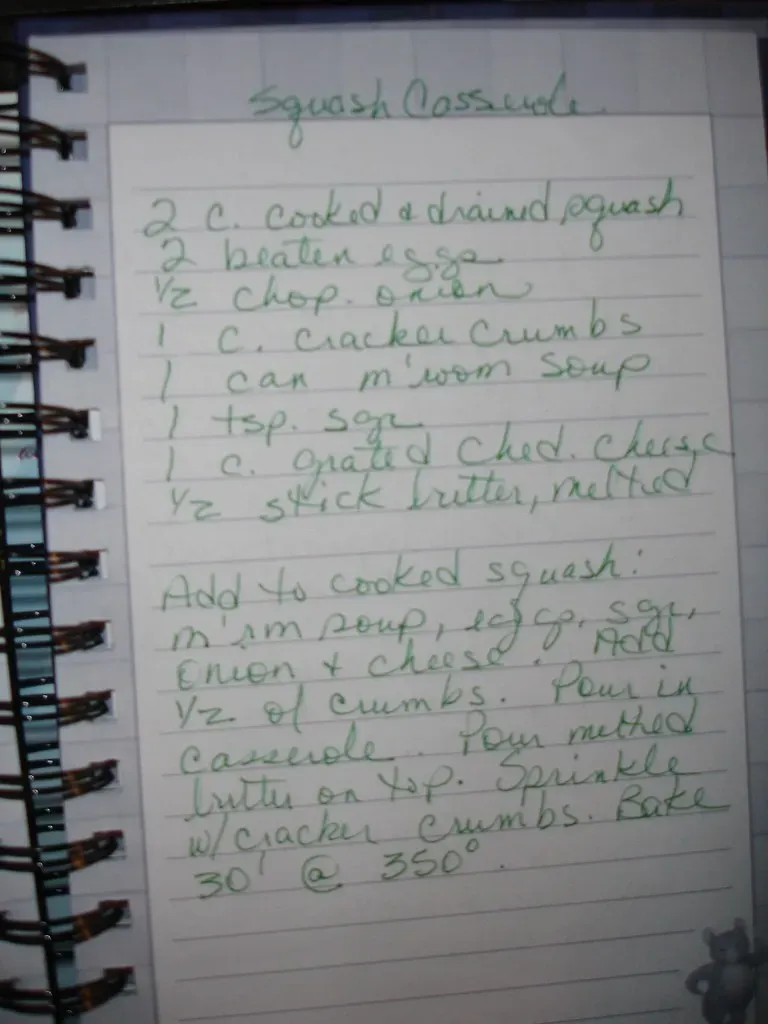
When the wooden recipe box or the cookbook with the tattered, stained pages opens to a favorite recipe, the kitchen fills with familiar smells and nostalgic feelings. Families keep traditions alive through recipes handed down to each new generation, and creating memories together in the kitchen is important.
Recipes are not just lists of ingredients and directions. They are embedded in a process of giving and social exchange of knowledge. Even the root of the word recipe, the Latin recipere, implies an exchange, a giver and a receiver. Like a story, a recipe needs a context, a point, a reason to be. Recipes are about the accumulated knowledge of previous trial and errors of others.
Think about it this way: a recipe card in a grandmother’s handwriting is not really about tablespoons and cups. It is a whole life compressed onto paper. There are stories to go along with the photos and recipes that give more information on the origin of the recipe and the family member whose recipe it was. Many of those family members passed years ago, and in a very real sense, the cookbook helps keep them present in family life.
3. Involving Grandchildren in the Cooking Process
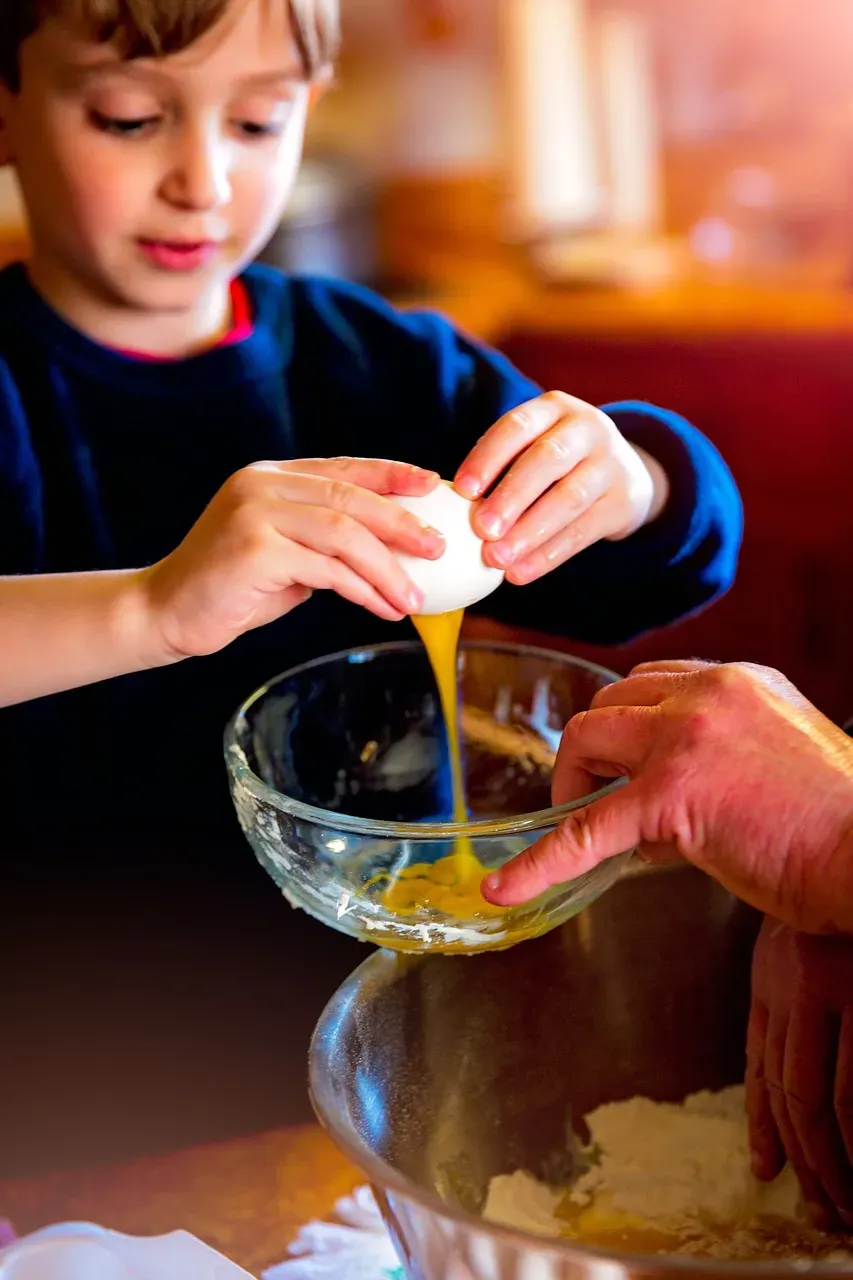
Research shows kids who participate in the kitchen and help with grocery shopping are more likely to try nutritious foods. Grandparents have known this intuitively for generations. Long before it was a study result, they were handing small children spoons and asking them to stir.
Grandparents hold a special place in a child’s life, often passing down traditions, wisdom, and life skills. One of the most rewarding and practical skills they can teach is cooking. Not only does it provide children with essential life skills, it also strengthens bonds and creates lasting memories.
Cooking activities can improve dietary habits, cooking skills, and food courage in terms of courage to cook and taste new foods, in individuals of all ages. The grandparent who lets a five-year-old crack eggs, despite the inevitable mess, is doing something profoundly important. Honestly, those messy moments are often the ones people remember most vividly decades later.
4. Using Food as a Language of Love and Care
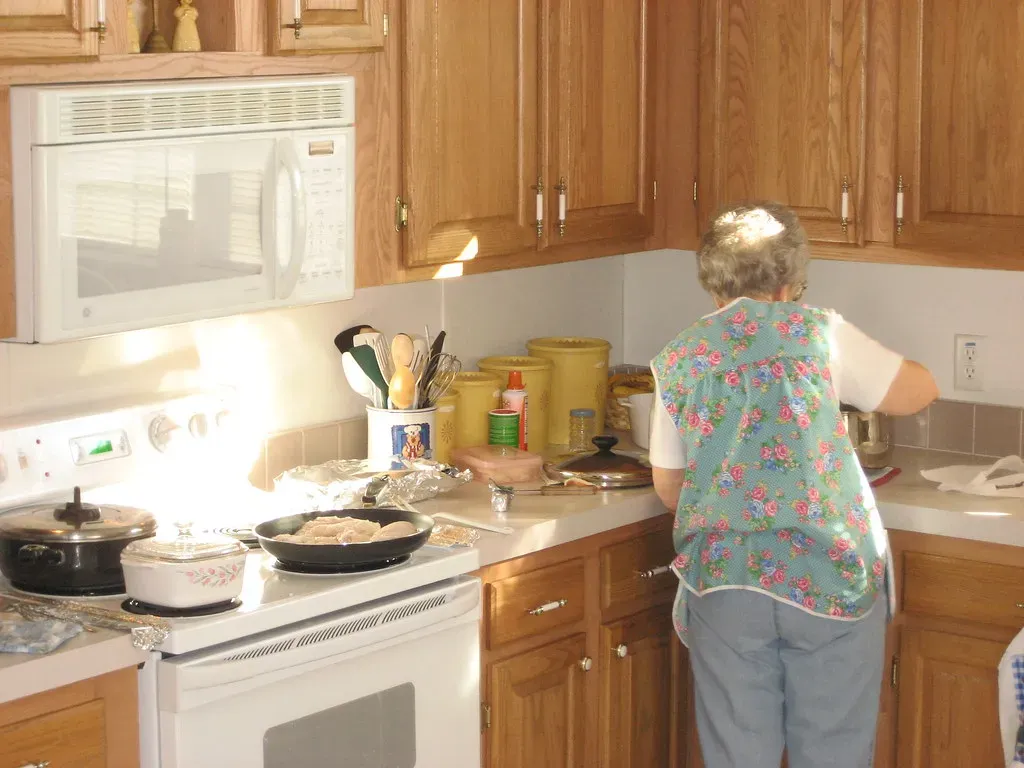
Research on three-generation households found that grandchildren’s eating habits are colored by their grandparents’ experience, and that grandparents communicate care through prepared food, which grandchildren understand as love. Food, in a grandparent’s world, was rarely just fuel.
Food was always a wildly important part of hospitality for grandparents. Whether it was a plate pushed toward you the second you walked in the door, or the pot that was always “just in case” someone dropped by, grandparents operated on the principle that feeding someone was a fundamental act of welcome.
Practically, shared cooking activities promote teamwork, shared responsibility, and mutual trust, strengthening relational bonds and facilitating open communication within the family. Research consistently demonstrates that families who dine together more frequently report higher levels of emotional closeness, life satisfaction, and a greater sense of accomplishment. That starts with the grandparent who made sure there was always something warm waiting.
5. Preserving Cultural Identity Through Traditional Dishes
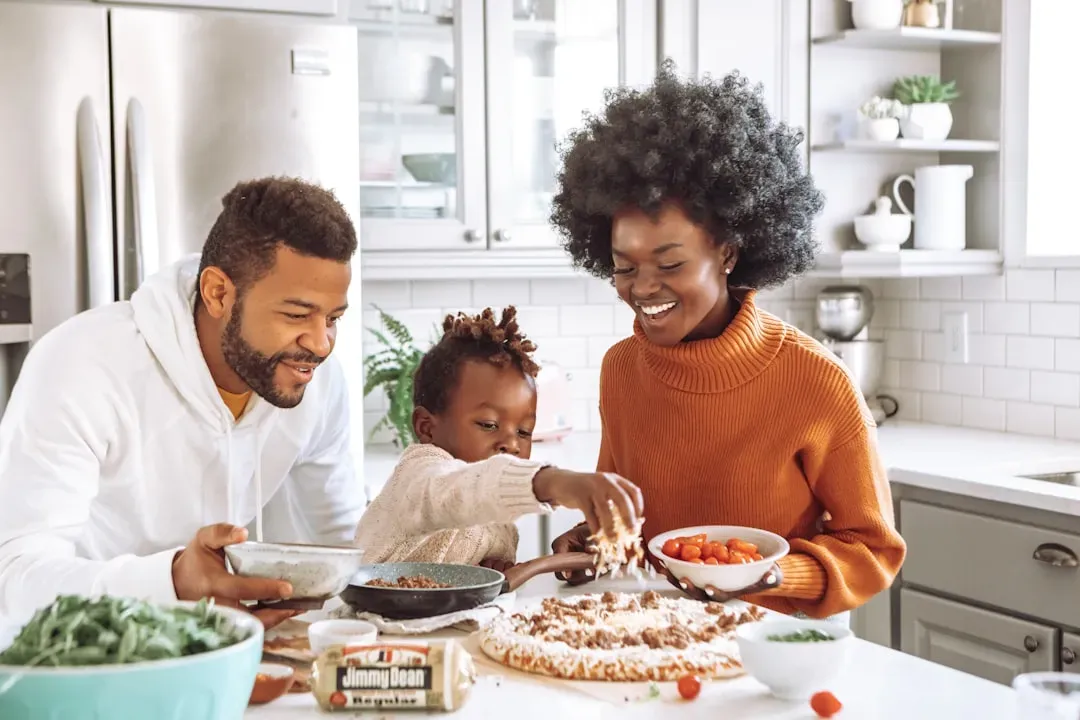
Family meals play a critical role in preserving cultural traditions, transmitting intergenerational knowledge, and fostering social cohesion, which contributes to a shared sense of identity and belonging. This is perhaps the most underrated gift grandparents give when they cook.
Food culture is a critical component in the life course perspective because it takes into account racial, ethnic, and social dynamics. Many older adults report that eating habits and behaviors are rooted in childhood, with preferred foods that are familiar to them. In other words, what a grandparent serves is never just a meal. It is an origin story.
In many families, traditional foods that grandparents prepared help younger family members feel a sense of cultural belonging. The tamale, the pierogi, the jollof rice, the matzo ball soup. These dishes carry history in every bite. Lose the recipe, and something irreplaceable quietly disappears.
6. Establishing the Habit of Eating Together
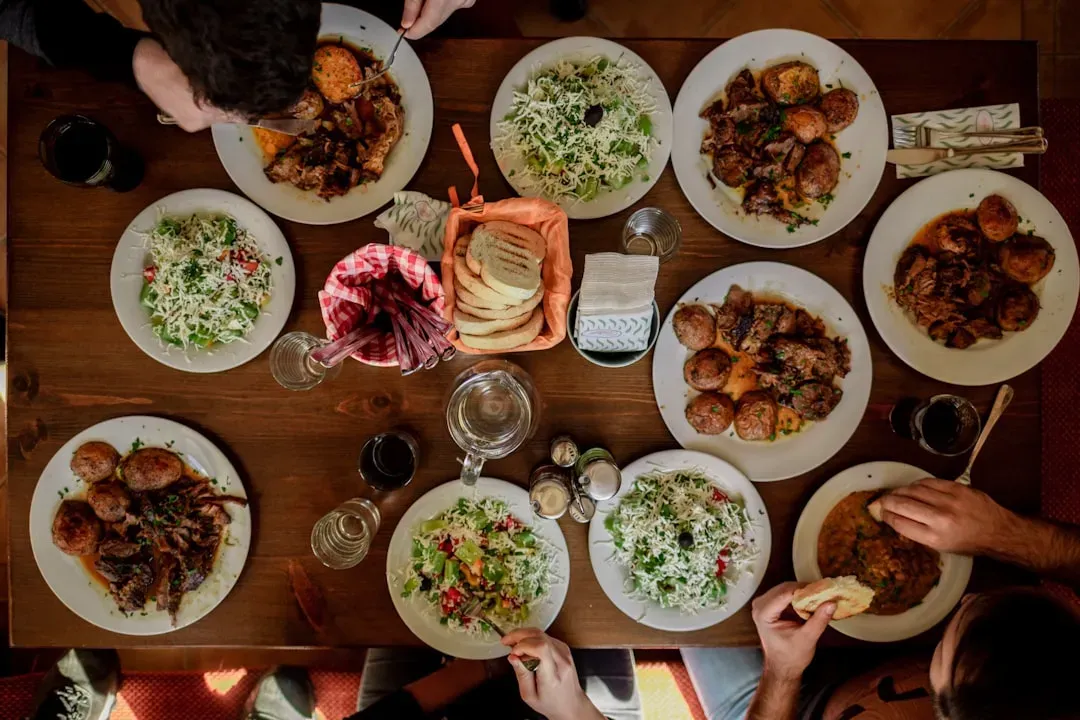
Research shows that frequencies in reported childhood family meals predict frequencies of eating together at present. The effects appear for breakfast and dinner specifically: recalled childhood family breakfasts predict current breakfast commensality, and recalled childhood family dinners predict current dinner commensality. Put simply, grandparents who kept everyone at the table shaped grandchildren who still seek out shared meals as adults.
Contemporary lifestyles marked by time constraints, reliance on convenience foods, and conflicting schedules have contributed to a decline in the frequency of family meals. Research indicates that the frequency of family meals has steadily decreased by more than twenty to thirty percent over recent decades, particularly in Western and industrialized countries.
Against that backdrop, the grandparent who insisted everyone sit down together was quietly pushing back against a cultural tide. This decline in shared family meals has raised concerns about its implications for family cohesion and well-being, with studies linking reduced family meal frequency to negative health outcomes such as poor dietary habits, weight gain, and emotional distress. That insistence on togetherness matters more now than ever.
7. Teaching Practical Knife Skills and Kitchen Confidence
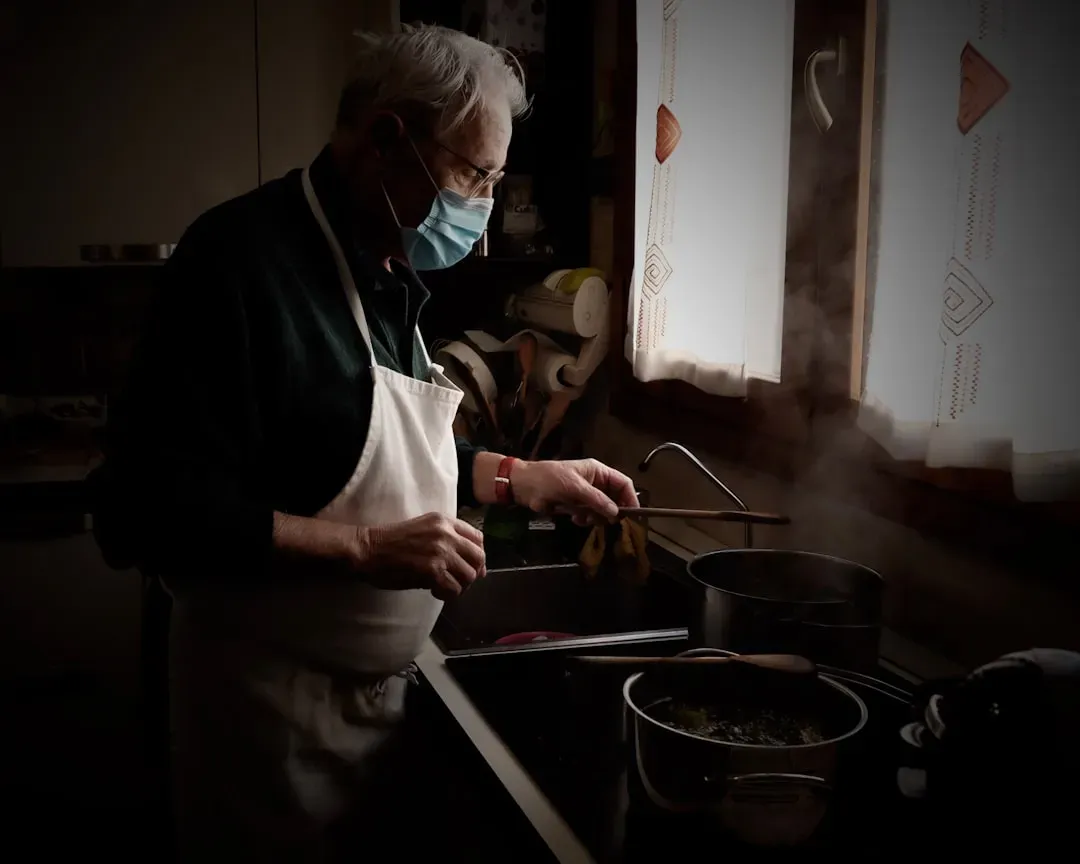
Children mainly learn to cook by observing their grandparents cook. This happens both on a conscious and subconscious level. The grandparent who let a teenager chop onions or debone a chicken was not just delegating a chore. They were building a form of confidence that lasts a lifetime.
Cooking activities can improve dietary habits, cooking skills, and food courage in terms of courage to cook and taste new foods, in individuals of all ages. Targeting both grandchildren and grandparents at the same time through intergenerational cooking activities is a uniquely powerful approach. Kitchen confidence is something that transfers, and it begins with a grandparent saying, “Here, you do it.”
Grandparents and older relatives may have more time and patience to help kids build life skills. Older adults may be able to offer an extra set of hands for the family meal, taking some pressure off parents. Beyond that, they may enjoy teaching kids to help as well, sharing life skills and favorite recipes that they want to pass down to future generations.
8. Modeling Seasonal and Waste-Free Cooking
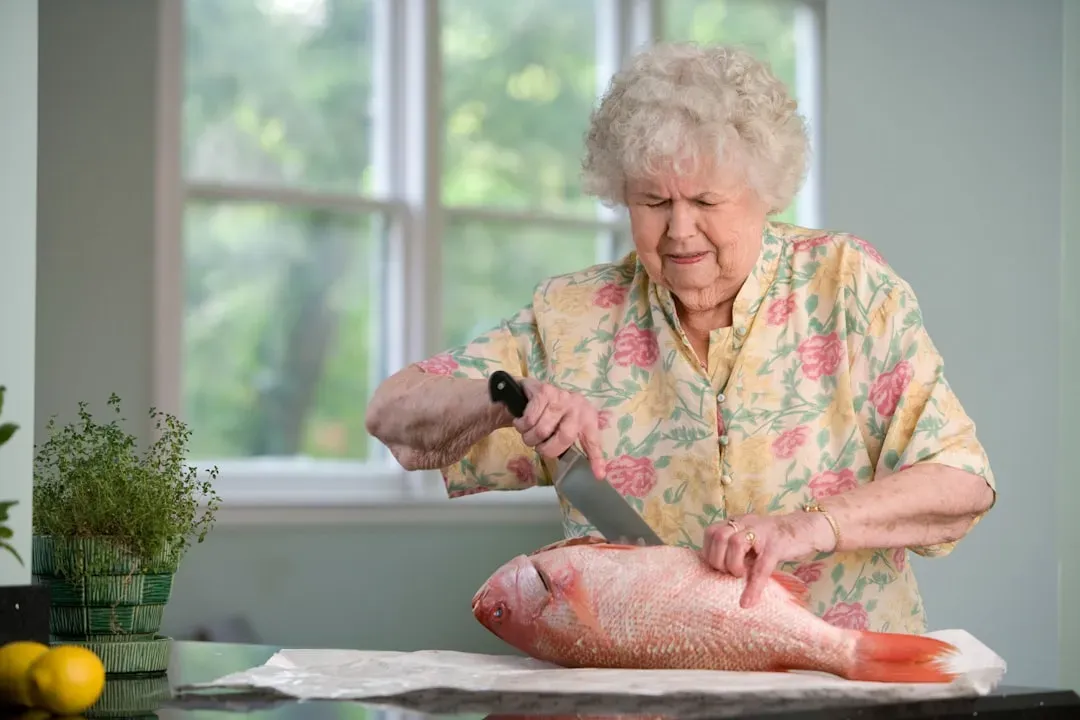
Let’s be real: grandparents were the original zero-waste chefs long before it became a food trend. They kept bacon fat in a jar by the stove, used vegetable scraps for stock, and turned stale bread into bread pudding without blinking. Waste was not a concept they had much patience for.
Baby boomers are much more likely to be concerned about food waste because of the financial impact and were taught not to waste food. Baby boomers and Generation X are also more likely to cite flavor and quick preparation as important criteria for home-cooked meals than other generations. That practical, no-nonsense approach to food was something they lived and taught.
Some families treasure passed-down teachings like canning and preserving that instill real-life skills. The grandparent who spent an entire September afternoon teaching a grandchild to make jam was not just making preserves. They were teaching a philosophy: nothing from the earth should go to waste if you can help it.
9. Introducing Children to a Wide Range of Flavors
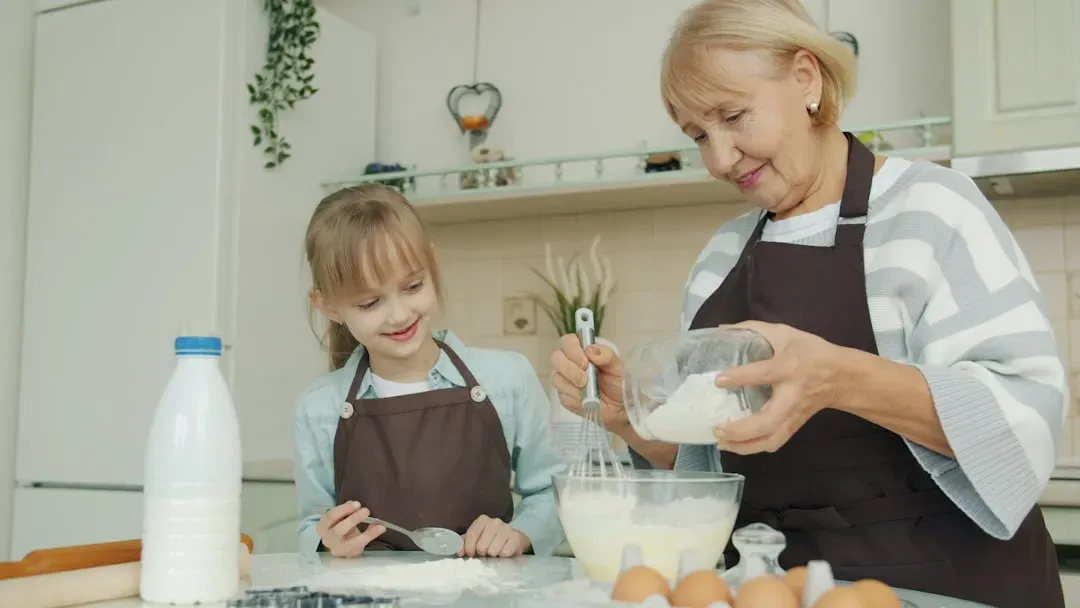
Grandparents reported using multiple strategies to increase their grandchildren’s fruit and vegetable consumption, including disguising vegetables, making fruit and vegetables appealing, managing child eating, and involving grandchildren in meal planning and cooking. In other words, they were creative long before “picky eating strategies” became a parenting niche.
Research on the nature of grandparents’ influence on their grandchildren’s diets suggests that grandparents engage in many healthy feeding practices, including modelling healthy food intake and involving children in cooking. A child who watches a grandmother prepare unfamiliar ingredients with confidence is far more likely to taste them willingly.
Think of it like a great teacher who makes a hard subject seem easy. The grandparent who casually prepared bitter greens or offal or spiced dishes without apology gave grandchildren a wider culinary vocabulary than any restaurant ever could. Regularly shared meals promote a higher consumption of fruits, vegetables, and whole grains, while reducing the intake of processed foods and sugary beverages.
10. Sharing Knowledge About Health Through Food
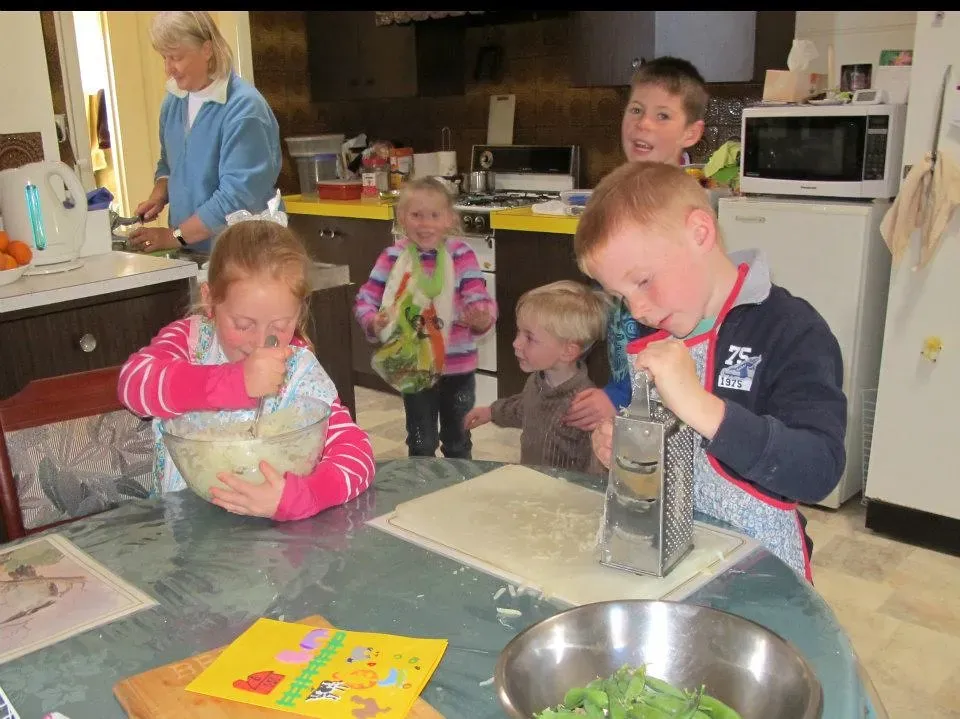
Parents from multiple racial and ethnic groups reported learning about how to prepare food from their own parents and grandparents. Immigrant parents in particular were more likely to endorse this theme. Health knowledge, it turns out, travels through generations alongside the recipes themselves.
Grandparents’ perceptions related to personal food choice were related to health issues and the media. Their perceived influence on their grandchildren’s food choices was described through themes of proximity and power, cultural food tradition, and reciprocal exchange of knowledge.
A study on intergenerational homes found that grandmothers and mothers had the most influence on household fruit and vegetable intake, and that they established conditional treats such as eating fruit before a particular snack and limiting fast foods to the weekends. The grandparent who linked certain foods to feeling strong, healthy, or sharp was shaping health behaviors that could last an entire lifetime.
11. Keeping Intergenerational Cooking Rituals Alive
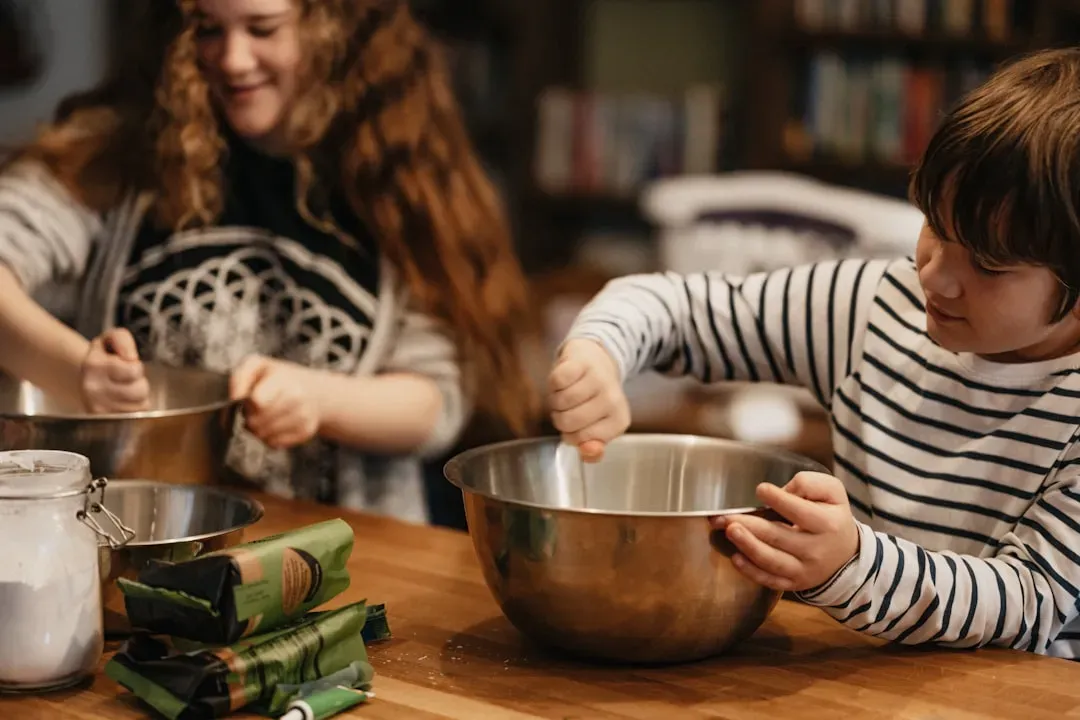
Families keep traditions alive through recipes handed down to each new generation, and creating memories together in the kitchen is important. Rituals are different from routines. A routine is making Tuesday pasta night. A ritual is making pasta every Sunday the way your grandmother taught you, with her hands over yours.
Certain dishes migrate from a grandmother’s kitchen to the family kitchen and then to a grandchild’s own home across cities and decades. They become the ultimate comfort food for the entire family. These dishes carry emotional anchors that no amount of memory-making apps can replicate.
Programs like the Intergenerational Summer Camp in California, which brought older women and children ages eight to fourteen together weekly to cook new dishes, show that this kind of transfer still resonates powerfully. Every week, they taught a group of children how to cook a new dish. As program manager Zainab Hussain noted, seniors love having younger people around them, and the connection benefits both generations.
12. Cooking as a Vehicle for Grandparent-Grandchild Bonding
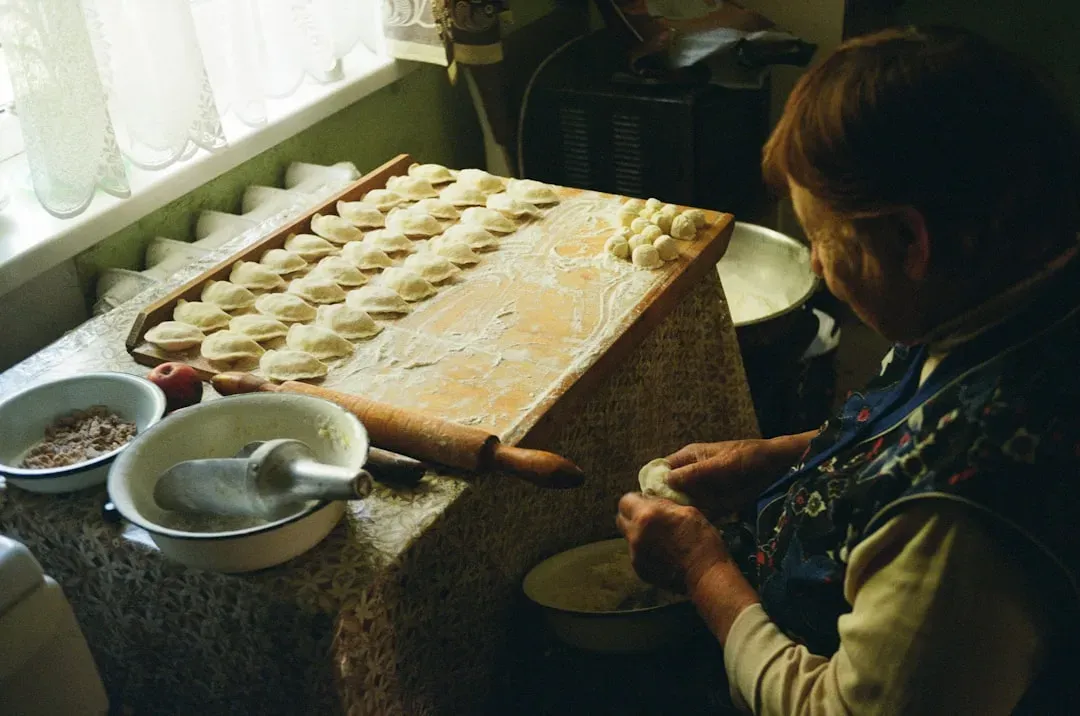
Grandparents often have a treasure trove of recipes passed down through generations, carrying stories and traditions along with them. Teaching grandchildren how to cook or bake gives them essential life skills and connects them to their heritage.
Parents and grandparents can foster the love of cooking and develop a strong bond with children and grandchildren by teaching them how to prepare their favorite family recipes. Cooking together is a wonderful hands-on activity that results in tasty food and creates memories among generations. There is no bonding quite like the bond forged over a shared task that produces something delicious.
Shared culinary practices provide a dynamic context for fostering interpersonal relationships, enhancing family cohesion, and transmitting shared values, bridging a critical gap in traditional health models. A grandparent and grandchild rolling pie crust side by side are doing something research confirms is deeply valuable, even if in the moment it just feels like making pie.
13. The Habit of Always Cooking “A Little Extra”
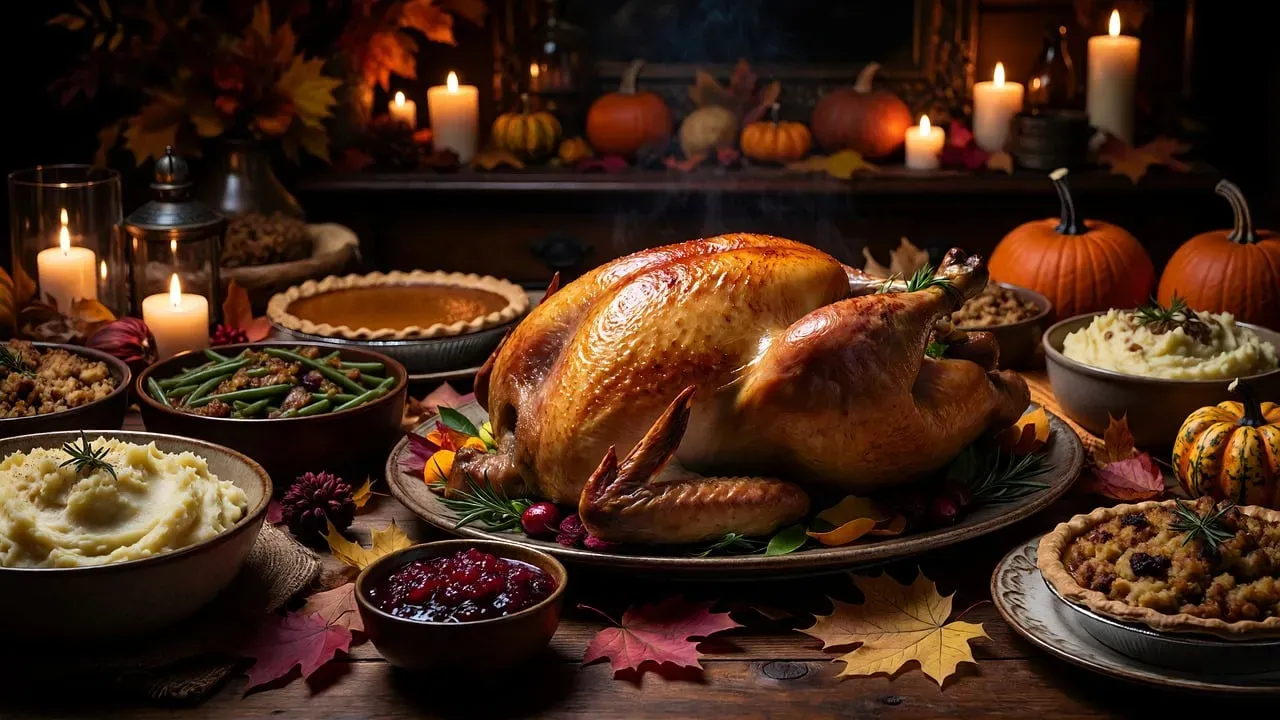
Grandparents almost universally made more than enough. There was always an extra plate. Always a pot left on the stove for whoever might arrive. This habit was not about excess. It was about hospitality built directly into the cooking process, a value expressed through portion size.
Many adults learned from their families to cook for their children and never order from restaurants or get takeout. A core belief passed down was that one should always make extra food in case relatives or neighbors came over and that there should always be a variety of food in the kitchen.
As a result of the very large volumes of childcare grandparents undertake, grandparents have significant influence on child dietary intake and are playing an increasingly important role in child eating behaviors. That “extra serving” habit, it turns out, is one of the most quietly influential things a grandparent can model. It teaches abundance thinking, generosity, and the idea that a table should always be welcoming.
14. Setting the Tone for Holiday Food Traditions
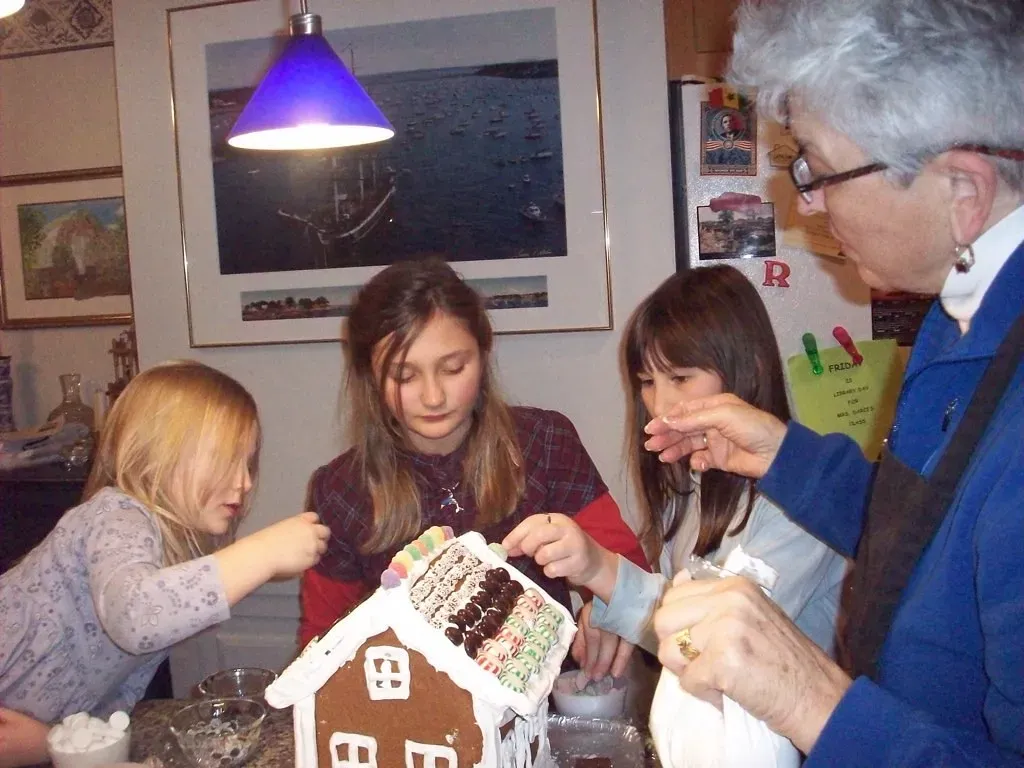
The holiday season is a great opportunity to spend time in the kitchen with the younger generation, baking cookies and other traditional family favorites. Holiday cooking is where grandparent influence tends to be most visible and most deeply felt. Ask almost anyone about their strongest food memory and it will likely involve a holiday and a grandparent’s kitchen.
We retain food memories because we use all of our senses in the kitchen. Food is a big part of family celebrations, including birthdays and holidays, and people often think about the food that went along with the celebration and recall the positive memories created. Smell, sound, texture, taste. Grandparent cooking at the holidays hits all of them at once.
Certain dishes annually grace the holiday table, and for many years were even integral to the family’s celebration of multiple holidays across different seasons. The grandparent who anchored Thanksgiving to a particular stuffing or Christmas to a particular cookie was literally shaping what “home” smells like for future generations. That is an extraordinary, largely unrecognized power.
15. Simply Being Present in the Kitchen and Letting Children Watch
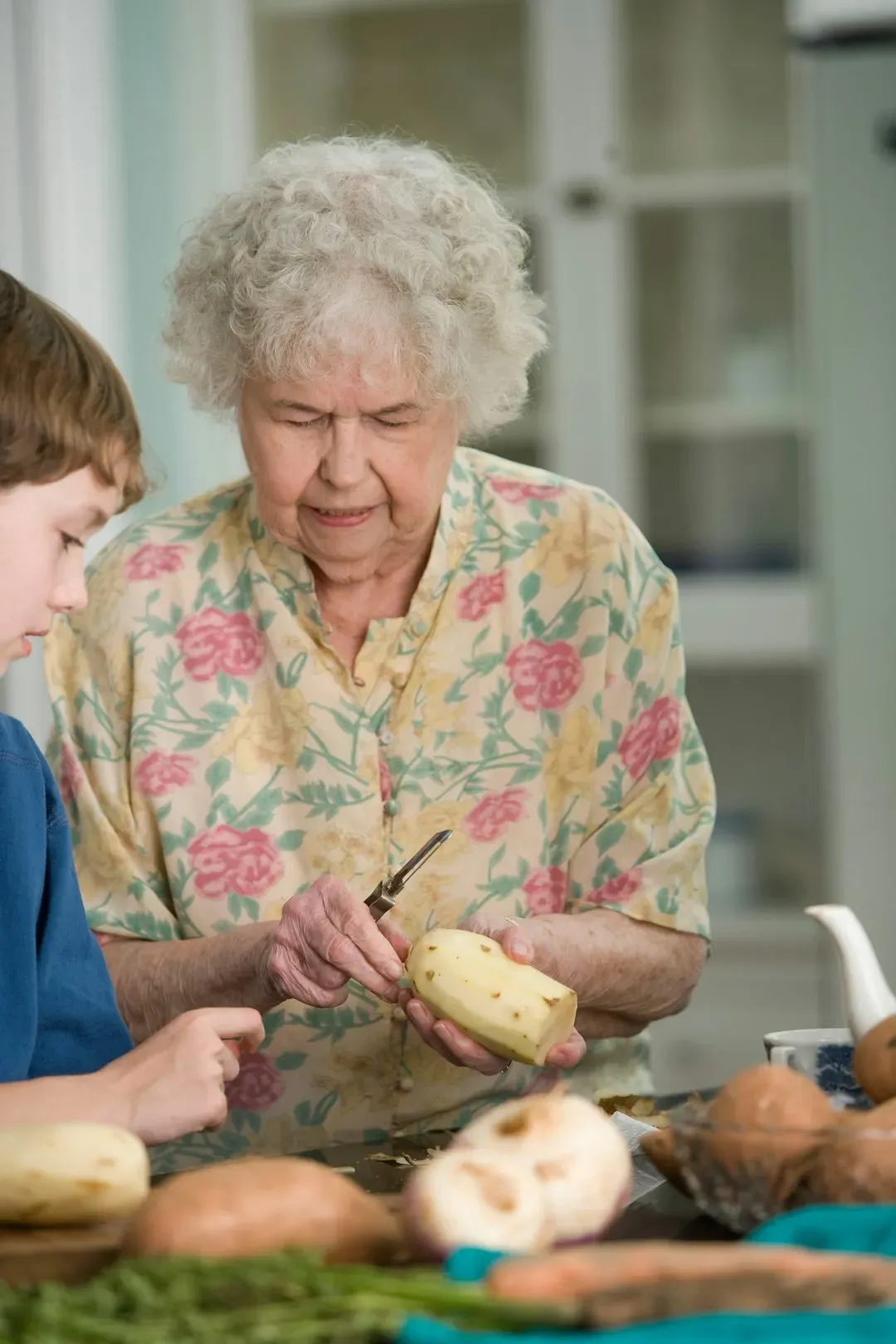
Here is the thing that often gets overlooked: you do not have to formally teach anything in a kitchen for the lessons to land. Research consistently confirms that observation alone is transformative. Children mainly learn to cook by observing their grandparents cook. This happens both on a conscious and subconscious level.
Intergenerational learning provides a unique opportunity for grandparents to pass down invaluable skills, traditions, and life lessons to their grandchildren. Teaching cultural and family traditions builds a foundation of love, understanding, and mutual respect that will resonate across generations.
Research highlights the significance of using cooking as a method to support continual cognitive and personal growth through memory and reflection. Cooking and eating offer a way to retain identity, stay connected, improve functioning, stay present through sensory stimulation, show and receive love, and delay degenerative effects. The grandparent who simply cooked while a grandchild sat on the counter watching, not saying much, was doing more than they could ever know.
A Final Thought Worth Sitting With
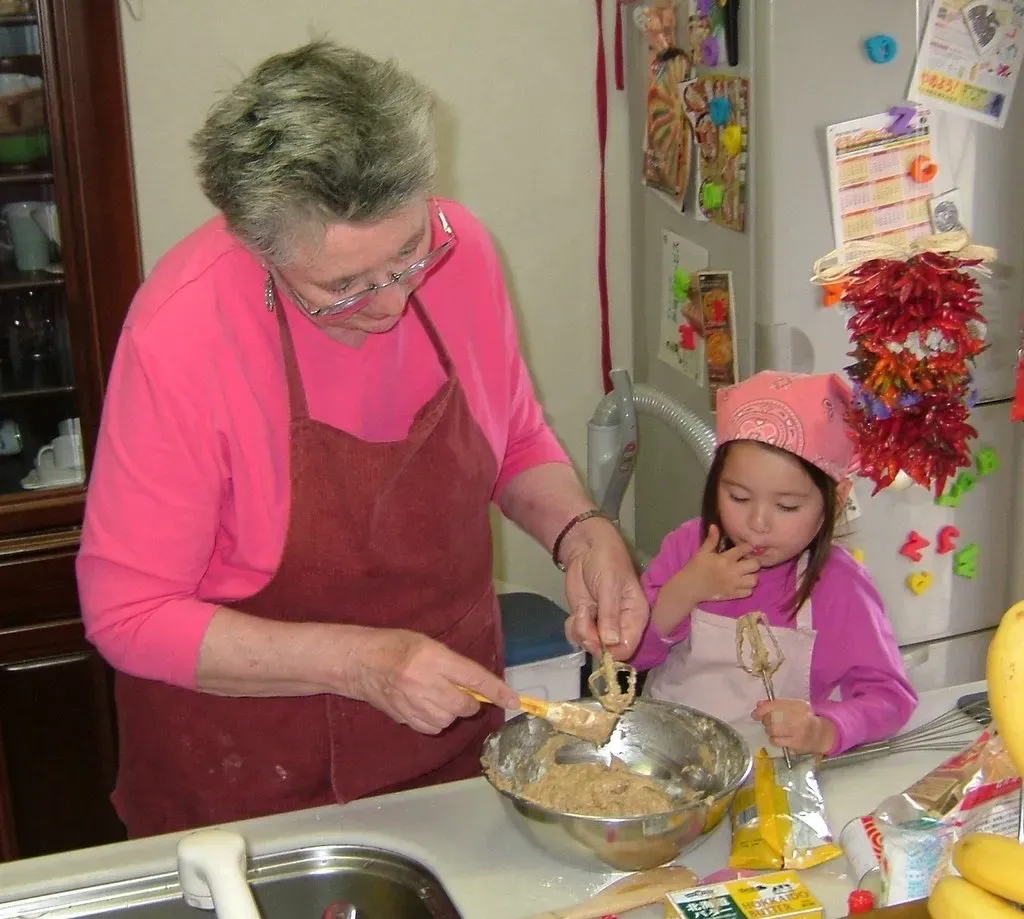
Grandparent cooking habits are not small things. They are the invisible architecture of family identity, health behavior, cultural memory, and emotional resilience. The data backs this up at every turn. Regular family meals have been consistently associated with improved dietary quality, better weight management, and a lower incidence of chronic conditions such as diabetes and cardiovascular diseases.
According to some experts, the modern availability of processed foods, the busyness of American households, and the introduction of convenience culture have caused many families to lose touch with their roots. A decline in traditional ecological and culinary knowledge has led to a decline in the food rituals that link communities to place and cultural heritage. Grandparents stand at the center of the counterforce against that erosion.
Every habit described in this article is not just a cooking behavior. It is a gift, often unannounced, handed from older hands to younger ones across a kitchen counter. The question worth asking is this: which of these habits are you still carrying with you today, and do you know exactly whose kitchen they came from?