
Table of Contents
United States: The Sweet Addiction Capital
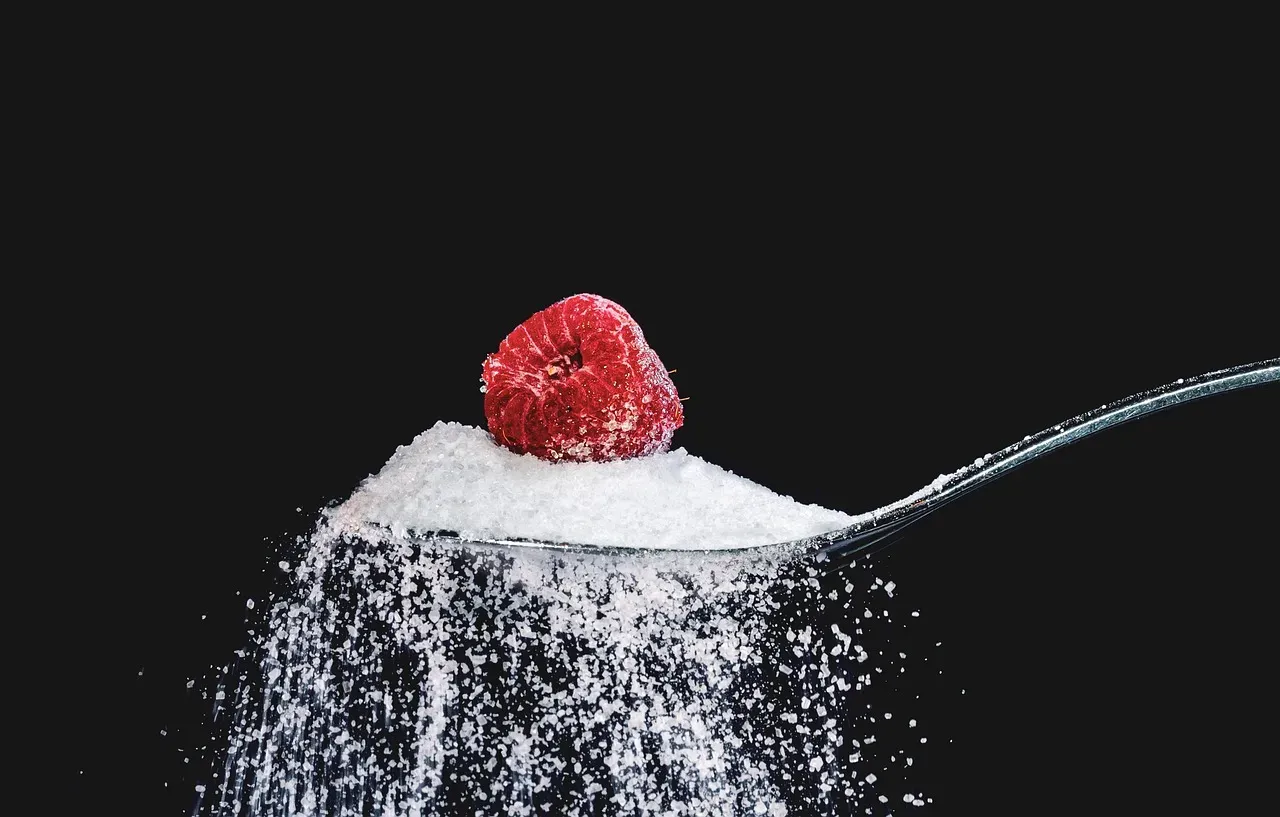
Each American consumes an average of 126.4 grams of sugar daily, making the United States the world’s leading sugar consumer per capita. This staggering figure is more than five times what the World Health Organization recommends. Around 60% of the American diet consists of processed foods that typically contain more calories, fat, salt, and added sugars, with snacks making up about a fourth of daily calorie intake and a third of added sugar intake. It’s wild when you think about it, but high fructose corn syrup sneaks into nearly everything from bread to salad dressings.
Germany: Where Desserts Rule the Day

The average German citizen consumes 102.9 grams of sugar daily, securing the country’s position as the second-highest sugar consumer globally. Nearly half of Germans regularly snack on desserts and 60% typically order desserts when eating out at restaurants, with 36% of added sugar intake coming from confectionary goods, followed by juices and nectars at 26%, and soft drinks at 12%. The German government has recognized this as a serious health concern and introduced initiatives to reduce consumption. Let’s be real, with their incredible chocolate and pastry traditions, it’s no surprise Germans have such a sweet tooth.
Netherlands: Hidden Sugars in Everyday Meals

The Netherlands ranks as the third largest consumer of sugar with a daily average consumption of 102.5 grams per person, which is nearly double the WHO’s recommended amount. Much of this intake comes from processed foods, including sauces, soups, and herb mix packets. According to the National Library of Medicine, the main foods accounting for high sugar intake include non-alcoholic beverages, cakes, cookies, candy, sweets, dairy, chocolates and other sweet foods. What’s shocking is that most Dutch people don’t realize how much sugar they’re consuming because they rarely check nutrition labels on these convenience products.
Ireland: A Nation Swimming in Sugary Drinks
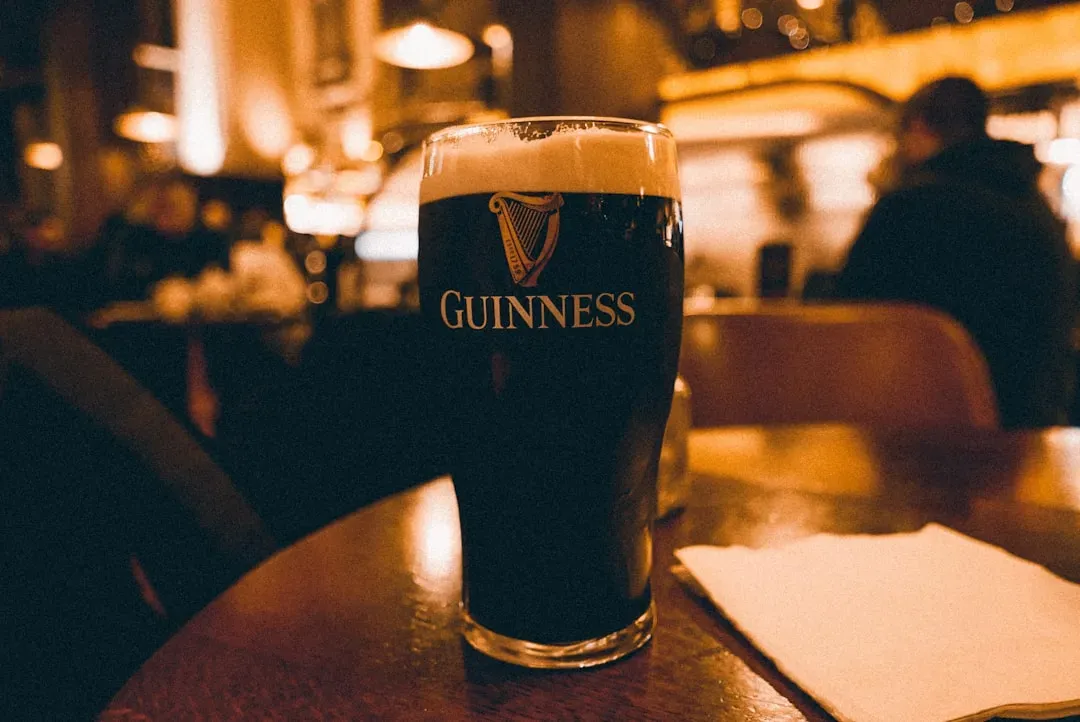
Ireland is the fourth largest consumer of sugar globally, with a per capita consumption rate of 96.7 grams per day. Consumers in Ireland purchase over 411 million liters of sugary drinks annually, totaling around 200 cans per person. Lower socioeconomic groups consume more sugary drinks than those in higher classes, with adolescents from lower-income backgrounds drinking nearly three times as many sweetened beverages as those from the highest economic class. It’s a troubling pattern that reveals how sugar consumption intersects with economic inequality.
Australia: Energy Drinks and Sweet Beverages

The average Australian consumer eats around 95.6 grams of sugar every day, making Australia the fifth largest consumer of sugar worldwide. Over half of Australians consume more than WHO’s recommended daily sugar intake, with adolescents and young adults consuming more than any other age group. A significant percentage of this sugar is consumed in foods and beverages like energy drinks, electrolytes, fruit and vegetable juices, cordial, cakes and muffins. Honestly, the rise of sports and energy drink culture has contributed massively to this problem.
Belgium: Chocolate Heaven’s Dark Side

Belgium consumes just slightly less sugar than Australia, with the average Belgian resident consuming 95 grams of sugar daily. Belgium is known for its mouthwatering waffles and chocolates, which account for a significant portion of its sugar consumption, along with sweetened pastries and dairy products. The country’s famous confectionery traditions have created a culture where sweet treats are woven into daily life rather than being occasional indulgences.
United Kingdom: Tea Time Takes a Toll

People in the UK consume about 92.5 grams of sugar every day, with biscuits, cakes, sweetened tea and fizzy drinks being a big part of the British diet. The British tradition of afternoon tea with biscuits and cakes has evolved into consistent daily sugar consumption throughout the day. In April 2018, the UK introduced a sugar tax on soft drinks to combat this problem, though per capita consumption remains stubbornly high. It’s hard to say for sure, but cultural habits die hard even when health campaigns are everywhere.
Mexico: The Coca-Cola Nation
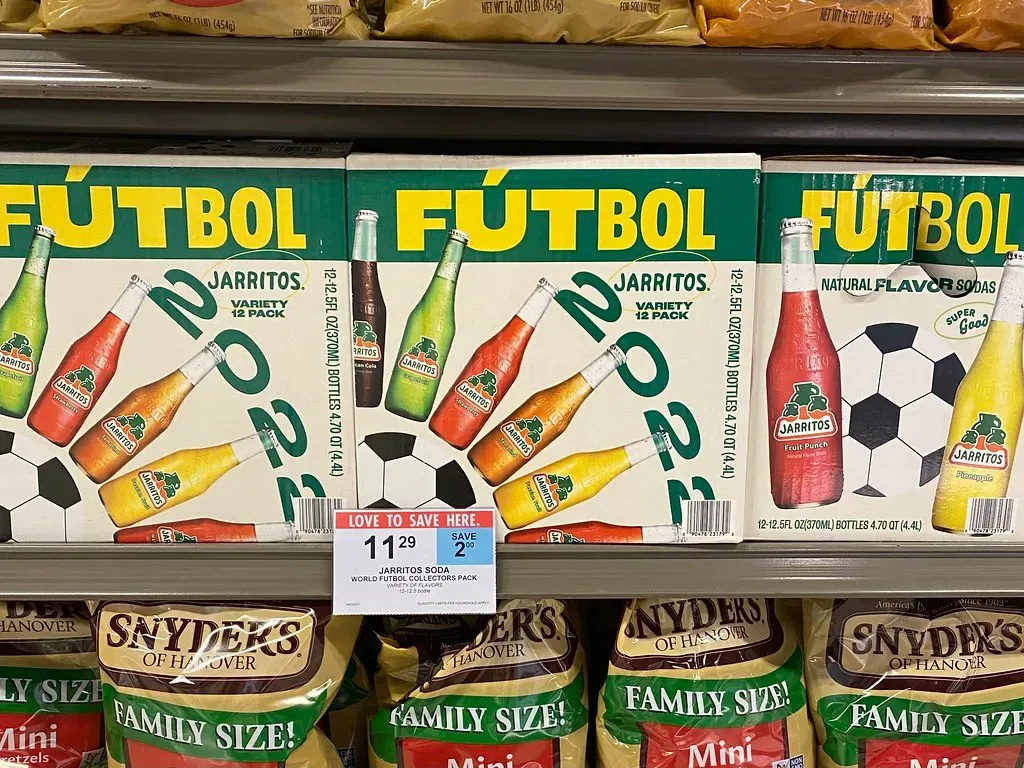
Consuming an average of 92.5 grams of sugar per person, Mexico is the world’s eighth biggest consumer of sugar. Much of Mexico’s excessive sugar consumption comes from sugary drinks, having earned the nickname the “Coca-Cola Nation” due to the brand being advertised across restaurants, small shops, and even amusement parks, resulting in some of the highest soda intake per person in the world. Individuals from rural, lower socioeconomic classes, and indigenous groups are among the most likely to excessively consume sugar due to less education regarding the negative effects.
Finland: Winter Comfort Through Sweets

The average Finn consumes about 91.5 grams of sugar daily, ranking Finland as the ninth largest sugar consumer worldwide. Particularly in the winter, chocolates, sweet pastries, and sugary coffee drinks are very common in Finnish homes. The long, dark Nordic winters seem to drive comfort food consumption, and unfortunately, many of those comfort foods are loaded with sugar. There’s something about those endless winter nights that makes reaching for something sweet feel almost necessary.
Guatemala: Surprising Latin American Leader
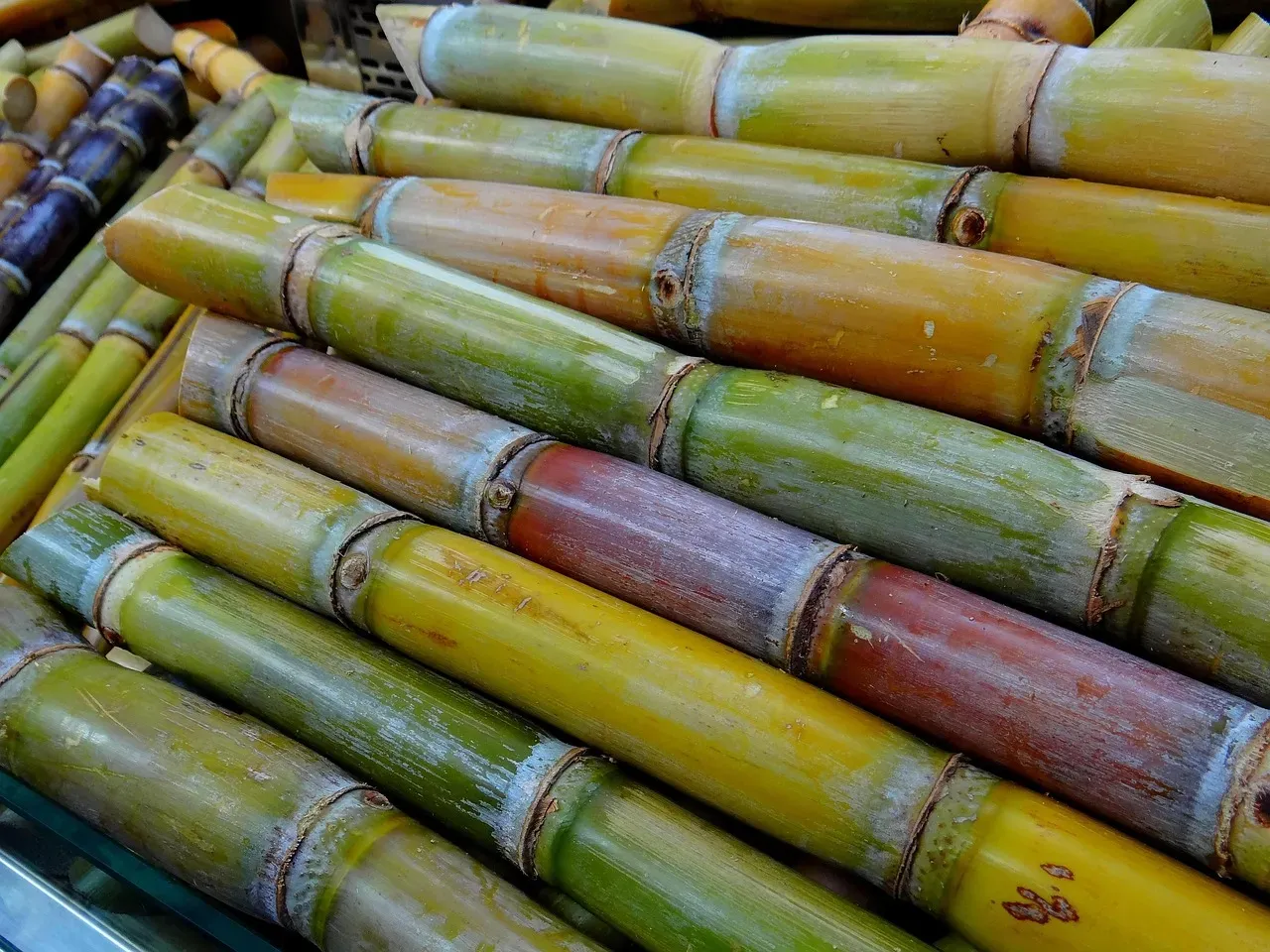
Based on a comparison of 165 countries in 2021, Guatemala ranked the highest in with 52.4 kg annually. While this translates to a lower daily average than some countries, Guatemala’s per capita consumption rate is remarkable considering its economic status. The country’s sugar cane industry is one of the largest in Central America, making sugar an affordable and accessible commodity. Traditional foods and beverages incorporating high amounts of sugar contribute significantly to this consumption pattern.
Cuba: Caribbean Sugar Culture
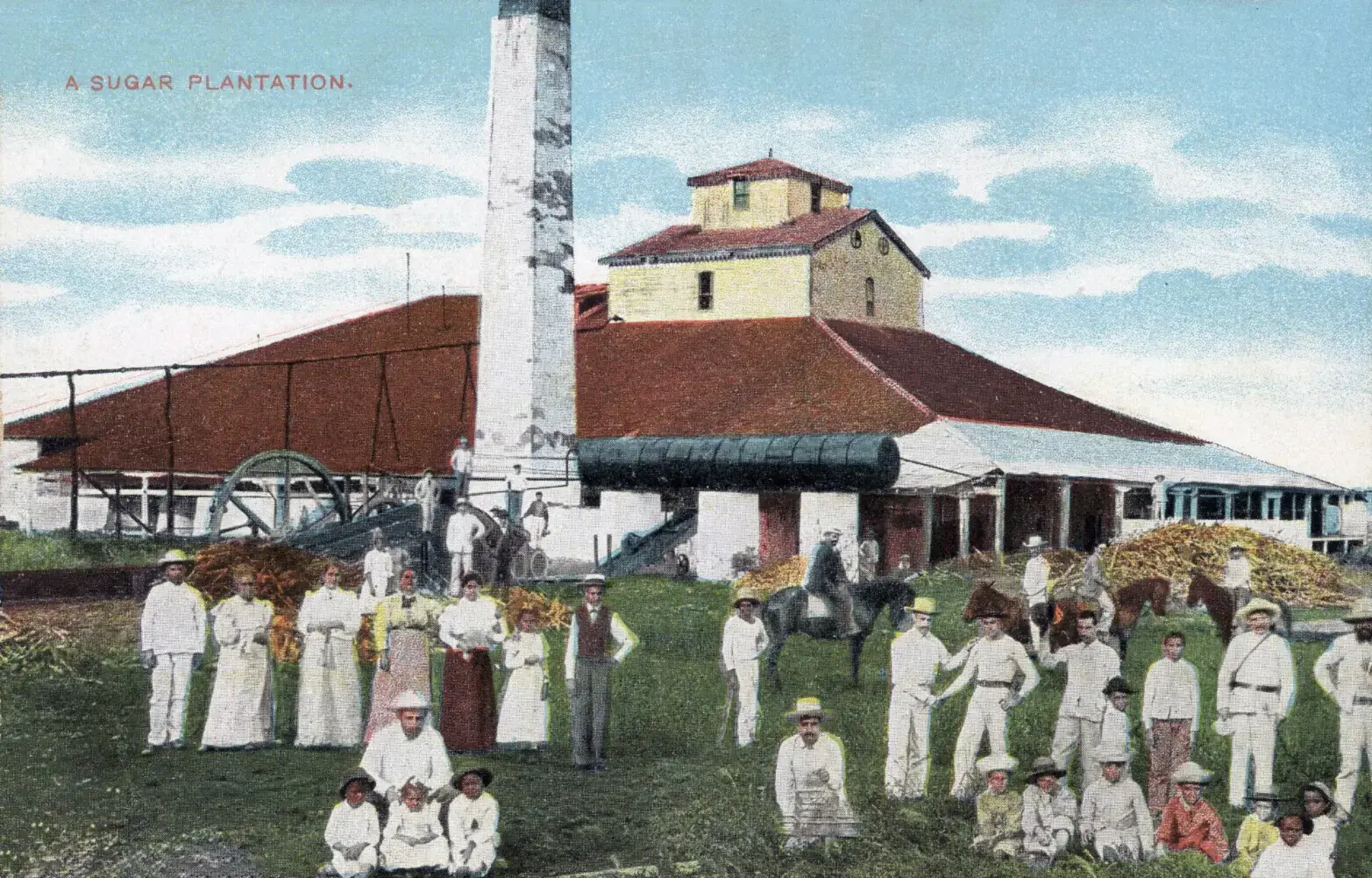
Cuba ranked second in among 165 countries, following Guatemala in the 2021 comparison data. As one of the world’s historic sugar producers, Cuba has developed a deeply ingrained sugar culture over centuries. The island nation’s cuisine heavily features sweet elements, from desserts to beverages. Despite economic challenges, sugar remains a staple ingredient that’s woven into the cultural fabric of Cuban cooking and daily life.
Thailand: Rising Asian Consumer
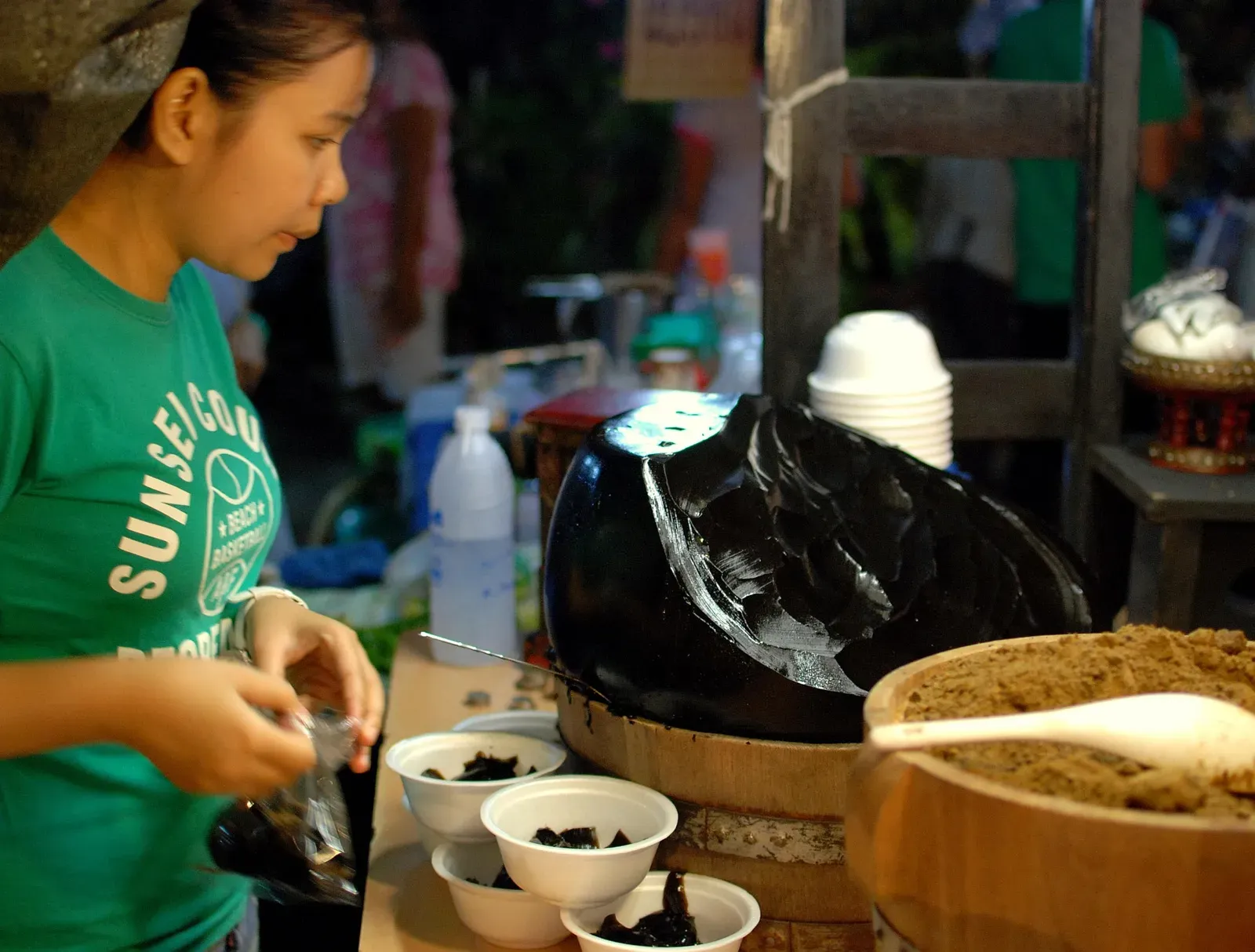
The Thai Health Promotion Foundation stated that Thais consume around 6 teaspoons of sugar every single day, and campaigns are being launched to decrease sugar consumption and raise awareness of its harmful effects. Thailand had a total consumption of 2,650 thousand metric tonnes with a per capita consumption of 38.4 kg. Traditional Thai cuisine balances sweet, sour, salty, and spicy flavors, often incorporating significant amounts of sugar. The growing popularity of bubble tea and sweetened beverages has pushed consumption even higher among younger generations.
Brazil: Sugar Production Equals Consumption
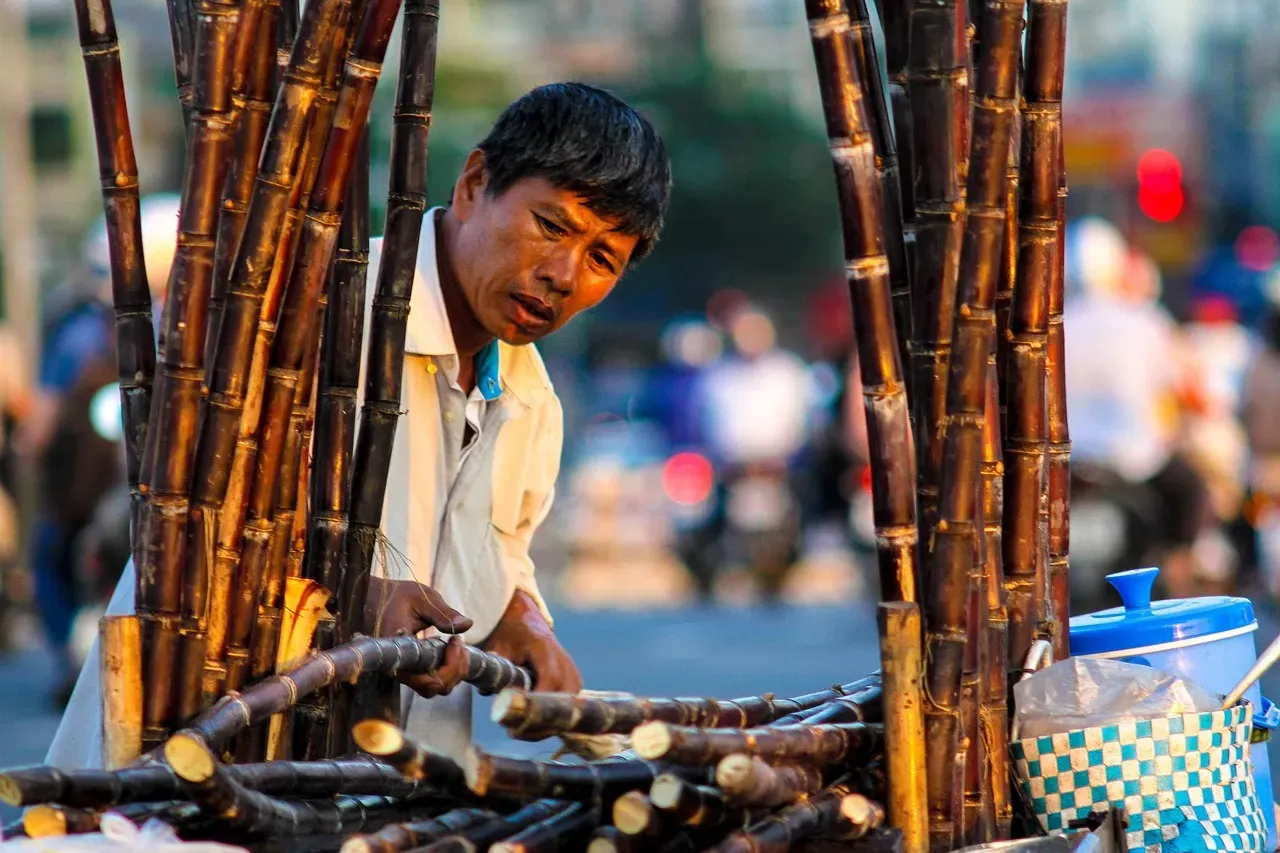
Brazil had a significant sugar intake, with an average daily consumption of about 117 grams per person. As the world’s leading sugar producer, Brazil naturally has high domestic consumption. Sugarcane is deeply embedded in Brazilian culture and economy, making sugar extraordinarily cheap and accessible. From açaí bowls to guaraná soft drinks to brigadeiros, sweet treats dominate the Brazilian culinary landscape. What would you have guessed about a country that produces so much sugar?