
Going out to eat is one of life’s simple pleasures. You sit down, you relax, you let someone else do the cooking. Sounds great, right? The problem is that somewhere between the menu and the bill, a lot of money quietly disappears in ways most diners never even notice.
It’s not always about bad food or bad service. Sometimes it’s the pricing tactics, the sneaky fees, and the subtle ways restaurants have learned to extract just a little more from every single visit. Some of these tricks are completely legal. Some are arguably deceptive. All of them cost you more than you expected.
Here’s a close look at 13 of the most common restaurant rip-offs at work in 2026, backed by real data and research. Be ready to be surprised by what you find.
Table of Contents
1. The Mystery of Hidden Surcharges

You order your meal, you enjoy it, you ask for the check. Then something unexpected happens: a “kitchen appreciation fee,” an “equity fee,” or an “economic impact fee” appears out of nowhere. The FTC has noted that consumer complaints indicate restaurants “routinely add fees to bills that were not previously disclosed, using various names” like “service fee,” “hospitality fee,” “kitchen fee,” and “temporary inflation fee.” It is, honestly, a masterclass in vague language.
Recent industry research reveals that roughly one in six restaurant operators now adds surcharges to customer bills, representing a steady increase that shows no signs of slowing. Transaction-level analysis also indicates that 3.7% of all restaurant payments included service fees, more than double the rate from just two years ago. That might sound like a small number, but across millions of meals every day, it adds up to a staggering amount.
Sometimes labeled as a “hospitality fee,” “equity fee,” “service fee,” or “economic impact fee,” these charges are often left off from the menu prices and can surprise customers when it’s time to pay the bill. The most infuriating part? Many diners assume these fees go to the staff. They often don’t.
2. The Wild West of Wine Markup
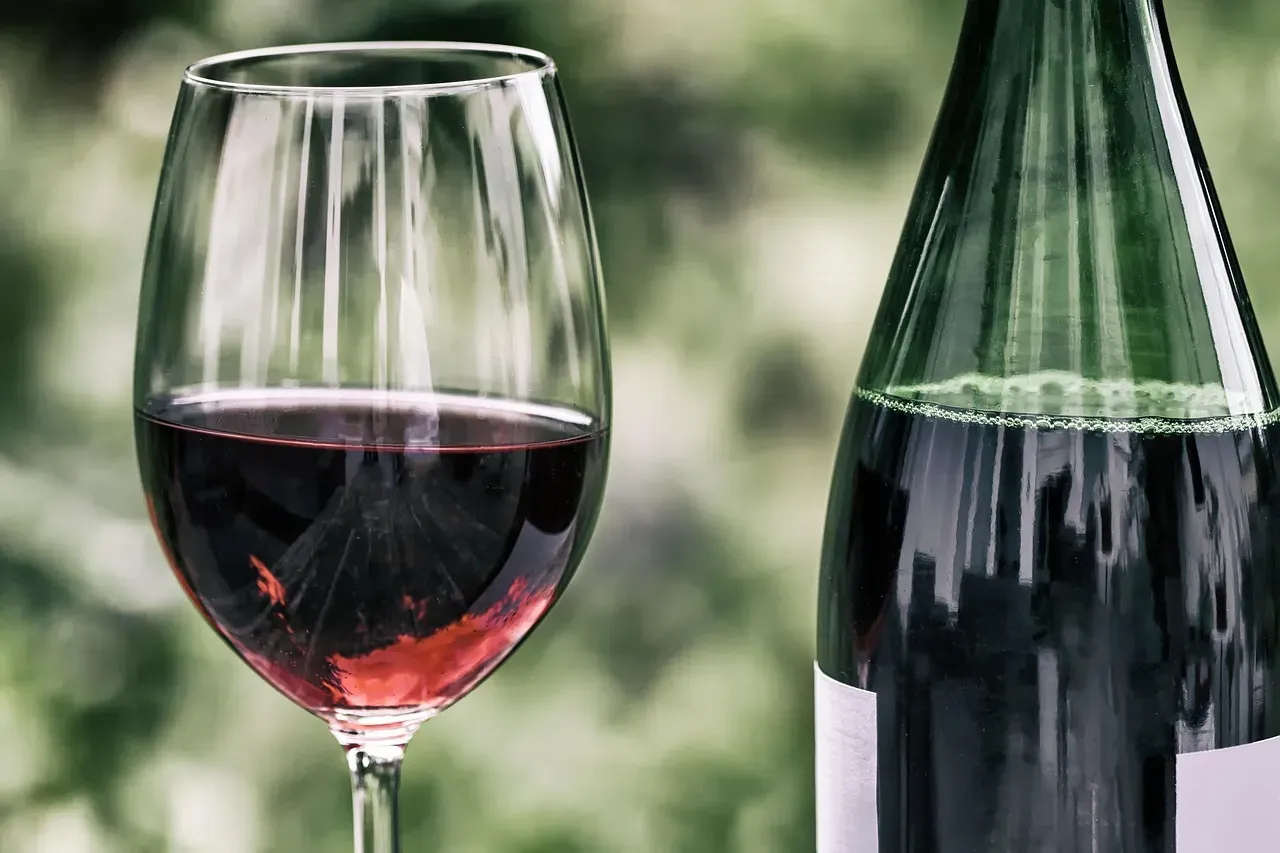
Here’s a number that should make any wine lover pause. The industry standard is to mark up a bottle of wine 200 to 300 percent over its retail sales price, meaning if a wine retails for $20 at a wine store, it typically sells for $60 to $80 at a restaurant. For rare or specialty wines, the markups can reach as high as 400 percent. That’s not a typo.
Restaurant wine pricing frequently draws customer attention, and it’s easy to see why. When diners spot a $20 retail bottle priced at $60 to $80 on the menu, they naturally question the markup. Behind the scenes, however, restaurants depend on these margins to keep their wine programs profitable. Restaurants will say it covers storage, staff training, and ambiance, and that’s partly true.
Still, it pays to know what you’re walking into. Lower-end wines by the glass and bottle will have a higher markup, while the highest-priced bottles actually carry the lowest markup percentage. So if you’re going to splurge on wine at a restaurant, counterintuitively, going higher-end sometimes means you’re getting a better relative deal.
3. The Soft Drink Shock

You’re thirsty. The server offers you a drink. You order a soda, thinking it’s the affordable choice. Think again. According to Business Insider, a can of soda costs a restaurant a mere 16 cents, yet the typical restaurant markup for a glass of that soda is a shocking 1,150 percent. Let that sink in for a moment.
Non-alcoholic beverages are among the highest-margin items on any menu. Restaurants pay pennies on the dollar for non-alcoholic beverages, but the price diners pay is significantly higher. For the restaurant, it makes complete sense. For the diner, it’s probably the single worst deal at the table.
The next time you’re at a restaurant and the server asks if you’d like a soda, a lemonade, or an “artisan iced tea,” just know what you’re really paying for. Tap water, honestly, remains one of the best financial decisions you can make at a restaurant. Dull but true.
4. Delivery App Fees That Nearly Double Your Bill
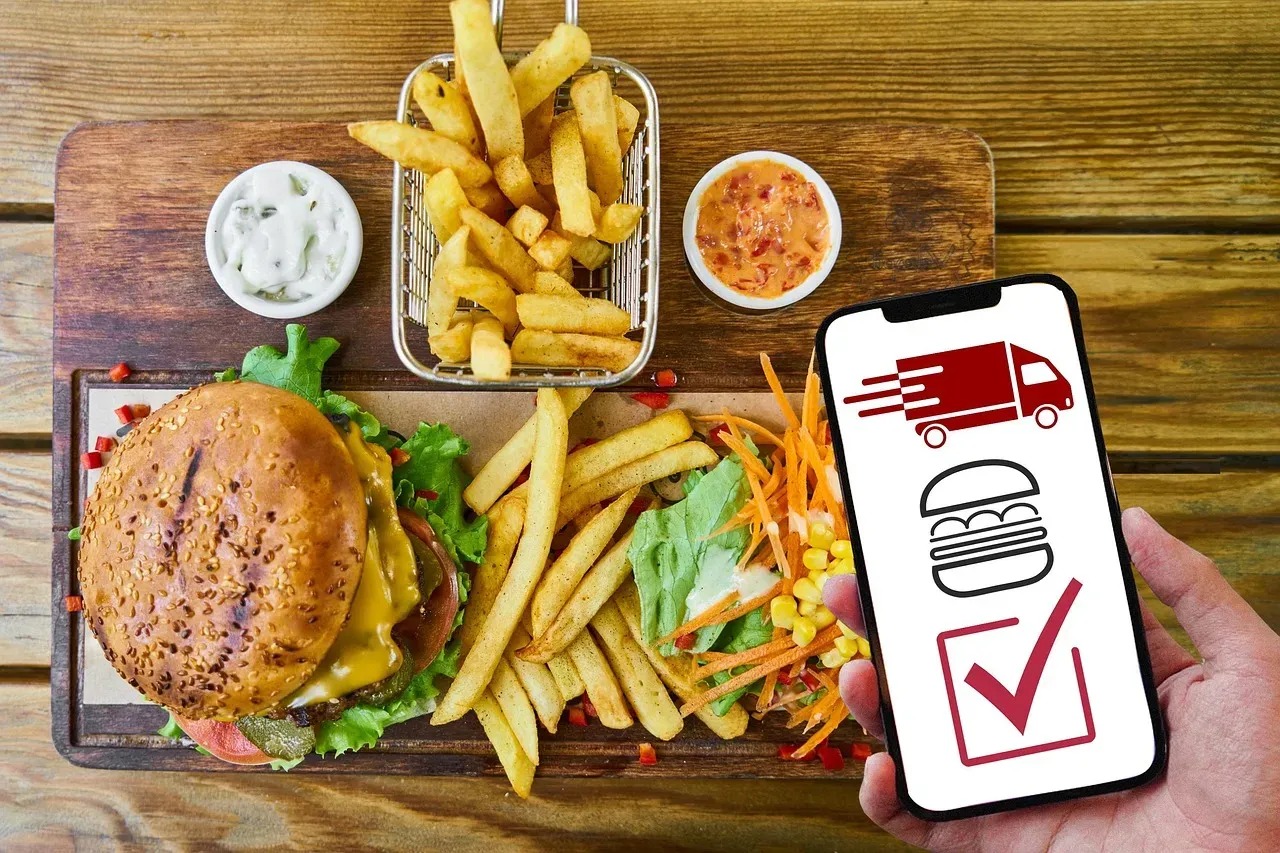
Third-party delivery apps have changed how America eats. They’ve also changed how much America spends, usually without anyone fully realizing it. Ordering food through delivery apps like DoorDash, Uber Eats, and Grubhub can increase the cost of a $12 meal to more than $20, an 80 percent markup that’s hitting American wallets hard, according to research from LendingTree.
Researchers found that on average, ordering food delivery costs nearly 80 percent more than picking up the same meal in person, an additional $9.30 per order. Multiply that by the roughly 40 percent of Americans who order delivery once a week or more, and you start to see an enormous amount of money flowing out of people’s pockets. The share of consumers using third-party delivery services has steadily grown, rising from 15 percent in 2020 to 21 percent in 2024, according to Technomic’s Delivery and Takeout Consumer Trend Report.
When customers order from DoorDash, they pay a “service fee” covering roughly 15 percent with at least a $3 minimum, while the delivery portion only allocates about $2 to $3 for drivers. If you live more than five miles away, an expanded range fee of $0.75 per mile gets added, and if the order is below a certain amount, a “small order fee” is tacked on too. It’s fees layered on fees, all the way down.
5. Menu Prices That Look Different on the App
Here’s something a lot of delivery app users don’t realize: the price you see on the app for a restaurant’s burger is often not the same price the restaurant charges in person. To stay ahead, some restaurants add a small markup to their delivery app menus. A burger priced at $10 in-store might appear as $11.50 or even $12.00 on a delivery app. It’s a quiet and perfectly legal practice.
Some restaurants raise their delivery prices by 15 to 20 percent to compensate for the lost revenue, but this strategy can deter cost-sensitive customers. Restaurants argue they have no choice, and they’re not entirely wrong. Commission fees from platforms typically run 15 to 30 percent per order, on top of delivery fees and payment processing fees. Someone has to pay for that, and it’s almost always you.
The most eye-opening real-world example comes from a case documented by the Daily Bruin. A burrito that costs only $7 to $8 at one restaurant costs as much as $21 when ordered through a third-party delivery service. The restaurant itself receives only $4 of that total. The app keeps the rest. That’s not a typo either.
6. The Upselling Machine
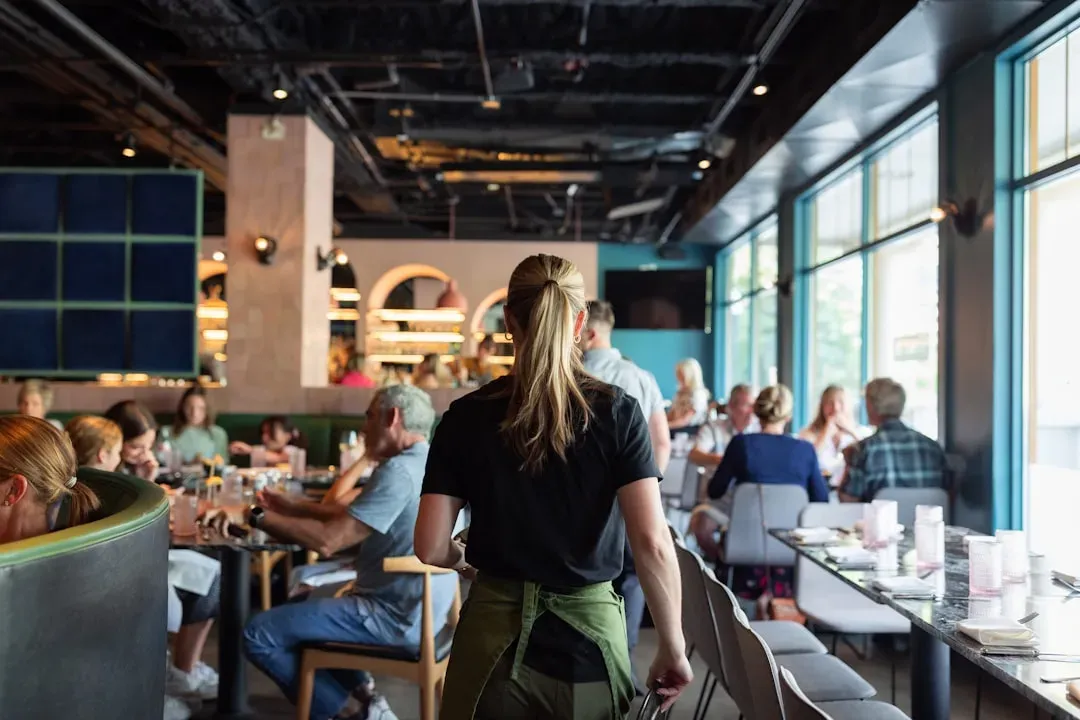
Your server is friendly, attentive, and subtly guided to steer you toward more expensive choices. That’s not accidental. Restaurant upselling is the process of influencing customers as they place their orders, luring them with a more expensive option or higher-margin add-ons. It’s a trained skill, and when done well, you don’t even notice it’s happening.
Think about it. “Would you like to start with some bread tonight?” “Can I interest you in our signature cocktail?” “What about a dessert to finish?” When done right, upselling can help increase a restaurant’s revenue by up to 30 percent. That’s a significant number, and every single dollar of it comes from diner spending that wasn’t originally planned.
The most profitable items in a restaurant are high-margin dishes such as appetizers, drinks, and desserts. Alcoholic beverages, particularly cocktails, often provide the highest profit margins due to their low cost of goods sold compared to food items. Now you know why the server almost always asks about the cocktail specials first.
7. The Automatic Gratuity Trap
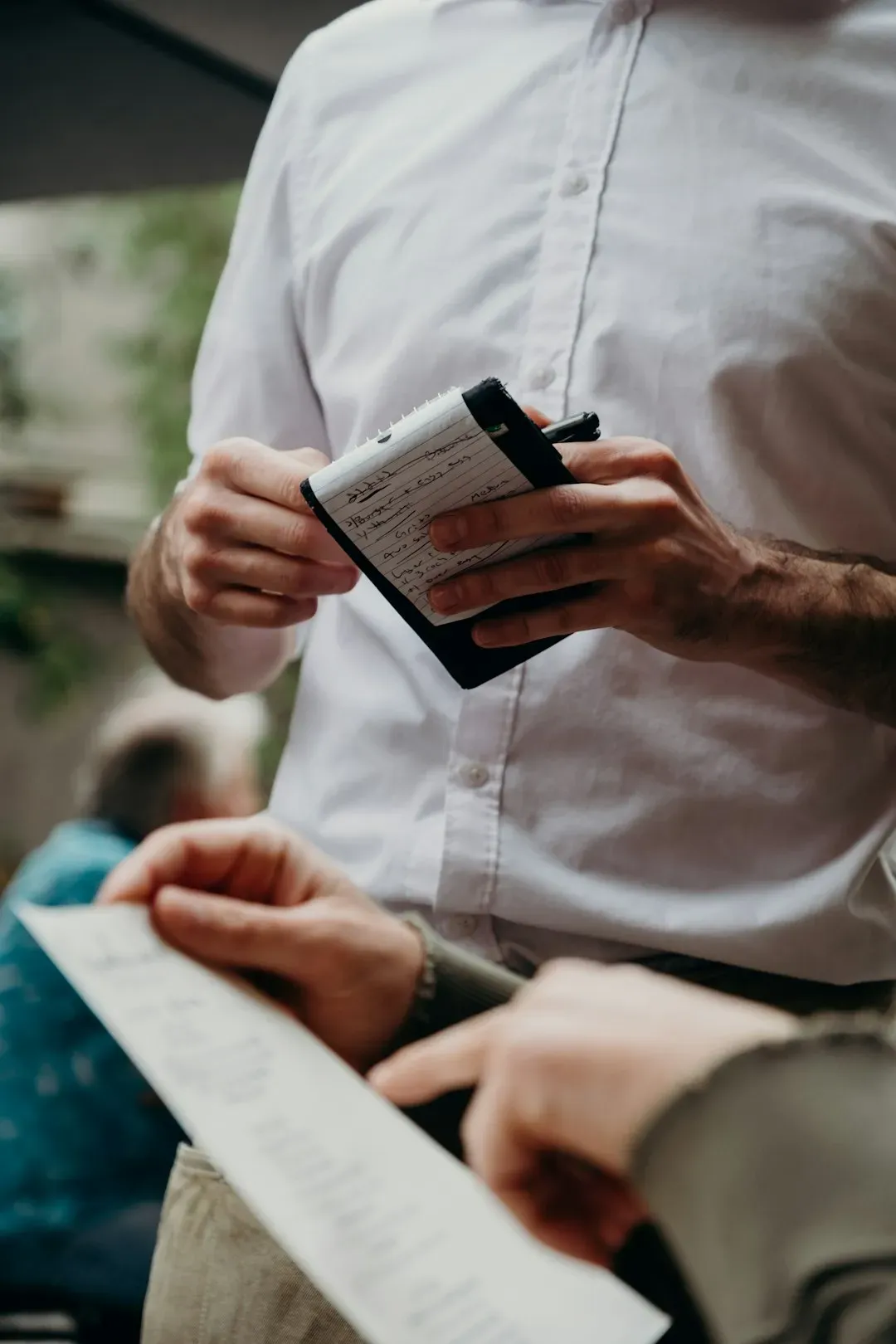
Large groups often get hit with automatic gratuity, sometimes called a “mandatory service charge,” added directly to the bill. Most diners assume this goes entirely to the server. Consumer commenters expressed particular concern about the true purpose of restaurant service charges, which they expected would go entirely to wait staff. The reality depends entirely on the restaurant’s internal policy, which is rarely disclosed.
Many surcharges take the form of service fees added to checks for large groups, especially in states that have banned tip credits. What makes this especially tricky is that diners who don’t read the fine print often tip on top of an automatic gratuity, doubling what they intended to pay. That’s a classic double-dip that restaurants rarely go out of their way to prevent.
Let’s be real: tipping culture in America has become genuinely confusing. The automatic gratuity system, without clear disclosure about where that money goes, adds another layer of financial uncertainty to every group dinner. Check the bill carefully before you add anything extra to it.
8. Credit Card Surcharges Passed Directly to You
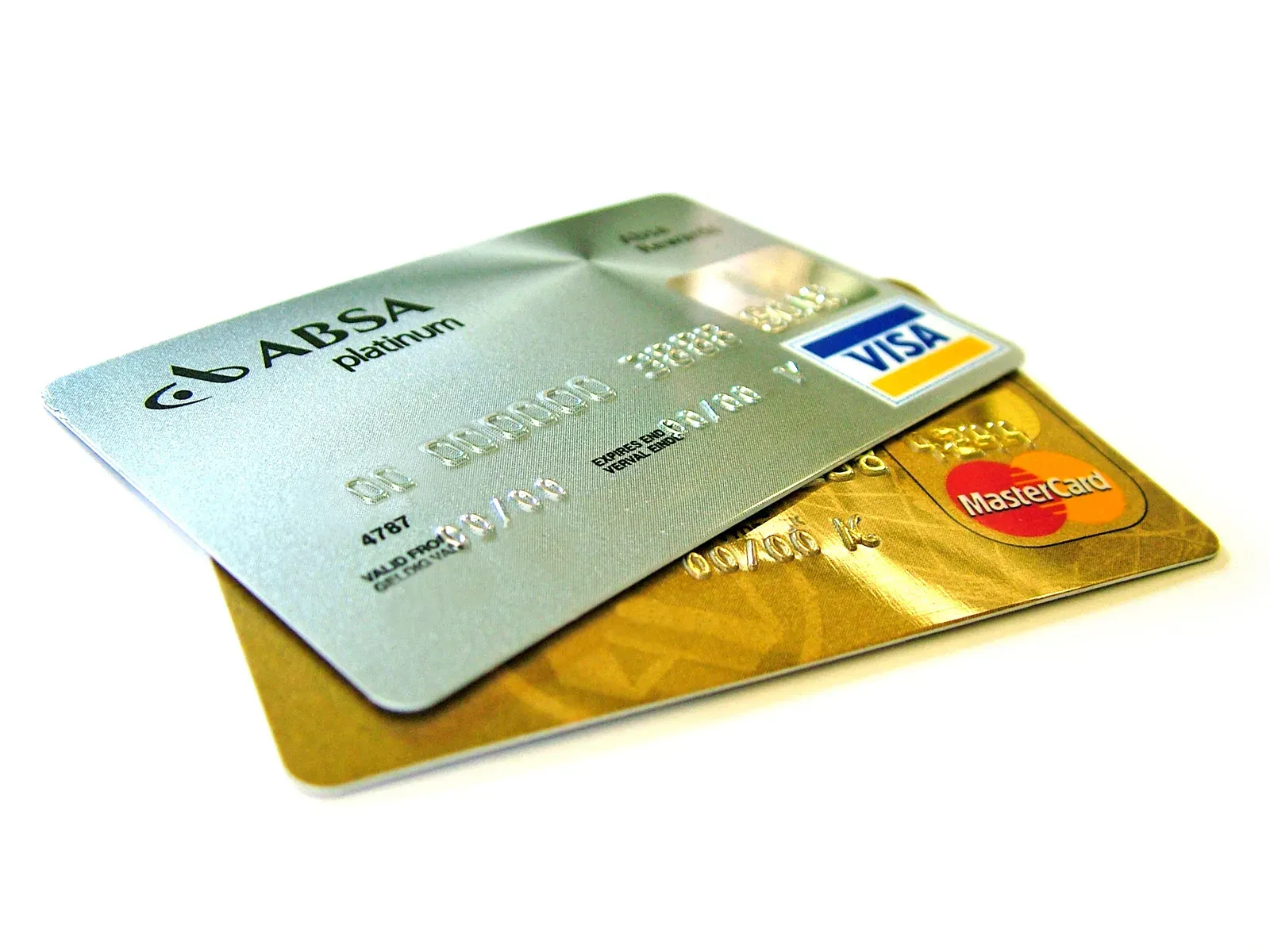
Restaurants pay what are called “swipe fees” every time you pay by card. And increasingly, they’re finding ways to make you pay those fees yourself. Cleaning fees, COVID fees, and credit card swipe fees ranging from 3 to 5 percent have been observed at many sit-down restaurants, according to USC business professor Shon Hiatt. Three to five percent doesn’t sound like much until you do the math over a year of dining out.
Interchange fees, which are the fees card networks charge merchants, reached a record $187.2 billion last year, or roughly $1,200 for the average American family, according to a payments industry coalition. Restaurants are squeezed by these fees, and that pressure is increasingly being redirected toward diners. According to survey data, roughly four in five restaurant operators cite credit card processing fees as a major challenge.
Diners may increasingly spot dual pricing options on their tabs as some restaurants begin offering discounts for cash payments in a bid to reduce the credit card fees they pay to issuers and networks. It’s worth watching for, because what looks like a cash discount is really just revealing what the card surcharge already costs you.
9. The Shrinking Portion Size
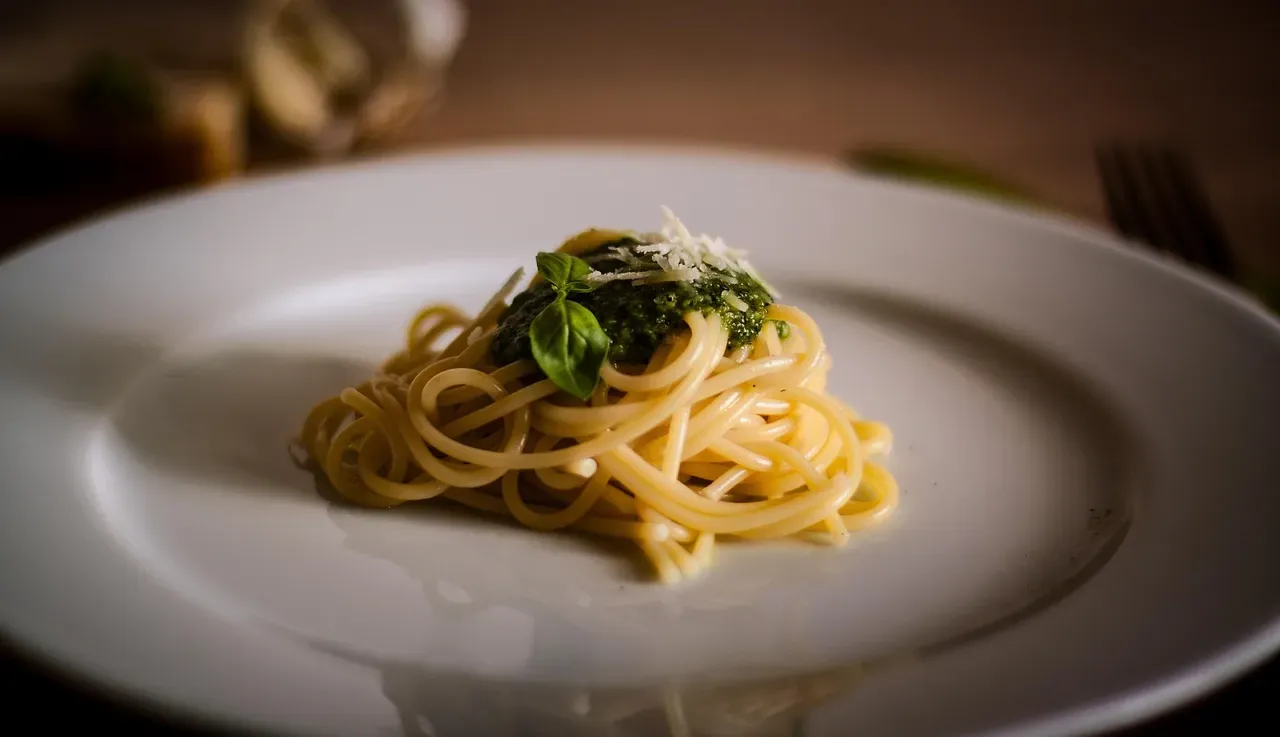
Prices go up. Portions go down. Nobody announces it. This phenomenon, sometimes called “shrinkflation,” is as alive in restaurants as it is in grocery stores. According to restaurant industry data, about one in five restaurant operators is substituting ingredients to control food costs. That substitution often means cheaper ingredients at the same price point.
Nearly a third of restaurant operators plan to increase menu prices to offset rising costs. Meanwhile, another quiet strategy runs parallel to price hikes: reducing portion sizes or quietly swapping premium components for budget alternatives. You pay the same, you get a little less, and the restaurant protects its margin. It’s the restaurant version of a magician’s sleight of hand.
Average food costs and wages for restaurant workers have risen by 30 percent since 2019, according to the National Restaurant Association’s 2025 State of the Restaurant Industry Report. That pressure has to go somewhere, and it tends to go straight onto your plate, or rather, off it.
10. The Bread Basket That Isn’t Free
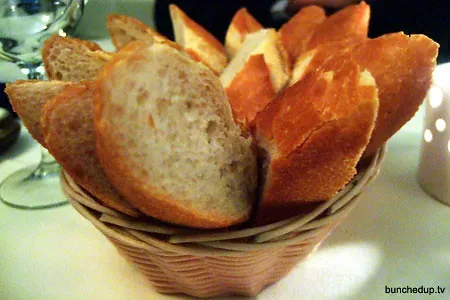
That beautiful basket of warm bread that arrives at your table before you’ve even looked at the menu? It might not be as complimentary as it seems. In many restaurants, the bread service is quietly factored into the overall pricing structure, and in some, it appears as a specific line item on the bill. Worse, it serves a purpose restaurants love: it fills you up just enough that you order slightly less, while the margin on that bread is already baked into the pricing.
From the upselling perspective, bread is also a gateway. Upselling strategies often encourage guests to start with a small plate, such as a signature appetizer or a bread service. It’s positioned as hospitality, but it’s really a high-margin opener to a carefully engineered dining experience designed to maximize your spend.
I know it sounds a little cynical to look at a bread basket with suspicion. Honestly, enjoy it. Just be aware that it’s part of a deliberate system, not an act of generosity. And if you see it listed on your final bill as a separate charge, that’s the moment to ask questions.
11. The Loyalty Program That Costs You More
Restaurant loyalty programs feel like a win for the customer. Collect points, earn free meals, get special offers. The reality is a little more complicated. Loyalty programs are an effective way to engage existing diners and encourage repeat visits and higher orders. One study found that diners pay nearly double when enrolled in a restaurant’s loyalty program. Read that again slowly.
The psychological mechanism here is well understood. When you’re chasing a reward, you spend more to get there faster. About half of all consumers now participate in restaurant loyalty programs, according to National Restaurant Association’s 2024 Restaurant Technology Landscape Report. That’s a massive number of people whose spending is being actively shaped by reward mechanics.
It’s not that loyalty programs are inherently bad. Some genuinely offer good value. The trap is the unconscious overspending that happens when you’re trying to hit the next reward tier. If you track what you actually spend versus what you get back, you might be surprised how rarely the math works in your favor.
12. Menu Engineering Designed to Manipulate Your Choices
Menus are not neutral documents. They are carefully engineered psychological tools. The placement of items, the use of photos, the typography, the lack of dollar signs, and even the color choices are all deliberate strategies designed to steer you toward high-margin items. Restaurants spend serious money on this.
The menu is known in the industry as a “silent salesperson.” Once in your customers’ hands, this piece of paper can directly influence what diners order and how much they spend in one sitting. That corner item with the golden border? The dish with a little chef’s recommendation badge? Those are the dishes the restaurant most wants you to order because they carry the best margins.
It’s hard to say for sure exactly how much extra each diner spends because of menu engineering, but the practice is widespread and well-documented. The best counter-strategy is simple: decide what you’re in the mood for before you open the menu, and stick to it. It sounds almost too simple, but it genuinely works.
13. The Price Increase You Were Never Told About
Menu prices at restaurants have climbed significantly since 2020, and many consumers have only partially kept up with just how much things have changed. Food costs and wages for restaurant workers have risen by 30 percent since 2019, according to the National Restaurant Association. That’s a structural shift, not a blip, and it has permanently reset the pricing floor across the industry.
Survival tactics of the past few years, including higher prices and delivery expansion, are losing effectiveness as restaurants reset their math. Restaurants that raised prices more than 10 percent in 2025 were most likely to report lower profits. Operators say diners are now pushing back, skipping second drinks, sharing desserts, and trimming add-ons to manage the final check. The tug of war between restaurant pricing and diner budgets is getting real.
Remarkably, nearly all restaurant operators now say consumers are more value-conscious than before. The industry knows it has hit a ceiling. The question is whether restaurants will respond with genuine transparency or find new, more creative ways to pad the bill. Given everything on this list, the smart bet is to stay curious and keep checking what you’re actually being charged.
Final Thought
None of this means you should stop eating out. Restaurants are one of life’s real pleasures, and most of the people working in them are doing their best under genuinely difficult economic conditions. For every sales dollar at a typical independent restaurant, $0.33 goes to food costs and $0.33 to labor, and 98 percent of operators say higher labor costs are a serious issue. The margins are thin and the pressures are real.
But knowing where your money actually goes changes the experience. It makes you a smarter diner, not a more suspicious one. Check the bill before you pay. Ask what the fee is for. Order directly from the restaurant when you can. Skip the soda. The awareness alone is worth something.
What would you have guessed was the biggest rip-off on this list before you read it? Tell us in the comments.