
Most of us have a pantry that tells a bit of a story. There’s the spice jar from a vacation three years ago, the bag of whole wheat flour you bought for one recipe, the bottle of olive oil sitting proudly next to the stove. We keep these things because they feel like kitchen security – reliable, ready, waiting. But here’s the uncomfortable truth: a surprising number of those so-called pantry staples are quietly losing their flavor, their potency, or even their safety, long before we reach for them. You deserve better-tasting food, and honestly, so does the time you spend cooking.
The good news? You don’t need to throw everything out and start fresh. But you do need to know which items deserve a second look. Some of these will surprise you. Let’s dive in.
Table of Contents
1. Ground Spices
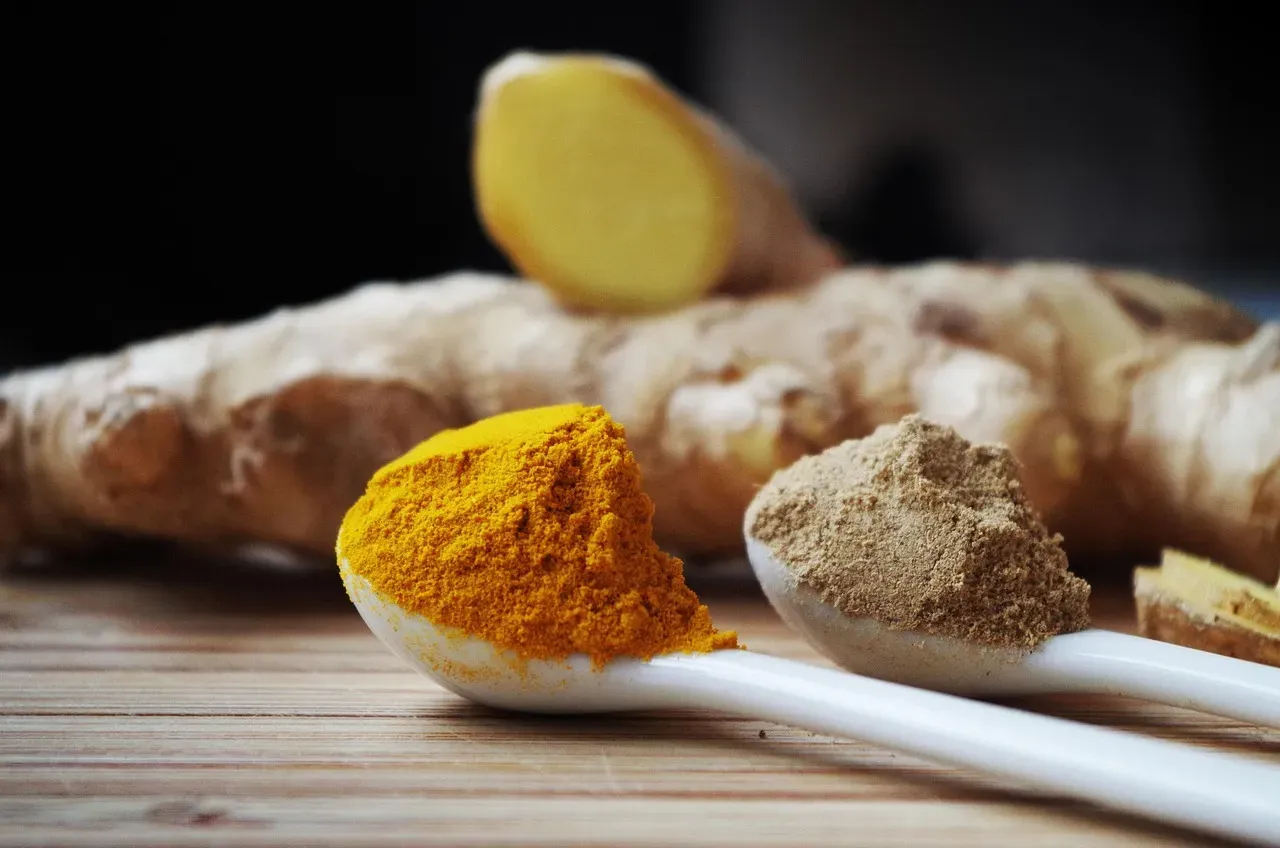
There is nothing quite as disheartening as cooking a dish that just tastes… flat. Chances are, your ground spices are to blame. Food science studies confirm that ground spices lose roughly half of their volatile compounds within just six months of grinding, while whole versions retain about 80 percent of their potency for two or more years under proper storage.
According to food science research, when a spice shows no aroma when rubbed, it indicates more than 70 percent flavor degradation. Faded colors in spices like paprika are a reliable sign of active compound loss, and clumping indicates humidity exposure accelerating oxidation. The fix is simple: rub a pinch between your fingers. If it smells like nothing, it is nothing. Store your spices in a cool, dry, and dark environment such as a pantry drawer or cupboard positioned well away from the stove or oven.
2. Whole Wheat Flour
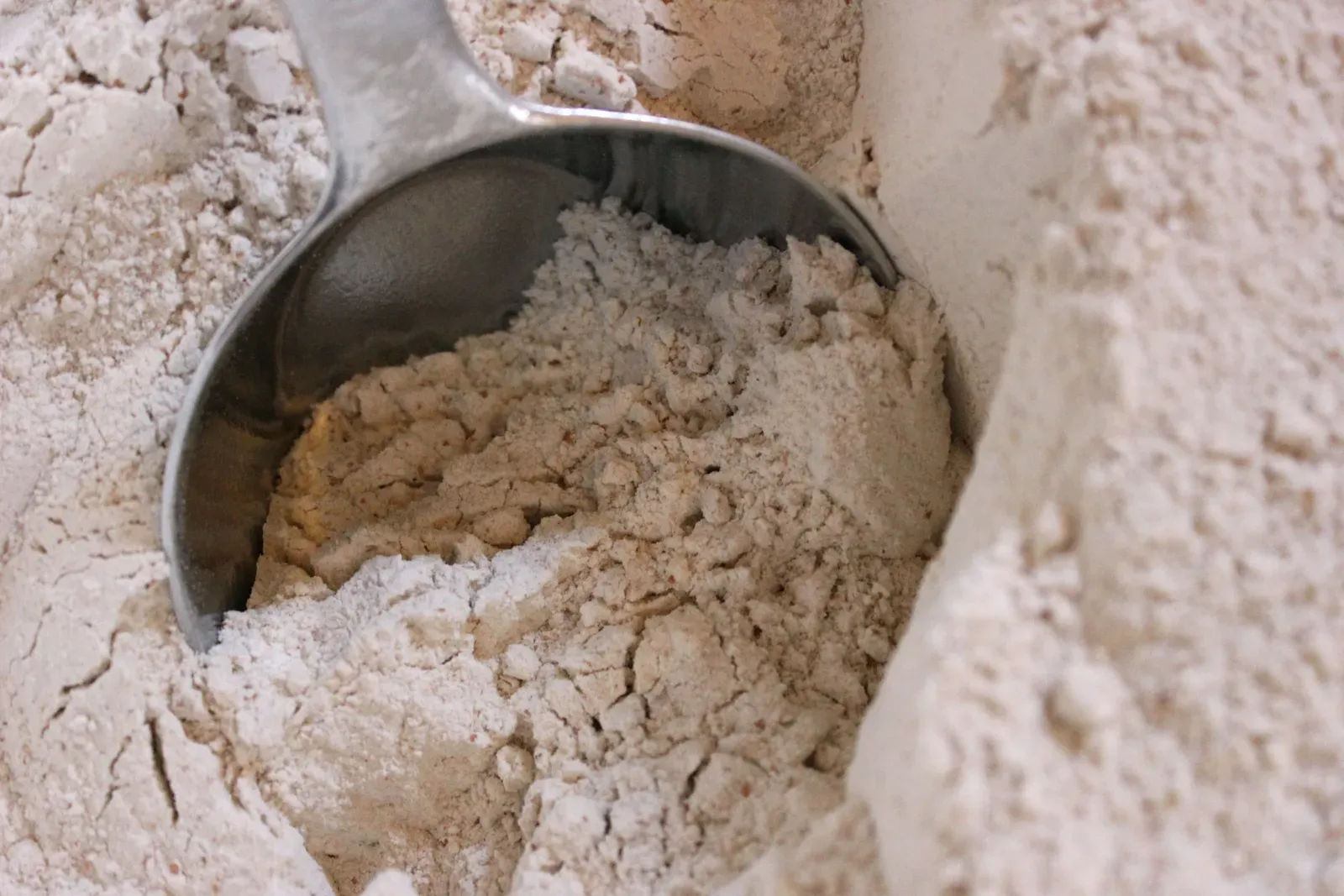
If you bake with whole wheat flour occasionally, your pantry bag may already be working against you. Freezer storage is the best defense for whole wheat flour’s short shelf life. Its bran and germ oils turn rancid faster than white flour’s, producing bitter notes and musty smells, and keeping it cold slows oxidation.
White flour usually lasts six to eight months in the bag it comes in, but whole wheat flour, with its natural oils, can go bad in just one to three months at room temperature. That’s a brutally short window. The bran and germ are rich in oils, making whole-wheat products more vulnerable to spoilage. This occurs when fats deteriorate upon exposure to light, moisture, or air, typically causing an undesirable taste and odor. If you bake infrequently, keep it in the freezer.
3. Cooking Oils (Including Olive Oil)
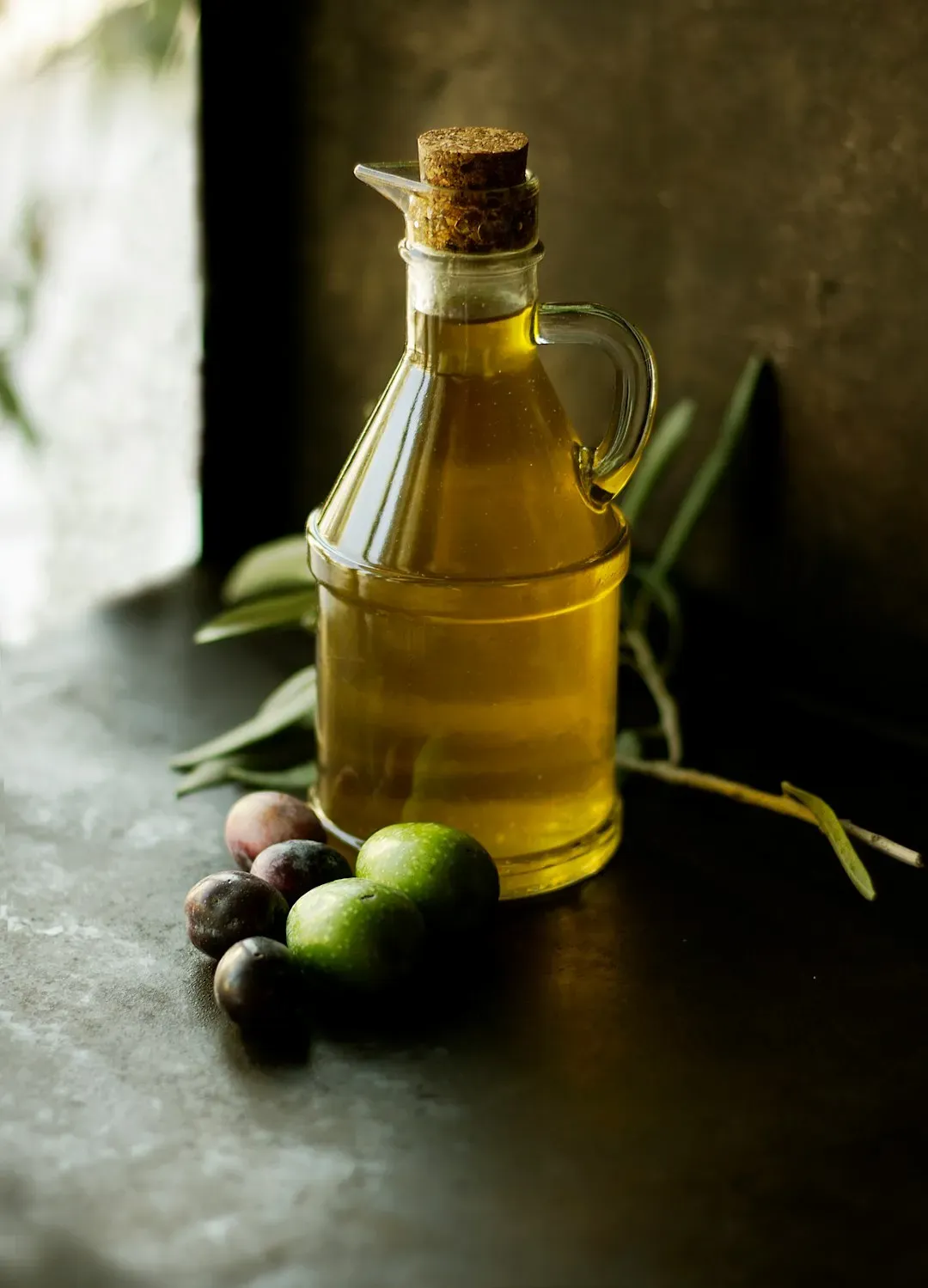
Here’s a scenario that’s probably happened to you: you drizzle what you think is perfectly good olive oil over your salad, take a bite, and notice something oddly musty or even crayon-like. That’s rancidity, and it’s more common than most people realize. High temperatures increase the rate of oxidation, which is responsible for rancidity in fats and oils. This reaction not only affects taste and smell but also compromises nutritional value.
Unopened olive oil in a dark, cool pantry usually keeps 18 to 24 months from harvest or bottling. Extra virgin olive oil has less processing and more delicate compounds, so expect about 12 to 18 months for the best flavor. Once opened, use it within one to three months for peak freshness. Most people don’t come close to that pace. Avoid storing olive oil near the stove, oven, or sunny windows, as heat and light accelerate oxidation.
4. Nuts and Seeds
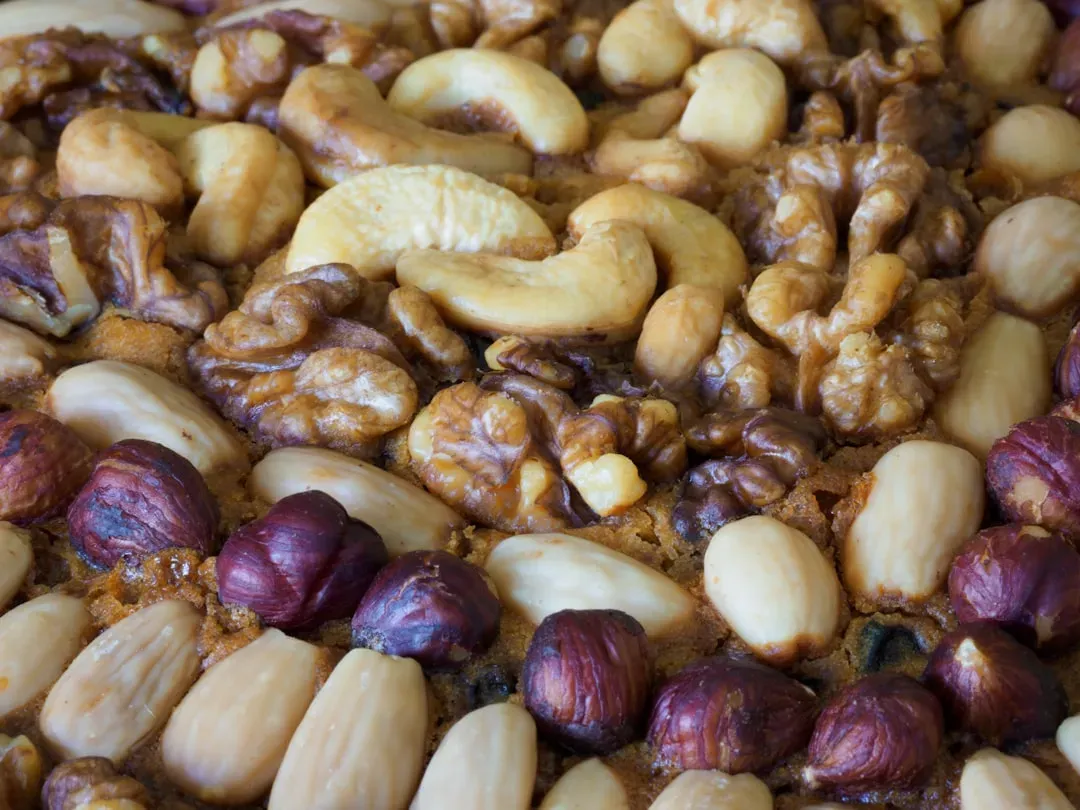
Nuts feel like forever food, don’t they? You toss a bag of walnuts into the pantry and assume they’ll be waiting patiently for months. They won’t. Straight into the fridge or freezer – that’s where nuts belong. Their healthy fats turn rancid at room temperature, giving off a sour odor and bitter flavor. Walnuts, loaded with delicate polyunsaturated fats, are especially quick to spoil without cold storage.
Nuts and seeds contain oils that oxidize quickly when exposed to heat or light, making them taste bitter. Storing nuts and seeds in a cool, dry place or refrigerating them prolongs their freshness. Think of your walnuts like a fine cheese: beautiful in the right conditions, unpleasant when left out too long. The pantry shelf in a warm kitchen is simply not the right conditions.
5. Brown Rice
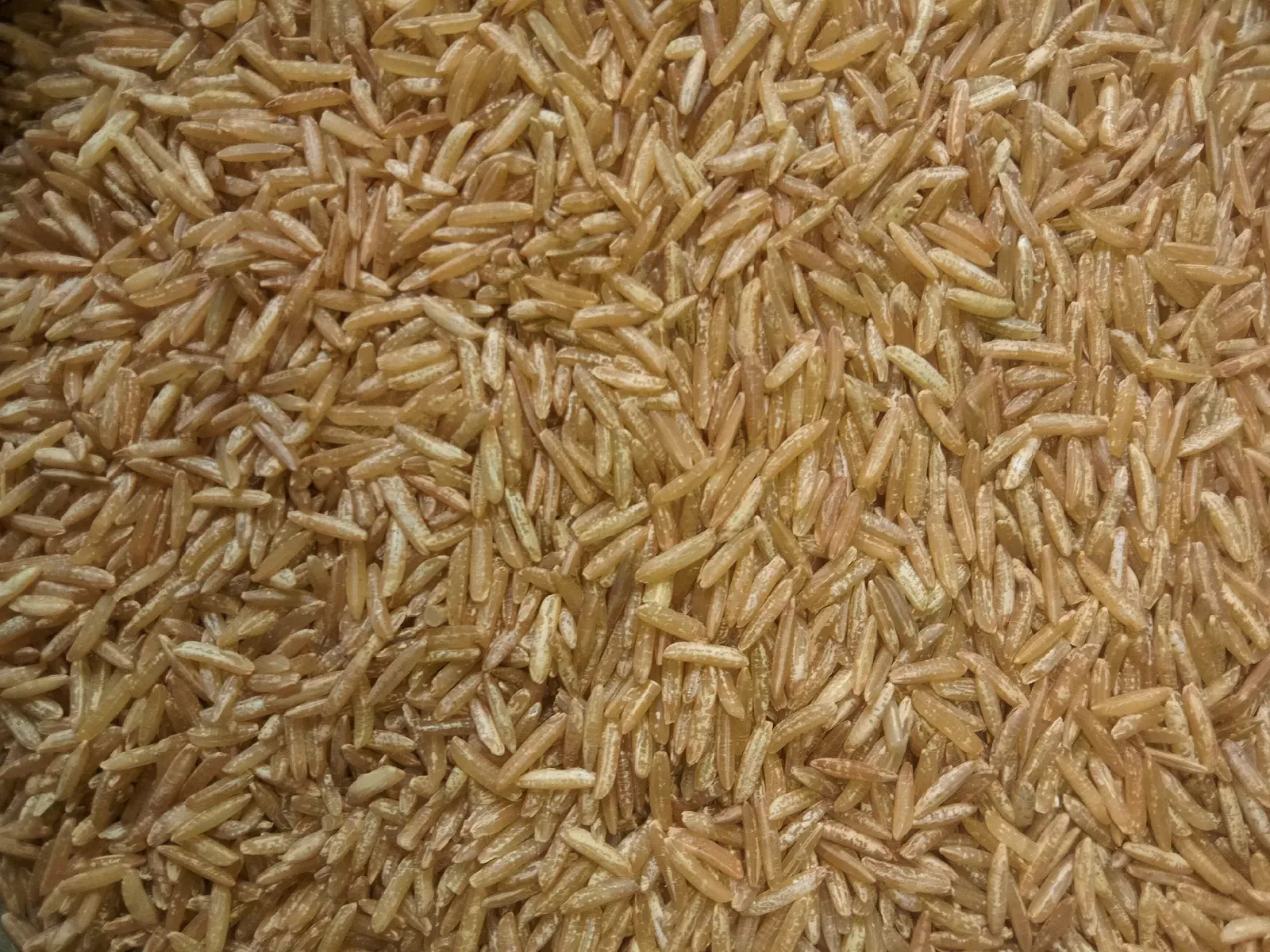
Brown rice is generally considered the healthier choice over white rice, and it is. But that nutritional advantage comes with a trade-off most people don’t know about. Brown rice owes its rich flavor to its oily bran layer – but that same oil causes rancidity over time. Even in dry pantries, it spoils sooner than you think. Store it airtight, or refrigerate for a few extra months of freshness.
Though rice can last for years, it is susceptible to moisture, heat, or pest contamination. Brown rice spoils faster than white due to its higher oil content. For a longer shelf life, store rice in airtight containers and consider freezing it. Honestly, I think most people are unknowingly eating slightly stale brown rice and wondering why their grain bowls taste a bit off. Now you know why.
6. Natural Nut Butters
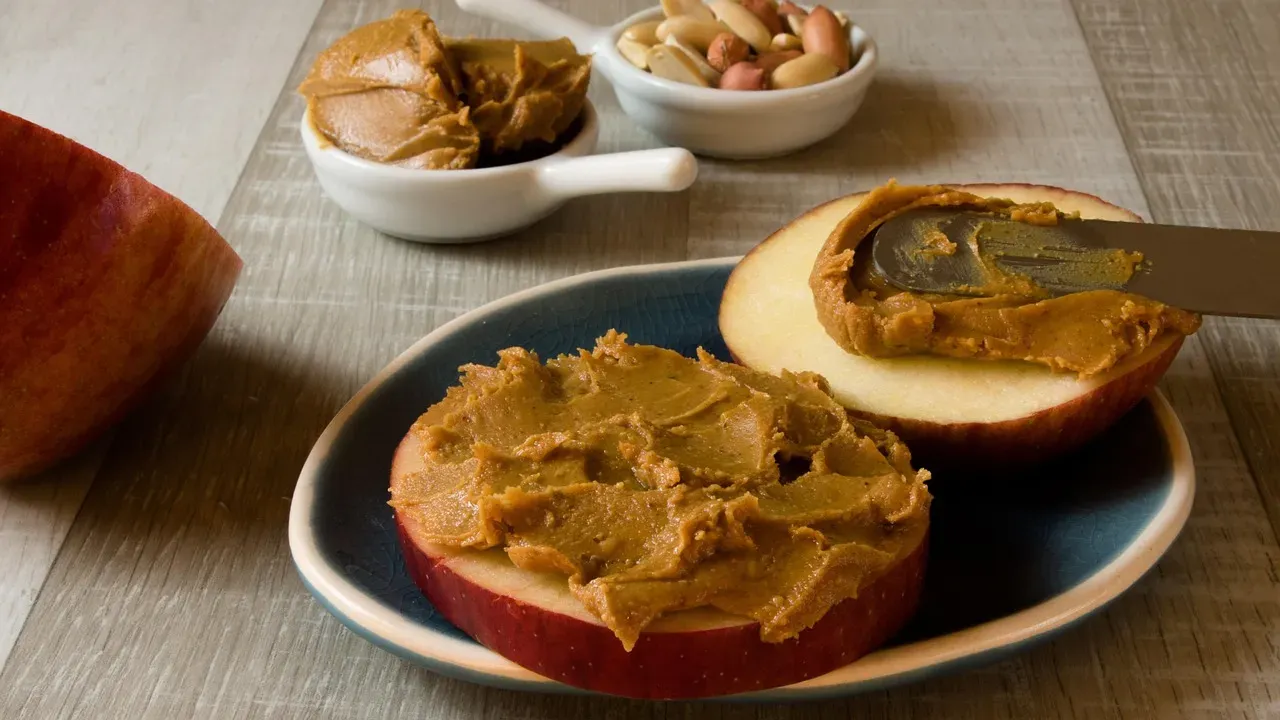
Natural peanut butter and almond butter have had a real moment in the wellness world, and rightfully so. No additives, no hydrogenated oils, just pure nuts. But that purity is exactly what makes them tricky to keep in the pantry. That layer of oil on top isn’t the problem – it’s the warning sign. Natural peanut butter’s oils oxidize fast, which turns it bitter and gritty. Stashing it in the fridge slows separation and keeps it creamy and smooth.
An open jar of peanut butter stays fresh up to three months in the pantry. After that, it’s recommended to store the peanut butter in the fridge, where it can maintain its quality for another three to four months. That’s a meaningful difference. If you’re buying the natural kind for the health benefits, letting it go rancid defeats the whole point.
7. Baking Powder and Baking Soda
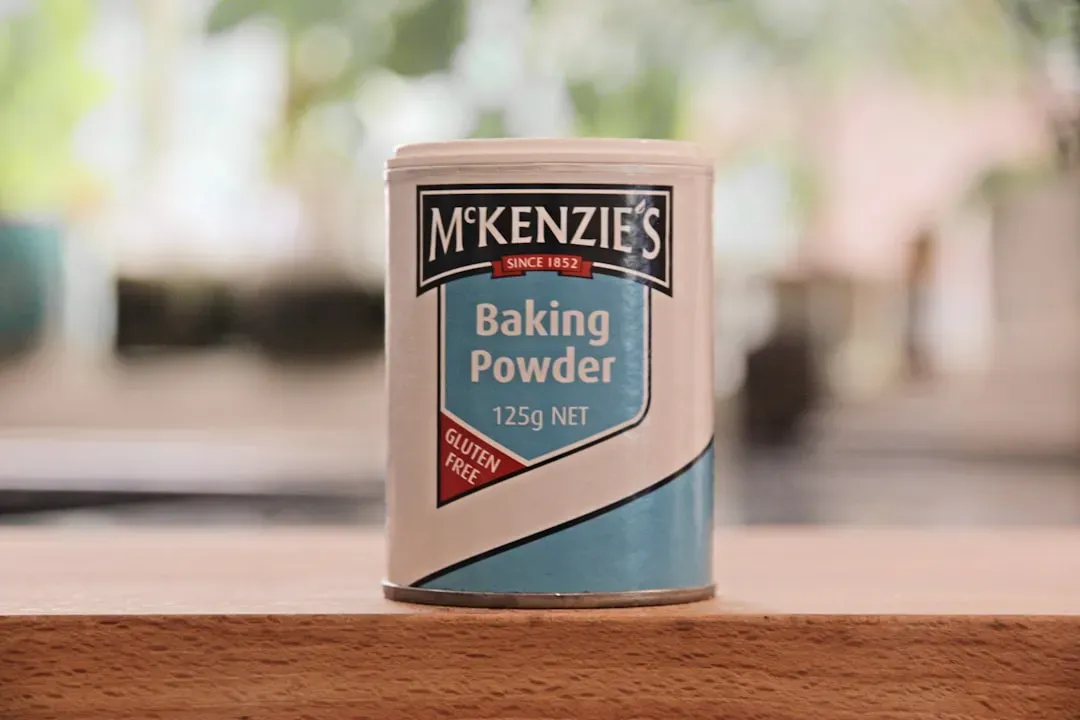
These two don’t spoil in the traditional sense. No mold, no off smell. But they do something arguably worse for bakers: they quietly stop working. Baking powder and baking soda won’t exactly spoil, but they do lose their kick. Baking powder is usually good for six to twelve months after opening, while baking soda lasts for about two years.
Baking soda and baking powder can lose effectiveness over time. Test baking soda with vinegar and baking powder with hot water – if they fizz, they’re still good. Otherwise, replace them to ensure your baked goods rise properly. Think of it this way: a dead baking powder is like yeast that never wakes up. Your cake will look the same going in, and come out devastatingly flat. Test them before you bake.
8. Dried Herbs
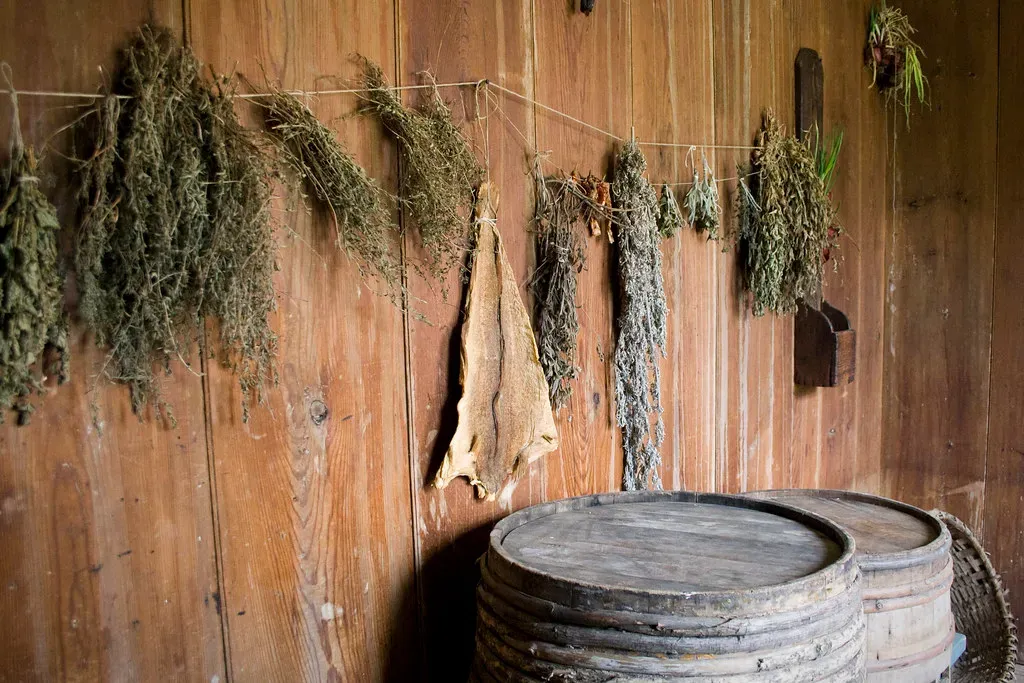
Dried herbs feel eternal in a way that ground spices somehow do not. Maybe it’s because we think of them as already “preserved.” But they have a real clock ticking. Ground spices last three to four years, whole spices four to five years, and dried herbs just one to three years when stored properly. That jar of dried basil you’ve had since 2022 is likely a flavor ghost of its former self.
Even the best spices lose their spark eventually. Moisture makes them clump, and time steals their aroma. Whole spices fare far better since their oils stay protected. Grind them fresh when you can, and your kitchen will smell incredible again. I think the biggest waste people don’t notice is adding a tablespoon of dried oregano to a sauce that tastes of absolutely nothing. Your food deserves herbs that actually show up.
9. Cereals and Whole-Grain Crackers
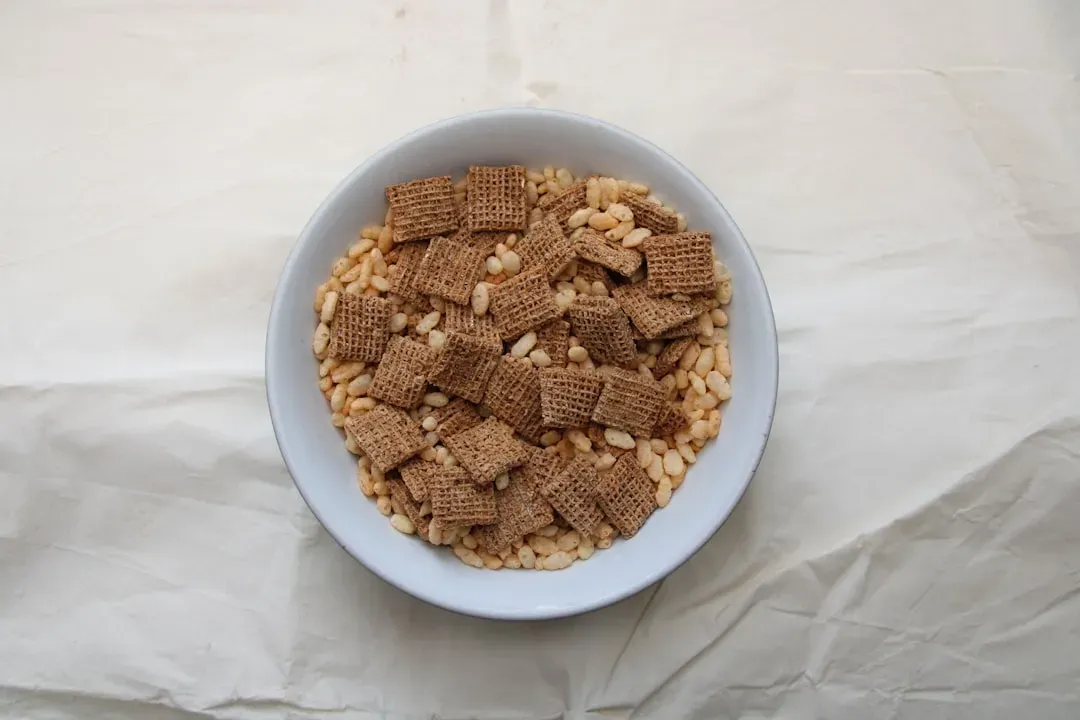
Opening a box of cereal and pouring out something that tastes like cardboard is a uniquely deflating experience. A crunchy cereal’s biggest threat is air and humidity. Once they sneak in, texture fades and odd flavors develop, especially in varieties with nuts or seeds. A tight seal keeps everything crisp and satisfying, right down to the last bowl.
According to shelf-life data, ready-to-eat cereals stay optimal for around six to twelve months when unopened. Once you open the box, that window shrinks considerably, especially in humid kitchens. Clip the inner bag tightly, or better yet, transfer your cereals and crackers into airtight containers the moment you open them. It really does make a difference.
10. Maple Syrup
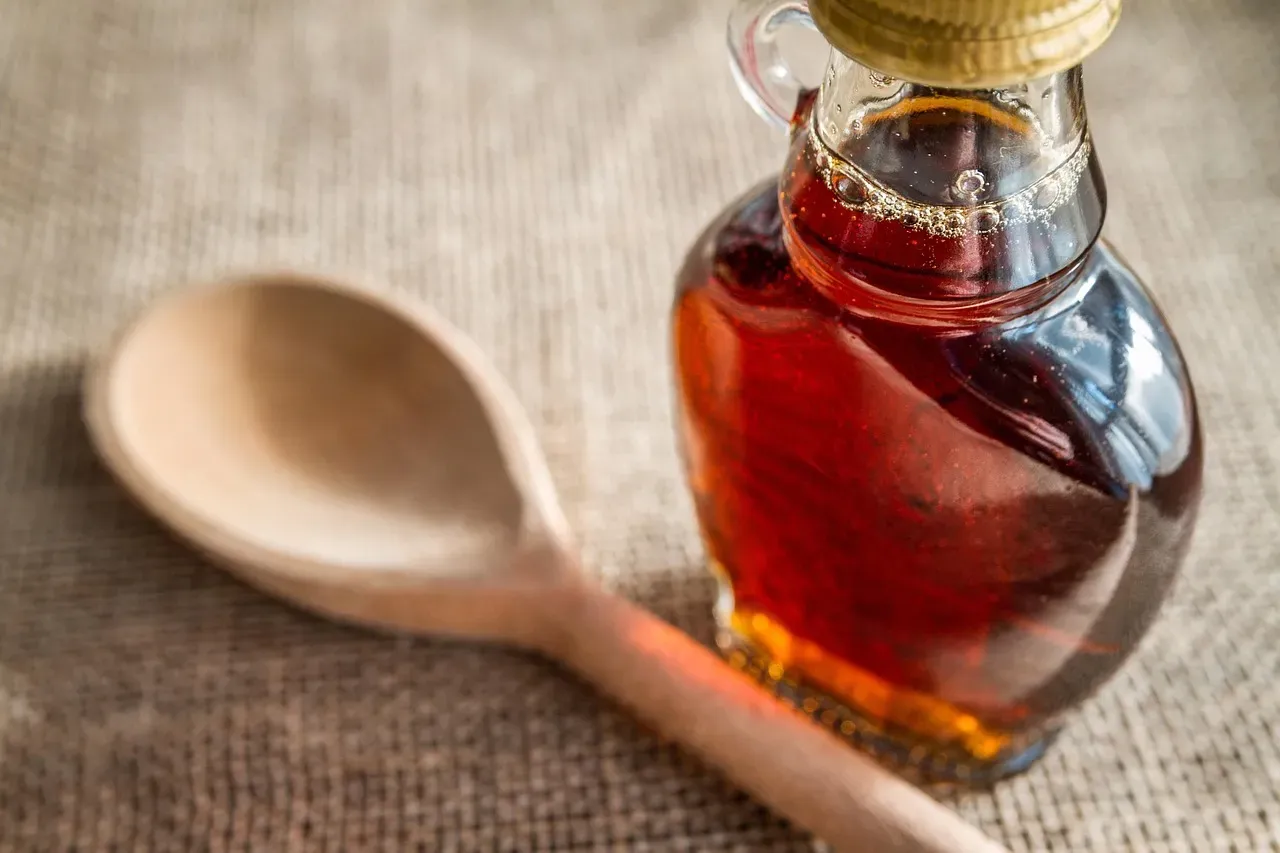
Pure maple syrup is one of those pantry items people almost universally assume is shelf-stable forever, sitting happily in the cabinet for years. Here’s the thing: that assumption is only true for unopened bottles. If you love syrup, why would you eat anything other than the 100 percent pure maple stuff? However, unlike maple-flavored syrups, the pure kind must be kept in the refrigerator to prevent mold. Store it in the freezer and it will keep indefinitely.
Honey has an indefinite shelf life when stored properly. However, moisture can cause it to ferment, which alters its texture and flavor. Keep honey in a tightly sealed container away from humidity. Pure maple syrup faces a similar vulnerability. Unlike honey, maple syrup has lower sugar density and higher moisture content, which makes it vulnerable to mold growth when left in a warm pantry after opening. Refrigerate it.
11. Bread Crumbs
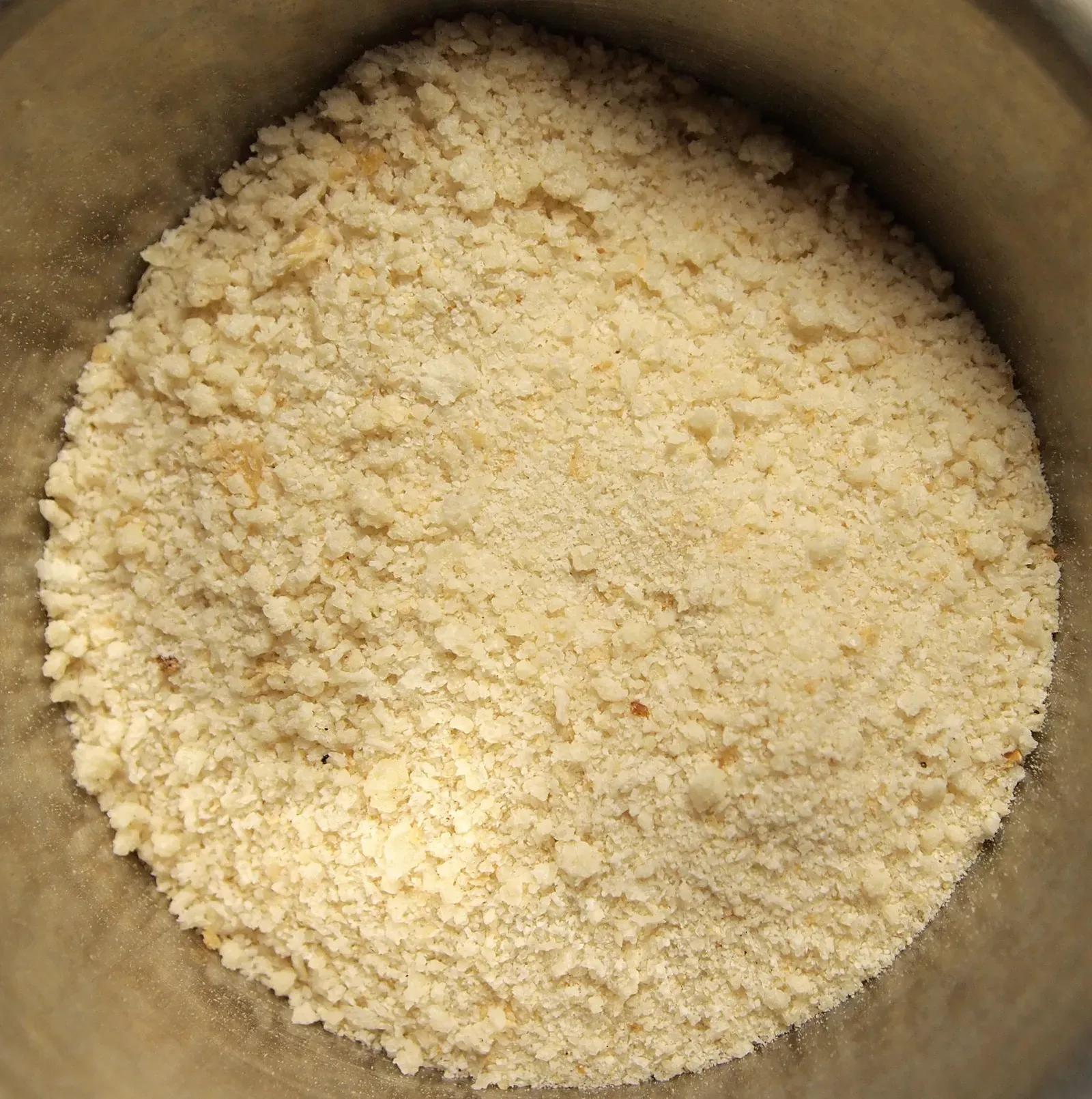
Bread crumbs sit in the pantry looking perfectly innocuous. They’re dry, they’re sealed (somewhat), and they seem like they’d last forever. They don’t. Homemade or store-bought, bread crumbs don’t handle moisture well. They soak it up fast, inviting mold and musty smells. Freeze them instead – it preserves crunch and extends usability for months without changing their texture or toasty flavor.
The issue is compounded in kitchens where humidity fluctuates with cooking. Every time steam hits that open box, moisture creeps in. Storage conditions such as temperature, humidity, and light exposure play crucial roles in determining how long food stays fresh. Bread crumbs in a warm, occasionally steamy kitchen are particularly vulnerable. Treat them like leftover bread and store them in the freezer for dramatically better results.
12. Canned Goods (Past Their Prime)
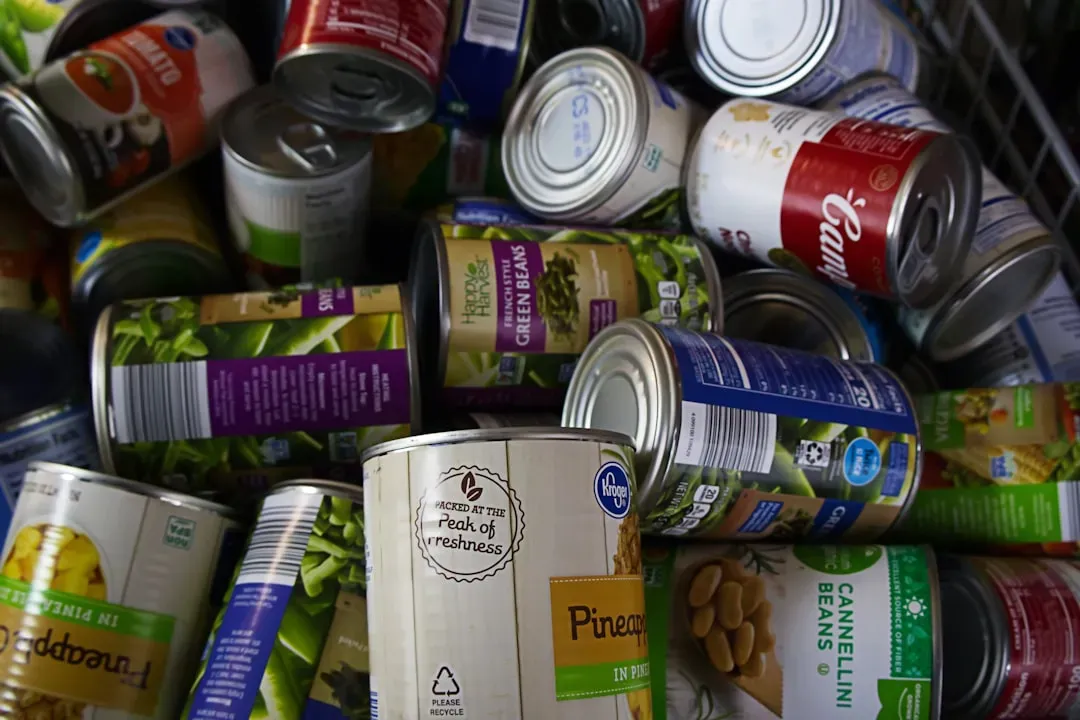
It feels almost wrong to include canned goods on a freshness watchlist. Cans are designed for long-term storage, after all. The reality, though, is more nuanced than the label lets on. While canned foods are designed to last, their contents can deteriorate over time. Keep cans in a cool, dark place, and check them regularly for signs of bulging or rust.
According to shelf-life data, canned vegetables and canned fruit stay optimal for about one year when unopened. Beyond that window, expiration dates often signal peak freshness rather than the onset of spoilage. Originally intended to guide stores rather than consumers, they’ve morphed into misunderstood deadlines that lead to unnecessary waste. Still, the flavor and texture of canned goods does genuinely decline with age. Your five-year-old can of chickpeas may be safe, but it will not taste like much.
13. Dried Beans (Older Than Two Years)
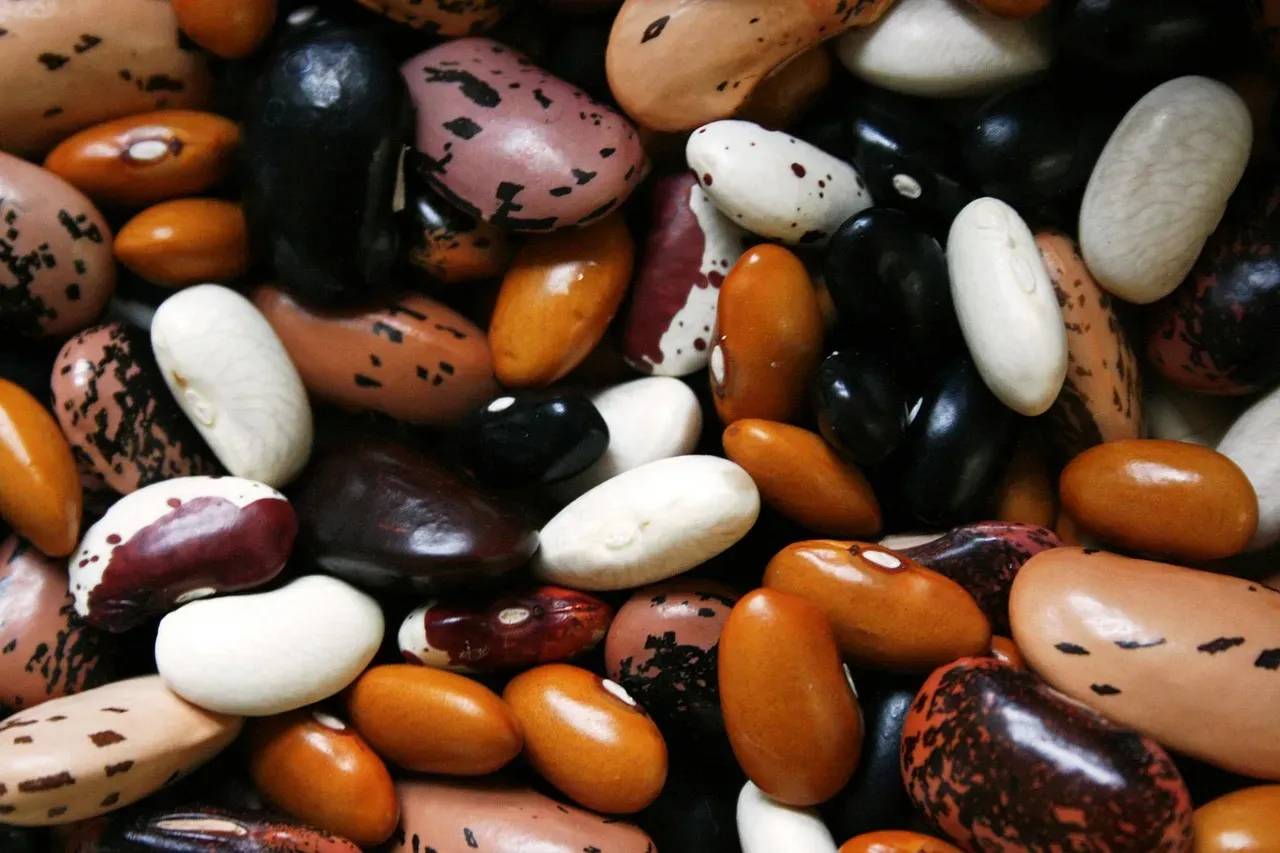
Dried beans have a reputation as nearly indestructible pantry heroes, and they almost are. Almost. Dried beans can become tough and take longer to cook if they’ve been stored too long. Beans that remain hard after cooking for hours should be discarded. Store dried beans in airtight containers in a cool, dry area.
Beans stored in a pantry in airtight containers such as mason jars will stay fresh for up to three years. In the freezer, they can last indefinitely. However, beans will lose their moisture after two years, so you need to cook them for longer. Adding a small amount of baking soda to beans while cooking can help make them softer. It’s not that old beans are dangerous. It’s that they become frustratingly hard, flavor-poor, and difficult to cook properly. Label your beans with the date you bought them. Your future self will thank you.
Freshness is not just about food safety – it is about flavor, nutrition, and the quiet satisfaction of food that actually tastes the way it should. The pantry items on this list are not inherently bad. They just have conditions, timelines, and storage needs that most of us quietly ignore. The real question is not whether your pantry has any of these items. It is: how many of them have been sitting there longer than they should? What would you have guessed before reading this?