
Kitchens have always been places of heat, pressure, and ritual. From the moment humans started cooking over fire, we started inventing rules, warnings, and whispered wisdom about what happens when you break them. Some of those rules made perfect sense. Others? Pure folklore dressed up in an apron. What’s truly fascinating is how many of these beliefs are still alive and kicking in 2026, passed from grandmother to chef, from culinary school to home kitchen, as if they were carved in stone. Let’s dive in – you might be surprised by how many you still believe.
1. Searing Meat “Locks In” the Juices
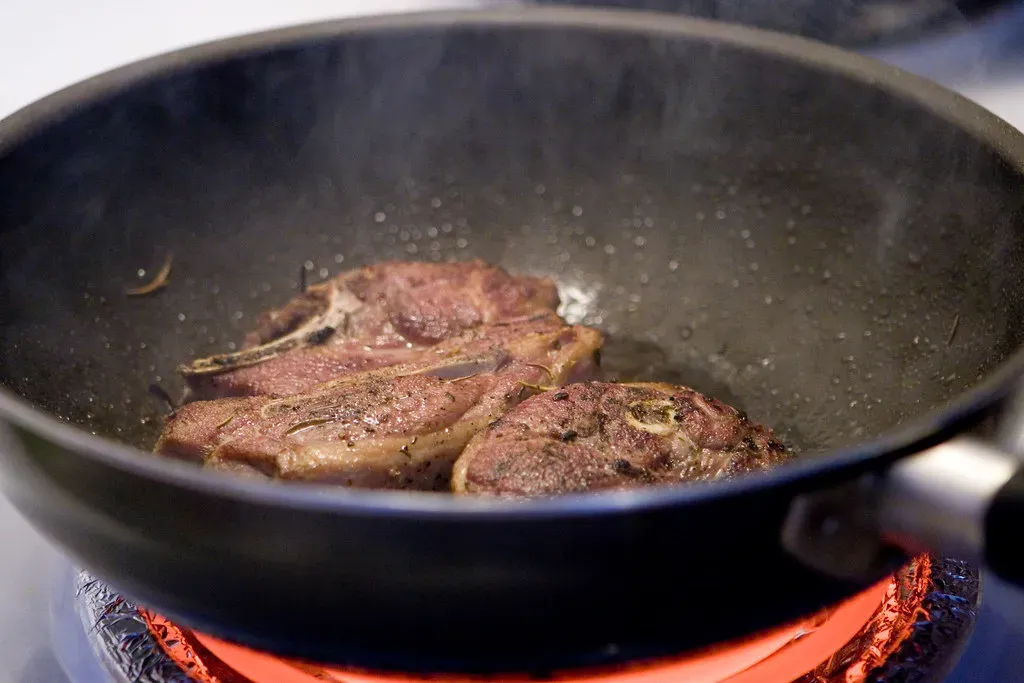
This one has to be the grandfather of all kitchen myths. The belief that scorching meat at high heat creates a magical seal, trapping all the delicious juices inside, has been repeated in cookbooks, cooking shows, and culinary schools for literally centuries. The root of this myth goes all the way back to 1847, when German chemist Justus von Liebig suggested that the hard crust searing achieves prevents the juices from seeping out.
Meat is about 70% water, and much of that is locked in thousands of long thin muscle fibers. Heating meat always squeezes out juices, and nothing can stop the process. Think of it like wringing a wet towel – the heat tightens those fibers, and the liquid has no choice but to escape. Although searing turns the surface brown, makes it harder, and makes it better tasting, it does not somehow weld the fibers shut and lock in the juices.
So why do chefs still sear? Flavor, not moisture. The high temperatures involved in searing initiate the Maillard reaction, which is essentially a chemical interaction between sugars and amino acids that causes browning and caramelization on the meat’s surface. Sear for the crust, not the myth.
2. You Should Always Wash Raw Chicken Before Cooking It
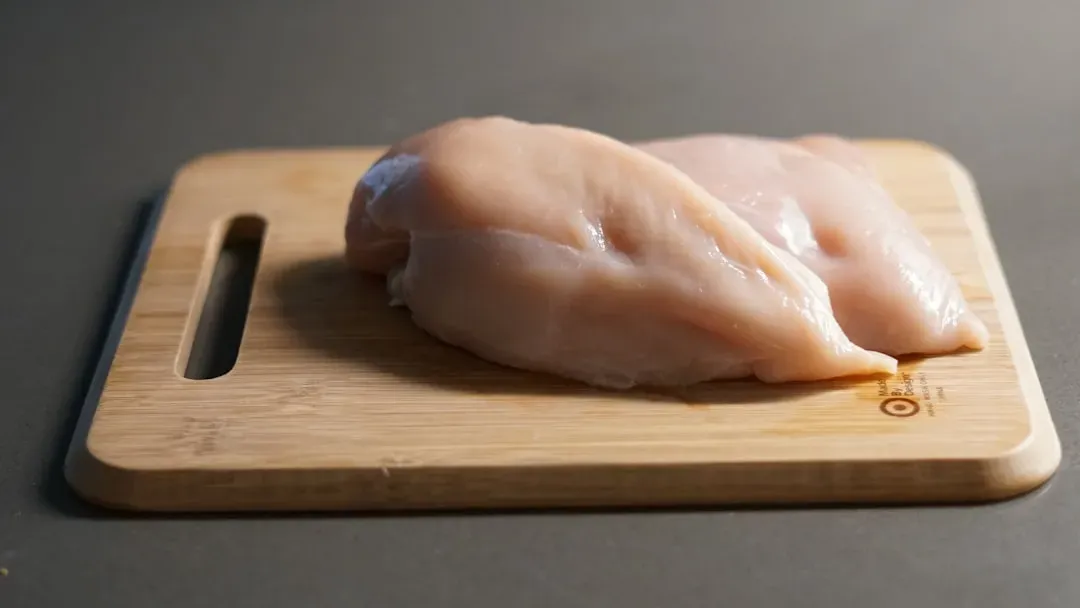
Honestly, this one might be the most dangerous superstition on this list. Millions of home cooks still run their raw chicken under the tap, believing it washes away bacteria. Their grandmothers did it, their parents did it, and so they do it too. The problem is that the science says the exact opposite is true. Food safety experts warn against washing chicken due to the risk of cross-contamination. When you rinse raw chicken under running water, tiny droplets can splash onto nearby surfaces – countertops, utensils, even other foods – spreading harmful bacteria like Salmonella and Campylobacter far beyond the sink.
The bacteria often splashes far outside the sink without you even realizing it. More than a million bacteria can fit into a single drop of heavily contaminated water, so even if you sanitize your sink after washing the chicken, the bacteria may have already spread throughout your kitchen but be invisible to you. That is a deeply unsettling image. It is estimated that about 1 million people in the United States get sick every year from eating contaminated poultry, according to the CDC.
The CDC, the FDA, the NHS, and the USDA all currently recommend against washing raw chicken prior to cooking due to the risk of microbial transfer through splashed water droplets. The safest move is to cook it properly. Cooking chicken to the proper internal temperature of 165 degrees Fahrenheit kills germs or bacteria on chicken.
3. Adding Oil to Pasta Water Stops the Noodles from Sticking
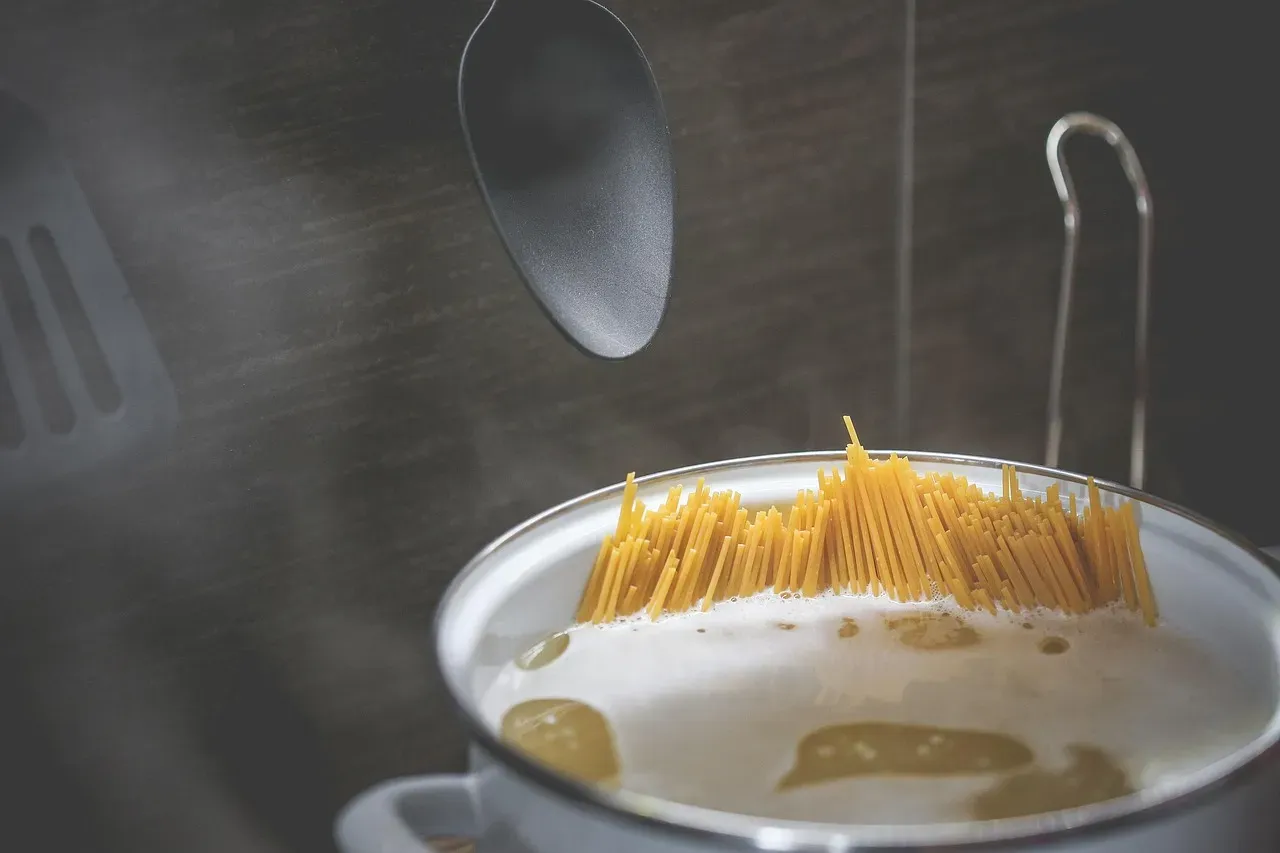
Here is a kitchen habit so deeply embedded in cooking culture that it feels almost rebellious to question it. You’ve probably watched someone pour a generous glug of olive oil into a roiling pot of boiling water, convinced it would keep those spaghetti strands from clumping together. Let’s be real – it doesn’t work the way people think. Oil floats on the top and has very little contact with the pasta. It keeps the pasta from sticking to the sides of the pot at the surface, but not the noodles themselves.
Worse still, the oil actually creates a fresh problem. When you drain the pasta and toss it with sauce, the oily coating on the noodles prevents the sauce from clinging properly. You end up with bland, slippery pasta and a puddle of sauce at the bottom of the bowl. The real solution is to stir the pasta frequently in the first couple of minutes of cooking, and to use enough water. Food myths are nutritional concepts poorly justified or that even contradict existing scientific evidence, yet individuals take them as the truth. This one fits that description perfectly.
Interestingly, the habit of keeping the fire on high when cooking pasta started from restaurant chefs. When you have a hundred pasta dishes going out in two hours, you cannot afford to let the water lose heat, so you keep it boiling all the time. Chefs brought this custom to television and home cooks adopted it as if it were a commandment. Many kitchen myths are really just professional shortcuts that got lost in translation.
4. Eating After Midnight Makes You Fat

This one has been whispered in kitchens and dieting circles for decades, fueled by the idea that calories consumed at night somehow behave differently to those eaten during the day. The image of a person sneaking to the fridge at midnight, supposedly doing irreversible damage, is practically a cultural trope. While late-night snacking can lead to weight gain or prevent weight loss, it’s not because of the time on the clock. Instead, it’s about why you’re eating. It’s common to reach for food for reasons other than physical hunger in the evening, whether it be a habit, boredom or craving.
The body does not suddenly switch into fat-storage mode after a certain hour. Studies show that splitting the same number of calories into six meals rather than three does not help with daily energy expenditure, weight loss or fat loss. Total caloric intake matters far more than timing, and the science is pretty clear on this. The midnight snack superstition is less about biology and more about the fact that people tend to eat mindlessly in front of the television late at night – which is a behaviour problem, not a clock problem.
5. All Fat Is Bad for You
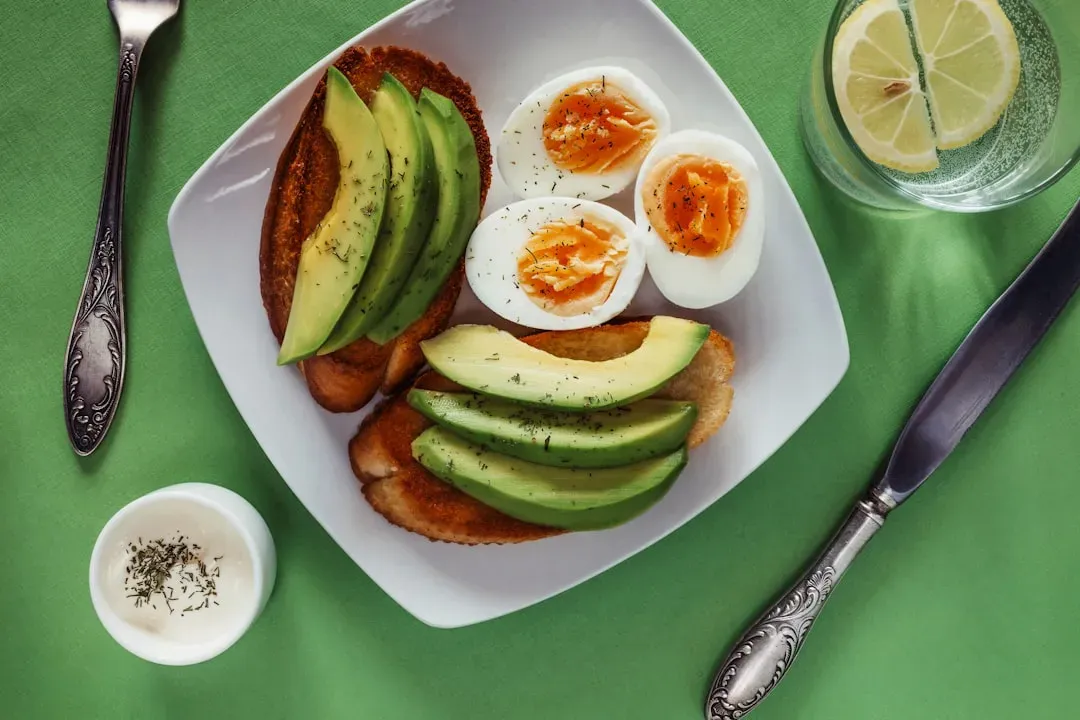
Fat became the villain of the kitchen in the 1980s and 1990s, and that reputation has been stubbornly difficult to shake. Supermarket shelves were flooded with low-fat and no-fat products, all marketed as the path to good health. Fat got a bad rap in the ’90s, when low-fat diets were all the rage, and many Americans are still confused about the role of fat in a healthy diet. That confusion is entirely understandable given how loudly the message was broadcast for so long.
The reality is far more nuanced, and considerably more interesting. We now know that all fats aren’t created equal. Animal fats, which are more saturated, are linked to cardiovascular disease. The healthier monounsaturated and polyunsaturated fats found in fish, avocados, olives, olive oil, eggs, nuts and seeds can actually lower your risk of cardiovascular disease and death. In other words, fat was never the enemy – the wrong kind of fat was. Fat, for years considered the evil of nutrition, is now shown to protect against heart disease and diabetes, not the reverse.
6. Marinating Meat Tenderizes It All the Way Through
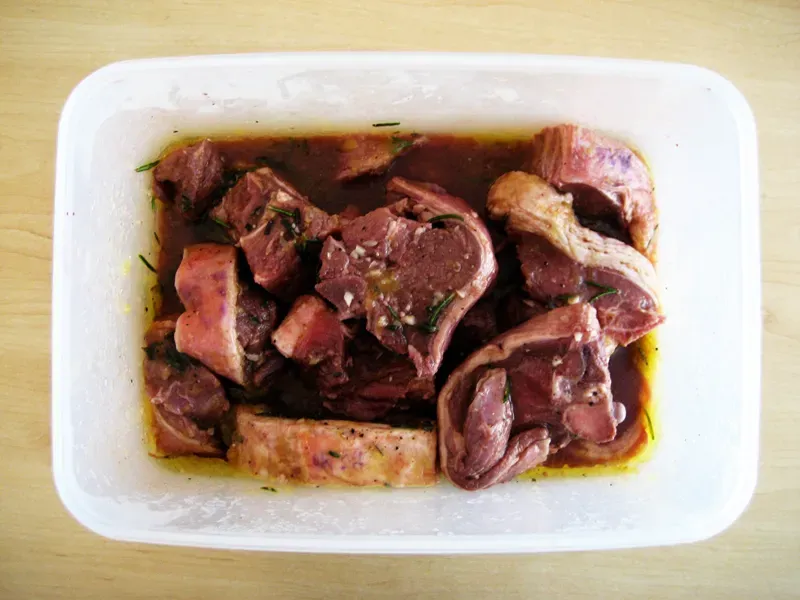
The romantic vision of a cook placing a thick piece of beef in a fragrant marinade overnight, confident that every fiber of the meat will be transformed into something silky and tender – it is a powerful image. It is also, unfortunately, largely incorrect. In reality, most of the time when we use a marinade we’re just imparting flavor, and not tenderizing the meat all the way through like we think we are.
All marinating does is put a tiny bit of flavor on the outside of whatever it is you’re marinating. If you use acid or papaya juice, theoretically it will tenderize the meat, but only to the same depth as those marinades penetrated. All it does is make the outside mushy. So the marinade is really a surface treatment, not a deep conditioning treatment. Think of it like applying a face mask to your skin – it does not reach the bone. Marinating is absolutely worth doing for flavor. Just don’t expect it to work miracles on a tough cut of meat.
7. Fresh Produce Is Always More Nutritious Than Frozen
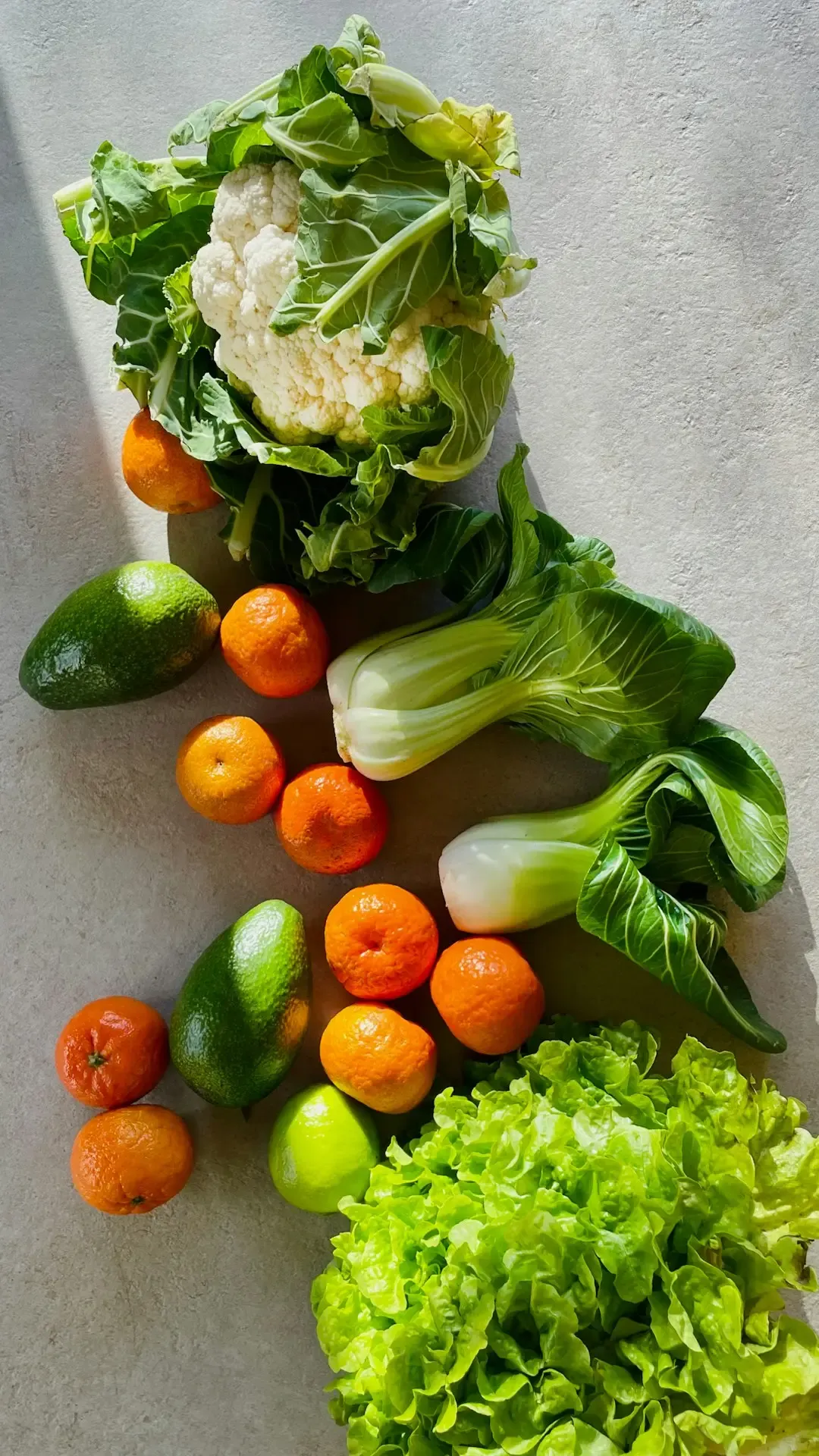
There’s something emotionally satisfying about buying fresh vegetables at a market, something that feels virtuous and wholesome. The idea that anything frozen must be nutritionally inferior feels intuitively right, even if the science tells a very different story. Frozen produce tends to be picked at the peak of ripeness, and studies show that frozen foods have as many vitamins and antioxidants as fresh ones, and in some cases even more. The longer you store fresh produce, the more of its nutritional value it loses.
Research suggests that frozen, canned, and dried fruits and vegetables can provide just as much nutrition as fresh produce. I find this genuinely surprising every time I am reminded of it. That bag of frozen spinach sitting in the back of your freezer might be more nutritious than the “fresh” spinach that spent five days in transit and two days on a shelf. There are many reasons for our deep misunderstanding about the science of food – not least that nutrition is an incredibly complex and relatively new science. It only became a serious area of research in most countries in the 1970s.
8. Organic Food Is Automatically Healthier
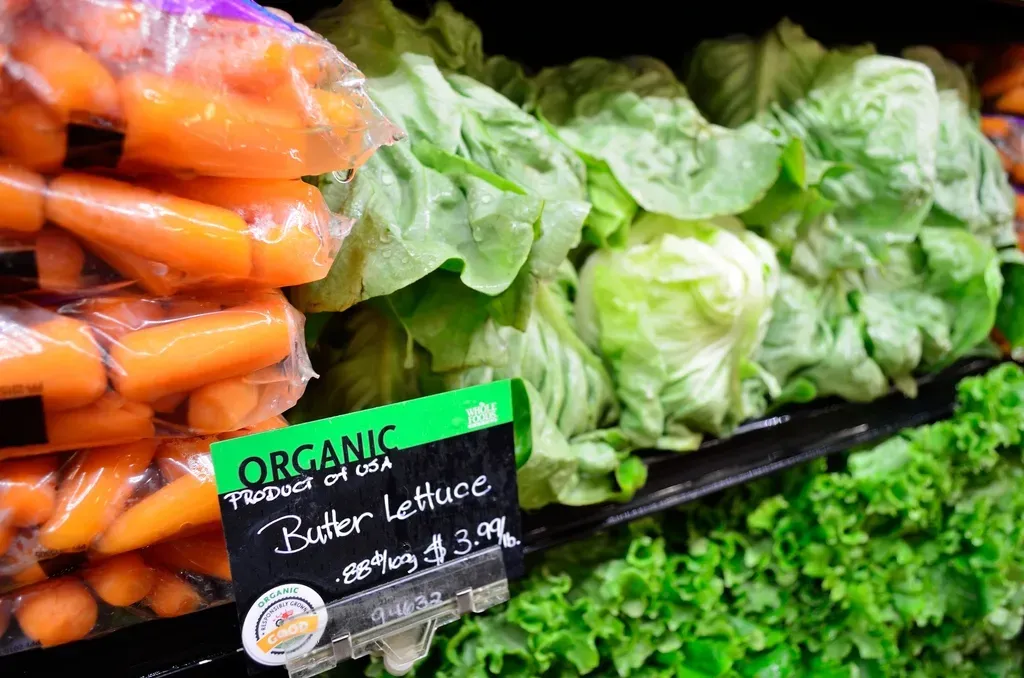
Walk into any supermarket in 2026 and the organic section practically glows with a kind of moral authority. Organic labels have become shorthand for “better,” and people pay considerably more for that reassurance. The superstition that organic automatically equals more nutritious is one of the most profitable myths in the entire food industry. While organic food is often perceived as healthier, this is not always the case. The nutrition facts of organic versus non-organic food are quite similar. The primary difference lies in the farming practices, where organic farming avoids synthetic pesticides and fertilizers.
Consuming a variety of foods, whether organic or conventional, is key to a healthy diet. The focus should be on the overall nutritional value of the food rather than its organic status. That is a liberating thought for anyone watching their grocery budget. Organic farming has genuine environmental and ethical benefits that are worth considering – but it is not a guaranteed nutritional upgrade in every case. We can now prove that there is no one-size-fits-all perfect diet. The organic halo is real, but it is not always scientifically justified.
9. Eating Eggs Gives You High Cholesterol and Is Bad for Your Heart
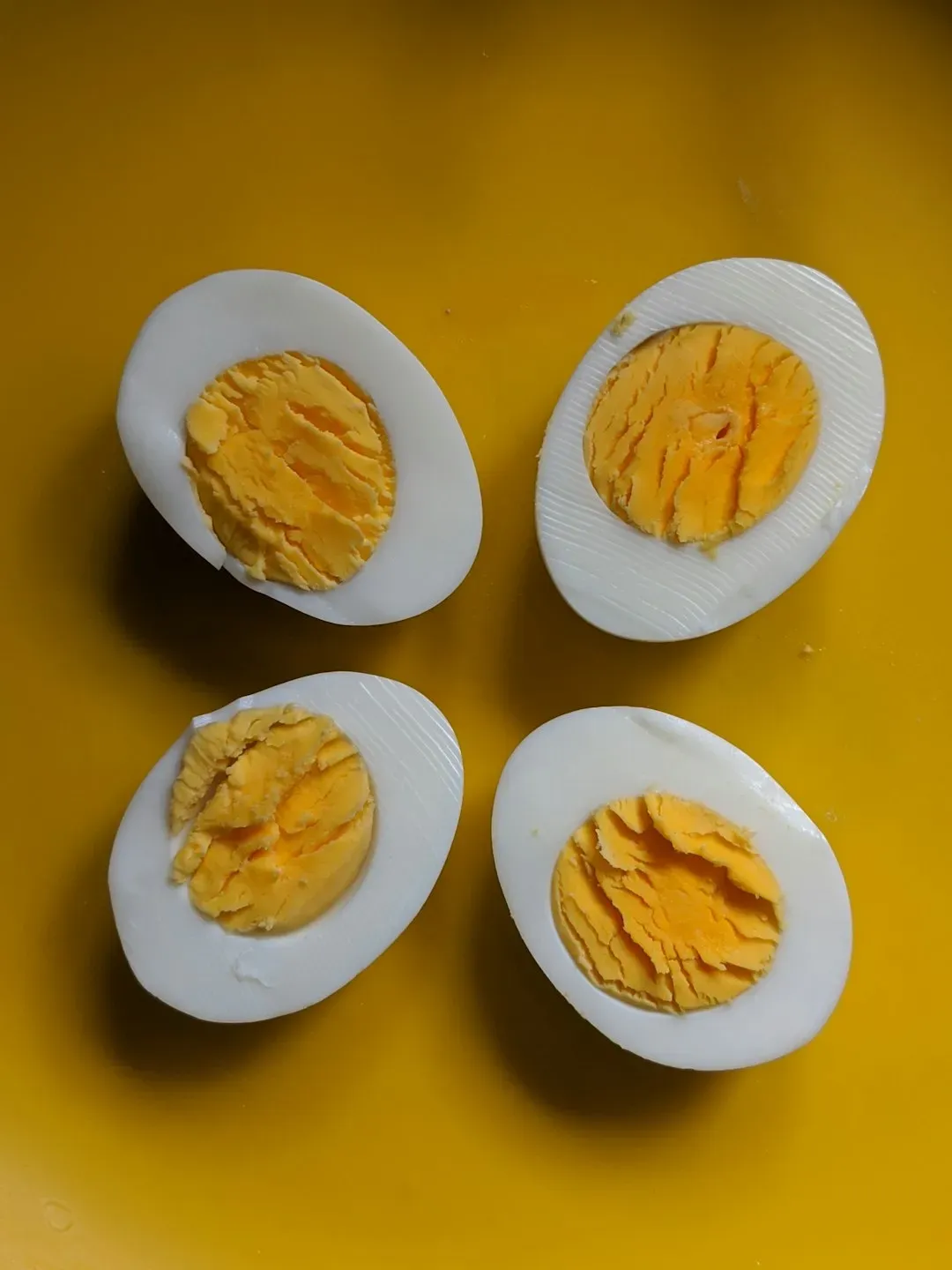
For decades, the humble egg was practically a villain. Doctors warned patients away from them, breakfast menus felt like a minefield, and egg-white omelettes became a symbol of heart-conscious living. The fear was that dietary cholesterol, especially from egg yolks, directly translated to dangerous blood cholesterol levels. Egg yolks may be high in cholesterol, but not all cholesterol is bad for you. According to the latest research, the dietary cholesterol found in eggs does not increase the risk of heart disease or negatively impact blood cholesterol levels.
Eggs – particularly the yolks – have gotten a bad reputation over the years for being high in cholesterol. Research has shown that the cholesterol from eggs does not have a significant effect on blood cholesterol. Conventional wisdom today holds that moderate consumption of eggs is just fine. The debate is not entirely closed, and moderation remains a sensible approach. Still, the sweeping condemnation of eggs as cardiac time bombs no longer holds up to scientific scrutiny. They are, in fact, a remarkable source of protein, vitamins, and nutrients.
10. Seed Oils Are Toxic and Cause Inflammation
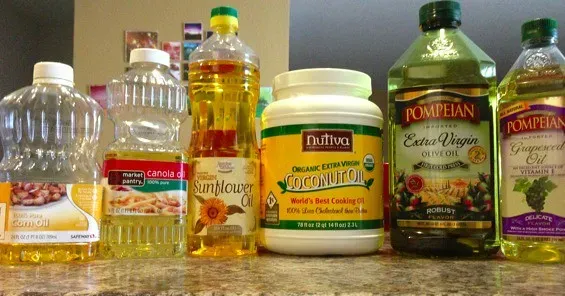
Few kitchen superstitions have gone as viral in recent years as the belief that seed oils, canola, sunflower, soybean oil, and others, are essentially poison. Social media influencers with no nutrition credentials have driven this fear to extraordinary heights, leading many people to throw out perfectly good cooking oils. While a large misconception is that seed oils are toxic and inflammatory, current research shows that they do not increase levels of inflammation. The main issue is overconsumption of omega-6 fatty acids compared to omega-3s.
Many processed, packaged foods contain seed oils, which contributes to the perception that they are unhealthy. However, these foods are also typically high in saturated fats, added sugars, and sodium. The key to seed oils, as with many other foods, is moderation. The real culprit here is ultra-processed junk food, not the oil itself. Canola oil is very low in saturated fat and is high in healthy monounsaturated fats, omega-3s and phytosterols, which are known to reduce the absorption of cholesterol in the body. That is a considerably more nuanced story than the “seed oils are poison” narrative suggests.
11. Oysters Are Only Safe to Eat During Months With an “R”

This is one of those kitchen superstitions that actually had a grain of truth behind it once upon a time, which makes it particularly sticky. The rule, eat oysters only in months containing the letter “R” – September through April – dates back centuries, and it was not entirely without logic. Typically, the colder months with the letter “R” were the months when wild oysters were the best. During the summer months they are spawning and turn a bit milky and are not at their best.
Now, with most oysters coming from cold water oyster farms in the North Atlantic and North Pacific, they are good nearly any time of the year. Modern aquaculture has essentially made the old rule obsolete. The superstition made sense when people were eating wild-harvested oysters from warm coastal waters in summer. Today’s farmed oysters live in carefully managed, cold environments year-round, which changes the equation entirely. It is a great example of how a genuinely useful piece of folk wisdom became an outdated kitchen superstition as the food system changed.
12. Eating Small, Frequent Meals Boosts Your Metabolism
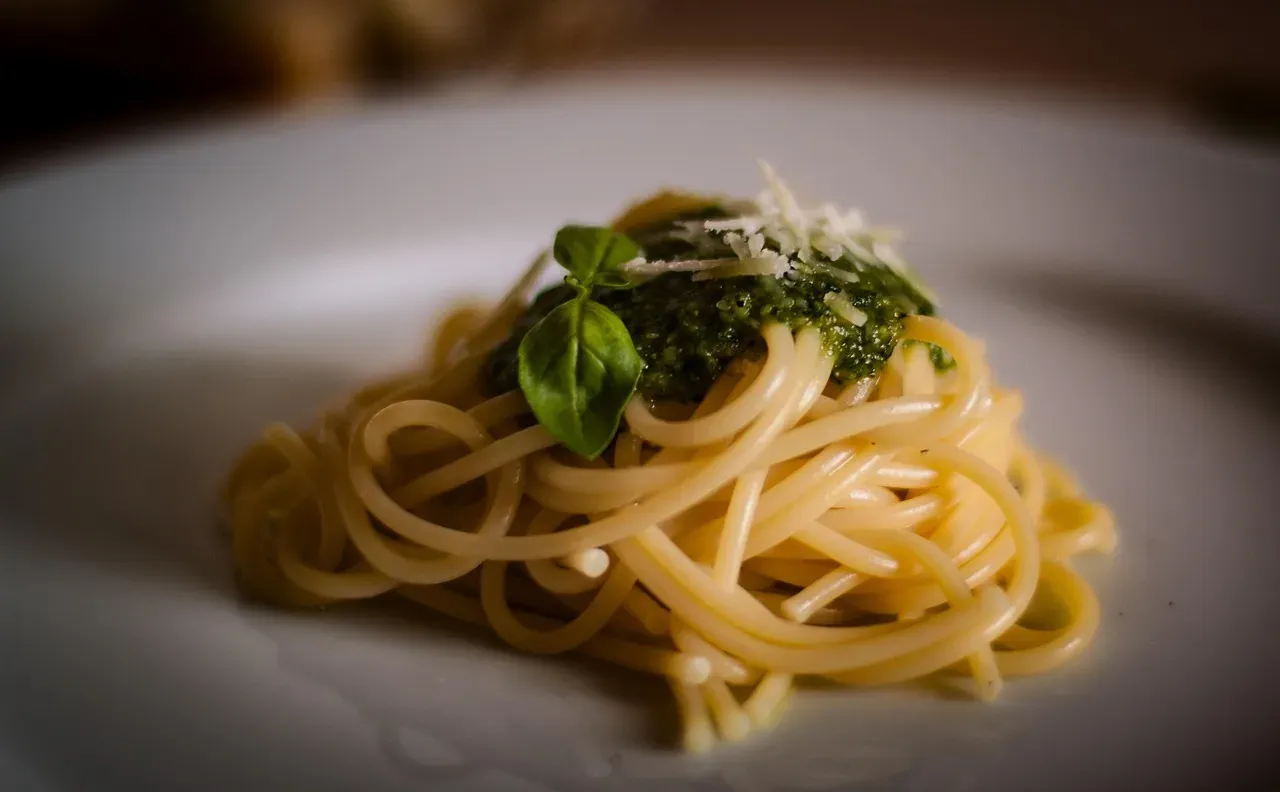
Walk into any gym or nutrition forum and you will still find people fiercely defending the habit of eating five or six small meals a day to “keep the metabolism fired up.” It has been repeated so often by fitness coaches, dieticians, and magazine articles that it feels like established fact. The idea behind this myth is that eating small, frequent meals could boost your metabolism so you burn more calories. It sounds logical enough, like keeping a car engine warm so it runs more efficiently.
Studies show that splitting the same number of calories into six meals rather than three does not help with daily energy expenditure, weight loss or fat loss. University of Colorado researchers found that those who ate smaller, more frequent meals ended up feeling hungrier than their counterparts who ate less often. Honestly, that finding surprises most people. Despite the levels of nutritional knowledge available today, there are still several food myths that need to be debunked through the proper channels, in order to promote healthy, balanced, and adequate eating behaviors.
13. Plant-Based Diets Always Lack Complete Protein
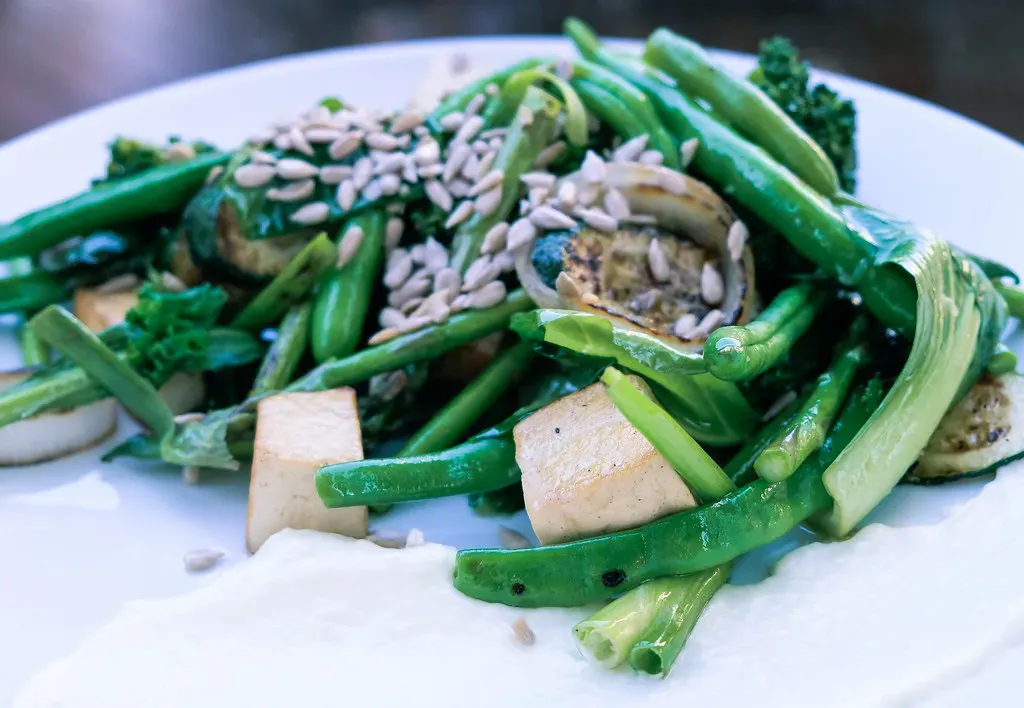
Few food myths have generated more anxiety among vegetarians and vegans than the belief that plant foods are missing certain essential amino acids, making it impossible to get complete protein without eating meat. It is one of the most persistent kitchen superstitions of the modern era, and it has real consequences for how people view and approach plant-based eating. You can get 100 percent of the amino acids your body needs when following a plant-based eating plan. The fact is plant food contains all 20 amino acids, including all nine essential amino acids.
The myth is that plants are completely missing some amino acids. However, all plant-based foods contain all 20 amino acids, including the nine essential amino acids. It is a case where a half-truth calcified into a full myth over time. Some plant proteins do contain lower concentrations of certain amino acids, but eating a varied plant-based diet easily covers all needs. Diversity in diet is the key to maintaining a healthy microbe population and good health. The real science is far more encouraging for plant-based eaters than the old superstition would have you believe.
A Final Thought on Kitchen Mythology

What all 13 of these superstitions and myths share is something deeply human. They come from a place of wanting control over the unpredictable, mysterious world of cooking and nourishment. We are all influenced by deeply ingrained or inherited myths about food, and these can be hard to shake. That is not a character flaw – it is simply how culture and tradition work.
Conflicting headlines, fad diets, and misinformation make it difficult to sort out what’s really good for you and what’s harmful. Manufacturers slap misleading labels on products, and social media influencers with no nutrition expertise tout specific eating habits. The kitchen has always been a place where science and superstition sit side by side, sometimes sharing the same cutting board.
The most useful thing any cook can do in 2026 is to stay curious, question inherited wisdom, and follow the evidence. Which of these 13 myths did you still believe? Tell us in the comments.