
Table of Contents
Swanson TV Dinners
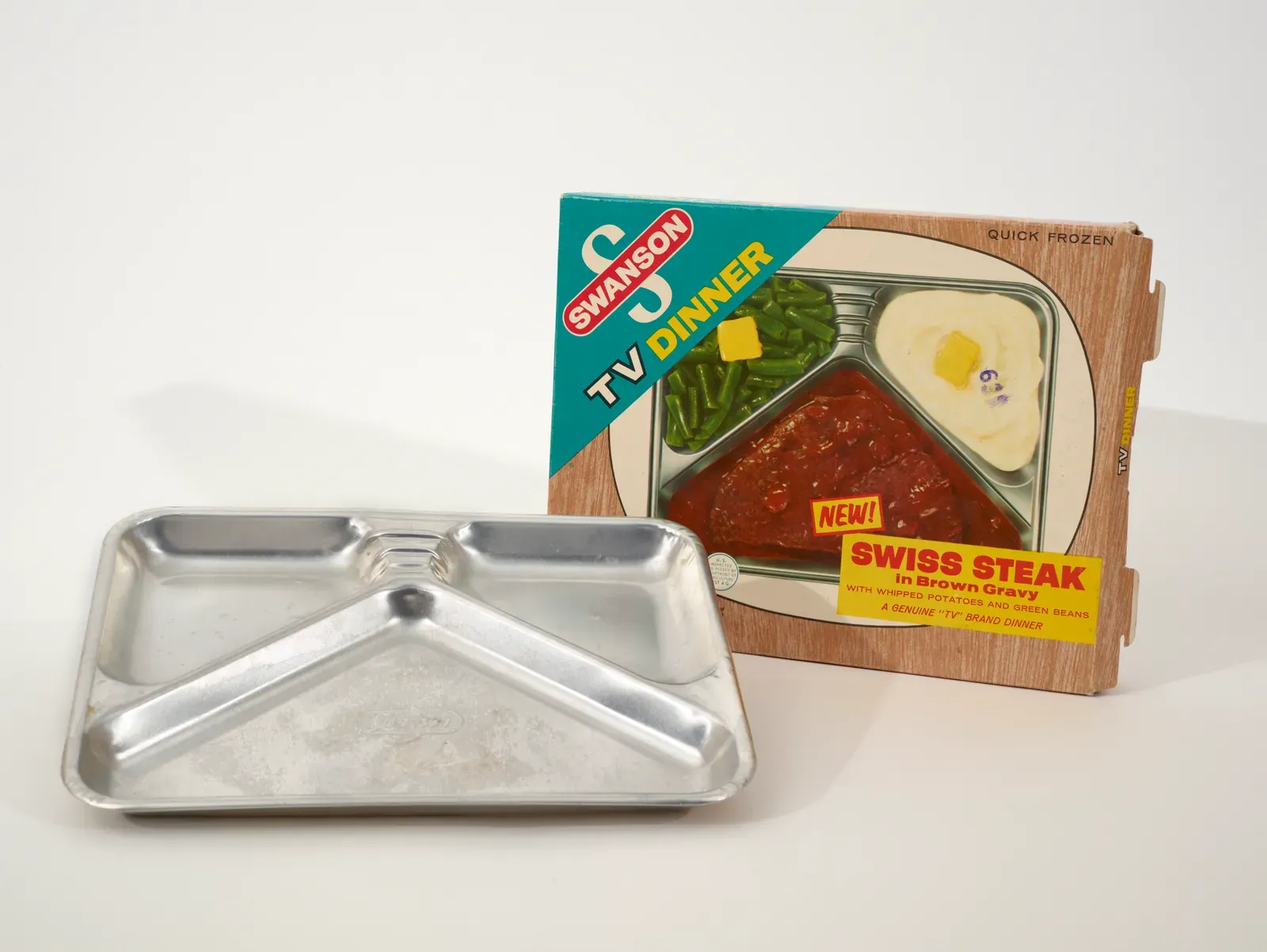
Picture this. You’re sitting cross-legged on the carpet in front of that bulky television set, balancing a shiny aluminum tray on your lap. By 1960, more than 87 percent of American households owned a television, and these frozen meals became the perfect companion to primetime viewing. In 1954, Swanson sold more than 25 million TV dinners to hungry Americans, at 98 cents per package, and honestly, they were everywhere throughout the seventies. The compartmentalized tray meant your turkey never touched your peas, which made so many kids genuinely happy.
TV dinners reached the height of their popularity between 1966 to 1974 as a family staple. By the 1970s, the increasing number of two-income families and single working parents shifted competition to restaurant food, and consumers were increasingly exposed to a greater variety of international cuisines. The foil trays cooked to perfection in conventional ovens before microwaves took over every kitchen counter. Those little brownie compartments were pure magic.
Cheese Fondue
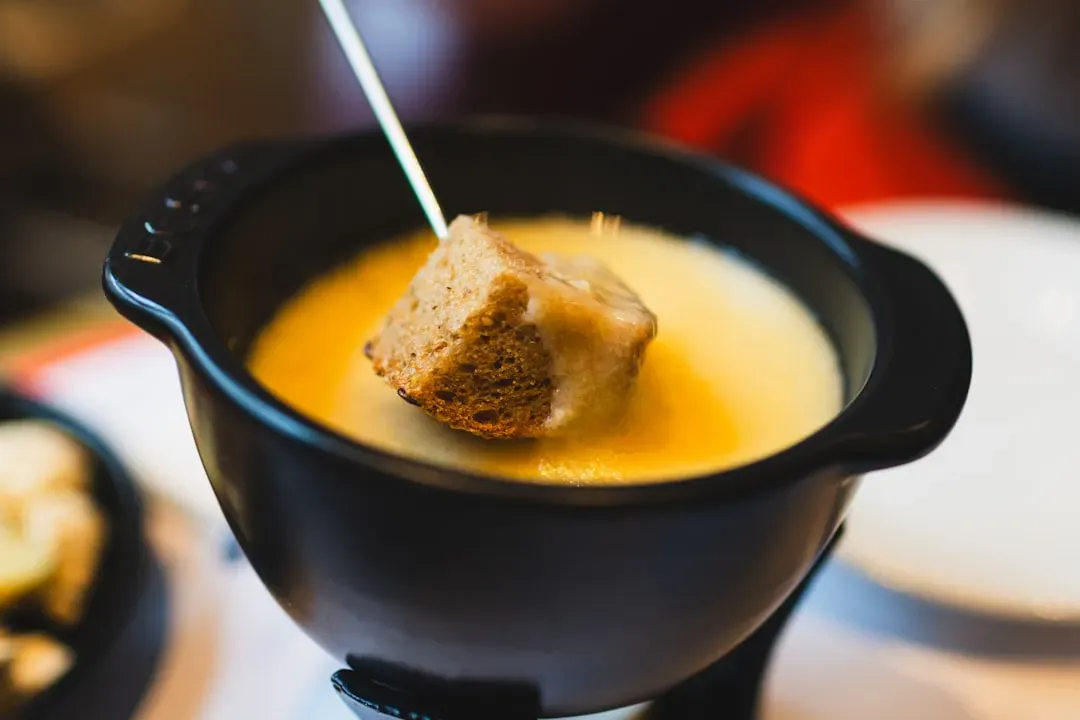
Fondue is up there with disco as being synonymous with the ’70s, and ads featuring the ooey-gooey dinner were everywhere, always with groups of friends laughing while dipping their crusty bread into the steaming pot of melted cheese. Let’s be real, there was something incredibly fun about gathering around a bubbling pot with long forks. The 1970s was the decade that fondue really hit its stride, though the eating of fondue fell off in the eighties and nineties. That communal eating experience felt sophisticated yet casual, perfect for the era’s changing social vibe.
There was a huge influx of fondue cookbooks in the late ’60s and early ’70s, with thirty seven different brands of fondue pots available in a variety of price ranges. Fondue sets became commonplace in the 1960s and 1970s when kitchenware stores sold fondue party kits consisting of a communal dipping pot and forks that were given to guests. These pots came in those questionable avocado green and harvest gold colors that matched every other appliance in sight. The melted Gruyère mixed with white wine became a dinner party essential that made hosts feel worldly and effortlessly cool.
Hamburger Helper
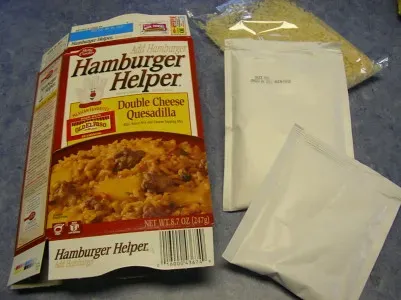
Here’s the thing about Hamburger Helper – it saved countless families when beef prices soared and budgets tightened. The packaged pasta brand made its national debut in August 1971 in response to meat shortages and soaring beef prices and a weakened U.S. economy. More than one in four U.S. households purchased Hamburger Helper in its first year, which is pretty remarkable when you think about it. My mom swore by the Beef Noodle and Chili Tomato flavors.
Home cooks around the country were grateful when Hamburger Helper hit the scene in 1971, as it came with pasta and seasoning packets so all you had to do was combine the pieces with water and ground beef to make a complete meal. One pound of ground beef suddenly fed an entire family of five. The one-pot convenience meant less cleanup, and working parents actually had time to sit down with their kids at dinner. Those little mascot gloves on the box became instantly recognizable to everyone.
Tuna Noodle Casserole
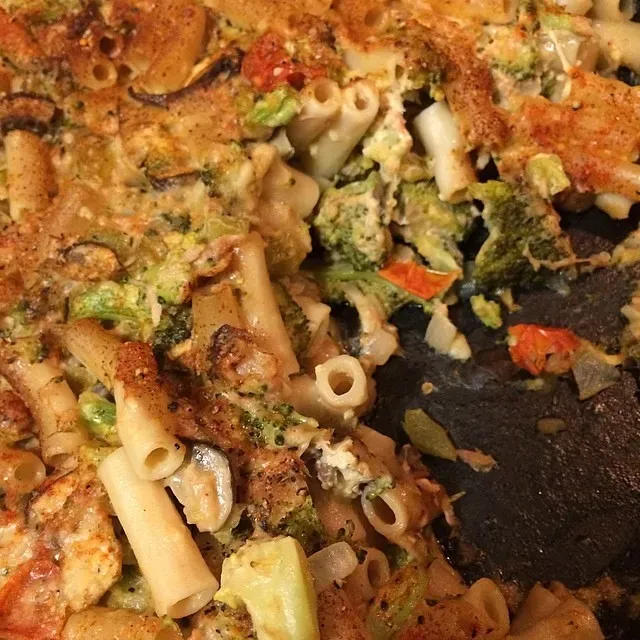
The retro comfort food that is tuna noodle casserole, all blanketed under a bubbly cheese topping, dominated dinner tables in the ’70s. The classic version typically featured boiled egg noodles and a combination of canned ingredients including canned cream of mushroom soup, canned tuna fish, canned mushrooms, and peas. I know it sounds crazy, but that crunchy layer of crushed potato chips on top made all the difference. The 1950s was the heyday for this casserole, though it’s still made quite a bit today, and a 1959 survey found that eight out of ten households served canned tuna once a week with tuna fish casseroles in the top three.
Churches and neighbors brought this dish to families during hard times because it was inexpensive and easy to transport. The whole thing baked for about thirty minutes, filling the house with that unmistakable aroma of melted cheese and cream soup. Some people loved it, others despised it, but nearly everyone remembers eating it at least once during their childhood.
Beef Stroganoff
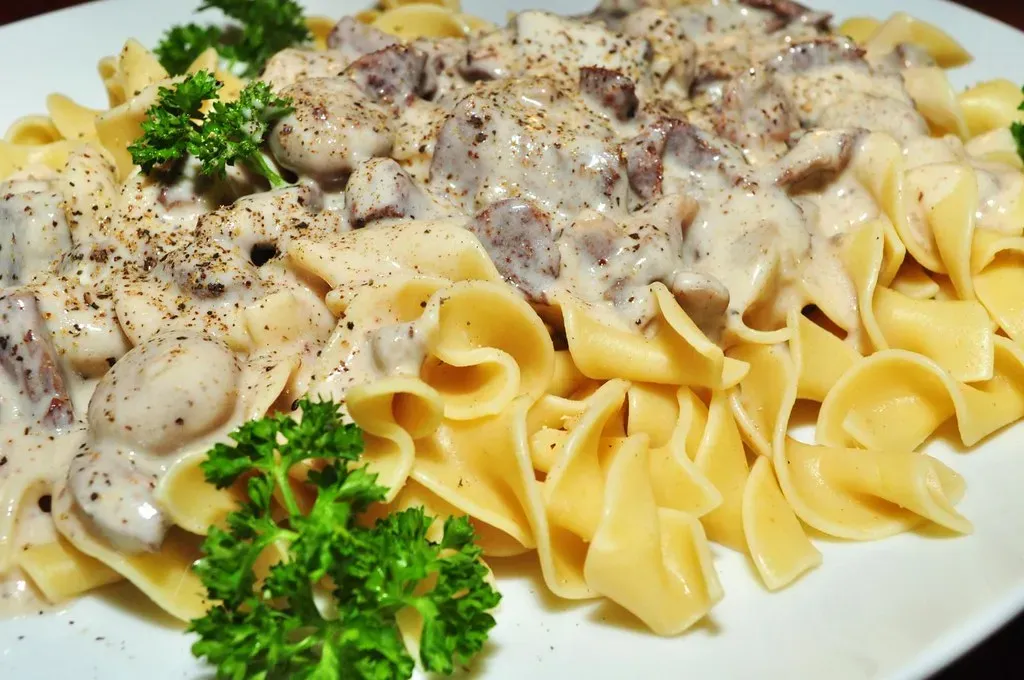
Beef stroganoff felt fancy without actually being complicated, which made it perfect for seventies dinner tables. Typical meals included stroganoff made with ground beef and egg noodles, part of the pretty meat-and-potatoes Midwest style. The creamy sauce made from condensed mushroom soup gave it that rich texture families craved after long workdays. It was comfort food pretending to be elegant European cuisine.
Most households adapted the traditional recipe to suit American tastes and budgets. Ground beef replaced expensive cuts of sirloin, and canned soup replaced the labor-intensive sauce preparation. Still, when you spooned that savory mixture over a bed of wide egg noodles, it genuinely tasted like something special. The dish proved you didn’t need a culinary degree to put something satisfying on the table.
Salisbury Steak
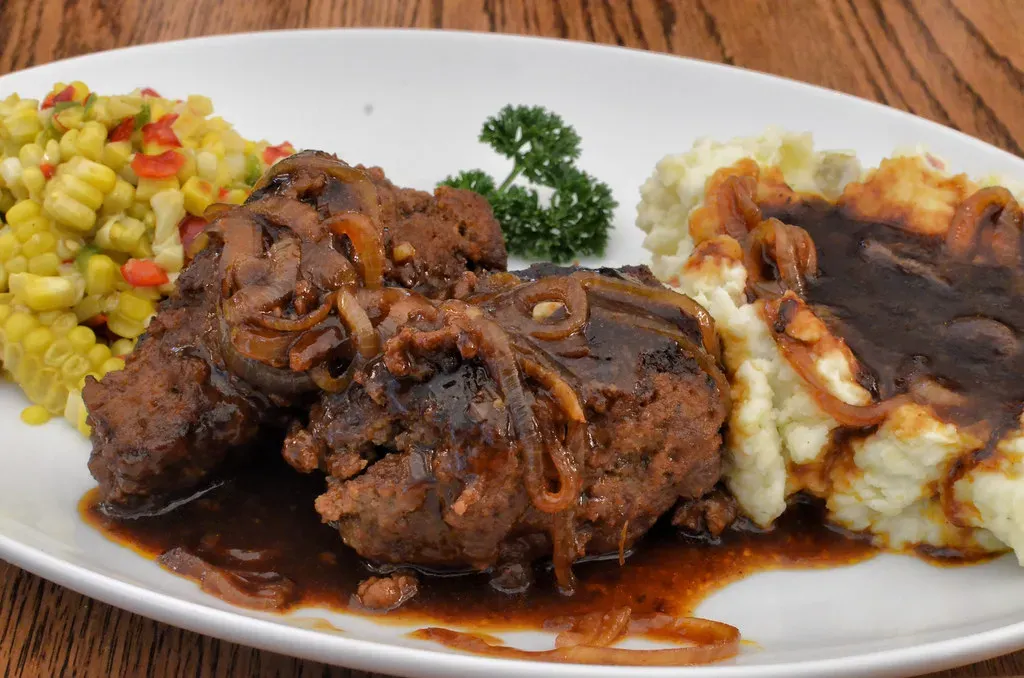
Salisbury Steak in the Slow Cooker revives the TV dinner classic the way it was originally meant to be, hot and tender and covered in gravy, as this was a weeknight standard in the ’70s that felt like more. These oval-shaped ground beef patties smothered in brown gravy appeared on dinner plates across America nearly every week. The frozen version came in those compartmentalized TV dinner trays, but homemade versions tasted infinitely better.
Families appreciated how the dish stretched ground beef into something that resembled a proper steak dinner without the premium price tag. The savory onion gravy pooled around mashed potatoes and green beans, creating that complete meal aesthetic. Kids didn’t complain because it felt like getting a hamburger for dinner, and parents didn’t complain because it was affordable and filling.
Meatloaf with Mashed Potatoes
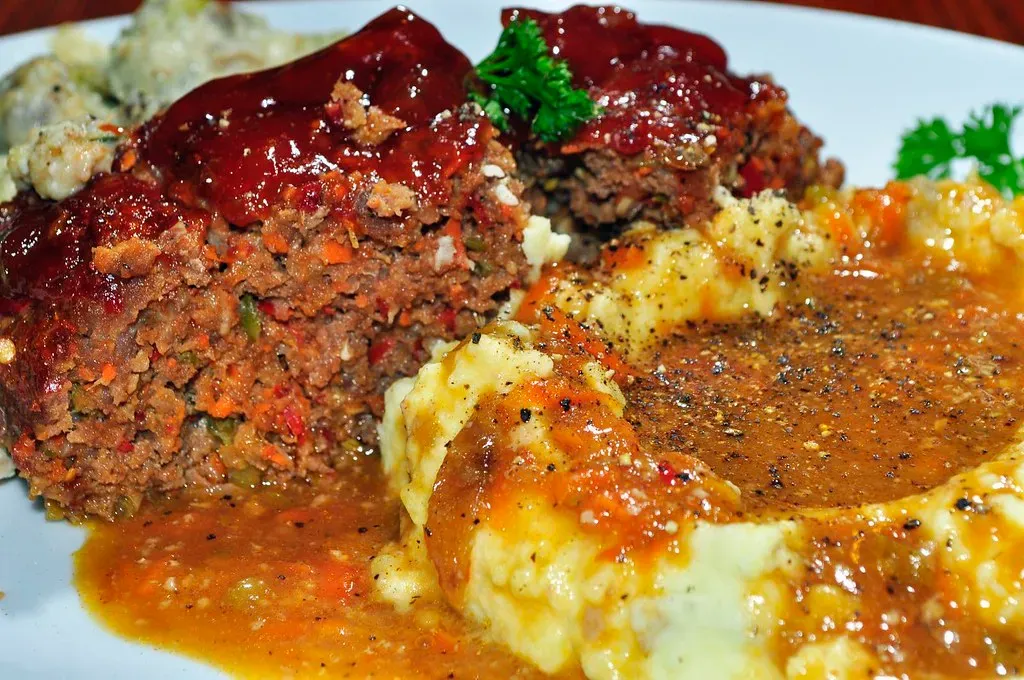
Meatloaf with mashed potatoes and canned green beans was a standard meal that appeared in regular rotation on most family dinner schedules. The beauty of meatloaf was its simplicity and how you could adapt it based on what you had in the pantry. Ketchup on top was practically mandatory, creating that sweet and tangy glaze everyone anticipated.
This meal represented practical, no-nonsense cooking that filled bellies without breaking the bank. Leftover meatloaf made excellent sandwiches the next day, which stretched the meal even further. The combination of seasoned ground beef, breadcrumbs, and eggs formed into a loaf became one of those dishes that defined American home cooking during the decade. It wasn’t flashy or trendy, but it was reliable.
Shake ‘n Bake Chicken
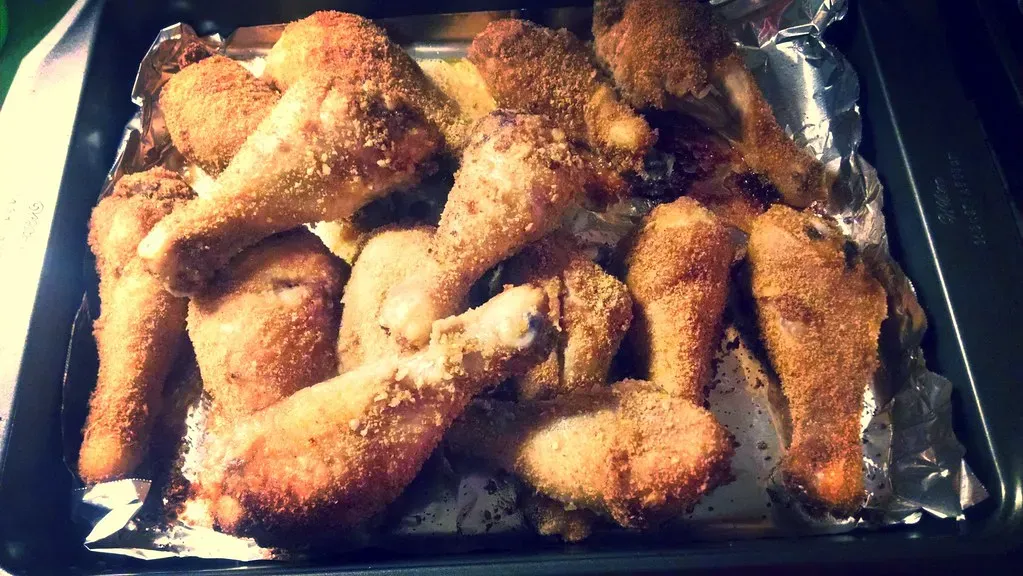
Shake n bake chicken and scalloped potatoes from a box with canned fruit of some kind were regular dinners. That iconic orange box with the coating mix inside revolutionized how families prepared chicken. You literally shook the chicken pieces in a bag with the seasoned crumbs, then baked them. The crunchy coating rivaled fried chicken without all the mess and oil splattering everywhere.
The product launched in 1965 but truly dominated kitchens throughout the seventies. It gave busy parents a way to make chicken that tasted homemade without spending hours in the kitchen. The crispy exterior paired beautifully with boxed scalloped potatoes, creating a complete meal that required minimal effort. Television commercials featuring the famous tagline made it a household name that nearly everyone recognized.
Jell-O Molds and Salads
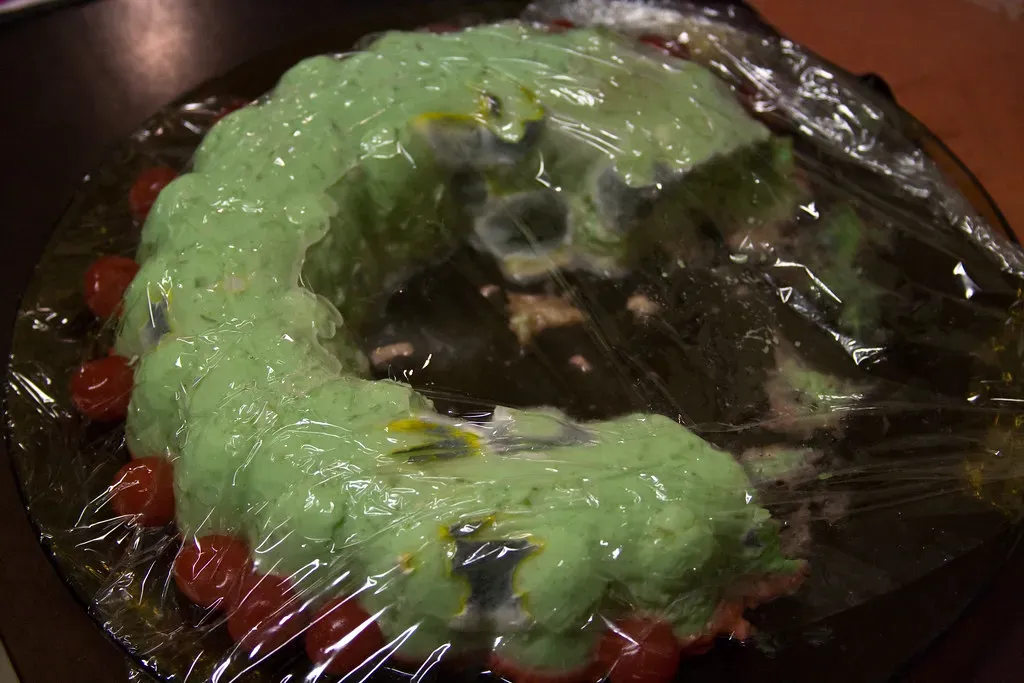
The marketing team behind Jell-O was hard at work getting people to consume their product, and flavors like raspberry vanilla, 7-Up lime, and spiced cranberry were definitely crowd-pleasers. The 1970s and elaborate Jell-O molds go hand-in-hand, and everyone’s grandma was whipping one up in her kitchen for any given holiday dinner, as they were a staple item in the decade that brought us disco music. These jiggly creations contained everything from fruit cocktail to shredded carrots to miniature marshmallows.
The vintage salad is budget-friendly, colorful, and sure to catch eyes at the dinner table, made using different flavors of Jell-O mix that need enough time to set in the fridge, topped with whipped topping. The vibrant colors – lime green, bright orange, cherry red – made tables look festive and fun. Some versions were sweet desserts while others were disturbingly savory with vegetables suspended in tomato-flavored gelatin. Either way, no potluck or holiday gathering felt complete without at least one shimmering mold taking center stage.
Quiche Lorraine
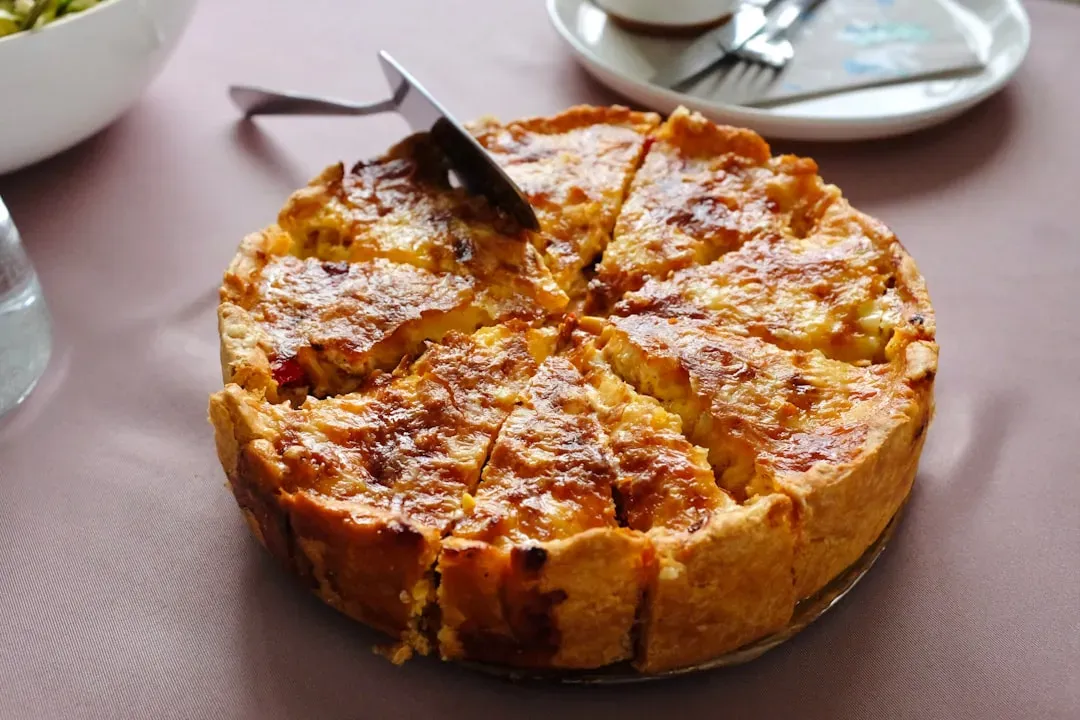
Quiche Lorraine is a tried-and-true recipe that is still popular today as a French egg pie filled with bacon, onions, and cheese. This dish brought a touch of European sophistication to American tables during the seventies. The buttery, flaky crust cradled a custard filling studded with crispy bacon bits, making it suitable for brunch, lunch, or even dinner.
Serving quiche felt slightly upscale and cosmopolitan, like you’d traveled to a Parisian café without leaving your dining room. The versatility meant you could adapt it with different fillings based on what you had available. It worked equally well served warm from the oven or at room temperature, which made it perfect for entertaining. Real men may have questioned eating it at first, but they rarely turned down a second slice.
Pigs in a Blanket and Franks and Beans

The only thing that can make a bowl of smoky baked beans better are slices of hot dog, and families in the 1970s agreed, as this is still an extremely popular dish made with two of the most beloved pantry staples. This hearty meal was comforting and is forever tied to nostalgia, representing the kind of unpretentious food that brought families together, whether it was heated over a campfire or served at the dinner table. Kids adored this meal because it combined two of their favorite foods in one bowl.
The simplicity couldn’t be beaten – open a can of baked beans, slice up some hot dogs, heat everything together, and dinner was ready. Some families added brown sugar or ketchup to make the sauce even sweeter. The meal cost next to nothing yet satisfied hungry appetites after long days at school and work. It might not have been fancy, but it was honest, filling comfort food that nobody complained about.
Watergate Salad
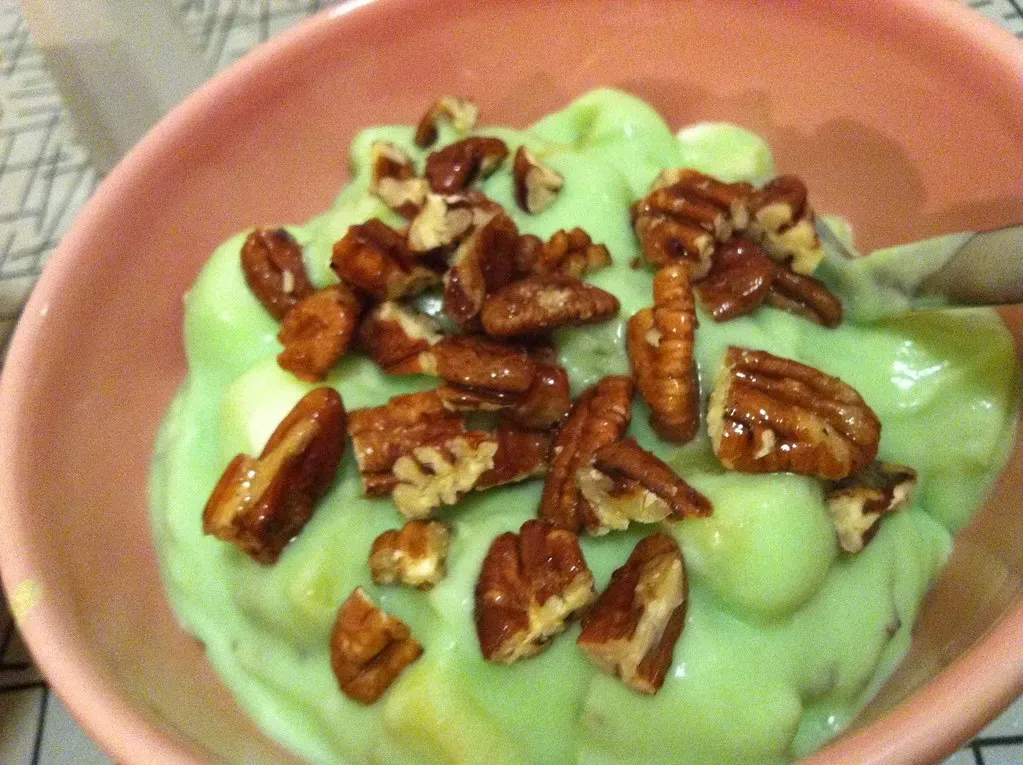
Originally called pistachio pineapple delight, it later became known as Watergate salad after a Chicago food editor coined the name, becoming ubiquitous coinciding with the 1972 Watergate scandal, and this bright green dish is having its comeback due to TikTok. This pistachio-flavored salad is a shining example of how to turn a political scandal into a delicious dessert, as the ingredients are pudding, canned pineapple, whipped cream, pecans, and marshmallows, and like so many other ’70s creations, this one relied on instant pudding.
The neon green color was impossible to miss on any buffet table or at holiday gatherings. Kraft Foods had just released pistachio-flavored instant pudding, making this trendy dessert salad accessible to everyone. It walked the line between dessert and side dish, which was perfectly acceptable in the seventies. The fluffy texture and sweet flavor made it wildly popular despite its somewhat suspicious appearance.
Swedish Meatballs
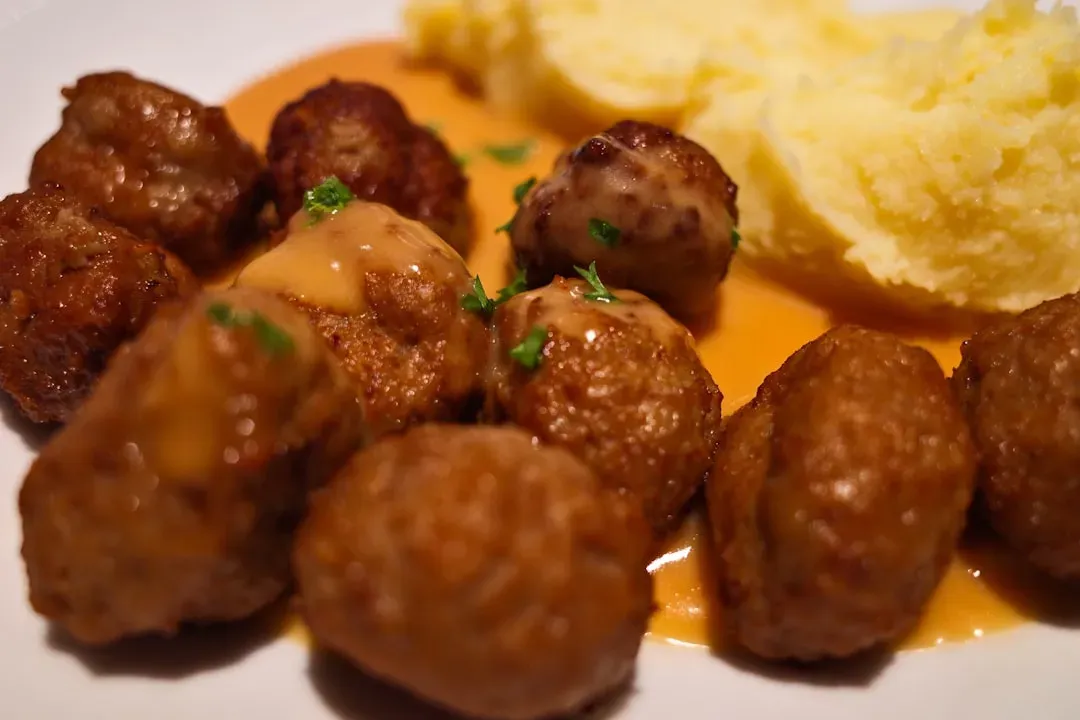
Mom fixed this Swedish meatball recipe for all sorts of family dinners, potluck suppers and PTA meetings, and the sweet smell of onions caramelizing made everyone’s mouth start watering. Swedish Meatballs were a hit in the disco era as they are extremely easy to make and are the perfect appetizer for any party. The savory meatballs simmered in creamy gravy, often served over egg noodles or rice, bringing a taste of Scandinavian cuisine to mainstream American households.
These bite-sized morsels appeared at nearly every social gathering, from church potlucks to neighborhood parties. The rich sauce made from beef broth and sour cream coated each meatball perfectly. Whether you made them from scratch or used frozen versions, they always disappeared quickly from the buffet table. The combination of ground beef and pork created a tender texture that paired beautifully with the tangy gravy. They represented that balance between exotic and familiar that seventies cooking embraced so wholeheartedly.
Did you recognize most of these meals from your own childhood dinner table? These dishes defined an era when convenience foods met genuine home cooking, creating memories that still make us nostalgic decades later. What would you add to this list?