
Grocery shopping has quietly become one of the most stressful financial routines for millions of American households. Prices have climbed steadily coming out of the pandemic years, and while some of the worst inflation spikes have eased, the cumulative effect on wallets has been enormous. The average family is still feeling it every single time they load up a cart.
Here is the good news though: you do not need to spend three hours clipping coupons or follow some extreme budgeting system to save real money. There are smart, simple tactics that work right now, in 2026, and they are backed by real data. So let’s dive in.
Table of Contents
1. Understand the Price Landscape First
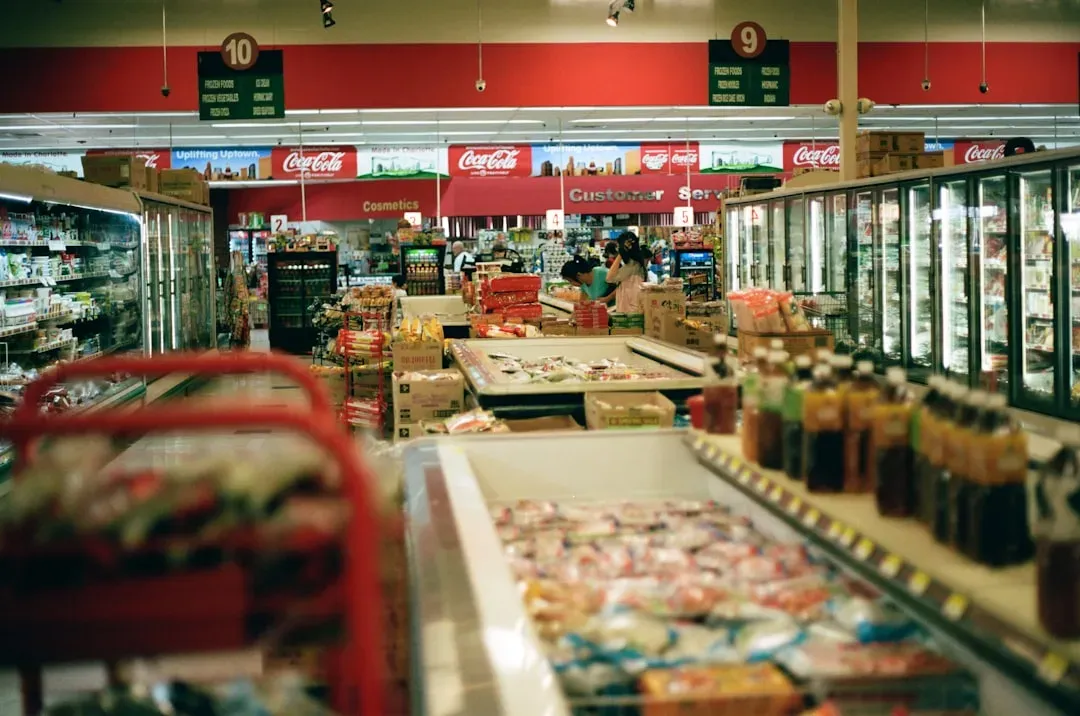
Before you can save smartly, you need to know what you are actually dealing with. The food-at-home CPI increased 0.6 percent from December 2025 to January 2026 and was 2.1 percent higher than in January 2025. That sounds modest, but remember, it comes piled on top of several years of earlier increases.
The U.S. Department of Agriculture’s Economic Research Service predicts grocery prices will rise around 2.3 percent in 2026, which might not sound alarming, but it comes on the heels of several years of food inflation, including an 11.4 percent spike in 2022. In other words, your grocery bill is already carrying years of accumulated price pressure.
In 2026, prices for seven food-at-home categories are predicted to grow faster than their 20-year historical average, including beef and veal, fish and seafood, processed fruits and vegetables, sugar and sweets, cereal and bakery products, and nonalcoholic beverages. Knowing which categories are rising fastest lets you strategize your cart accordingly.
2. Switch to Store Brands Without Hesitation
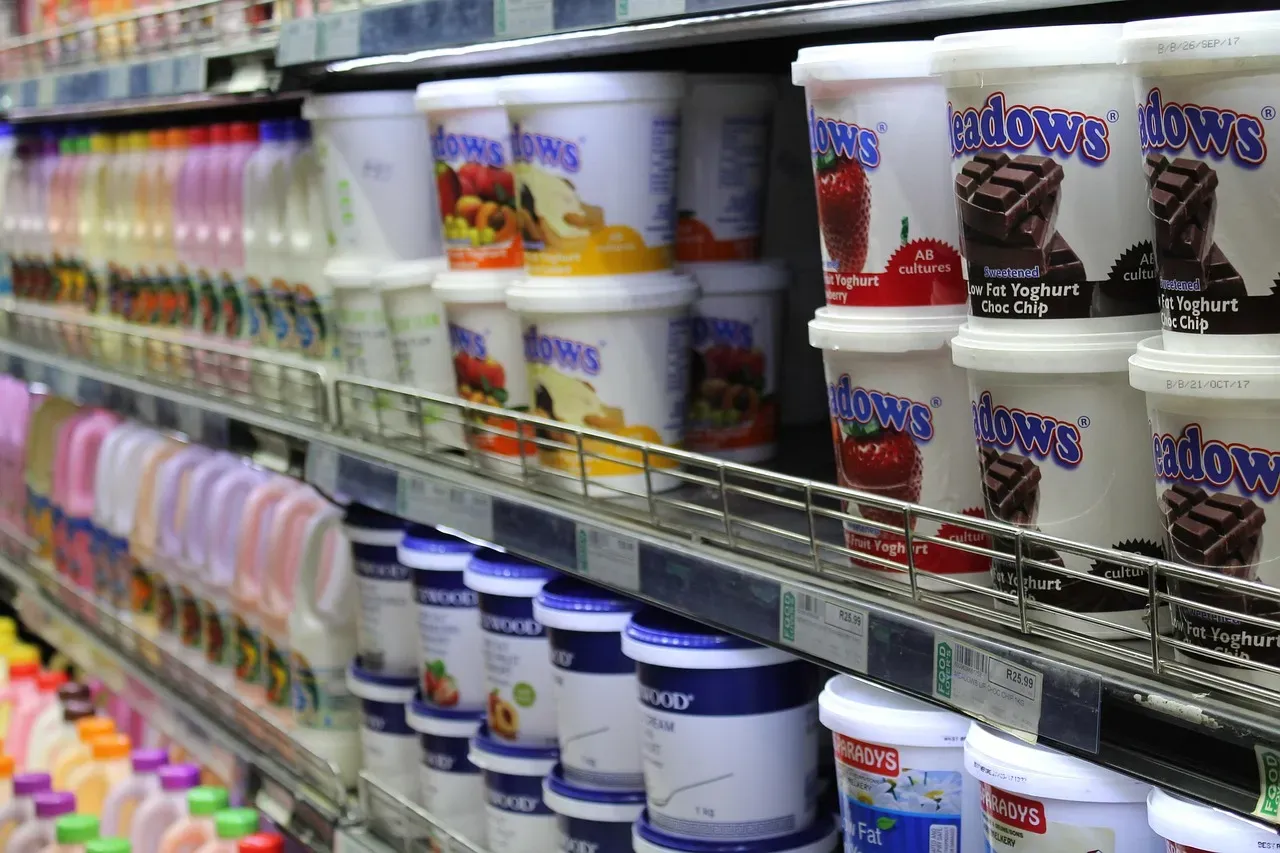
Honestly, this is one of the most underrated moves any shopper can make right now. Studies consistently demonstrate that shoppers save roughly one-third or more on grocery and household items by selecting store brands over national brands. That is not a small difference over the course of a year.
Using average cost per unit, in a store-wide price comparison between store brands and national brands, it is estimated that U.S. consumers save more than $40 billion a year on grocery and household purchases by opting for the store brand. Think of that as an enormous collective vote with shopping carts across the country.
Store brand sales nationwide surged to a record 4.4 percent growth rate in the first half of 2025, significantly outpacing national brands, which grew just 1.1 percent. Industry groups pointed to continued product innovation, improved quality, and strong value perception as key drivers of the momentum – and that momentum has carried into 2026. Store brands are no longer seen as generic stand-ins; in many categories, they’re competitive on quality while still delivering meaningful savings for shoppers navigating persistent grocery inflation.
3. Build a Weekly Meal Plan Before You Shop
Going to the store without a plan is basically the same as going in with an open wallet and an invitation to overspend. According to the USDA, Americans waste between 30 to 40 percent of the food supply each year, costing the average family of four roughly $1,500 annually in wasted food. That number is almost shocking when you see it written out like that.
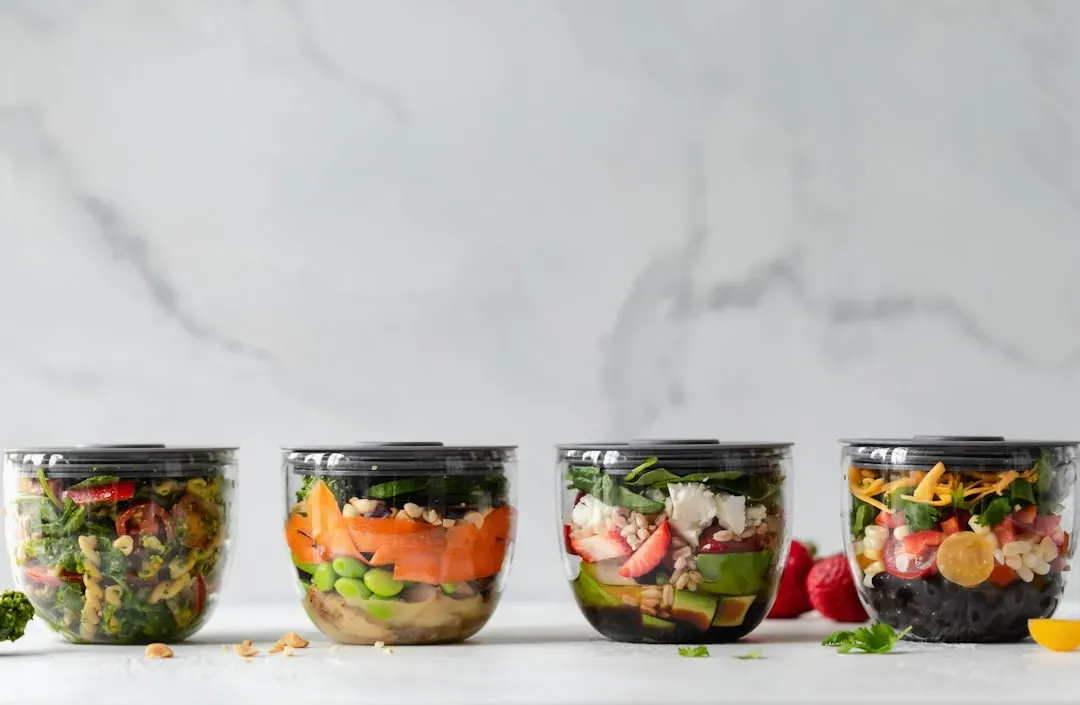
Most of this waste is preventable, and one of the simplest solutions is also the most effective: meal planning. By taking a little time to organize meals in advance, you not only save money and stress, you also make a meaningful impact on reducing waste. It is not complicated, and it does not require any app or subscription.
Some experts estimate that as much as roughly a quarter of grocery costs can be trimmed with consistent meal planning, simply through purchasing only what you actually need and using it before it spoils. Combine that with a pantry check before every shopping trip, and you are already winning.
4. Use Loyalty Programs Strategically (But Eyes Wide Open)

Nearly seven in ten consumers rely on loyalty cards at the grocery store, while roughly seven in ten also use coupons to manage costs, and more than one third use retailer mobile apps weekly. Loyalty programs have become nearly universal in the American grocery experience.
Participation in loyalty programs is highest in grocery stores and supermarkets compared to any other retail category, indicating that access to discounts and special offers in food retail is essential for consumers’ daily shopping needs. That said, go in knowing what you are trading. Retail loyalty programs offer tempting perks yet often come with a hidden price: your privacy.
More than half of shoppers plan their trips around available discounts, while roughly 44 percent act on personalized recommendations through loyalty programs or digital channels, and more than a third will switch brands if a promotion helps them save. Used intentionally, loyalty programs remain one of the easiest passive savings tools available in 2026.
5. Embrace the Frozen Aisle
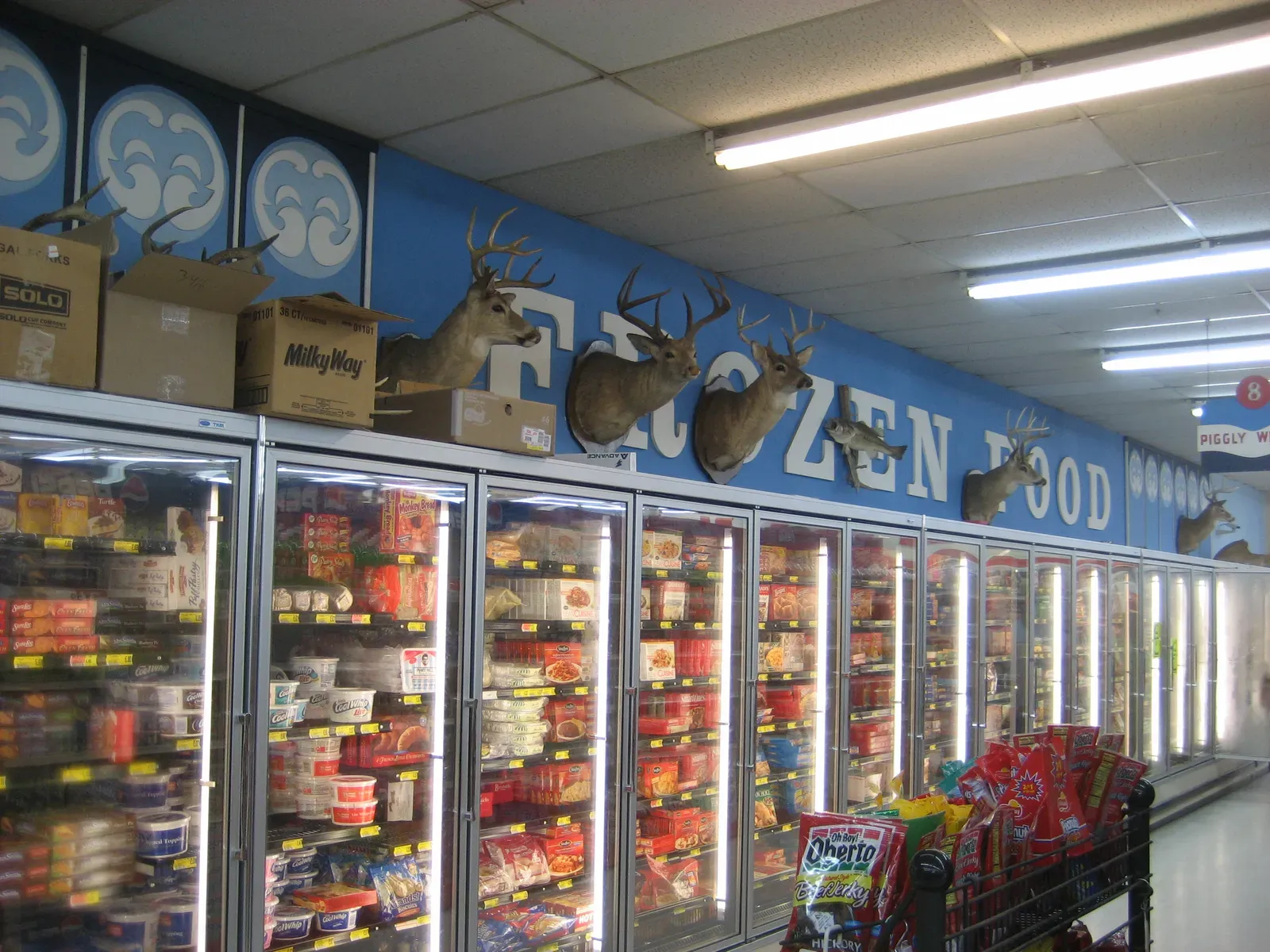
I think frozen food still carries an unfair stigma that needs to die. The frozen aisle has evolved dramatically, and it now plays a serious role in budget management for smart shoppers. Research from the National Frozen and Refrigerated Foods Association found that nearly half of Americans are buying more frozen foods because they last longer, while roughly two thirds say frozen foods help them manage their grocery budgets.
Data from the USDA and ReFED shows that the average U.S. family throws away $1,500 in groceries each year, and the total amount of surplus food being generated nationwide reaches $382 billion in value annually. Frozen produce is a direct antidote to a big chunk of that waste, because it does not spoil over a weekend the way fresh produce often does.
Reducing household food waste by just half can save a family $750 a year, which is enough for a family vacation, a month of groceries, or several tanks of gas. Switching some fresh items to frozen equivalents is one of the quietest ways to accomplish that without changing what you eat at all.
6. Plan Your Meals Around Weekly Sales Flyers
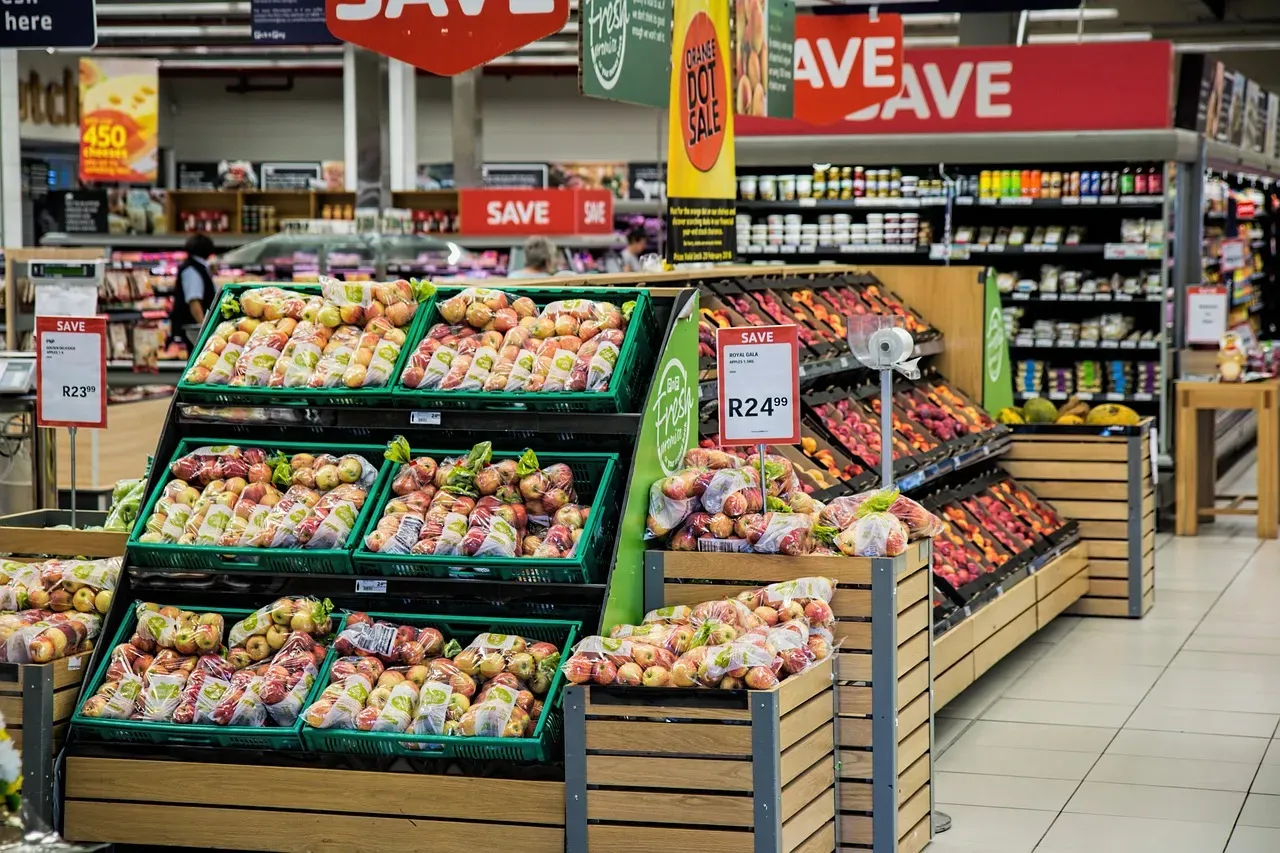
Here is the thing most people do their meal planning backwards. They decide what they want to eat, then go buy it at whatever price the store charges. Flipping that logic around changes everything. To make the most of grocery savings, try planning your meals around your store’s weekly sales flyer, and it is also a good idea to stock up on the staples you use most often when the price is right.
Think of it like an investment mechanic. When chicken thighs are on sale, that is the week you make three chicken-based dinners. When pasta is marked down, you build your weekly menu around it. Sales play a significant role for most shoppers, especially for meat, eggs, and other high-cost items.
Categories likely to see slower price increases in 2026 include fresh vegetables, which will post an increase of around 1.4 percent, while prices for fresh fruits will rise by only a fraction of a percentage point, both below their historical averages. Building meals around these categories, especially when they go on sale, can significantly soften the overall bill.
7. Shop Discount Grocery Chains More Often
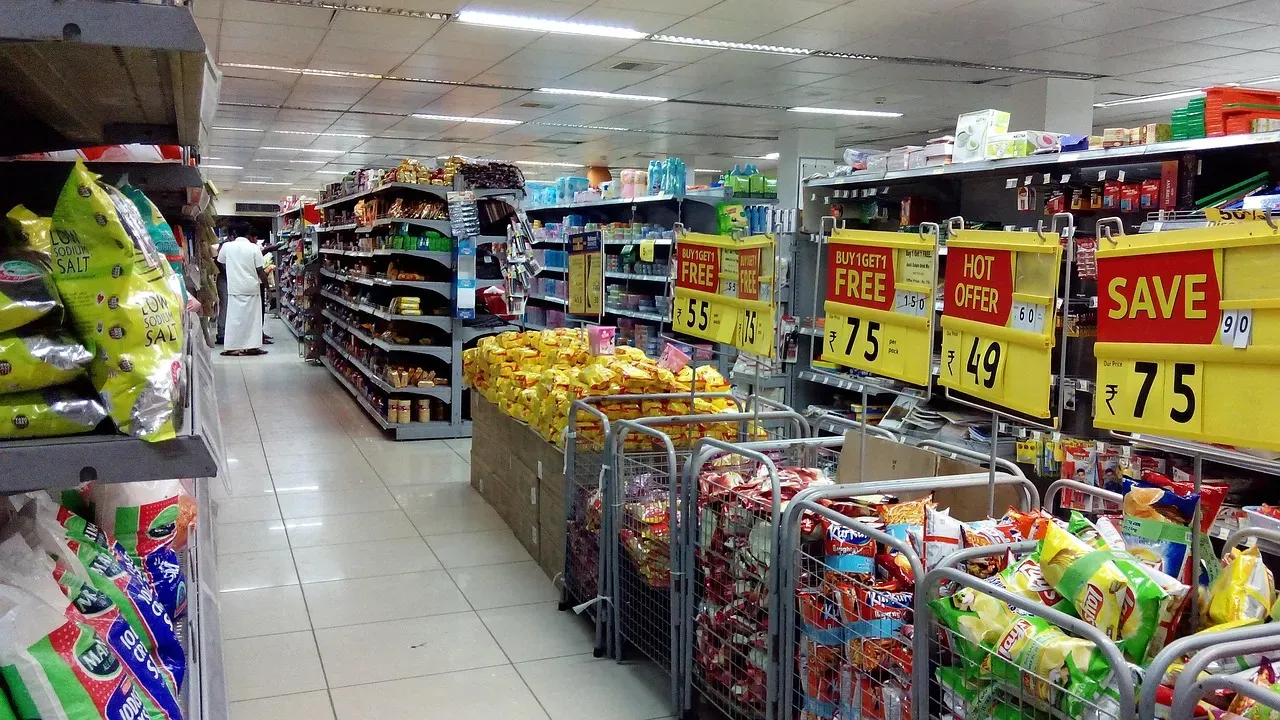
Let’s be real, there is zero shame in Aldi. In fact, I think it is one of the smartest decisions a budget-aware shopper can make in 2026. Aldi has become the fastest-growing grocer in the United States and a model that has become a major competitor, proving cheapest in almost all food categories in a direct comparison study conducted across seven grocery retailers.
In a direct eight-item basket comparison, Aldi’s store-brand total came in at just under $12. Compared to traditional national-brand baskets at other stores costing more than double, the math speaks for itself. Aldi’s shelves are stocked with almost entirely store-branded items, which means you are essentially always buying at private-label prices.
The tradeoff is selection and atmosphere, but honestly, for pantry staples, basics, and frozen items, the savings are hard to argue with. Many shoppers split their shopping between a discount grocer for basics and a conventional store for specialty items, getting the best of both worlds without giving up flexibility.
8. Buy in Bulk for the Right Items
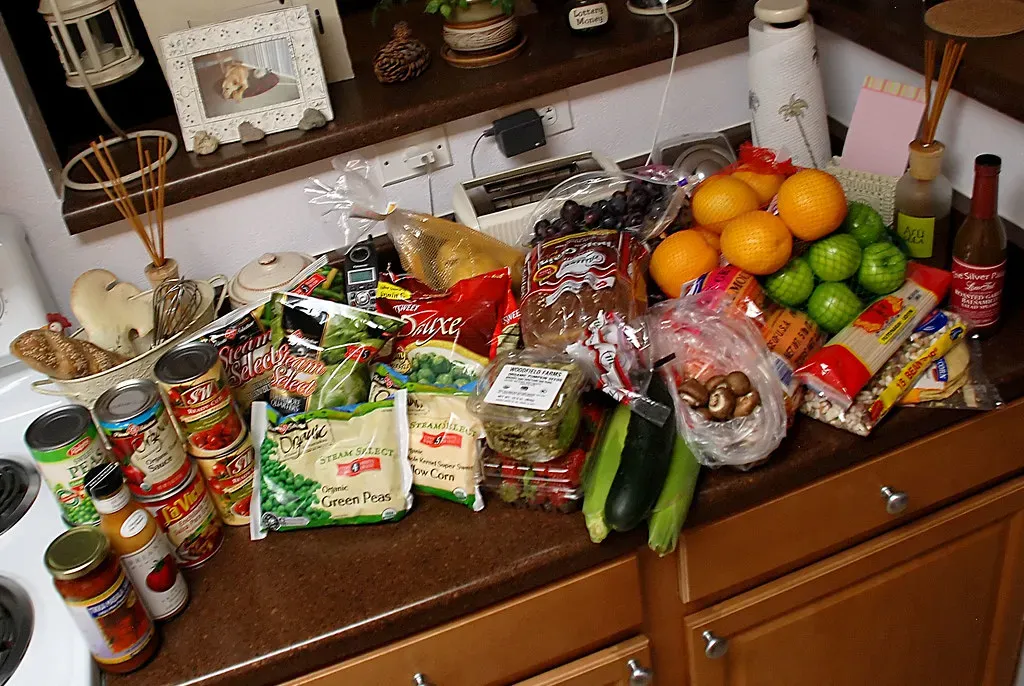
Bulk buying works beautifully for certain categories and can backfire badly for others. The secret is knowing which is which. Non-perishable items like dried beans, rice, canned tomatoes, pasta, oats, and cooking oils are natural candidates since they last for months or even years. Perishables bought in bulk only save money if you will realistically use them before they go bad.
Many cost-conscious shoppers have turned to store brands and bulk purchases as smart replacements for name-brand spending, often finding similar or even better value. Warehouse clubs like Costco and Sam’s Club shine here, particularly for households of three or more people.
Prices for sugar and sweets, which have been going up more rapidly than overall food-at-home inflation, are likely to rise roughly 6.7 percent in 2026, outpacing the 20-year average for the category. Stocking up on sugar and related baking staples when you see a sale is a genuinely smart hedge against these predicted increases.
9. Watch Out for Shrinkflation
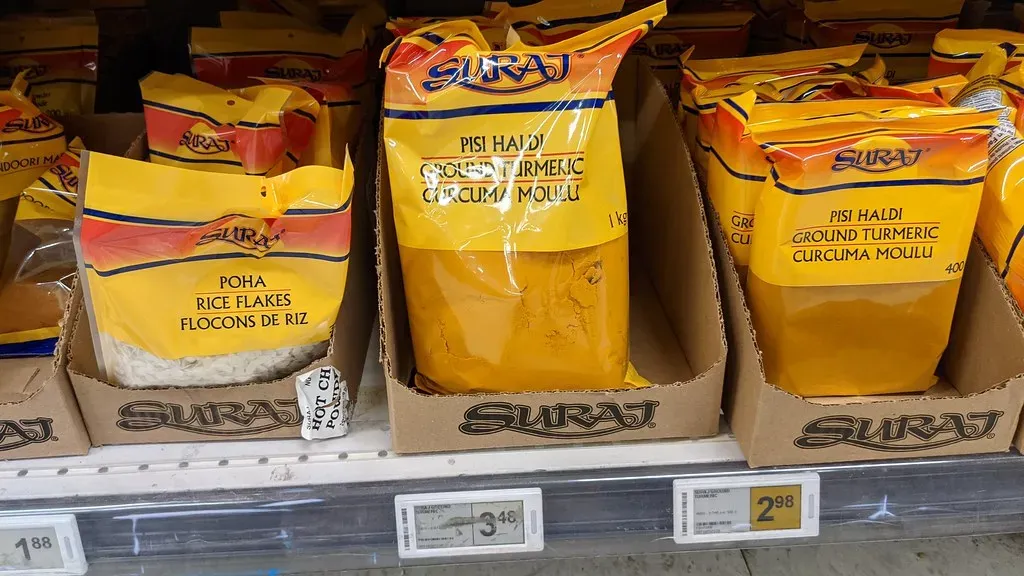
Shrinkflation is the quiet price increase nobody talks about enough. It happens when a brand keeps the price the same but quietly reduces the package size, so you are paying roughly the same amount for noticeably less product. Reduce “shrinkflation” as a concern by checking smaller package sizes for the same price before putting products automatically in your cart.
The best defense is to always compare price per unit, not price per package. Most grocery store shelf labels already include this information, usually printed in small type. Dividing the total price by the weight or count gives you a real apples-to-apples comparison between products of different sizes. It takes seconds once you get used to it.
I know it sounds a bit tedious at first, but after a few shopping trips, checking unit prices becomes second nature. It is genuinely one of those small habits that has a compounding effect over time, quietly saving you money on every single shop without any extra effort once learned.
10. Prioritize Produce Categories Where Prices Are Stable
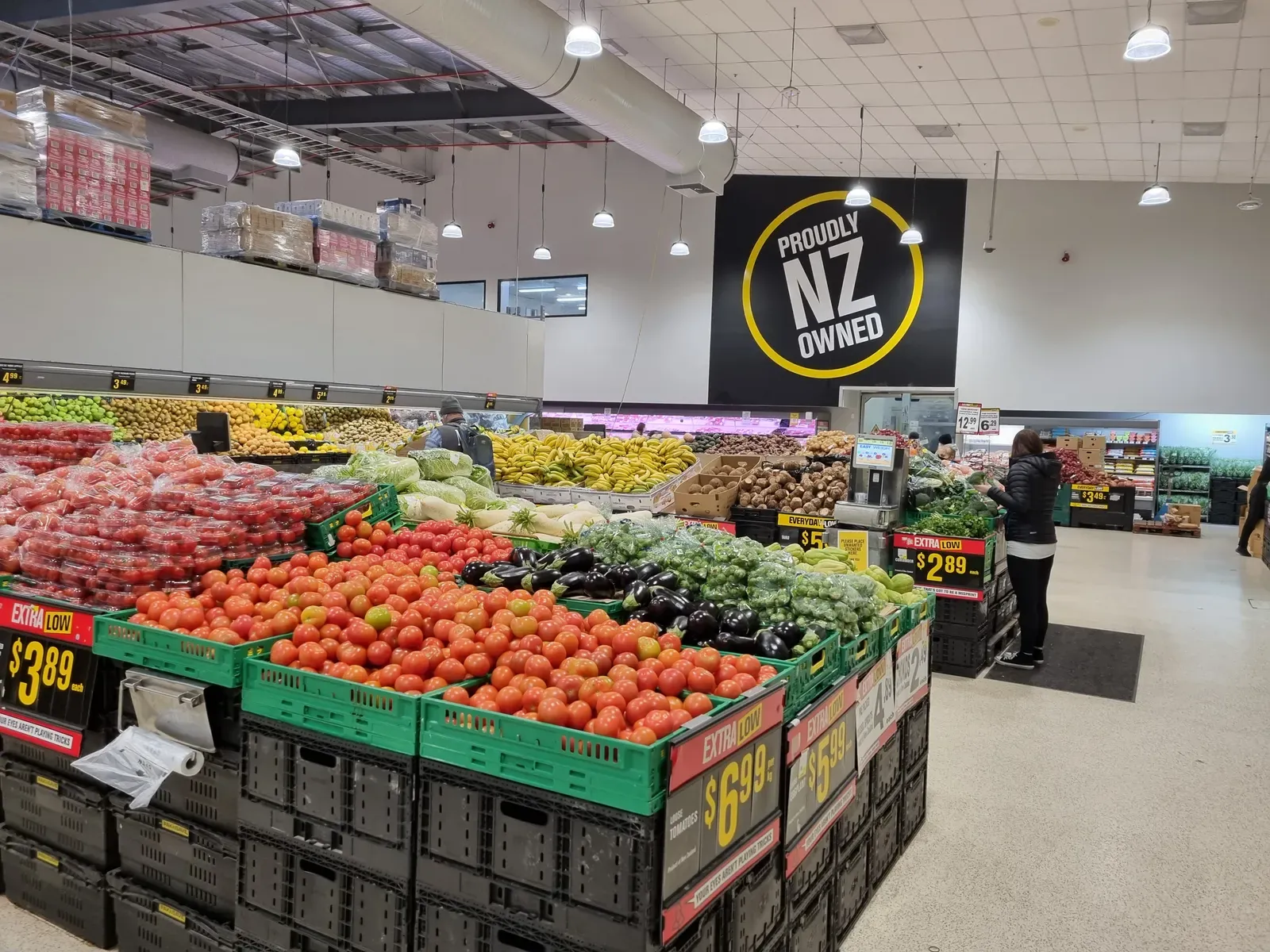
Not all grocery categories are inflating at the same rate, and 2026 is actually offering a window of relief in certain areas. Fresh vegetables are predicted to see an increase of only around 1.4 percent in 2026, and fresh fruit prices are expected to rise by just a fraction of a percentage point, both well below their long-term historical averages. This is the category to lean into right now.
Fruits, vegetables, grains, and oils benefited from improved supply conditions in 2025, which helped balance pricing across supermarket shelves. Building more plant-forward meals is not just a health decision in 2026; it is a financial one. Beans and lentils remain among the cheapest protein sources per serving available in any grocery store.
Meanwhile, beef and veal prices are predicted to go up around 5.5 percent in 2026, a level that would still be much lower than the 15 percent annual rate of inflation that beef and veal recorded in December 2025. Replacing even one or two red meat dinners per week with a vegetarian alternative will register noticeably in your monthly grocery total.
11. Use Cashback Apps and Digital Tools

This is where modern grocery saving really shines for people who do not want to clip coupons but still want to capture savings on purchases they are already making. Apps like Ibotta, Fetch Rewards, and store-specific digital couponing platforms have turned cashback into a seamless, low-effort process that does not require any extreme strategy or dedicated prep time.
Many grocery loyalty programs now offer digital integration, making it easier than ever to track deals, clip coupons, and redeem rewards directly from your smartphone. The friction of traditional coupon clipping has essentially been removed. A few taps before checkout can routinely return several dollars per trip.
In 2025, Lidl added budget tracking tools, digital receipts, and deal alerts based on store location behavior, updates that are especially valuable to budget-conscious shoppers, a demographic that has grown as economic uncertainty lingers. These tools are free to use and require minimal time investment compared to traditional coupon methods.
12. Rethink Your Protein Strategy
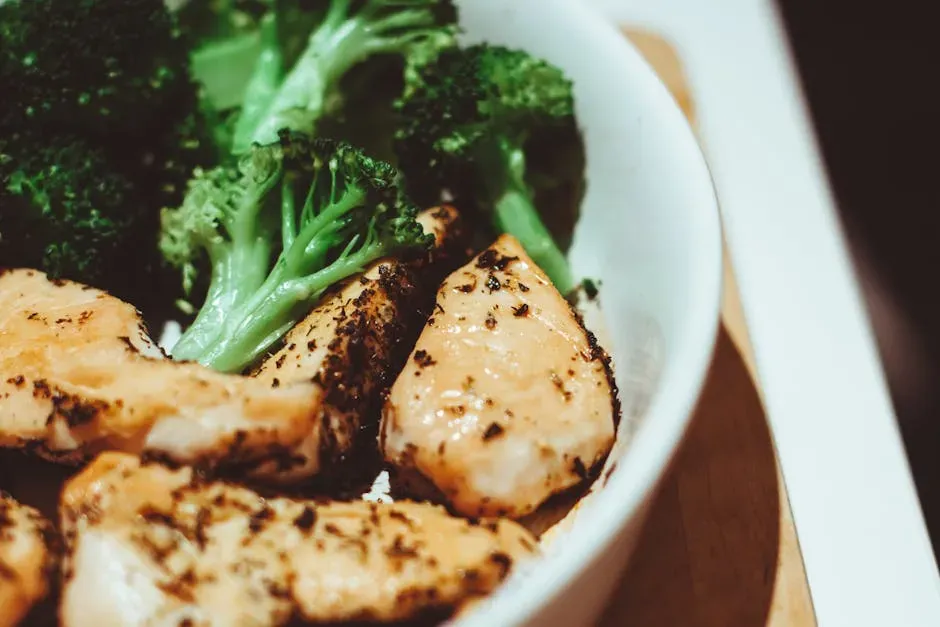
Protein is one of the most expensive parts of any grocery cart, and it is also the area where smart substitutions make the biggest dollar difference. Beef and veal prices are predicted to increase around 5.5 percent in 2026. That alone is a compelling case for diversifying your protein sources beyond ground beef and steak.
Eggs, despite their wild ride in 2025, are actually expected to provide some relief. Retail egg prices decreased 5.3 percent from December 2025 to January 2026 and were notably lower in early 2026 than the same period in 2025. Canned tuna, canned chicken, dried lentils, canned beans, and tofu remain some of the most cost-efficient protein sources available regardless of broader inflation trends.
Poultry prices decreased slightly from December 2025 to January 2026 and are predicted to increase only fractionally in 2026. Chicken thighs and drumsticks in particular tend to be significantly cheaper than breasts and are often more flavorful when slow-cooked or roasted. Redirecting even part of your protein budget toward chicken and legumes will show up in your monthly total.
13. Plan Trips Around Store Sales Cycles
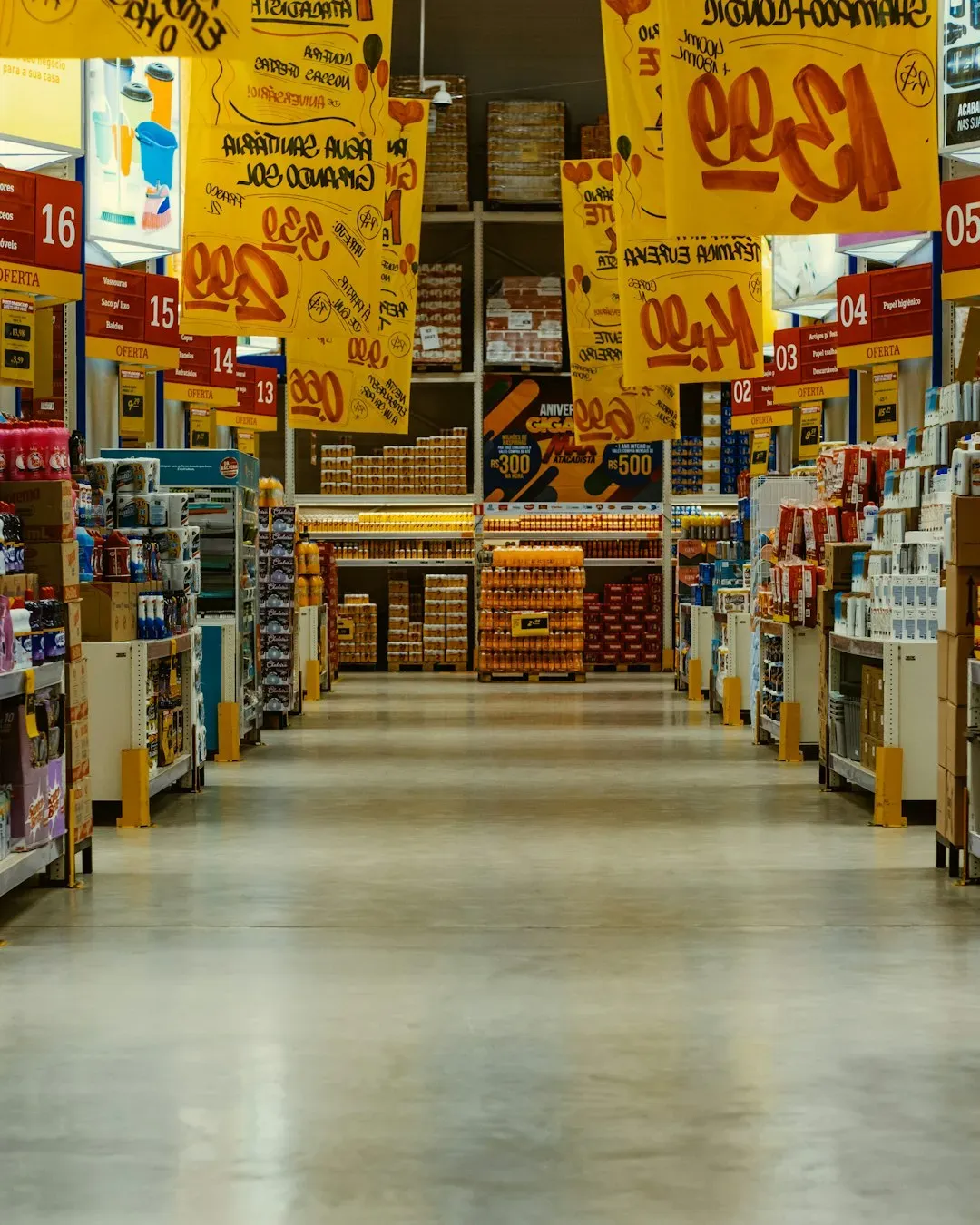
Most grocery stores operate on a weekly promotional cycle, and many categories go on sale with remarkable regularity. Proteins, for example, often cycle through sales every few weeks at most major chains. If you pay attention over a month or two, patterns emerge. More than half of shoppers already plan their grocery trips around available discounts. The ones who do this consistently are building a real advantage.
Food and beverage prices are unlikely to return to pre-pandemic levels, yet the pace of inflation should continue to settle during 2026, though consumers may still notice price changes in individual categories, especially products influenced by global commodities or weather. Working with the store’s promotional rhythm, rather than against it, is essentially a free hedge against that ongoing inflation.
An overwhelming majority of surveyed shoppers said the primary reason for choosing one store over another is simple: it offers the best prices. Knowing the sales cycles across two or three nearby stores and doing strategic split shopping is one of the most powerful, no-coupon-required tactics available to any household in 2026. It takes a few weeks to learn the patterns, but once you do, it runs almost on autopilot.
Conclusion: Small Habits, Real Savings
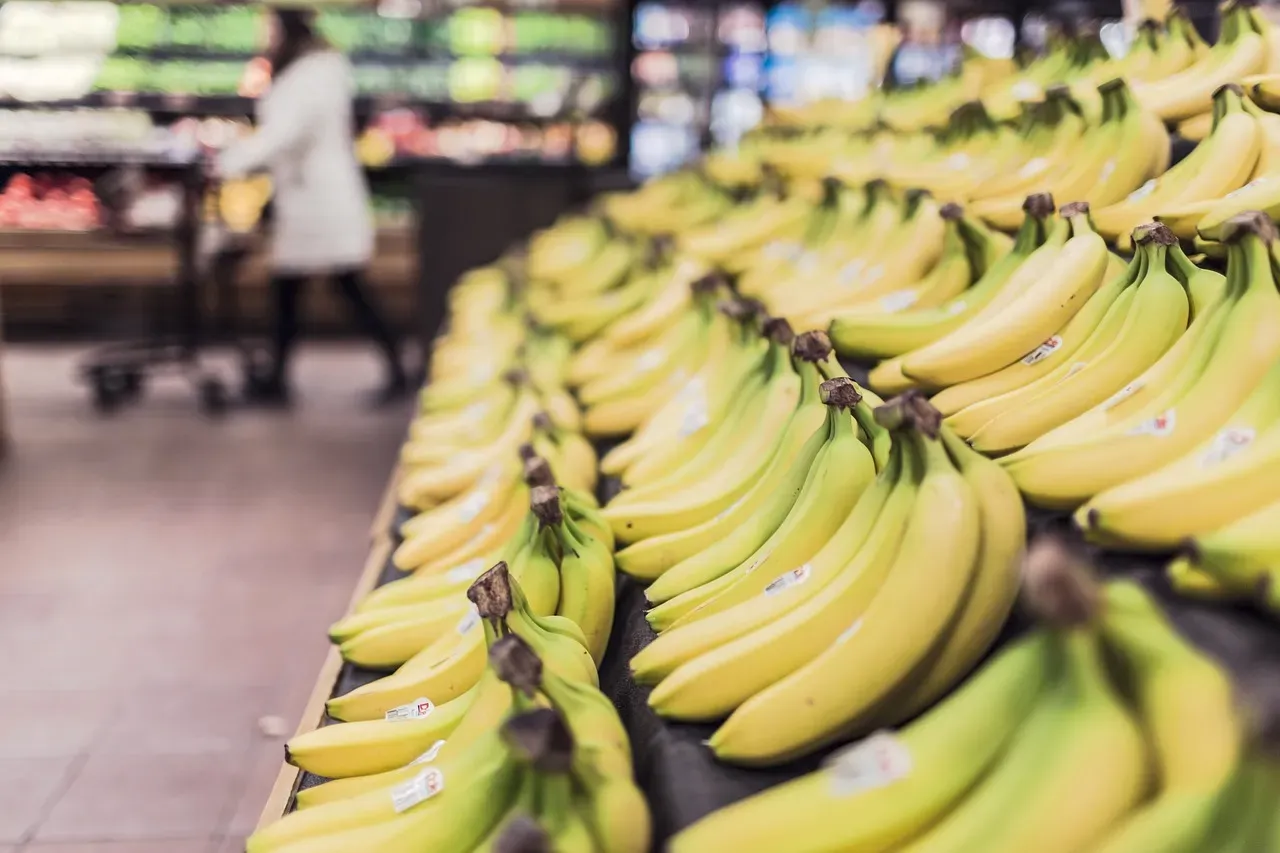
Saving money on groceries in 2026 does not require a binder full of coupons, an extreme budgeting spreadsheet, or giving up the foods your family loves. The strategies above are practical, research-backed, and built for real life. Some of them, like switching to store brands or buying frozen produce, take almost no extra effort once they become habit.
The real trick is consistency. Stacking two or three of these habits together, say meal planning plus store brand switching plus loyalty app usage, compounds the savings far beyond what any single tactic can deliver alone. Over twelve months, the difference can easily reach into the hundreds of dollars per household.
Which of these tricks surprised you the most? Drop your answer in the comments, and share which one you plan to try first.