
Most of us keep a stack of plastic containers in our kitchen without giving it a second thought. They’re cheap, lightweight, and endlessly useful. But here’s something that might genuinely surprise you: the container itself can quietly become part of what you’re eating.
A large review study published in the Journal of Exposure Science and Environmental Epidemiology found that more than 3,500 chemicals from food packaging and processing materials have made their way into human bodies. That’s not a fringe finding. That’s mainstream science knocking on your kitchen drawer. Some foods accelerate the process dramatically – and most people have no idea which ones they are. Let’s dive in.
Table of Contents
1. Tomato-Based Sauces and Tomatoes
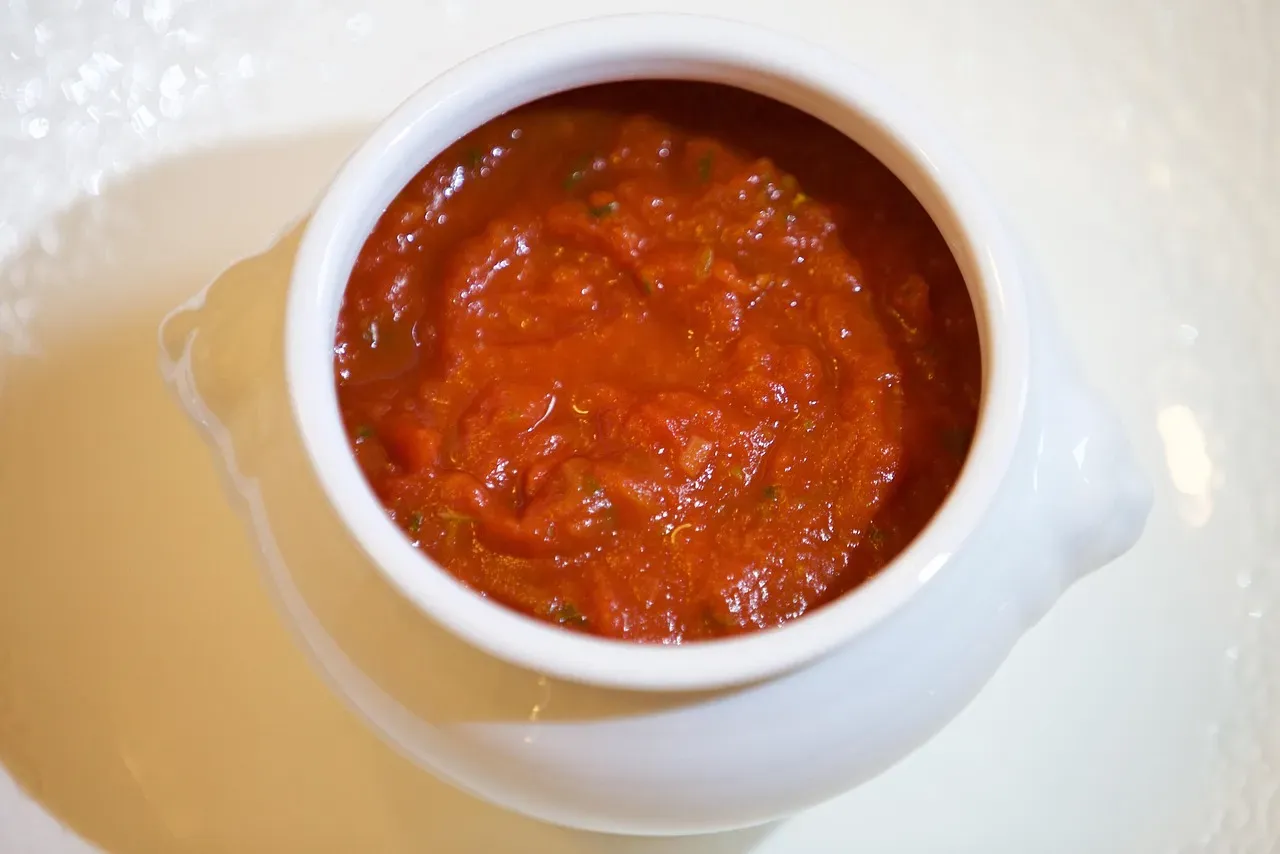
Think about how often a red-stained plastic container sits in your fridge after storing leftover spaghetti sauce. That stain isn’t just a cosmetic annoyance. Plastic containers are prone to absorbing the pigments in your food, leading to stubborn stains that even a dishwasher struggles to remove – and just like the plastic absorbs color from your food, the food also absorbs unwanted chemicals from the plastic it touches.
Tomatoes are acidic in nature, and when stored in plastic containers, they can cause chemical leaching from certain plastics into the food. The acid reacts with the plastic, which can change the flavor and can release harmful substances. For long-term storage, the risk only compounds. Tomato-based sauces are highly acidic and should be stored in glass jars instead of PET or PP containers. Honestly, if you’ve ever tasted a metallic or off-flavor in your stored pasta sauce, you may already have experienced this firsthand.
2. Citrus Fruits and Juices
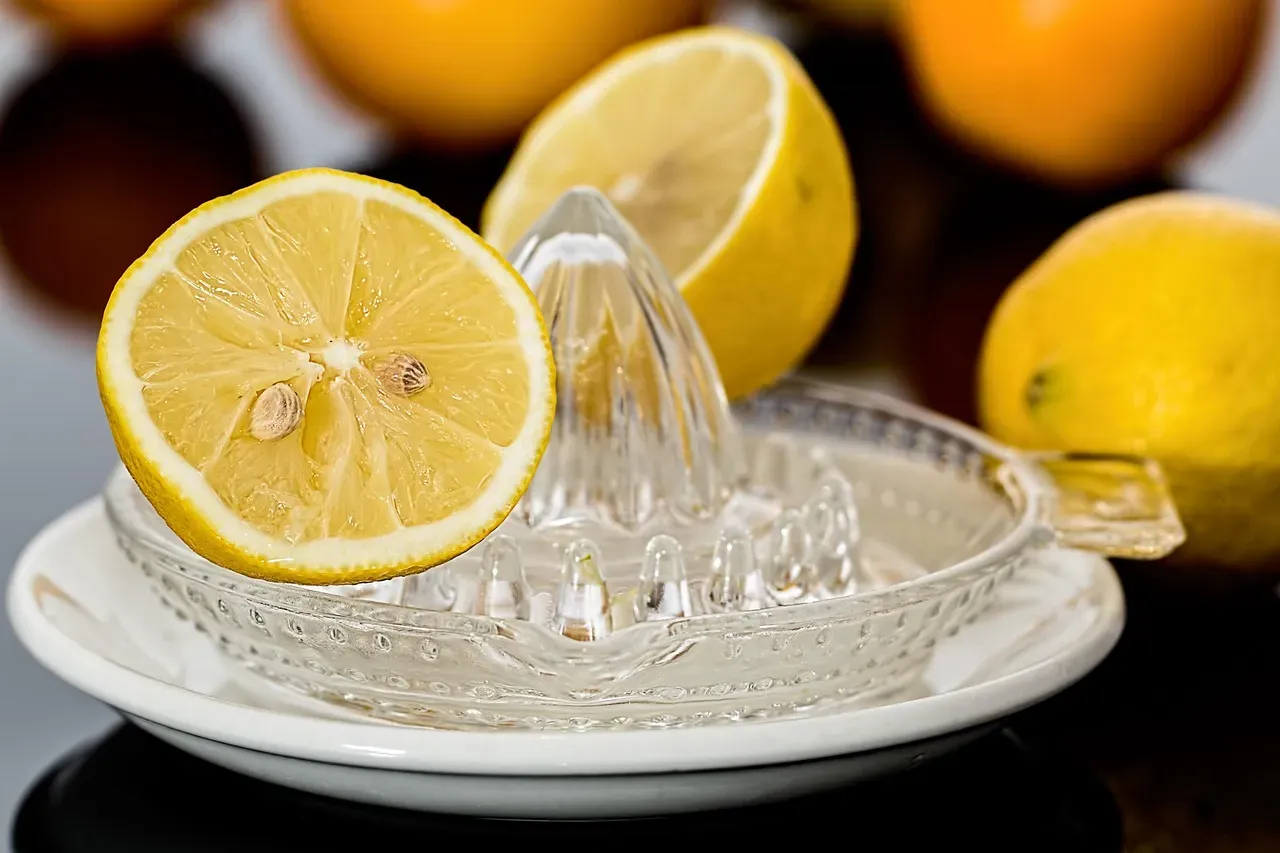
Citrus fruits and their juices are highly acidic in nature, which can react with certain plastics, causing chemical migration and spoilage. The acids can also affect the plastic itself, resulting in cracks or leaks over time. Think of it like leaving a lemon on a marble countertop – the acid does invisible but real damage.
Like fatty foods, acidic foods are more likely to trigger chemical migration when stored in plastic containers. Acidic foods – including citrus fruits and juices – can react with plastic surfaces, causing chemicals to leach into the food. Lemon juice is best stored in glass bottles to maintain both its flavor and safety. Fresh-squeezed juice deserves better than a plastic bottle.
3. Raw Meat and Poultry
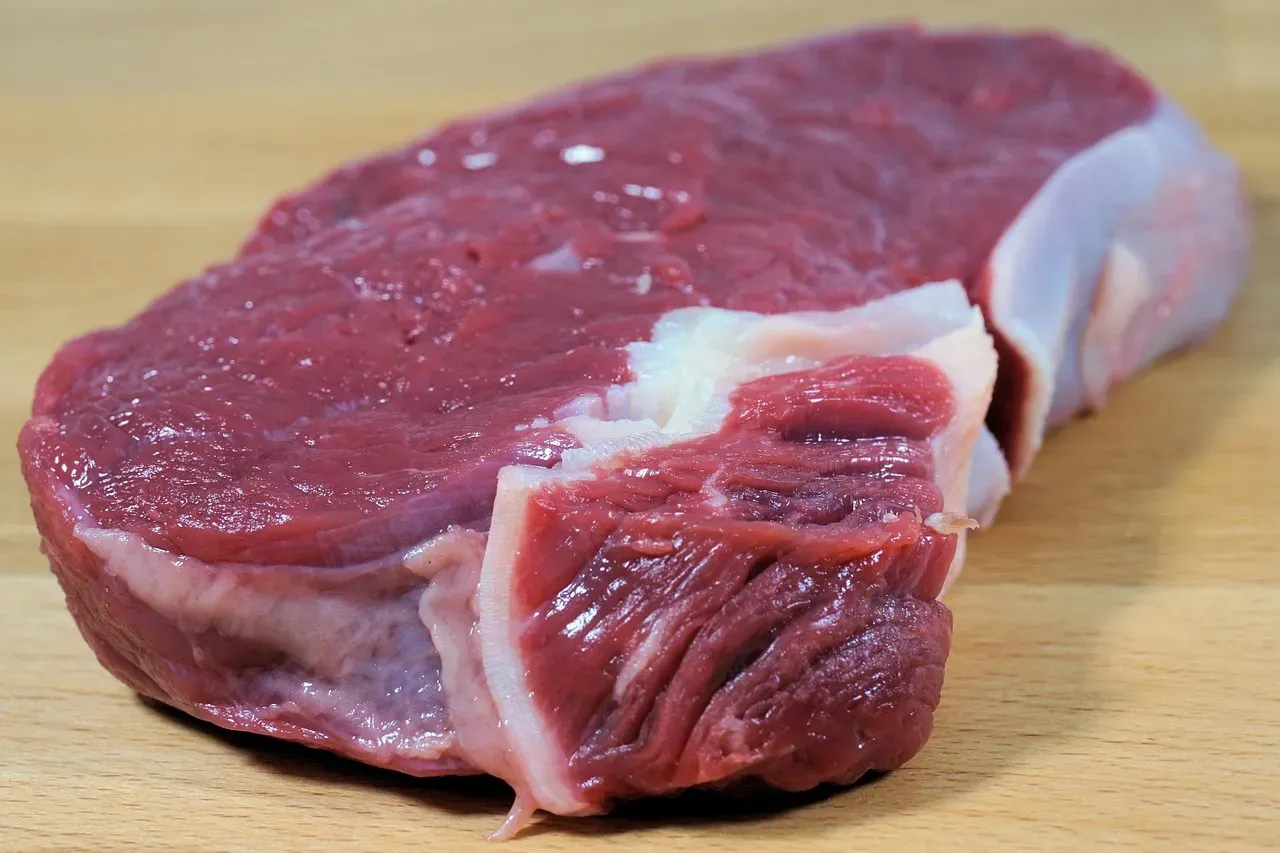
Storing raw meat the wrong way can lead to an environment where dangerous bacteria multiply faster than usual. The problem isn’t just about chemicals here – it’s also about biology. The moisture buildup accelerates bacterial growth exponentially, and cross-contamination, foodborne illness, and rapid spoilage can occur within hours rather than days.
Shannon Stover, a food safety educator at Michigan State University, warns that storing raw meat in plastic containers can pose a food safety risk. Foods with high fat content shouldn’t be stored in plastic containers because many plastic additives are lipophilic, meaning they dissolve more easily in fats than in water. As fatty foods sit in plastic containers, these chemicals migrate into the food, increasing the risk of contamination. Use glass with a tightly fitted lid or, better yet, wrap meat in butcher paper.
4. Hot Leftovers and Freshly Cooked Meals
Here’s a habit almost everyone is guilty of: scooping a steaming portion of last night’s stew straight into a plastic container. The warmth feels harmless. It isn’t. Heat can release microplastics from containers directly into your food, and when hot food is placed in plastic, heat can cause chemicals like BPA to leach from the container into the food.
Storing hot foods directly in plastic containers can pose a significant risk, particularly with PVC containers. The heat can cause the plastic to warp or melt, not only damaging the container but also increasing the likelihood of harmful chemicals leaching into the food. PVC is known for its chemical stability but can release toxins like dioxins when heated. Contact between heated food and plastic may promote the degradation of the plastic itself, potentially increasing exposure to harmful substances such as BPA, phthalates, PFAS, or microplastics. Experts recommend investing in glass containers or food-safe alternatives because they are better equipped to handle temperature changes and are less likely to leach potentially harmful chemicals.
5. Fatty and Oily Foods
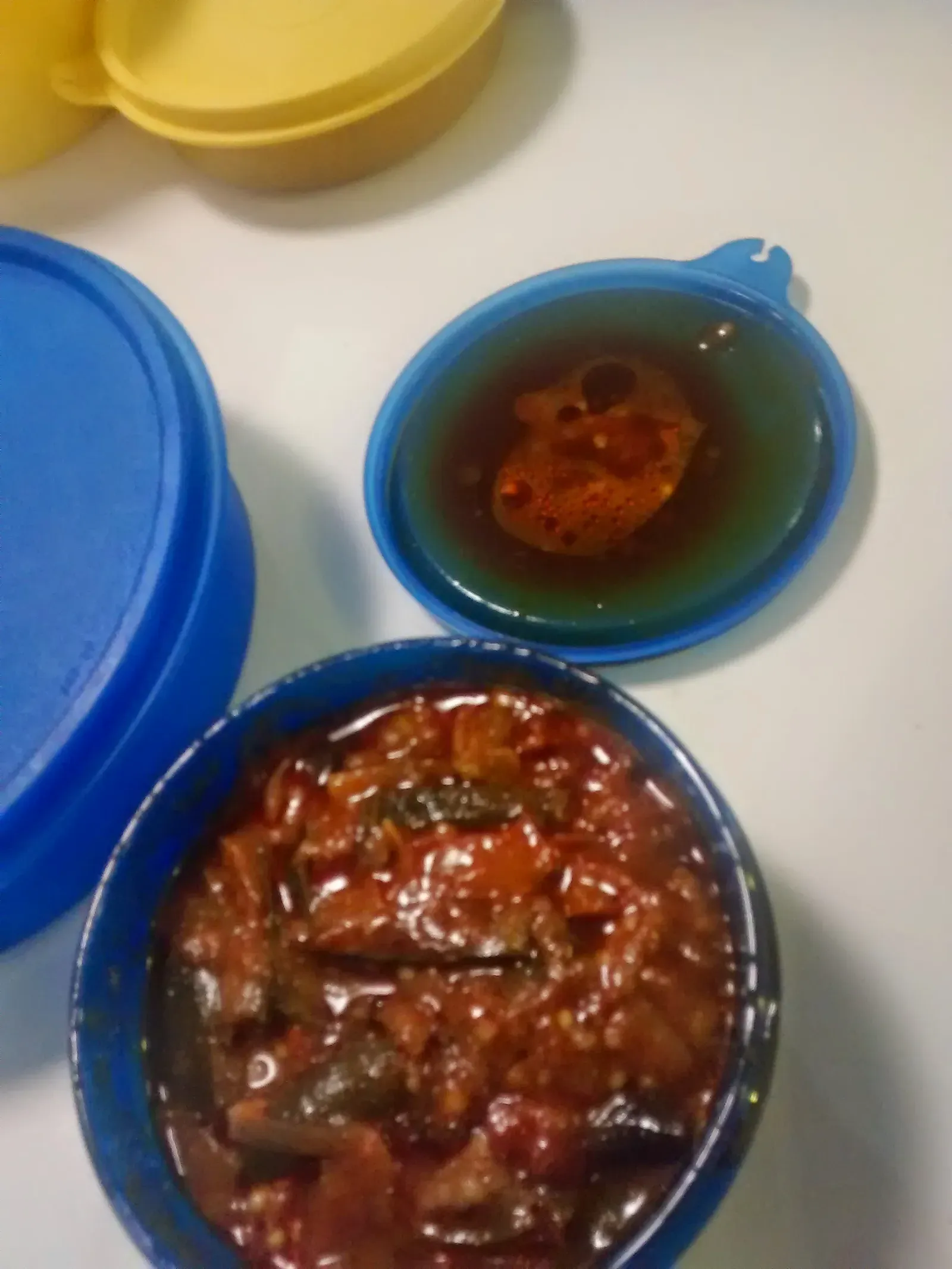
Foods with high fat content shouldn’t be stored in plastic containers because many plastic additives are lipophilic, meaning they dissolve more easily in fats than in water. As fatty foods sit in plastic containers, these chemicals migrate into the food, increasing the risk of contamination. Think butter, cheese, nut butters, and anything fried.
Certain foods, particularly acidic or fatty foods, can increase the rate at which chemicals migrate from packaging into the food. Acidic foods can react with packaging materials, increasing the leaching of harmful substances such as BPA or phthalates. Similarly, fatty foods can absorb more lipophilic chemicals, such as those found in certain plastic wraps or containers. To reduce exposure to these chemicals, store fatty foods in glass or stainless steel containers instead.
6. Fermented Foods (Kimchi, Sauerkraut, Pickles)
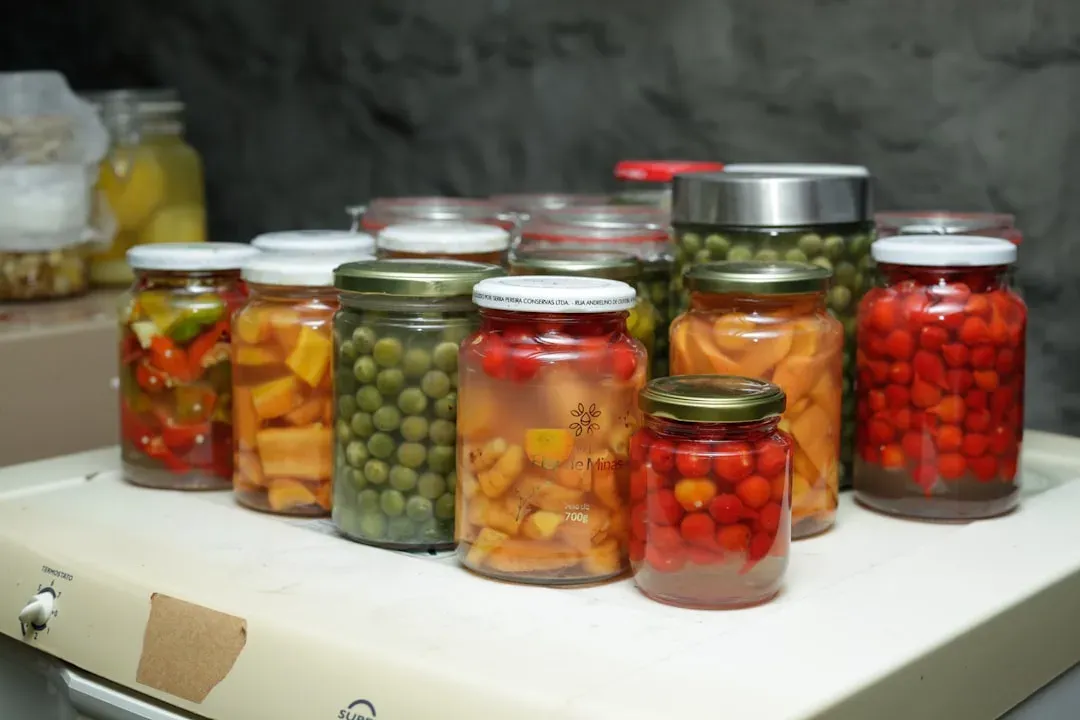
Fermented foods are having a well-deserved renaissance right now, with more people making kimchi and sauerkraut at home than ever before. But storing them in plastic is a quiet mistake. Kimchi, sauerkraut, and pickles don’t just smell strong – they also produce acid and gas during fermentation. These byproducts can weaken plastics, particularly LDPE and HDPE, and alter the taste or safety of the food.
Fermented foods such as yogurt, sauerkraut, and kimchi can react with plastic surfaces, causing chemicals to leach into the food. On top of the chemical risk, there’s a practical one too: the acid and gas pressure from active fermentation can warp plastic lids, creating seal failures that invite contamination. Glass jars with wide mouths were practically designed for this kind of food. Use them.
7. Honey
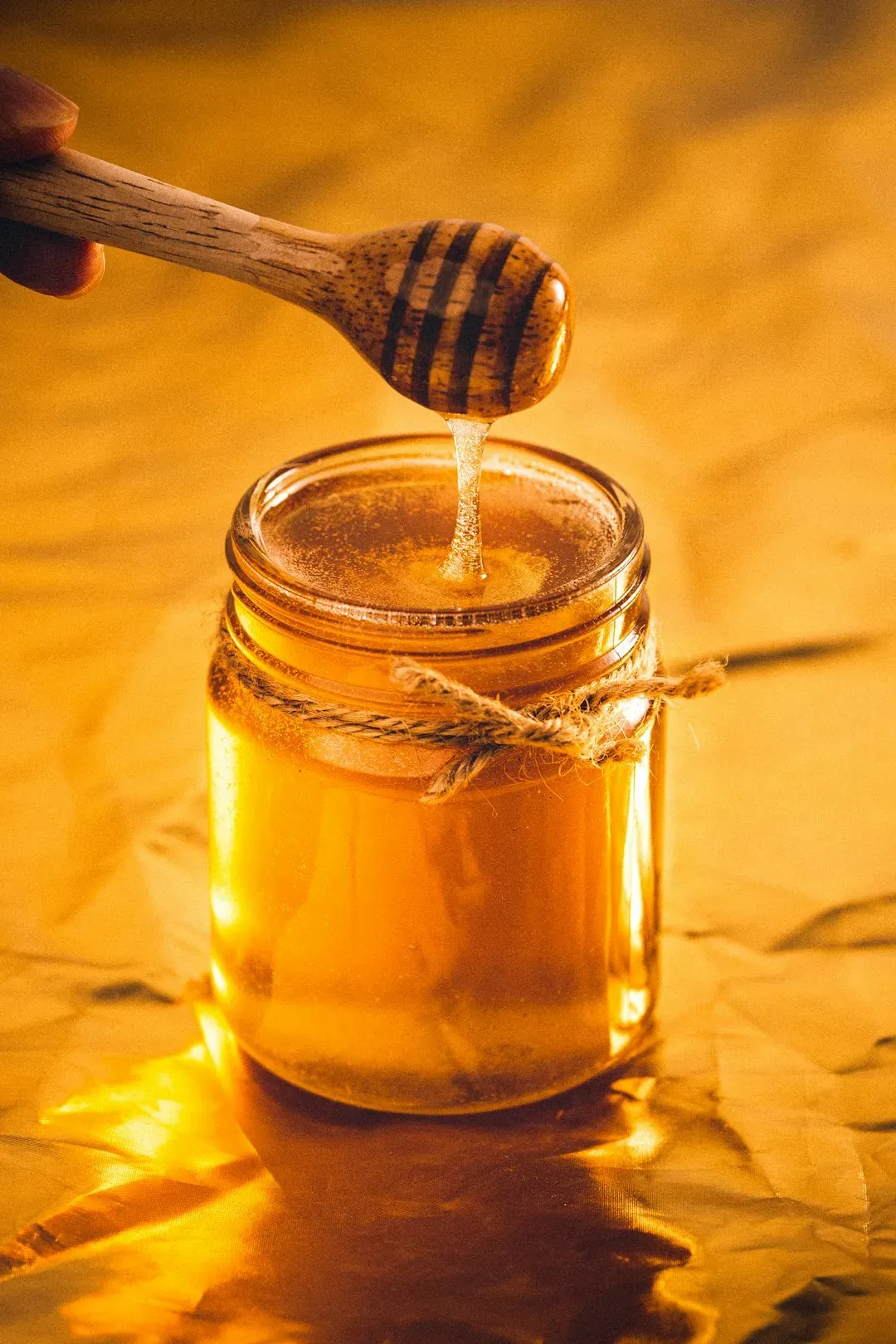
It sounds strange, right? Honey is one of the most stable foods on earth – archaeologists have found perfectly preserved honey in ancient Egyptian tombs. So what could possibly go wrong in a plastic container? Quite a bit, actually. Even something as natural as honey can become contaminated in plastic containers. Honey is best stored in glass jars, as it can react with plastic over time. Although honey is stable and doesn’t spoil easily, plastic can impact its flavor and texture. The high sugar content and slight acidity of honey can interact with plastic polymers over extended storage periods.
Storing honey in glass keeps it tasting as pure as possible without any added flavors. If you buy honey in a plastic container, consider transferring it to glass for long-term storage. The flavor difference is subtle but real – and over months, the chemical interaction is the bigger concern.
8. Berries and Soft Fruits
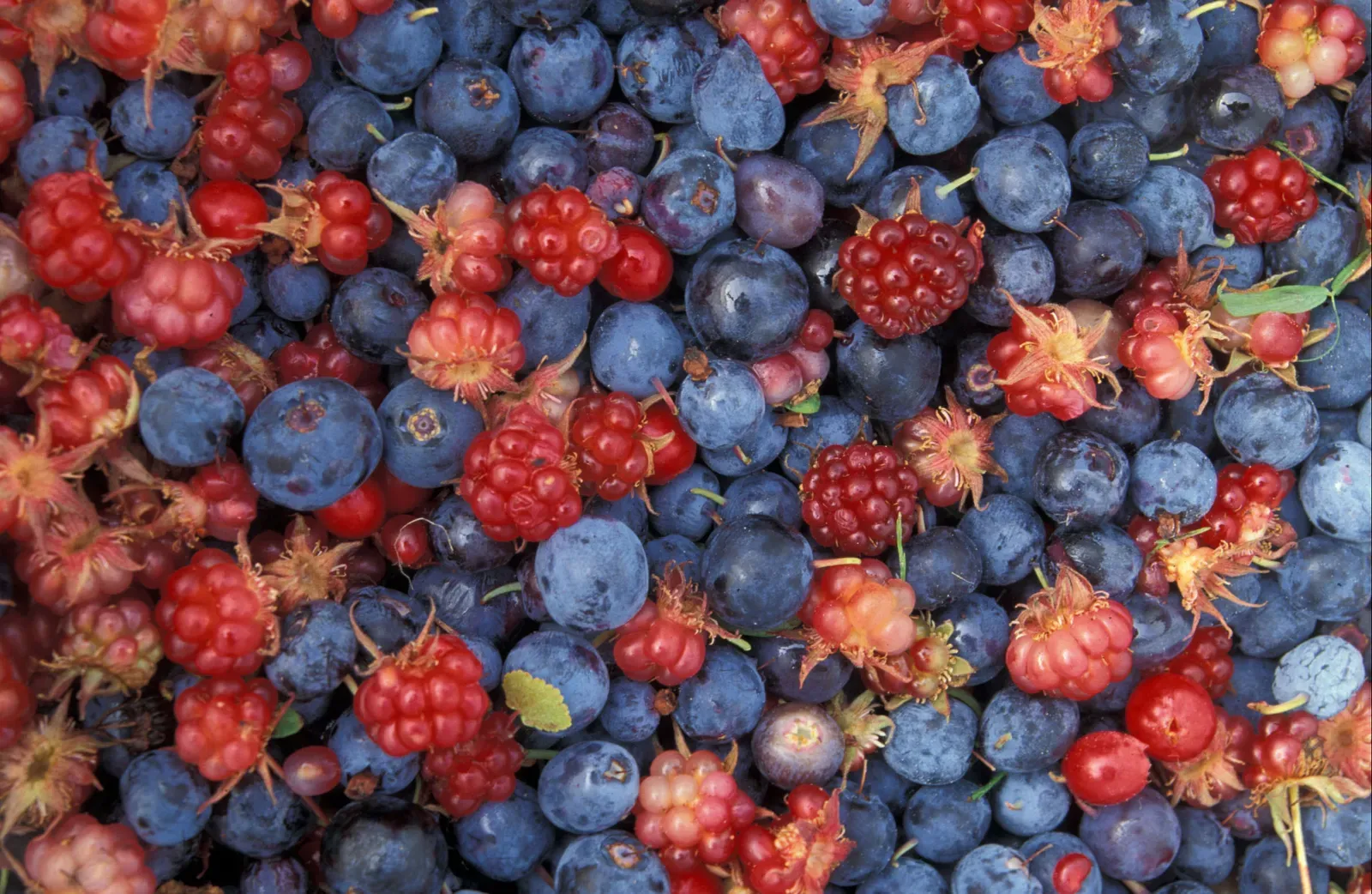
Berries are delicate. They bruise easily, they release moisture quickly, and they mold fast. Plastic containers make all of these problems worse. Soft fruits and berries may trap moisture and cause the plastic to degrade faster, leading to mold growth. The moisture from these fruits creates an environment where both plastic degradation and bacterial growth can flourish.
Berries are also naturally acidic, which compounds the problem. The combination of moisture, acidity, and time creates perfect conditions for plastic chemicals to leach into your healthy fruit. Glass or breathable containers are much better options for keeping berries fresh without chemical contamination. A breathable container or even a simple bowl covered with a cloth dramatically extends the freshness of strawberries and raspberries.
9. Spicy Foods
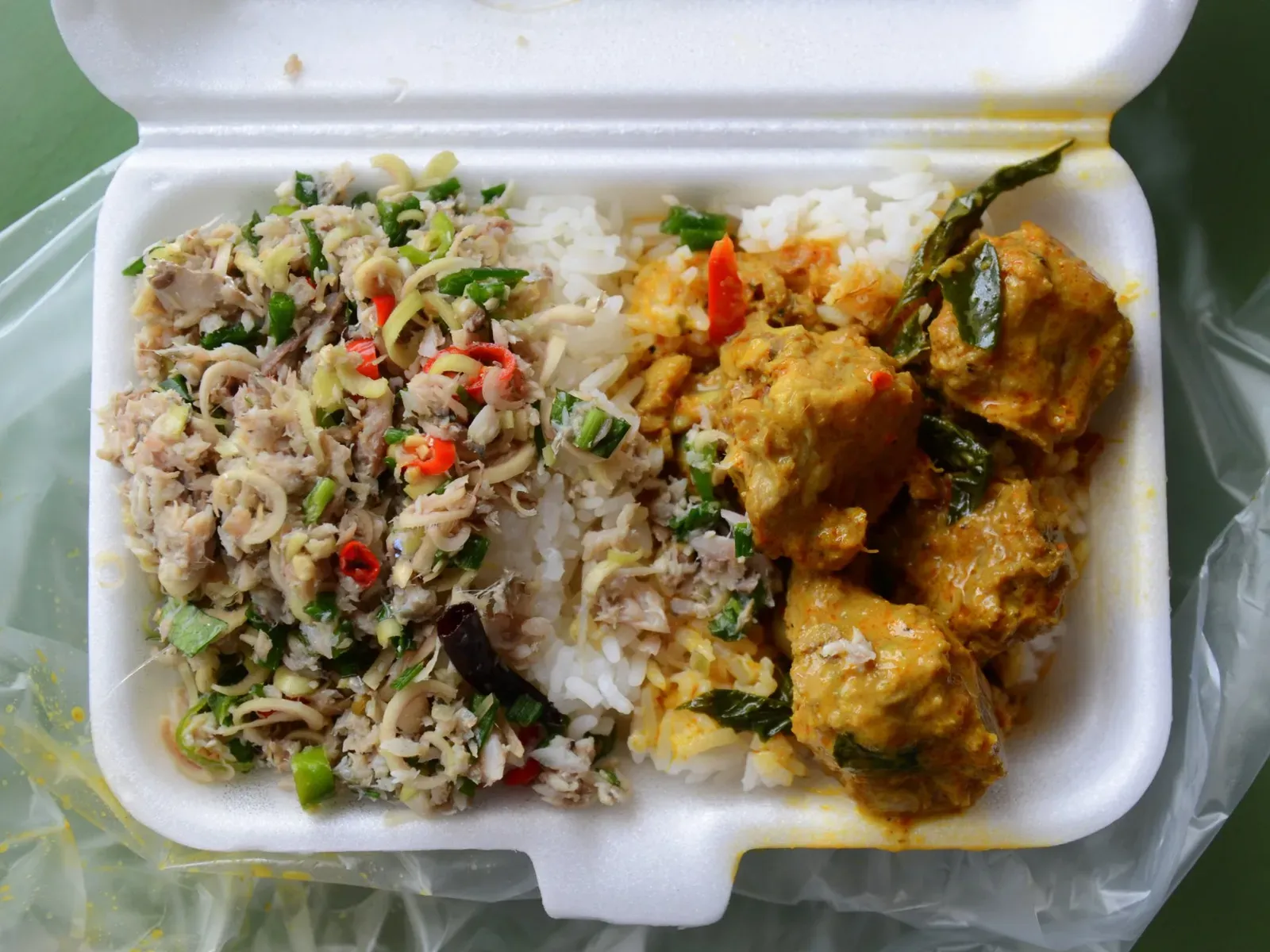
Spicy curries, chili oils, and hot sauces are absolute flavor bombs – but they’re also a chemical transfer nightmare when paired with plastic. Spicy foods have acids and oils from chillies and spices that can react with plastic. It not only risks chemical leaching but can also stain or leave an odor in the container. Long-term storage can even worsen these effects.
The interaction is two-directional and frustrating. The spice attacks the plastic and the plastic attacks back. Glass or stainless steel containers do not react with acidic or spicy ingredients, which keeps the food safe, flavorful, and odor-free while controlling the contamination that could impact both taste and health. Anyone who has tried to wash curry residue out of a plastic container will tell you: the battle is already lost before it begins.
10. Alcohol-Based Foods and Marinades
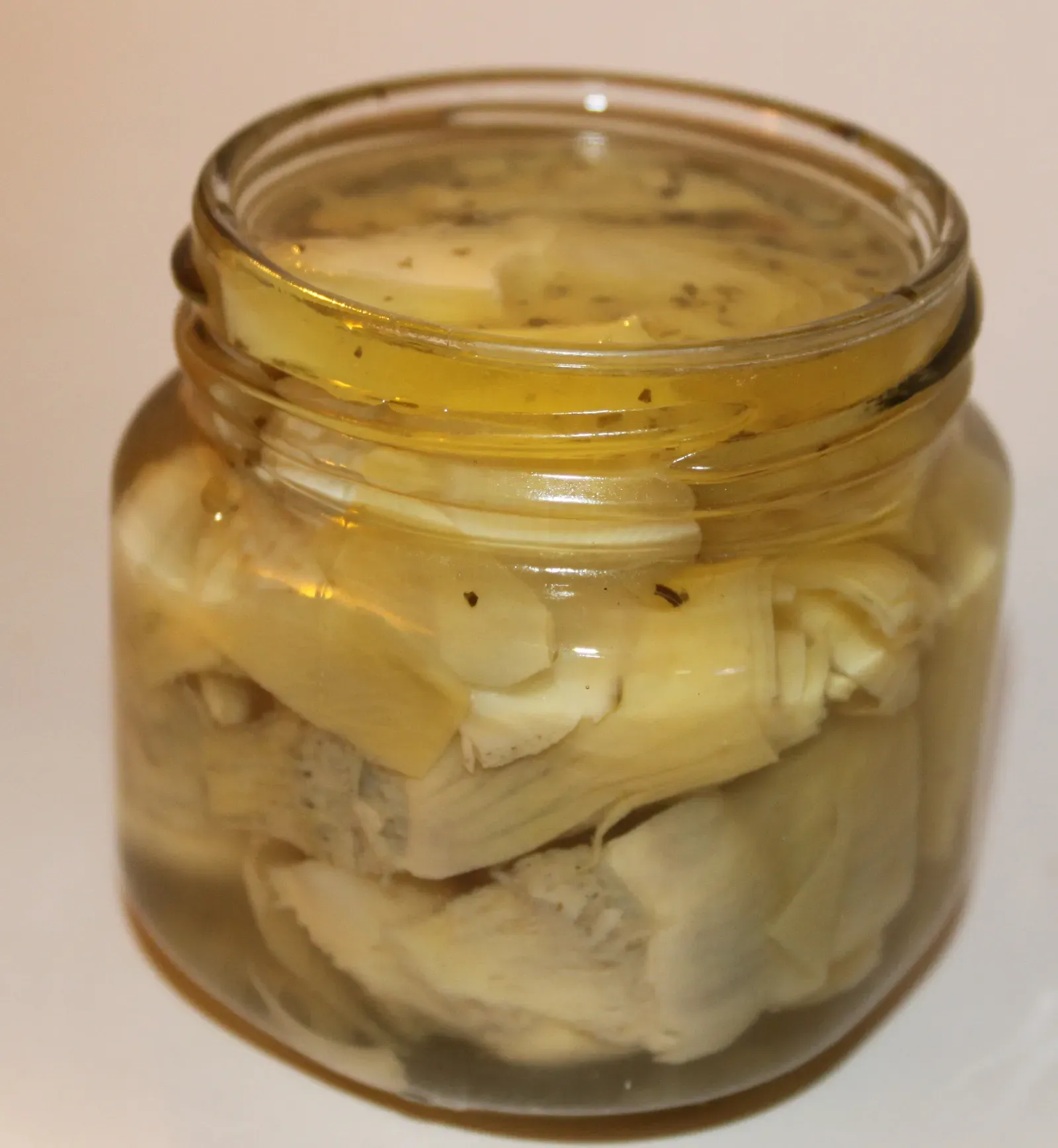
Wine-marinated steaks, rum-soaked fruits, beer-braised dishes – these are flavor staples in many kitchens. But storing them in plastic is genuinely risky. Alcoholic foods, such as those prepared with wine, spirits, or extracts, should not be stored in plastic containers, particularly PET containers. Alcohol can act as a solvent, breaking down plastic over time and causing harmful chemicals to leach into the food.
Alcohol is a powerful solvent that can break down plastic polymers and extract harmful chemicals. The combination of alcohol and plastic creates a dangerous chemical cocktail. Even small amounts of alcohol can accelerate the breakdown of plastic materials, leading to increased chemical migration into your beverages. For foods containing alcohol, stainless steel or glass containers are recommended for safe storage.
11. Dairy Products
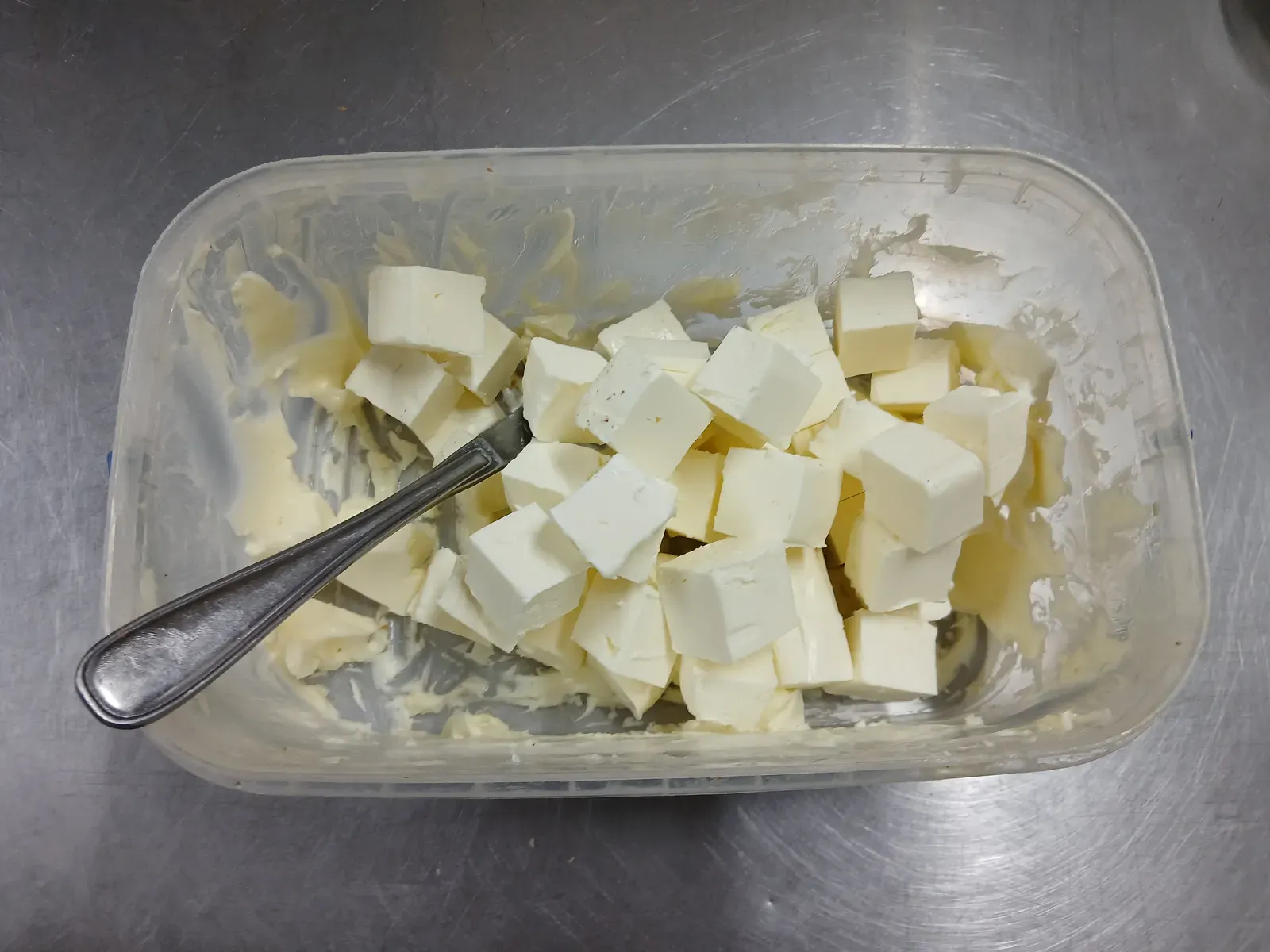
Yogurt, sour cream, soft cheeses – they almost always come in plastic tubs at the store. That doesn’t mean transferring or storing them long-term in plastic at home is a smart move. Dairy products are often stored in polystyrene containers. Research has shown styrene clearly leaks into food in proportion to length of storage and, to a lesser degree, the fat content of the food.
The fat content of dairy is a compounding factor here. Many plastic additives are lipophilic, meaning they dissolve more easily in fats than in water, and as fatty foods sit in plastic containers, these chemicals migrate into the food, increasing the risk of contamination. The longer that cream cheese or brie sits in a plastic container, the greater the exposure. A glass or ceramic dish with a lid is a simple, inexpensive swap that makes a real difference.
12. Garlic and Strong-Smelling Foods
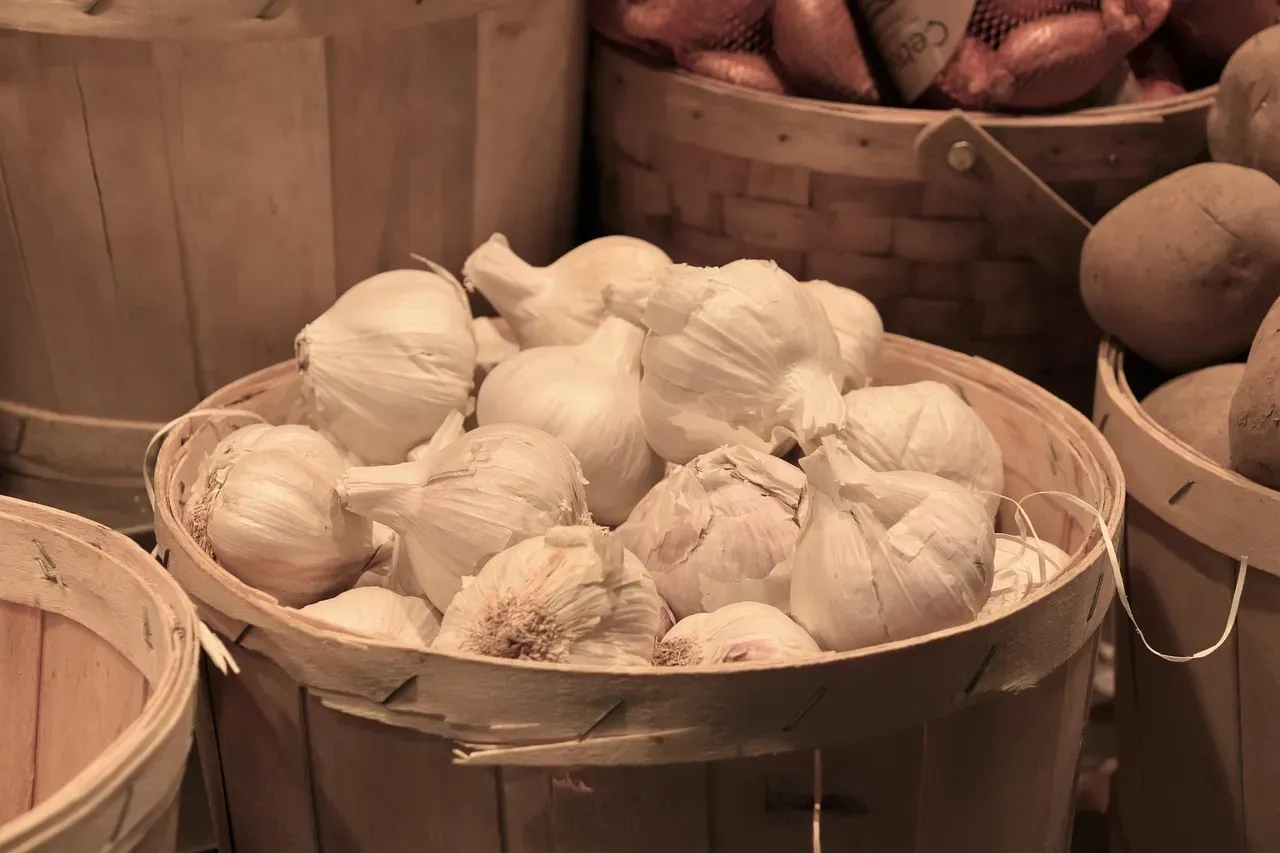
Certain foods, such as garlic, onions, and fish, have strong odors that can be absorbed by plastic containers, particularly PP containers. These smells can be difficult to remove and may transfer to other foods stored in the same container later on. It’s hard to say for sure how much of this is a health risk versus a quality and freshness problem – but it’s clearly both.
Ever stored garlic or fish in a plastic container and found that no amount of scrubbing removed the smell? That’s because plastic, especially polypropylene, can absorb strong odors, which can later transfer to other foods. Garlic cloves are best stored in a cool, dry place in a paper bag or ceramic container. This is one of those cases where your nose is basically doing the science for you.
13. Foods Stored for Long Periods
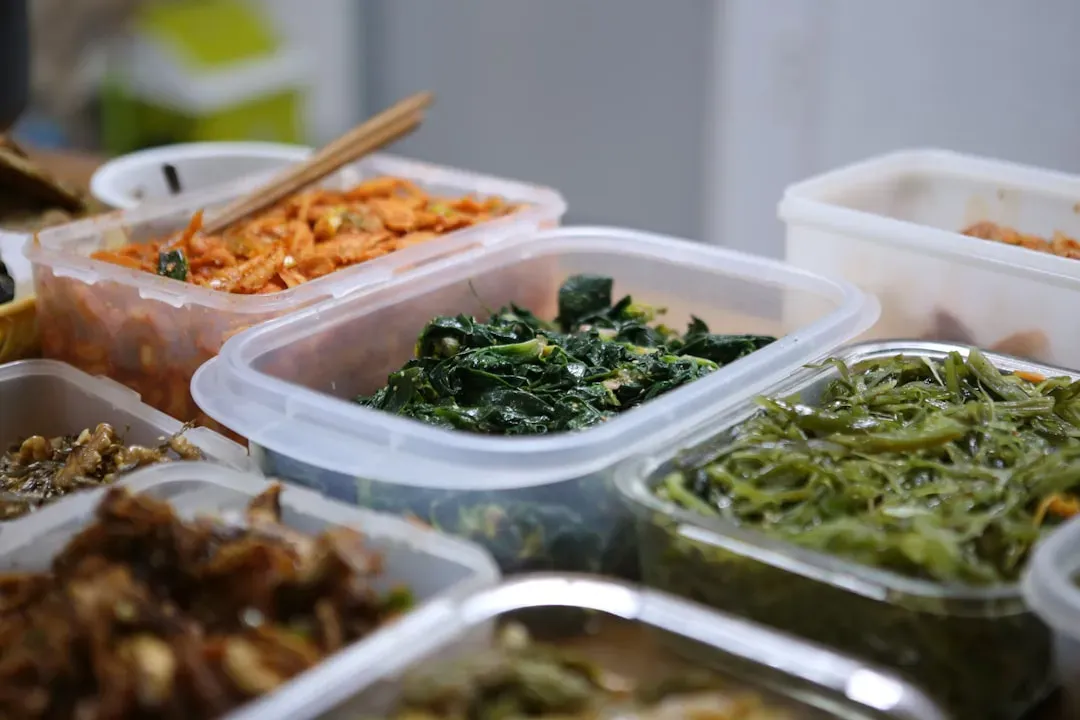
Even if a food seems perfectly compatible with plastic in the short term, time changes everything. Duration is one of the most underappreciated risk factors in plastic food storage. The longer food is stored in packaging, the greater the likelihood of chemical migration. Over time, chemicals from packaging materials can slowly leach into the food, especially if the packaging is not designed for long-term storage. This is particularly concerning for products stored in plastic containers, where BPA and other chemicals can seep into the food over extended periods.
Food stored in plastic for months at a time is more of a concern than something sitting in plastic overnight or for a couple of days in the fridge. Even dry goods like grains, legumes, and oats benefit from being transferred into glass or stainless steel storage after extended time. The chemicals’ harmful effects may be cumulative, so steady exposure to even very small amounts over time could increase health risks. That’s the part most people genuinely ignore – the slow, invisible accumulation over years of daily exposure.
What You Should Do Instead
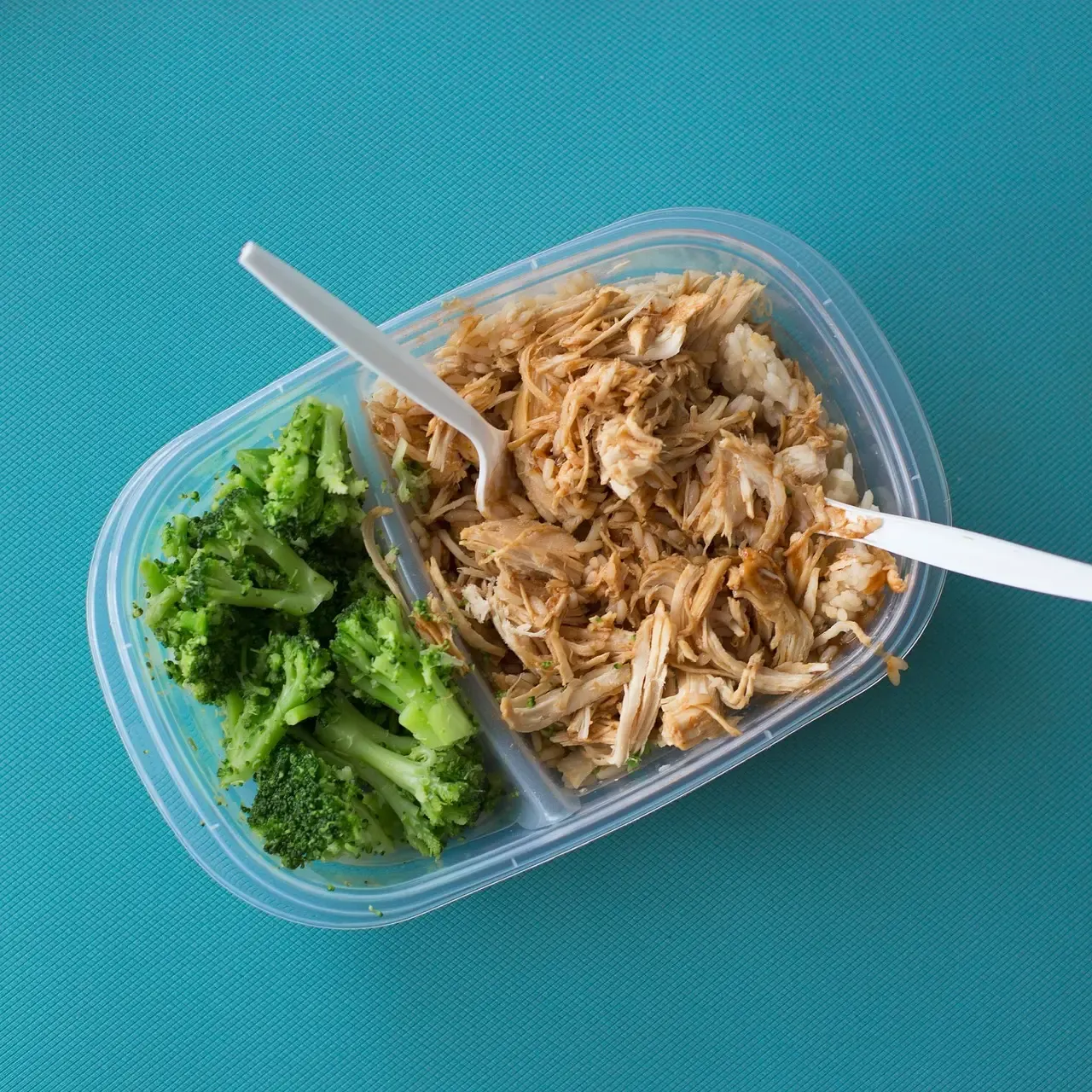
The science here is genuinely alarming when you look at it all together. Research has identified over 3,600 chemicals from food packaging that are detectable in the human body, with at least 76 classified as hazardous. That’s not a small number. These aren’t trace amounts from an obscure lab setting. These are chemicals found routinely in people who simply eat food stored the way most modern households store it.
Synthetic chemicals called phthalates, found in consumer products such as food storage containers, may have contributed to more than 10 percent of all global mortality from heart disease in 2018 among men and women ages 55 through 64, according to a recent study. The good news is that change doesn’t require a complete lifestyle overhaul overnight. Start with the biggest offenders on this list. Researchers recommend not microwaving or dishwashing plastic food containers, and using more materials like stainless steel and glass, which are less likely to react chemically with food. Small swaps, made consistently, genuinely move the needle.
So the next time you reach for that plastic container to store tomato sauce, fatty leftovers, or a piece of cheese – pause for just a second. Your kitchen drawers might be working against your health in ways you’ve never considered. What would you do differently if you knew exactly what was leaching into your food? That’s worth thinking about.