
Your oven is probably one of the most taken-for-granted appliances in your entire home. You turn it on, you cook, you turn it off – and repeat that for years without a second thought. Honestly, most people treat their oven like it’s indestructible. It’s not.
Most kitchen appliances, including ranges, ovens, and cooktops, last around 10 to 15 years, depending on use and maintenance. Yet plenty of ovens give up the ghost well before that window closes – and in most cases, everyday habits are quietly to blame. The scary part? You’re probably doing at least a few of these things right now without even realizing it. Let’s dive in.
Table of Contents
1. Slamming the Oven Door Shut
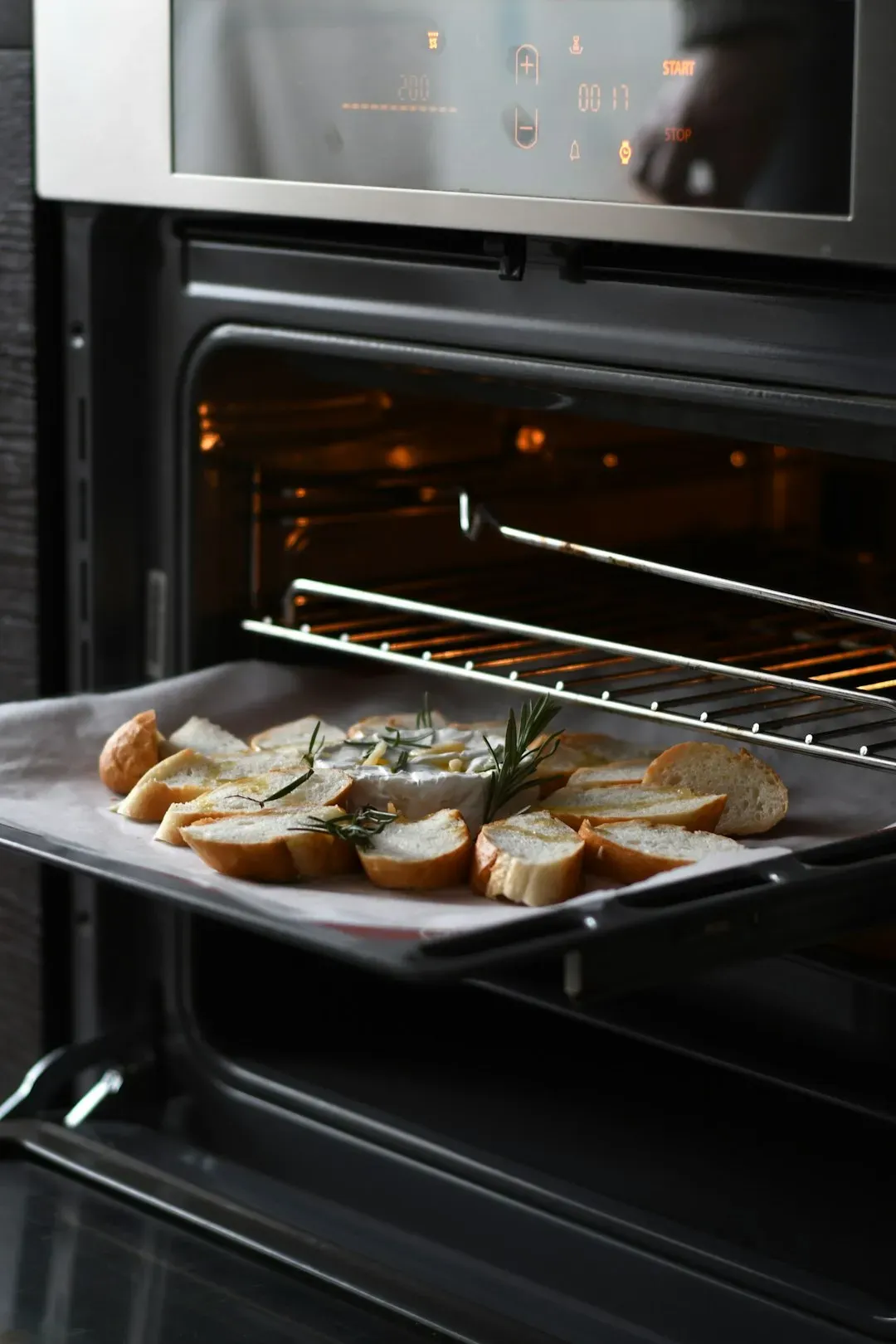
Let’s be real – after a long day, nobody’s gently easing the oven door closed. You nudge it, swing it, sometimes give it a solid shove. It feels harmless. It isn’t.
Slamming the oven door is one of the common mistakes that shorten the oven’s lifespan. Every hard close sends a shockwave through the hinges, the gasket, and even the internal components. Over time, that wear adds up fast.
Avoid slamming the oven door, and inspect the seal every few months for wear and tear. Think of it like a car door – you wouldn’t slam that thousands of times and expect nothing to break. Your oven deserves the same respect.
2. Lining the Bottom with Aluminum Foil
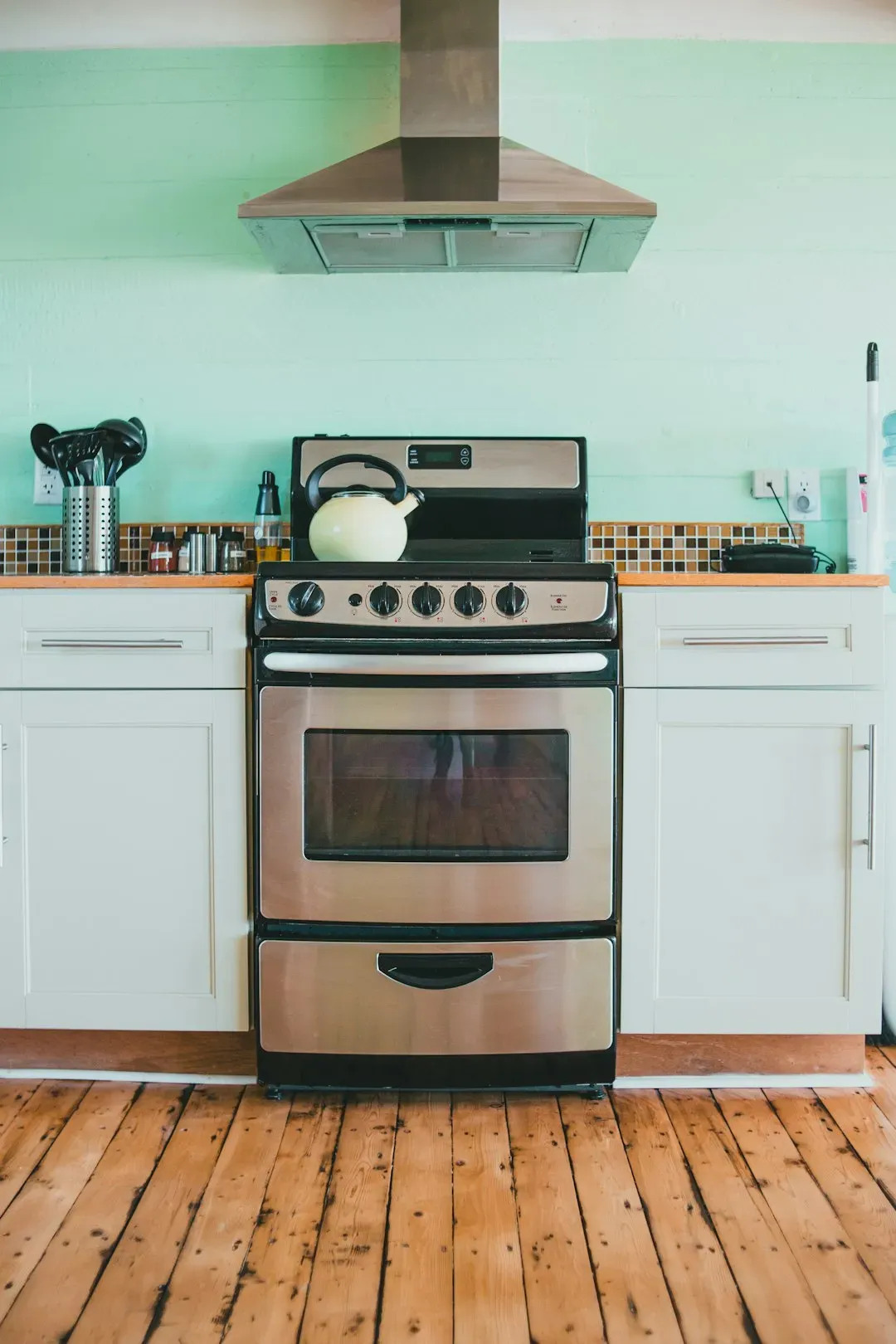
This one is genuinely surprising to most people. Putting foil on the oven floor seems so practical – it catches drips, makes cleanup easier, feels like a clever life hack. It’s actually one of the more damaging things you can do.
Lining the bottom with foil, which can block vents, is a common mistake that shortens an oven’s lifespan. Blocked vents disrupt airflow and force the oven to work harder to maintain temperature. That extra strain on the heating elements accumulates over months and years.
A better approach? Place a foil-lined baking sheet on a lower rack to catch spills, keeping the oven floor completely clear. When cooking something potentially messy, like a pie or casserole that can boil over, place a leak barrier such as a foil-lined cookie sheet underneath to catch any spills – this will help your oven stay clean without blocking critical airflow paths.
3. Overusing the Self-Cleaning Cycle
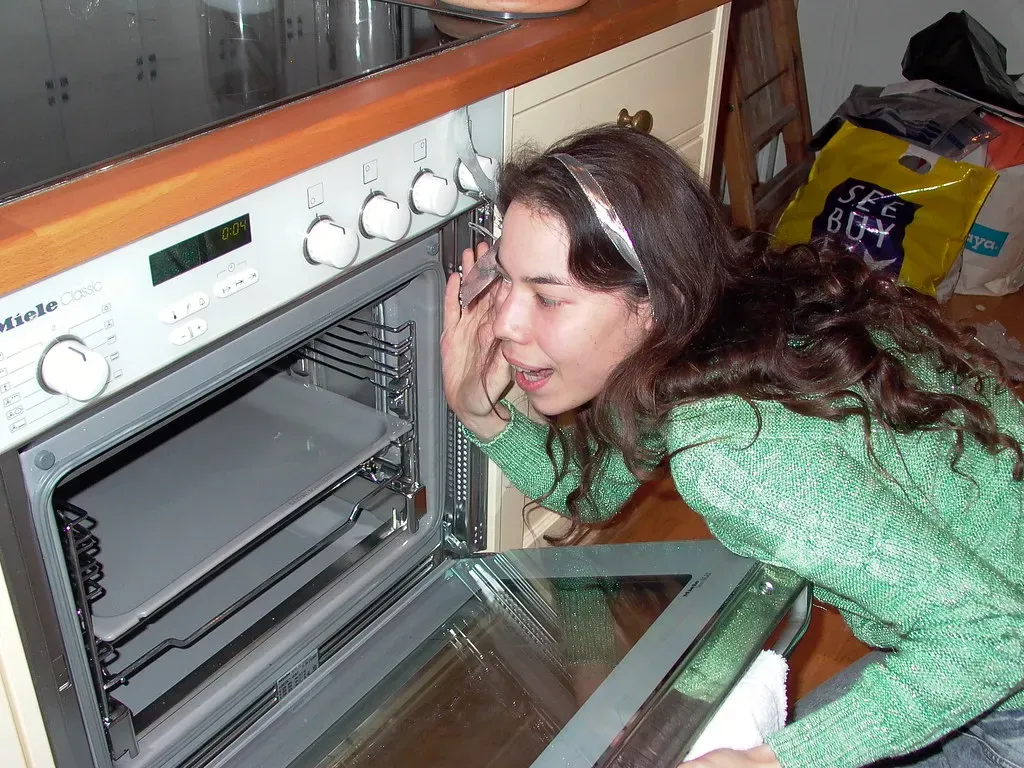
Here’s one that actually shocked me when I first learned about it. The self-cleaning feature sounds like a gift – fire up the cycle, walk away, come back to a spotless oven. The problem is what that extreme heat does to your appliance’s internal parts.
Experts recommend skipping your oven’s self-cleaning cycle, which often runs too hot – up to 1,100 degrees Fahrenheit – and over-stresses the construction, shortening the lifespan. That’s hotter than most home ovens ever need to go for actual cooking purposes.
While using the self-clean function won’t outright damage the oven, the excessive heat can potentially hasten the failure of worn parts like the bake or broil elements, switches, and the door latch. If you must use the self-cleaning oven feature, use it sparingly – the high temperatures can damage your oven and shorten its lifespan.
4. Neglecting to Clean It Regularly
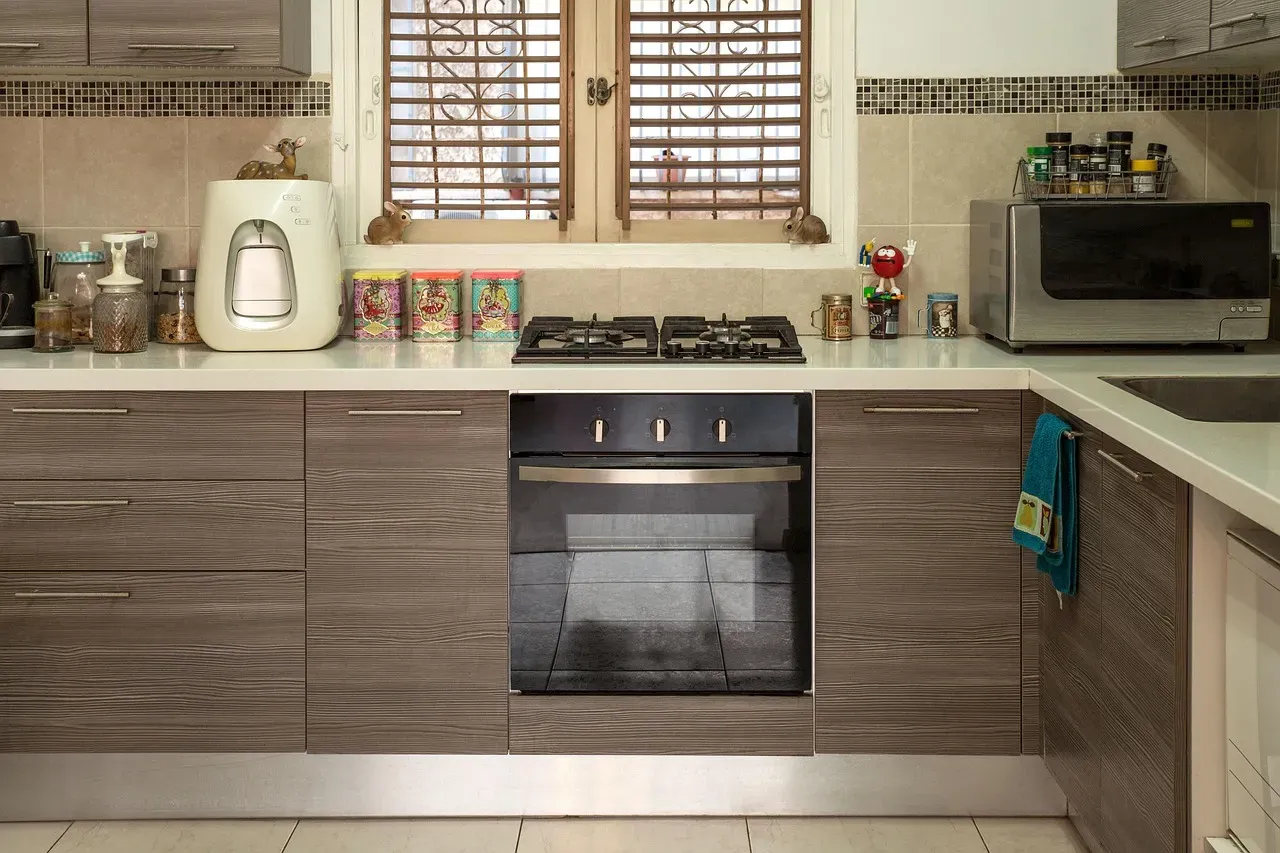
There’s a balance here, of course. You shouldn’t overuse the self-cleaning cycle, but you also can’t just ignore the grease and grime building up inside. Letting it accumulate is just as damaging in its own quieter way.
If your oven is absolutely coated in grime, dust, and grease, the heating element cannot do its job. Instead of heating the air inside the oven, it only heats the built-up debris. Think of it like putting a blanket around the inside of your oven – the blanket reflects heat back at the heating element, making it think that the oven is much hotter than it actually is.
The fix is simpler than you think. If you don’t have a self-cleaning oven, follow the manufacturer’s cleaning instructions. Alternatively, try warm soap and water or a white vinegar solution to clean the oven. Low-tech solutions work just fine and they won’t stress your appliance’s components.
5. Ignoring a Worn or Damaged Door Gasket
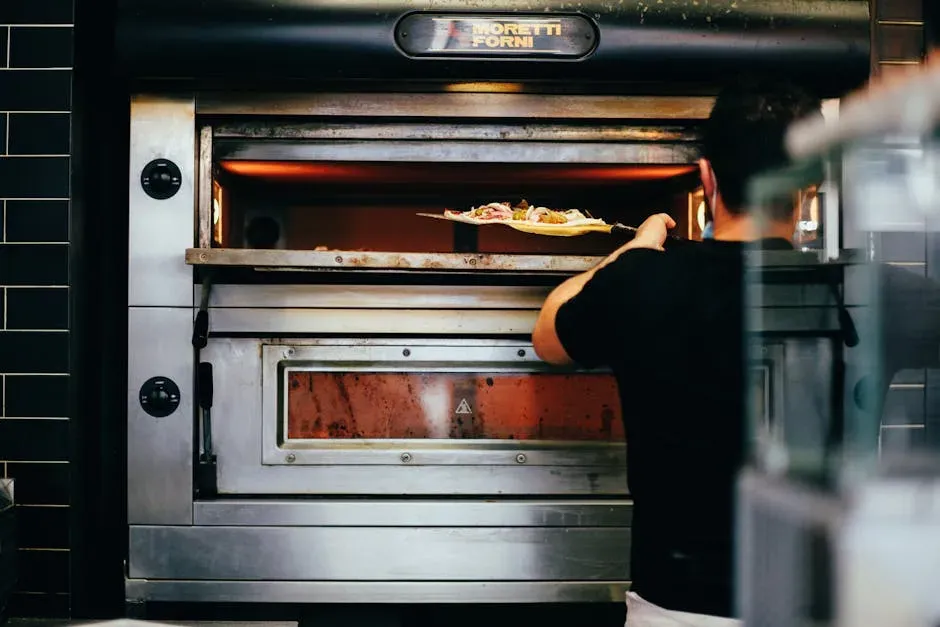
The door gasket – that rubber or fiberglass strip that runs around the inside edge of the oven door – is one of the most overlooked components in the entire appliance. Most people never even notice it until things go seriously wrong.
The purpose of an oven gasket is to help seal the door to keep heat inside the oven. Losing heat from your oven can cause it to work harder to try to maintain the desired internal temperature, or for foods to take longer to cook, which uses more energy than needed. That constant overworking is what degrades your oven years before its time.
In wall ovens or ranges, consistent heat leakage can cause long-term damage. Over time, escaping air can warp control knobs, fade display screens, or even cause discoloration in surrounding cabinets or trim. Typically, oven door seals last 3 to 5 years, and frequent use may require earlier replacement.
6. Using Harsh or Wrong Cleaning Products
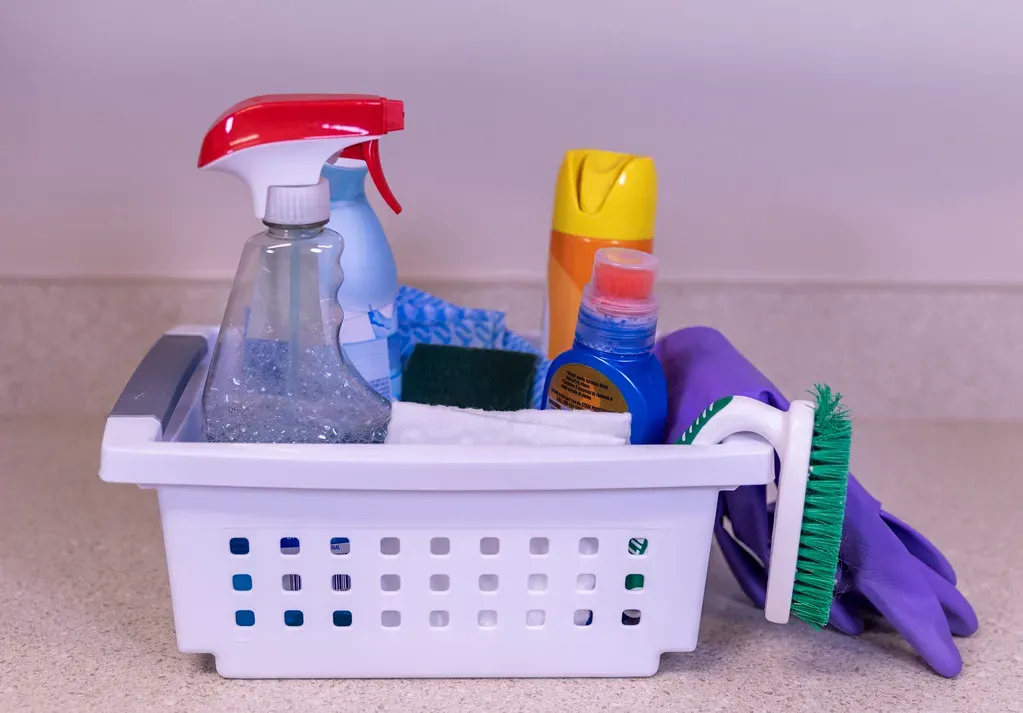
Grabbing whatever cleaning spray is under the sink seems perfectly reasonable. After all, if it cleans counters and stovetops, it should be fine inside the oven too, right? Not quite.
Using the wrong cleaning products is one of the common mistakes that shorten an oven’s lifespan. Aggressive chemical cleaners can corrode internal surfaces, degrade the gasket material, and even damage sensitive electronic components in modern oven models. It’s a bit like using paint stripper to clean your car – technically it works, but the damage isn’t worth it.
Stick to manufacturer-recommended cleaners, or go fully natural. Vinegar and baking soda make for wonderful cleaning agents and make even the toughest stains easy to clean. Simple, cheap, and genuinely effective without the chemical aggression.
7. Blocking or Ignoring Burner Vents
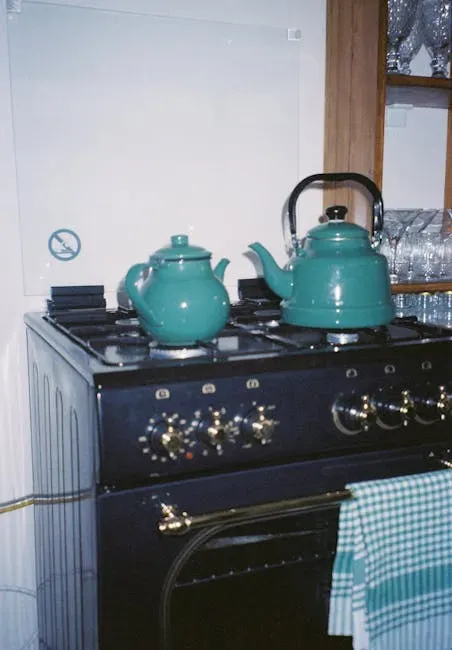
Ventilation is everything inside an oven. The appliance is engineered with specific airflow channels that regulate temperature and protect internal components. Mess with those pathways and you’re quietly killing your oven from the inside.
Allowing food or grease to clog burners, and running the oven with weak or uneven flames, are common mistakes that shorten an oven’s lifespan. Over time, blocked vents cause temperature fluctuations that force the thermostat and heating elements to compensate constantly – that wear compounds fast.
Steps to extend the lifespan include cleaning and checking burners regularly, inspecting connections for leaks, replacing igniters as soon as they fail, and testing the oven temperature with a thermometer twice a year. That last step is one most home cooks skip entirely, and it’s one of the most valuable habits you can build.
8. Running the Oven When Completely Empty
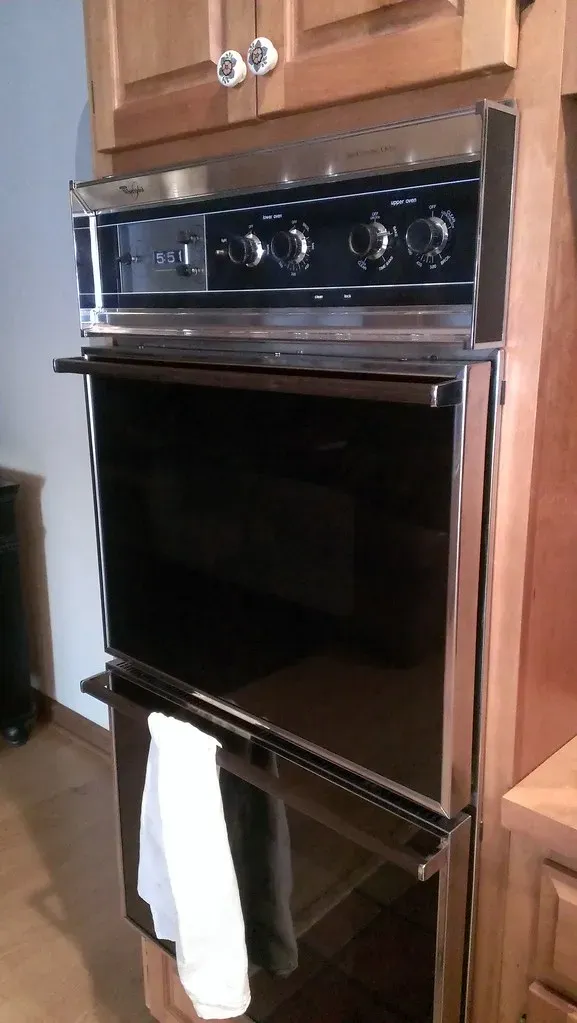
I know it sounds crazy, but preheating an empty oven for far longer than necessary – or using it for trivial tasks that don’t really require it – is a habit that slowly erodes the appliance’s components. Think of it like running your car engine at full throttle with no destination in mind.
Running the oven when empty is one of the common mistakes that shorten the oven’s lifespan. Unnecessary heat cycles put strain on heating elements, the door latch mechanism, and the thermostat sensor, all of which have a finite number of operational cycles before they begin to degrade.
It’s hard to say exactly how many empty-run cycles it takes to cause measurable damage – that varies by brand and model. Still, the principle is straightforward: use your oven with intention. Heat it when you need it, and don’t let it idle at high temperatures for extended periods without a reason.
9. Putting Off Minor Repairs
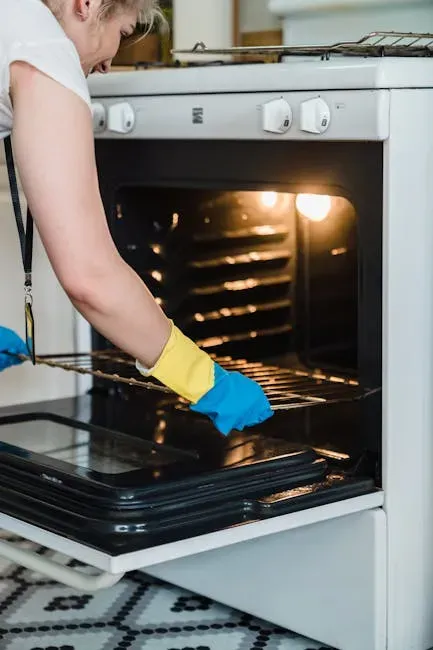
Here’s the thing about small oven problems – they never stay small for long. A slightly uneven flame, a door that doesn’t close quite right, a temperature that seems just a little off. These feel like minor inconveniences. In reality, they’re warning signals that something is failing.
Ignoring gas smells and putting off minor repairs are common mistakes that dramatically shorten an oven’s lifespan. A loose igniter left unaddressed, for example, can eventually damage the gas safety valve – turning a simple part swap into a much more expensive repair.
People often take these big-ticket workhorses for granted, ignoring routine maintenance and the time that has passed since installation. This can shorten appliance lifespan and require you to spring for a new one, perhaps before you’re financially ready. Addressing small issues early is almost always cheaper than waiting.
10. Leaving Food Spills to Harden and Burn
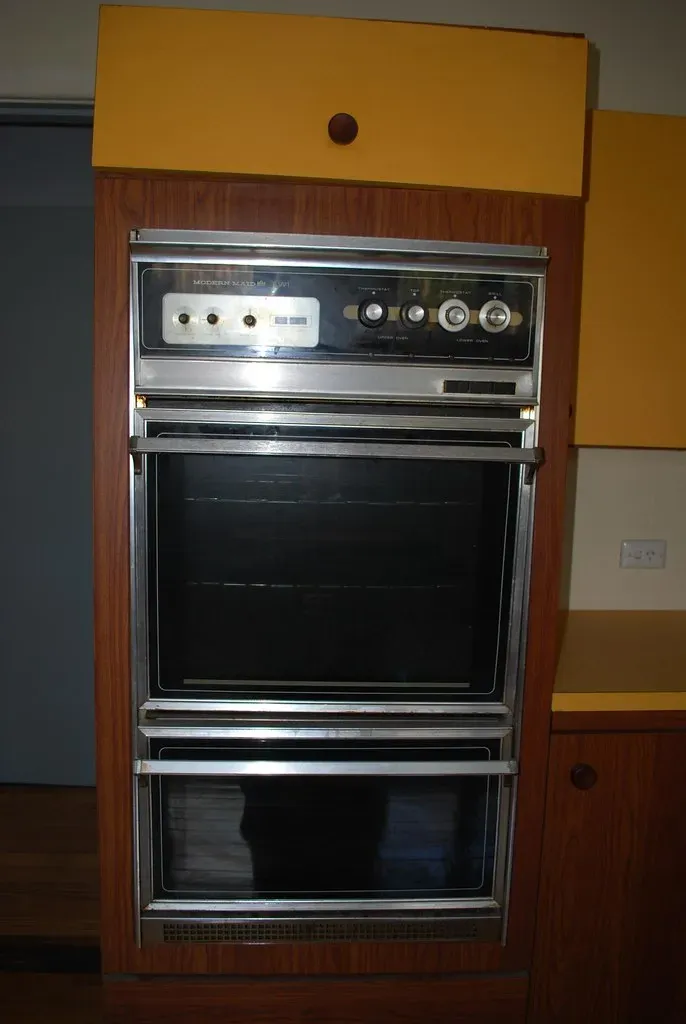
Every oven owner knows the scenario. Something boils over, you make a mental note to clean it, and then life happens and it’s still there three weeks later – now baked into a dark, carbonized crust on the oven floor. This is far more damaging than it looks.
Keeping trays and pans clean and free of grease buildup is important because grease can interfere with heat reflection and airflow. Hardened food residue acts as an insulator and can create hotspots that put uneven stress on heating elements and the oven cavity itself.
Regular cleaning is essential – dust, dirt, and grime can affect performance, especially in ovens. Wiping down spills while they are still fresh takes about two minutes. Letting them calcify into the oven floor can take years off the appliance’s working life.
11. Never Calibrating the Temperature
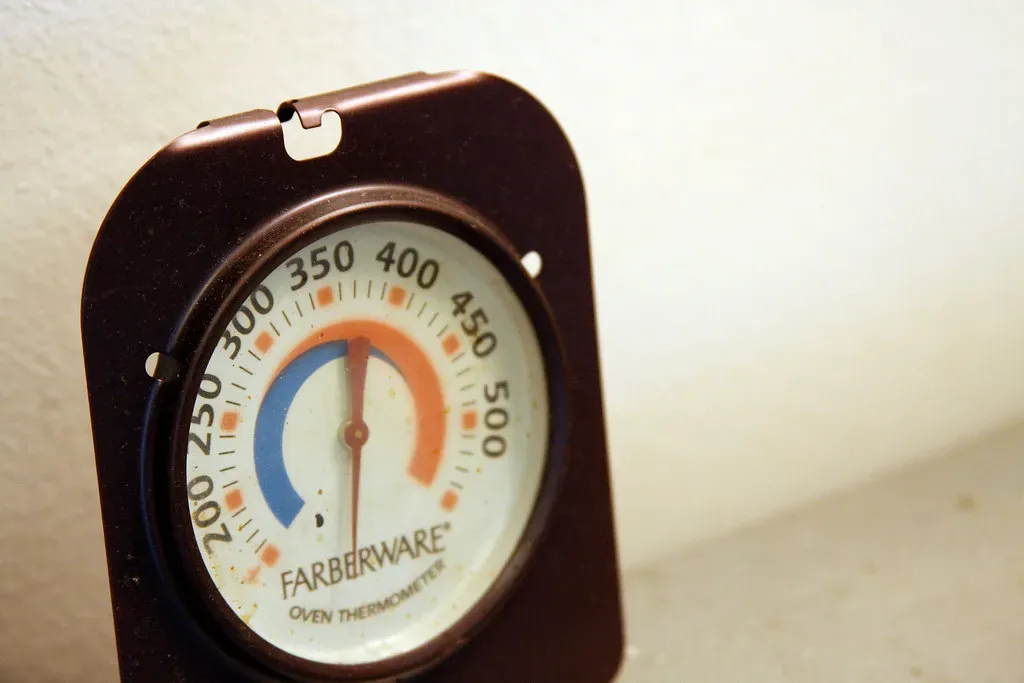
Your oven says it’s at 375°F. Is it actually? Most home ovens drift out of calibration over time, and a surprisingly large number were never perfectly accurate to begin with. Running an oven that’s significantly hotter than its dial suggests means you’re unknowingly stressing every heat-sensitive component inside it.
If food is taking longer than usual to cook or is coming out undercooked, your oven is probably not reaching the desired temperature. Both gas and electric ovens have a temperature sensor located at the upper back of the oven. The temperature sensor measures heat and ensures that your oven does not overheat. An oven not heating correctly can be caused by a faulty temperature sensor or one that has been accidentally bumped during cooking or cleaning.
Heat your oven to 350°F, then use an oven thermometer to take temperature readings every 20 minutes for two hours. Add the readings, divide by the number of tests, and adjust your oven accordingly. It sounds technical, but it takes almost no effort and can protect your oven’s heating elements from chronic overwork.
12. Skipping Professional Maintenance Entirely
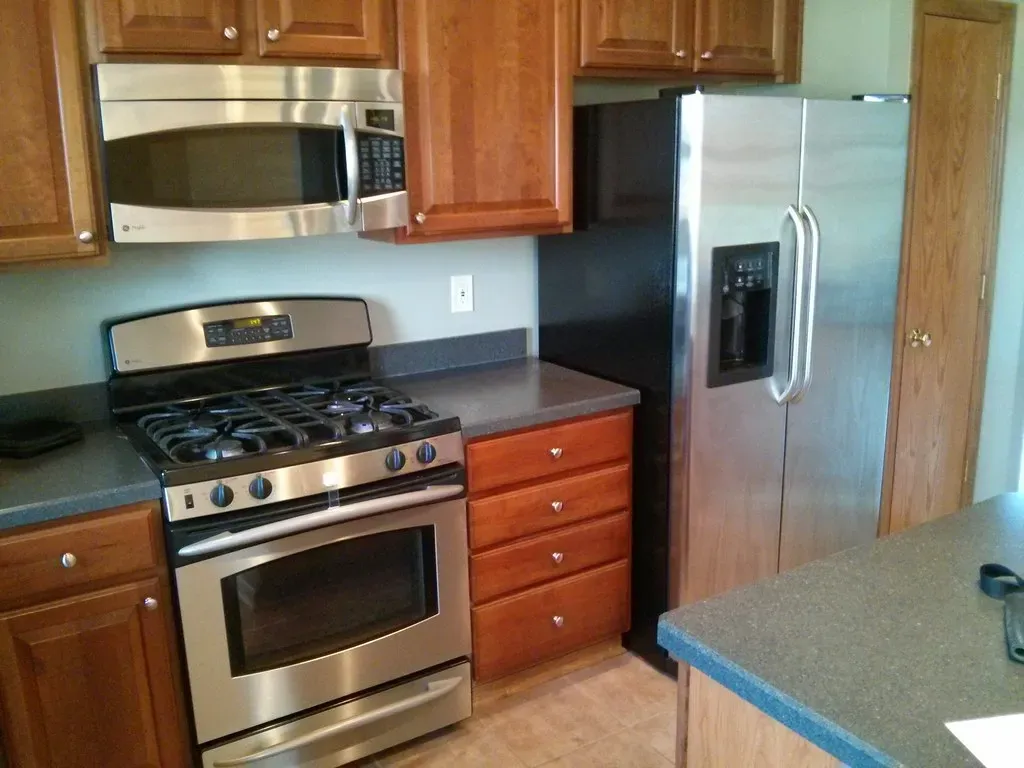
Most people call a technician when something breaks. Very few call one before that happens. The mindset makes sense – if it’s working, why fix it? But with an appliance as complex and heat-intensive as an oven, that logic is quietly expensive in the long run.
Regular cleaning, proper usage, and professional maintenance can extend the lifespan of most appliances by several years. A professional check-up can catch a weakening igniter, a partially blocked vent, or a fraying wire harness long before any of those issues cause a full breakdown.
Lifespans for most major appliances have decreased significantly over the past 25 years, mainly due to the additional bells and whistles in today’s electronically-controlled models. That means today’s ovens need more attentive care than the old-school models your grandparents had. Regular maintenance can help extend your appliance’s working age to the maximum. Scheduling a professional inspection every couple of years is one of the simplest investments you can make in a kitchen appliance that costs hundreds of dollars to replace.
—
Take a moment to think through this list honestly. Chances are at least two or three of these habits sound familiar. The good news is that nearly all of them are easy to change – no tools required, no major costs involved. An oven that lasts its full 10 to 15 years versus one that quits at six is almost entirely a story of small daily choices. What habit on this list surprised you the most? Drop your thoughts in the comments.