
Most people walk into a thrift store looking for a cheap lamp or a spare winter coat. But here’s what most shoppers don’t realize: hiding between the donated paperbacks and dusty picture frames are objects that collectors, auction houses, and serious resellers would pay jaw-dropping sums to own.
Treasures worth thousands or even millions of dollars turn up at secondhand shops every so often. The secondhand world is booming right now – the global secondhand apparel market alone is worth an estimated $256 billion, up significantly from 2024, and the global secondhand market in 2026 is estimated to be worth $228 billion. That’s serious money floating around in places where most people expect to spend five dollars.
The real question is, do you know what to look for? Let’s dive in.
1. Vintage Levi’s Denim With the “Big E” Tag
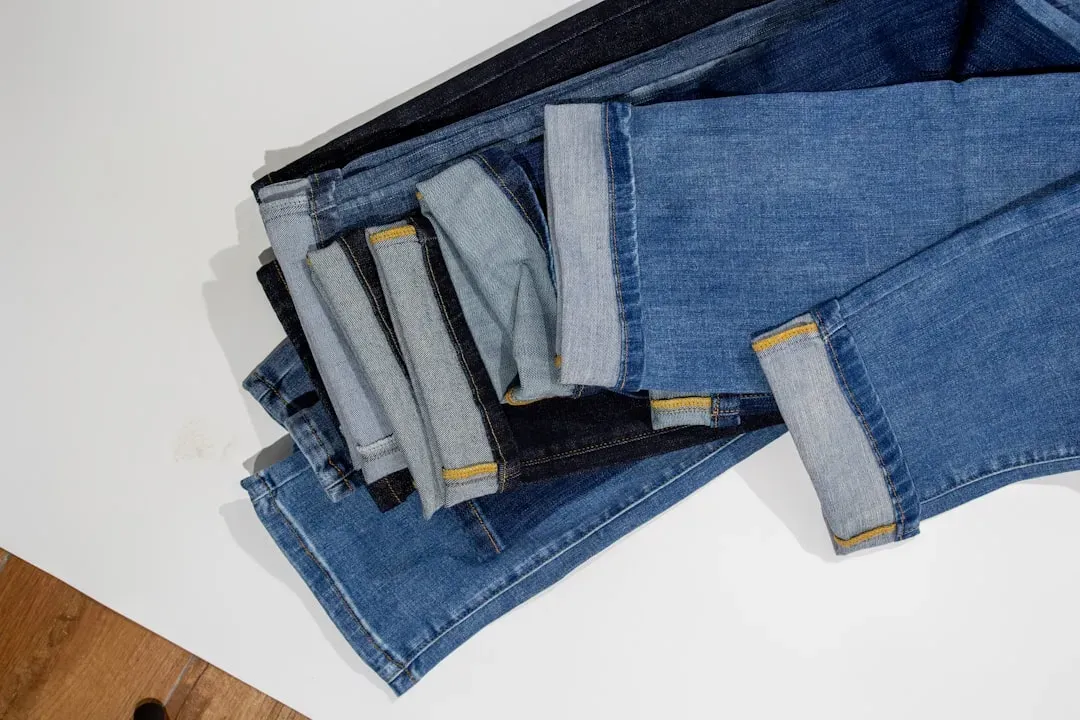
Picture this: a pair of faded, worn-out jeans folded on a thrift rack, priced at maybe eight dollars. To most people, it’s just old denim. To a savvy thrifter, it could be a goldmine if you spot one tiny detail: the “Big E” on the red tab.
On garments made from 1936 to 1970, the red tab features the word “LEVI’S” in all capital letters, known as “Big E” Levi’s. An update in 1971 made the “E” lowercase. Today, vintage Levi’s with the Big E tab are highly prized by resellers and collectors.
On eBay, a pair of Levi’s 501 jeans with a Big E has sold for $2,002. That’s from a pair that likely sat on a thrift rack for weeks with a four-dollar sticker on it. If there’s one pair of jeans you should never walk away from, it’s any Levi’s verified as made between 1949 and 1954. Vintage Levi’s from this era have reportedly been valued at $33,000.
2. First-Edition Books
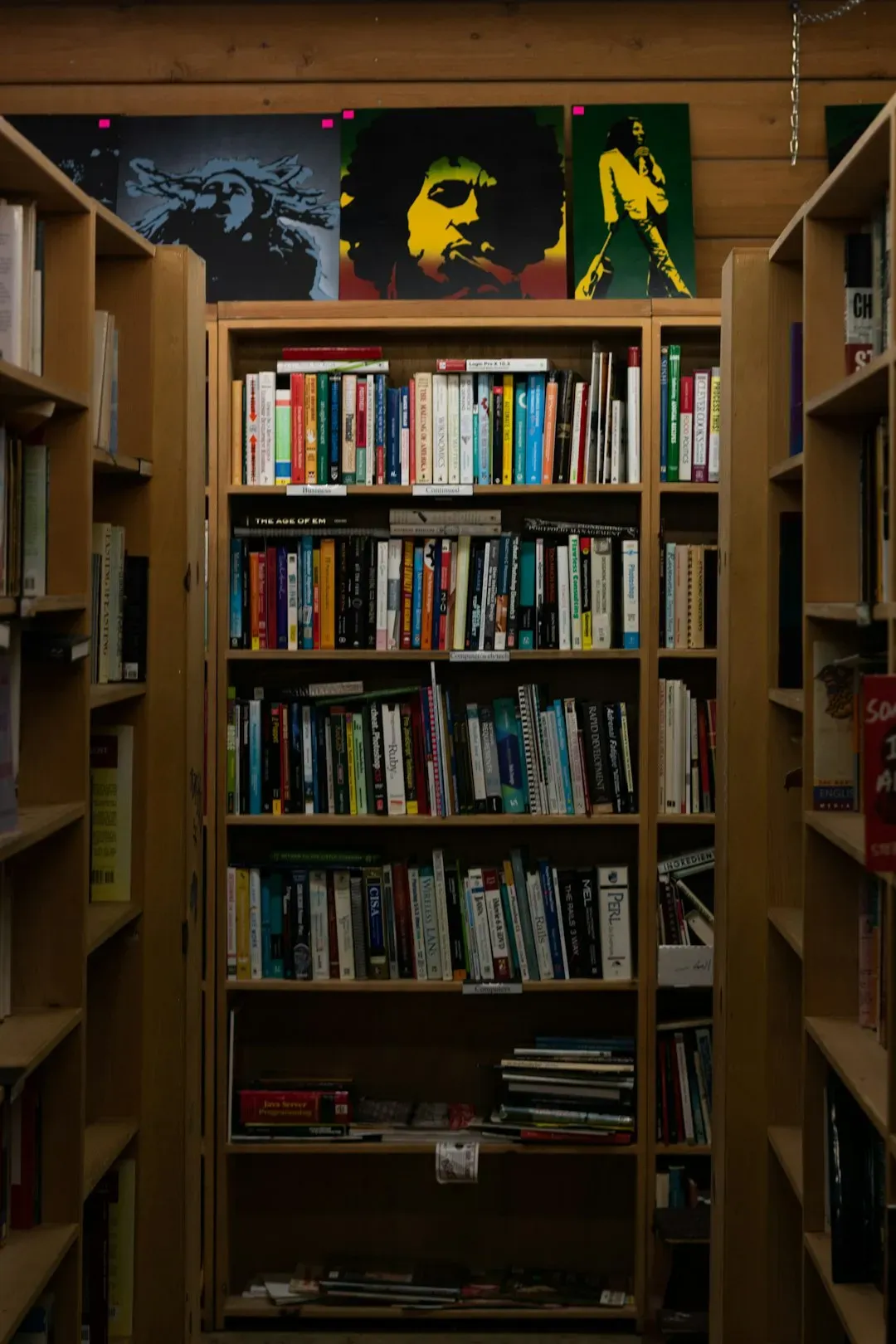
Most people breeze past the book section of a thrift store. Honestly, that’s a mistake – possibly a very expensive one. Even though we live in the world of PDFs, eBooks, and audiobooks, there are still plenty of people who value old-fashioned paper books. For many, a first-edition book is worth more than its weight in gold.
First editions are wildly popular with collectors, with some even selling for millions of dollars. Consider downloading a barcode scanner app to determine what your finds are worth, as each title’s value greatly varies. It’s a ten-second step that could save you from walking away from something truly remarkable.
If you catch any popular titles, check the first couple of pages to see if there’s an author’s signature. An excellent starting point would be to look for classics like “To Kill a Mockingbird” by Harper Lee or “The Great Gatsby” by F. Scott Fitzgerald. Not only will these be easier to remember, but you have a better chance of discovering something highly prized.
3. Vintage Oil Paintings and Art

There is something almost absurd about a priceless painting hanging on a thrift store wall with a price tag of eight or ten dollars. Yet it happens – more often than most people think. Imagine accidentally stumbling on a rare painting in a thrift store. It’s not as uncommon as you’d think. Tracy Donahue found a small painting at a thrift store for $4 and sold it for over $100,000. The painting was an original N.C. Wyeth.
A painting bought for a few dollars at a thrift shop turned out to be a 17th-century masterpiece by Frans David Oerder. Featured on BBC’s Antiques Roadshow, the pastoral scene could sell for up to $120,000 at auction. These aren’t myths or lottery-style flukes – they’re documented events happening regularly.
Art experts recommend looking for age indicators such as hardware, paper, or tape that can tell you how and when a piece of art was produced. Even the type of nails used could be a big clue, as they might indicate that a painting is centuries old.
4. Designer Clothing From Chanel, Hermès, and Gucci
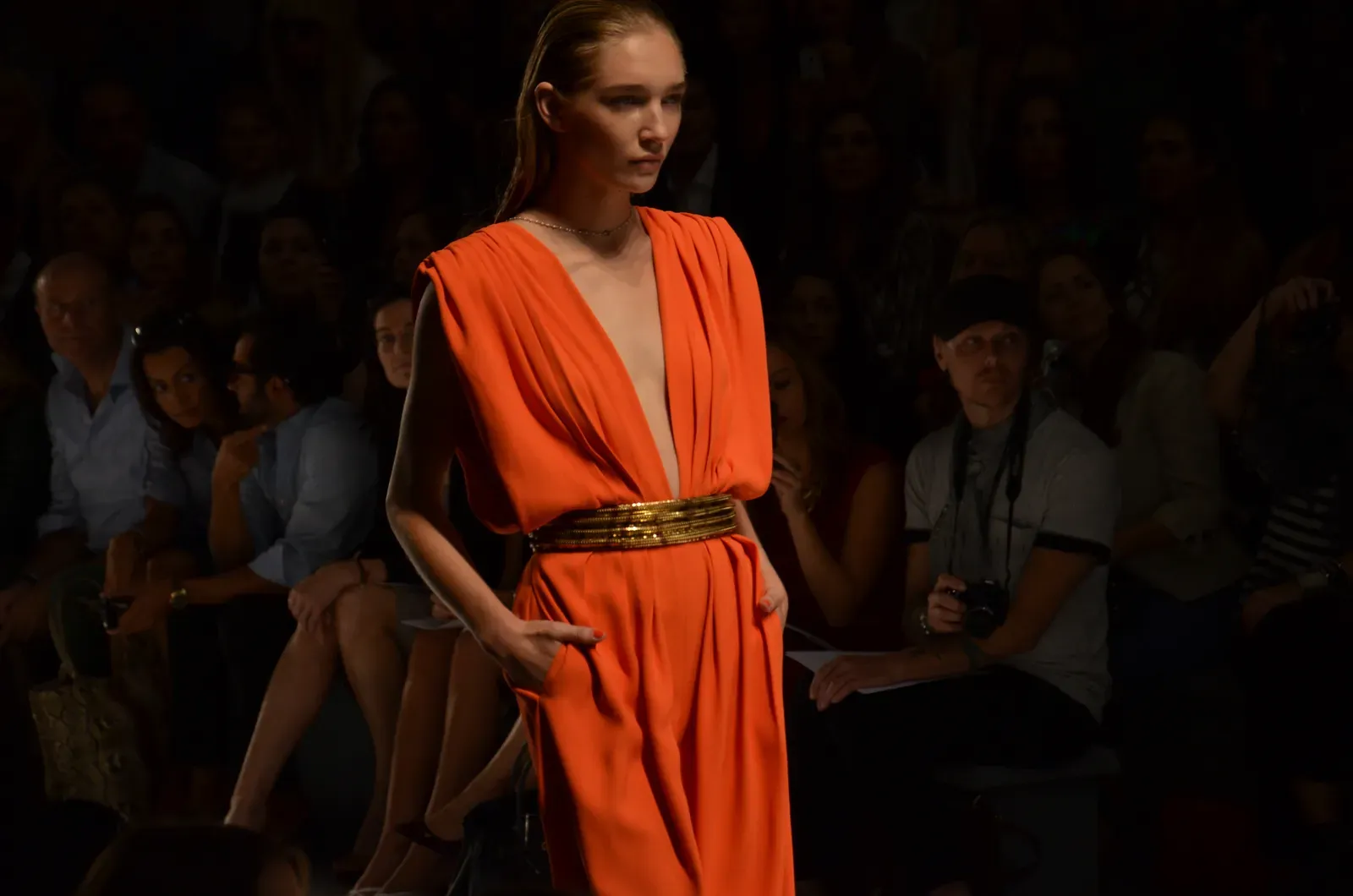
Let’s be real: most shoppers glance at clothing labels without really seeing them. But luxury names like Chanel, Hermès, and Gucci consistently dominate the resale market. A single piece from one of these houses, buried in a Goodwill rack, could be worth many times what it’s priced at.
A Redditor named NoLight claimed to have bought a stylish Hermès silk scarf for about $1; they sold it for $450. That is a return of roughly 450 times the initial investment. The key is knowing what you’re looking at before you put it back on the rack.
Spotting authentic designer items can be tricky. Labels should be inspected for accurate typography, correct spelling, and proper trademark symbols. High-quality seams and handcrafted stitching are key indicators, as are premium fabrics like silk or wool, especially in vintage pieces.
5. Mid-Century Modern Furniture
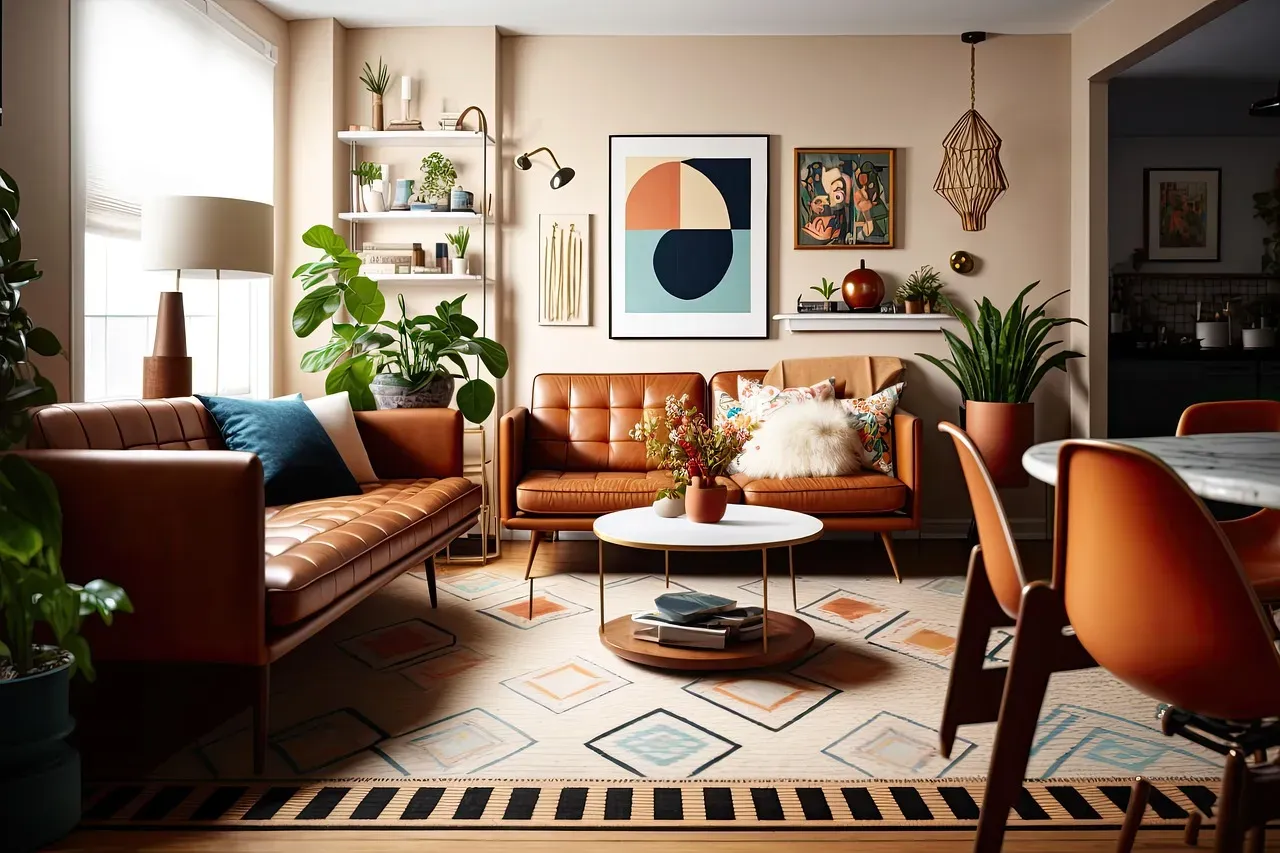
Furniture from the mid-20th century, spanning the 1940s to the 1970s, is in high demand at thrift stores. Known for its artistic designs and exceptional craftsmanship, this style appeals to collectors and interior designers. The problem for most buyers is they walk right past it without realizing what era the piece belongs to.
One seller found a wooden and glass coffee table from the 1940s that they bought for $50 and sold for $700. That’s a return of 14 times the purchase price, just from correctly identifying an old table gathering dust in a resale shop.
To verify authenticity, look for dowel joints instead of screws or nails. High-quality pieces often have precise joinery and minimal repairs. True vintage furniture uses solid hardwood, not particleboard or veneer. These details separate an $18 thrift store chair from a $1,800 collector’s find.
6. Vintage Toys and Action Figures
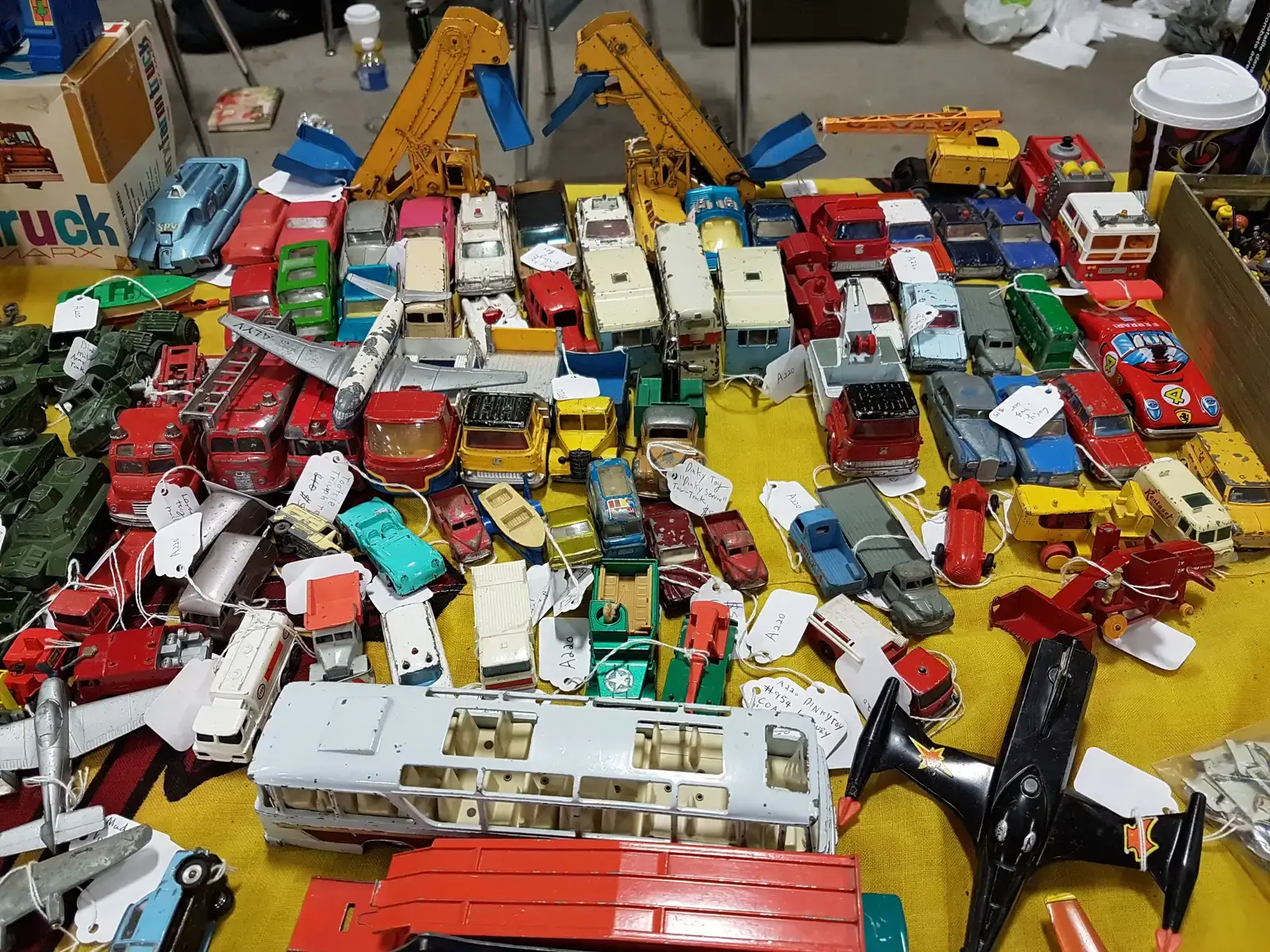
Forget what you think you know about old toys. Some old toys can be extremely valuable. A 3¾-inch-tall action figure of the Star Wars character Boba Fett sold for $525,000 in 2024, per Heritage Auctions. Half a million dollars. For a small plastic toy that many parents threw in a donation bag without a second thought.
Mid-century modern furniture remains popular, while vintage toys from the 1980s and 1990s are gaining traction among nostalgic buyers. The nostalgia economy is very real and very profitable. Rare items like early Star Wars figures or 1980s collectibles can fetch hundreds to thousands of dollars.
The golden rule? Always check for original packaging. Items like first-edition toys and discontinued product lines often attract dedicated collectors. Age and rarity are key drivers of value – items from specific time periods or limited production runs tend to attract collectors, often commanding higher prices.
7. Vintage Vinyl Records
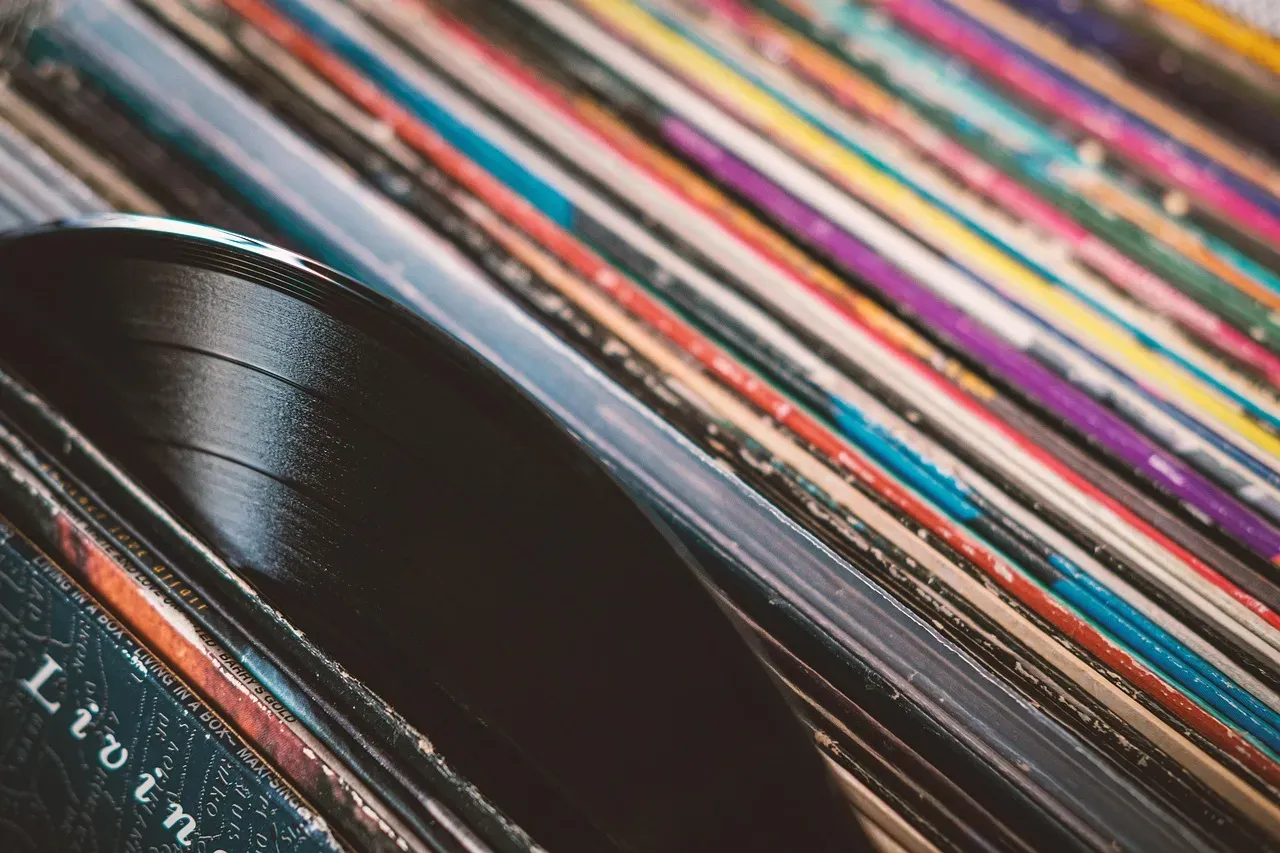
Vinyl is not just back – it never really left for the people who matter most to its value. Thrift shops for rare vinyl records offer a different appeal from flea markets. These shops are known for their affordability and unexpected discoveries. They are often overlooked, which means they can harbor some of the most sought-after records at prices significantly lower than specialized stores.
One of the most exhilarating aspects of vinyl record hunting at thrift shops is the potential to uncover hidden records that are often missed by others. The chance to discover a rare pressing or a sought-after album sitting unnoticed in a crate is a compelling lure for any collector. This excitement is heightened by knowing you might be just moments away from finding a gem.
I think this category is genuinely one of the most underappreciated by casual thrifters. At the height of the vinyl era, more than 10,000 different LPs and 45s were released each year from 1971 to 1977. Vinyl was the most prominent recorded format from 1955 through 1989. That’s decades of potentially rare, collectible recordings waiting to be rediscovered in thrift store bins for a dollar or two.
8. Antique Jewelry and Gold Pieces
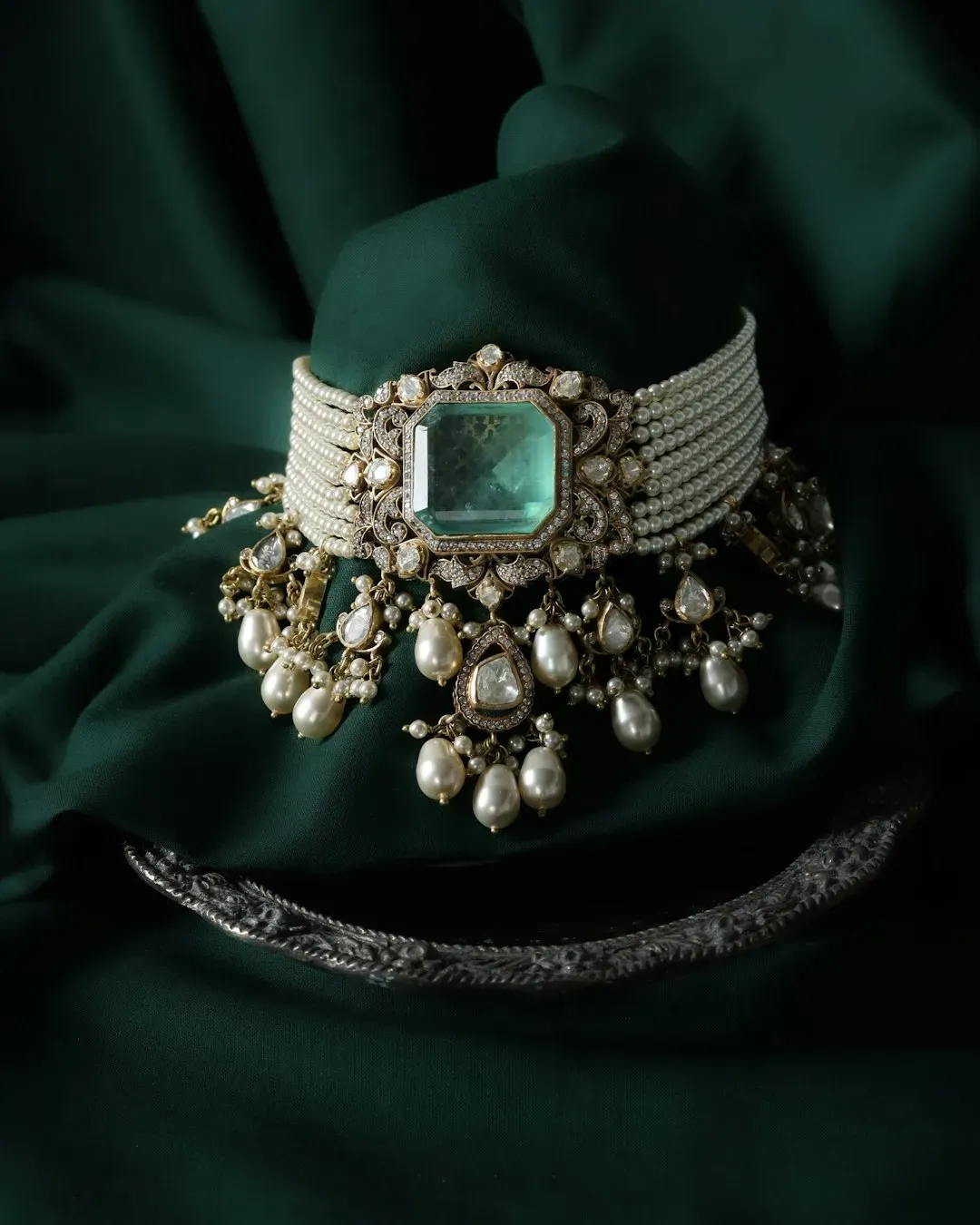
Antique jewelry is one of the most consistently undervalued categories in the thrift store universe. It’s easy to dismiss a tangle of old necklaces as costume junk, but mixed into that chaos there can be serious value. Antique jewelry dealer Jessa Pena uncovered an intricate 18-karat bracelet in a Texas thrift store run by the Catholic Church. The thrift store priced the bracelet at $5,000, but she revealed the bracelet could fetch anything between $12,000 and $25,000.
Don’t rule out jewelry when shopping at flea markets and thrift shops. Not all jewelry in these stores is made of gold and diamonds. Many thrifters have had great luck buying low-cost costume jewelry and selling it for a much higher price.
For jewelry, focus on pieces made from precious metals or those with intricate craftsmanship. Bring a small magnet or loupe to help verify authenticity. It takes maybe 30 extra seconds and could mean the difference between leaving empty-handed and leaving with a piece worth thousands.
9. Rare LEGO Sets and Pieces
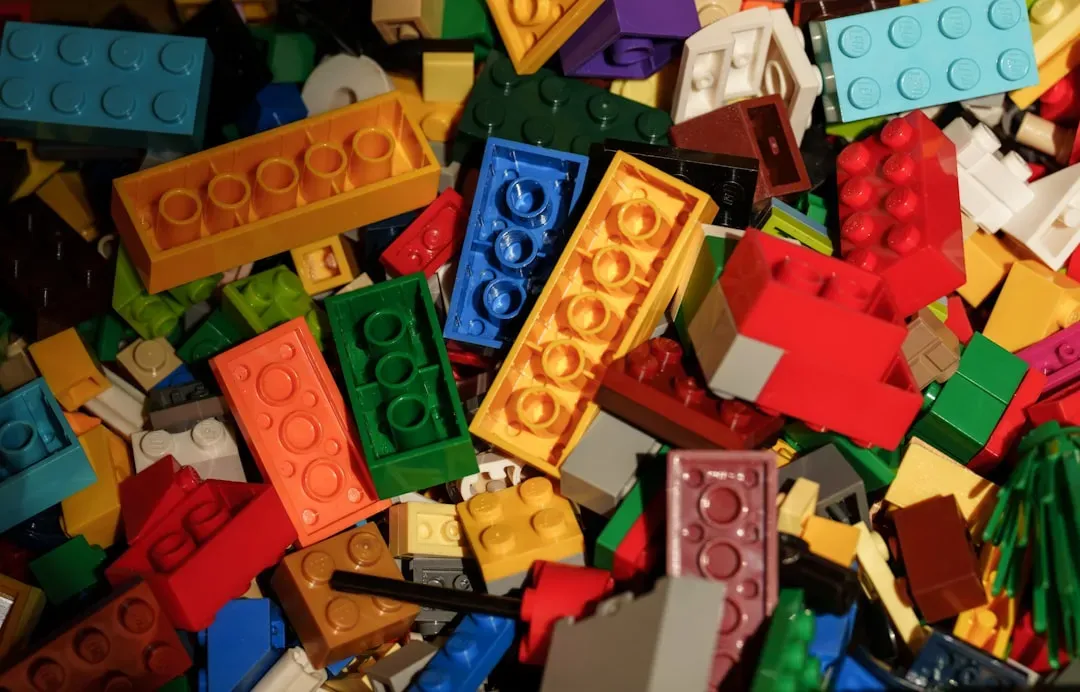
Here’s something that shocks almost everyone the first time they hear it: LEGO is a serious collectible market. Not modern sets still in production, but discontinued, rare, or hard-to-find pieces that dedicated collectors pursue with surprising intensity.
A rare LEGO piece found at a thrift store sold for more than $18,000. That’s not a typo. Someone browsed a thrift shelf, spotted something that looked like a toy, and walked away with the equivalent of a decent used car.
In the toy aisle, vintage board games, LEGO sets, and discontinued items can be surprisingly valuable. The key is researching before you buy, not after. A quick search on completed eBay listings for specific set numbers will tell you within seconds whether you’re holding ordinary plastic or something extraordinary.
10. Vintage Cast Iron Cookware and Le Creuset
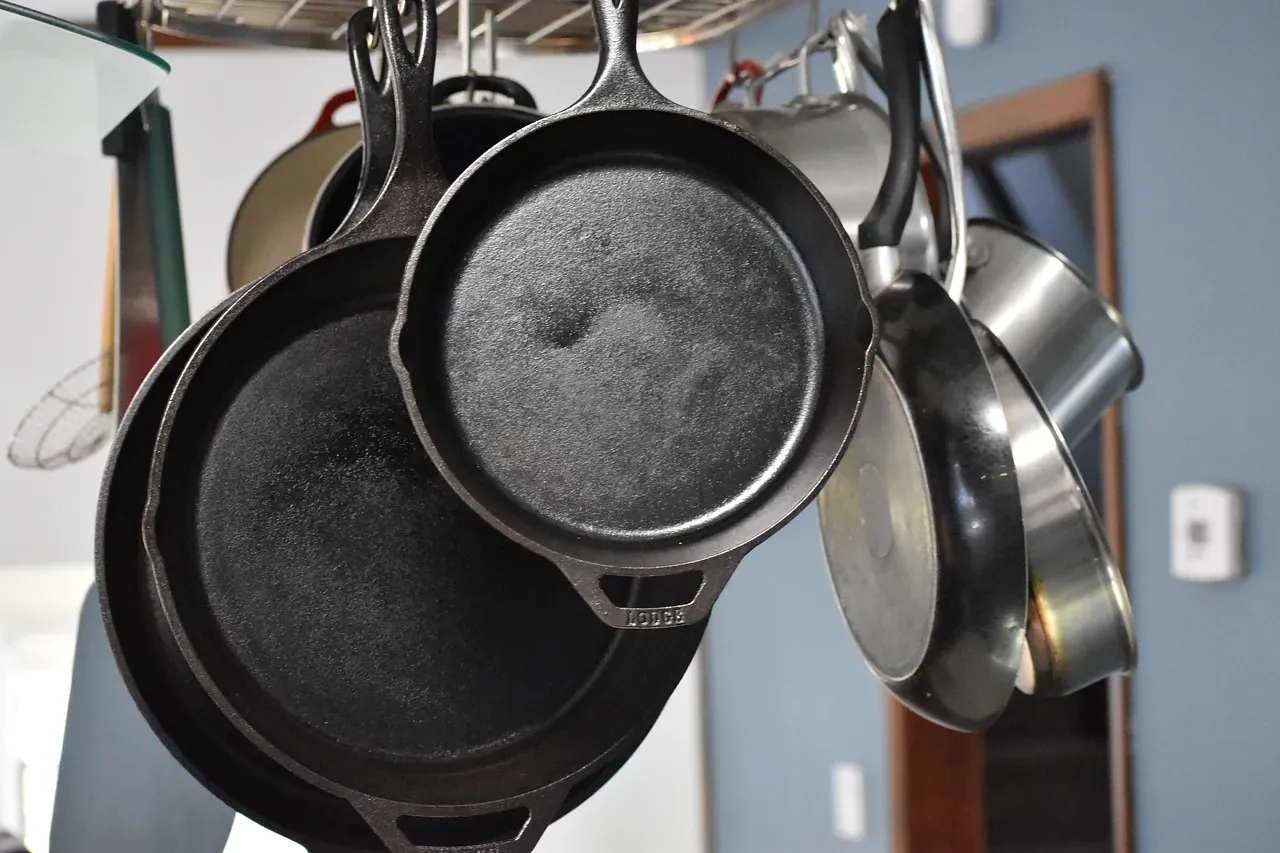
Cast iron cookware is one of those beautiful categories where most thrift shoppers don’t even bother to look closely. It’s heavy, it looks old, and nobody thinks twice about the black skillet sitting on the bottom shelf. That’s exactly why it’s such a good find.
In Montréal, Canada, Alex Labelle uncovered a brand-new Le Creuset casserole dish worth $300 for just $25 in a thrift store located in an affluent neighborhood. The French brand is renowned for its premium, cast-iron kitchen products and celebrated for its durability and distinguished designs.
Vintage American-made cast iron brands like Griswold and Wagner also command serious resale prices. Visiting stores in affluent neighborhoods and timing your shopping around restock days significantly increases your chances of finding high-value items. Affluent donors tend to donate very well-made, expensive things.
11. Fountain Pens From Luxury Brands
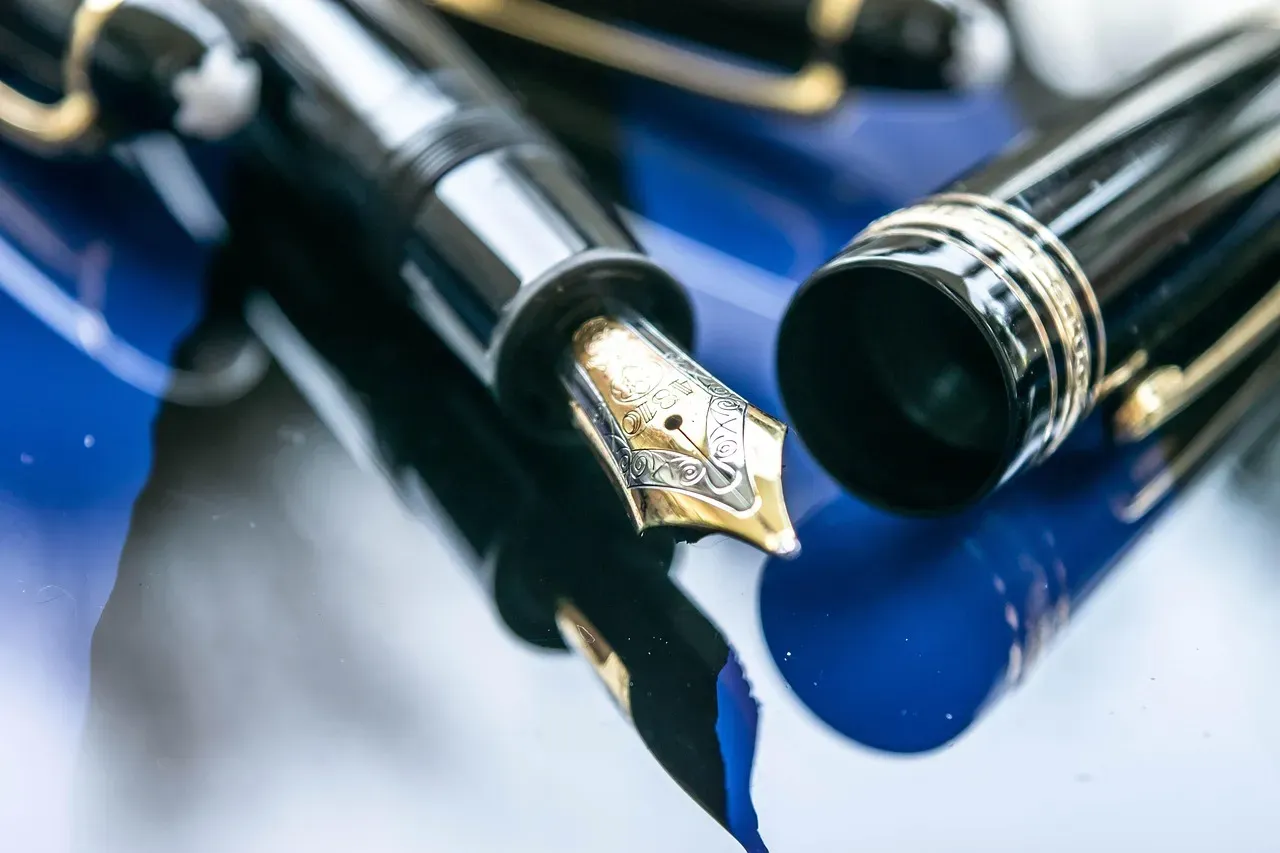
This one genuinely surprises people. A pen? Worth real money? Yes, especially if the name on it is Montblanc, Parker, or Waterman. Not many people use fountain pens these days. However, they are still more expensive than other types of pens. In many cases, the older the pen is, the more valuable it might be. You can sometimes find used fountain pens at thrift stores.
A woman bought a Montblanc fountain pen at a Washington, D.C. Goodwill in late 2025 that could be worth more than $700, per Newsweek. That’s a remarkable return from something most donors wouldn’t think twice about tossing in a donation bag.
The fountain pen market has experienced a strong revival among collectors and enthusiasts in recent years. Older, limited-production pens in working condition with original parts intact are particularly sought after. It’s one of those finds where the profit potential is high and the item is small enough to carry in your jacket pocket.
12. Vintage Pyrex and Antique Glassware
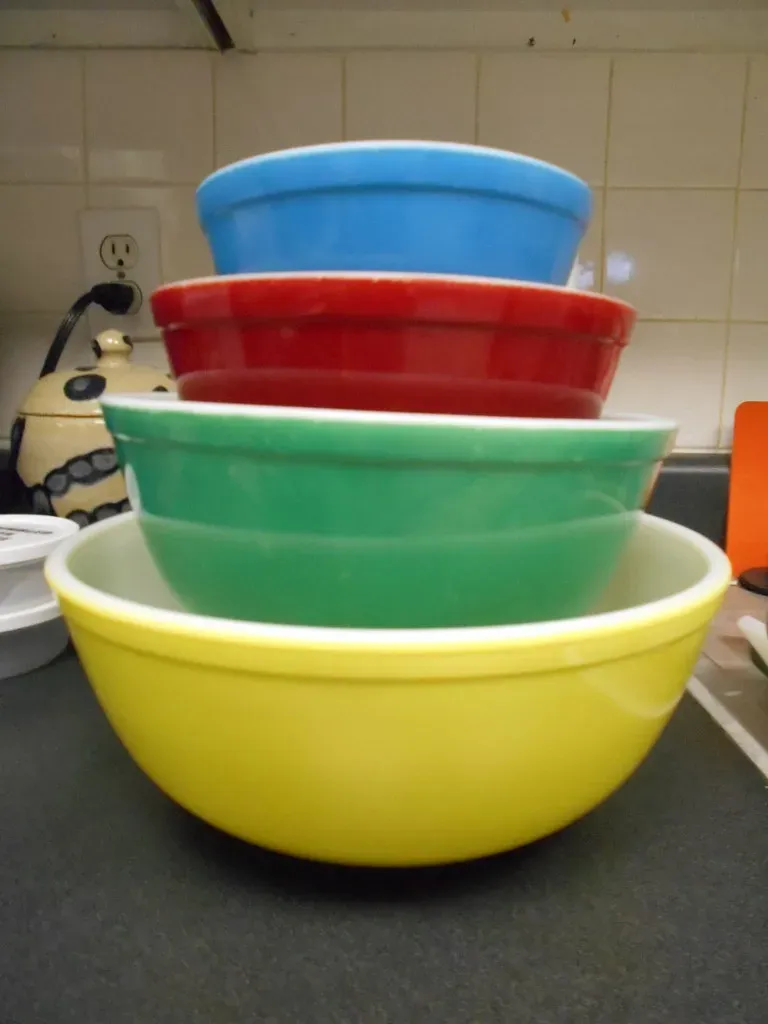
There’s a classic look to vintage Pyrex bowls that modern cooks still love, and the right dish, especially in a matched set, can sell well on eBay and similar platforms. What most people see as an old bowl set from Grandma’s kitchen is actually a product that collectors track down passionately online.
An Australian shopper found an unusual-looking cup for $4 at a thrift shop. Due to the uniqueness of the cup’s design, the buyer decided to look into its origins. Sotheby’s revealed it was a 17th-century “libation cup” from China fashioned from the horn of a rhinoceros. The lucky buyer sold it at auction for over $75,000. That’s what happens when you don’t dismiss strange-looking objects.
In the home decor section, items like vintage glassware, antique furniture, or unique ceramics can be worth a closer look – check for maker’s marks or signs of craftsmanship. The bottom of a bowl, the underside of a vase, the backstamp on a plate – these tiny markings are the breadcrumbs that lead to serious value.
The Bigger Picture: Why Thrift Hunting Is Booming Right Now
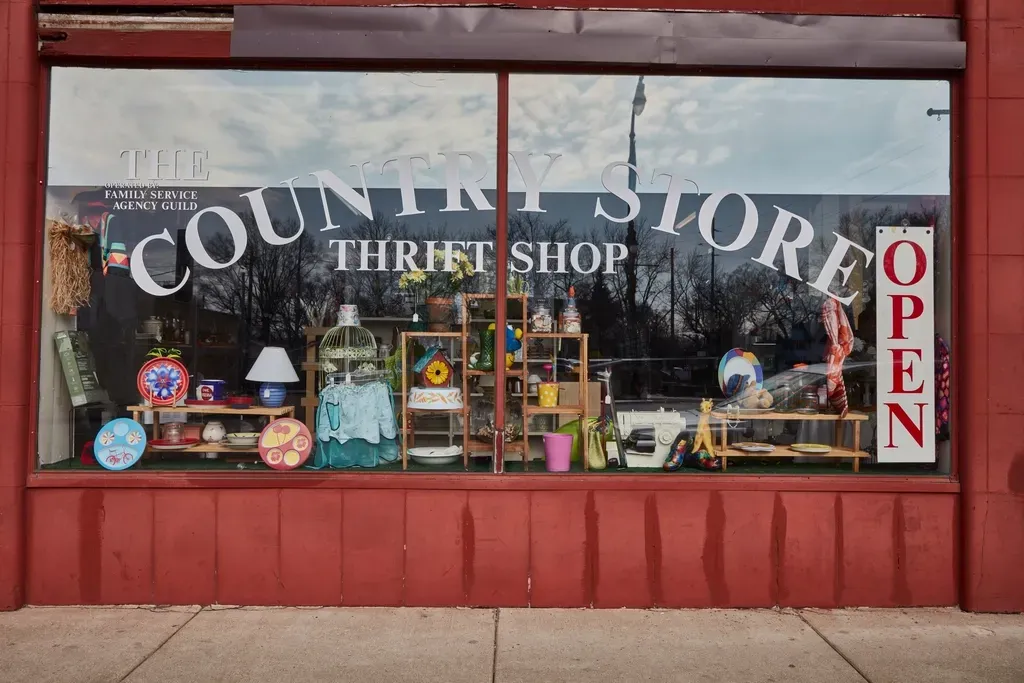
This isn’t just about individual lucky finds. The thrift and resale world is growing at an almost staggering rate. eBay sales of apparel and accessories with “thrifted” in their item description grew over 400% globally from March 2023 to March 2024. That’s not a trend. That’s a full-scale shift in how people buy and sell.
According to a 2024 Thrift Industry Report conducted by Savers Value Village, nearly one in three of the 8,912 consumers surveyed had thrifted over the past year, and over 40 percent of thrifters are Gen Z. The generation everyone assumed was glued to their phones is actually out there digging through racks and bins for hidden value.
Online resale platforms saw roughly a quarter of growth in 2024 and are expected to nearly double to $40 billion by 2029. Vintage clothing profit margins commonly range from 40% to 150%, with some unique pieces commanding even higher returns. If there was ever a time to take thrift store hunting seriously, it’s right now.
The thrill isn’t just in the money, though – it’s in the story. Every one of these finds represents a moment where someone paid attention when everyone else walked past. What would you have grabbed – and what do you think you’ve already walked past without realizing it? Tell us in the comments.