
The 1960s marked a fascinating culinary revolution for middle-class American families. Thanks to the explosion of convenient and pre-packaged foods and the new accessibility of kitchen appliances, it was easier than ever to skip a restaurant and make dinner. This decade was all about embracing convenience foods while still maintaining family dinner traditions. From casseroles that became weeknight heroes to dishes that seemed exotic yet achievable, these twelve retro favorites tell the story of how American home cooking transformed during this pivotal time.
Table of Contents
Tuna Noodle Casserole
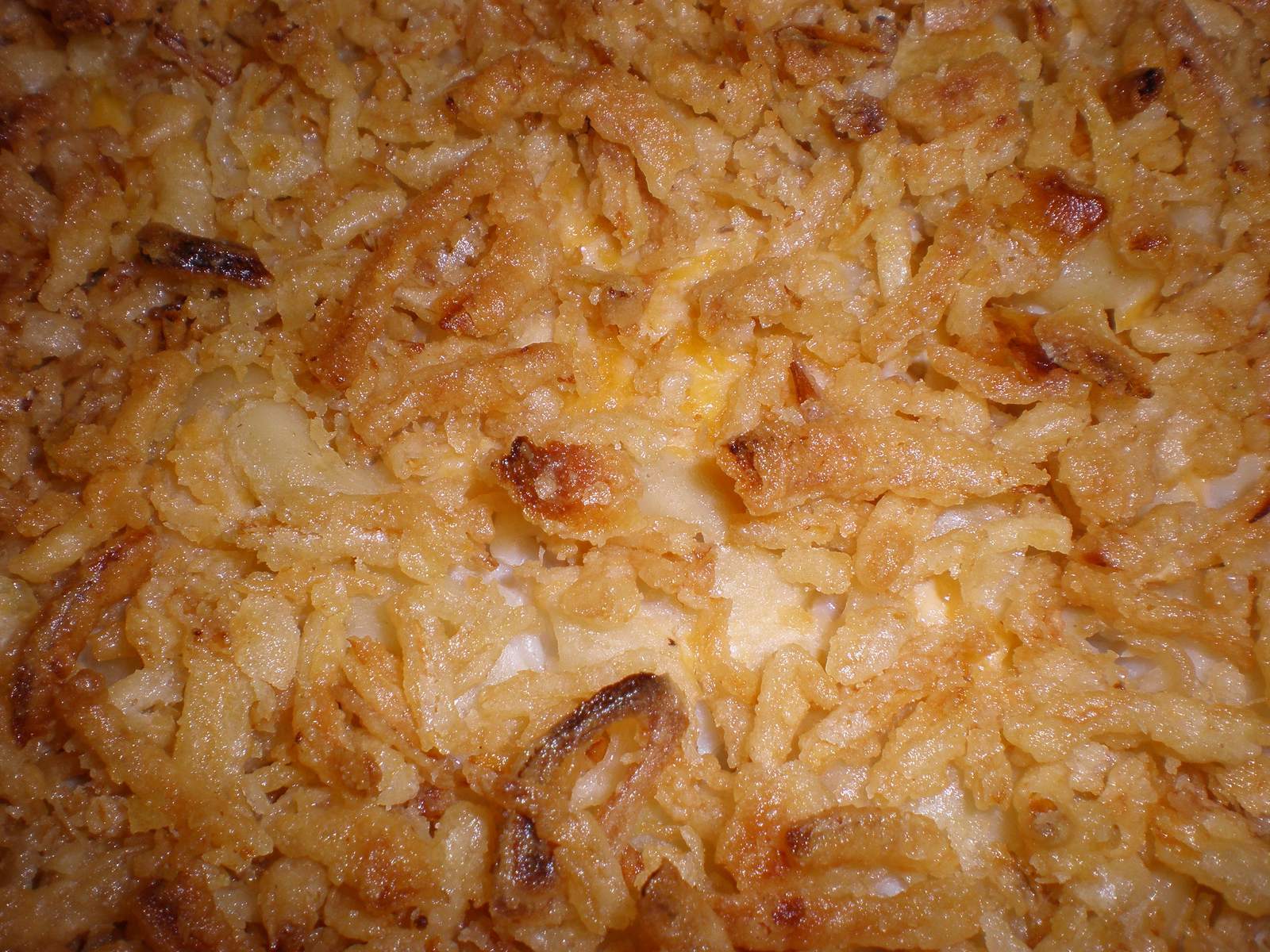
The undisputed king of 1960s casseroles, this dish dominated middle-class dinner tables across America. Tuna was extremely popular in American households during this era, with tuna fish casseroles among the most common dishes. Much-maligned because it doesn’t take much skill (other than using a can opener), this dish was a staple of the 1950s and 1960s dinner table. It contains canned tuna, canned mushroom soup, and various seasonings that ranged from curry powder to grated American cheese. The 1962 standard Favorite Recipes of American Home Economics Teachers: Meats lists page after page of this casserole including versions with potato chips, whole slices of stale bread, or cashews. Casseroles became popular in American households in the 1950s mainly because the ingredients were cheap and easy to find at the supermarket. In 1952, Campbell’s published a book of recipes using canned soup which included a recipe for tuna casserole. Tuna casserole became popular to take to potlucks, especially in the Midwest, or taken to the home of someone who was sick or going through bereavement so that they wouldn’t need to cook.
TV Dinners
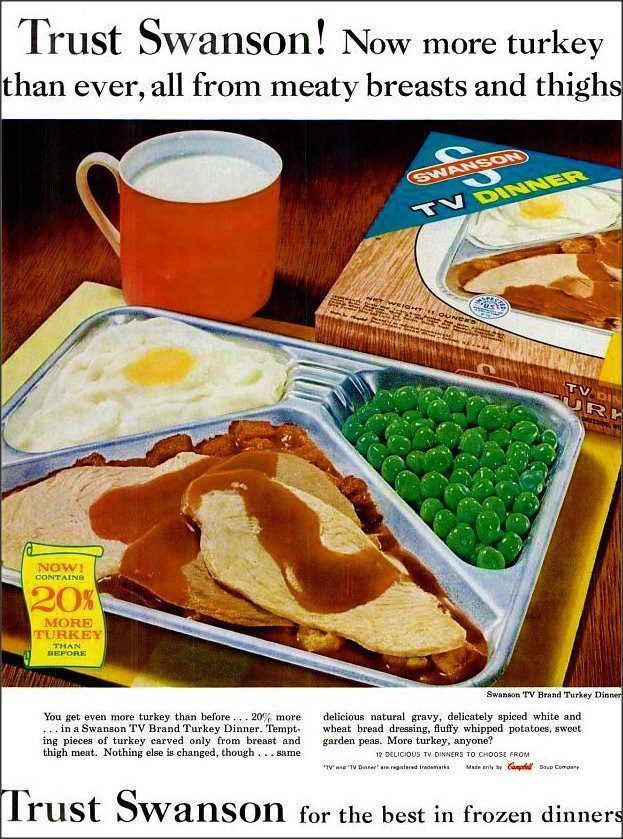
Nothing says 1960s convenience like the revolutionary TV dinner. In 1954, the first full year of production, Swanson sold ten million trays. Banquet Foods and Morton Frozen Foods soon brought out their own offerings, winning over more and more middle-class households across the country. As prices dropped to around 59 cents, families began relying on them more regularly. For some, they meant freedom from hours in the kitchen. For others, they symbolized a loss of homemade cooking. Either way, by the mid-1960s, the frozen food aisle had exploded with choices – from Salisbury steak to Mexican tamales to seafood platters. In the 1960s, only a quarter of the money spent on food was spent at restaurants, cafés or similar: the onus was on cooking and eating at home. These aluminum tray meals perfectly captured the era’s obsession with modernity and convenience.
Swedish Meatballs
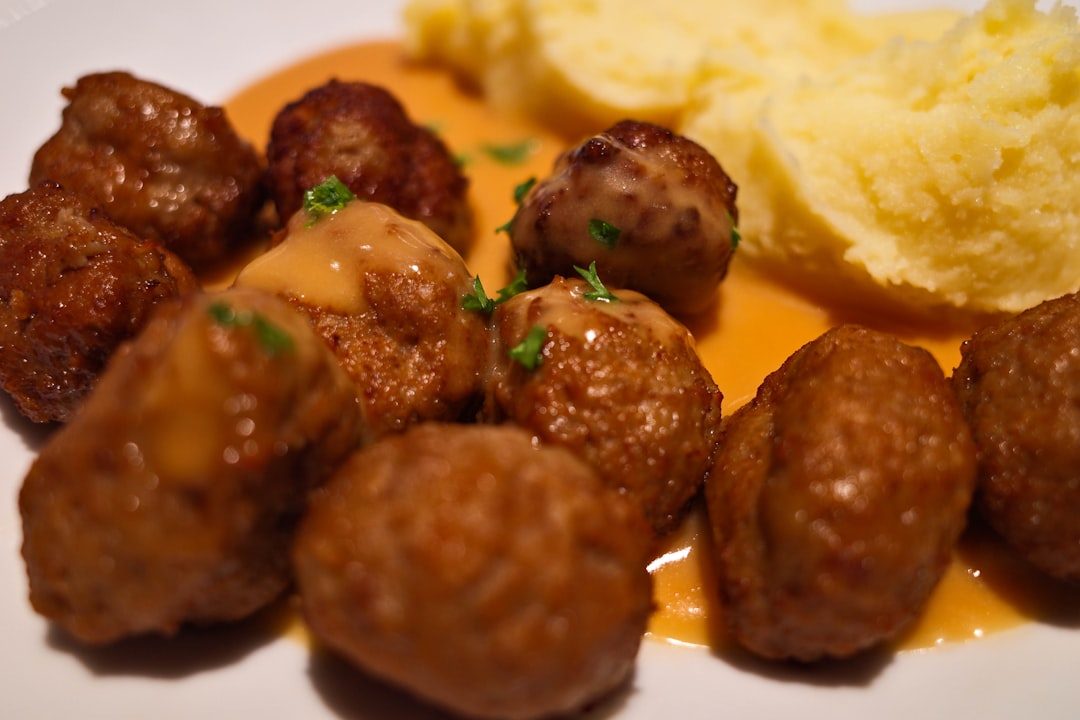
Scandinavian culture swept through America in the 1960s, bringing these creamy meatballs along for the ride. In the ’50s and ’60s, Scandinavian design and culture became popular in the U.S. Part of that was the popularity of Swedish meatballs, which were made far easier by the accessibility of cream of mushroom soup. Maybe you remember your parents serving this super-hip dish at 1960s cocktail parties. Many different versions exist, but they usually contain beef or pork with a rich gravy, cream sauce, or a side of lingonberry jam. The dish became so popular that it found its way from upscale dinner parties to regular family meals. Most home cooks relied on Campbell’s cream of mushroom soup to create the signature creamy sauce that made these meatballs irresistible to both adults and children.
Fondue
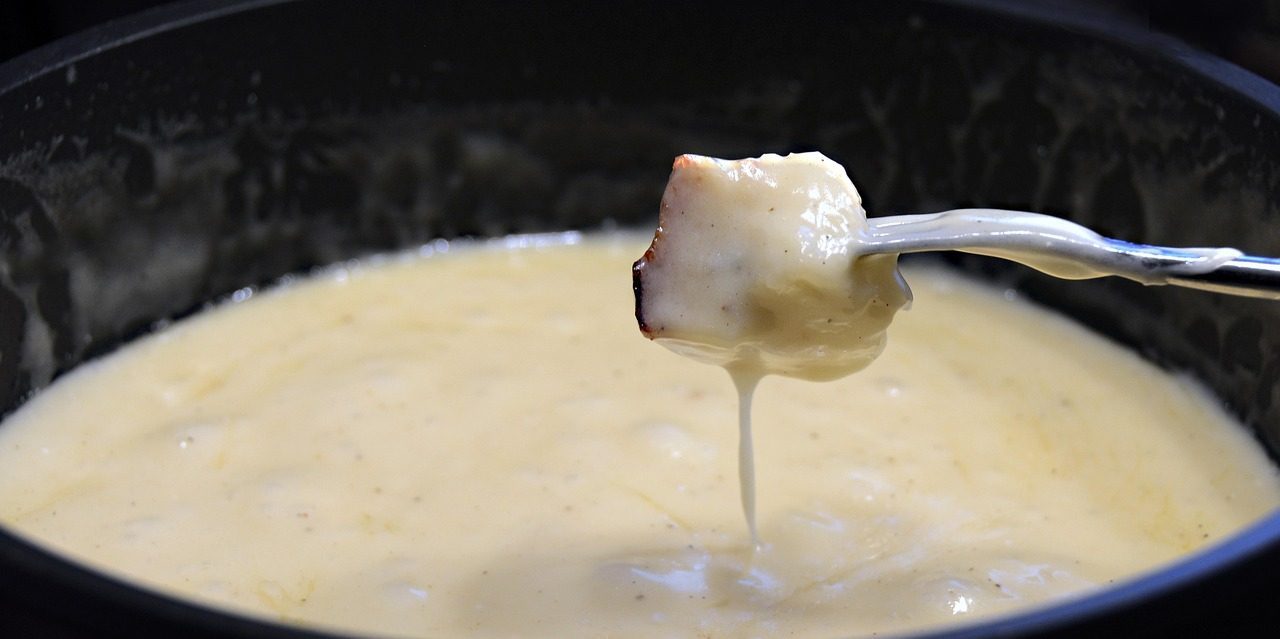
According to the BBC, one of the earliest mentions of dipping food into melted cheese dates to a recipe from the late 17th century. The dish was featured at the Switzerland exhibit at the 1964 New York World’s Fair, and its fame soon spread to dinner parties everywhere. If your parents threw a party during the late ’60s, cheese fondue was on the menu! This interactive dining experience perfectly captured the social spirit of the decade. Dipping food in cheese fondue was a popular dish in the 60s. Fondue was also a must at most dinner parties during that time. Families would gather around the fondue pot, dipping pieces of bread or vegetables into the bubbling cheese mixture. The communal aspect made it perfect for both intimate family dinners and larger gatherings.
Pineapple Upside-Down Cake
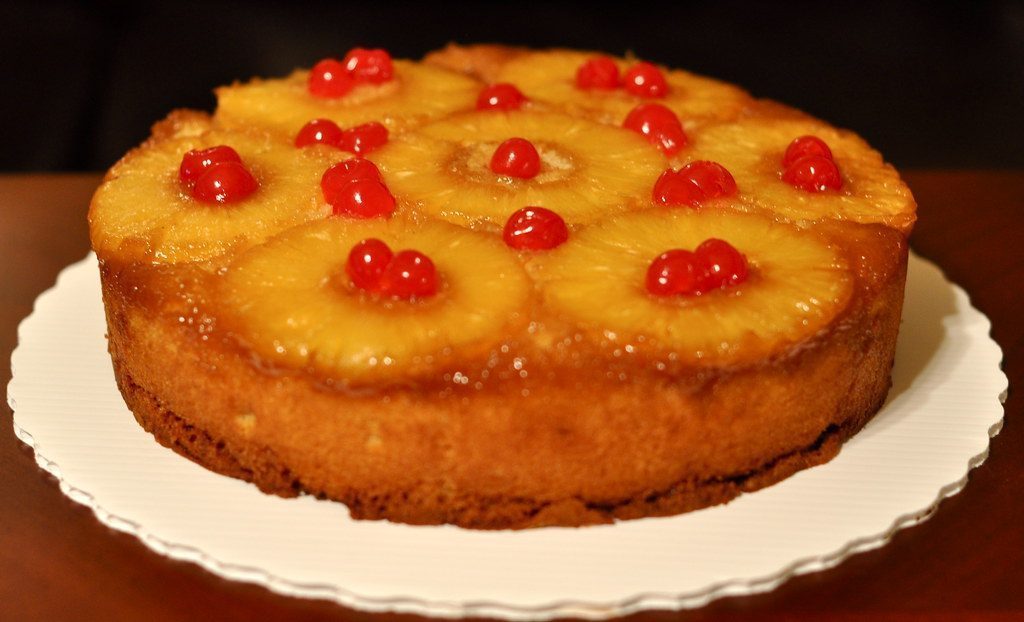
This sunny dessert became a household staple during the 1960s, thanks to the convenience of boxed cake mixes. This sunny cake with its slices of pineapple dotted with cherries has been around a long, long time. In fact, a pineapple upside down cake won the first Dole recipe contest in 1925. By the 1950s and 1960s, the cake was at the peak of its popularity perhaps because of the ease of using boxed cake mixes, which were increasingly available in the post WWII years, says Bon Appetit. The visual appeal of this cake made it perfect for special occasions and dinner parties. Home bakers could create something that looked incredibly impressive while using mostly pantry staples and canned fruit. The caramelized pineapple rings and bright red cherries created a dessert that was both delicious and photogenic, perfect for the era’s emphasis on presentation and entertaining.
Beef Stroganoff
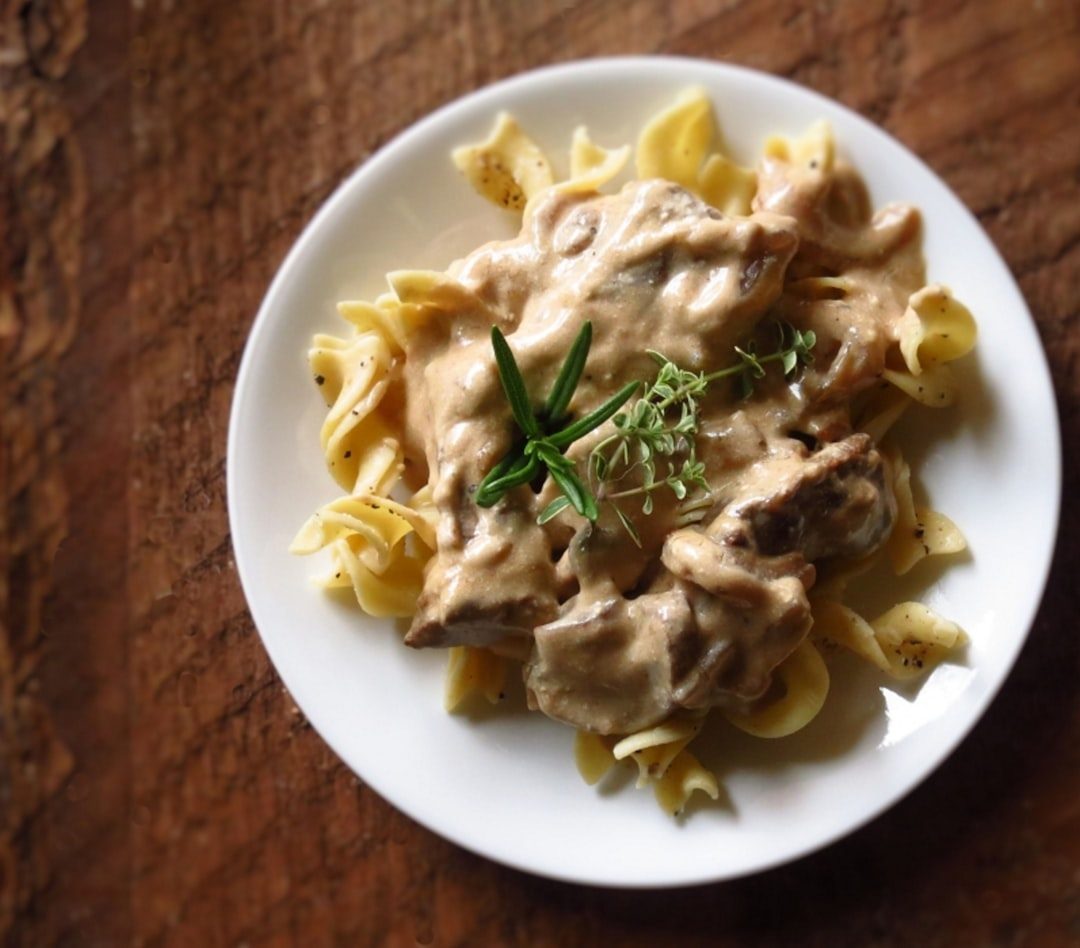
The story goes that this beef, noodles, and cream sauce dish exploded in America after U.S. servicemen, stationed in the dish’s homeland of Russia, brought it home after World War II. By the 1960s, middle-class families had adapted this elegant European dish for weeknight dining. Most home cooks simplified the recipe by using ground beef instead of expensive cuts of steak, making it more budget-friendly for regular rotation. Sure, some people demanded steak in their stroganoff, but middle-class moms knew the best shortcut: ground beef. Sure, it may have turned into a very unappetizing-looking slop by the time dinner was ready, but it sure tasted good. Hamburger Helper was the standard, but some moms made their own with canned cream of mushroom soup instead. The creamy mushroom sauce served over egg noodles became a comforting family favorite that stretched protein while satisfying hungry families.
Chef Boyardee Canned Pasta
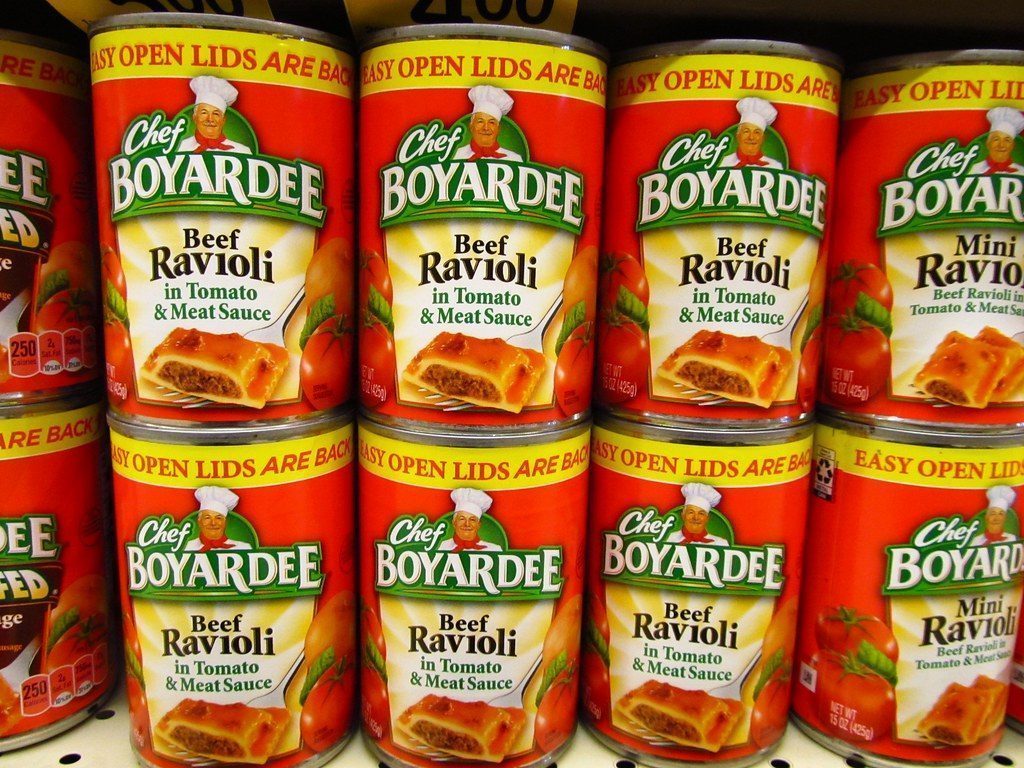
Nothing epitomized 1960s convenience cooking quite like opening a can of Chef Boyardee. Canned spaghetti and meatballs! Canned ravioli! Chef Boyardee was the only chef needed in the kitchen in the 1960s, and those easy-to-cook cans made it all the better. These ready-to-eat meals represented the ultimate in kitchen convenience for busy families. Parents could serve what appeared to be a homemade Italian dinner in just minutes, simply by heating the contents of a can. While purists might have scoffed, children absolutely loved the sweet sauce and soft pasta. The bright red sauce and recognizable shapes made mealtime fun and stress-free, especially for working mothers who needed quick solutions for feeding their families.
Homemade Fried Chicken
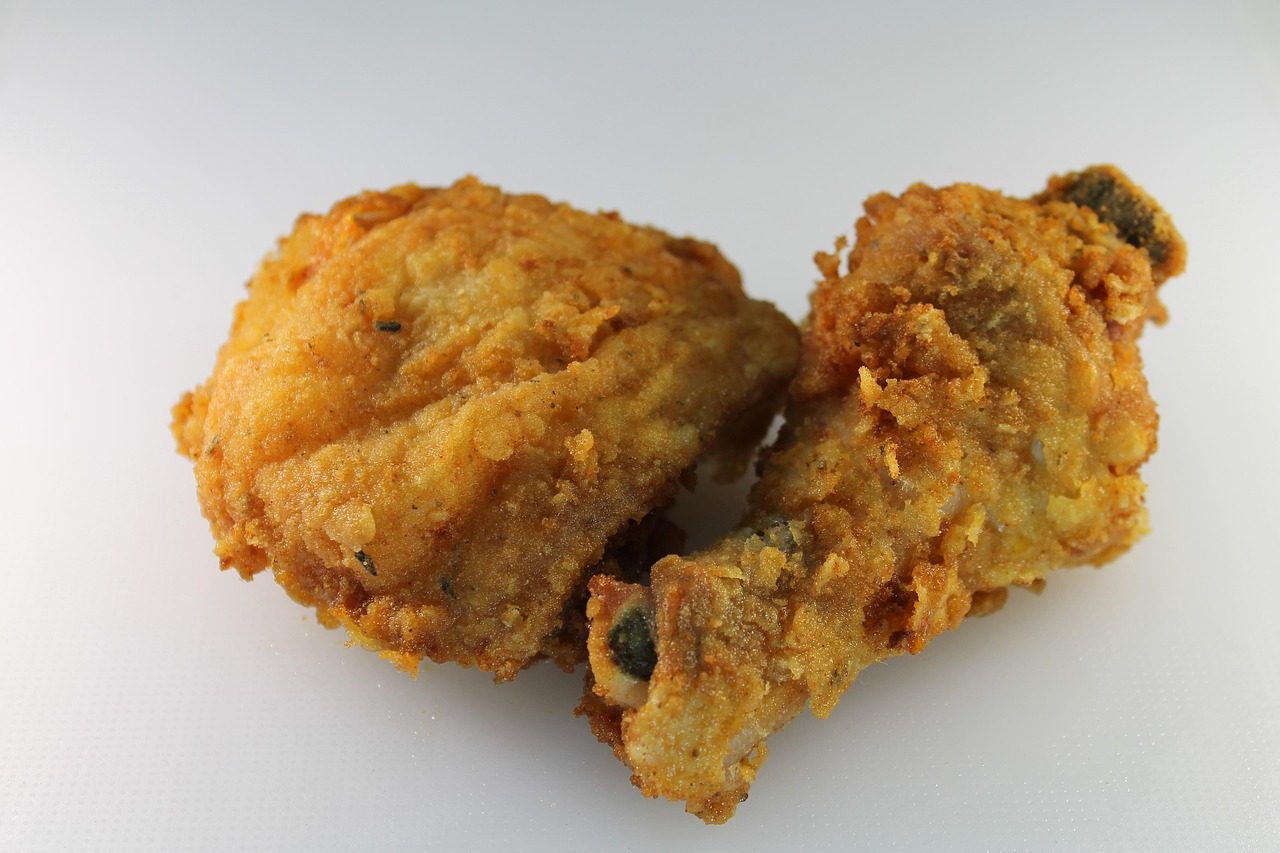
Before fast-food chains dominated the landscape, fried chicken was primarily a home-cooked affair. Maybe you were getting a bucket for some take-out, but usually fried chicken happened at home. Chicken was cheap (like 29 cents per pound cheap) and so was oil. No reason to head to KFC when you can do it at home. Sunday fried chicken dinners became a cherished family tradition throughout middle-class America. Mothers would spend hours preparing this labor-intensive meal, coating chicken pieces in seasoned flour and frying them to golden perfection. The aroma of chicken frying in hot oil would fill the house, creating anticipation that made the final meal even more special. Served alongside mashed potatoes, gravy, and vegetables, this was comfort food at its finest.
Jell-O Salads and Aspic
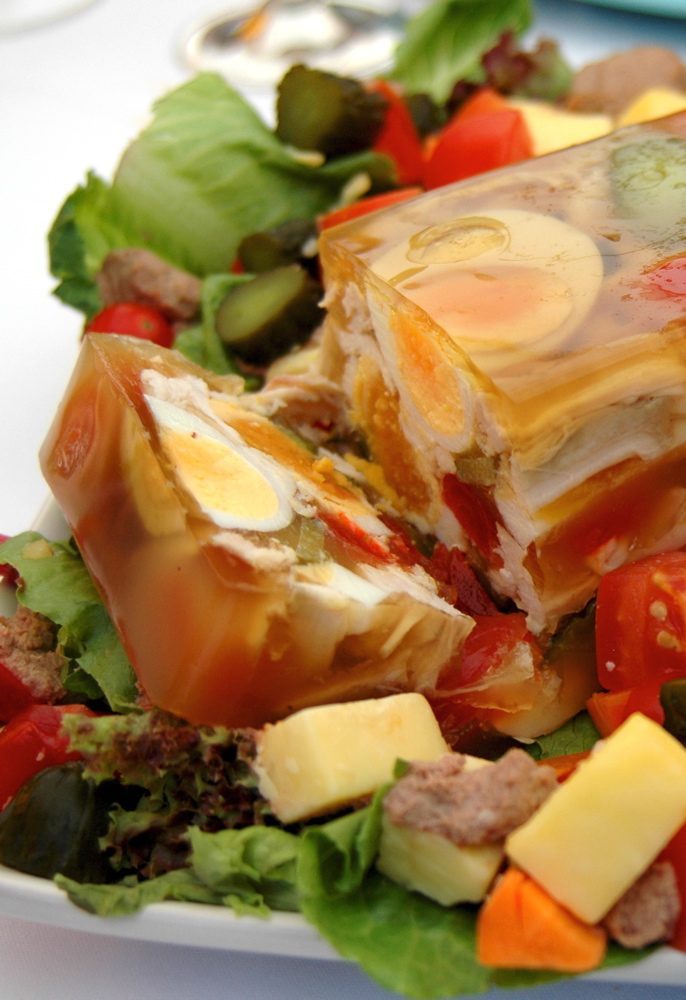
No special occasion was complete without something served in a gelatin mold. According to the Jell-O Gallery, the lime flavor was introduced in 1930. It became the basis for many molds in the ’50s and ’60s, showcasing a cook’s creativity. These might include cottage cheese, crushed pineapple, oranges, nuts, celery, and/or sour cream, or even vinegar, grated cucumber, and onion, topped with shrimp. This stuff is extremely not for me, but boy oh boy, did Jell-O’s popularity continue to increase around this time, not to mention more people making aspic after it was popularized by Julia Child. This was either your favorite or least favorite part of the meal. These colorful creations were the Instagram posts of the 1960s, designed to impress guests with their elaborate presentation. Home cooks took pride in creating increasingly complex molded salads that combined sweet and savory ingredients in surprising ways.
Pork Chops with Fruit Glaze
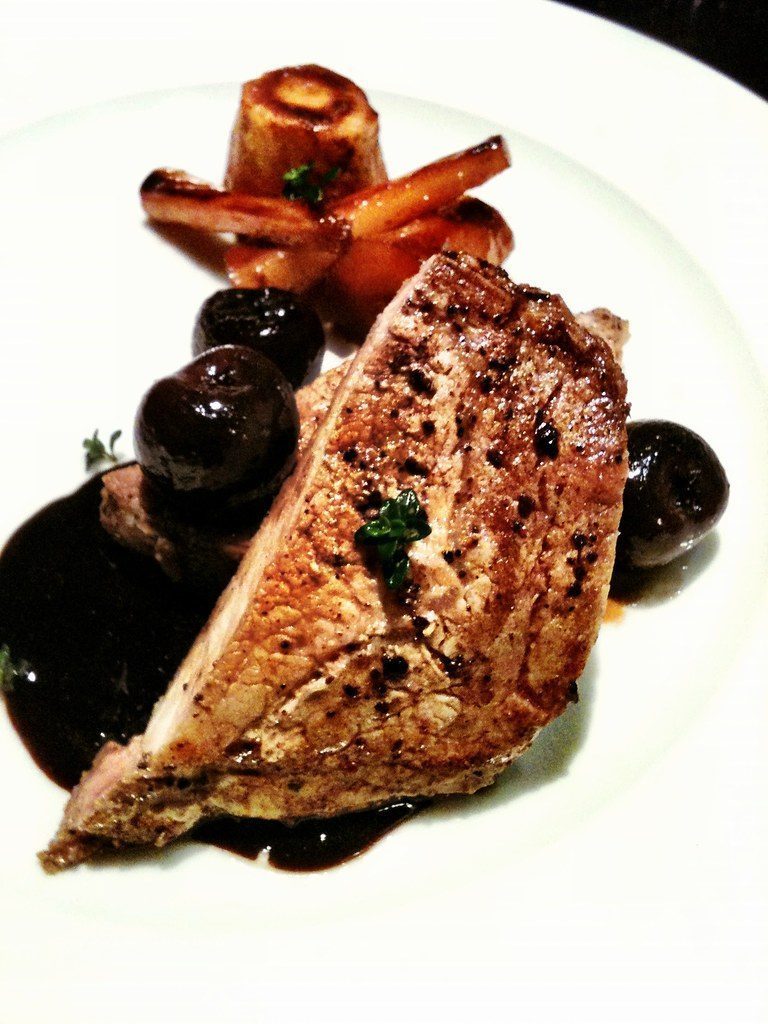
Pork chops had a big moment in the ’60s, usually served alongside some mashed potatoes and gravy, or maybe a fruit glaze if somebody was trying to be fancy. You’d see pork steaks at BBQs and county fairs all over the place, too. This economical protein became a weeknight dinner staple across American dinner tables. The fruit glaze variation showed how home cooks were experimenting with sweet and savory combinations that felt sophisticated yet achievable. Apricot, pineapple, and peach glazes were particularly popular, often made from canned fruit and simple ingredients that most families kept on hand. The combination created an elegant-looking dish that impressed dinner guests without requiring expensive ingredients or advanced cooking skills.
Pot Roast
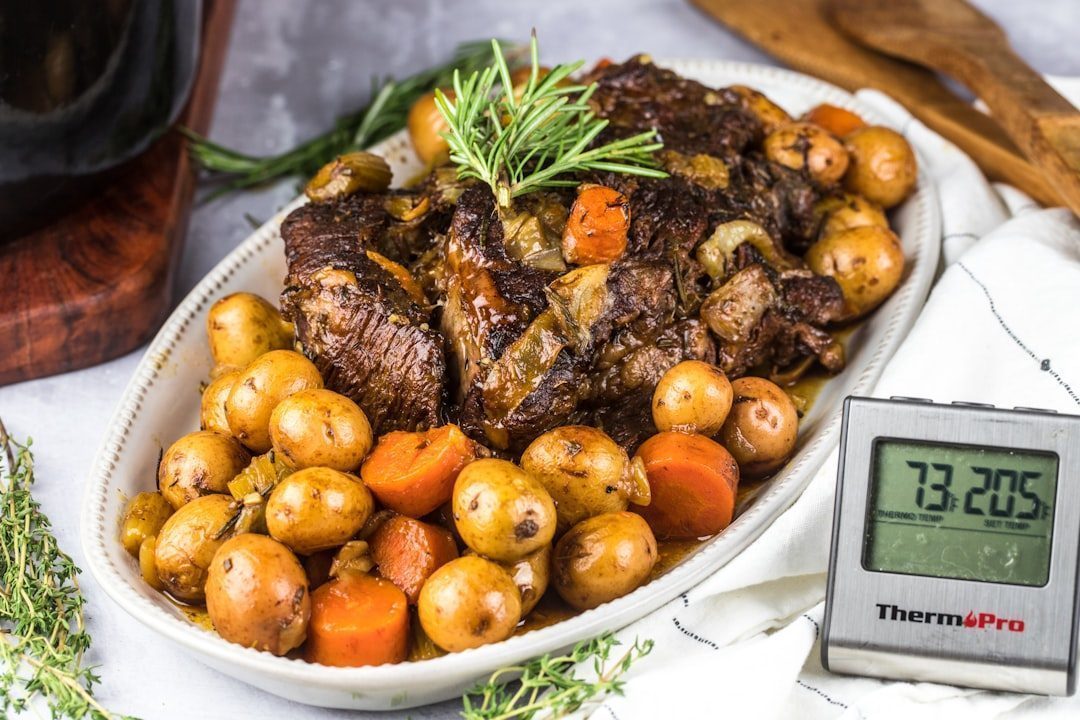
Any beef on sale from the grocery store and some canned veggies were an easy kickoff for pot roast in the ’60s. This was more of a labor of love than a lot of meals around this time, but thanks to modern (for the time) ovens, pot roast still didn’t require too much energy. Sunday was the “big pot” day: a tough cut of meat braised with onions, carrots, and potatoes, sometimes aided by a seasoning packet whose salt content could lift a truck. Monday meant sandwiches; Tuesday, the drippings became gravy over noodles or rice. Why it worked: cheap cuts transformed by time, easy to forget in the oven while you did everything else, and a leftovers goldmine. This one-pot wonder perfectly embodied 1960s family values of thrift, practicality, and making the most of every ingredient.
Beef Bourguignon
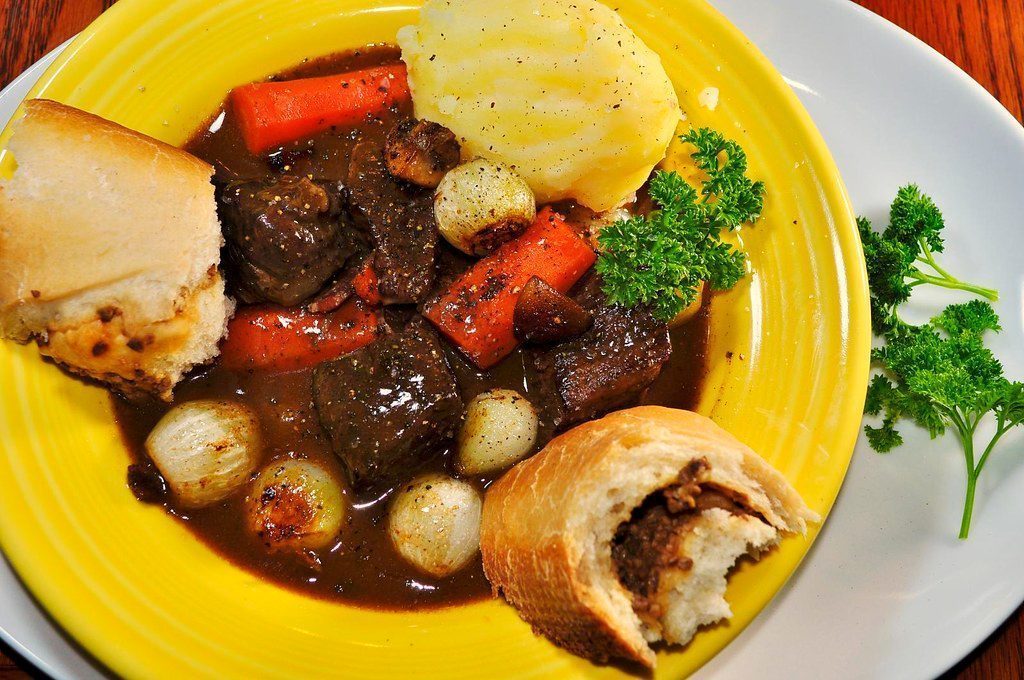
Long before today’s celebrity chefs, Julia Child launched her first cookbook and her first cooking show in the ’60s. America promptly fell in love with her incomparable style. According to Lovegren’s Fashionable Food: Seven Decades of Food Fads, French cooking took off as Americans attempted to copy her masterpieces. This dish was time-consuming to prepare, making it the perfect showoff for dinner parties of the ’60s. Go ahead, pour yourself a glass of wine (just like Julia would) and recreate this classic! Beef bourguignon was a classic French dish that became popular in the 1960s and was also one of Julia Child’s signature dishes. It was made by slow-cooking beef in red wine with vegetables such as carrots and onions and was often served with crusty bread and butter. This sophisticated dish represented the aspirational cooking that middle-class families embraced during the decade’s cultural sophistication movement.
These twelve dishes tell the story of a decade caught between tradition and innovation. Each one reflects the 1960s middle-class family’s desire for convenience, economy, and a touch of sophistication at the dinner table. What do you think about these retro classics? Tell us in the comments which ones bring back memories from your own family’s dinner table.
The Evolution of Family Dinner Culture
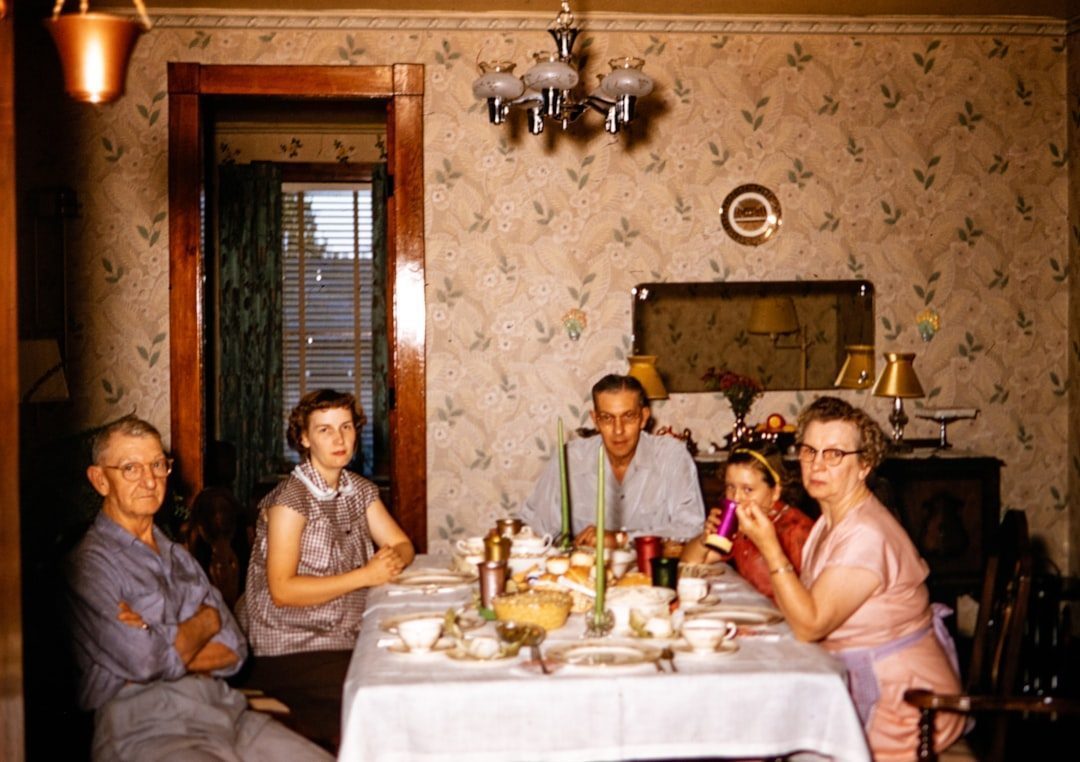
What’s really striking about these 1960s dishes isn’t just the food itself – it’s what they reveal about how families actually ate together back then. Unlike today’s grab-and-go culture, dinner was a sacred ritual where everyone gathered around the table at the same time, no excuses. Mom spent hours in the kitchen preparing these elaborate meals, and the family showed up hungry and ready to appreciate her efforts. The TV might’ve been on in the background, but smartphones weren’t buzzing with notifications, and nobody was scrolling through social media while chewing. These dishes also marked a fascinating transition period where homemakers were caught between old-world cooking traditions passed down from their mothers and the seductive promise of modern convenience foods flooding grocery store shelves. You can see this tension playing out in the mix of time-intensive recipes like beef bourguignon alongside quick-fix solutions like TV dinners. It was a decade when families genuinely believed that sitting down together for a proper meal could solve just about anything – and honestly, they might’ve been onto something we’ve forgotten today.