
Every few months, a new diet takes social media by storm. Suddenly everyone’s skipping breakfast, going full carnivore, or surviving on pressed juice for three days straight. It feels exciting, even revolutionary. The before-and-after photos are convincing. The testimonials sound compelling.
Here’s the thing though: looking good on paper is very different from holding up under the pressure of real biology over months and years. Many of today’s most popular eating patterns carry hidden risks that only show up down the line. Let’s dive in.
Table of Contents
1. Intermittent Fasting: A Short-Term Win With Long-Term Question Marks

Intermittent fasting exploded in popularity and it’s easy to see why. The premise is simple, and early results can be impressive. Intermittent fasting has been linked to metabolic health by improving lipid profiles, reducing body weight, and increasing insulin sensitivity. Sounds great, right?
The trouble is what the longer-term data is starting to reveal. An analysis of over 20,000 U.S. adults found that people who limited their eating to less than 8 hours per day were more likely to die from cardiovascular disease compared to people who ate across 12 to 16 hours per day, according to preliminary research presented at the American Heart Association’s Scientific Sessions 2024. The mortality risk was found to be particularly pronounced in individuals with preexisting heart conditions.
Research presented at the 2024 meeting of the American Heart Association and later discussed by experts at Stanford University continues to shape the conversation around time-restricted eating in 2026. While short-term results can appear promising, emerging follow-up analyses suggest the long-term picture may be more complicated. For some people, time-restricted eating may deliver noticeable improvements in the first few weeks. But health experts caution that what looks impressive in month one doesn’t always translate into sustained benefits – and in some cases, restrictive patterns could carry unintended consequences over time.
This research suggests that time-restricted eating may have short-term benefits but long-term adverse effects, according to commentary from experts at Stanford University following the AHA 2024 presentation. For most people, the diet may look impressive in week two and quietly do damage in year two.
2. The Ketogenic Diet: Metabolic Shake-Up That Can Turn On You
Keto has been one of the most dominant diet trends of the past decade. Cut the carbs dramatically, flood the body with fat, and watch the weight fall off. It genuinely works for some people, at least initially. The ketogenic diet is a high-fat, very low-carbohydrate nutritional pattern that reduces circulating insulin levels, enhances fat oxidation, and induces ketosis, creating physiologic conditions that may benefit individuals with epilepsy, obesity, and certain metabolic disorders.
However, a landmark 2024 study published in Science Advances raised serious flags. In male and female mice, a ketogenic diet protects against weight gain and induces weight loss, but over time leads to the development of hyperlipidemia, hepatic steatosis, and severe glucose intolerance. Fatty liver and impaired blood sugar regulation aren’t exactly the outcome people sign up for. Despite the apparent benefit of weight control, mice fed the ketogenic diet developed severe metabolic complications, with some changes starting within days.
There’s also the cellular aging angle. A study led by researchers at UT Health San Antonio found that a continuous long-term ketogenic diet may induce senescence, or aged, cells in normal tissues, with effects on heart and kidney function in particular. Researchers had a pointed message: “To put this in perspective, 13 million Americans use a ketogenic diet, and we are saying that you need to take breaks from this diet or there could be long-term consequences.”
Sticking to it long-term also proves genuinely hard. Maintaining long-term adherence to the ketogenic diet is difficult because its strict macronutrient restrictions can be hard to follow in daily life, with social events, family meals, and the need for constant meal planning often leading to high dropout rates over time.
3. Juice Cleanses and Detox Diets: The Illusion of a Reset

Few diet trends feel as intuitively satisfying as a juice cleanse. You spend a few days drinking brightly colored liquids and imagine all the “toxins” being swept from your body. It’s visual, it’s dramatic, and it sells very well. Demand has driven the value of the detox product market to about $51 billion globally. That’s an enormous industry built on a shaky scientific foundation.
Currently, there is no good evidence that any commercial detox diets, including juice cleanses, actually help the body remove toxins, according to registered dietitian nutritionist Kayli Anderson. Your liver and kidneys do that job around the clock, no cayenne pepper required. There is a lack of scientific evidence to support the idea that juices cleanse your body by flushing toxins.
The metabolic aftermath can actively hurt your goals. A scientific review found that juice cleanses can lead to initial weight loss, but users tend to regain the weight soon after they resume eating normally. Very low calorie diets like juice cleanses can send the body into “starvation mode,” a natural process whereby the body slows its metabolism to maximize every calorie in the event of food shortage. A slower metabolism discourages longer-term weight loss.
Research suggests that a juice-only diet, even for three days, could have a negative impact on your gut microbiome. Meanwhile, short-term side effects include headaches, fainting, weakness, fatigue, and irritability, and following a highly limited diet for long periods has the potential to lead to nutrient deficiencies.
4. The Carnivore Diet: All Meat, All Risk

The carnivore diet is arguably the most extreme mainstream diet trend right now. Zero plants. Only animal products. Advocates claim it eliminates inflammation, clears skin, sharpens the mind, and reverses autoimmune conditions. The testimonials are passionate. The science, however, tells a very different story.
No controlled studies support claims that the carnivore diet can help eliminate health issues, and it lacks beneficial nutrients, including fiber and plant compounds like antioxidants, and may be unsafe for some people. That’s a fundamental nutritional gap you simply cannot ignore. The diet is extremely restrictive and likely unhealthy in the long term, and no research backs its purported benefits.
From a gut health perspective, the picture is bleak. In several studies, a Western diet high in animal protein and fat and low in fiber led to a marked decrease in numbers of total bacteria and beneficial Bifidobacterium and Eubacterium species. The carnivore diet pushes that dynamic to its absolute extreme. The carnivore diet is low in vitamin C, folate, has no fiber, and is difficult to maintain. Chronic fiber deprivation is like starving your gut ecosystem of its primary fuel source.
5. The Gluten-Free Diet (Without Celiac Disease): Trendy, But Not Harmless

Going gluten-free became enormously fashionable. Many people who don’t have celiac disease or a confirmed wheat allergy adopted the diet hoping for weight loss, clearer skin, or more energy. It feels healthy, even virtuous. But the reality is far more nuanced. Despite the widespread adoption of gluten-free diets for weight management, the relationship between gluten intake and obesity remains unclear because of the limited number of controlled studies available in the literature.
What researchers have found instead is a clear gut microbiome consequence. Analysis of fecal microbiota indicated that numbers of healthy gut bacteria decreased, while numbers of unhealthy bacteria increased parallel to reductions in the intake of polysaccharides after following the gluten-free diet. Healthy bacteria like Bifidobacterium and Lactobacillus took a hit. Another important problem of a gluten-free diet is related to malnutrition, as this dietary management is often associated with macro and micronutrient imbalances. Patients following a gluten-free diet typically consume low amounts of complex carbohydrates and protein but high amounts of fat and simple carbohydrates.
Honestly, for people without a genuine medical need, eliminating gluten may do more harm than the supposed good. Although not thoroughly evidence-based, individual patients not diagnosed with celiac disease or wheat allergy may still feel they benefit from a gluten-free diet, but this diet must be followed up by a healthcare professional because a gluten-free diet that is not supervised can lead to nutritional deficiencies.
6. Very Low-Calorie Diets: Shrinking Too Fast, Paying Too Long
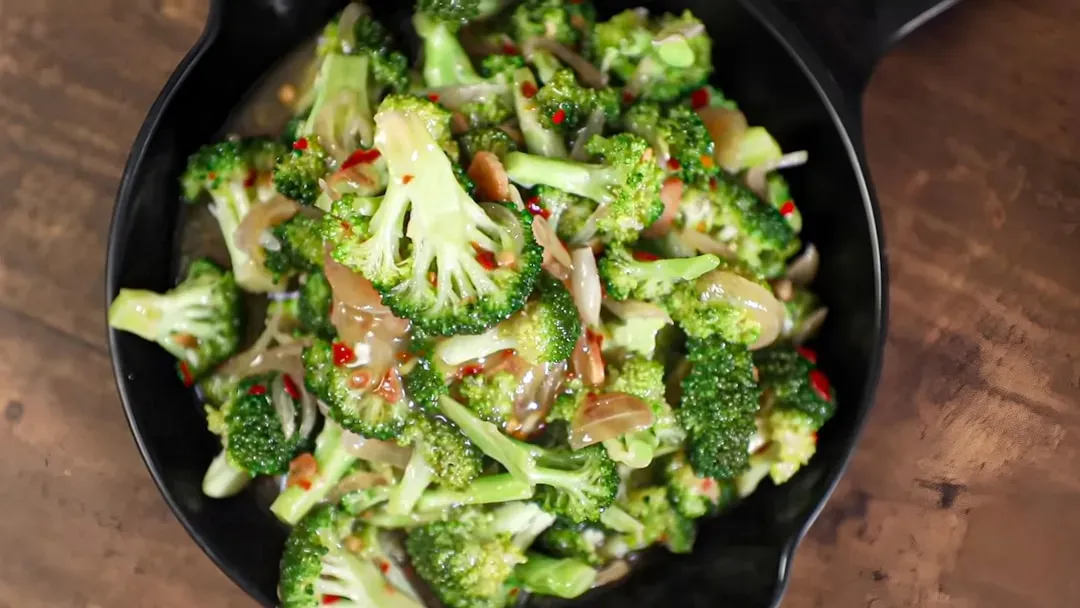
Dramatically slashing calories is the oldest weight-loss strategy there is. Eat barely anything, lose weight fast. It works in the short run, in the way that sprinting works if your goal is a marathon: you’ll exhaust yourself before you finish. The body is exquisitely good at surviving, and surviving means adapting to scarcity.
When calories drop too far, the body interprets it as a threat and fights back. Metabolism slows, muscle tissue breaks down, and hunger hormones surge. The restrictive nature of these types of diets can lead to nutrient deficiencies and dehydration, and they also increase the likelihood of yo-yo dieting and can even lead to disordered eating behaviors such as binge eating, according to clinicians at Kaiser Permanente. Yo-yo dieting is not a neutral experience for the body. It creates chronic metabolic instability.
A 2024 survey by MyFitnessPal found that only 2.1% of nutrition information on a popular social media platform was accurate. Much of that misinformation drives people toward extreme calorie restriction under the guise of “clean eating” or “cutting.” The human body is not a simple calculator, and treating it like one leads to predictable long-term failure.
7. The Carnivore-Adjacent “Protein-Only” Diet Variation

Some people don’t go full carnivore but still dramatically overload on protein while stripping out almost everything else. The protein obsession is real. In 2024, the International Food Information Council’s annual Food and Health Survey found that nearly two thirds of respondents actively try to eat more fiber, with over nine in ten aiming to get it from food. Ironically, high-protein diet trends often push fiber out of the picture entirely.
Excessive protein intake carries genuine metabolic risks. When one macronutrient like protein is increased in the diet, another macronutrient by default is decreased. By virtue of higher protein recommendations and promotion of meat and full-fat dairy, the proportion of the diet made up of carbohydrates can only be decreased. That displacement matters enormously for gut health and long-term energy regulation.
Think of the gut microbiome like a diverse garden. Each plant species needs different nutrients to thrive. Pour one type of fertilizer over everything and most plants die. Recent studies have suggested that the intestinal microbiome plays an important role in modulating risk of several chronic diseases, including inflammatory bowel disease, obesity, type 2 diabetes, cardiovascular disease, and cancer. What you eat shapes that ecosystem in ways that ripple through your entire system. Too much of one thing, consistently, is rarely the answer.
8. The Raw Food Diet: Natural Doesn’t Always Mean Better

Eating only raw, unprocessed food sounds like the ultimate expression of clean eating. Nothing processed. Nothing cooked. Just food in its purest state. The logic has emotional appeal, but cooking was one of humanity’s great evolutionary advances, precisely because it unlocks nutrients that raw food keeps locked away.
Raw diets are often severely low in calories, vitamin B12, calcium, iron, zinc, and omega-3 fatty acids. Those who are limiting or excluding animal-based foods from their diet should work with their healthcare provider to ensure they are receiving adequate intakes of vitamin B12, iron, calcium, choline, and omega-3 fatty acids. On a raw vegan diet, these gaps compound rapidly and dangerously over time.
Regardless of the type of diet you follow, diversity is key. Consuming a range of foods ensures a broad spectrum of nutrients and encourages an enjoyable and sustainable diet. Raw food diets tend to do the opposite, narrowing both variety and digestibility in ways that catch up with people after months of seeming fine.
9. Meal Replacement Shake Diets: Convenience With a Hidden Cost
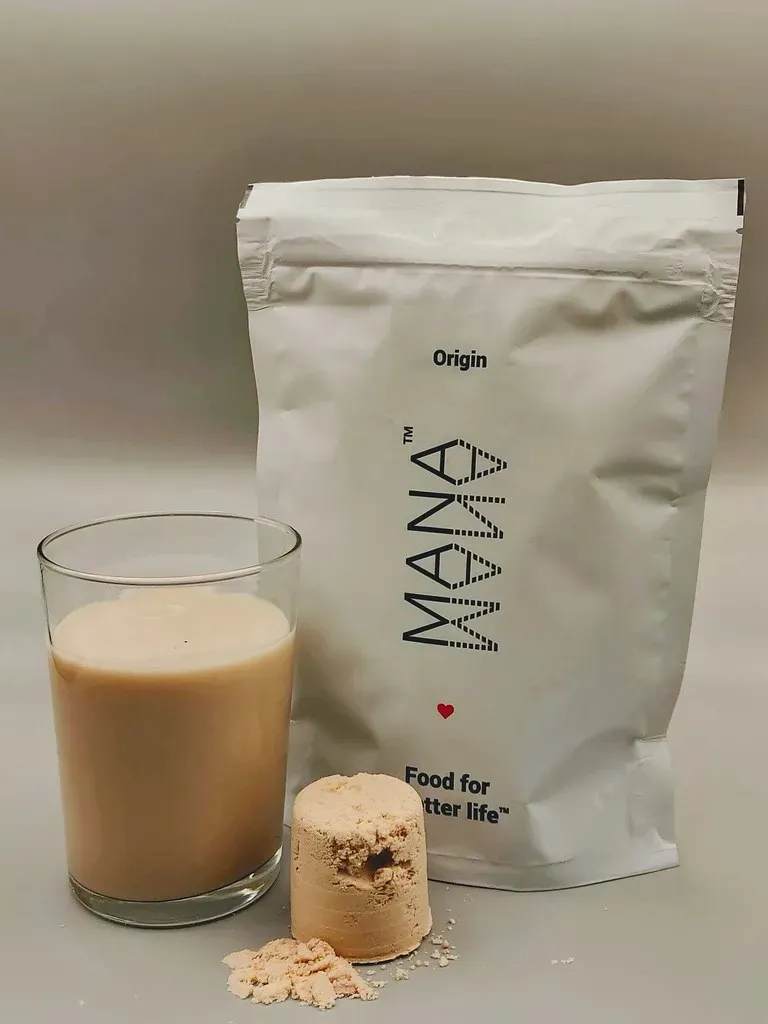
Replacing meals with shakes and bars feels efficient. You track your macros, control your calories, and skip the tedious work of cooking. The supplement industry has built a multi-billion dollar business on exactly this appeal. But processed convenience products are not a long-term substitute for whole food nutrition, no matter what the packaging claims.
All four nutritionists surveyed by Newsweek agreed that ultra-processed protein bars and shakes should be left behind, especially those with artificial sweeteners and inflammatory ingredients. The problem isn’t just what these products contain. It’s what they replace. Whole foods provide thousands of compounds that no shake formula has fully replicated.
These products are often loaded with artificial ingredients or high in sugar, and whole food sources of protein are generally better. Over time, a diet heavily reliant on processed meal replacements tends to crowd out the diversity of real food that the gut microbiome depends on to function well. The convenience is real. The long-term cost is too.
10. The “Clean Eating” Obsession: When Health Becomes a Harm
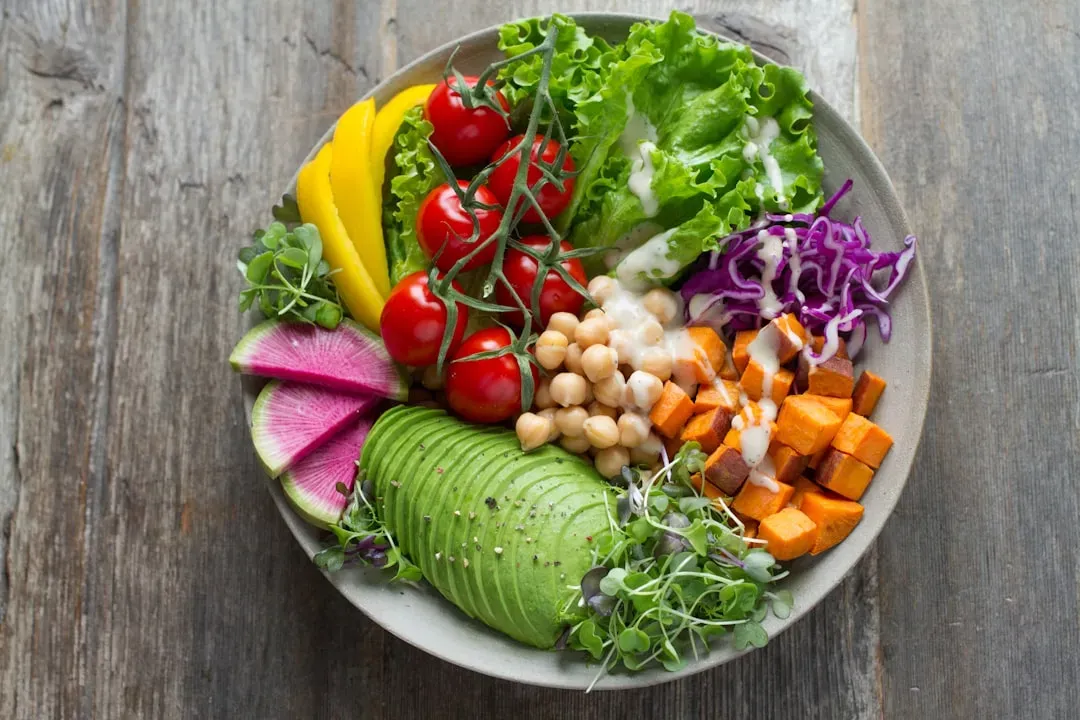
Clean eating sounds perfectly reasonable. Eat whole foods, avoid junk, stay disciplined. For many people it’s genuinely helpful. But taken to extremes, it can flip into something more dangerous. Orthorexia, an obsessive focus on the purity or “cleanness” of food, is a growing concern that nutritionists are flagging with increasing urgency.
Research suggests that social media use increases the risk of eating disorders, especially when focused on weight loss, and even when social media is only used for a short period of time. The constant stream of “clean eating” content creates distorted standards and relentless guilt around food choices. It can erode your relationship with eating in ways that outlast any short-term physical benefit.
Registered dietitian Stefani Sassos, director of the Good Housekeeping Institute Nutrition Lab, has noted that “we’re starting to really understand that there is no one-size-fits-all approach to diet.” Rigid clean eating protocols ignore that reality entirely. The emotional dimension of food, the pleasure, the culture, the social connection, matters for long-term health too. Stripping it all away in the name of purity is rarely sustainable and sometimes genuinely harmful.
11. The Plant-Based “Processed Foods” Trap

Going plant-based is often praised as one of the healthiest dietary decisions a person can make. The research on whole-food plant-based diets is genuinely strong. After 8 weeks in a twin study, those who consumed the vegan diet experienced decreases in LDL-cholesterol, insulin, and weight compared to those who consumed the omnivorous diet. Those are real benefits.
The problem is what “plant-based” has come to mean in 2026. It has become a marketing label slapped on heavily processed burgers, sausages, snacks, and desserts. There are several limitations that should be considered before adopting a plant-based diet, as there are various forms ranging from lacto-ovo-pescatarian to fully vegan, and depending on the type of plant-based diet followed, special attention may be needed to meet nutritional needs. A diet of plant-based hot dogs and vegan cookies is still an ultra-processed diet.
Only about 3% of respondents identified as “plant-based” in the 2024 IFIC survey, but plant-based eating patterns like the Mediterranean, DASH, flexitarian, vegetarian, and vegan made up another 18%. The distinction between a whole-food plant-based diet and a processed plant-based diet matters enormously for long-term health outcomes. One protects the gut. The other may quietly harm it.
12. Strict Elimination Diets: Cutting More Than Needed, Losing More Than Intended

Elimination diets were designed as diagnostic tools, not lifestyles. They help identify food sensitivities by removing potential triggers and reintroducing them systematically. Used correctly, under professional guidance, they’re valuable. But in the age of social media, they’ve morphed into long-term restrictive eating plans for people who have never been tested for sensitivities.
Few universal truths have emerged regarding how the microbiome exerts its effects, except one: gut microbiota are exquisitely sensitive to human diets. What we eat from birth onward shapes our gut microbiome composition and function, and this is likely an evolutionarily conserved interaction that benefits both the microbe and the host. Eliminating food groups for extended periods disrupts that relationship in ways that can persist long after the diet ends.
The 2025 global nutrition trends emphasize a shift toward health-focused, sustainable food choices, with consumers prioritizing nutrient-dense foods and personalized nutrition, as research increasingly highlights the benefits of individualized diets. Blanket elimination based on social media advice is the opposite of individualized. It’s one-size-fits-all restriction dressed up as precision health, and over time, the losses outweigh whatever initial benefits came from simply eating more mindfully.
The Bigger Picture: What Science Actually Recommends
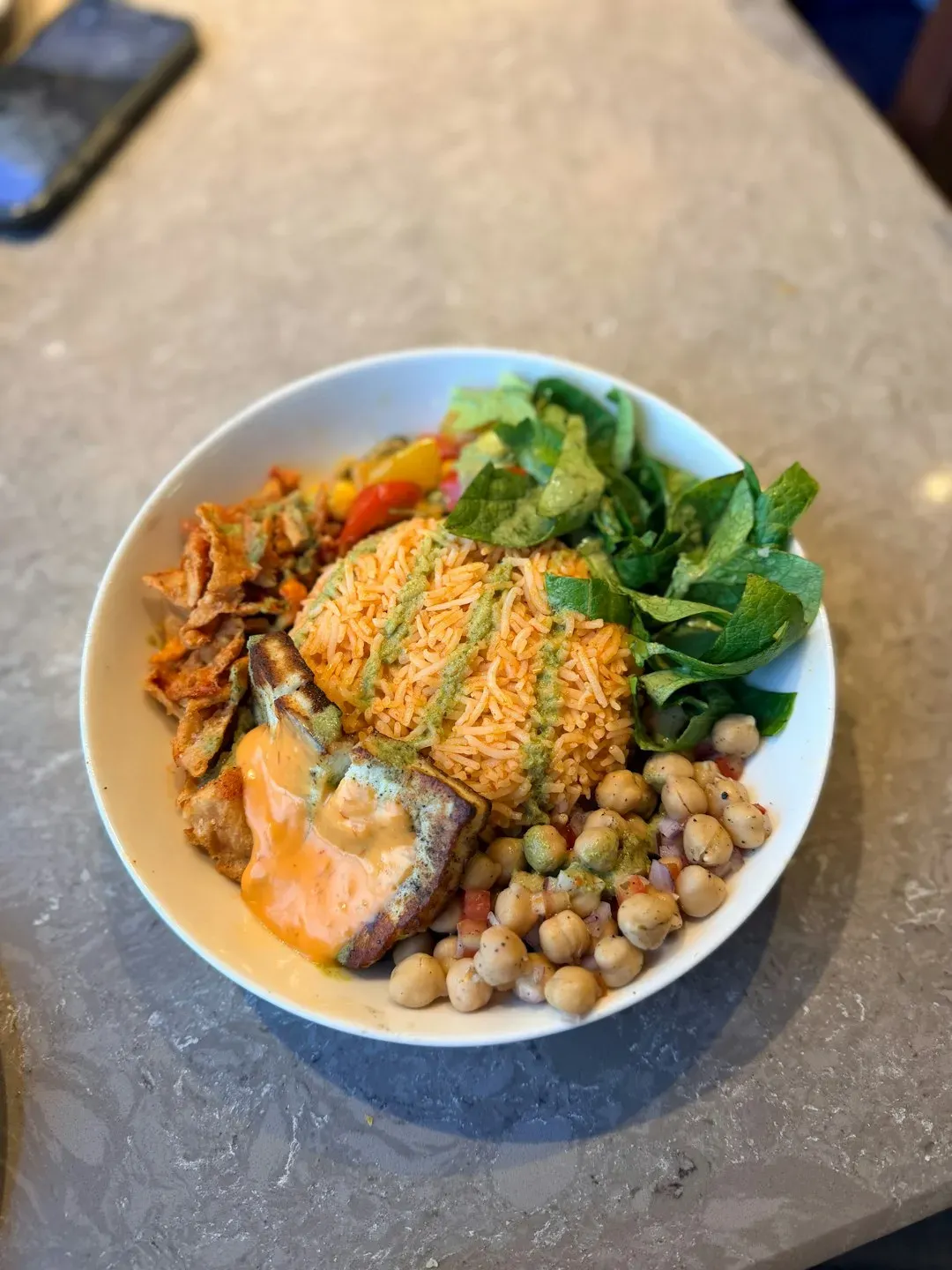
After reviewing the research, one theme emerges repeatedly. Several randomized clinical trials have shown that intermittent fasting is not more effective than standard daily caloric restriction for short-term weight loss or cardiometabolic improvements in patients with obesity. The exotic intervention, the dramatic restriction, the viral protocol, rarely beats simple, consistent, whole-food eating over the long run.
Nutritional science in 2026 is moving decisively away from broad diet prescriptions. Personalized nutrition and gut health are gaining traction as research highlights the gut-brain connection and the benefits of individualized diets. Your gut, your genes, your lifestyle, and your relationship with food are all part of the equation. No single trending diet accounts for all of that. Adopting new diet changes should be a journey rather than an overnight change. Regardless of the type of diet you follow, diversity is key, as consuming a range of foods ensures a broad spectrum of nutrients and encourages an enjoyable and sustainable diet.
Every trend on this list had something genuine behind it. A real insight, a real mechanism, a real short-term result for some people. The danger lies in the extremism, the duration, and the wholesale trust placed in a viral idea over your own body’s long-term signals. The most sustainable diet is rarely the most dramatic one. What’s your diet actually doing to you five years from now? That’s the question worth asking.
What do you think? Has one of these trends surprised you? Share your experience in the comments.