
Picture yourself standing in a grocery store, cart half full, watching the total climb higher than your monthly gym membership you never use. Now imagine grabbing a full meal at a street stall for less than the cost of that organic bell pepper you just threw in your basket. Sounds impossible, right?
Well, the truth might surprise you. In the past five years, average grocery prices in the United States have risen by nearly 25%, and the rate of eating out has increased by about 30%, according to Bureau of Labor Statistics data. Yet in certain corners of the world, that gap tells a completely different story.
While your hometown might charge fifteen bucks for a decent lunch, some destinations let you feast like royalty without emptying your wallet. Let’s dive into twelve remarkable places where the economics of food flip upside down.
Bangkok’s Street Food Paradise
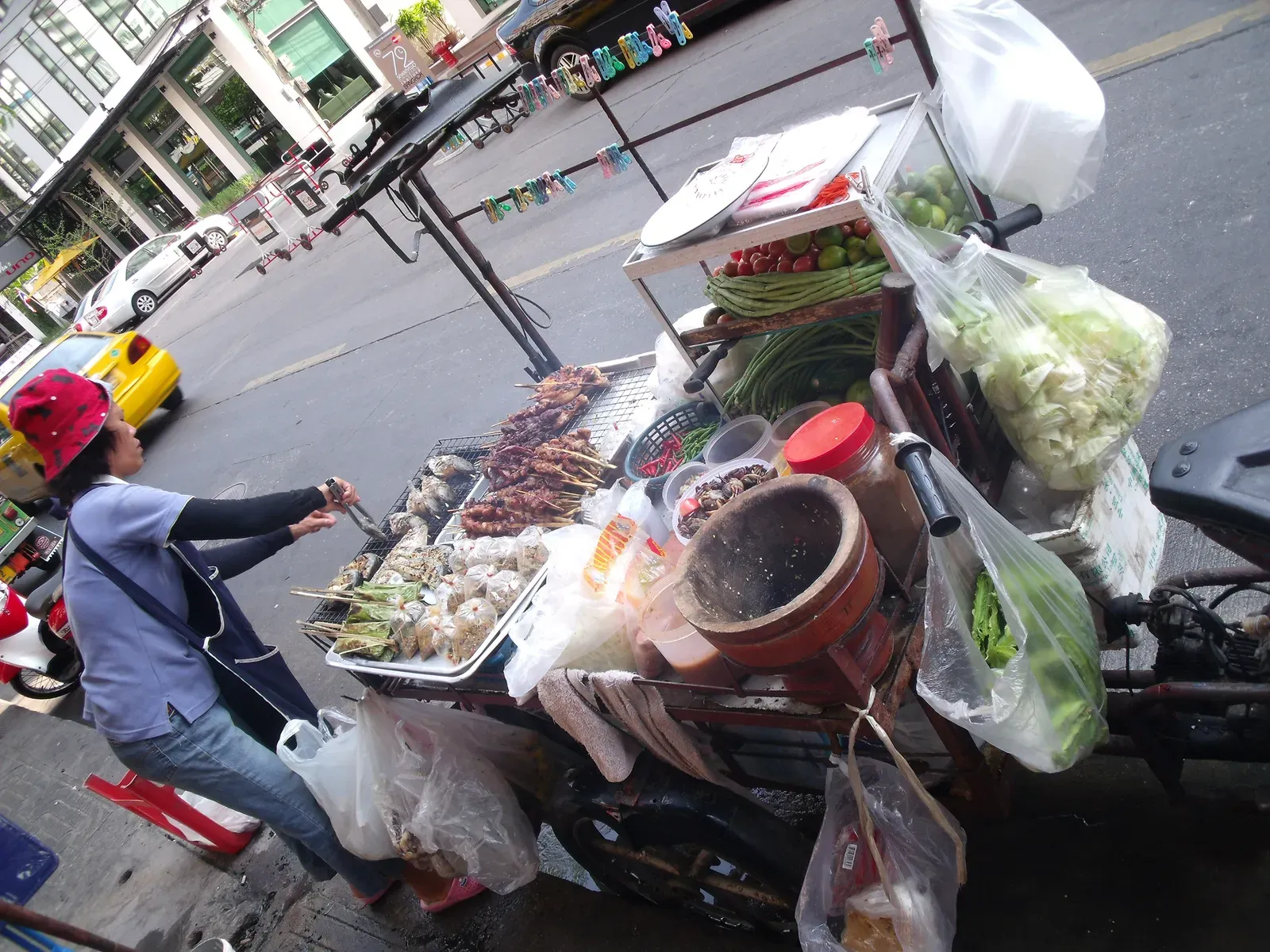
Bangkok might just be the ultimate destination where your food budget stretches impossibly far. The Thai capital’s legendary street food scene offers pad thai, grilled satays, and mango sticky rice at prices that make grocery shopping seem downright extravagant. Street food can usually be picked up for less than a dollar throughout many Asian cities, and Bangkok exemplifies this perfectly.
The night markets come alive after sunset, with vendors grilling skewers and tossing noodles in massive woks. A full meal from these stalls typically costs somewhere between two to four dollars. Compare that to buying ingredients at a local market, paying for cooking gas, and spending your vacation time standing over a stove, and suddenly eating out becomes the smartest financial decision you’ll make all day.
Street vendors here operate on incredibly thin margins but massive volume, which keeps prices remarkably low. The quality? Often better than what you’d make yourself, honestly.
Mumbai’s Endless Food Options
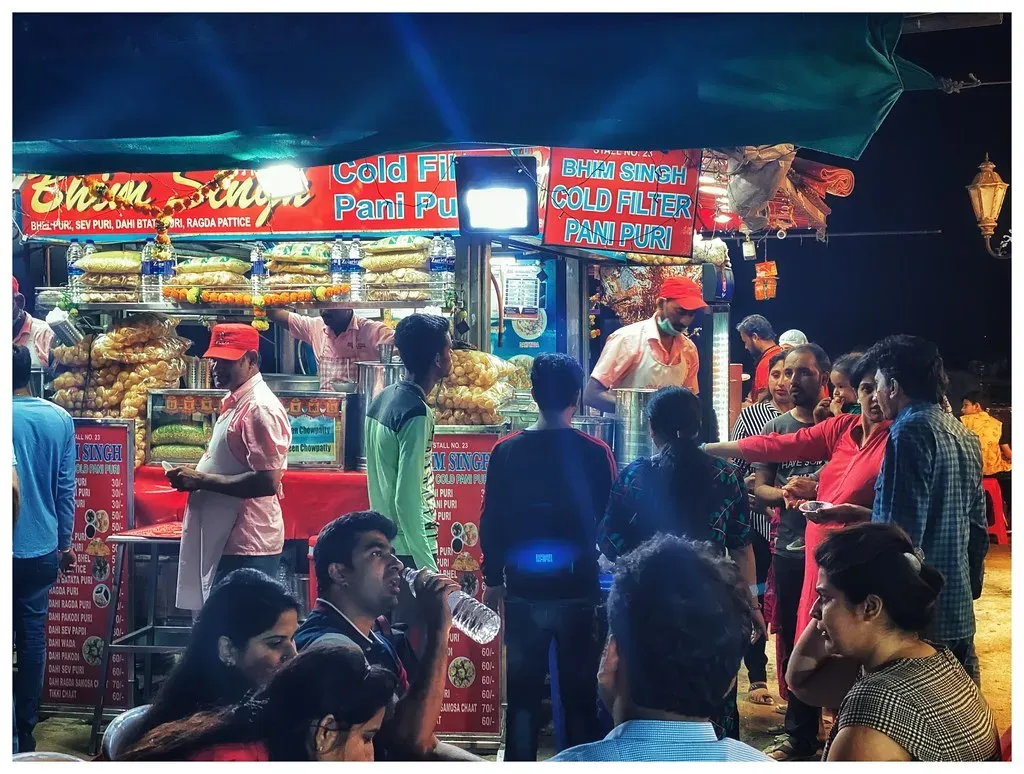
India’s financial capital delivers an astounding array of affordable street eats that put grocery shopping to shame. Street food can usually be picked up for less than a dollar, with little kiosks inside metro stations selling portions of Daal for around $0.40. The bustling pavement kiosks overflow with pakoras, Bombay potatoes, and countless other regional specialties.
Mumbai’s sheer density of food vendors creates fierce competition that drives prices down while pushing quality up. You’ll find fresh, hot meals prepared right before your eyes, often using recipes passed down through generations. The portion sizes are generous enough to keep you satisfied until your next street food adventure.
Even at local restaurants, a full thali with multiple dishes costs less than the ingredients would at a supermarket. The economics just make sense here.
Vietnam’s Culinary Bargain
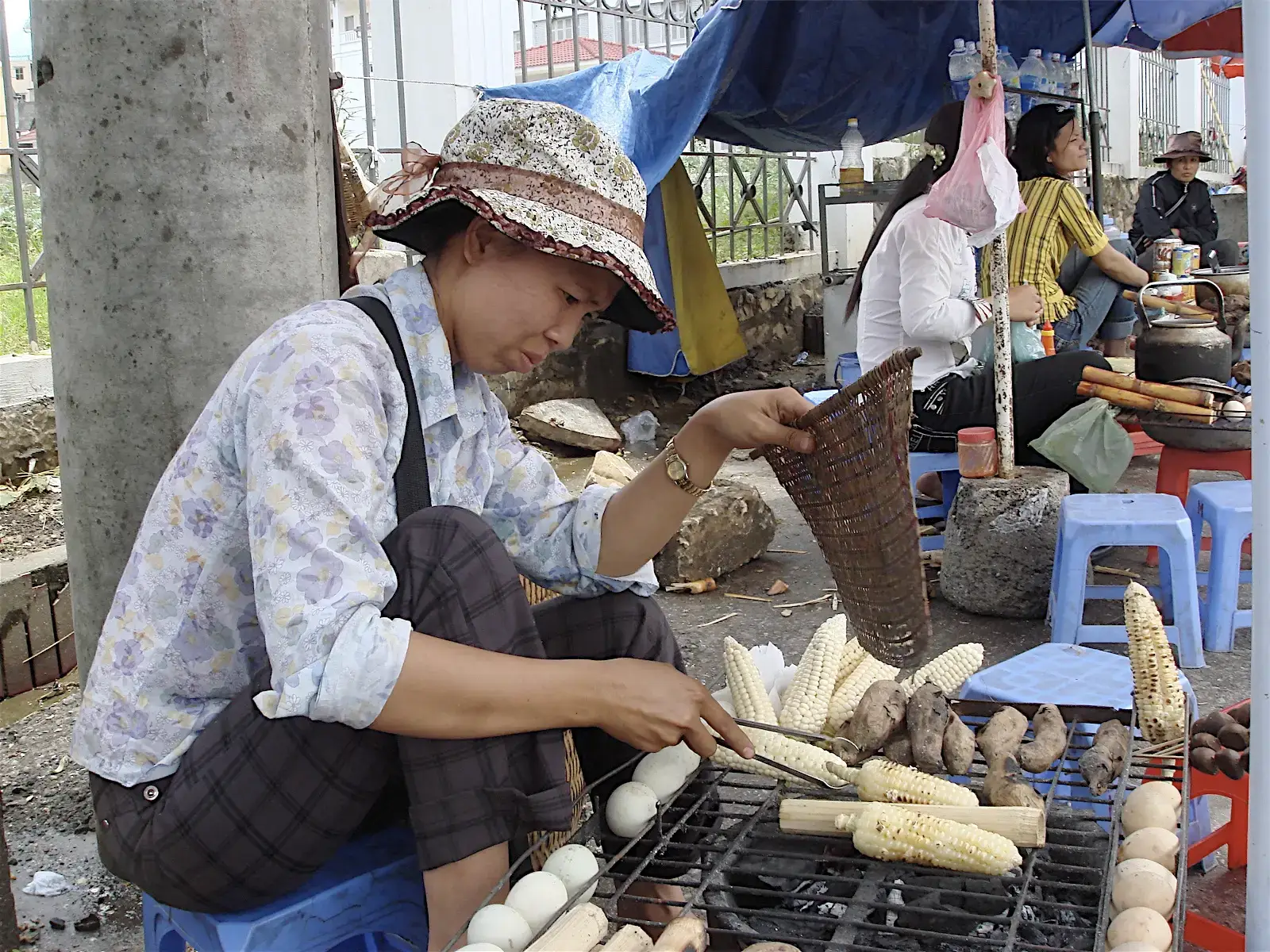
Vietnam practically invented the concept of affordable street food excellence. Vietnam is closely followed by Indonesia as having the cheapest street food, with prices ranging from 20k to 30k vnd for breakfast and 50k vnd for dinner, which translates to roughly one to two dollars per meal. The cuisine blends Chinese and French influences with local ingredients to create something genuinely special.
Cities like Hoi An offer local dishes costing between $3 and $5 that would cost significantly more to prepare yourself. The famous banh mi sandwiches exemplify this perfectly, packing multiple ingredients into a crisp baguette for pocket change. Street vendors operate from dawn till midnight, meaning you can eat incredibly well throughout the day without spending more than ten dollars total.
Egypt’s Dollar Meal Deals

Cairo’s street food scene represents perhaps the most extreme example of dining out beating grocery prices. You can grab a filling authentic meal for as little as a dollar, with vendors selling mombar mahshy for $0.50. The street food culture here caters to locals who need affordable, filling meals, not tourists with inflated budgets.
Koshari, Egypt’s beloved national dish, combines lentils, rice, pasta, and chickpeas topped with tangy sauce. You’ll find local staples that are flavorful, filling, and cost just a few dollars or even less outside tourist zones. Even splurging on a whole roasted chicken with sides sets you back around three dollars. Trying to buy all those ingredients separately and prepare them yourself would cost more and take hours.
Hong Kong’s Night Market Barbecues
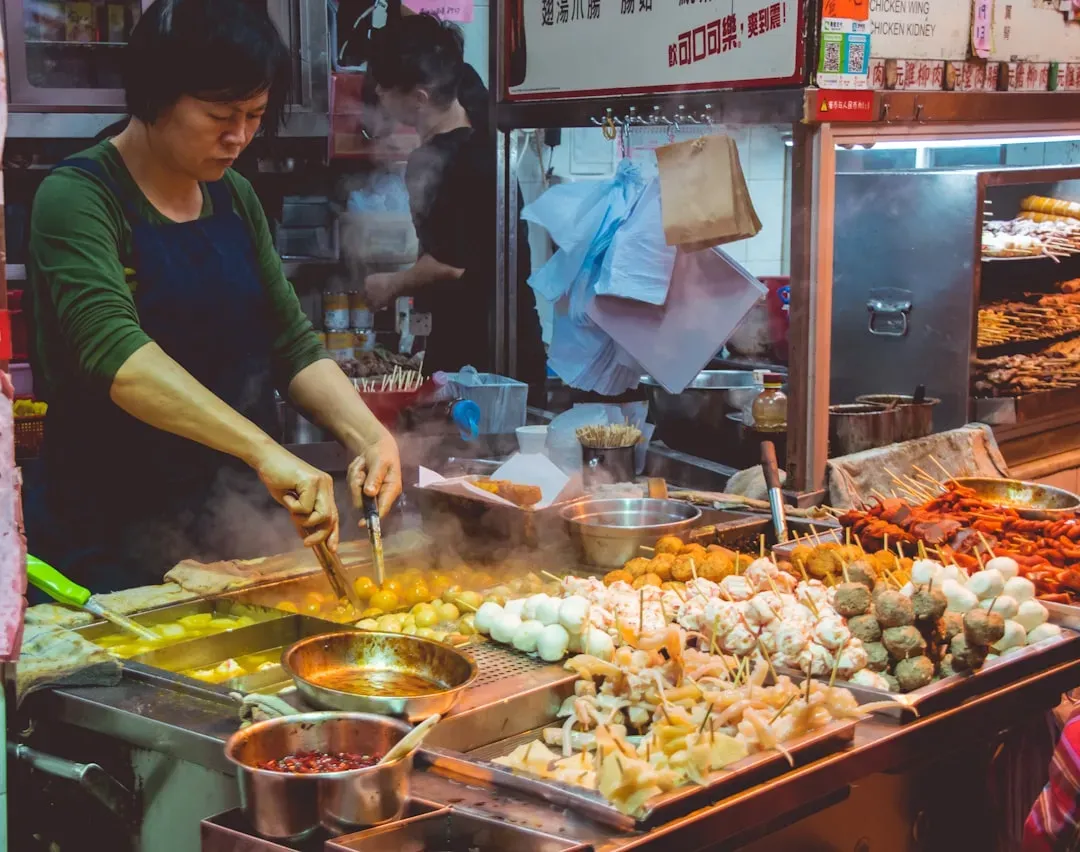
Hong Kong’s reputation for expensive living doesn’t extend to its street food scene. The street barbecues of Hong Kong are pretty cheap and a few platefuls washed down with a cold beer will not set you back $5. After dark, open fires are stoked at night markets where you select your own meat or vegetable skewers to be grilled right in front of you.
The variety stuns first-time visitors. Marinated pork, skewered duck, stuffed aubergines, and grilled mushrooms drizzled with soy sauce all compete for your attention. Meanwhile, grocery prices in Hong Kong remain notoriously high due to limited space and import costs. The contrast between supermarket sticker shock and street food affordability makes eating out the obvious choice for budget-conscious travelers and locals alike.
Cartagena’s Plaza Food Vendors
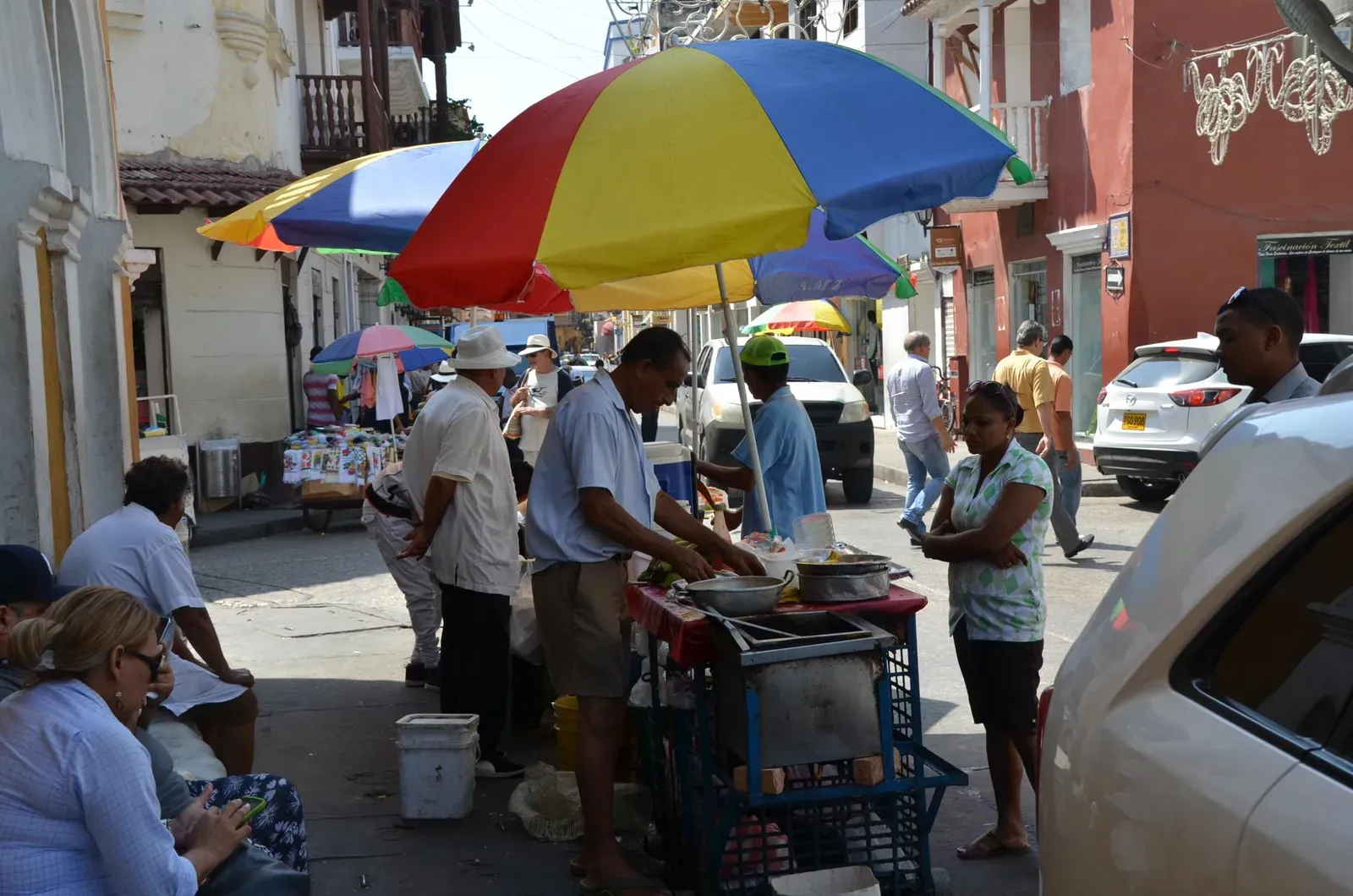
Colombia’s Caribbean jewel offers surprisingly affordable dining despite its tourist popularity. The main square around Trinidad Church comes to life each night with street food stalls that serve till the early hours. The famous Cartagena hamburgers pile on toppings with abandon, while fish empanadas and meat-and-cheese arepas fill you up for the entire day.
Colombian street food remains relatively unknown outside Latin America, which helps keep prices reasonable. A full meal from plaza vendors costs less than buying ingredients at the local market, especially when you factor in the quality and variety. The festive atmosphere adds value you simply can’t replicate cooking alone in a rental apartment.
Greece’s Gyro Revolution

Greek street food delivers exceptional value throughout the country. Most gyro pitta wraps in family run businesses cost around 3 or 4 euros, offering seasoned meat, fresh vegetables, tzatziki, and even fries wrapped in warm pita bread. These informal grill houses populate every neighborhood from central Athens to remote island villages.
Grocery prices in touristy Greek islands can shock unsuspecting visitors. A single meal’s worth of ingredients might cost as much as two or three complete gyros from a local spot. The convenience factor amplifies the value proposition. Why spend time shopping and cooking when you could be exploring ancient ruins or lounging on beaches instead?
Indonesia’s Warung Culture
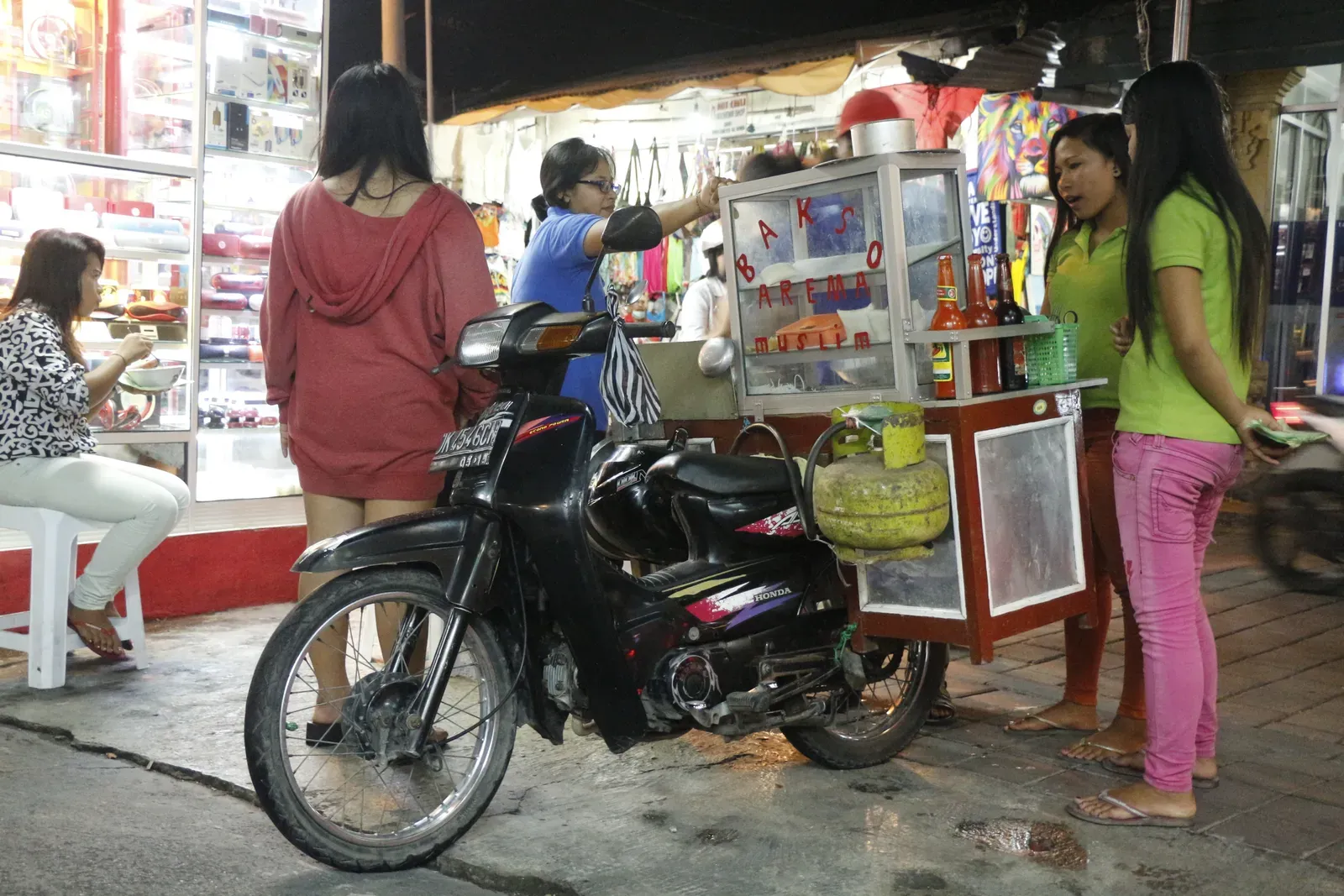
Bali and beyond, Indonesia’s warung stalls serve incredibly cheap, delicious meals. You can easily find a private room for 2 people in a guesthouse for $15 and a meal in the city will set you back only $4 in places like Yogyakarta. The famous nasi goreng appears everywhere, prepared fresh and served hot for less than the cost of buying rice and vegetables separately.
Local warungs operate on family-run models with minimal overhead, passing savings directly to customers. The authenticity of meals prepared by Indonesian mothers and grandmothers beats anything most travelers could cook themselves. Street food here represents genuine culinary culture, not a tourist trap.
Mexico’s Taco Stand Economy
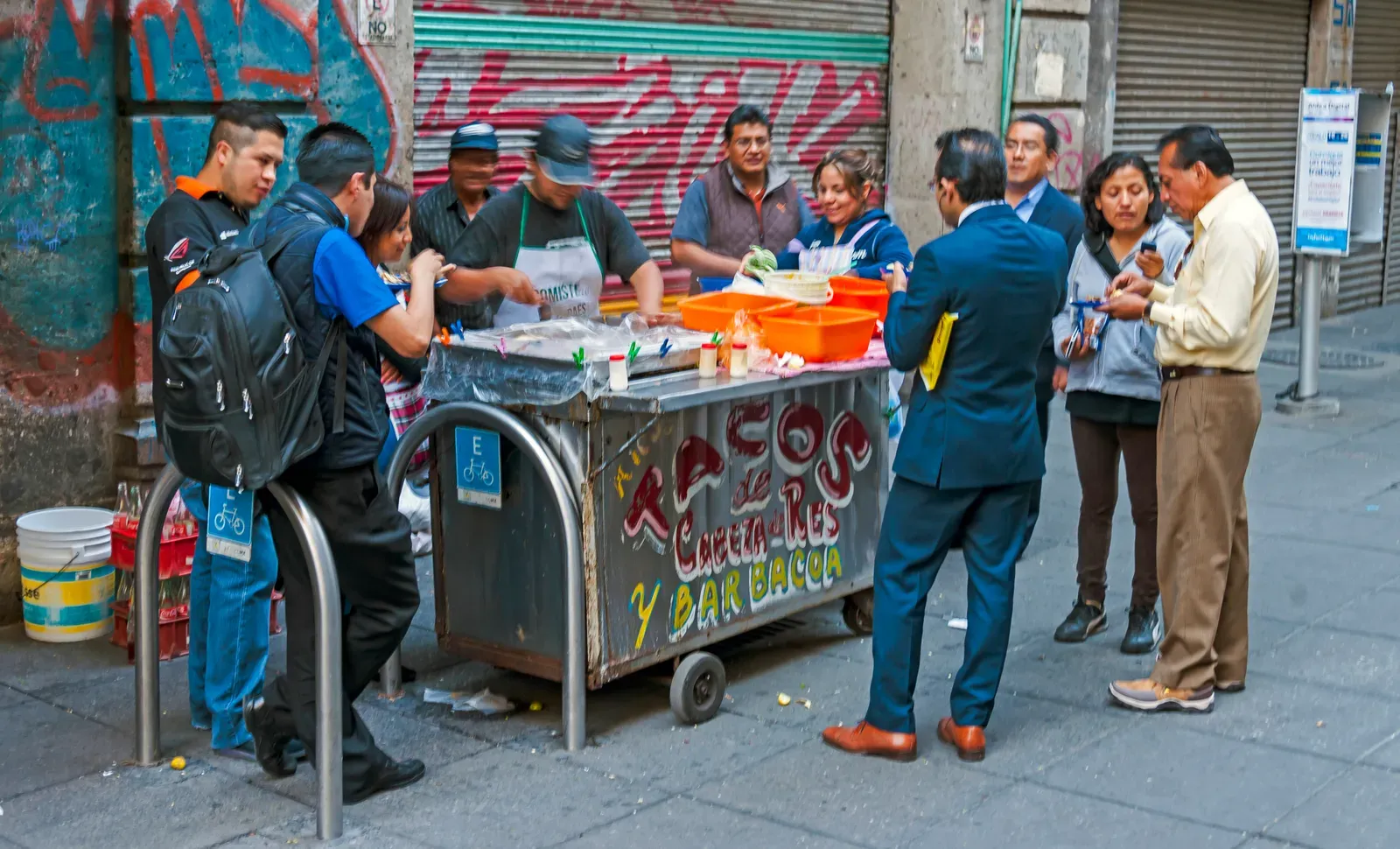
Mexican street tacos exemplify how eating out can undercut grocery costs. Local markets are abundant with fruits, vegetables, and traditional staples like tortillas, making food shopping both affordable and enjoyable, yet prepared street food often costs even less. Taco stands throughout Mexico City and beyond serve multiple tacos for just a few dollars, complete with fresh salsas and garnishes.
The taco stand economy thrives on volume and efficiency. Vendors specialize in one or two preparations, perfecting them over years while keeping costs microscopic. Trying to replicate that quality and variety at home would require buying numerous ingredients, most of which would spoil before you used them. The math favors eating out, deliciously so.
Pakistan’s Market Food Stalls
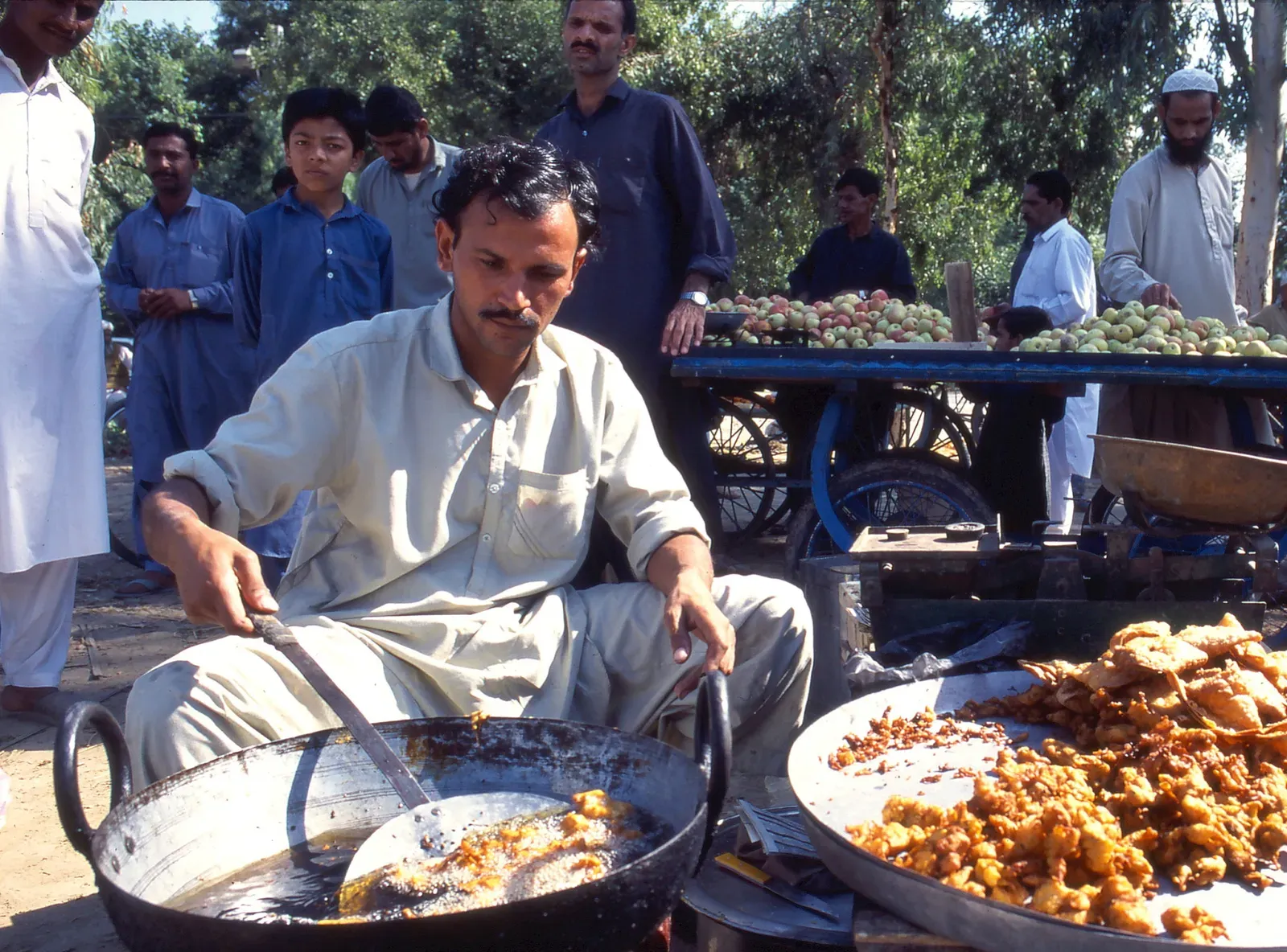
Pakistan offers some of Asia’s most affordable dining experiences. Pakistan offers low food prices, especially for local produce and staples like rice and wheat, with vibrant markets and street vendors providing affordable options. The country’s street food culture serves locals who need filling, budget-friendly meals daily.
Fresh fruits, vegetables, and meats appear abundant in markets, yet prepared dishes from street vendors cost less than assembling meals yourself. The difference comes from economies of scale and vendor expertise. A biryani vendor buying rice in massive quantities pays far less per serving than any individual shopper could. That savings passes directly to customers who enjoy restaurant-quality meals at impossibly low prices.
Malaysia’s Hawker Center Advantage
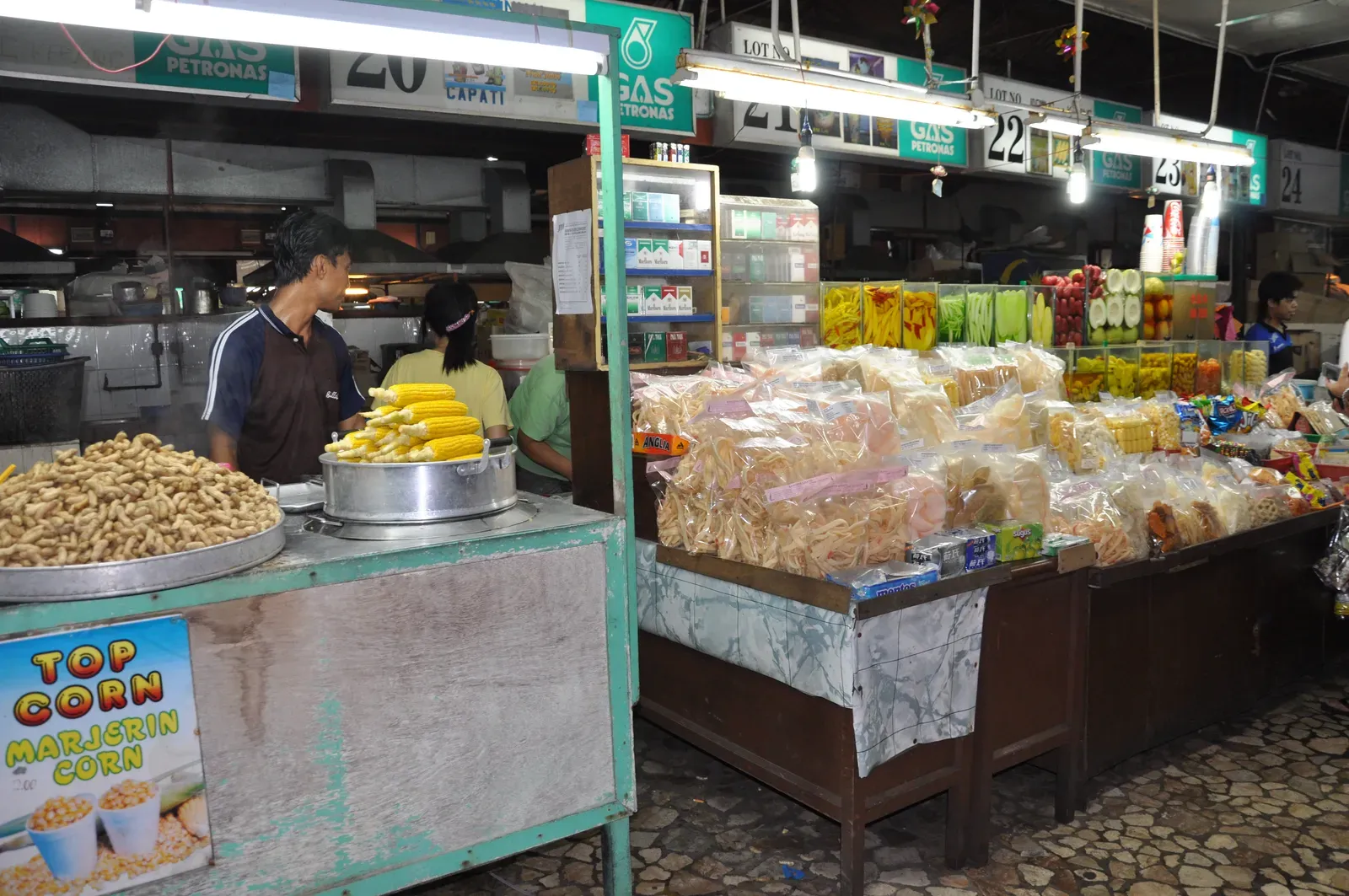
Malaysian hawker centers revolutionize the concept of affordable dining. Malaysia is one of the best countries in Asia to try street food, with hawker stalls everywhere and George Town in Penang island usually recognized as the best city. The variety staggers the imagination, laksa, wanton mee, and nasi kandar all compete for attention at remarkably similar prices.
These stainless-steel stalls operate with incredible efficiency, serving hundreds of customers daily. The specialization means each vendor perfects their signature dish while keeping costs minimal. Grocery shopping in Malaysia costs relatively little, but prepared hawker food somehow costs even less. The cultural experience and quality make eating out the smart choice, both financially and experientially.
Thailand’s Island Food Culture
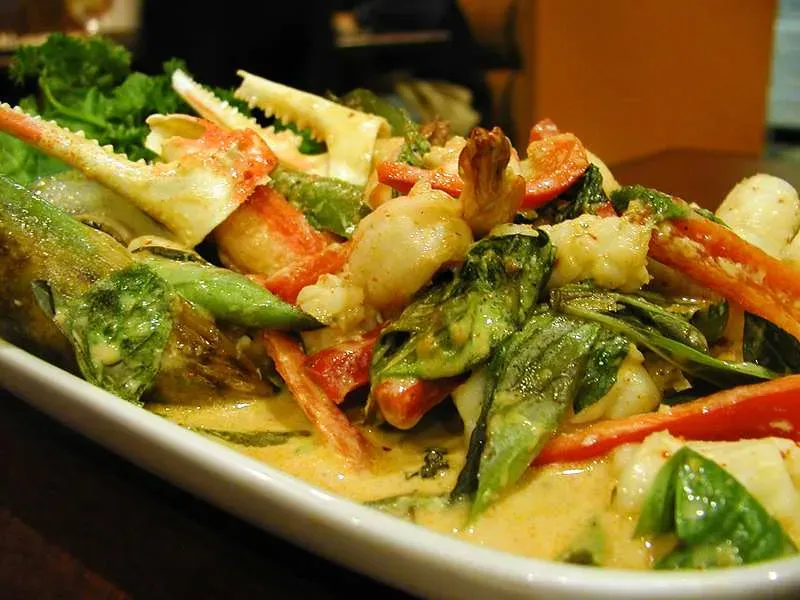
Beyond Bangkok, Thailand’s islands maintain similar food economics. Street markets open day and night, like Fisherman’s Village in Samui, offering opportunities to sample local specialties at affordable prices in a festive atmosphere. Fresh seafood appears on grills minutes after boats dock, prepared with local spices and served for less than supermarket prices.
The combination of abundant local ingredients and intense competition between vendors creates perfect conditions for affordable dining. Tourists often discover their food budget stretches two or three times further than anticipated. Island groceries, meanwhile, cost more due to transportation expenses from the mainland. The economics clearly favor eating out, leaving you more money for activities, accommodation, or simply more meals.
Conclusion
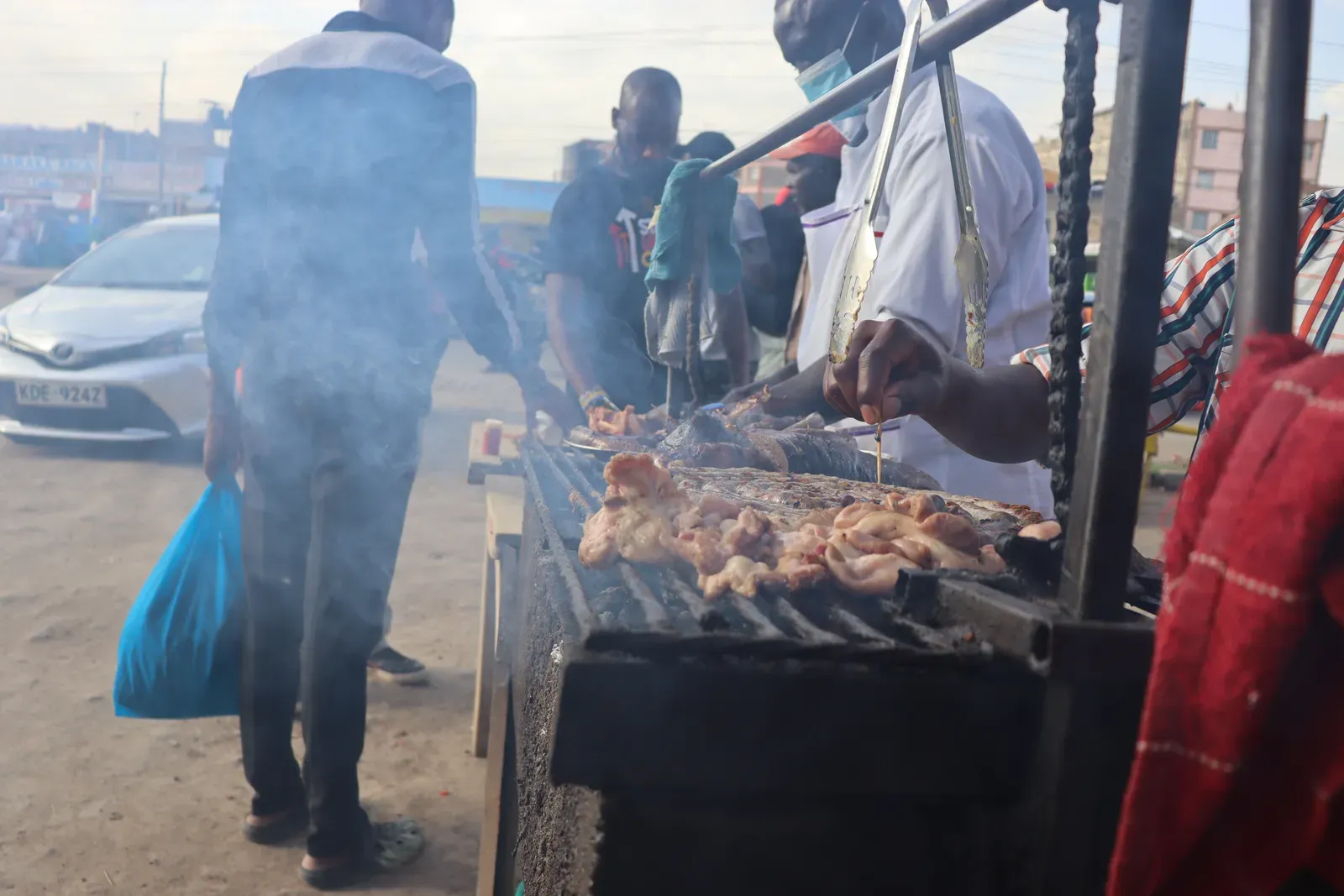
The global food landscape contains surprising pockets where eating out beats cooking at home on pure economics. In some places, takeout surprisingly reigns supreme for being both time-saving and wallet-friendly, as recent data confirms. These twelve destinations flip conventional wisdom on its head, proving that street food and local restaurants can actually cost less than grocery shopping.
The reasons vary by location but generally involve vendor efficiency, fierce competition, and cultural traditions favoring prepared food. Whether you’re planning your next budget vacation or simply curious about global food economics, these places demonstrate that eating out doesn’t always mean spending more. What surprised you most about these destinations?