
You walk in for three things. You walk out with a full cart, a lighter wallet, and a vague feeling that something went sideways somewhere between aisle two and the checkout. Sound familiar? Grocery stores are not just buildings full of food. They are, honestly, some of the most psychologically engineered spaces on the planet. Decades of consumer research, sensory design, and data analytics all quietly conspire to influence every decision you make the moment you step through those doors.
What makes this so fascinating – and a little unsettling – is how invisible most of it is. Former store employees, retail psychologists, and pricing experts have started talking more openly about the mechanics behind it all. Some of it will make you nod. Some of it will genuinely surprise you. Let’s dive in.
1. The “Eye Level Is Buy Level” Rule Is Absolutely Real
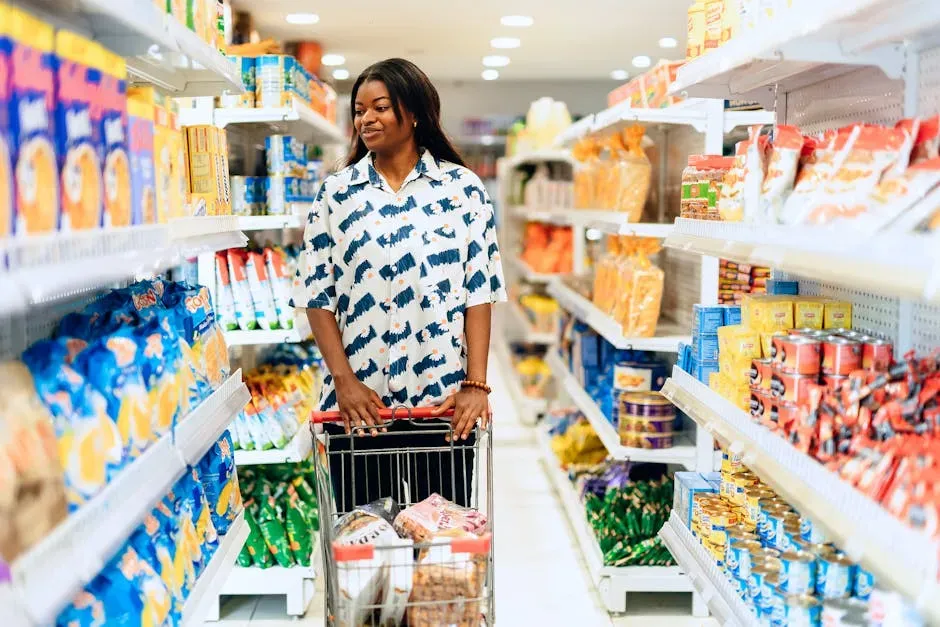
You’ve probably heard the phrase, but here’s what that really means in practice. Where a product sits on the shelf often influences how likely shoppers are to buy it. Grocery stores carefully design shelf layouts so that higher-margin products appear at eye level, where they attract the most attention. Cheaper alternatives or store brands are frequently placed on lower or higher shelves where customers may overlook them.
It goes even deeper when you factor in kids. In a study, the Cornell University Food and Brand Lab examined 65 cereals in 10 different grocery stores. Researchers found that cereals marketed to kids are placed at roughly half as high on market shelves as adult cereals. Additionally, the average angle of the gaze of box characters marketed to kids is downward at 9.6 degrees, whereas characters on adult cereal boxes look nearly straight ahead. That is not a coincidence. That is precision.
Eye-tracking research shows that shoppers naturally look lower than eye level, somewhere between waist and chest level. As a result, this “grab-level” space has become the most sought after and expensive retail space for consumer goods giants. Supermarkets and consumer goods companies know it: shoppers are hardwired to buy more at grab level, despite more economical alternatives above or below on the shelves.
2. The Oversized Shopping Cart Is Not an Accident
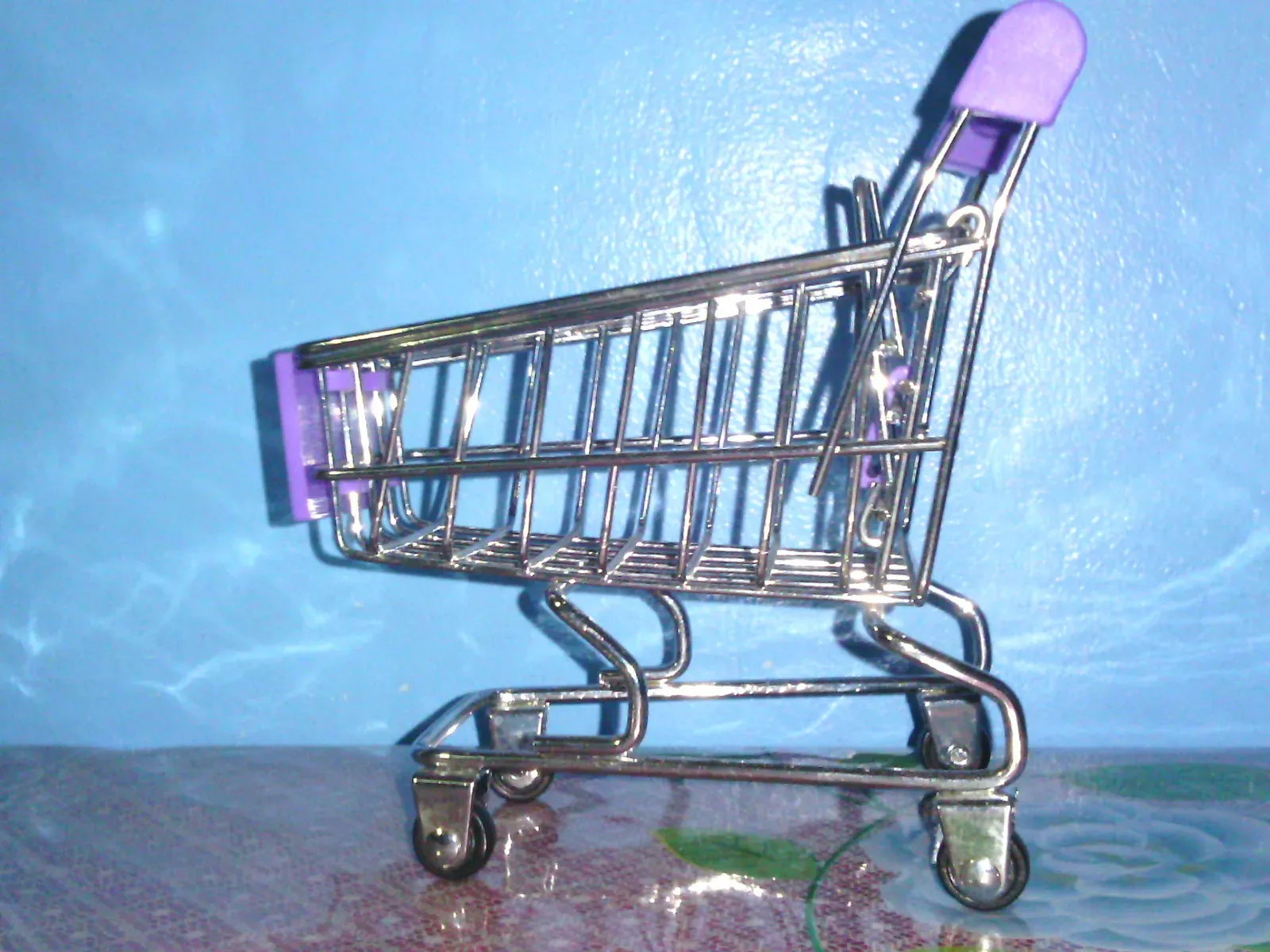
Let’s be real – who actually needs a cart the size of a small boat to pick up groceries for the week? Those big metal carts you grab at the entrance aren’t just convenient transportation devices. Carts have grown significantly in size, and they’re still growing. According to marketing expert Martin Lindstrom, larger shopping carts can lead shoppers to buy significantly more.
Those with the bigger shopping carts bought roughly forty percent more than those with the smaller ones. This is because your cart now looks emptier, meaning you’re more likely to fill it up with impulse buys and treats. Think of it like a dinner plate effect – the bigger the plate, the more food you pile on, even when you weren’t that hungry.
When humans are put in charge of a hole, they have a psychological need to fill it. That’s why the shopping cart has doubled in size and those little carry baskets are intentionally hard to find. Next time, actively seek out the basket. Your wallet will thank you.
3. No Windows, No Clocks – No Sense of Time
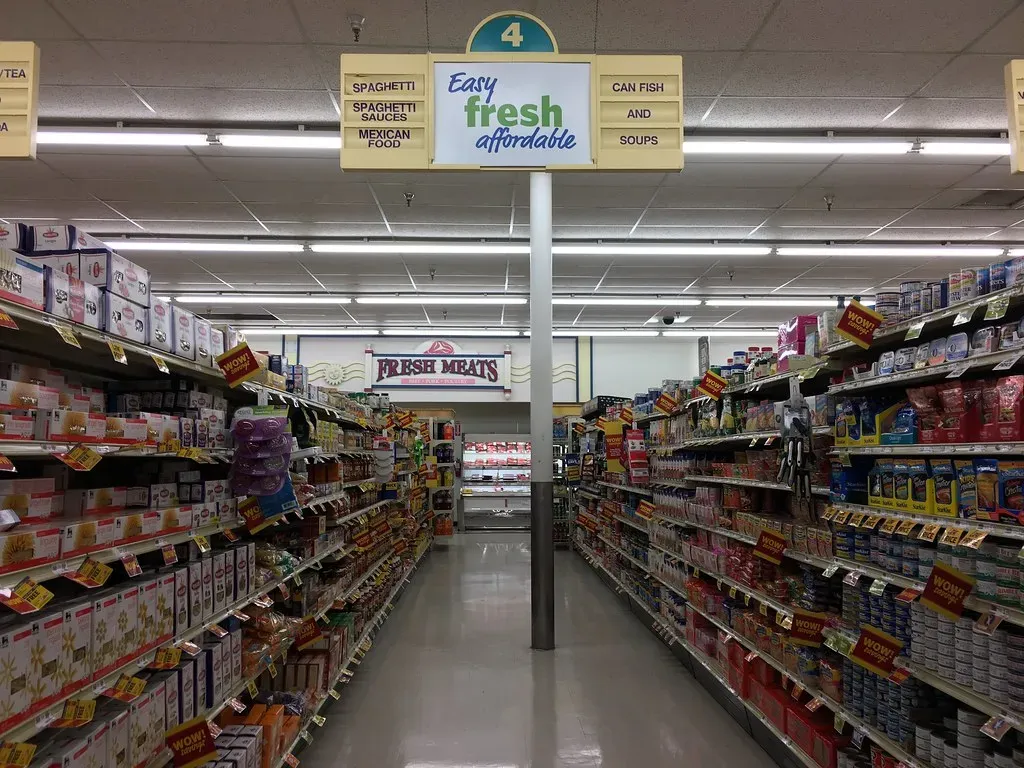
Ever walked into a grocery store at what felt like mid-afternoon and walked out to discover it was nearly dark outside? That is not a glitch. The lack of windows and clocks in supermarkets is a deliberate design choice that can influence consumer behavior and increase sales. Without windows or clocks, shoppers lose track of time and may spend more time in the store than they intended, which may mean more impulse buys. Beyond that, grocers want the shopper to have an immersive experience where they aren’t thinking about the weather, whether the sun is fading, or about the chaos in the parking lot.
There is actual brain science behind the time distortion too. Using functional magnetic resonance imaging (fMRI) of shoppers’ brains, research has found that after about 23 minutes of supermarket shopping, consumers hit a mental “burnout” wall. Decision-making shifts from being cognitive and thought-based to much more reactive, impulsive and emotional. After 40 minutes of shopping, consumers’ brains tune out to rational thought entirely.
I think that’s genuinely wild. The longer you’re in there, the less capable you are of making smart decisions. Stores know this, and their layouts are designed to keep you wandering.
4. The Fresh Produce Section at the Entrance Is a Mood Trick
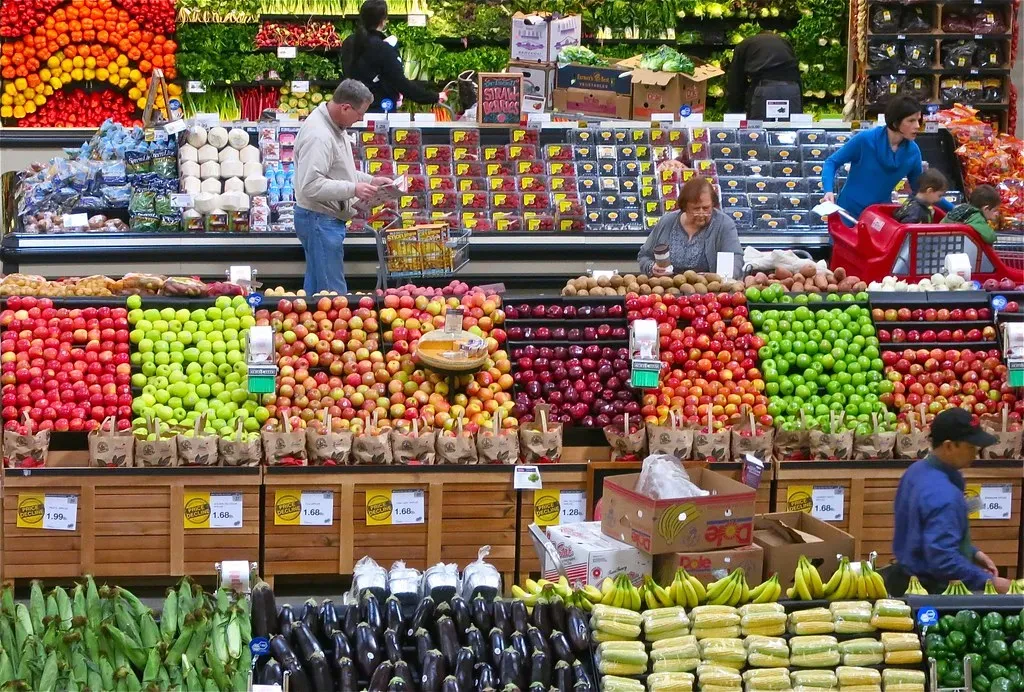
You enter, and the first thing you see is a glorious wall of colorful fruits and vegetables, maybe some flowers too. It feels wholesome, right? That is very much the point. The fruit and veg zone is nearly always the first thing you encounter in a supermarket. In simple terms, it’s there to make you feel good. If you feel good, you’re likely to buy more throughout the store.
The bright colors and fresh seasonal scents are designed to lift your mood for the shopping experience ahead. Why? Because the science tells us that when you feel good, you spend more. Psychologists call this effect “implicit priming,” where one stimulus influences a subsequent response to another stimulus.
There is also a clever psychological permission slip at work here. Fresh vegetable displays are geared towards encouraging consumers to feel good about their lifestyle choices. Also, buying fresh, nutritious produce early in the shopping trip acts as a sort of approval to cart more “guilty pleasure” foods such as snacks and confectionery. You earned those cookies – you bought kale.
5. The Bakery Smell You Love Is Often Engineered
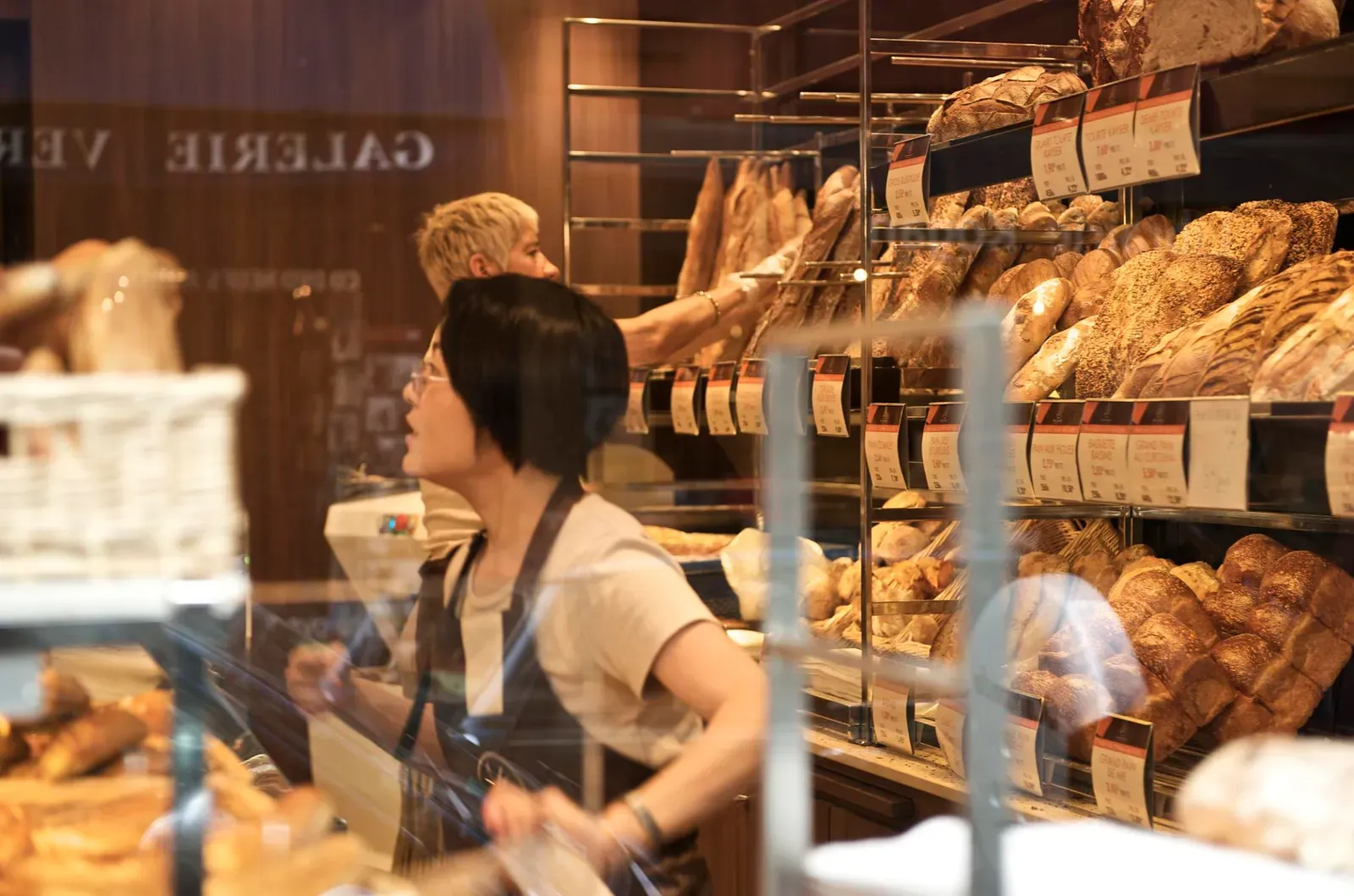
That incredible smell of fresh bread wafting through the store? The bakery is most likely near the front of the store for a reason. This concerns the effect of fresh baked goods on the psyche of shoppers who are likely to feel hungry and enticed to buy more products than originally intended.
Research suggests scent significantly affects emotions and memories, and in the shopping context, affects purchase behavior. Fragrance cues, such as the smell of fresh bread in a retail setting, can evoke a strong emotional response, influencing product recognition, recall, and purchase intent. It’s a primal trigger, really. Hunger bypasses logic faster than almost anything else.
Simple smells, as opposed to complex blends of scents, are powerful motivators when it comes to spending, researchers at Washington State University found. That’s because simple smells, such as citrus and pine, don’t require much mental processing from the shopper, freeing their brains to conjure images associated with these fresh scents. In other words, the simpler the smell, the harder it is to resist.
6. The Music Playing Controls Your Shopping Speed
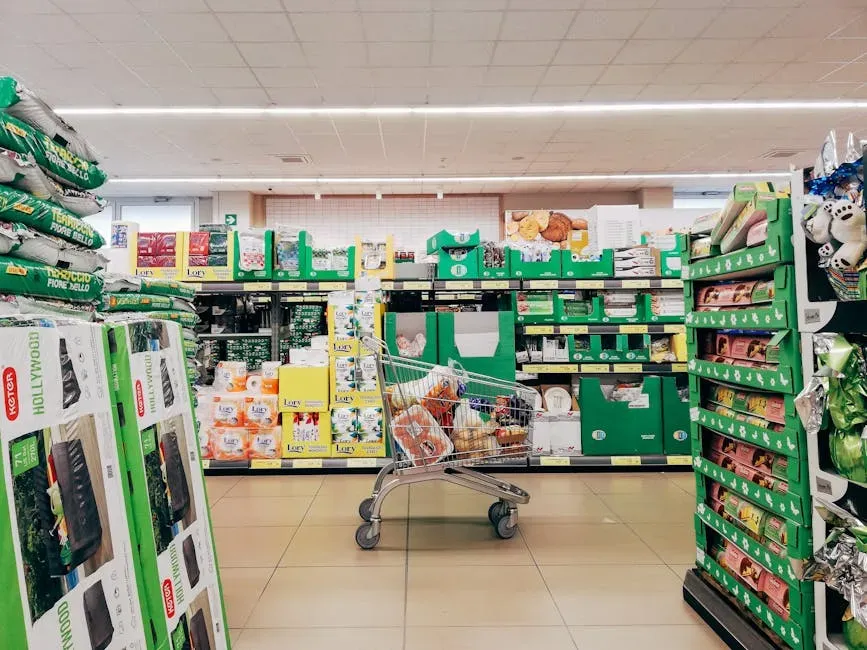
You’ve probably never paid conscious attention to what’s playing on the overhead speakers. According to MRC DATA, nearly three quarters of shoppers notice the background music playing at grocery stores. Yet most have no idea what it’s actually doing to their behavior.
Studies have shown that music tempo can affect the pace at which shoppers move through a store. Upbeat and fast-paced music can create a sense of energy and urgency, encouraging customers to browse quickly and potentially make impulsive purchases. On the other hand, slow and soothing music can promote relaxation and encourage shoppers to spend more time exploring the store and its offerings.
Studies have shown that slower-tempo music can cause shoppers to move more slowly through the aisles. This leads to them spending more time in the store and, consequently, buying more products. So when it’s a quiet Tuesday afternoon and the playlist feels like a gentle lullaby, just know that was probably a deliberate choice.
7. End Caps Are Premium Impulse Traps, Not Bargains
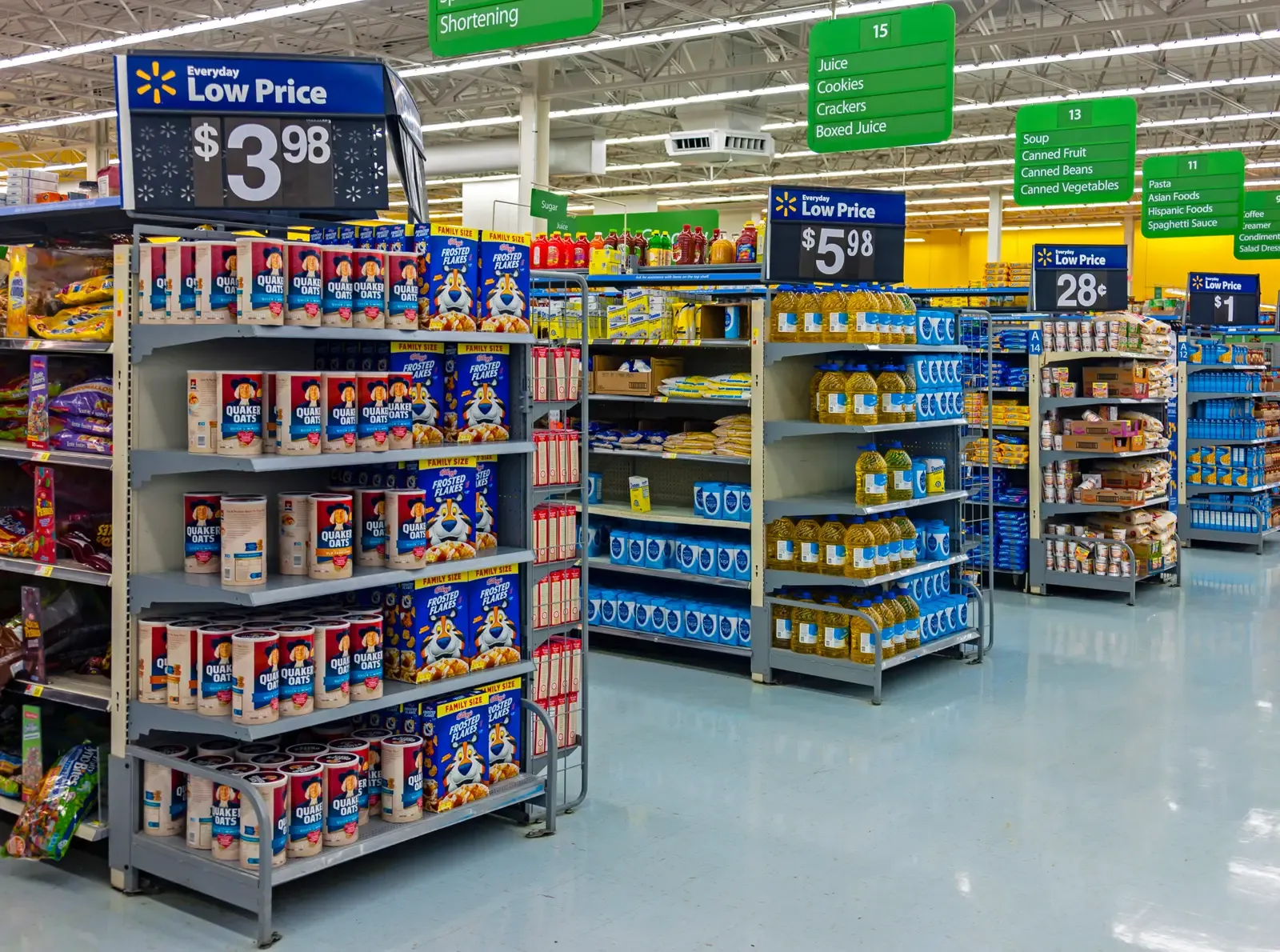
Those colorful displays at the end of every aisle look like deals. They feel like discoveries. They are neither, in most cases. The displays at the ends of the aisles, known in the supermarket business as “end caps,” are astute shopper traps. Companies pay high prices to display their products there, since these are hot spots for impulse buying. Industry sources suggest that products at end caps can sell significantly faster than the same product shelved elsewhere on the aisle.
One survey showed that nearly half of participants remembered fixating on the end caps and that almost half of the grocery stores were dominated by end cap displays. Additionally, prominently displayed sale prices can activate the anchoring heuristic, making shoppers perceive the regular price of the product as higher and the sale price as a better deal.
Here is the kicker. Bulk-style promotions like “Buy Two, Get One Free” or “3 for $10” can appear like obvious bargains. However, these deals are often structured to encourage shoppers to purchase more items than they originally intended. Retailers know that many customers interpret these promotions as mandatory bundles rather than optional pricing tiers. You don’t always have to buy five to get the deal. Read the fine print.
8. Staples Are Deliberately Split Across the Store
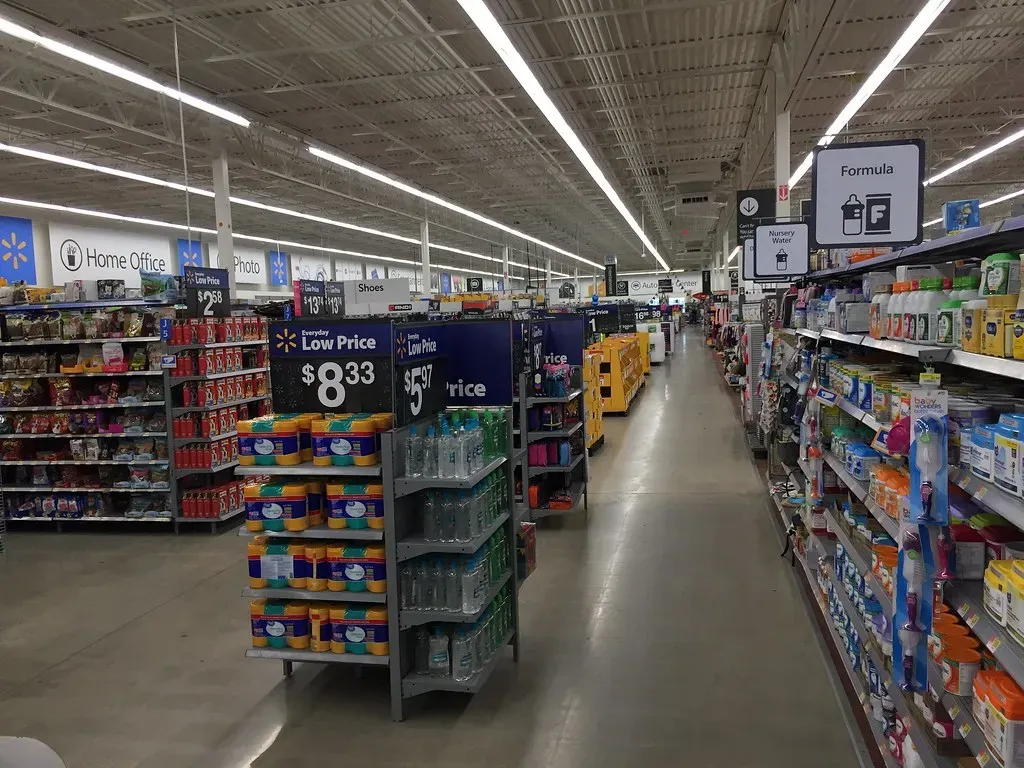
Milk, bread, eggs. Three of the most common grocery items people buy on a quick trip. Ever notice how they’re never conveniently grouped together near the entrance? That is absolutely intentional. Working from the outside in, supermarkets often strategically place commonly purchased items like milk, bread, or eggs at opposite ends of the store.
By separating essential items like bread, milk, and eggs from the rest of the store, shoppers are compelled to navigate through the entire store to find the items they need. This increases the chances that they will see other products and make additional purchases, which benefits the supermarket’s bottom line.
Splitting up the staples, such as bread, milk and eggs, and placing popular items mid-aisle are classic supermarket tricks. Apart from exposing shoppers to further temptation, it slows them down. This works very well for the supermarket, especially as it appears there’s a burnout point at which shoppers start buying with their heart instead of their head. Every extra aisle you walk through is an opportunity for the store to sell you something you didn’t come in for.
9. The “.99” Price Tag Is Playing With Your Brain
Honestly, we all know prices like $4.99 and $9.99 are practically the same as $5 and $10. Yet it works on nearly all of us anyway. There is a name for it. It’s standard practice for the supermarket to use the “left-digit effect” when pricing products. This is the psychological concept behind pricing strategies that end in .99 instead of a full dollar. Consumers tend to process prices from left to right, and the first digit they see has a greater impact on their perception of the price than the remaining digits. By setting a price at $1.99 instead of $2.00, the left-digit effect makes the price appear significantly lower in the consumer’s mind, even though the difference is just one cent.
This tactic, known as “charm pricing,” creates the perception of a better deal. It’s less about math and more about how quickly our brains process visual information. We are not as rational as we think when we’re scanning a shelf at speed, and stores design everything around that reality.
It’s hard to say for sure whether knowing about this effect makes us immune to it. Research suggests it still works even when you’re aware of it, because the brain’s shortcut processing is largely automatic. Awareness helps, but it does not fully protect you.
10. The Checkout Lane Is a Final, Calculated Ambush
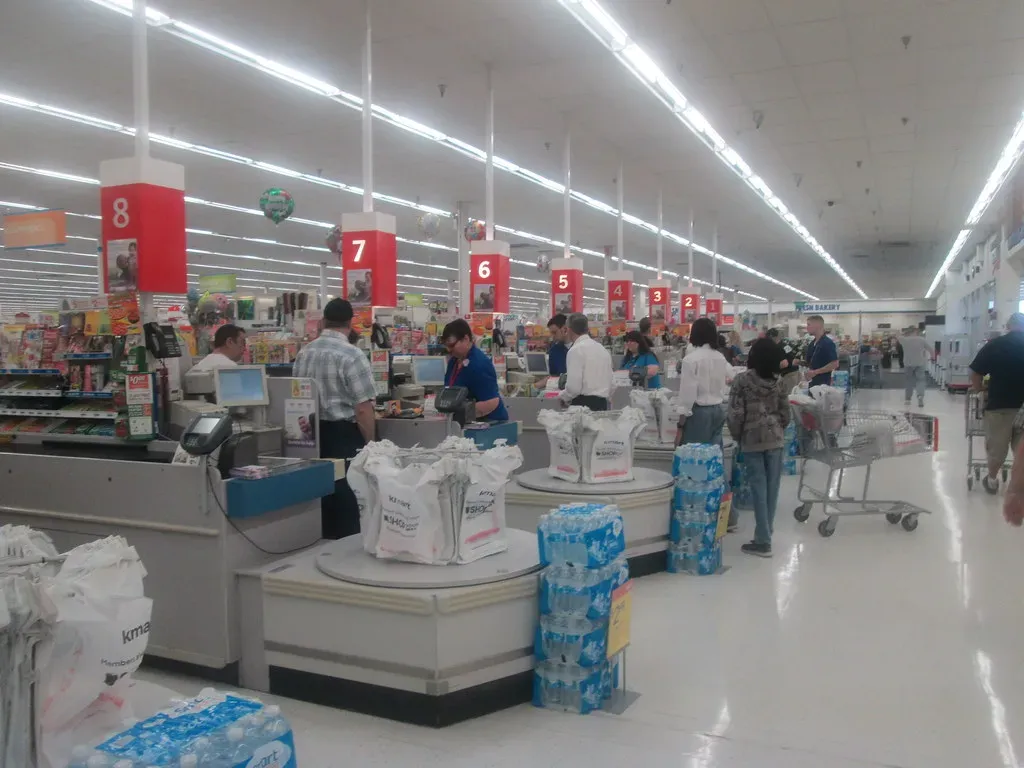
You made it. You survived the aisles. You’re in line. But it’s not over. The checkout lane is the final opportunity for supermarkets to influence consumers’ behavior. According to the marketing research company IRi, Americans spent six billion dollars in checkout purchases alone in 2020, with over five billion of that spent on something edible.
Everything near that register is placed there with intent. The candy bars, the gum, the small bottles of water, the tabloid magazines. Shoppers who enter a grocery store are more open to unplanned purchases than just a few years ago, according to a recent Ibotta survey from November 2025. Roughly a third of shoppers go into the store with only a loose plan for what to buy, or no plan at all, up from about a quarter in 2023. That unplanned openness is precisely what checkout displays are built to exploit.
Think of the checkout lane like the last few seconds of an ad. The store has already warmed you up, worn you down a little after 30+ minutes of walking and deciding, and now it drops small, low-cost temptations right in front of your face. Tiny basket, big profit.
11. Shrinkflation: The Package Lies About Its Contents
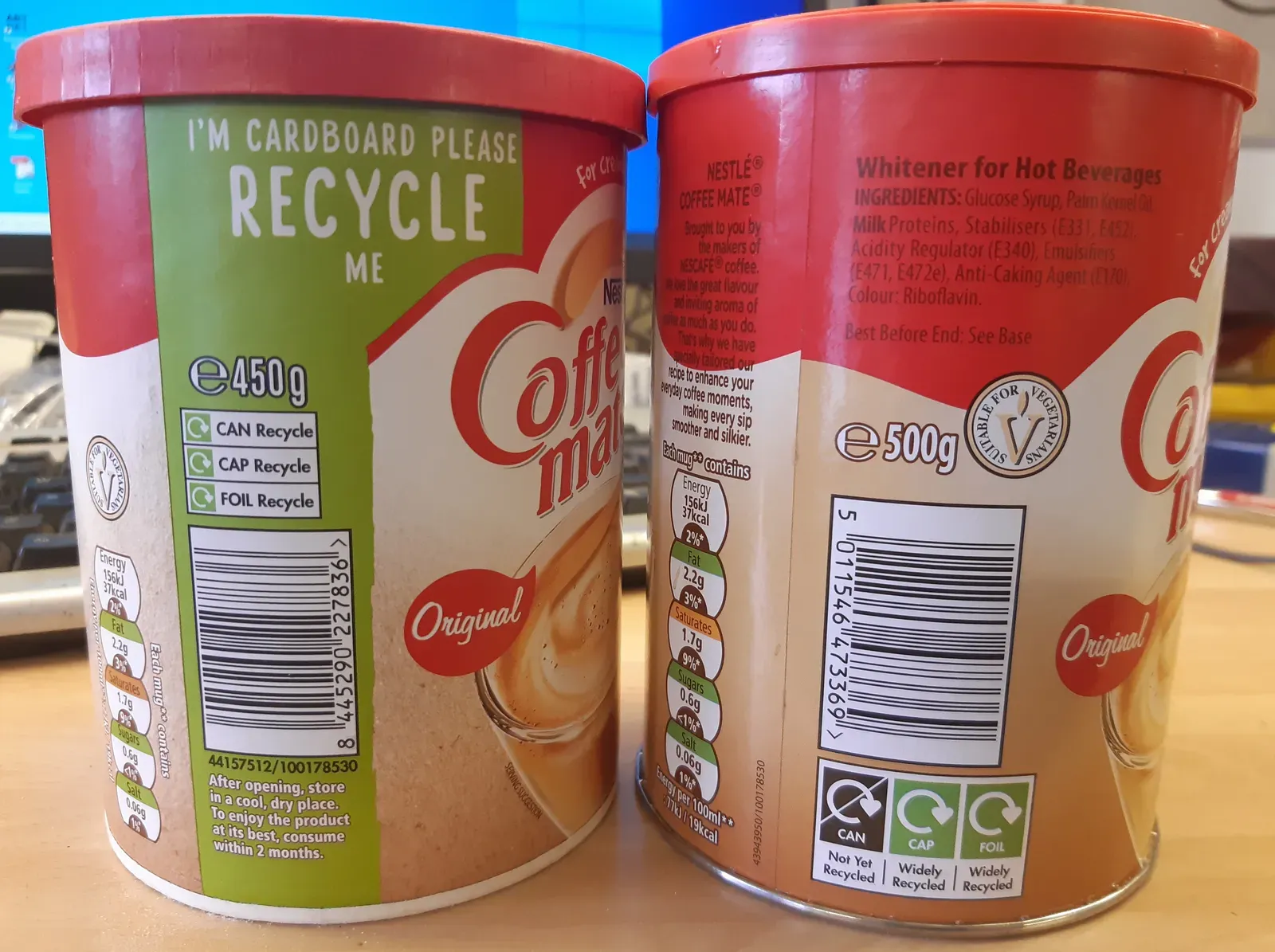
Prices seem stable. Your grocery bill does not. Something is off, and shrinkflation is a big part of the explanation. You might notice your favorite cereal box looks a little thinner but the price hasn’t budged. That’s shrinkflation: selling less product for the same price. Manufacturers quietly reduce package sizes while hoping nobody pays attention. It’s legal, but many argue it’s still misleading because customers rarely compare ounces or grams.
Industry analysts say this tactic works because consumers tend to remember the price of familiar items rather than their exact size. Savvy shoppers are starting to compare unit prices such as cost per ounce or gram rather than relying on packaging. That unit price label on the shelf tag is your best weapon here. Use it religiously.
The cost of groceries rose by about 3.9% in 2025 compared to the same period in 2024. While inflation is slowing down, prices are still going up thanks to tariffs, supply chain disruptions, and other factors. The USDA predicts grocery prices will rise another 2.7% in 2026. In that climate, shrinkflation becomes an even more tempting tool for manufacturers to quietly pass on costs.
12. Your Loyalty Card Is Building a Profile to Charge You More

This one is probably the most eye-opening – and the most recent. That loyalty card saving you a few cents per visit? It’s also generating a detailed data portrait of everything you buy, when you buy it, and how often you change your habits. Companies say they’re rewarding your devotion with points, discounts and perks. But behind the scenes, many are using these programs to monitor your behavior and build a profile, then charge you what they think you’ll pay.
On January 17, 2025, the US Federal Trade Commission released preliminary findings from its ongoing study of surveillance pricing. According to the FTC, surveillance pricing occurs when companies leverage advanced data collection technologies to adjust the prices of goods and services for individual consumers based on competitor pricing, precise location, browser history, purchase history, consumer preferences, demographics, and other sources of real-time data.
The scale of this is significant. The second form of surveillance pricing is personalized pricing, where the amount a shopper pays can vary based on information gathered through loyalty cards, store apps or browsing history. The concern is how far such technology could go. For example, if a shopper buys the same cereal every week, an algorithm might recognize that pattern and quietly raise the price for that customer alone to increase profit. Lawmakers are now scrambling to catch up. In a first-of-its-kind use of a state privacy law, California Attorney General Rob Bonta announced an investigative sweep into businesses’ use of consumers’ personal data to set individualized prices. He warned that the behind-the-scenes practice known as surveillance pricing may run afoul of the California Consumer Privacy Act.
The grocery store has always known more about you than you realized. In 2026, that knowledge has become a commercially valuable, algorithmically refined tool that goes far beyond simply suggesting you try a new cereal brand. The question worth sitting with is: how much of your shopping behavior do you actually control? What do you think – does knowing these tricks change how you’ll shop next time? Tell us in the comments.