
Most people think grocery shopping is just… grocery shopping. You make a list (or don’t), you grab a cart, and you somehow spend three times what you planned. Sound familiar? The truth is, the way you shop for food says a lot more about your financial habits than you might think. There’s a real divide between shoppers who leave the store feeling smart and those who leave feeling vaguely robbed.
What separates them isn’t income. It isn’t even time. It’s a handful of very specific habits that most people never think to develop. Some of these will surprise you, and some will feel almost embarrassingly obvious in hindsight. Let’s dive in.
Table of Contents
1. They Always Shop With a Meal Plan
Savvy shoppers know that a grocery list without a meal plan behind it is just a wishlist. They sit down before the week begins, map out their dinners, lunches, and even snacks, and then write their list from there. It sounds like effort, but it genuinely changes everything.
The stakes are real. In 2024, the average American spent $762 on food that went uneaten. That’s not a small number. According to Feeding America, Americans waste more than $408 billion each year on food, and the average American family of four throws out $1,600 a year in produce alone.
There are many benefits that come with meal planning, such as eating more nutritious meals while saving time, energy, and money. Time is saved by having a specific grocery list, cutting out the aimless wandering through aisles. Honestly, that aimless wandering is where most budgets go to die. A plan is your armor.
2. They Use Digital Coupons, Not Paper Ones

Here’s something that shifted fast. Roughly half of shoppers now use digital coupons, surpassing the roughly one third who still use physical coupons. Additionally, nearly four in ten grocery shoppers now use their mobile phones to compare prices across stores, a dramatic 28-point increase from 2016.
Smart shoppers clip digital coupons through their store apps before they even leave home. They’re not clipping paper on Sunday morning. They’re loading offers to their loyalty card while waiting for their coffee to brew.
In 2024, grocery stores increasingly leveraged sophisticated loyalty programs as a key strategy to attract and retain customers. These programs offer personalized rewards, exclusive discounts, and tailored shopping experiences based on individual purchasing habits. If you’re not using these tools, someone else is getting your discount.
3. They Embrace Store Brands Without Hesitation
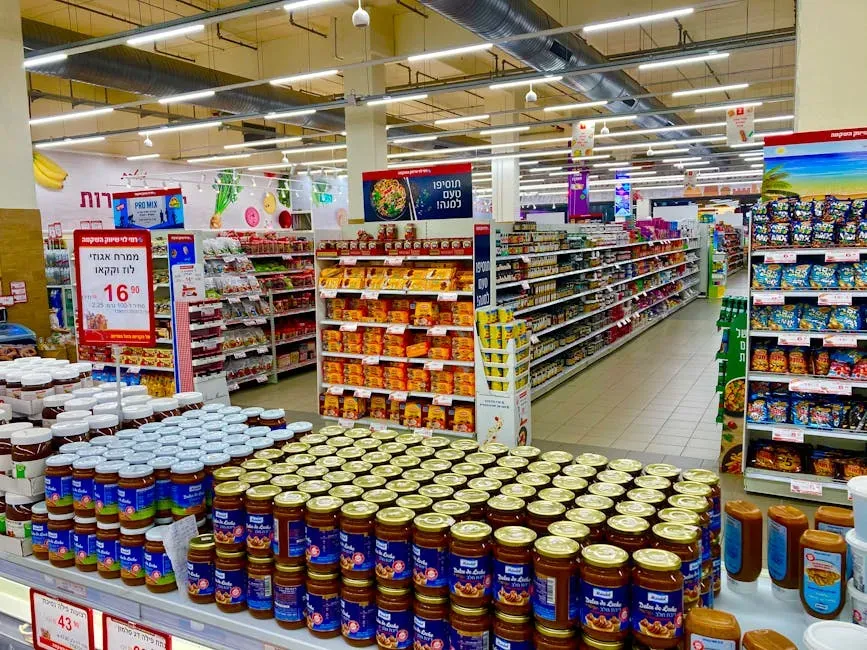
There was a time when store brands felt like a consolation prize. That perception is essentially extinct among people who actually know what they’re doing. Private label sales achieved a new high, hitting $271 billion in 2024, with sales increasing nearly four percent compared to 2023. Private label sales growth outpaced that of national brands, which grew just one percent year over year.
A large share, around eight in ten shoppers, say store brands are “just as good or better than” name brands, according to an Ipsos survey. Think about that for a second. The evidence is in the shopping carts of millions of people.
As for basket spend, the United States ranks near the top globally for total private label savings, with shoppers buying store brands over national brands on seven common staple items saving more than half of the cost. That’s not marginal. That’s a genuinely meaningful chunk of money back in your pocket every single week.
4. They Shop at More Than One Store
Let’s be real. Loyal devotion to one grocery store is costing people money. Savvy shoppers have cracked this open. More than four in ten shoppers go to more than one store to look for the best deals. It’s not about being indecisive. It’s about being strategic.
A 2025 survey found that half of respondents shop at two different stores each month, while about a quarter visit three or more. This trend highlights the increasingly flexible and comparison-driven habits of modern shoppers in 2026, as convenience, pricing, and product selection continue to shape where people choose to shop. They’re not doing it for fun. Consumers are shopping around to stretch every dollar, and an overwhelming majority said the primary reason for choosing one store over another is simple: it offers the best prices.
Think of it like gas stations. Nobody fills up at the same station every time if the one across the street is consistently cheaper. Groceries work the same way, just with higher stakes and more variety to exploit.
5. They Pay Attention to Discount and Limited-Assortment Retailers
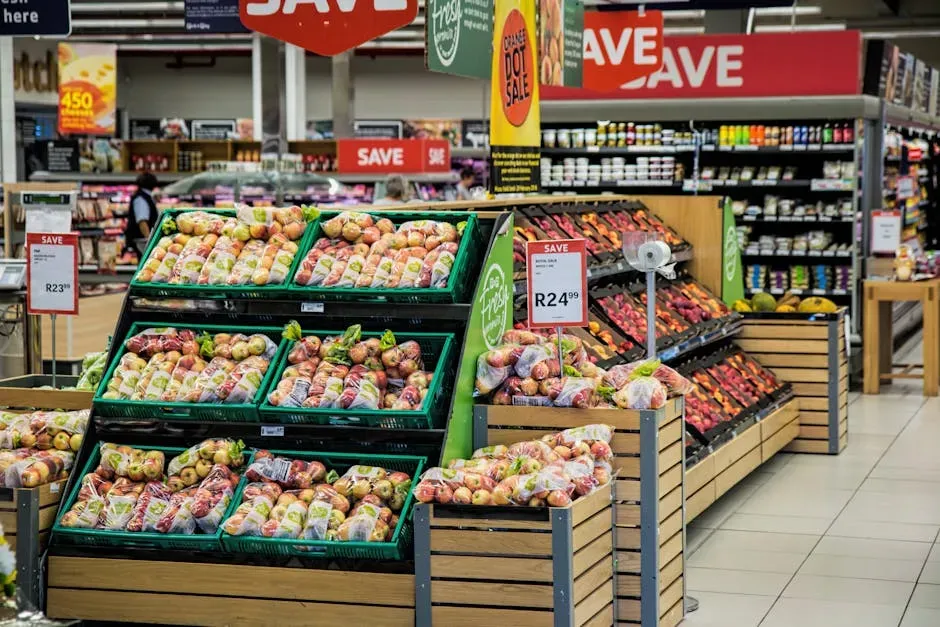
Discount grocery stores have continued their impressive growth into 2026, and savvy shoppers were quick to take notice. Attracted by low prices and efficient shopping experiences, consumers have increasingly turned to discount grocers. For example, Aldi saw foot traffic exceed 900 million visits in 2024 – a jump of more than 50% compared with 2019. This isn’t a temporary trend; it reflects a lasting shift in shopping behavior toward value-focused grocery options.
The share of shoppers that have a limited assortment retailer as their main grocery retailer grew by thirty percent, with low price points cited as the main reason by the majority of those shoppers. The savings are real, and the quality has caught up in a big way.
While these stores include a smaller assortment, only about one in eight shoppers see that as a reason not to shop there. In other words, most people who try it, stick with it. It’s worth giving an unfamiliar store a chance, even if it feels a little uncomfortable at first.
6. They Shop on Weekdays, Not Weekends
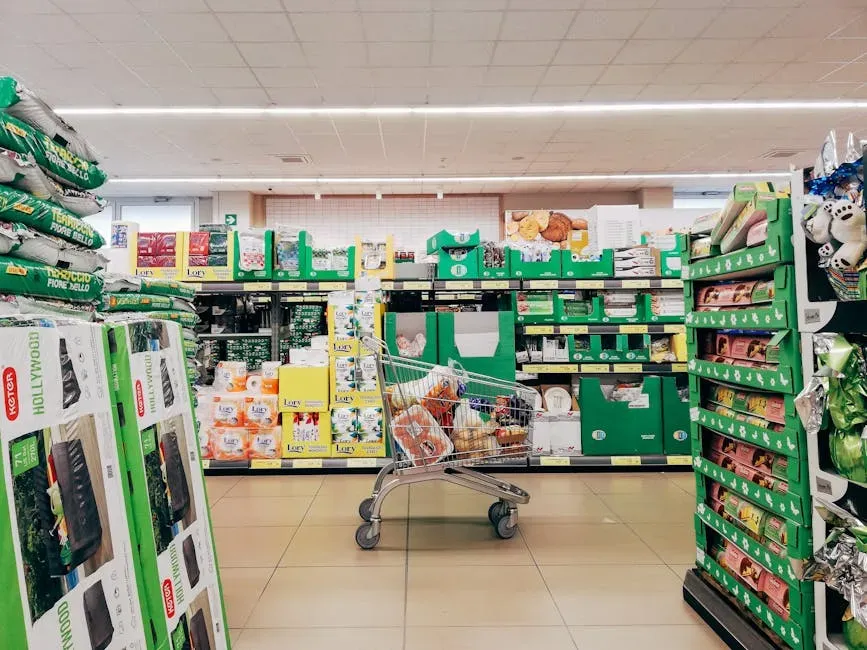
Timing matters more than most people realize. Weekend shopping trips are not just busier, they’re also slower. Weekend shopping trips take an average of seven minutes more than weekday trips. That sounds minor until you factor in the stress, the crowded aisles, and the impulse purchases that sneak into your cart.
US grocery stores average between 29 and 30 million shoppers each day Monday through Thursday, compared to between 33 and 41 million from Friday to Sunday. That’s a significant swing in foot traffic. Fewer people means cleaner shelves, shorter lines, and honestly a better headspace for decision-making.
Savvy shoppers treat the mid-week grocery run as part of their routine, not a chore they push to Saturday. It’s a small scheduling shift that quietly pays off over months and years in time saved and, likely, in smarter purchases made without the pressure of a crowd.
7. They Understand “Best By” Labels
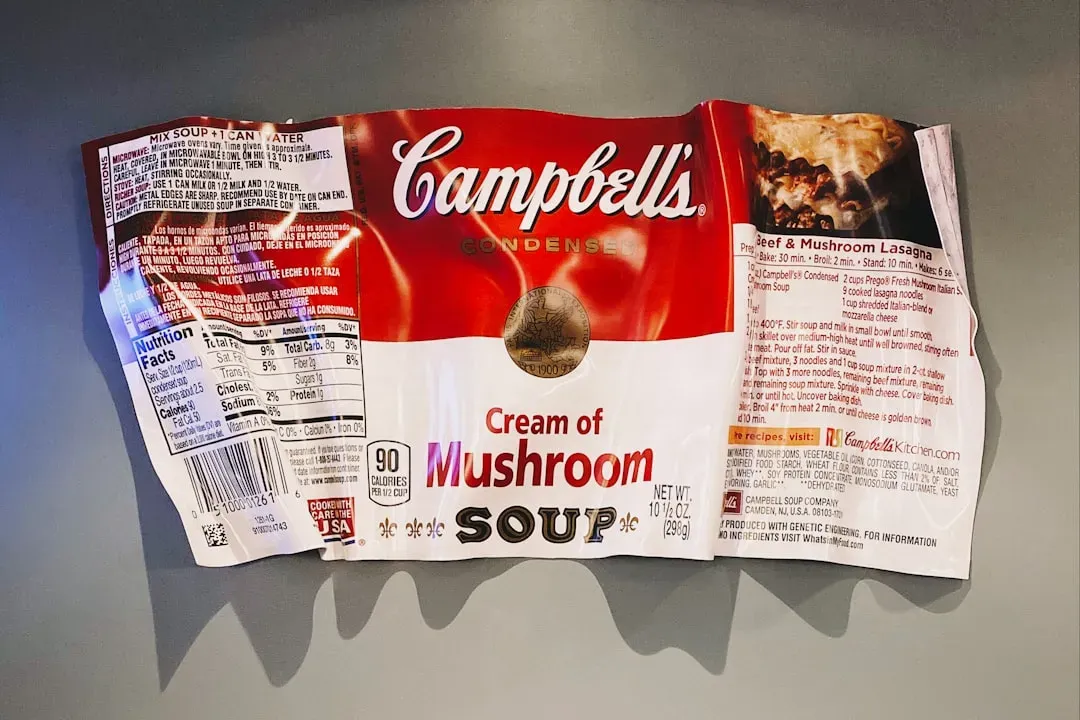
This habit might be the single most underrated money-saver on this list. A shocking amount of food gets thrown away based on a complete misunderstanding of what date labels actually mean. The most common date labels are “best if used by,” “sell by,” or “expires on” followed by a specific date. These labels typically refer to quality, not safety. Major food industry groups have endorsed the use of “USE By” to indicate when a product should be discarded for food safety reasons and “BEST If Used By” to indicate that the date is simply about quality and the food can be consumed beyond that date.
Savvy shoppers know that “best by” is not “throw away by.” They smell, taste, and look at food before pitching it. This one habit alone can meaningfully reduce what lands in the trash every week.
It’s hard to say exactly how much each household loses from this misunderstanding, but in 2024, the average American spent $762 on food that went uneaten, and consumer food waste accounts for over 45 percent of surplus food in the U.S. at a cost of $259 billion. Reading labels correctly is a genuine first step toward closing that gap.
8. They Make Use of Loyalty Programs Strategically

Most people sign up for loyalty programs and then forget about them. Savvy shoppers actually use them, check them, and time their purchases around them. Data shows that today’s average shopper has 18 loyalty programs on their mobile device, two to three of which are for grocery brands alone. The programs are there. The question is whether you’re using them or just collecting plastic cards.
Discounts and deals reign supreme, with roughly two thirds of shoppers shopping during sales and nearly six in ten using coupons to save money. The best shoppers combine loyalty rewards with sale timing, essentially stacking their savings in a way that adds up over months.
Research shows regular grocery customers are 46 percentage points more likely than new customers to stick around after a year. The stores know this, which is exactly why they invest so heavily in loyalty mechanics. Savvy shoppers use that investment to their own advantage, flipping the equation back in their favor.
9. They Buy in Bulk, But Only the Right Things
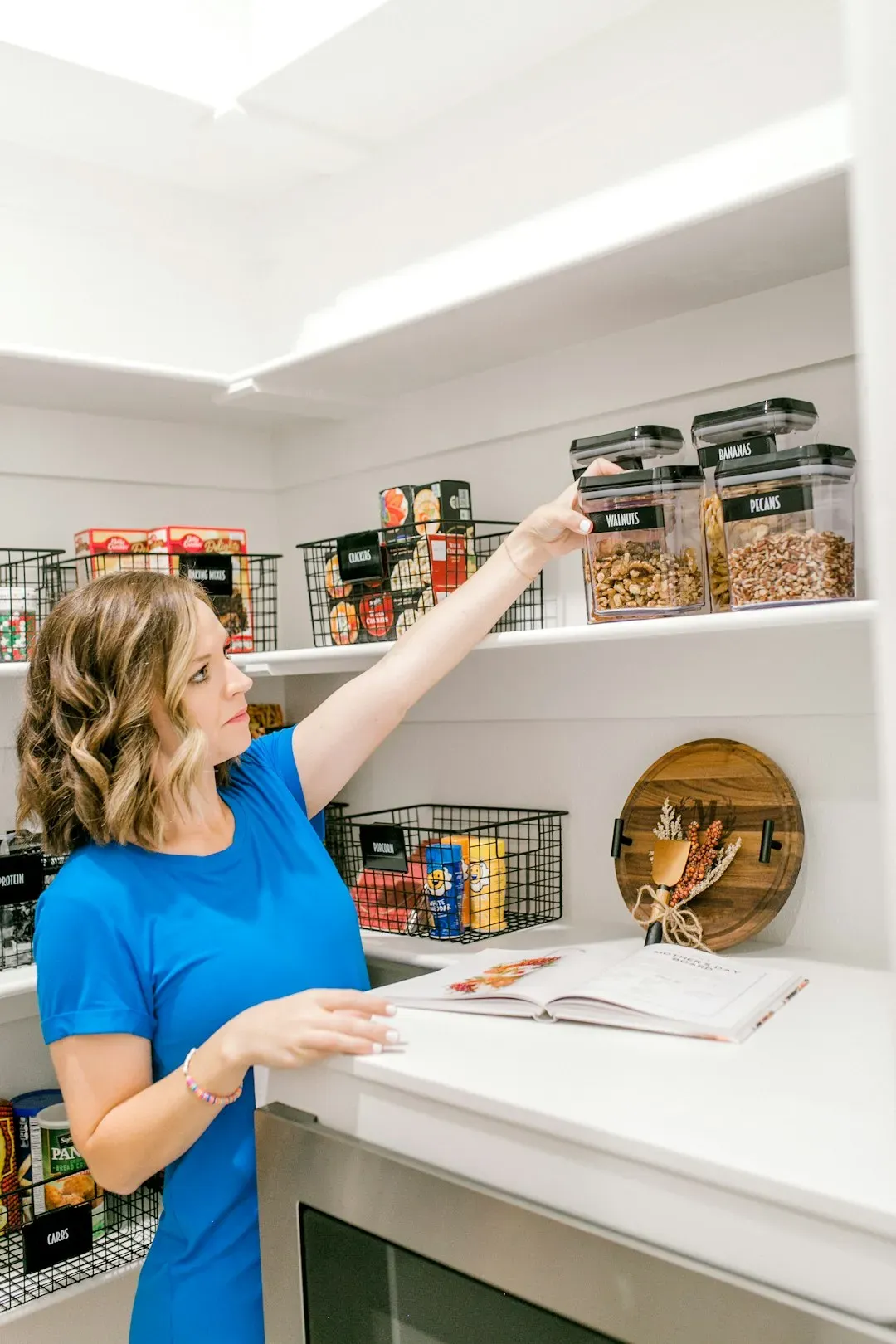
Bulk buying is not a blanket strategy, and smart shoppers know the difference between bulk items that save money and bulk items that go bad in a drawer. Buying food from bulk bins saves you money and reduces food waste and packaging if you purchase the amount of food you need. When buying in bulk, remember to store food properly in airtight, labeled containers.
Buying in bulk can lead to savings, but only if you are able to use the food before it spoils or loses quality. When done wisely, bulk buying can help minimize food waste and reduce packaging. For instance, buying pasta in bulk is an excellent option for families who enjoy it regularly.
Think of it this way. Buying a five-pound bag of rice in bulk is smart. Buying a gallon of fresh salsa because it’s “on a good deal” when you’re a single person is not. The savvy habit is distinguishing between the two, every single time you shop.
10. They Adapt Their Habits to Inflation Instead of Ignoring It
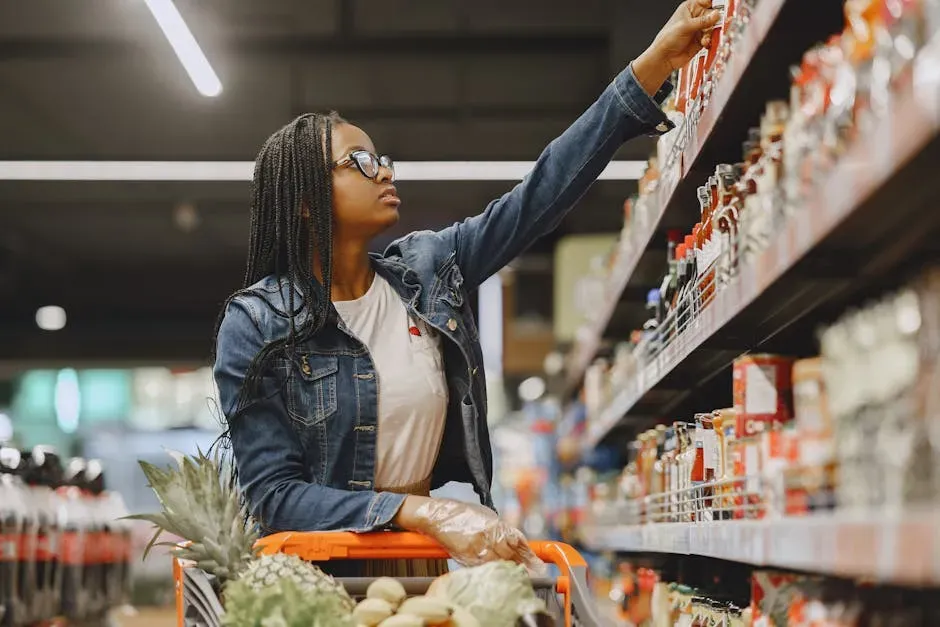
Inflation changed grocery shopping profoundly, and the shoppers who adapted earliest came out ahead. Notably, nearly nine in ten shoppers have adjusted their habits, utilizing an average of roughly four cost-saving strategies. These include shifting to value-focused retailers, opting for private-label products, taking advantage of promotions, and purchasing items in bulk.
Nine in ten shoppers concerned with rising prices have made some changes to their shopping habits. While half of shoppers say they are looking for more deals, about one third are buying fewer items and a smaller number are cutting back on categories such as organic or fresh items. Interestingly, savvy shoppers don’t sacrifice quality across the board. They just get smarter about where the quality matters.
Although inflation in the food industry has fallen to about 2 percent after hitting double digits in late 2022, the economic pressure continues to affect shopping habits. A significant share of trade-down activities continues, with the vast majority of consumers adjusting their shopping behavior in one or more ways. The smart ones made those adjustments a permanent upgrade to their shopping habits, not just a temporary reaction.
11. They Shop Their Pantry Before They Shop the Store
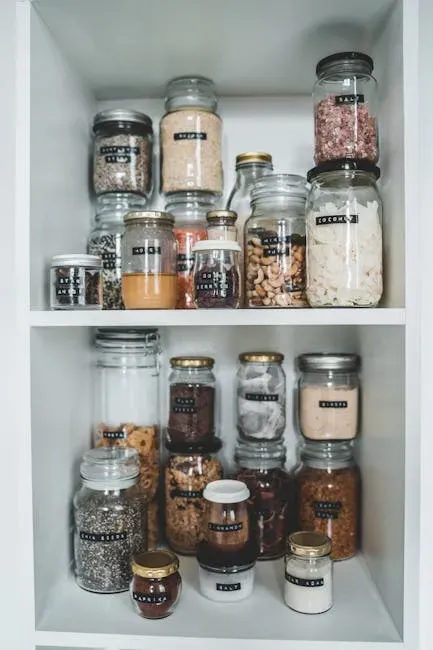
This one is so simple it’s almost embarrassing that it needs to be on a list. Savvy shoppers check what they already have before they buy anything new. Doing this first allows you to see what you already have in your home and then plan meals accordingly. Look in your freezer, cabinets, pantry, and refrigerator and make a note of what you already have on hand. Using these items in your upcoming week’s meals will save you money and decrease food waste. Taking an inventory before making your grocery list also helps you avoid buying things you don’t need.
It’s the kind of habit that feels almost too obvious until you realize how rarely most people actually do it. Most of us walk into a store thinking we need oats, when there are two open bags already sitting in the pantry at home.
Preparing an itemized grocery list of the exact ingredients for the recipes you have chosen gives you time at the grocery store to gather coupons and compare deals to make sure you are getting the most competitive price for your items. Pantry awareness feeds into every other good habit on this list, which is exactly why it matters.
12. They Prioritize Value Over Brand Name, Every Time
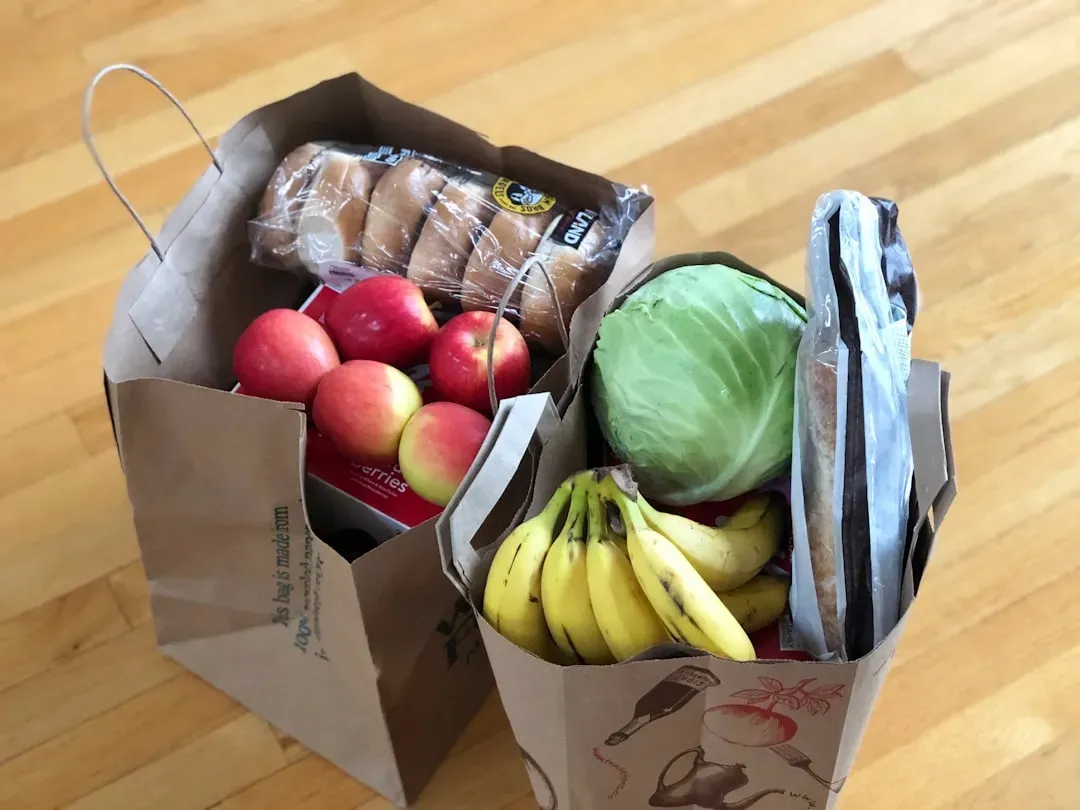
Here’s the thing: brand loyalty at the grocery store is mostly a marketing habit, not a quality one. FMI research found that today’s grocery shoppers navigate purchasing decisions through a more expansive understanding of value. Even channels strongly positioned around offering low prices are often evaluated in terms of other value criteria, such as the quality or healthfulness of their product selection or the shopping experience.
In 2026, “value shopping” in the grocery context still centers on getting the most bang for your buck, but the approach has evolved with rising prices and broader product options. Shoppers are increasingly balancing cost with quality, looking beyond just the cheapest option to find products that deliver the best overall value. Price and product quality remain the primary factors, but convenience, brand reputation, and ethical sourcing now play a growing role in what consumers consider “good value.
Grocery shoppers constantly navigate the tension between control and flexibility when managing their household spending. Their definitions of “necessities” and “non-essentials” reflect their notions of value. The savvy shopper has made peace with that tension. They don’t buy something just because the label is familiar. They buy it because it genuinely delivers. That one mental shift, honestly, changes everything about how you shop and how much you spend. What would you save if you put it into practice this week?