
Your kitchen sink handles a lot. Dishes, rinsing, prep work – it is one of the hardest working fixtures in your entire home. Most people treat it like a second trash can without giving it a second thought. Sounds harmless, right? Wrong.
The reality is that what goes down your drain can silently wreak havoc on your pipes for months before you even notice a problem. Some foods transform into pipe-clogging cement. Others coat your plumbing system like cholesterol coats arteries. A few can even create toxic backups that push raw sewage back into your kitchen. Curious which foods are the worst offenders? Let’s dive in.
Table of Contents
1. Cooking Grease and Fats
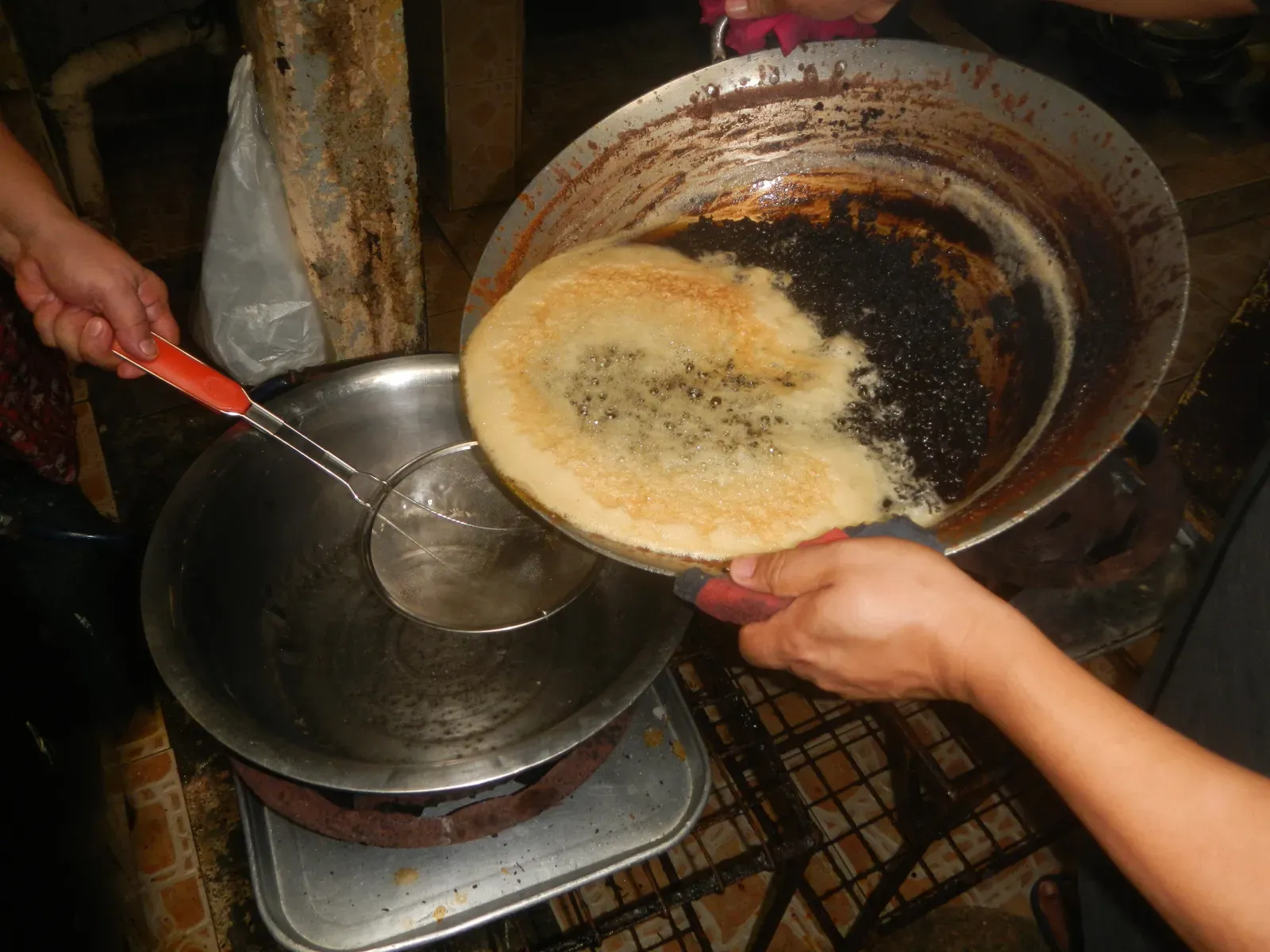
Here’s the thing – this is the single most damaging substance you can pour down a kitchen sink, full stop. The EPA found that grease from kitchens is the number one cause of sewer blockages, responsible for roughly half of all reported sewer system blockages. That is a staggering number, and it all starts with one innocent-looking pan of bacon drippings.
FOG (fats, oils, and grease) comes from everyday foods like cooking oil, lard, butter, meat drippings, and creamy sauces. It might be liquid when hot, but it quickly cools and hardens like wax inside your pipes. Think of it like candle wax finding the inside of your plumbing to be the perfect cold surface.
Excessive FOG buildup doesn’t just create nasty clogs – it “glues” food scraps, hair, and other organic materials together as it builds up in your pipes and drains. Grease blockages quickly expand to unmanageable levels, and excessive buildup in your sewer line creates raw sewage backup into your sink and floor drains. The damage can extend well beyond your own property line, too.
The cost of a plumber’s visit to snake a drain and clear clogs runs between $95 and $500 according to Angi.com. Save yourself that expense. Let grease cool in a container, seal it, and toss it in the bin.
2. Cooking Oil (Even Liquid Varieties)
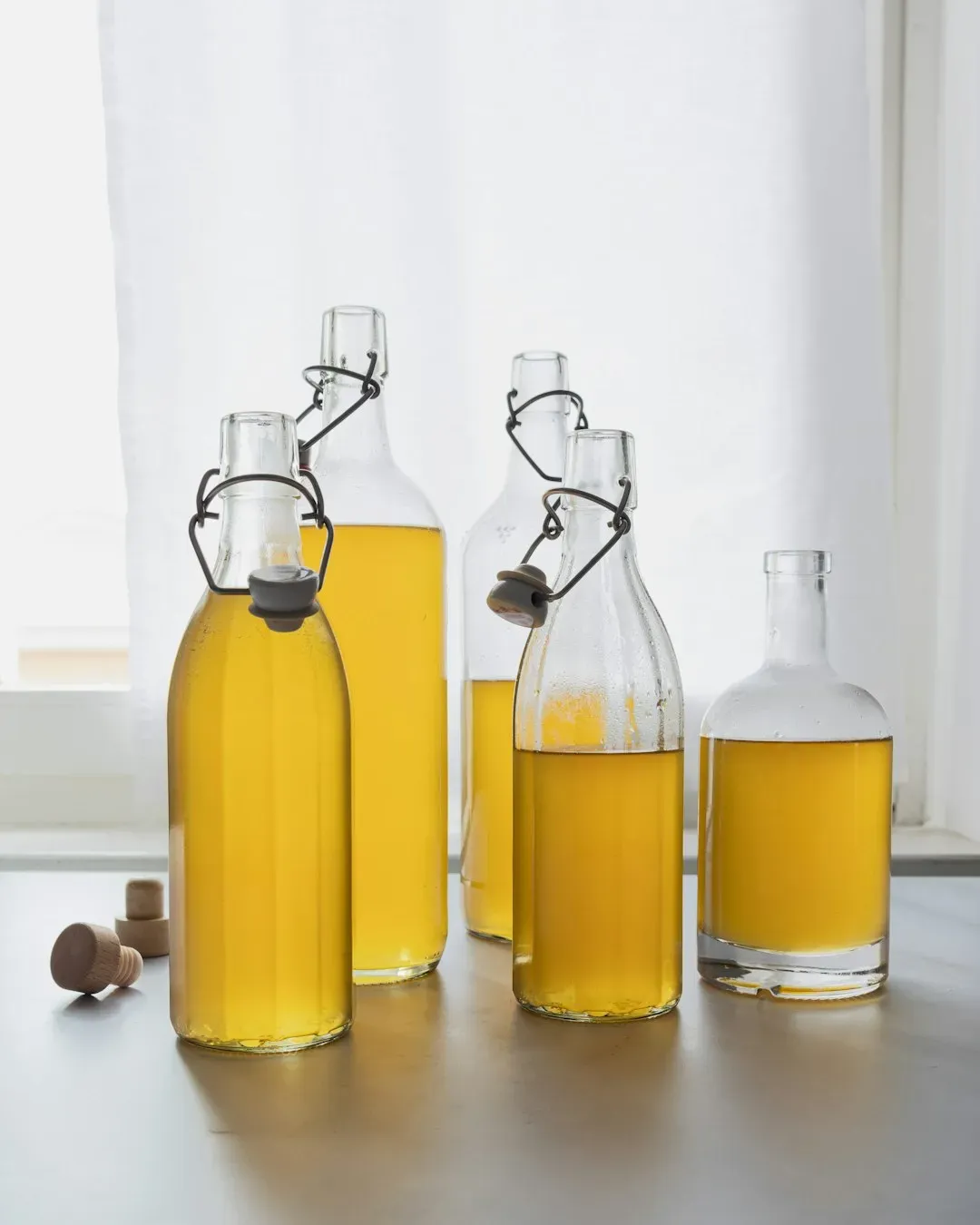
A lot of people think liquid oils are safe because they flow freely. Honestly, it is one of the most persistent kitchen myths out there. It is not just solid fats like bacon grease and coconut oil that clog up your pipes. Even oils that are liquid at room temperature, like canola and olive oils, coat the sides of your pipes, making them sticky and congealed, easily able to trap bits of food scraps that make their way down the drain.
A common household plumbing myth is that it is okay to pour cooking oil down the drain as long as you run hot water during the pour and for a few minutes afterward. While the hot water may technically keep the oil in a liquid form temporarily, it is a short-term fix that causes more harm than good. The pipes will not clog in the kitchen, but they will probably end up clogging further down your plumbing system.
Cooking oils like olive and canola remain liquid most of the time, but they can start to form solids in cold temperatures, making them especially harmful in underground sewage pipes where the temperature is often much lower than above ground. The damage is happening somewhere you cannot even see it. Pour used oil into a sealed container and dispose of it properly or drop it off at a grease recycling location.
3. Coffee Grounds
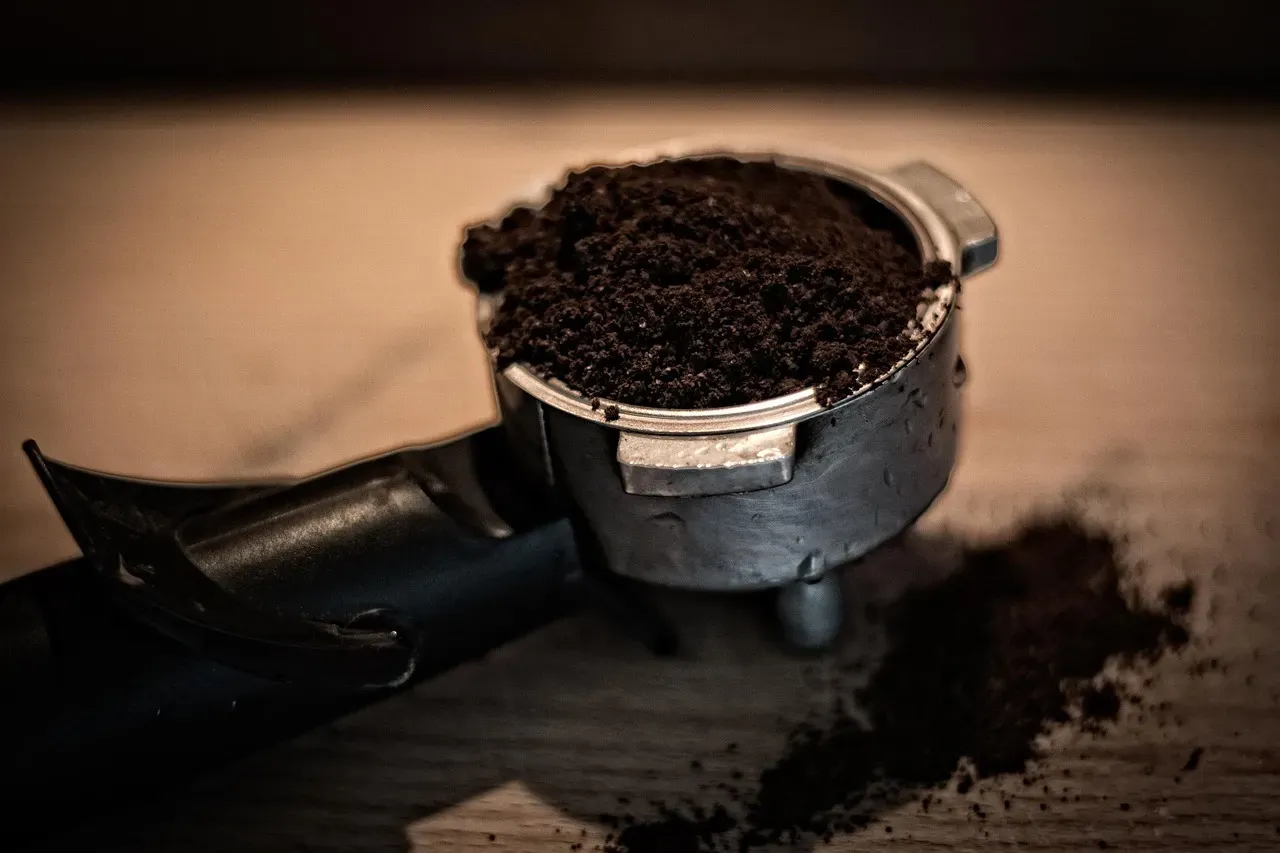
I know this one surprises people. Coffee grounds seem so small and innocent. They go down with the water, no problem – until, over time, they absolutely are a problem. Even after being brewed, coffee grounds retain their dense, gritty texture. Over time, these grounds can clump together, creating blockages in your pipes. If you have a garbage disposal, this problem can worsen as other food particles get caught in the coffee grounds, leading to a nasty buildup that can eventually cause a full blockage.
Coffee grounds are not completely water-soluble. If these grounds mix with other buildup already in the pipes – like grease, oil, or butter – then your pipes will be more prone to clogging. The coffee grounds will stick to the buildup and cause a blockage. They act like tiny magnets for everything else floating through your drain.
Coffee grounds can also dull the blades of your garbage disposal. This wear and tear makes it harder for the disposal to break down food waste effectively, potentially leading to costly repairs or replacements down the line. Toss them in the compost bin instead. Your garden will thank you too.
4. Eggshells
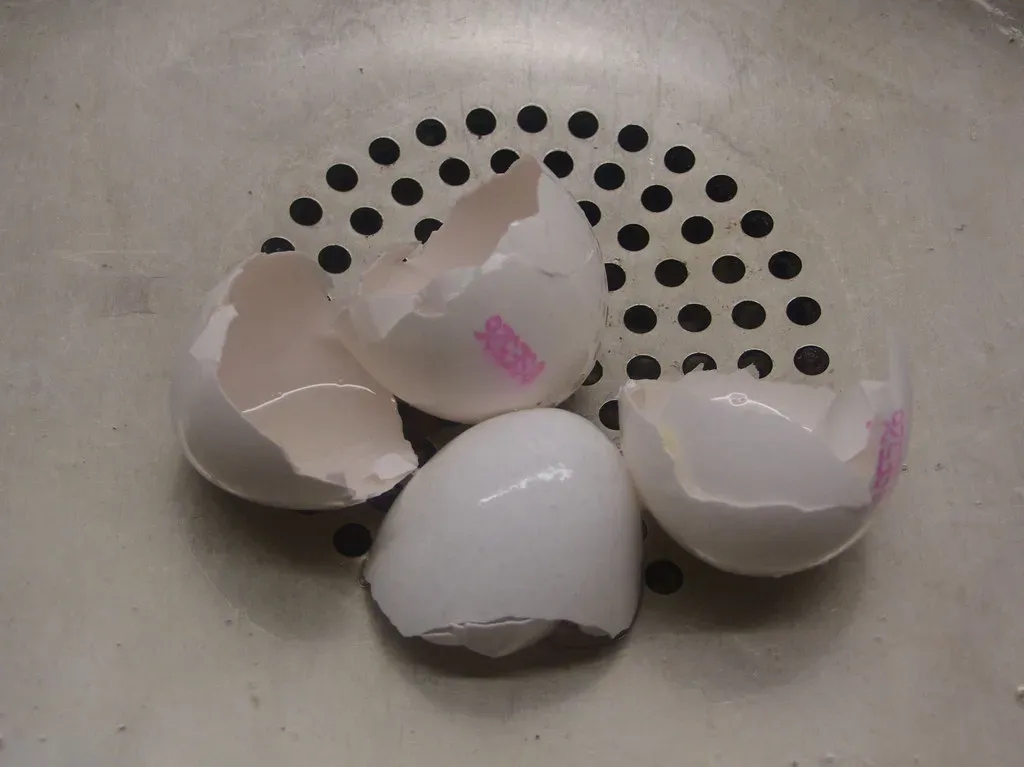
Eggshells look fragile, so most people assume they break down easily. They do not. Unlike most food waste, eggshells are among the hardest to decompose. Since they do not break down easily, they form one of the worst residual buildups. Eggshells, because of their sharp edges and sticky egg white, can easily get stuck to the drain lines and lead to major blockage.
Eggshells should not go down your kitchen drain. They are hard on the garbage disposal, and their membranes will wrap around the grinding device. Once ground, all of those tiny bits of shell will increase the chance of other blockages. The membrane inside the shell is the real troublemaker – it wraps itself around blades and pipes alike.
Eggshells and coffee grounds are often mistakenly thought to be safe for garbage disposals, but they can actually cause harm. Eggshells create granular waste that clogs pipes, while coffee grounds can form a thick, sludge-like substance that blocks plumbing. These two often end up in the sink together on weekend mornings – a particularly damaging combination.
5. Pasta and Rice
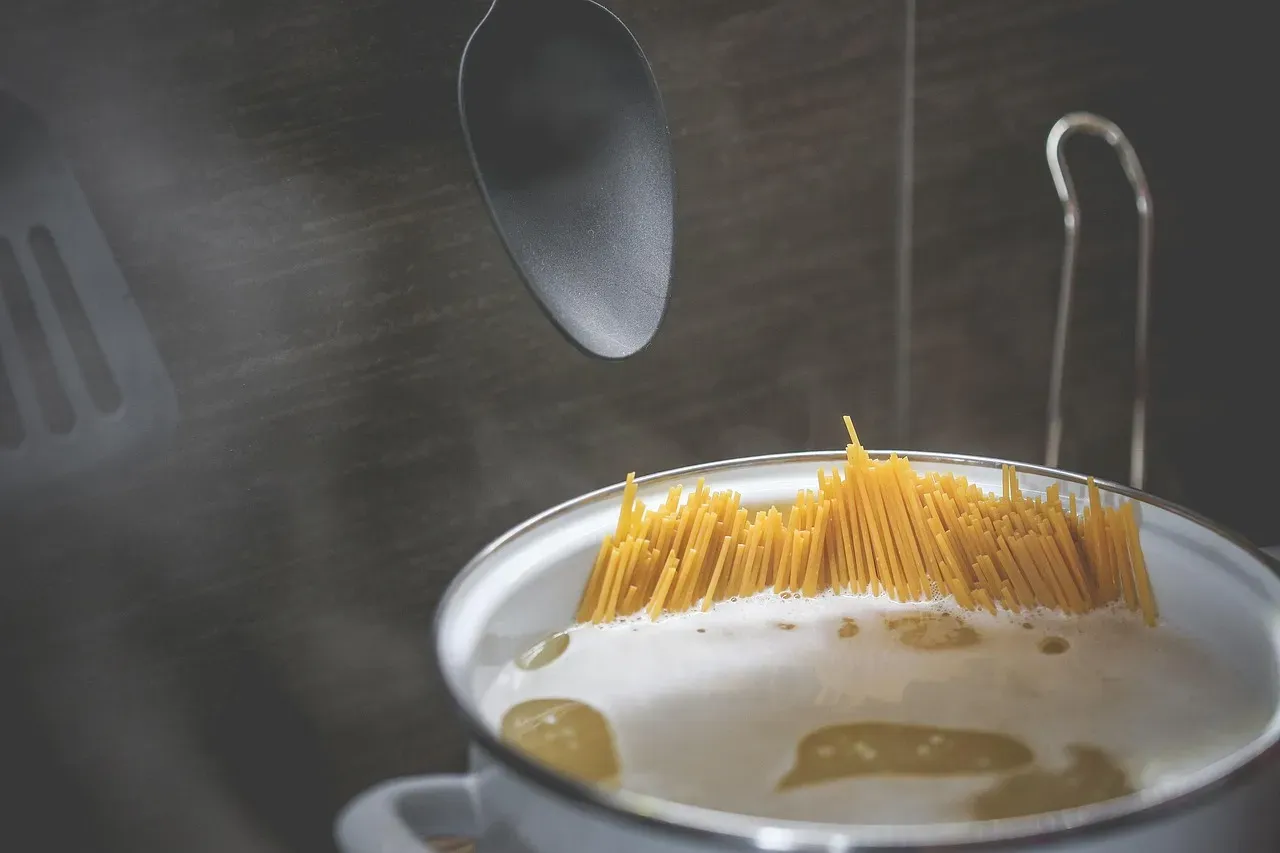
Cooked pasta and leftover rice seem harmless because they are soft. The problem is they do not stay that way. Pasta and noodles absorb water, which causes them to expand the more water they are exposed to in the drain. Imagine a sponge growing inside your pipe – that is essentially what is happening.
Pasta and rice may seem harmless comfort foods, but they absorb water and expand – not just in a cooking pot, but also in your pipes. A growing mass of pasta or rice in your plumbing is like a sponge that soaks up water and blocks the way for anything else. When these foods expand, they also form a sticky surface that can catch other bits of debris, worsening the clog.
Rice, pasta, and bread are all troublemakers. They can continue to expand in the drain and leave a starchy residue, which can lead to significant problems. Scrape them into the trash before rinsing your plate – it takes three seconds and can save you hundreds of dollars.
6. Potato Peels
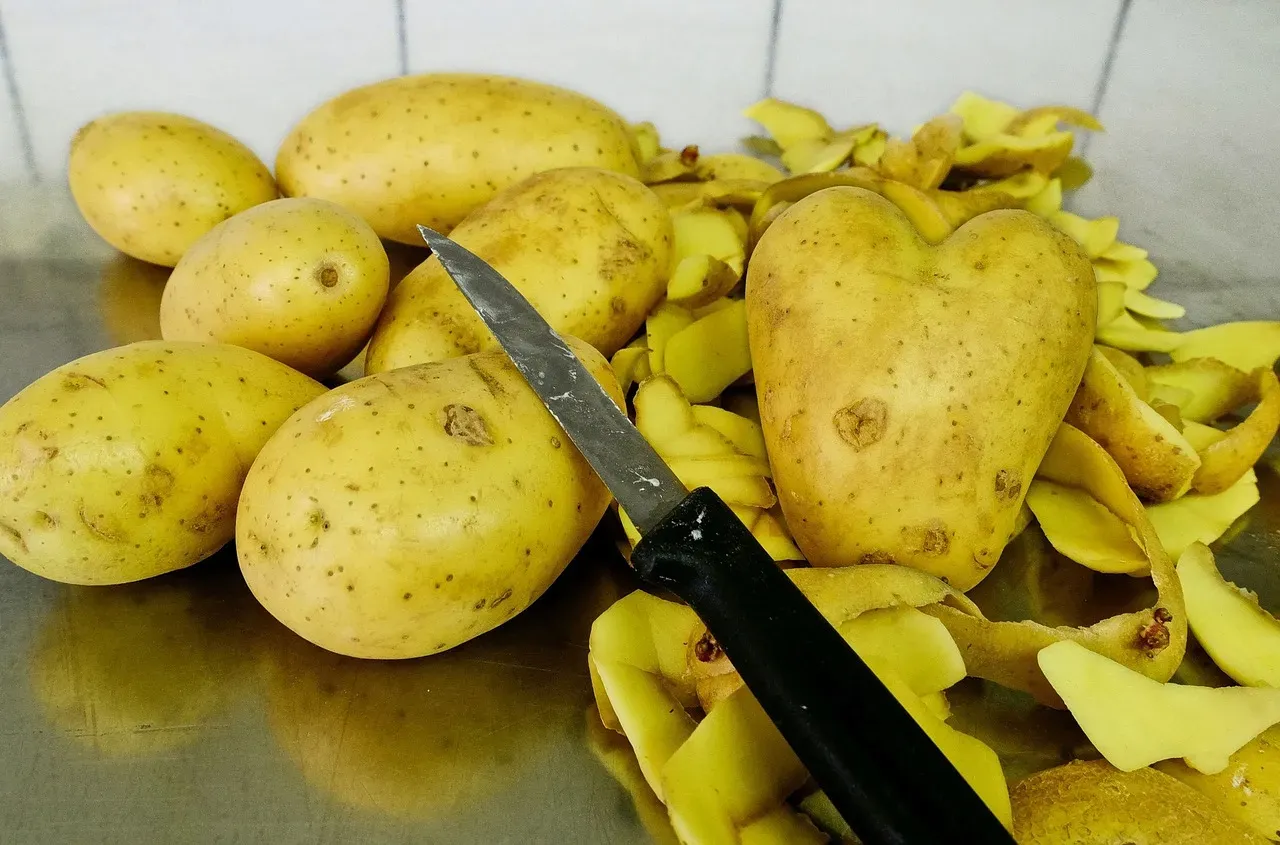
Peeling potatoes over the sink is one of the most common kitchen habits. It is also one of the most plumbing-unfriendly. Potato peels are not your drain’s friend. These skins contain starch that, when mixed with water, turns into a gooey mess – sort of like makeshift glue for your pipes. You are essentially making wallpaper paste inside your drain system.
Potato peels, in particular, can form a thick paste that clogs your pipes. Similarly, pasta and rice can swell and stick together, causing significant issues. The starchier the food, the worse the buildup tends to be. Potato peels are at the top of that starchy offender list.
When potato peels break down, they get mushy and stop up pipes. Over repeated incidents, that mushy coating builds up layer by layer until water flow is severely restricted. Peeling potatoes, cracking eggs, or preparing vegetables should not be done over a sink, as the particles can fall into the drain. Move your prep board away from the basin.
7. Flour
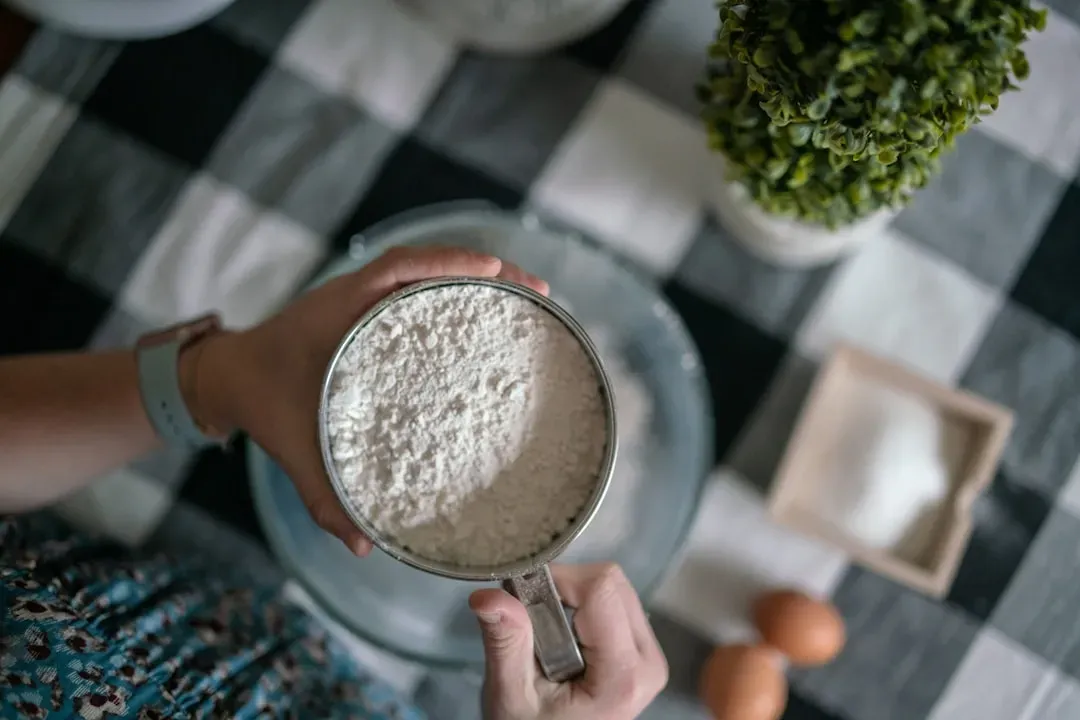
Flour is a baking staple, and it ends up near the sink constantly during cooking cleanups. It seems like nothing – just fine powder, after all. Yet it is one of the sneakiest drain dangers in the kitchen. When poured down the kitchen sink, flour soaks up water to form a thick, paste-like substance. This paste, like oil and grease, gets stuck to the inner lining of the drain pipe, leading to residual buildup which in turn causes blockage.
When flour is mixed with water, it creates a really sticky, glue-like substance. If it builds up on the sides of your pipes, it will cause a clog. It can also cause other food waste to stick to it on the way down. Think of it as a trap for everything else passing through your drain – each particle that comes along gets stuck to the flour paste.
The fix is simple. Wipe flour residue from bowls and mixing tools with a dry cloth or paper towel before rinsing. That small step prevents a cement-like coating from forming inside your pipes, and it genuinely makes a difference.
8. Oatmeal
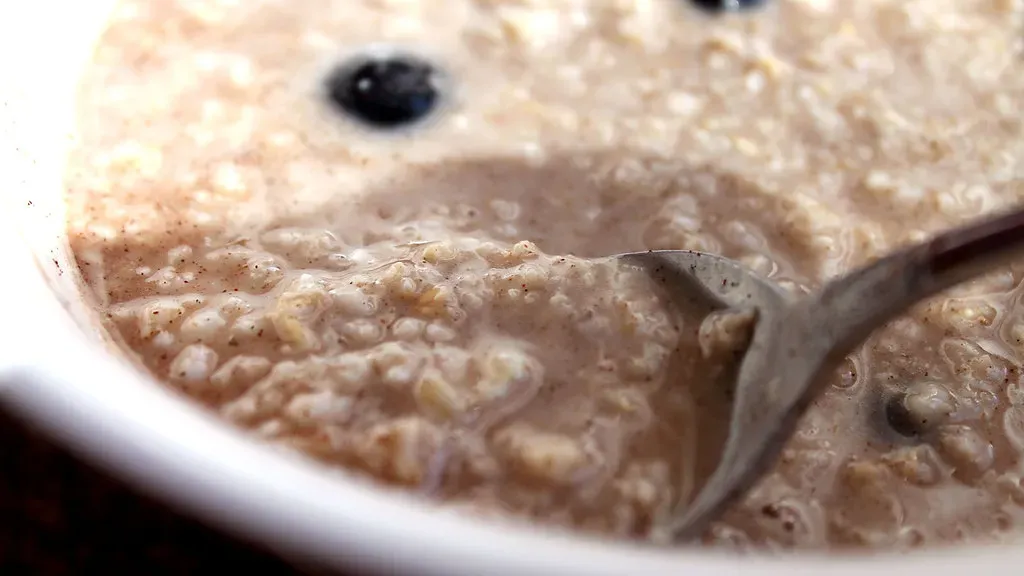
Leftover oatmeal looks easy to rinse away. It is wet, it is soft, and it flows easily with water. None of that means it is safe for your drain. While oatmeal might not cause a clog directly, it clumps and sticks to anything else it comes into contact with inside your pipes, acting like cement to bind sludge together and form a clog. Oatmeal is also impervious to household drain cleaners, making it difficult to remove without an expensive call to a plumber.
Starchy or grainy solids that puff up – like rice, pasta, and oatmeal – will cause blockages if poured down your drain. Oatmeal is particularly troublesome because it acts as a binding agent, holding other debris together rather than just clogging on its own. It basically super-charges every other piece of waste in your pipe.
The real kicker? Standard drain cleaners you buy at the hardware store often cannot touch oatmeal buildup. Once it sets, it sets hard. Scrape leftover oatmeal into the bin and rinse your bowl with a small amount of water – never the whole bowl’s contents flushed straight down.
9. Bones and Fruit Pits
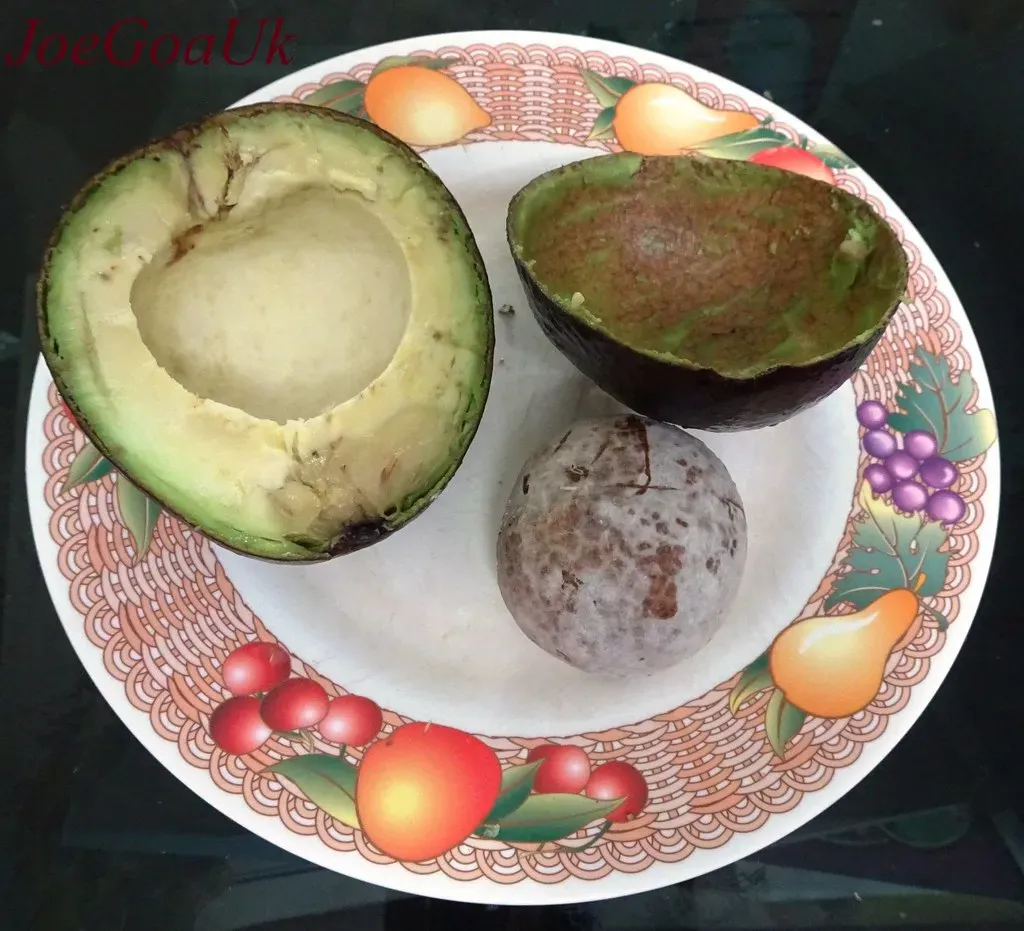
This one seems obvious, yet small bones and fruit pits find their way into sinks all the time, especially when rinsing plates or pots. Bones take a very long time to break down and can cause blockages to occur. Even small chicken bones can lodge in pipe bends and create a solid anchor point for everything else that passes through.
Bones are not friendly to most home garbage disposals. The safest approach is to avoid grinding bones altogether, as they can dull blades and push fragments into pipes. Once fragments get lodged in the P-trap or deeper sections of your plumbing, they are notoriously difficult to dislodge without professional help.
Fruit pits contain oils that can clog up your sink and appliance. They can also be a breeding ground for bacteria, which will cause mold and mildew buildup in your drain pipes. A peach or avocado pit might seem too big to even go down the drain, but smaller ones – like cherry pits – can and do slip through, causing real long-term damage.
10. Fibrous Vegetables
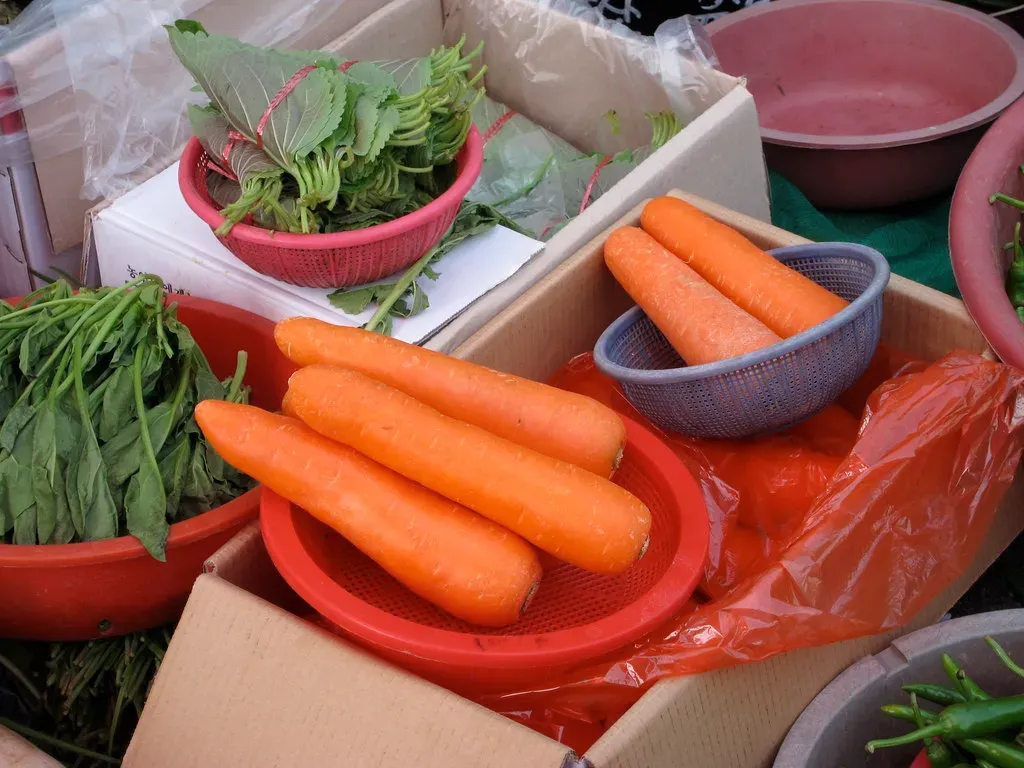
Celery, asparagus, corn husks, onion skins, rhubarb – all delicious, all absolutely terrible for your sink. Vegetables with long, stringy fibers are a big problem for your garbage disposal. This category includes celery, asparagus, rhubarb, kale, lettuce, and artichokes. These fibrous foods create significant issues for the grinding mechanism. The tough fibers can wrap around the disposal’s blades or impeller lugs, preventing them from spinning properly and potentially burning out the motor.
Fibrous vegetables such as celery, asparagus, and corn husks can be a nightmare for your garbage disposal. These vegetables have long, stringy fibers that can wrap around the blades of your disposal unit, causing it to jam and malfunction. The mechanics involve sharp blades that chop food into small particles, but fibrous materials can tangle around these blades, reducing their efficiency and potentially burning out the motor.
Some types of vegetables also have a very high fiber concentration that does not dissolve. Good examples are corn, asparagus, celery, and even potato peels. In fact, it can stick to the walls of the pipes and drains, forming hard-to-remove clogs. Compost these or toss them in the trash – your disposal motor will last years longer for it.
11. Meat Scraps and Stringy Meat Fibers
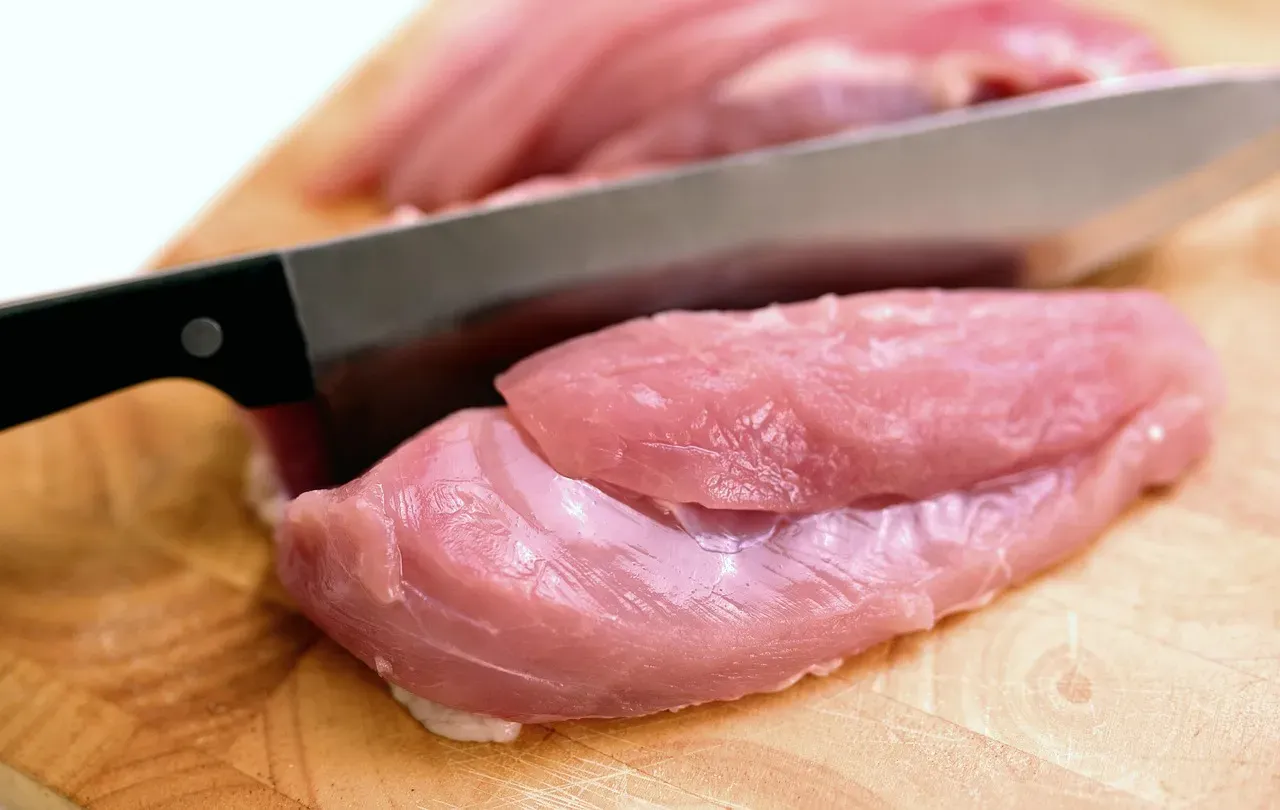
Rinsing the roasting pan after cooking a chicken or beef roast is a normal kitchen cleanup task. Those little bits of meat and fat clinging to the pan, though, should never go down the drain. Stringy meats, like chicken and beef, are a major problem. Meat fibers can wrap around the blades in the drain, clogging them and making it impossible for them to do their job properly.
Known agents of FOG include meat fats from turkey, gravy, bacon, sausage, and beef, as well as lard, cooking oil, butter, baking products, and other food scraps. The fat left on meat scraps solidifies in your pipes just like pure cooking grease does. The scraps themselves then anchor themselves to that greasy film, building up over time.
The trapped food particles and grease provide a breeding ground for harmful bacteria, posing health risks to your family. A fully clogged drain can lead to burst pipes or even sewer backups, necessitating costly repairs and potential property damage. Wipe pans with a paper towel before washing, and scrape all meat scraps directly into the trash or food waste bin.
12. Starchy Sauces, Gravies, and Dairy-Based Liquids
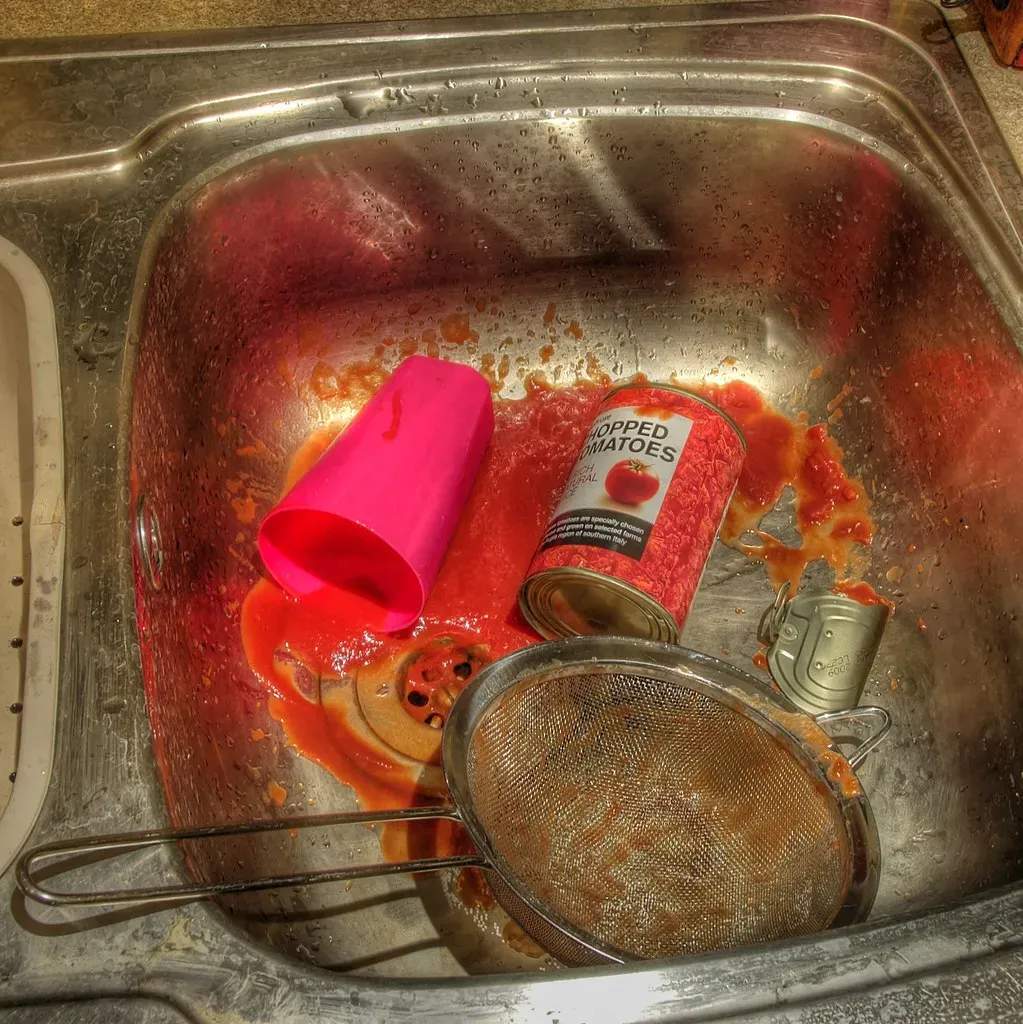
Here is one that catches nearly everyone off guard. Liquid sauces, gravies, and cream-based soups seem perfectly drain-safe because they flow so easily. In reality, they are delivering a concentrated dose of fat, starch, and dairy directly into your pipes. Delicious gravy or creamy sauce is full of fat. When that fat cools in your pipes, it behaves exactly the same way as poured grease does – hardening and coating the pipe walls.
The improper disposal of fats, oils, and grease can result in plumbing clogs and even total blockages in your pipes. The grease commonly found in butter, margarine, meat fats, lard, shortening, vegetable oil, sauces, and salad dressings can cause dangerous buildup as it thickens and combines with other oil particles in the pipes. Sauces and gravies tick every single one of those boxes at once.
Hardened pipes are at risk of cracking and bursting. This causes not only water damage to your home but also necessitates the need for replacement piping. A rich holiday gravy poured down the sink might feel like a small convenience in the moment, but it is the kind of repeated habit that leads to a burst pipe under your kitchen floor. Pour leftover sauces and gravies into a sealed container before they cool and discard them with your household waste.
The Real Cost of Ignoring This
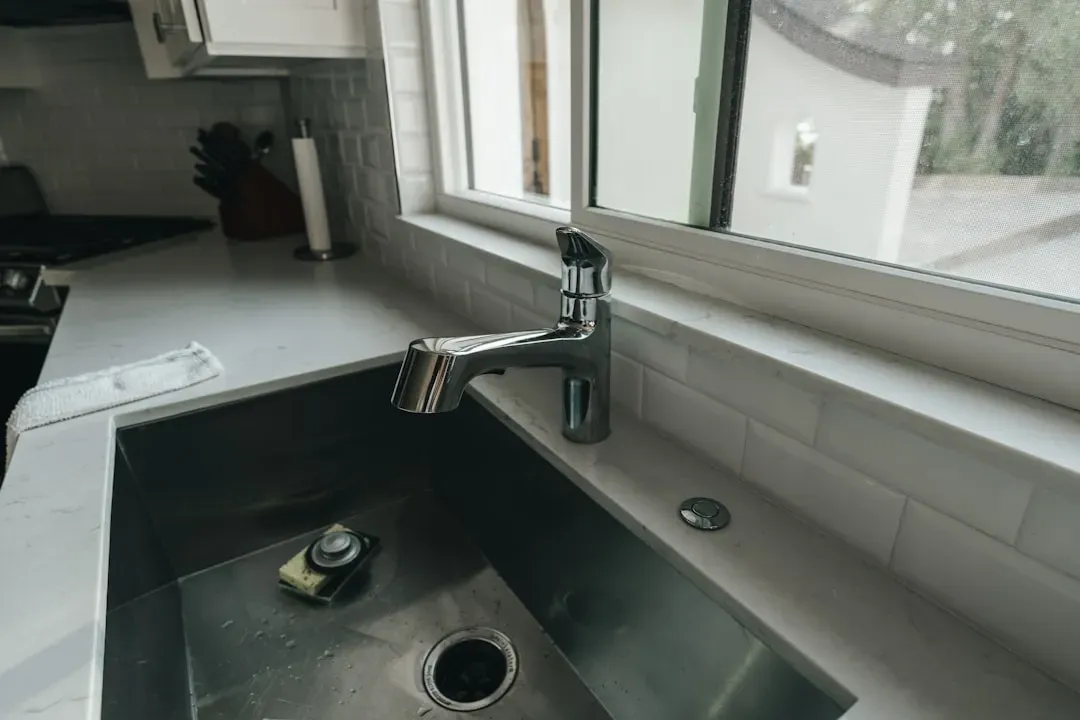
Let’s be real: these are easy habits to fall into. Rinsing the pan, dumping the grounds, sending last night’s pasta down the drain – none of it feels significant in the moment. While some items may not immediately clog your kitchen sink, they can still harm your plumbing system over time. The damage is cumulative, quiet, and expensive by the time you notice it.
Minor drain clogs and obstructions may seem like simple issues, but it is essential to recognize the signs of a more severe problem – a main sewer line clog. A main sewer line blockage can lead to property damage and water contamination. That is not just an inconvenience. That is a health and safety emergency in your own kitchen.
A good drain strainer costs just a few dollars and catches most of these offenders before they cause trouble. Drain baskets are a great tool for protecting your sink from falling food debris. They are easy to use, cost-effective, and can be found in major retail stores. Small changes, real protection – and a kitchen plumbing system that stays functional for years to come.
What do you think – were any of these foods a surprise to you? Drop your thoughts in the comments below.