
Imagine getting paid to eat your way across continents, sipping wine in Tuscany one week and slurping ramen in Tokyo the next. For most people, that sounds like vacation. For a growing group of food professionals, it’s just another Tuesday. The world of culinary careers has expanded far beyond the restaurant kitchen, and some of these roles are seriously eye-opening.
The global culinary tourism market was estimated at over $11 billion in 2023 and is projected to reach more than $40 billion by 2030, growing at nearly 20 percent annually. That kind of explosive growth means there are more food-related travel jobs today than at any point in history. The growing desire among tourists for authentic cultural experiences through food is a major driver of the market, fueled further by social media and food-focused digital platforms that popularize unique culinary destinations. So if you’ve ever dreamed of turning your passion for food into a passport-stamping career, you’re going to want to read every single entry on this list.
Table of Contents
1. Food Critic

Let’s be real – this is the one everyone fantasizes about. A food critic’s main responsibility is to give an unbiased review of a restaurant or meal based on their knowledge of the industry, typically using a set of criteria that includes taste, value, service, and ambience. It sounds like pure indulgence, but there’s genuine craft involved.
Travel is necessary to get to various eateries, which could mean local, national, or international travel. Food critics don’t have a regular nine-to-five schedule, and they generally have to deal with a busy social calendar and numerous press invitations. The hours are unconventional, the meals are plentiful, and the pressure to stay anonymous in public is surprisingly real.
According to Glassdoor data from March 2026, the average salary for a food critic in the United States is around $69,000 per year, with top earners reported at up to $126,000, while the typical pay range falls between roughly $52,000 and $95,000 annually. Most food critics are freelance and work for publications such as magazines, newspapers, travel guides, and food-related websites on a contract basis.
2. Culinary Tour Guide

A culinary tour guide helps take travelers past the tourist hotspots to find the best authentic dishes and culinary experiences the locals love, leading groups to the best restaurants, and creating behind-the-scenes experiences where guests can meet the executive chef. Think of it as being a food-obsessed local ambassador in whatever city you call home – or happen to be working in.
With the increase in food tourism, cities are working to create new experiences to help draw tourists, with many opportunities to partner with local government and business owners to put a city on the food tourism map. This job genuinely rewards cultural knowledge and storytelling ability almost as much as it rewards a love of eating.
Tourists increasingly have a growing interest in learning how food is prepared in addition to tasting it, with many culinary travelers eager to learn regional cooking methods, and culinary lessons, seminars, and food tours now becoming more common elements of trip itineraries. That means demand for skilled, engaging guides is only going up.
3. Travel Food Writer / Journalist

There’s something almost romantic about writing for a living from a fishing village in Portugal or a bustling night market in Bangkok. A typical workweek for a traveling food journalist often involves frequent travel to different cities or regions, visiting various restaurants, markets, and food festivals to research and sample dishes, documenting experiences, interviewing chefs or local food experts, and writing stories while on the move.
Collaboration with editors, photographers, or production teams is common, and flexibility is a must due to changes in travel plans or editorial needs. It’s not all glamour – deadlines follow you everywhere, no matter what continent you’re on.
To succeed in food travel writing, a blend of food journalism or culinary training, cultural awareness, and strong writing or content creation abilities is essential, often supported by a degree in communications, hospitality, or culinary arts, and familiarity with photography, social media platforms, and travel planning tools is typically valuable. Honestly, it’s one of the most skill-demanding jobs on this list.
4. Cruise Ship Chef
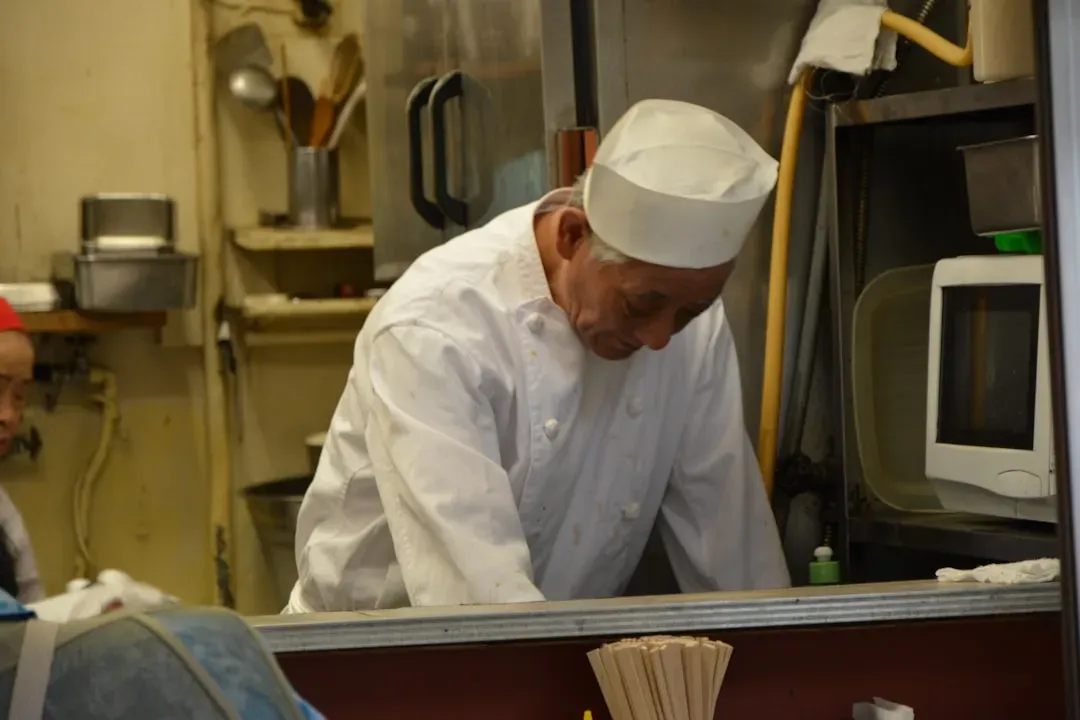
Working as a chef on a cruise ship is one of the more underrated ways to see the world while doing what you love. You cook, yes, but you also dock in Mediterranean ports, Caribbean islands, and Nordic fjords. The kitchen never stays in one place for long.
The head chef on a cruise ship can earn up to $6,500 a month, while a Chef de Partie earns between $3,200 and $4,600 monthly. Working on a cruise ship may offer lower base salaries compared to some land-based positions, but it includes benefits like free housing and meals, which can help reduce living costs, and you get to travel and see the world while getting paid.
Contracts can run from two to eleven months long, with most lasting four to eight months, and employees usually get a couple of months off between contracts. The average executive chef cruise ship salary in the United States as of late 2025 is roughly $86,886 per year. Not bad for a job that comes with a built-in world tour.
5. Food Blogger and Content Creator

This is the career that exploded on social media and never looked back. Professionals in this field may work as food bloggers, travel writers, tour guides, or content creators, sharing insights about regional dishes and culinary traditions. A typical workweek for a food travel content creator often involves traveling to various destinations, researching local food cultures, coordinating logistics, and documenting culinary experiences through writing, photography, or video, including planning itineraries, interviewing chefs or local residents, and creating engaging content for blogs, magazines, or digital channels.
The influence of social media and food-focused digital platforms, which popularize unique culinary destinations, continues to boost market expansion. This has created a real economy for food content creators who can build a loyal following and attract brand partnerships, travel sponsorships, and publication deals.
6. Private Chef for High-Net-Worth Clients
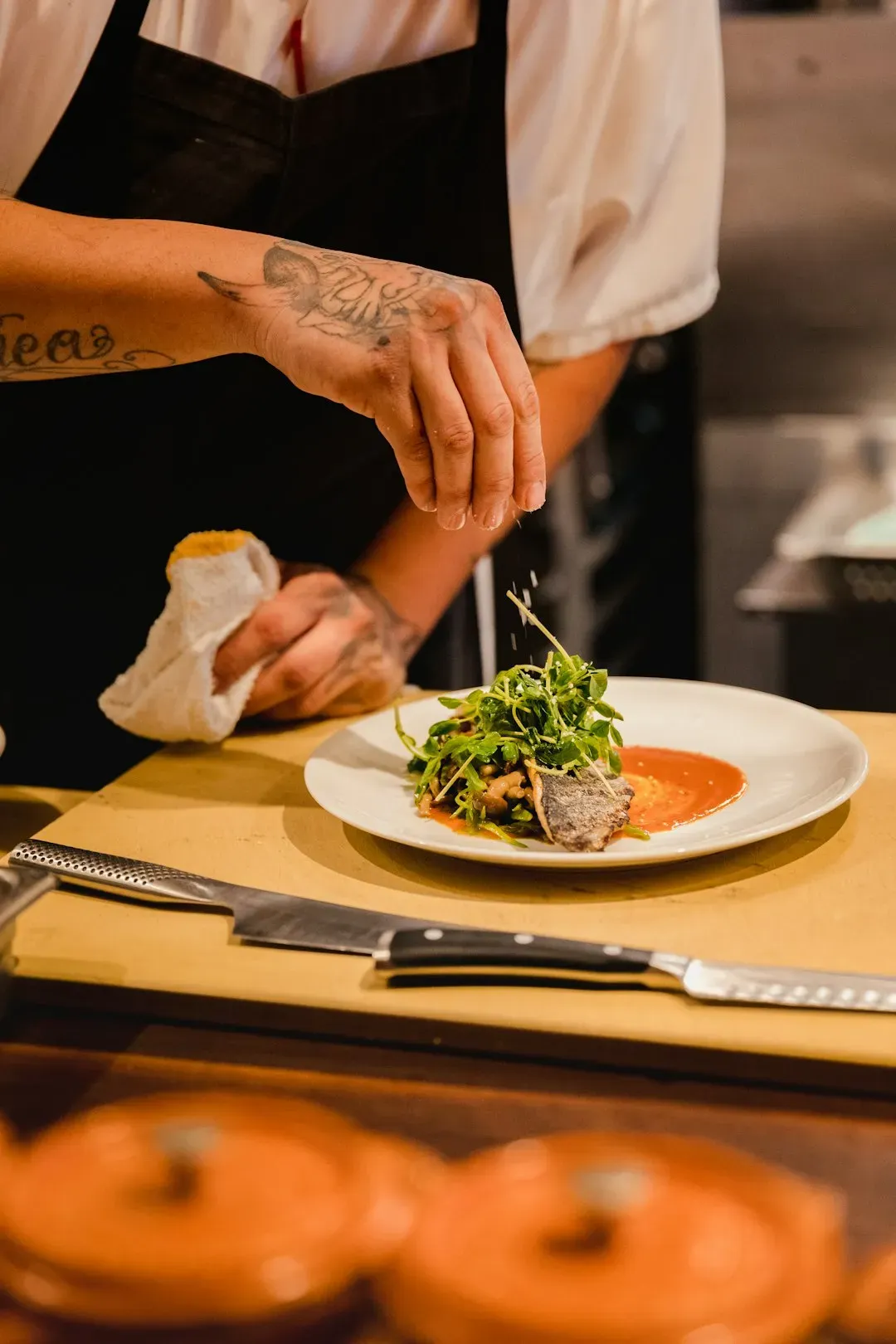
Here’s the thing – wealthy families, celebrities, and executives don’t just stay in one place. They travel. Constantly. And they want their own chef with them. A private chef in this world isn’t just cooking, they’re packing their knives and boarding private jets to Aspen, the South of France, or the Maldives.
Job listings for private chefs regularly include positions such as live-out roles in New York with travel requirements to locations like Aspen and the Hamptons, with salaries ranging from $120,000 to $150,000 per year plus benefits, including accommodation provided during travel. That salary range makes sense when you consider the lifestyle demands involved.
The role requires extraordinary adaptability. You might be preparing a seven-course tasting menu in a Tuscan villa one month and improvising with local market ingredients in a villa in Bali the next. It’s hard work, but few food jobs offer this kind of immersive, globe-trotting experience.
7. Food Photographer and Stylist

Not every food lover wants to cook or write. Some see the world through a lens. Food photographers and stylists travel to document culinary experiences, restaurant openings, cookbook shoots, and destination campaigns. Their work is the visual storytelling engine behind almost every food brand you follow online.
The role requires a passion for food, travel, storytelling, and often photography or video production. Familiarity with photography, social media platforms, and travel planning tools is typically valuable, and some roles may require food safety certifications. The technical and creative skill overlap here is genuinely unique.
It’s worth noting that food styling and photography increasingly go hand-in-hand for brands and publications. A skilled professional who can do both has a massive competitive edge in the current market, especially as destination marketing boards and hospitality groups invest more heavily in visual content to attract international visitors.
8. Culinary Tourism Consultant

The increasing popularity of culinary tourism is creating unique opportunities for both chefs and food influencers, with many ways to combine a passion for food, culinary experiences, travel, or a local area into money-making opportunities. A culinary tourism consultant sits right at the intersection of all of it.
These professionals work with hotels, tourism boards, tour operators, and destination marketers to design and refine food-focused travel experiences. This could include partnering with travel agencies and tour operators to create one-of-a-kind experiences for travelers, such as taking groups to local farms and markets to purchase ingredients and educating them on the significance of those ingredients in the local culture throughout history.
The U.S. culinary tourism market alone was estimated at nearly $2.7 billion in 2024 and is projected to grow at nearly 20 percent annually through 2030. Consultants who can help destinations and brands carve out a piece of that market are increasingly in demand, and the job takes them everywhere.
9. Sommelier

The world’s great wines come from everywhere – Bordeaux, Napa Valley, Mendoza, Tuscany, the Willamette Valley, and beyond. A sommelier with career ambitions rarely stays put. They travel to wine regions, attend international trade fairs, conduct sourcing visits at vineyards, and create wine programs for restaurants and hotels that span continents.
Culinary tourism extends beyond mere dining to include immersive activities such as vineyard visits, farm-to-table excursions, and participation in local food festivals. Sommeliers are often the professionals behind those vineyard experiences, guiding travelers through tastings and building wine itineraries for luxury travel operators.
I think it’s one of the most intellectually rich food jobs out there – requiring deep knowledge of geography, climate, chemistry, and culture, all wrapped up in a glass. The travel component isn’t a bonus, it’s practically a job requirement. You genuinely cannot do this job well from behind a desk.
10. Food Festival Coordinator
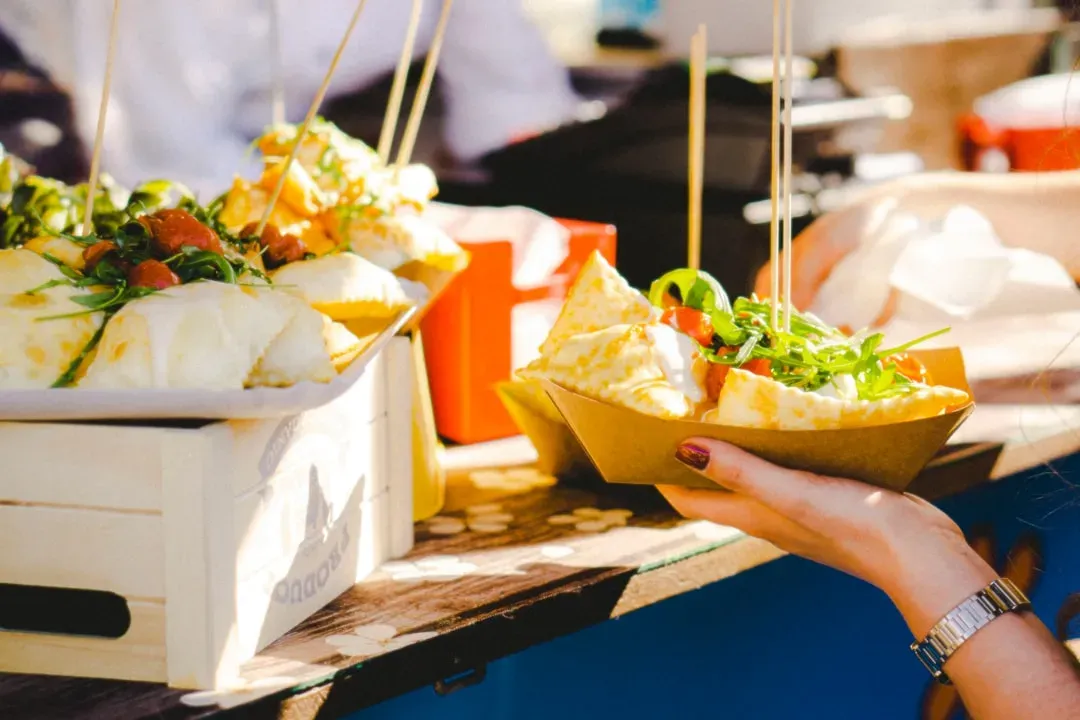
The food tourism market experienced significant growth in 2024, with food festivals playing a pivotal role in its popularity, offering tourists an immersive experience into the local culture and cuisine of a destination. Someone has to organize all of it – and that person travels a lot.
Food festivals and events lead the culinary tourism activity market, accounting for nearly one-third of total market share in 2024. These gatherings range from local food fairs and street food festivals to international culinary competitions and large-scale food expos. They attract everyone from casual food lovers to professional chefs, offering opportunities to sample diverse cuisines, interact with culinary experts, and participate in hands-on food experiences.
Food festival coordinators scout destinations, negotiate with vendors, book celebrity chefs, manage logistics across multiple time zones, and travel to event sites weeks before a festival opens. It’s fast-paced, creatively demanding, and genuinely delicious work when tasting sessions are part of the planning process.
11. Recipe Developer and Culinary Researcher

This job often flies under the radar, but it’s one of the most travel-rich culinary careers you can have. Recipe developers working for food brands, cookbook publishers, or media companies travel extensively to research regional cuisines, source authentic techniques, and test recipes in local contexts. Think of it as edible field research.
Every country and culture has a unique approach to culinary arts and cooking, and by working abroad in culinary roles, professionals can master the skill set required to cook up any kind of dish in the world while gaining impressive work experience. Recipe developers take this literally, immersing themselves in new food cultures to bring authenticity back to their work.
Professionals in this area develop knowledge of global food trends, cooking techniques, and cultural significance, and building a career may involve writing, photography, or working in international culinary settings. The job increasingly overlaps with food writing, content creation, and brand development – making it one of the most flexible career paths on this list.
12. Food and Beverage Director in Hospitality

Careers such as travel consulting, international sales, event coordination, and food or cultural journalism often involve frequent travel. Food and Beverage Directors in international hotel groups or hospitality brands fit squarely into this category. They oversee restaurants, bars, catering, and dining concepts across multiple properties – sometimes across multiple countries.
These directors travel regularly between properties, attend international hospitality trade events, conduct culinary sourcing trips, and collaborate with executive chefs at locations around the world. It’s one of the most senior food roles that genuinely demands a packed suitcase and a current passport.
Fast-growing jobs in the food and travel industries include culinary arts professionals specializing in sustainable and international cuisine, food safety experts, and nutrition consultants, while in travel, roles such as travel planners, digital marketing specialists for tourism, and eco-tourism coordinators are expanding. The food and beverage director role is evolving rapidly, now requiring digital fluency, sustainability awareness, and genuine cross-cultural intelligence in addition to traditional hospitality expertise.
The World Is Your Menu
There’s a common thread running through all twelve of these careers: they demand curiosity. Not just about food, but about people, places, and the endlessly varied ways that cultures express themselves through what they eat. Food can serve as a powerful lens, allowing people to more fully experience new destinations, which is one reason food tourism is a growing trend.
The global culinary tourism industry is one of the fastest-growing sectors in travel. Culinary tourism market growth is expected to increase by $253 billion during 2025 to 2029, with the market projected to grow at nearly 23 percent annually during that period. That growth translates directly into more jobs, more opportunities, and more reasons to pack your bags and follow your appetite.
Whether you’re writing reviews, plating dishes on the high seas, or designing vineyard experiences for luxury travelers, the common denominator is this: you never stop learning, and you never stop moving. Which of these twelve roles surprised you the most? Drop your answer in the comments.