
You grab your usual bag of chips off the shelf, toss it in the cart without a second glance, and head to checkout. The price looks the same as last month. You feel good about that. What you don’t realize is that there are fewer chips inside that bag than there were a year ago. No announcement. No apology. Just less, for the same money. This is shrinkflation – and it is happening to dozens of foods you buy every single week.
Shrinkflation, also known as product downsizing, occurs when manufacturers decrease the quantity of an item without a corresponding price drop. Sometimes the price doesn’t change at all. It is sneaky by design, and honestly, that’s what makes it so frustrating. About three quarters of Americans have noticed shrinkflation at their grocery store, and among them, roughly four in five have taken some kind of action as a result. So let’s pull back the curtain on exactly which everyday foods have been quietly getting smaller. Get ready to be surprised.
1. Breakfast Cereal: The Family Box That Isn’t So Family-Sized Anymore
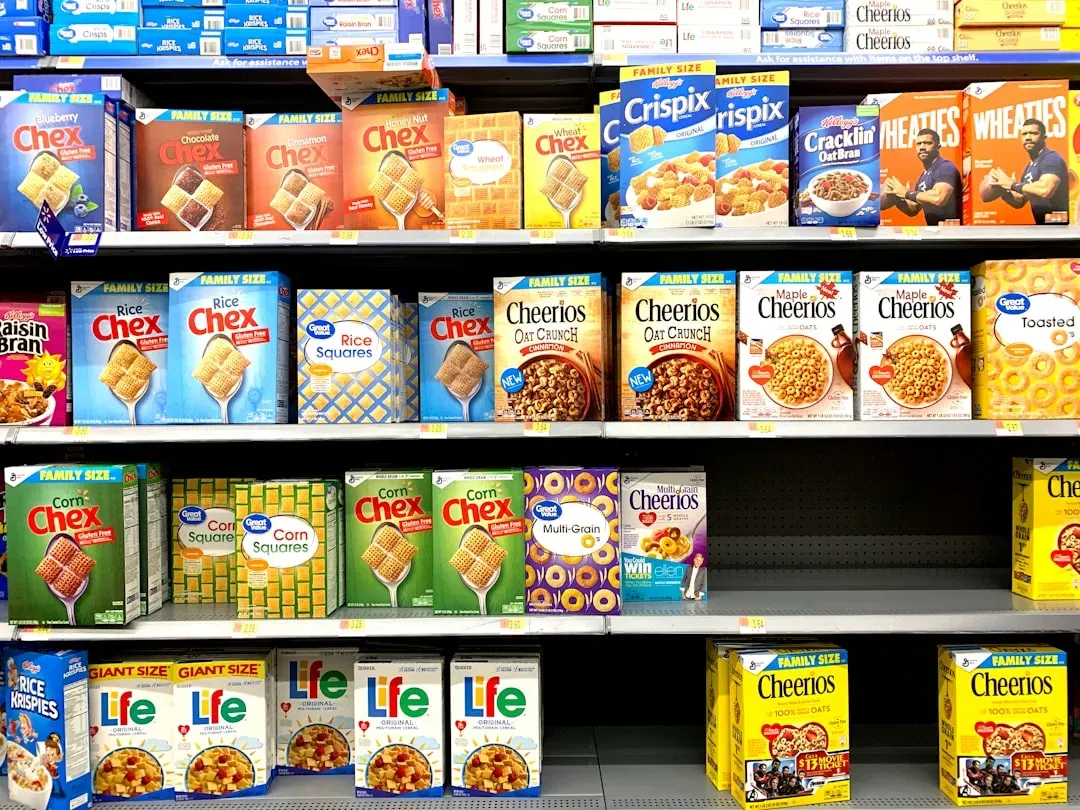
Let’s be real – cereal was already overpriced before any of this started. Now, you are paying the same price for considerably less. Breakfast foods had the second-highest rate of shrinkflation according to a LendingTree analysis, with roughly four in ten of the items tracked now sold in smaller portions. Family-sized Frosted Flakes, made by Kellogg’s, slimmed from 24 ounces to 21.7 ounces, resulting in a staggering 40 percent increase in per-ounce pricing.
Many cereal makers, including General Mills, maker of Cocoa Puffs, have used shrinkflation on family favorites. In 2021, General Mills dropped the size of its “Family Size” offerings for multiple cereal products, including reducing the Cocoa Puffs “Family Size” box from 19.3 ounces. Think of it like ordering a large pizza and quietly receiving a medium instead. Same box, same branding, same price – just less cereal sitting at the bottom of the bag.
2. Potato Chips: More Air, Fewer Chips
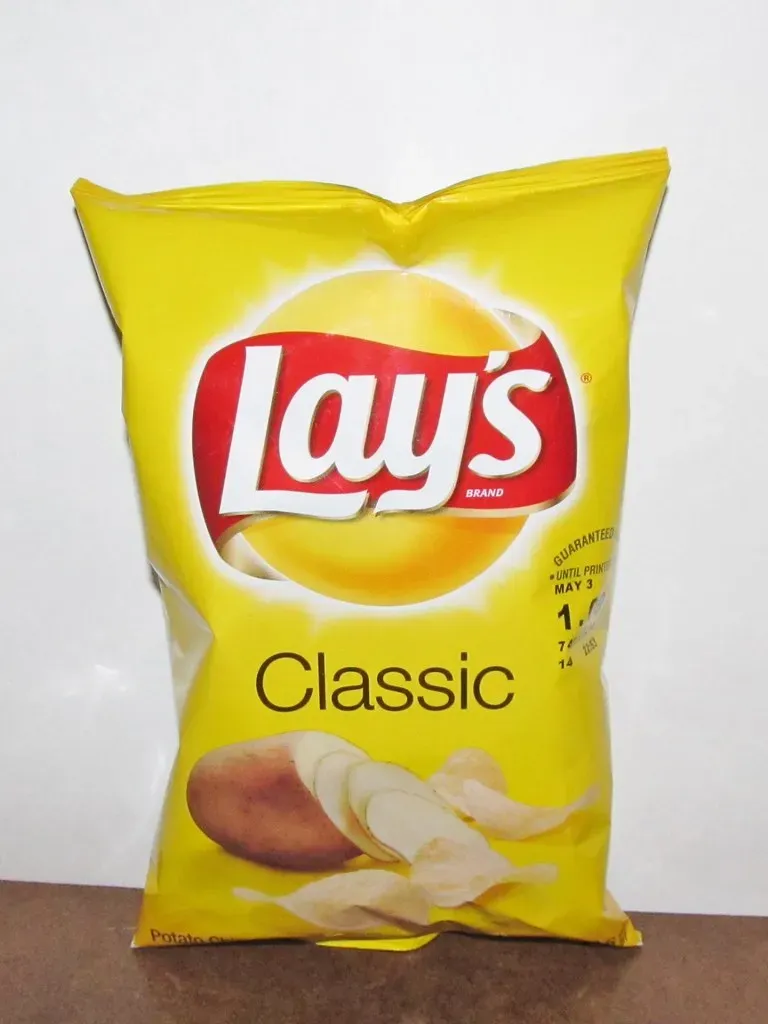
About 27 percent of snacks tracked by LendingTree had gone through portion reductions. That includes party-size Cheetos, made by Frito-Lay, which shrank to 15 ounces from 17.5 ounces while its per-ounce price rose significantly. That’s not a minor trim. That’s a substantial chunk of your snack gone without a word from the brand.
According to the consumer advocacy site Consumer World, Ruffles potato chips went from 9 ounces to 8.5 ounces, with the site noting that “the amount of air inside the bag looks to be the same.” So the bag feels just as full in your hand – only it isn’t. Over the last few years, Frito-Lay also shrunk the size of regular bags of Doritos from 11 ounces to 9.25 ounces. That’s roughly 22 chips you’ll be missing out on.
3. Coffee: Less in the Can, Same Price on the Tag
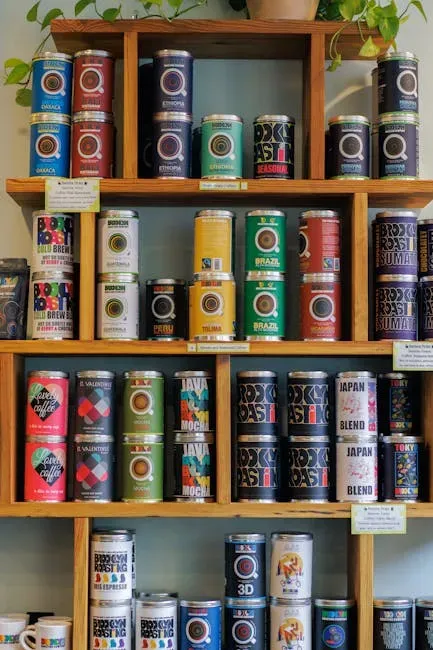
Coffee lovers, this one is going to sting. Even in U.S. supermarket coffee aisles, Folgers has downsized its 51-ounce container to 43.5 ounces, though the company claims a new technology results in lighter-weight beans, allowing it to still make up to 400 cups. That’s nearly 15 percent less coffee in the container.
Green coffee prices have risen more than 30 percent since the start of 2024 because of supply chain disruptions and climate change impacts, pushing roasters to make urgent adjustments. It’s hard to say for sure whether every brand is doing this purely out of necessity or profit-seeking, but the result for you is the same. According to government data, downsizing of coffee products accounted for a 1.8 percent increase in the price of coffee from December 2019 to March 2024, while the overall price of coffee increased by 24.2 percent during that same period.
4. Candy: Sweet Treats Getting Bittersweet
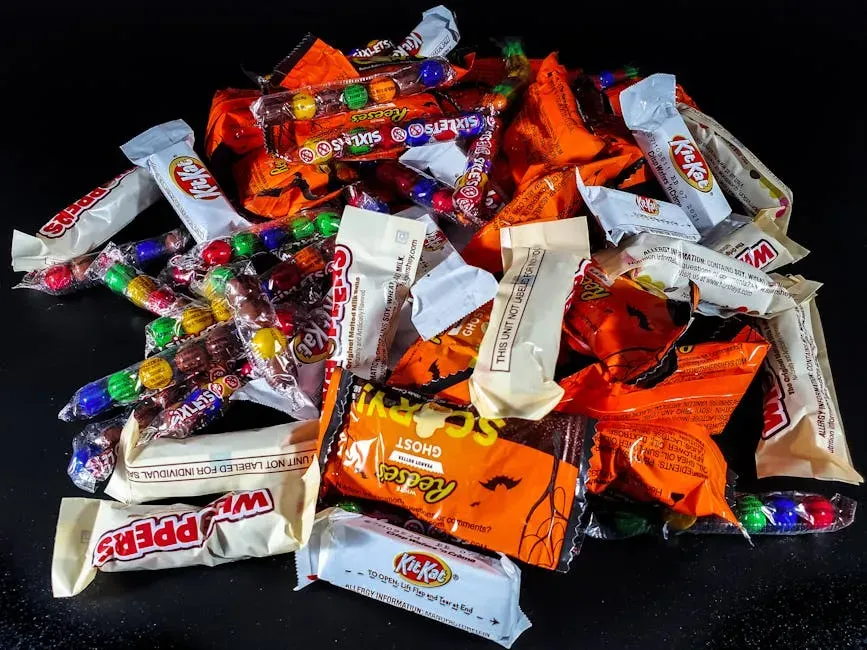
Few things feel more deflating than opening a party bag of candy only to realize it’s not quite the party it used to be. About 38 percent of candy items are now sold in smaller amounts, including party-size Reese’s miniatures at 35.6 ounces now versus 40 ounces in 2019 to 2020, and party-size milk chocolate M&Ms at 38 ounces now versus 42 ounces previously.
The Sharing Size of M&Ms candies also dropped from 10.7 ounces to 10 ounces, meaning roughly 22 fewer candies per pack. That is a meaningful reduction, especially when you consider how these bags are marketed. Of the consumers who noticed shrinkflation in a Purdue University survey, 78 percent said they observed it in snack foods and 53 percent in packaged desserts and sweets.
5. Yogurt: The Snack That Already Felt Small
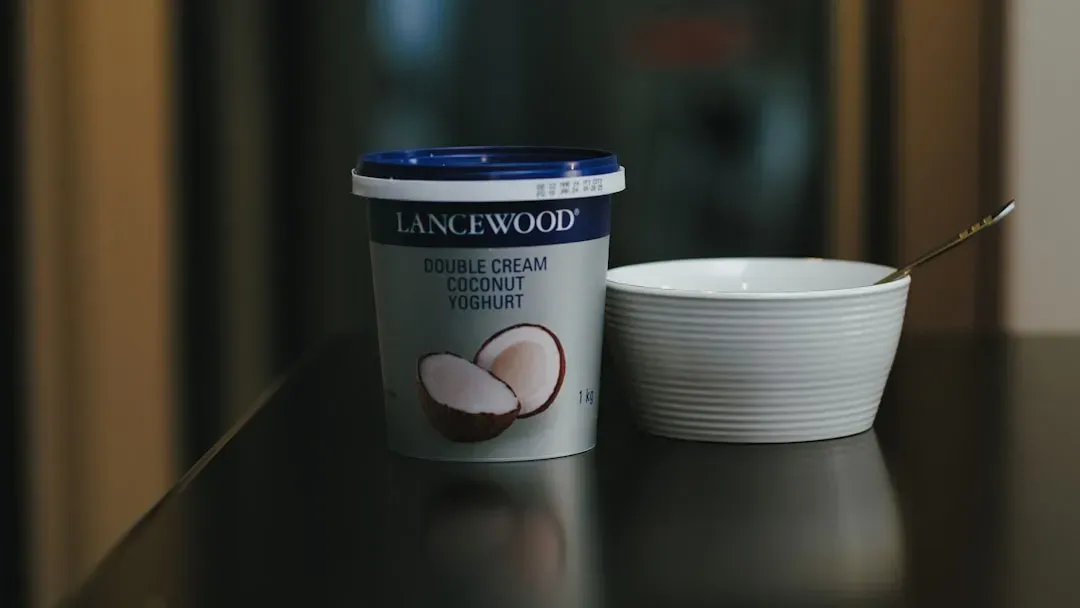
Yogurt cups were never exactly generous. So when they got even smaller, many shoppers barely noticed at first – which is exactly the point. A box of Kleenex in the U.S. now contains 60 tissues, down from 65, and Chobani Flips yogurts have decreased from 5.3 ounces to 4.5 ounces.
That is a reduction of nearly a full ounce per serving. Think about what that looks like with your morning routine – over the course of a month, you are effectively losing several full cups of yogurt that you already paid for. This practice affects consumer budgets differently than direct price increases because the changes often go unnoticed at the point of purchase. That is precisely what makes yogurt such a clean target for shrinkflation.
6. Orange Juice: The Juice Is Worth Less Than the Squeeze
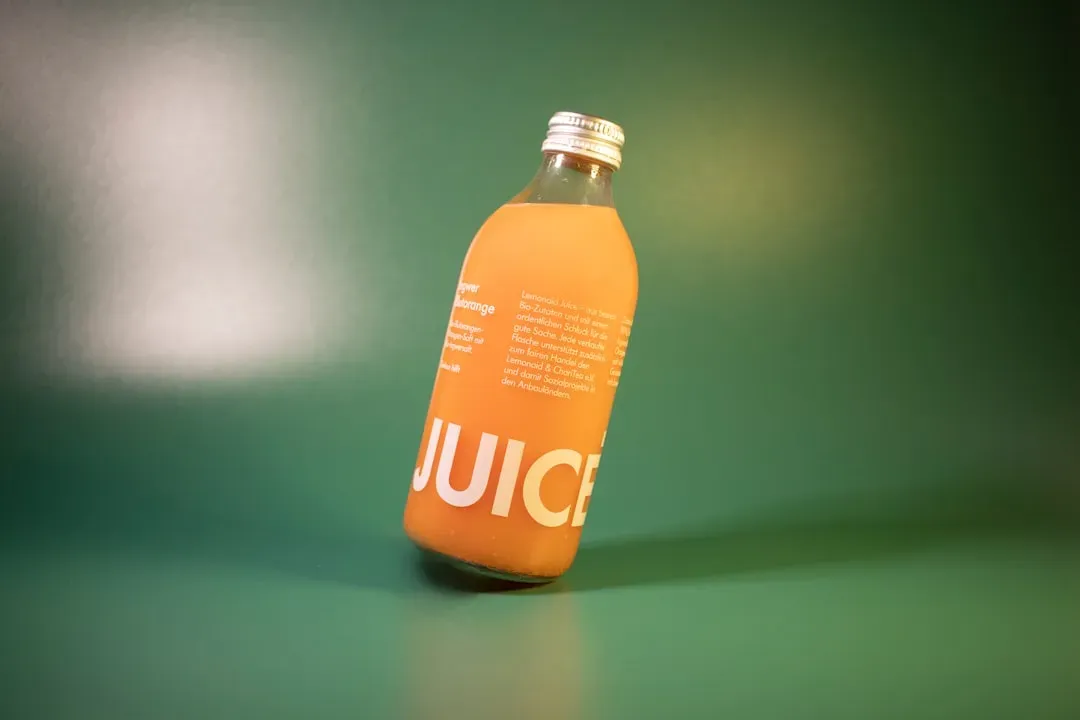
Orange juice has become one of the most quietly controversial grocery staples in recent years. In the past couple of years, there has been an uproar from consumers as Simply Orange juice bottles have slimmed up. This is a product millions of families pour every single morning, which means the cumulative effect adds up fast.
Juice containers tracked by analysts changed from 64 fluid ounces to 59 fluid ounces in documented cases across major brands. That’s like buying a half-gallon and getting something meaningfully less – without the price tag moving to match. Tropicana, for example, lowered the price of its product while keeping the per-ounce cost identical, but consumers stopped buying the brand’s orange juice, resulting in a nearly 20 percent drop in sales since the bottle redesign.
7. Ice Cream: Frozen Dessert or Frozen Deception?
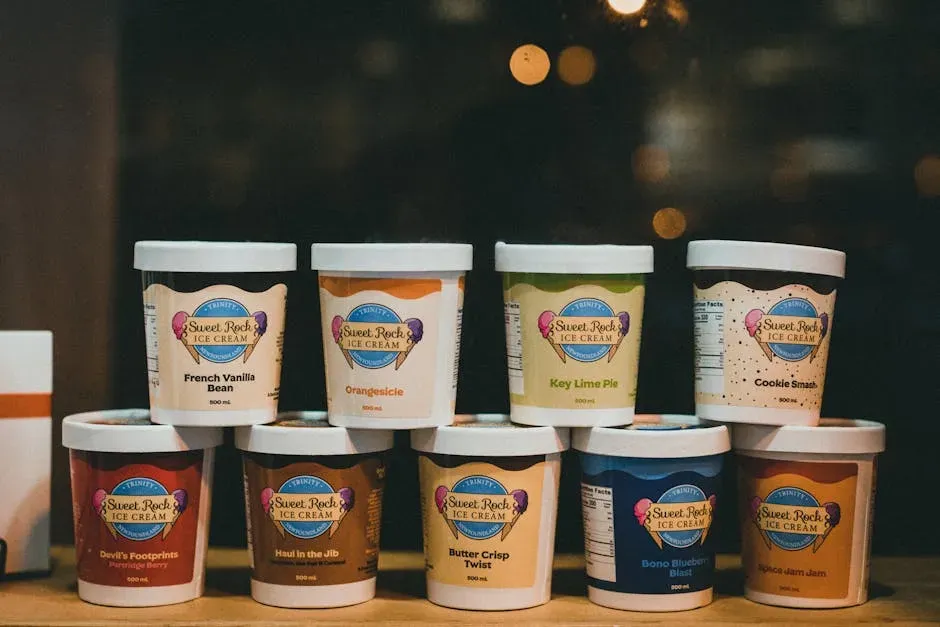
I think ice cream might be the most emotionally charged item on this list. People have strong attachments to their favorite pints. So when the container shrinks, it feels personal. In 2025, one popular national dessert brand reduced the milkfat in its ice cream below the federally required 10 percent; the brand now refers to its product as “frozen dairy dessert.”
That rebranding is not just a name change – it is a quality change disguised as a product evolution. In the top five product categories experiencing downsizing, the contribution of size changes to inflation ranged from 1.6 percentage points for cereal to 3.0 percentage points for household paper products. Ice cream and frozen dessert products have been part of that tracked inflation category for years. Data shows that ice cream and related products saw price increases driven partly by downsizing, contributing to a roughly 7 percent price-per-unit increase.
8. Pasta: The Pantry Staple That Got Shorter
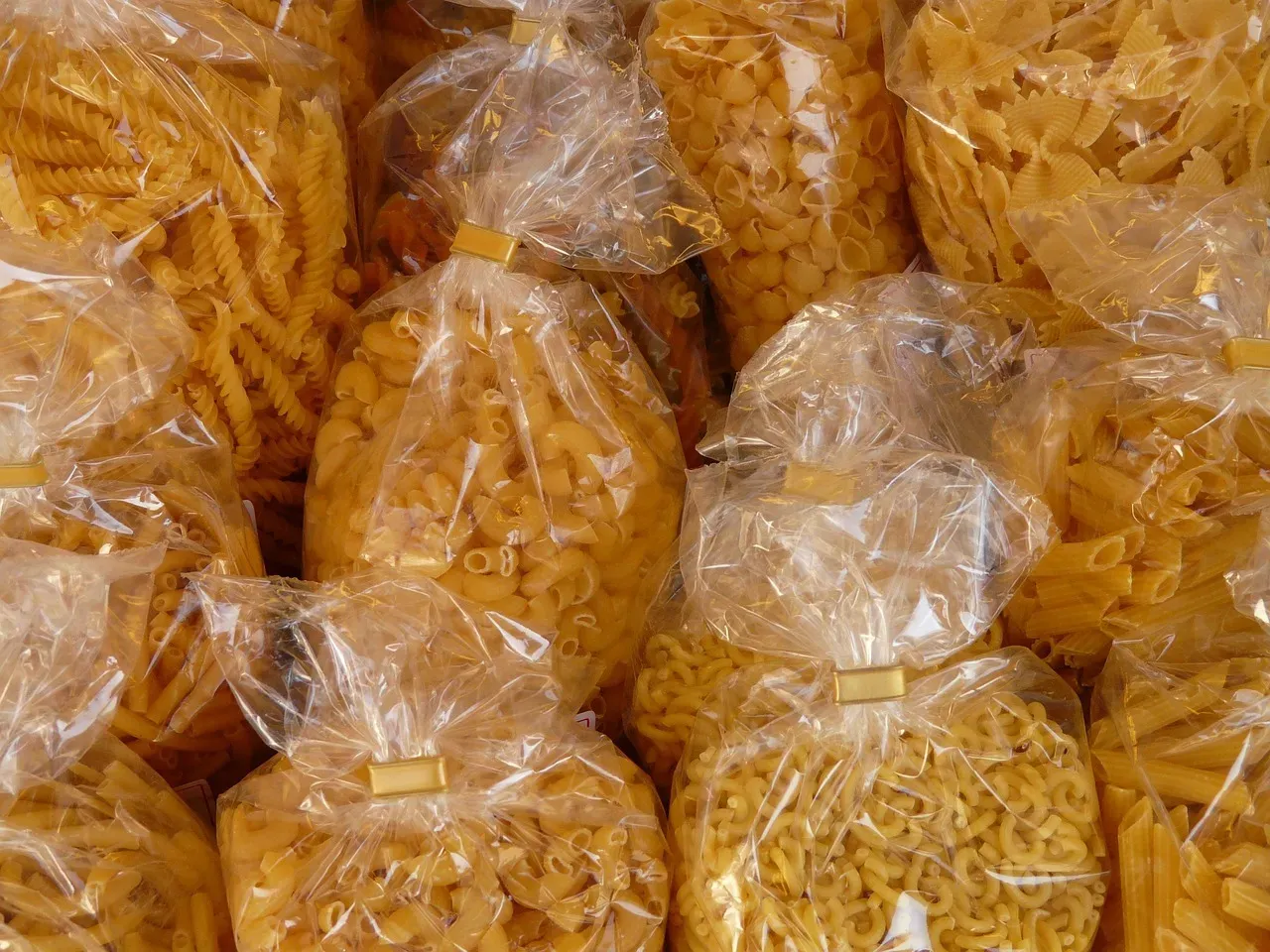
Pasta is most people’s budget fallback. It is cheap, filling, and reliable. Except the box you reach for now contains less than the one you bought a few years ago. Pasta boxes shifted from 16 ounces to 14 ounces in select product lines, according to documented consumer price data – that’s a reduction of roughly one-eighth of the total product.
Here’s the thing: a 16-ounce box of pasta reliably feeds a family of four. A 14-ounce box? You might find yourself one portion short, which means buying more packages more often. The cumulative effect of multiple shrinkflation examples across a shopping cart compounds the impact on household budgets. For a typical family buying around 20 affected products each month, shrinkflation can translate to receiving 8–12% less product volume for the same amount spent compared to 2024. In practical terms, that means households are quietly paying more for less, a subtle but significant drain on monthly grocery budgets heading into 2026.
9. Crackers and Cookies: Same Box, Fewer Bites
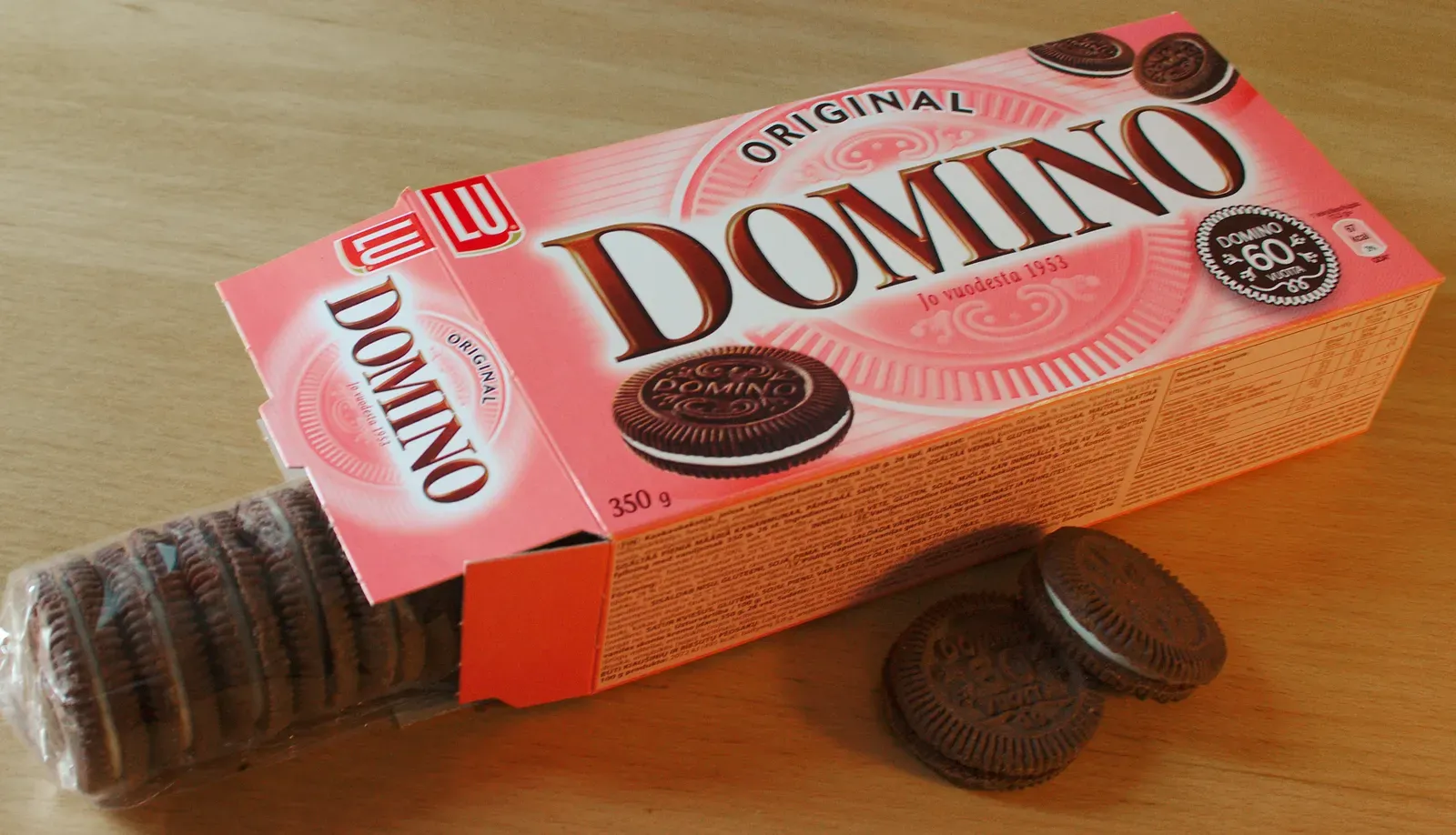
Grab a family box of crackers and you might not notice anything different until you reach the bottom far too quickly. From Family Size Double Stuf Oreos getting smaller to Kleenex tissues dwindling from 65 sheets to 60 sheets in a box, consumers are paying the same, if not more, for less. Cookie packages have not been spared either.
Cookie packages dropped from 15 ounces to 13.7 ounces across several documented product lines. One consumer discovered that a favorite cracker brand he had been eating for 17 years was hit by shrinkflation. It survived in its original size until recently, when the current owner reduced the contents by over 25 percent. Twenty-five percent. That is not a trim. That is a quarter of your crackers, gone.
10. Frozen Foods: Smaller Meals, Same Price
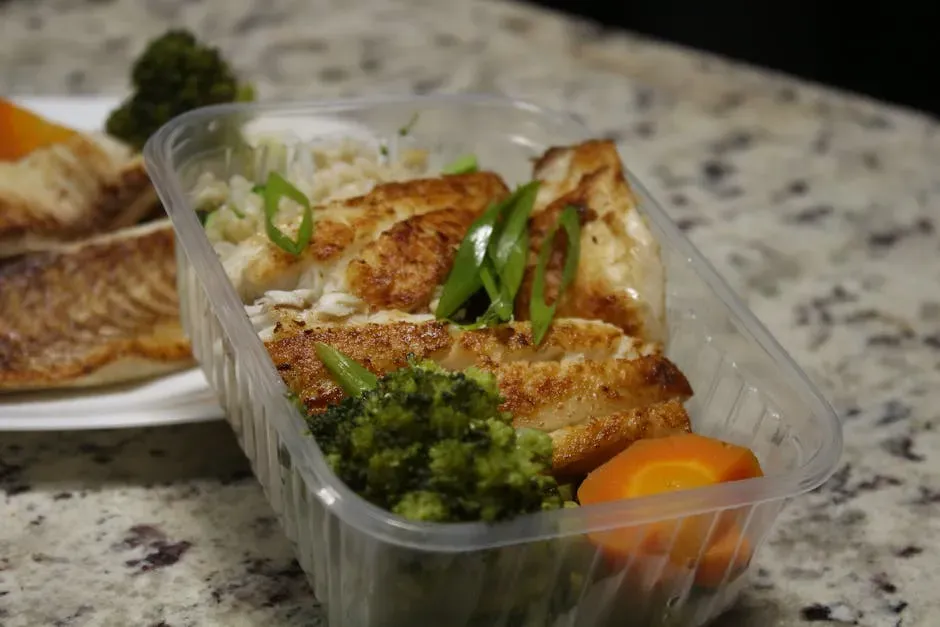
Frozen meals are the weeknight lifesaver for millions of households. But that lasagna tray might be feeding one fewer person than it used to. Just under half of consumers surveyed by Purdue University – nearly 48 percent – said they have observed shrinkflation in frozen foods. That places frozen foods firmly in the top categories for consumer-noticed shrinkage.
Frozen prepared foods saw price increases driven partly by downsizing, with data from the U.S. Bureau of Labor Statistics showing a contribution to shrinkflation of roughly 10.3 percent among selected national grocery brands. That is the highest category-level figure in the tracked data. The practice becomes particularly significant during periods of rising production costs, when companies face pressure to maintain profit margins without implementing visible price increases that might reduce sales volume.
11. Chocolate Bars: The Bar Has Literally Been Lowered
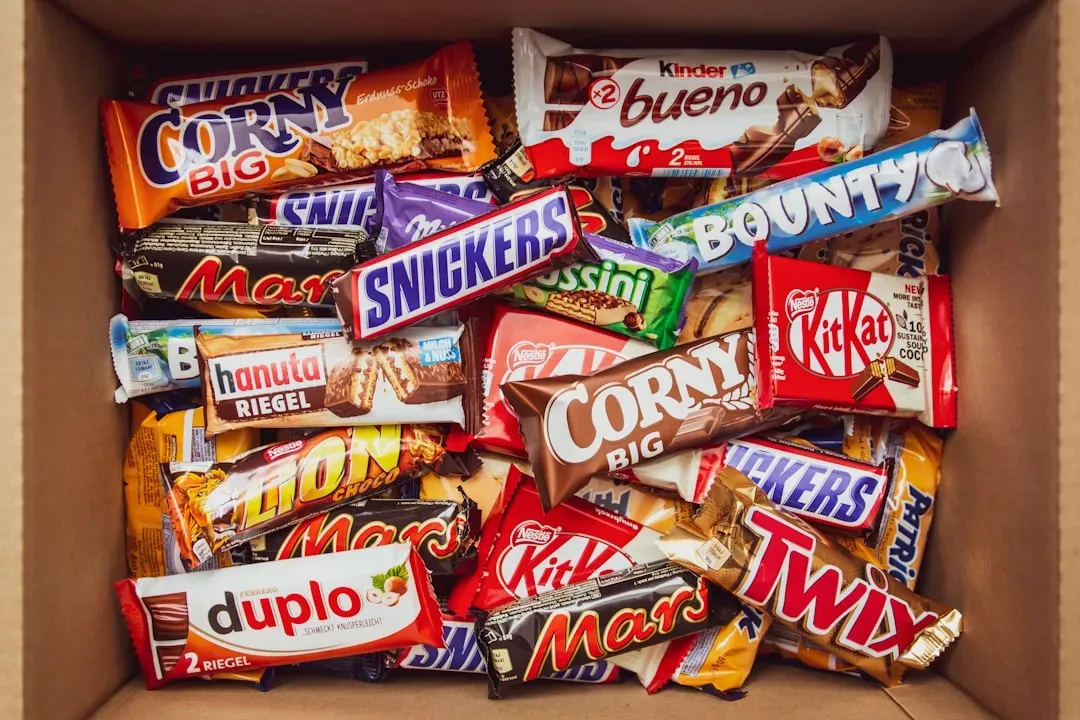
Chocolate bars feel like they’ve been getting smaller since childhood – and it turns out that feeling is completely justified. Chocolate bars decreased from 1.55 ounces to 1.48 ounces at unchanged price points, with documented changes appearing across multiple national brands. The difference is subtle enough to miss on first glance.
The Bureau of Labor Statistics indicated that snacks and candy have been among the most impacted by shrinkflation, with most examples showing companies shrinking the product size without shrinking the price. Chocolate is a particularly clever target because the bars have been reformulated and repackaged so many times over the decades that shoppers have no clear baseline anymore. Shrinkflation is described by Bureau of Labor Statistics economists as a strategy of “implicitly increasing the price of an item by slightly decreasing the amount or quantity in a package.”
12. Packaged Drinks and Powdered Mixes: Diluted Value
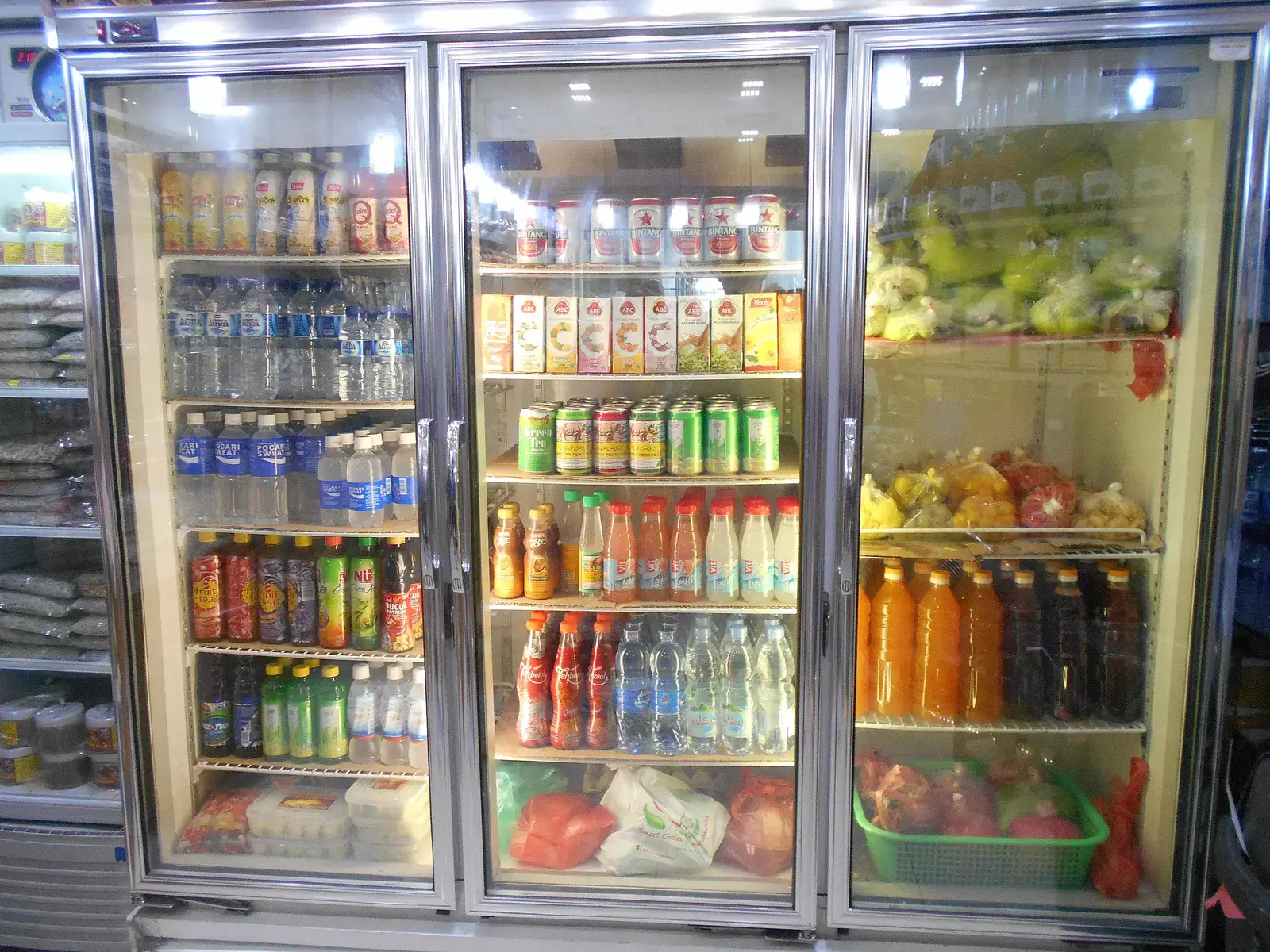
From bottled juices to powdered lemonade mixes, the beverage category has experienced some of the most dramatic – and often underreported – reductions in size. In 2025, one popular powdered drink mix cut its packet count from six to four, while keeping the price the same. That’s not subtle; that’s literally half the product gone, leaving consumers paying the same for significantly less. Heading into 2026, these “shrinkflation” moves continue to quietly shape how people perceive value in everyday grocery purchases.
Pasta boxes shifted from 16 ounces to 14 ounces in select product lines, while juice containers changed from 64 fluid ounces to 59 fluid ounces, and some bottled water multipacks decreased from 24 bottles to 20 bottles while maintaining similar packaging dimensions. The packaging stays roughly the same size, which means there is more empty space inside – sometimes more air, sometimes a thicker bottom panel. Because shrinkflation can be more difficult to spot than a straightforward increase in retail price, it’s a more subtle way for companies to try to pass rising costs onto consumers.
The Bigger Picture: What Can You Actually Do About It?
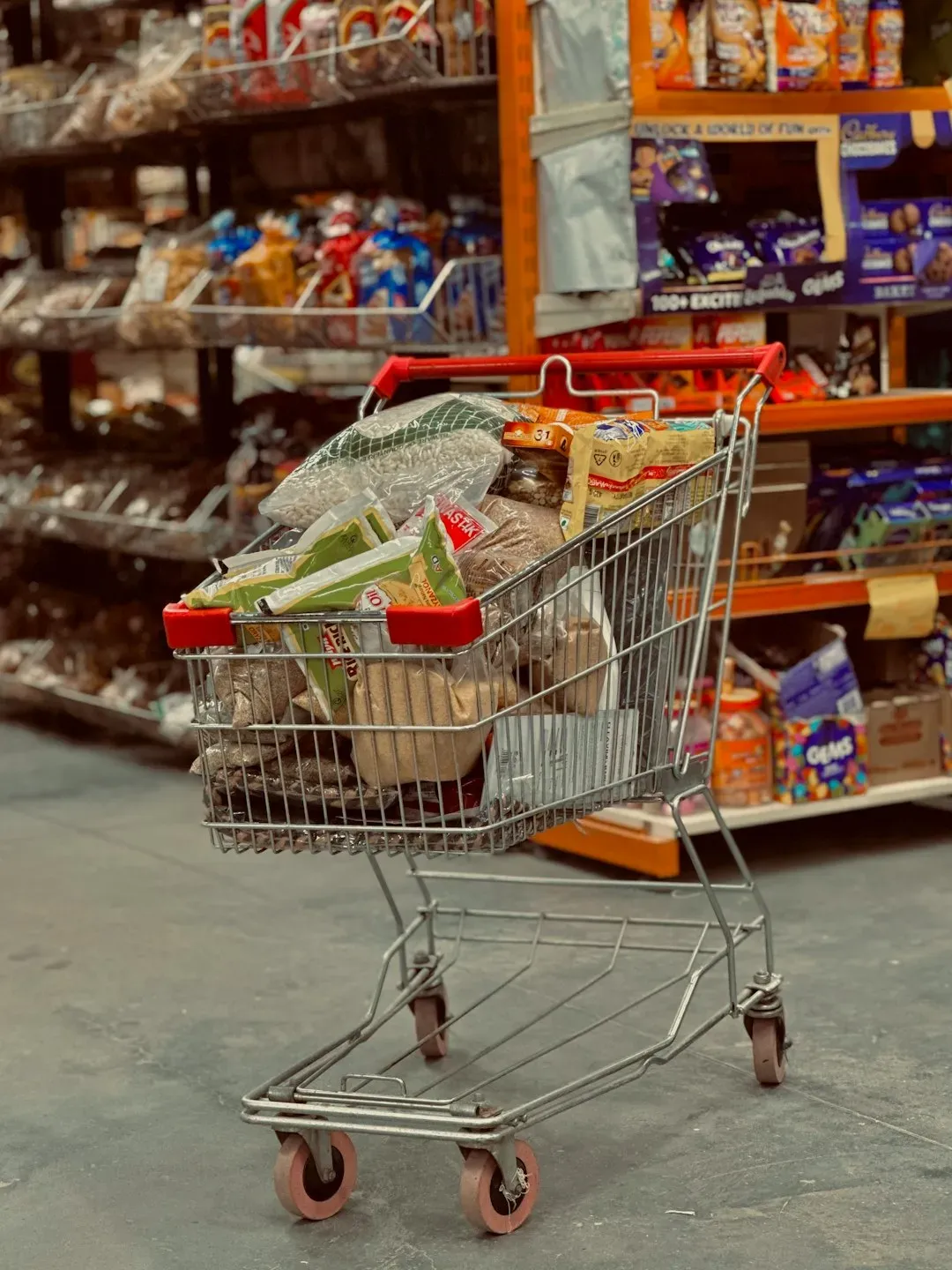
Shrinkflation is not going away quietly. According to consumer watchdog MousePrint.org, shrinkflation is alive and well and will continue in 2026. The trend has prompted real legislative action. In February 2024, several U.S. Senators co-sponsored a bill to define shrinkflation and empower the Federal Trade Commission and state attorneys general to regulate it. The FTC would enact rules to prohibit shrinkflation practices that are designed to deceive consumers.
Nearly half of American shoppers have already abandoned a brand due to shrinkflation. That consumer pushback is real, and it works. Viral callouts have been known to reverse size cuts before, like when PepsiCo started adding 20 percent more chips to bags of Tostitos and Ruffles after customers called them out for shrinkflation. The single best defense is checking unit prices rather than package prices. Experts advise consumers to compare unit prices on shelf tags and explore alternatives to keep budgets in check. In a world where every ounce counts, that small habit could save you more than you’d expect.
What would you have guessed was the most shrunken item on your shopping list? Drop your thoughts in the comments below.