
Think about the last time you saw chicken à la king on a menu. Can’t remember? You’re not alone. American cuisine has evolved dramatically over the past few decades, leaving behind a trail of once-beloved dishes that have practically vanished from restaurant menus and home kitchings alike.
These aren’t just random recipes that faded away. They’re dishes that once defined American dining, appeared in countless cookbooks, and filled dinner tables from coast to coast. From gelatin-based creations that dazzled guests at formal gatherings to hearty comfort foods that sustained families through tough economic times, these meals tell the story of changing tastes, shifting values, and our evolving relationship with food itself. Let’s dig into the dishes that have become culinary ghosts.
Table of Contents
Chicken à la King
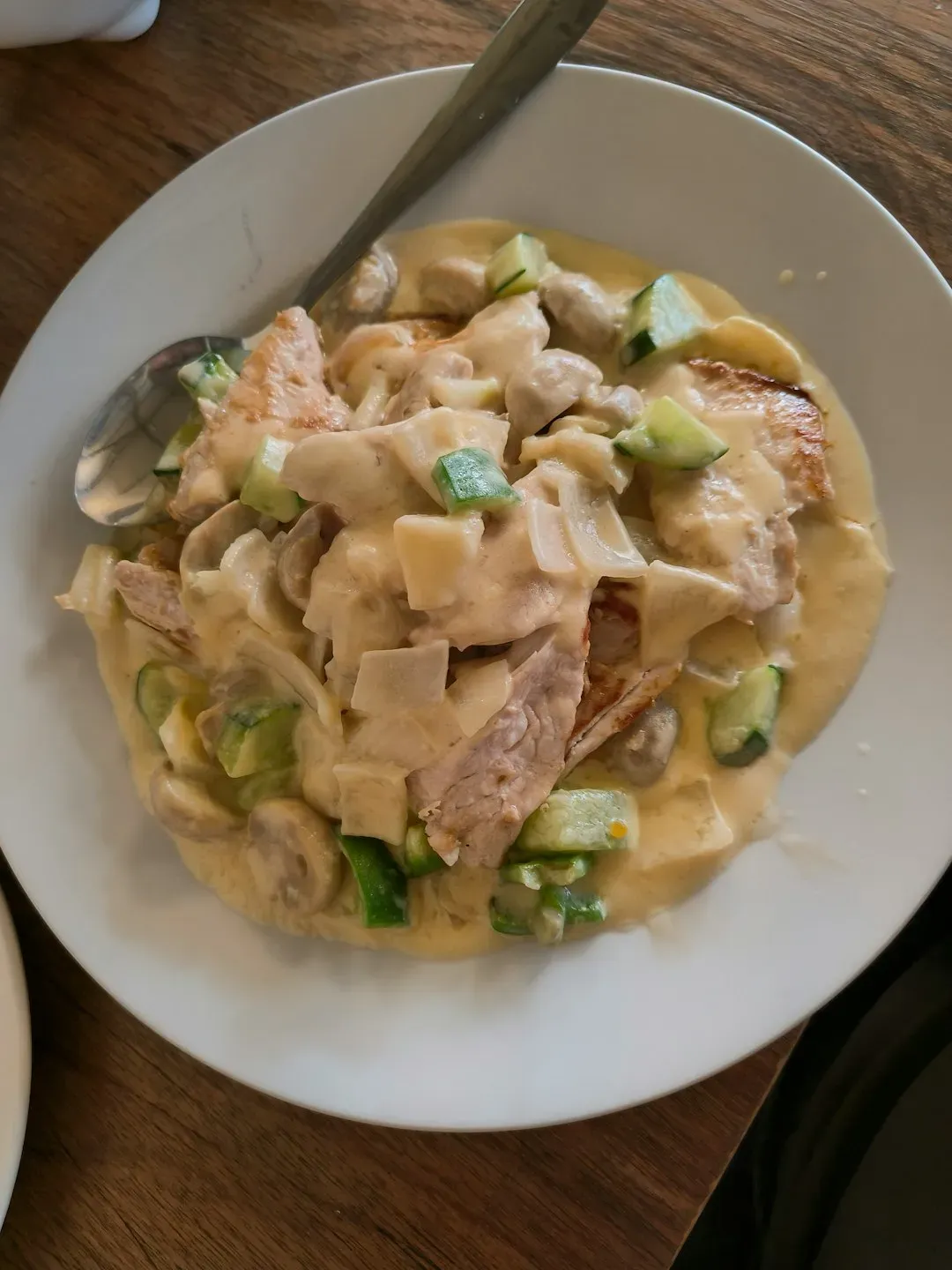
This creamy chicken dish was once the darling of cafeterias, banquet halls, and home kitchens across America, particularly during its golden era in the 1950s and 1960s. Made with cream sauce, pimentos and mushrooms, it was a restaurant favorite in the early 20th century. The dish typically featured diced chicken swimming in a rich white sauce, often served over toast points, rice, or puff pastry shells. As consumer preferences shifted toward lighter meals, the heavy cream base became less appealing, and food service analysts report that labor intensive preparation made it impractical for modern kitchens. You might find it occasionally at a nostalgic diner or retro-themed restaurant, but honestly, that’s becoming rarer than finding a payphone these days.
Liver and Onions
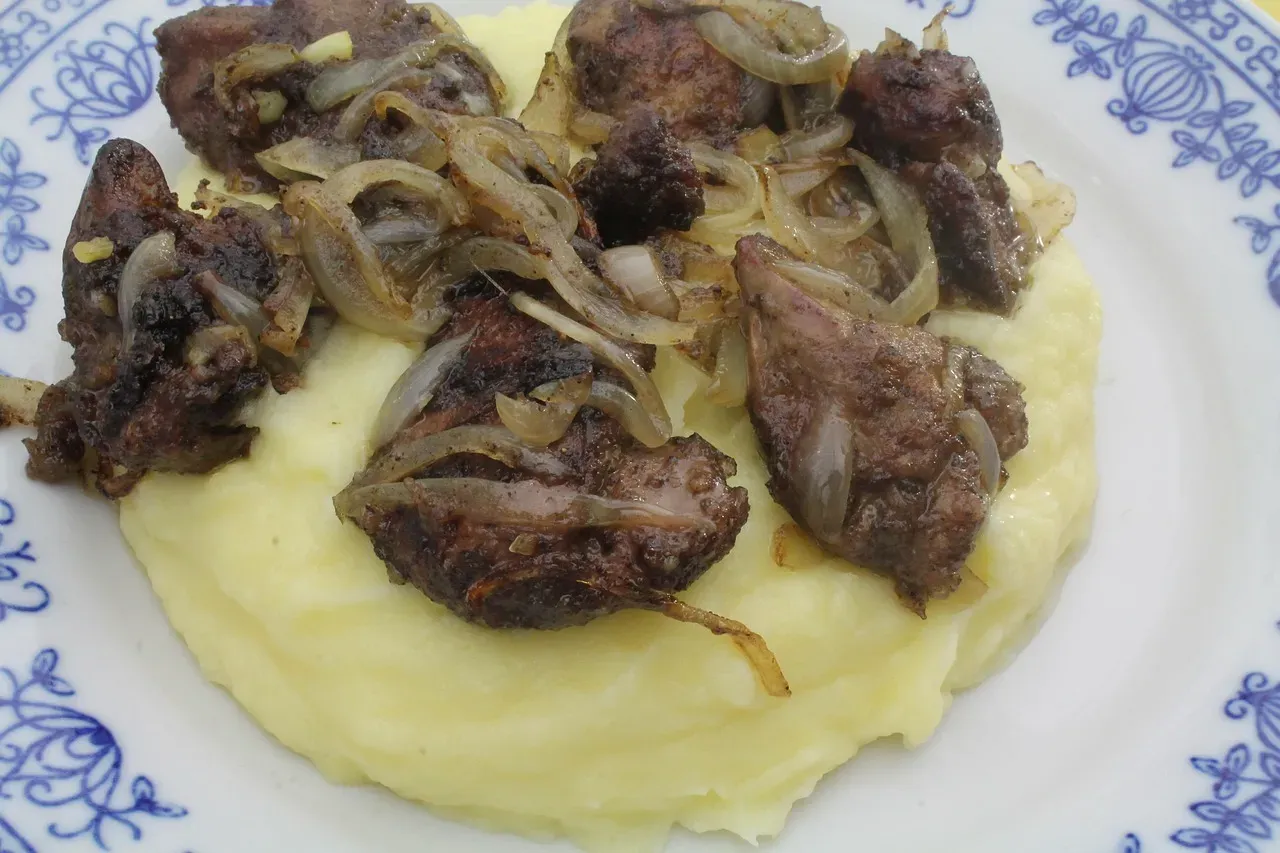
Once considered a staple weeknight dinner packed with iron and nutrients, liver and onions has virtually disappeared from modern American tables. Once popular due to its low cost and high iron content, liver and onions faded as nutrition experts warned about high cholesterol and toxin accumulation in organ meats, with USDA surveys showing per capita liver consumption dropped significantly after the 1970s. The dish was affordable and practical during an era when meat was expensive and families needed budget-friendly protein sources. Restaurants removed it from menus due to low demand among younger diners. The strong, metallic flavor and chewy texture that once represented hearty home cooking now feels outdated to generations raised on milder proteins like chicken breast and ground turkey.
Tomato Aspic
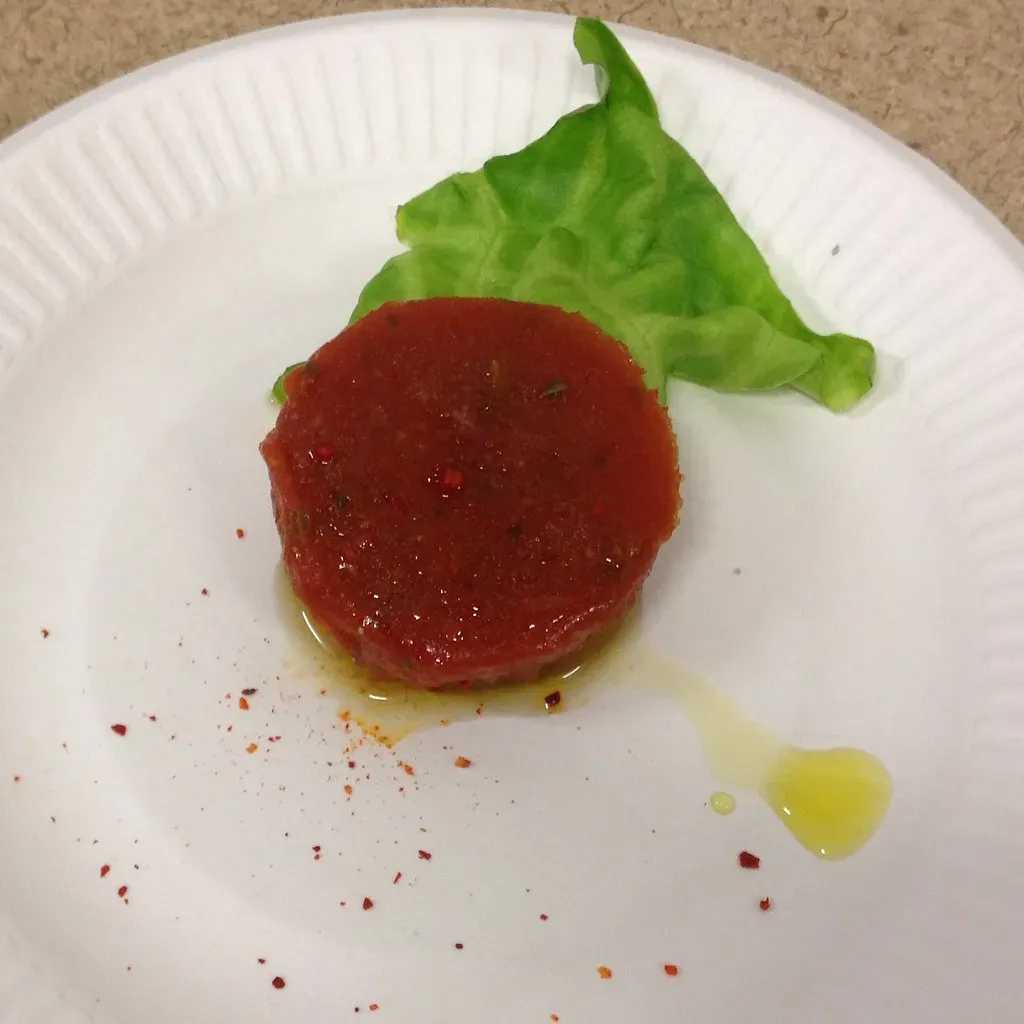
Tomato aspic, a savory gelatin mold flavored with tomato juice and vinegar, fell out of favor as tastes shifted toward fresher salads, with culinary researchers noting that gelatin based savory dishes struggled to survive as refrigeration technology improved. This shimmering, jiggly creation was a mid-century marvel at dinner parties and holiday gatherings, offering a savory alternative to sweet Jell-O desserts. The vibrant red color and unique presentation made it a status symbol of sorts. Let’s be real, though – the concept of savory tomato-flavored gelatin feels deeply strange to modern palates accustomed to crisp, fresh salads. The dish required careful preparation and precise chilling, and as raw vegetables became more accessible nationwide, there was simply no reason to go through the hassle anymore.
Chipped Beef on Toast

Affectionately (or not so affectionately) known as “SOS” in military circles, chipped beef on toast was a fixture in mess halls and American homes during the mid-20th century. The dish consisted of thin slices of dried, salted beef suspended in a creamy white sauce, ladled generously over toast for a quick, filling meal. It gained popularity during World War II as an economical way to stretch meat rations, and many veterans brought the recipe home with them. The heavy, salty nature of the dish doesn’t align with contemporary preferences for lighter, fresher fare. You’d be hard pressed to find this on any restaurant menu today, except perhaps at a military-themed establishment or a truly old-school diner run by someone who refuses to update their menu from 1962.
Welsh Rarebit
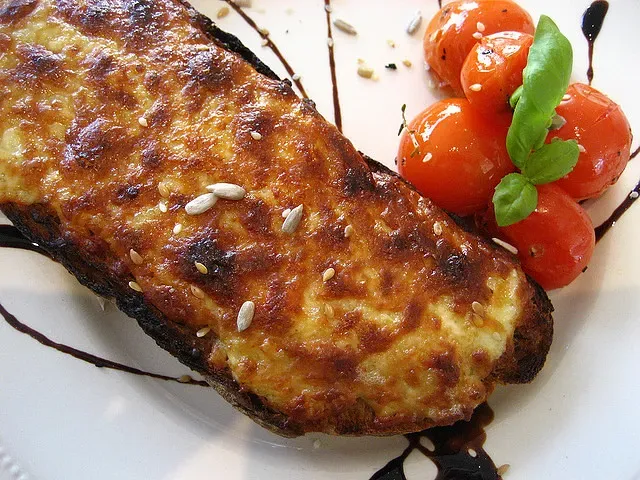
Stouffer’s introduced their version of Welsh Rarebit in 1966, and the dish had such a devoted following that when the company quietly announced its retirement in April 2021, heartbroken fans flooded social media with outrage. This isn’t your average melted cheese on toast. Welsh rarebit features a rich, savory sauce made from aged cheddar, beer or ale, butter, Worcestershire sauce, and mustard, poured over toasted bread and often broiled until bubbly. The dish originated in the 18th century as a popular dish among Welsh working class families, many of whom couldn’t afford to eat meat like rabbit. The preparation requires actual cooking skills and patience to create the proper cheese sauce consistency. In an era of instant gratification and five-minute meals, this kind of involved preparation for what’s essentially fancy cheese toast just doesn’t make the cut anymore.
Aspic Salads
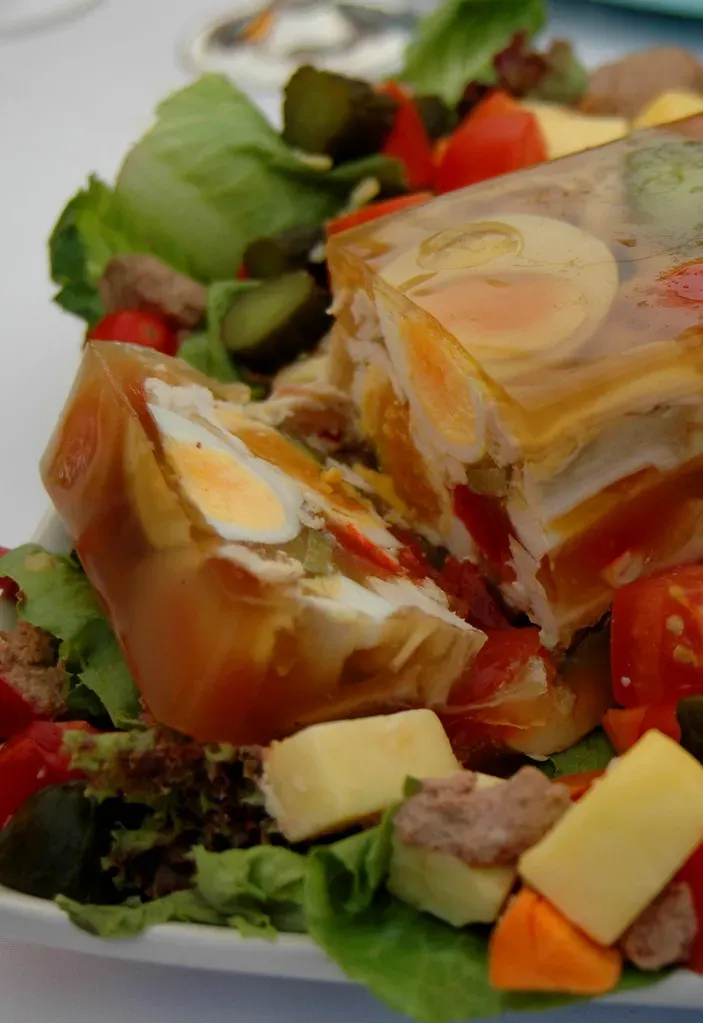
Aspic salads, made with gelatin encasing meats, vegetables or eggs, declined sharply by the 1980s, as food historians note Americans learned more about foodborne illness risks from improperly chilled gelatin molds, with modern research showing consumers overwhelmingly prefer fresh textures. These shimmering, translucent creations were the centerpiece of elegant mid-century entertaining, often featuring elaborate layers of meat, seafood, or vegetables suspended in savory gelatin. The visual spectacle was undeniable – catching light like edible stained glass at formal buffets and holiday spreads. However, the texture that was once considered sophisticated now strikes most people as off-putting or downright weird. The time-consuming preparation involved and the unusual mouthfeel contributed heavily to the dish’s decline from grace.
Mock Apple Pie

Mock apple pie, made with crackers instead of apples, became popular during the Great Depression when fresh fruit was expensive, but as reliable refrigeration and nationwide produce distribution improved, food historians confirm demand disappeared completely as real apples became inexpensive. This ingenious recipe fooled taste buds during hard economic times by using Ritz crackers soaked in a sugary, spiced syrup to mimic the texture and flavor of apple pie filling. It represented American ingenuity and resourcefulness during periods of scarcity. Once fresh apples became widely available and affordable year-round thanks to improved transportation and storage, there was simply no reason to make pie out of crackers anymore. It’s one of those dishes that served its historical purpose beautifully but became obsolete the moment circumstances improved.
Ambrosia Salad
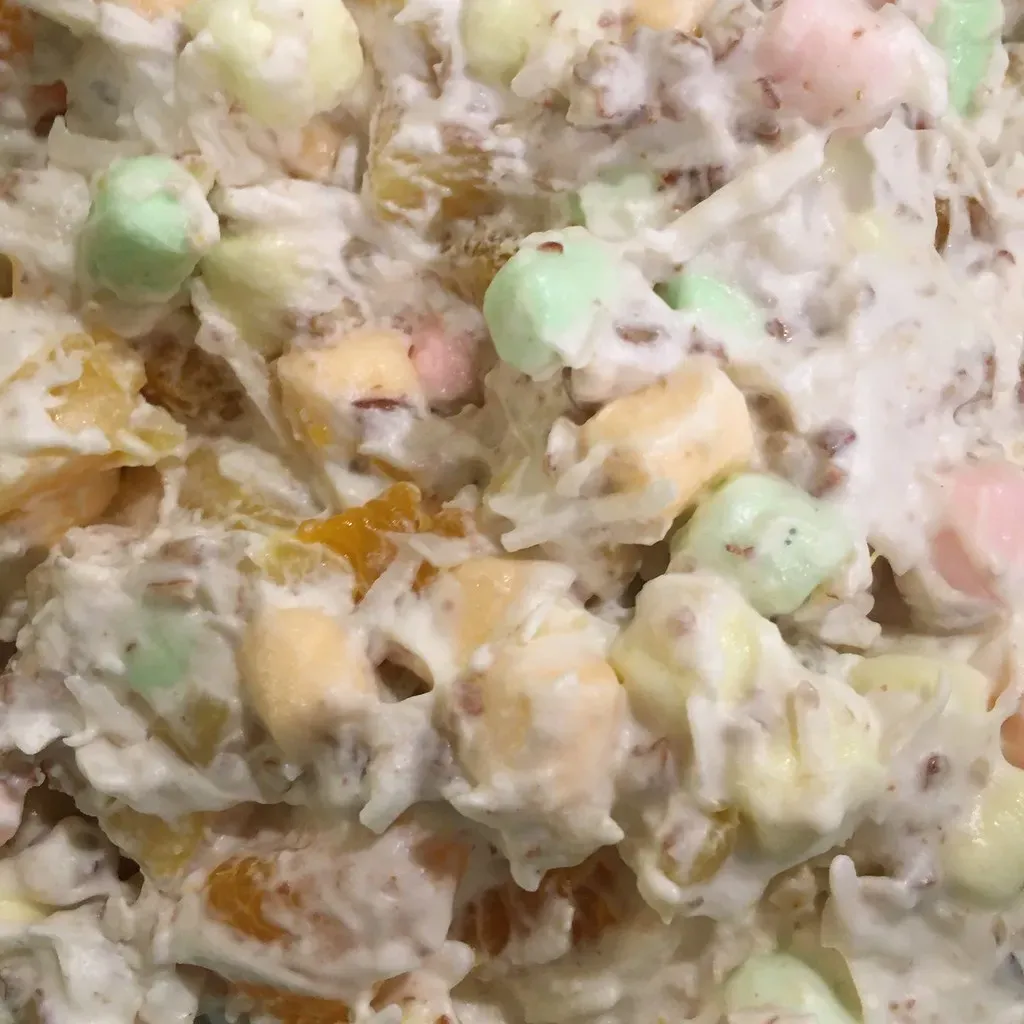
Ambrosia salad, a mix of canned fruit, marshmallows and sweetened cream, lost popularity as Americans reduced sugar intake. Often called the “food of the gods,” this fluffy concoction combined canned mandarin oranges, pineapple chunks, shredded coconut, mini marshmallows, and whipped cream or sour cream into a sweet, tropical explosion. It was a Southern staple at picnics, potlucks, and holiday dinners throughout the mid-20th century. The combination of textures – creamy, chewy, and fruity – was once considered delightful. As health consciousness increased and fresh fruit salads became the norm, this sugar-laden side dish started feeling less like divine food and more like a culinary relic. You might still encounter it at very traditional Southern gatherings, but it’s become more of a nostalgic novelty than a genuine menu staple.
Spam Casserole

This mid century casserole combined canned ham with syrup soaked pineapple, and nutrition researchers point out that Spam contains high sodium and saturated fats, contributing to reduced household use as consumers shifted toward fresh proteins. These casseroles often featured layers of Spam, pineapple rings, brown sugar glaze, and sometimes scalloped potatoes or macaroni, baked until bubbly. The dish represented convenience cooking at its peak – affordable, shelf-stable ingredients that could feed a family without much fuss. As awareness of processed foods’ health impacts grew and fresh meat became more accessible, canned meat consumption plummeted. The stigma attached to Spam and similar products made these casseroles feel outdated and nutritionally questionable, pushing them firmly into vintage cookbook territory.
Succotash
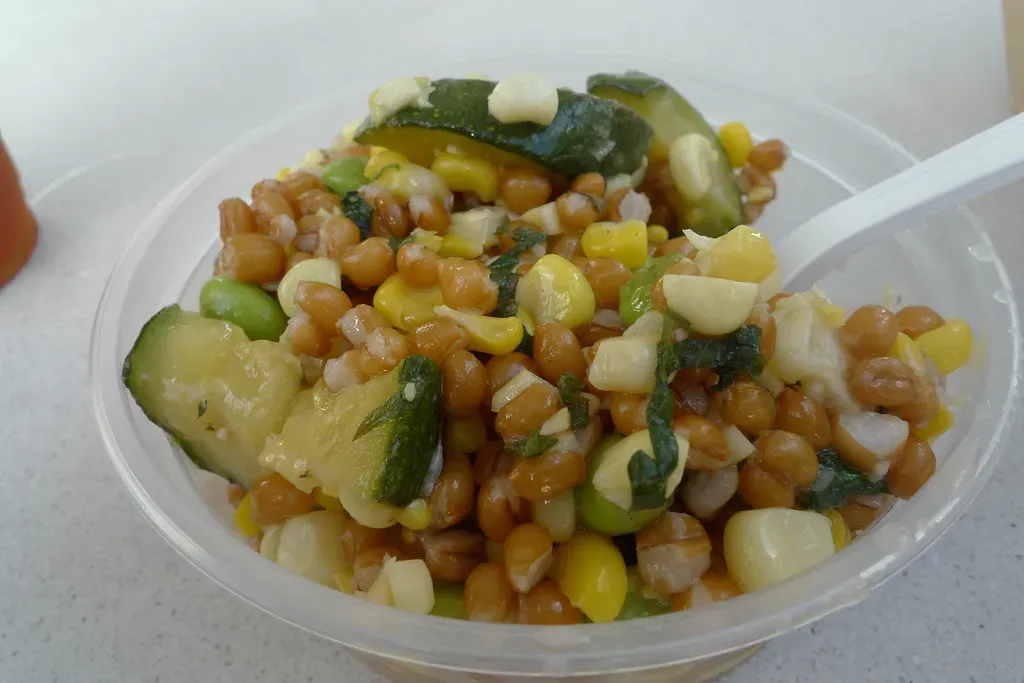
This simple vegetable side dish combining lima beans and corn has deep roots in Native American cuisine but has largely vanished from contemporary American dining. The dish traditionally featured the two vegetables cooked together with butter, sometimes enhanced with peppers or other seasonings for a colorful, nutritious accompaniment to main courses. It was once standard fare at school cafeterias and family dinner tables throughout the country. The problem? Lima beans have fallen dramatically out of favor with modern diners, particularly younger generations who associate them with mushy, unpleasant cafeteria food. Even though succotash can be quite delicious when prepared properly with fresh ingredients, the dish carries baggage that’s proven difficult to overcome. Fresh, diverse vegetable medleys have taken its place on contemporary menus.
Salisbury Steak
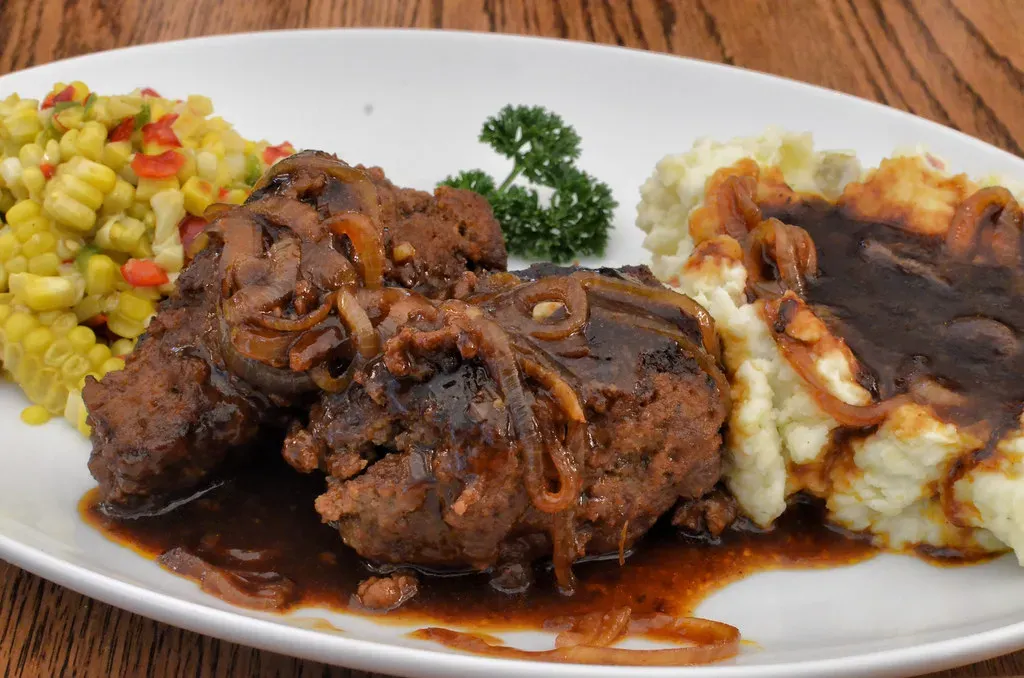
Named after Dr. James Salisbury, who promoted minced beef as a health food in the late 1800s, Salisbury steak became a budget-friendly staple featuring seasoned ground beef patties smothered in rich brown gravy with onions and mushrooms. It hit peak popularity as a TV dinner option and diner special throughout the mid-20th century, offering the taste of steak at a fraction of the cost. Ground beef patties covered in gravy and onions was once the go-to budget-friendly, hearty meal. The dish fell victim to changing perceptions about processed and ground meats, as well as the rise of more diverse global cuisines. What once seemed like an economical treat now feels like a sad substitute for actual steak. You’ll still find frozen Salisbury steak dinners in grocery store freezers, but finding it freshly made at restaurants has become increasingly rare.
Jell-O Molds

During the 1950s and 1960s, molded Jell-O eggs filled with fruit or cream were common at holiday gatherings, but as artificial dyes and processed gelatin lost favor, dietitians reported declining consumer interest, with improved access to fresh desserts and concerns about artificial food coloring contributing to their disappearance. These colorful, jiggly creations came in countless variations – rainbow layers, suspended fruit cocktail, cream cheese swirls, you name it. They represented modernity and convenience in the post-war era, showing off the wonders of packaged foods and refrigeration technology. The decline of Jell-O molds reflects a broader shift toward natural, minimally processed desserts. The artificial colors and flavors that once seemed exciting now feel garish and chemical-laden. Fresh fruit desserts, artisan pastries, and lighter options have taken their place, leaving gelatin molds as kitschy throwbacks to a bygone era of American entertaining.
Conclusion
These dozen dishes represent more than just recipes that fell out of fashion. They’re snapshots of American culinary history, reflecting economic conditions, technological advances, and evolving attitudes about health, convenience, and taste. Many old American dishes disappeared as food safety standards improved, tastes evolved and researchers highlighted health concerns linked to certain ingredients, with several of these meals once being household staples or regional favorites. While most of us probably don’t miss the era of meat suspended in gelatin or casseroles built around canned products, there’s something oddly charming about a time when home cooks put tremendous effort into making ordinary ingredients look extraordinary.
What’s fascinating is how quickly these changes happened. A dish that was everywhere in 1965 might be completely unknown to someone born in 1985. Food culture moves fast, and what seems permanent at one moment can vanish within a generation. So here’s a question to leave you with: what dishes are we eating today that will seem equally bizarre and outdated fifty years from now? Will our grandchildren look back at avocado toast and craft burgers with the same bemused nostalgia we feel toward tomato aspic and liver and onions?