
There’s something quietly exciting about the idea that a dusty old pan sitting in your grandmother’s cabinet could be worth more than your monthly rent. It sounds absurd, but it’s absolutely true. Your grandma’s kitchen cupboards might be housing a small fortune, from timeless cast iron pans to vibrant mid-century casserole dishes that are still loved by many and can be surprisingly valuable today.
The vintage kitchenware market has exploded in recent years. In 2026, what’s old is new again in the kitchen. Millennials and Gen Z consumers continue to embrace vintage dinnerware, heirloom cookware, nostalgic cookie jars, and retro-inspired appliances – blending mid-century charm with modern functionality. The trend reflects a broader desire for character, sustainability, and “neostalgia,” as younger homeowners and renters curate spaces that feel both personal and timeless rather than purely minimalist. You’d be shocked by what collectors are actually paying. Let’s dive in.
Table of Contents
1. Griswold Cast Iron Skillets
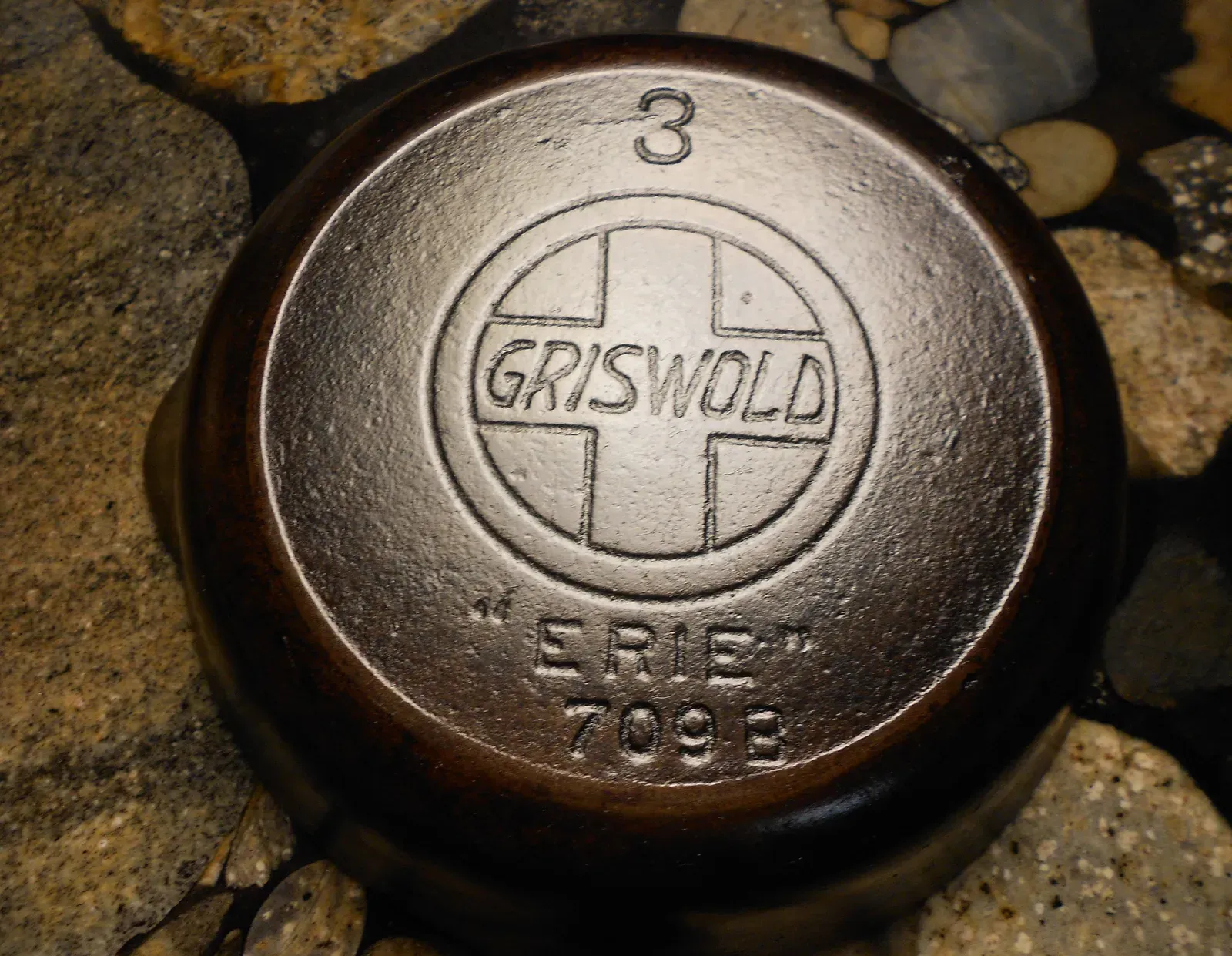
If there’s one vintage kitchen item that’s become almost legendary in the collector world, it’s the Griswold cast iron skillet. Among cooks and collectors, Griswold is the cream of the crop. The company was founded in 1865 in Erie, Pennsylvania, and originally produced hardware like hinges before moving into cast iron cookware. What they created turned out to be something truly special.
What made their skillets extraordinary was exceptional quality – they are far lighter than modern cast iron and have a silky-smooth surface that can fry an egg with no sticking at all. That combination of craftsmanship and history is precisely what drives collectors wild today. In August 2024, one Griswold spider skillet, also stamped with an all-caps “ERIE” for where the company was founded, sold for $10,000 at auction.
In December 2024, a vintage Griswold #14 skillet with a front-pour spot sold for $3,249, and a #13 with a slant logo sold for $2,799.99. Honestly, those are jaw-dropping numbers for something that started life as a cooking pan. Pieces marked “ERIE, PA” were made before 1957 at the company’s original factory and are especially valuable.
2. Wagner Ware Cast Iron Cookware
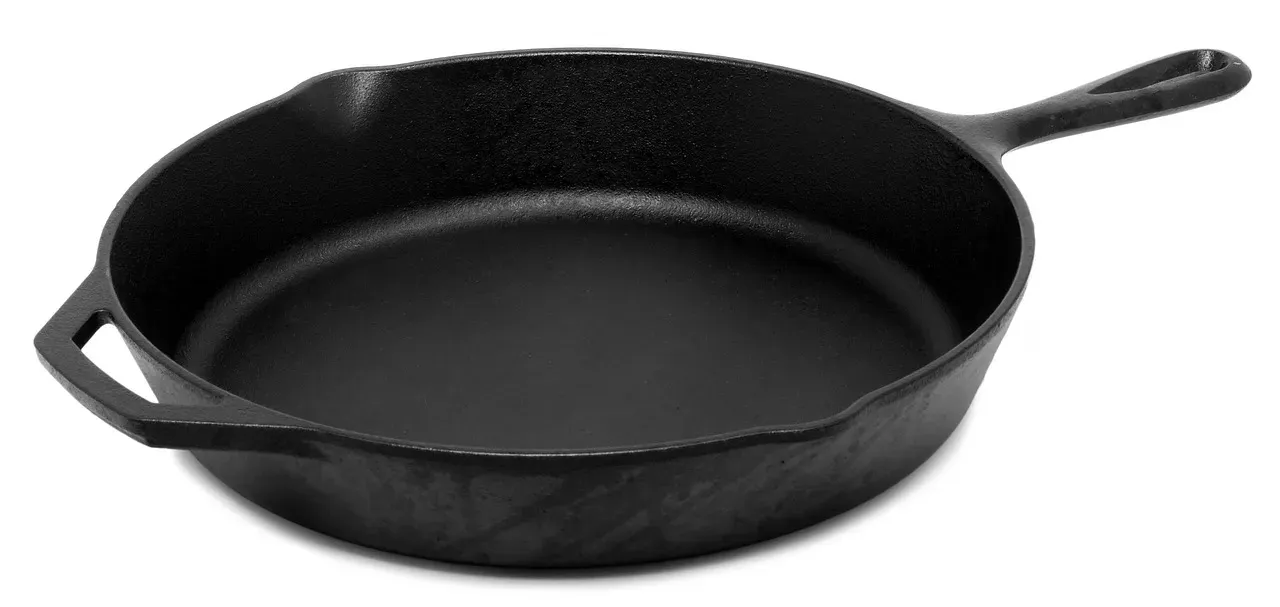
Wagner is Griswold’s closest rival in the world of vintage cast iron, and collectors pursue pieces from both brands with equal obsession. Early 20th-century cast-iron cookware is slightly thinner and smoother than its modern counterparts, and vintage Griswold, Wagner, and Wapak, all now-defunct American makers, have a big following. These aren’t just collector trophies – they’re genuinely superior cooking tools.
What elevates Griswold and Wagner cast iron cookware to a status beyond mere kitchen tools is a combination of age, rarity, and condition. Older, well-preserved pieces, especially those produced before the companies merged in the 1950s, are highly sought after. The merger itself is a key date for any collector to memorize.
A vintage Lodge #12 skillet sold for the respectable sum of $1,280, while a vintage Wagner Ware #13 skillet sold for $949 in November 2024. For a pan you might find at a yard sale for a few dollars, those numbers feel almost surreal. The key to identifying these valuable pieces is their distinctive markings, usually the brand name and place of manufacture. These markings are not just branding stamps but gateways to the history of the cookware.
3. Vintage Pyrex Patterned Glassware
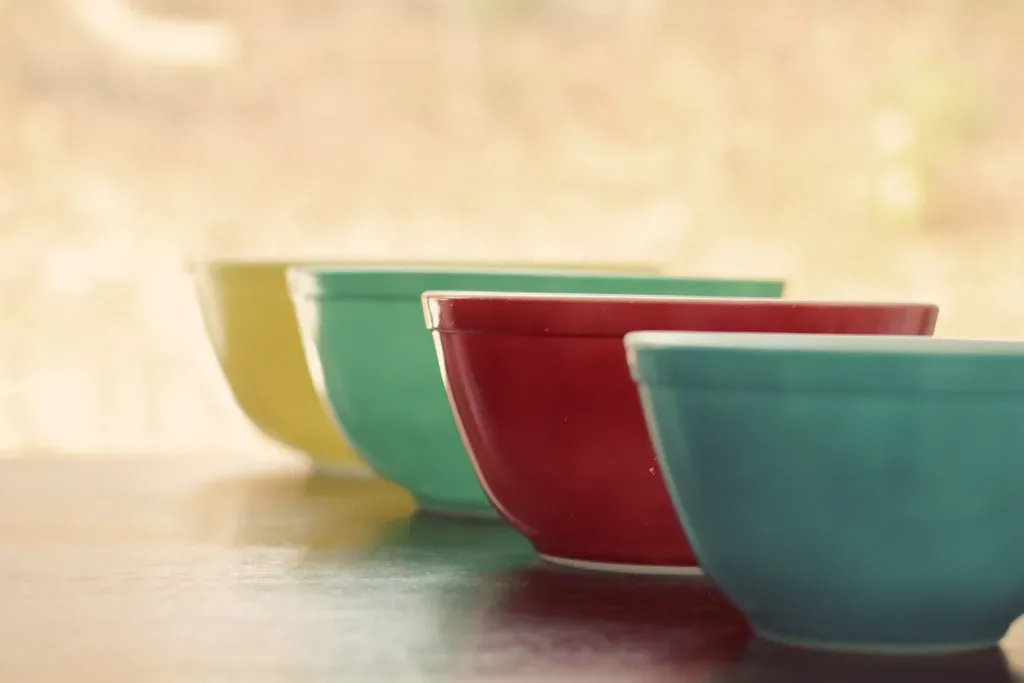
Here’s the thing – most people see old Pyrex bowls and think “thrift store fodder.” They’d be making a very expensive mistake. The collecting base for vintage Pyrex is about as vast as the product line itself. Die-hard collectors may spare no expense for a chip-and-dip set with a rare hot air “Balloons” pattern, while casual collectors may simply drop $20 for a replacement green ’70s-era “Dots” bowl.
A green “Spring Blossom” butter dish and lid sold for $20.99 in December 2024. Compare this to a rare orange “Barcode” casserole dish that sold for $1,995 in November 2024, or a rare “Butterprint” dish featuring the Lady on the Left that sold for $3,050. Complete sets regularly sell for upwards of $500. The price gap between a common piece and a rare one is staggering.
One of the rarest Pyrex patterns is the Duchess, released in 1959 as a promotional item for Stanley’s hostess parties. The pattern features a beautiful 22K gold floral scroll on a pale pink milk-glass background. A complete set with all the additional items can be worth $1,000 to $3,500, even more with the original pink box. So, don’t toss that casserole dish.
4. Ball Mason Jars in Rare Colors
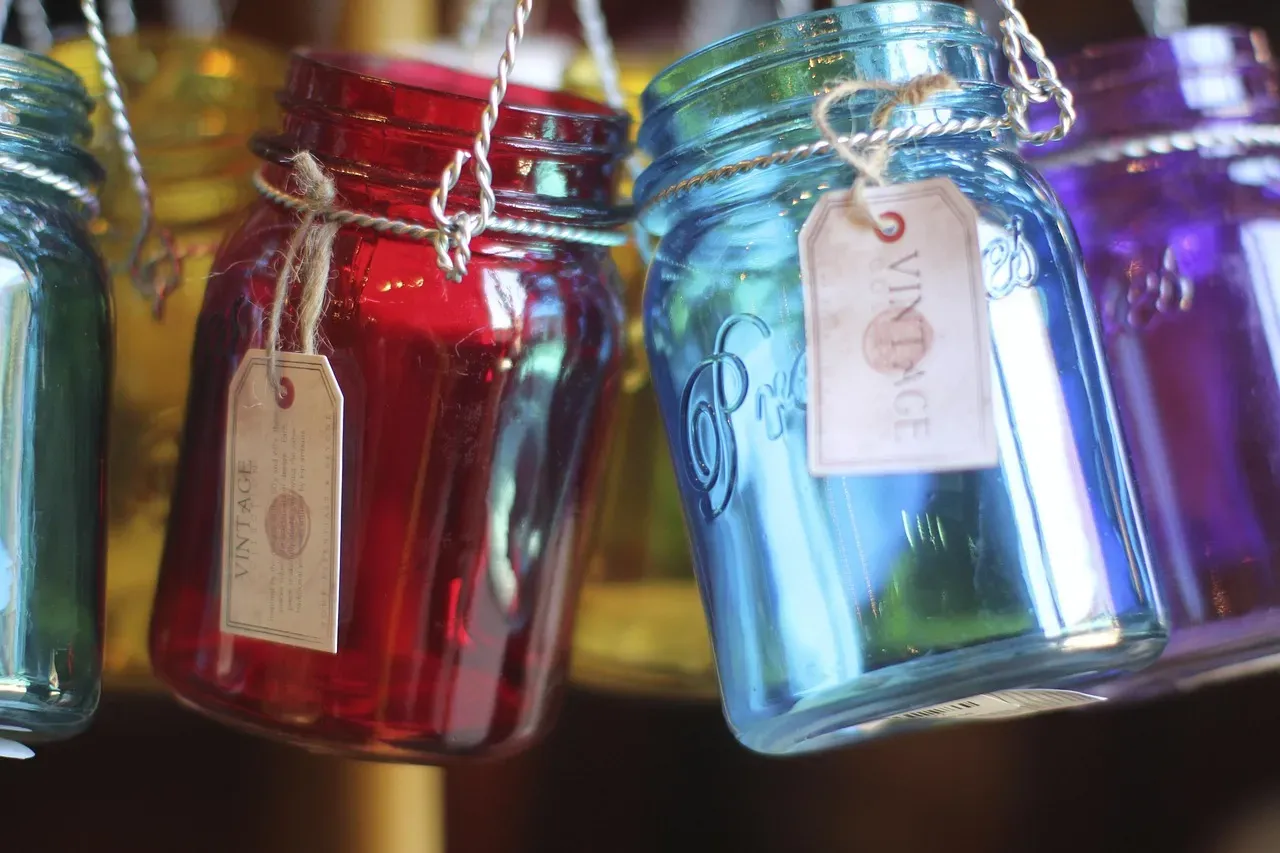
Mason jars. You’ve seen them everywhere – at farmers markets, in coffee shops, at your aunt’s house holding pencils. They look totally ordinary. What most people don’t realize is that certain versions of these humble glass jars have become wildly valuable. The original Mason jar was invented in 1859 by John Landis Mason, a New Jersey tinsmith. Though he died in poverty, his name lives on. The Ball Corporation got its start in 1880 when brothers Frank and Edmund Ball borrowed $200 from their uncle.
For collectors, the value of a Ball Mason jar depends on its age, color, size, and imperfections. Rare colors like dark green and purple can fetch high prices online and in antique stores, and a single jar can easily sell for over $100, with rare examples listed for up to $2,000. A single jar. Let that sink in.
The most sought-after version is the blue Ball jar, introduced in the 1890s. Its distinctive blue shade was believed to block sunlight and preserve food longer, and the color “Ball Blue” is named after the distinct glass. Production of this glass stopped in 1937, but these jars remain a favorite among collectors. The most famous brand is the Ball Mason jar, which can earn you more than $100 and up to $2,000 for a rare specimen. Another brand, the Van Vliet, can fetch up to $20,000.
5. Vintage Hobart KitchenAid Stand Mixers
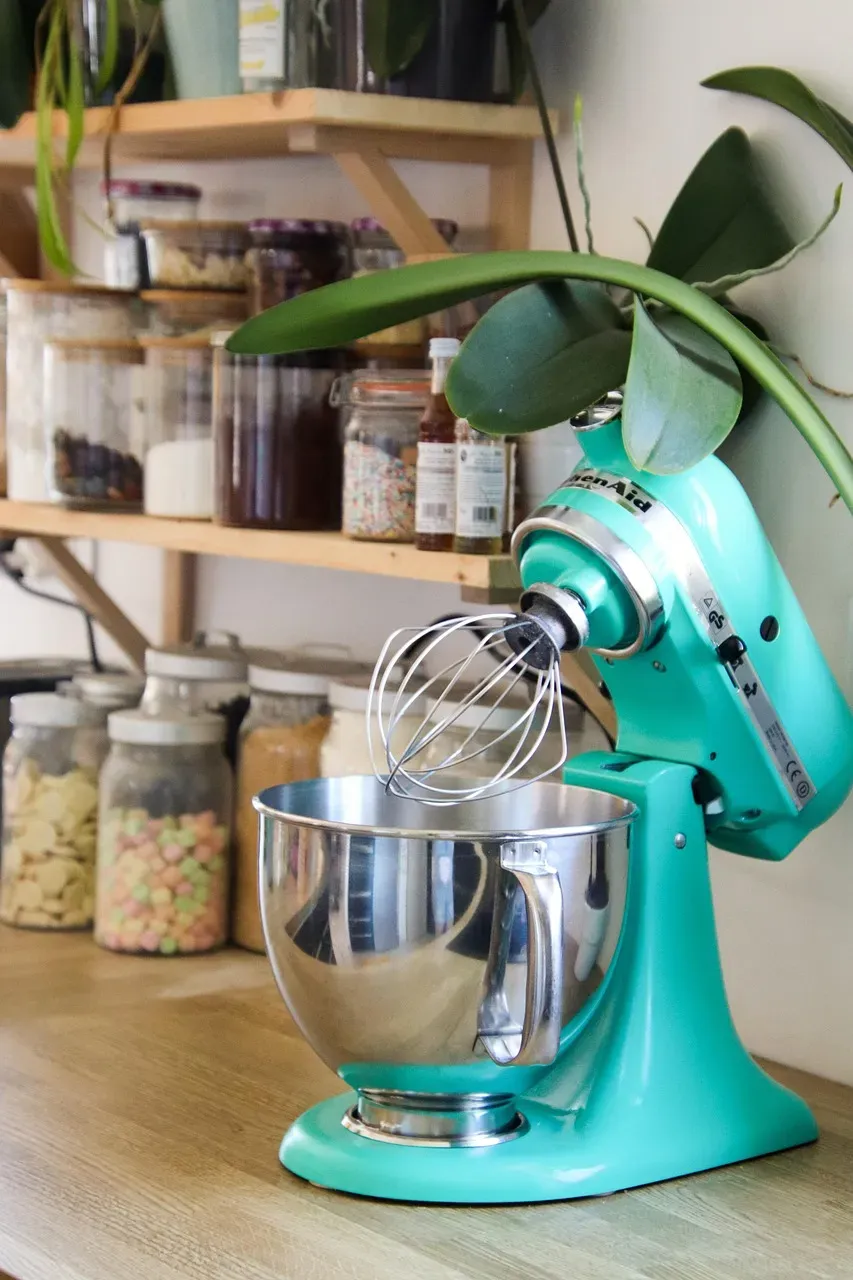
Everyone knows KitchenAid mixers look cool on a kitchen counter. Most people just don’t know that the old ones are worth a serious amount of money. In 1908, the Hobart Manufacturing Company created the Model H, a massive 80-quart mixer used in commercial bakeries, restaurants, and even aboard naval ships. A decade later, in 1919, Hobart introduced the Model H-5, a smaller version designed for home cooks. Though it looked more like lab equipment, it was a game-changer.
Vintage Hobart KitchenAid mixers are perhaps the most highly collectible, cherished for their durability and retro charm. Made by Hobart from the 1930s through the 1980s, these mixers are often crafted from heavy-duty metal with a timeless design, and many are still in working order today. That’s a remarkable track record for any appliance.
In 1986, Hobart sold the KitchenAid mixer to Whirlpool. Anything pre-1986 is definitely vintage, and if you can find the Hobart name stamp on the mixer, the value increases. Other details to look for are model number, color, condition, and whether the mixer comes with its original KitchenAid attachments. Older mixers in popular colors can fetch $150 to $500 on sites like eBay, while rare Hobart versions, like the H-5 and G, can sell for even more if they’re in good condition.
6. Fire-King Jadeite Glassware
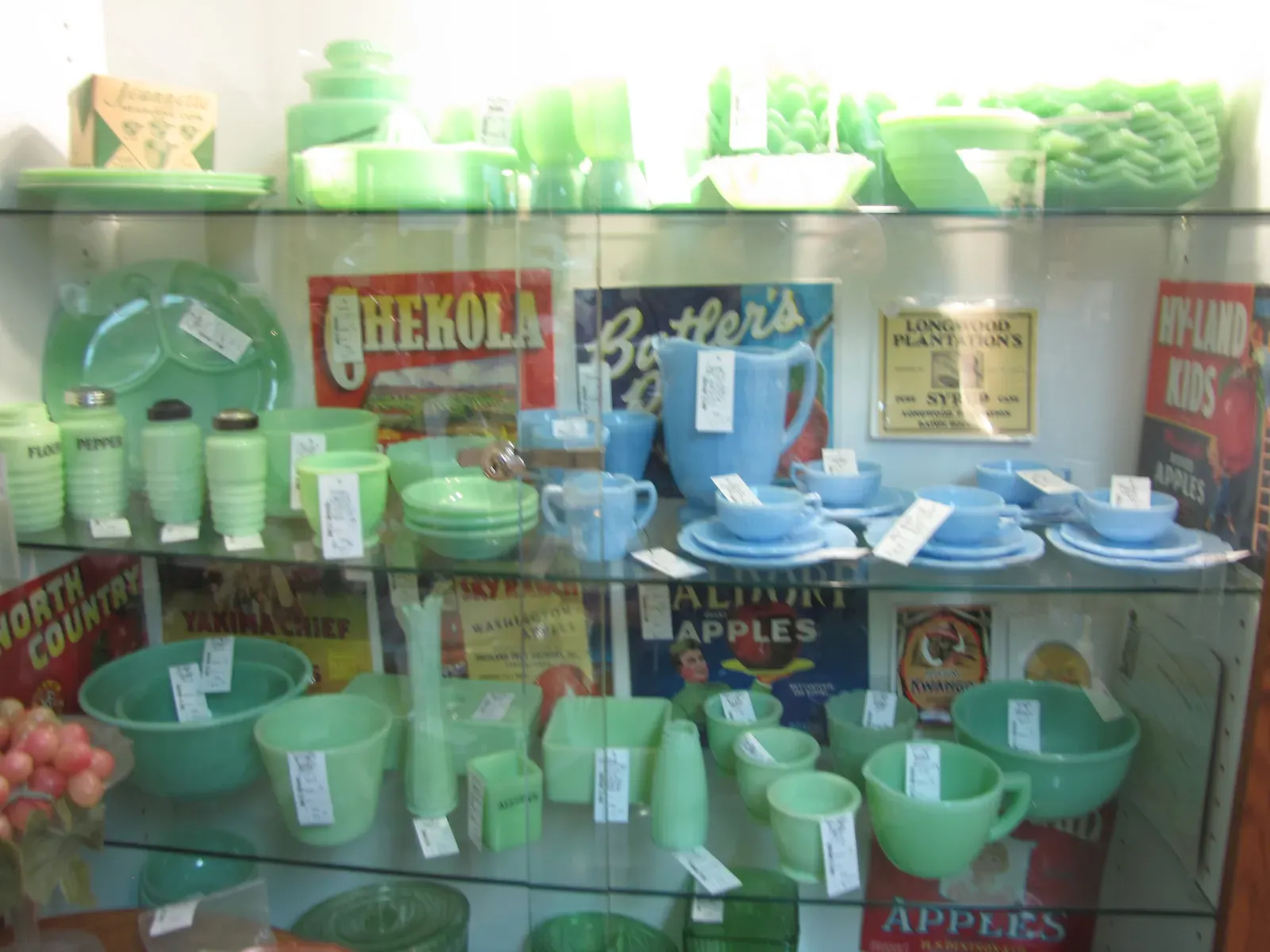
There’s something visually addictive about jadeite. That milky, opaque mint-green glass has an almost dreamlike quality, and it turns out the market agrees. Vintage jadeite glassware, made by companies like Fire-King and McKee, became a staple in Depression-era and postwar kitchens thanks to its cheerful hue and durable design. It was everywhere back then. Today, finding it is a real hunt.
Collectors looking for vintage wares can distinguish older jadeite by the manufacturer’s mark, embossed patterns, and, for prewar jadeite, a black-light glow due to the uranium present in the glass. Vintage jadeite is a popular collectible found in all sorts of markets. Yes, uranium. That’s not a typo. Pre-war jadeite contains actual trace uranium, which is why it glows under a black light – and why it’s so treasured.
The condition of the dishes wildly affects their price. Fire King jadeite can sell for as little as $5 or as much as $1,000, and pristine limited-manufacture pieces can go north of $5,000. Mint-green jadeite can fetch between $5 and $5,000, depending on its rarity and condition. The range is enormous, which is exactly what makes the hunt so thrilling for collectors.
7. Le Creuset Enamel Dutch Ovens (Vintage Colors)
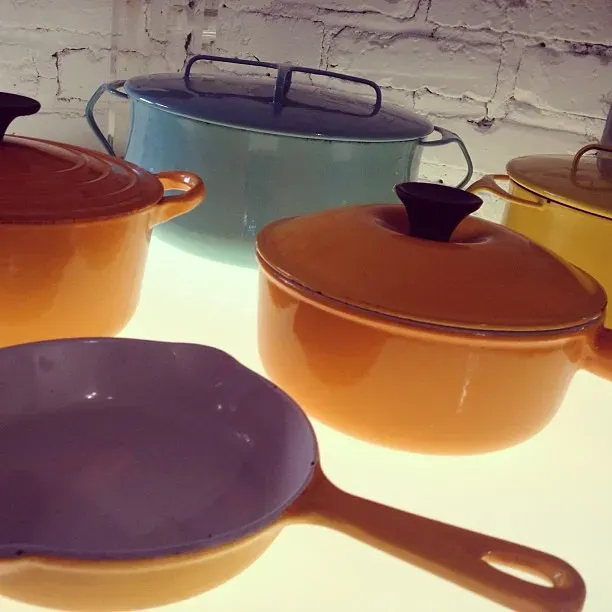
Le Creuset is still very much alive and selling beautifully today, but it’s the older pieces – the ones your parents or grandparents might have used – that have become surprisingly collectible. Age doesn’t always knock down the value. The company has gone through a lot of colors in its time, some of which have been discontinued, making them rare and collectible. Design changes have moved the handle from an integrated part of the lid to a separate black knob.
Volcanic Flame Le Creuset skillets are highly sought after for their vibrant color and exceptional quality. Produced in the mid-20th century, these enameled cast iron skillets showcase the brand’s signature craftsmanship. The bold orange-red hue, known as Volcanic Flame, is a fan-favorite color. Collectors value these skillets for their rarity, as specific models and sizes can be hard to find.
A vintage 28-size Dutch oven can sell for around $250 to $350. A nice set of vintage Le Creuset cookware will attract plenty of impressive bids, and a minimalistic Le Creuset cookware set in lilac is listed at $1,200 on eBay. Lilac Le Creuset. Somebody’s grandmother had great taste and didn’t even know it.
8. CorningWare Blue Cornflower Dishes
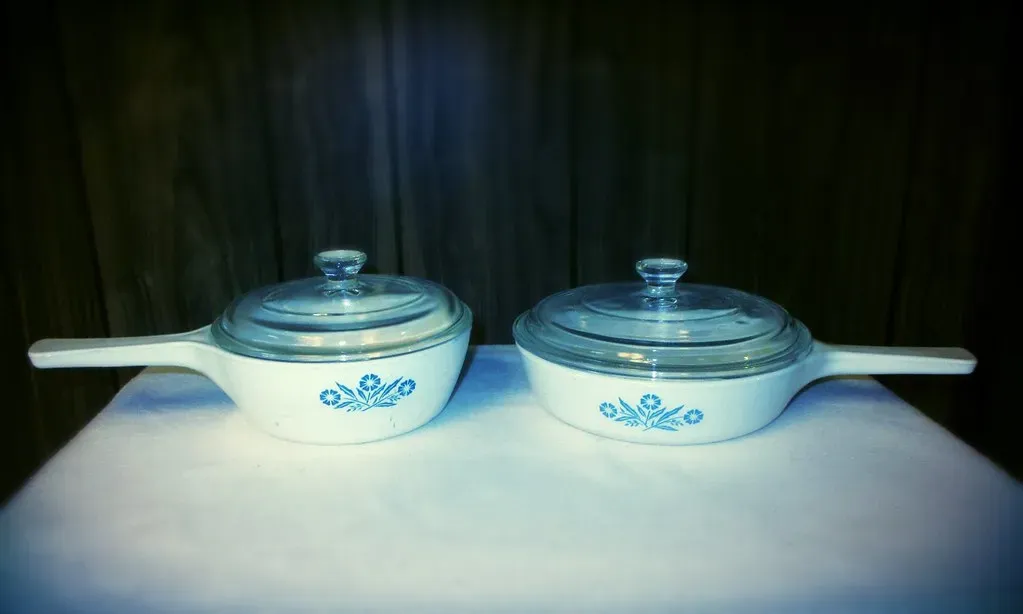
Before every home had a microwave, CorningWare was the go-to for cooking, freezing, and serving all in the same dish. It was practical. It was everywhere. Corning Ware’s Blue Cornflower sets are beloved classics in the vintage kitchenware world, coveted for their durability and iconic design. Produced from the late 1950s through the 1980s, these dishes feature a simple yet elegant blue cornflower motif on white glass and were a staple in mid-century American kitchens.
According to antiques expert Dr. Lori, “CorningWare, particularly the 1970s patterns, are all the rage with collectors now.” The collectibility of CorningWare lies in its unique patterns and limited edition pieces. Rare designs such as the Wildflower or Blue Cornflower series with specific stamps or production dates are highly sought after by collectors and can command high values on the vintage market.
It’s a good reminder that something being “common” in one era doesn’t mean it stays that way. CorningWare continues to hold a special place in the hearts of many. It’s not just about cooking or serving food – it’s about the memories associated with family gatherings, holiday meals, and the comfort of home cooking. Nostalgia, it turns out, has a very real market value.
9. Vintage Carbon Steel Kitchen Knives
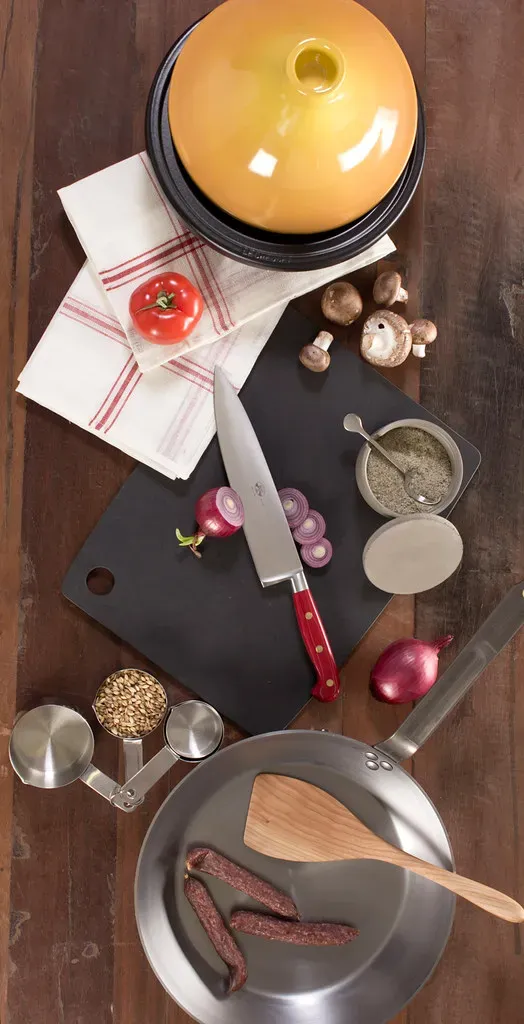
Most people walking through an antique shop would breeze right past a rusty old knife. That would be a mistake. For much of the 20th century, carbon steel was considered the superior material for kitchen knives in comparison to stainless steel. For vintage collectors, carbon steel remains the gold standard, particularly if you’re willing to put in a little maintenance.
Carbon steel is a special material for knives: it sharpens easily and holds its edge for a long time. However, one big tradeoff is that it will rust if neglected. That’s why a crusty old knife in an antique store could actually be a high-quality carbon steel blade left to the elements. Although severe rust can thin the metal, many rusted knives can be restored to their former glory.
Well-known vintage brands include Sabatier from France and F. Dick from Germany, and the knives have been listed for as high as $500. Five hundred dollars for what looks like a battered kitchen knife. I know it sounds crazy, but for knife enthusiasts and chefs who understand the difference carbon steel makes, it makes perfect sense. These blades also develop a unique patina over time that chefs and collectors adore.
10. Cathrineholm Enamelware (Lotus Pattern)
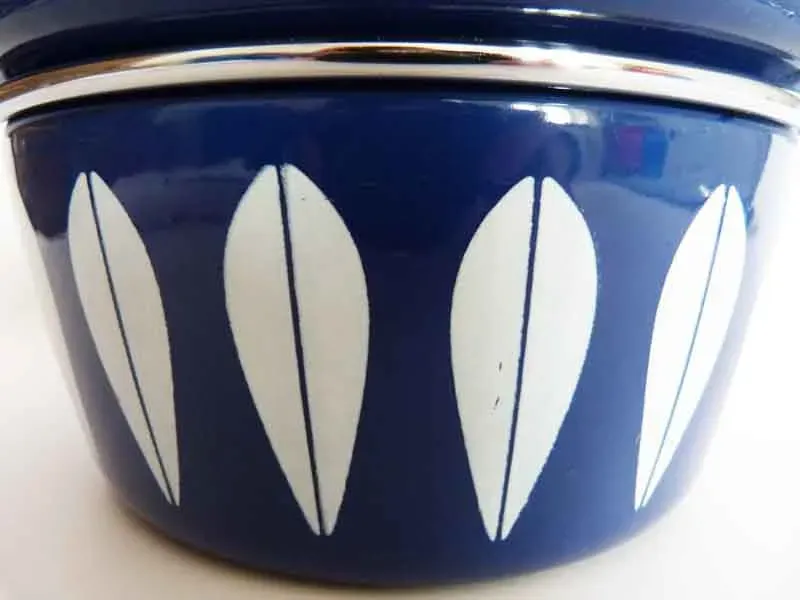
This one surprises most people. It’s not American. It’s not a brand most casual collectors know. Yet Cathrineholm enamelware from Norway is genuinely one of the most coveted vintage kitchen items in the collector market right now. Cathrineholm enamelware is celebrated for its striking designs and high-quality craftsmanship, particularly known for the iconic lotus flower pattern. Produced in Norway from the 1950s to the 1970s, this enamel cookware features vibrant colors, most notably the signature green and white lotus motif on a glossy background, making it a sought-after collectible among vintage enthusiasts.
The appeal of mid-century enamelware lies in its rarity and condition. Collectors seek unique patterns and limited editions, especially those in excellent condition with minimal chipping or fading. Items by well-known designers or brands, or those that embody the iconic designs of the 50s and 60s, are especially prized.
Think of Cathrineholm as the Scandinavian cousin of Pyrex – equally graphic, equally nostalgic, and increasingly hard to find in good condition. For collectors and enthusiasts, mid-century enamel is more than a kitchen accessory – it’s a living piece of history. Each colorful pot or pan tells a story of a bygone era. Caring for these pieces requires a gentle approach; hand washing and careful storage are critical to preserving the integrity of the enamel.
11. Vintage Copper Pots and Mixing Bowls
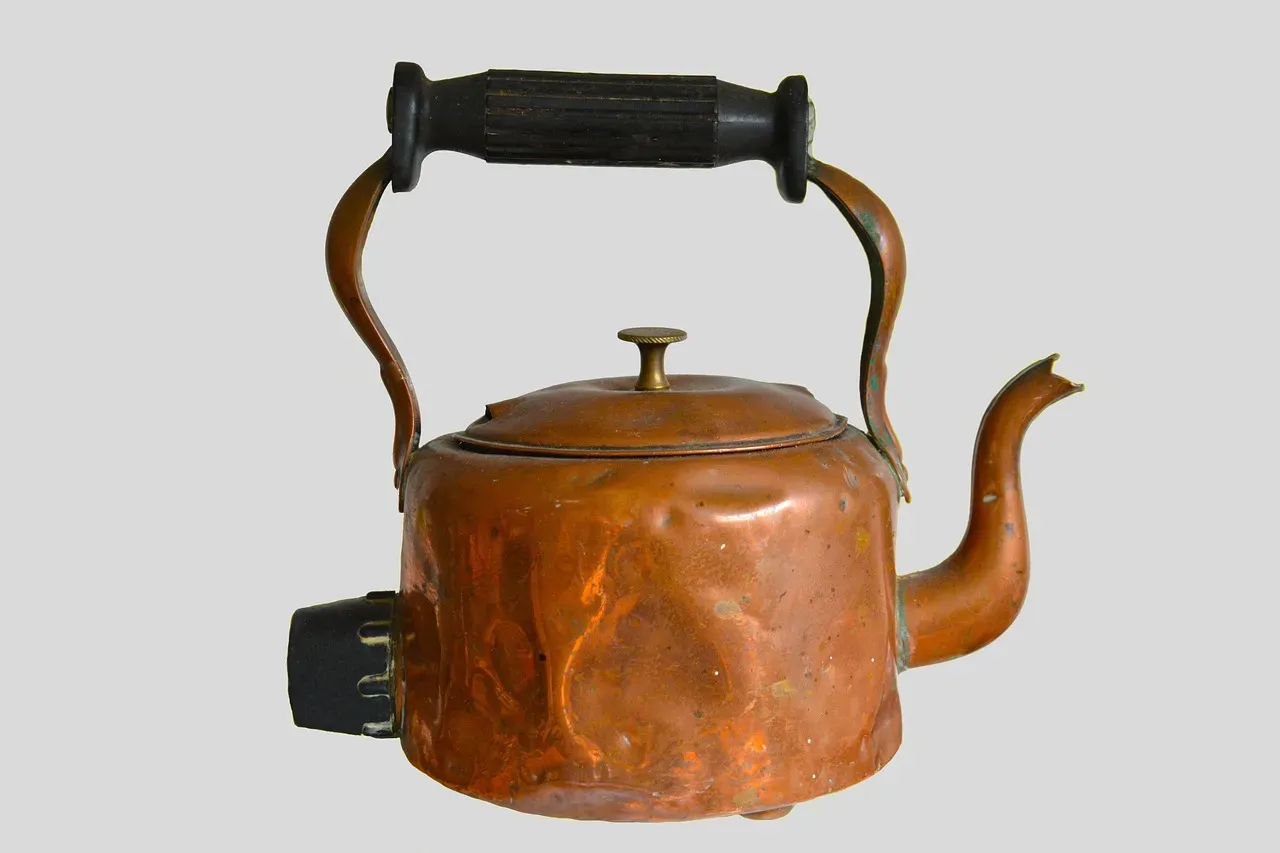
Copper cookware has been used in professional kitchens for centuries, and it never really went out of fashion among serious cooks. What’s changed is the antique market’s appetite for older, handcrafted copper pieces. Beautiful and functional, copper mixing bowls, pots and pans are definitely back in vogue. Cooks and collectors display the glimmering cookware on racks in their kitchens for all to see. Age, copper thickness, and condition of the inner tin layer can determine the price.
Before plastic Tupperware and nonstick pans were kitchen mainstays, cookware was crafted from durable, high-quality materials like iron, copper, and enamel. Manufacturers took pride in their craftsmanship, and many of these wonderfully crafted items were made in the U.S.A. That heritage is a huge part of the appeal today.
A five-piece copper set from 1899 was for sale on Normandy Copper for more than $1,100 in October 2025. Honestly, a century-old copper pot that’s still usable and beautiful is a remarkable thing. There’s a thriving resale market for cookware, for use and for display, and vintage items can be worth quite a bit. Vintage copper pots to decorate a kitchen can go for hundreds or even thousands of dollars today. It’s investment-grade cooking equipment hiding in plain sight.
What to Do If You Think You Have Something Valuable
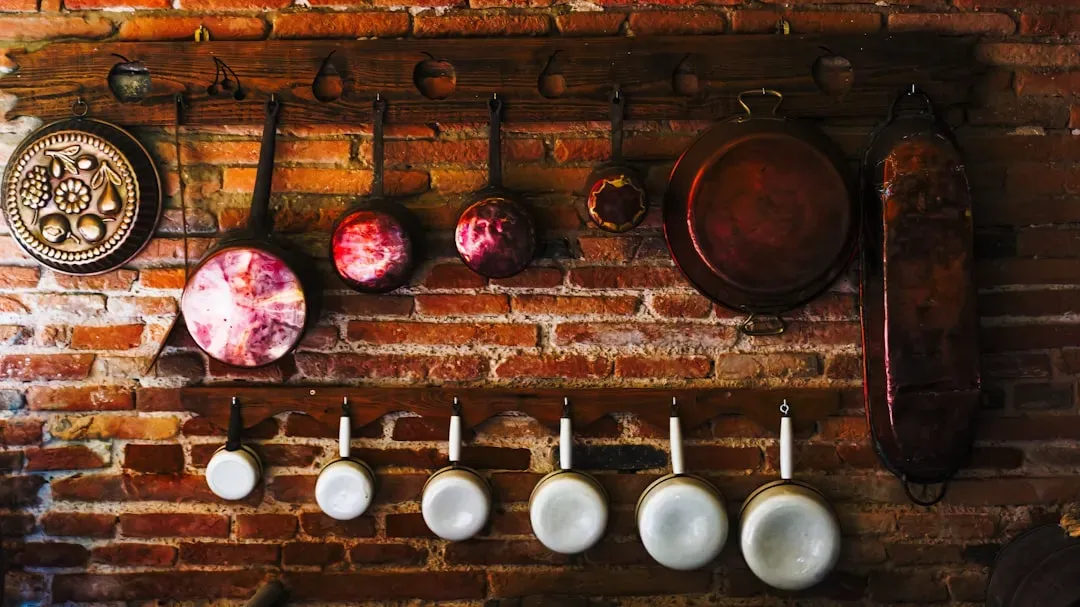
Before you donate that old pan or toss that weird green bowl into a yard sale box, slow down. The difference between a $5 thrift store find and a $5,000 collector’s piece often comes down to a marking on the bottom, a specific color, or the year it was made. Brands and condition greatly affect the value of these items. Common finds include old cookware, dishware, and small appliances. Collectors often seek unique designs and rare pieces. A little research can help you identify which items might be worth money.
Condition is a major factor in setting a price – a clean and properly-seasoned piece will bring a higher price than will one that is not clean and seasoned. That applies to almost everything on this list, whether it’s cast iron or Pyrex or jadeite. The best place to score a great deal on cast iron is at a yard sale, where the seller may price low not realizing the full value. Online sources like eBay and Etsy have the most readily available and wide range of choices, but it’s still important to research the product well before you purchase.
The bottom line? Your kitchen might be hiding something extraordinary. Flip that old pan over, check the bottom of that casserole dish, and look up that dusty mixer’s serial number. You really never know. What would you have guessed that rusty old Griswold skillet in the back of the cabinet was worth?