
Table of Contents
Meatloaf Smothered in Ketchup
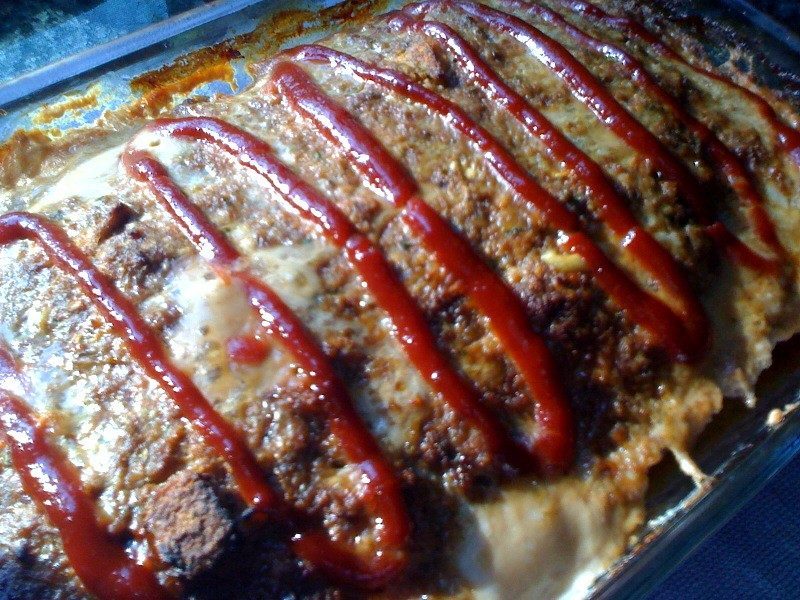
Let’s be real, if you grew up with a middle-class family in the sixties, you probably saw meatloaf on your dinner table at least once a week. This wasn’t just any meatloaf though. Every family had their own secret twist, mixing ground beef with breadcrumbs and spices in ways that made each version slightly different. The real star of the show was the thick layer of ketchup slathered on top, which caramelized in the oven into something that somehow made everything taste better.
Cooking at home in the 1960s became significantly easier thanks to the explosion of convenient and pre-packaged foods and the new accessibility of kitchen appliances. Families could skip the restaurant and whip up something tasty without spending hours in the kitchen. It’s hard to say for sure, but I think meatloaf became so popular because it stretched the food budget while still feeling like a proper meal that brought everyone to the table.
Tuna Noodle Casserole With Crunchy Topping
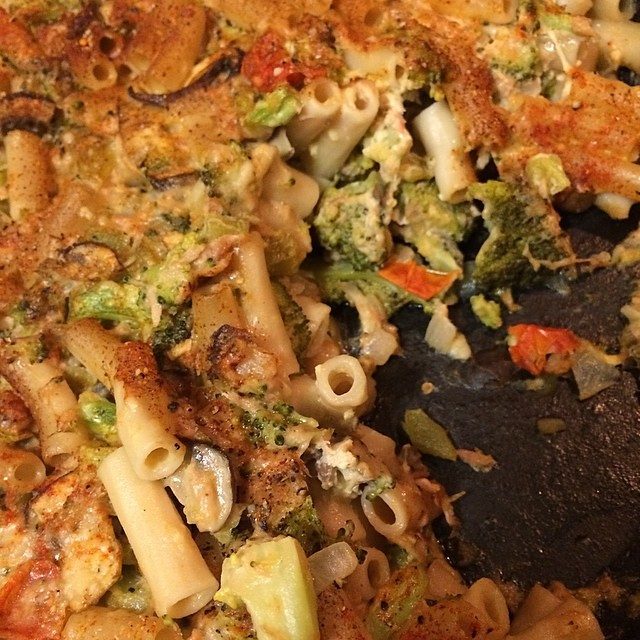
Topped with crushed potato chips or breadcrumbs, tuna noodle casserole defined mid-week family meals, and Campbell’s soup cans even featured the recipe prominently on labels. Opening a can of cream of mushroom soup, mixing it with egg noodles, tuna, and frozen peas was basically a ritual. Then came the best part, that crunchy potato chip topping that turned golden brown in the oven.
The casserole’s appeal lay in its adaptability, with peas, celery, or water chestnuts adding variety while keeping costs low, and many Baby Boomers recall this dish appearing weekly in childhood. Honestly, it wasn’t fancy, and some versions were a bit watery or bland. Still, there was something comforting about that creamy texture and the way it filled you up without breaking the bank. The whole thing could be assembled in minutes and popped in the oven while parents caught up on chores or homework duty.
Swedish Meatballs Drenched in Cream Sauce
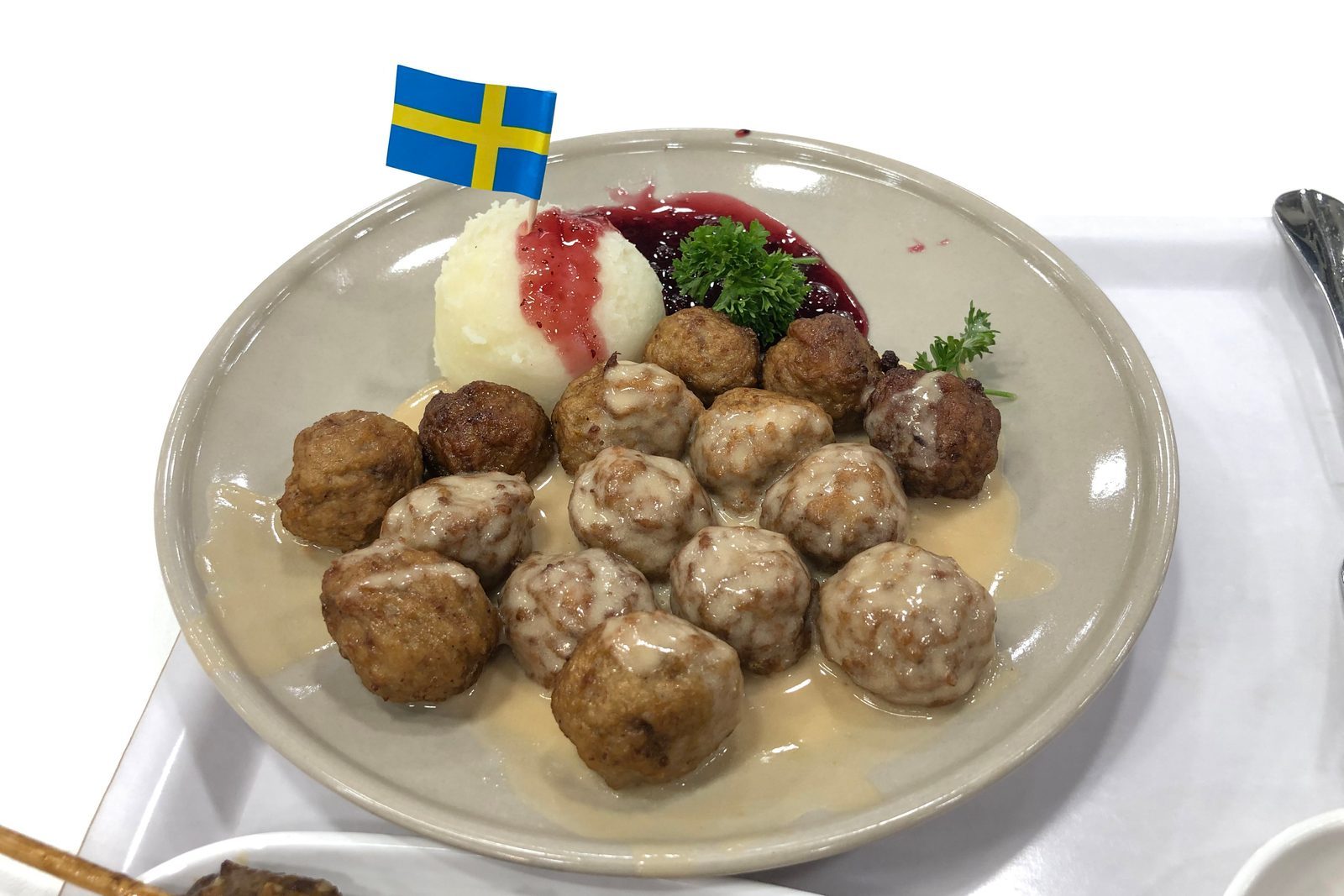
In the fifties and sixties, Scandinavian design and culture became popular in the U.S., and part of that was the popularity of Swedish meatballs, which were made far easier by the accessibility of cream of mushroom soup. These little spheres of seasoned meat swimming in a rich, creamy sauce became a dinnertime favorite for families looking to jazz up their weekly rotation. The dish felt worldly and a bit sophisticated, even if most versions bore little resemblance to what you’d actually find in Sweden.
People loved serving Swedish meatballs over egg noodles or rice, creating a hearty meal that satisfied even the pickiest eaters. The use of that canned cream soup was a game changer, turning what could have been a labor-intensive recipe into something manageable for busy weeknights. It tasted rich and indulgent without requiring culinary school skills or a long list of fancy ingredients you couldn’t pronounce.
Pork Chops With Gravy and Mashed Potatoes
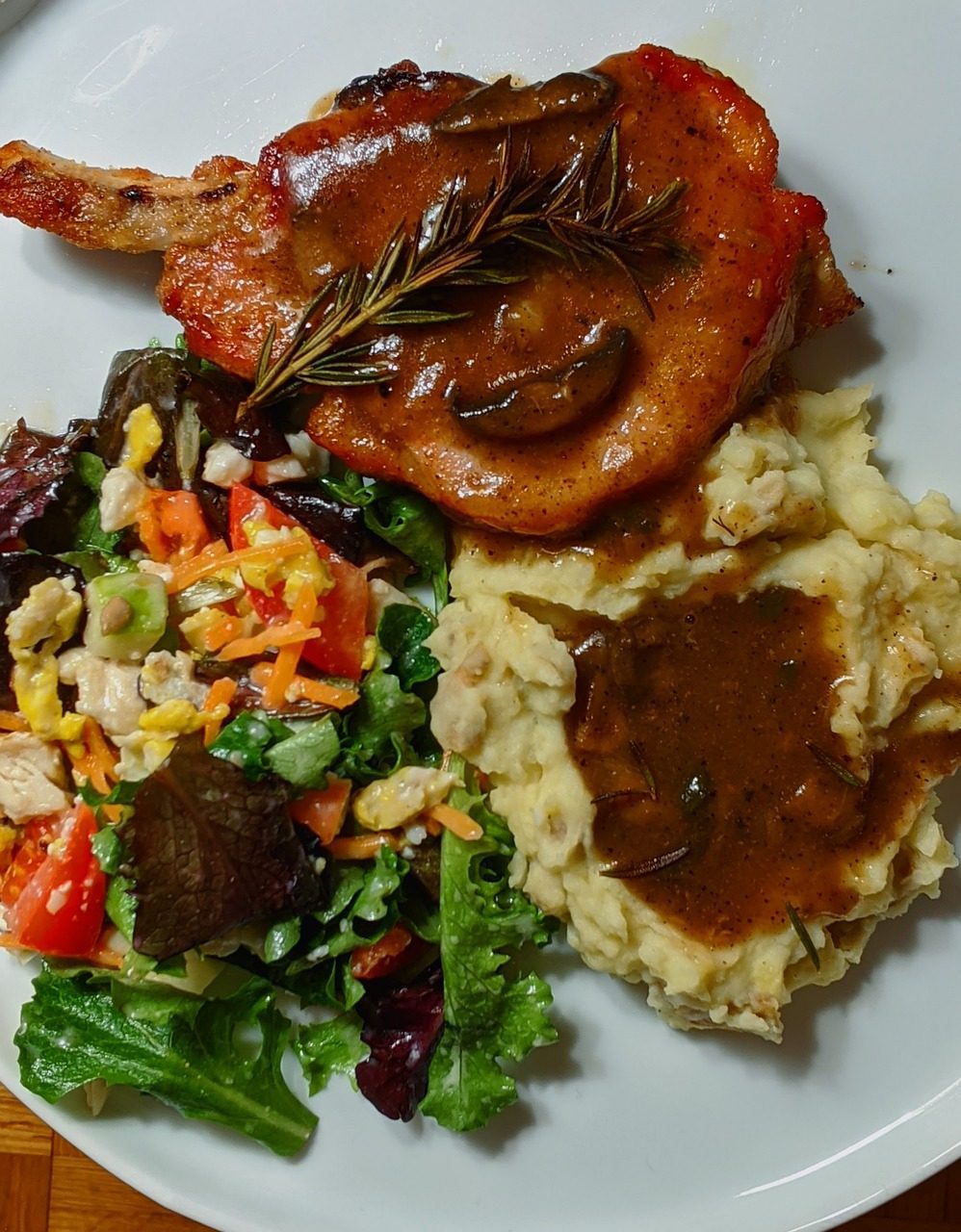
Pork chops had a big moment in the sixties, usually served alongside some mashed potatoes and gravy, or maybe a fruit glaze if somebody was trying to be fancy, and you’d see pork steaks at BBQs and county fairs all over the place too. These affordable cuts of meat could be fried, baked, or grilled, making them incredibly versatile for families on a budget. Some moms would dust them in seasoned flour before pan-frying, creating a crispy exterior that paired perfectly with creamy mashed potatoes.
The gravy was often made from the pan drippings, which meant nothing went to waste. That thrifty mindset defined so much of sixties home cooking. Sometimes families would get adventurous and add a sweet glaze made from canned pineapple or apricot preserves, which sounds odd now but somehow worked back then. What really mattered was getting a filling meal on the table without spending a fortune, and pork chops delivered on that promise every single time.
Jell-O Salads With Mysterious Ingredients
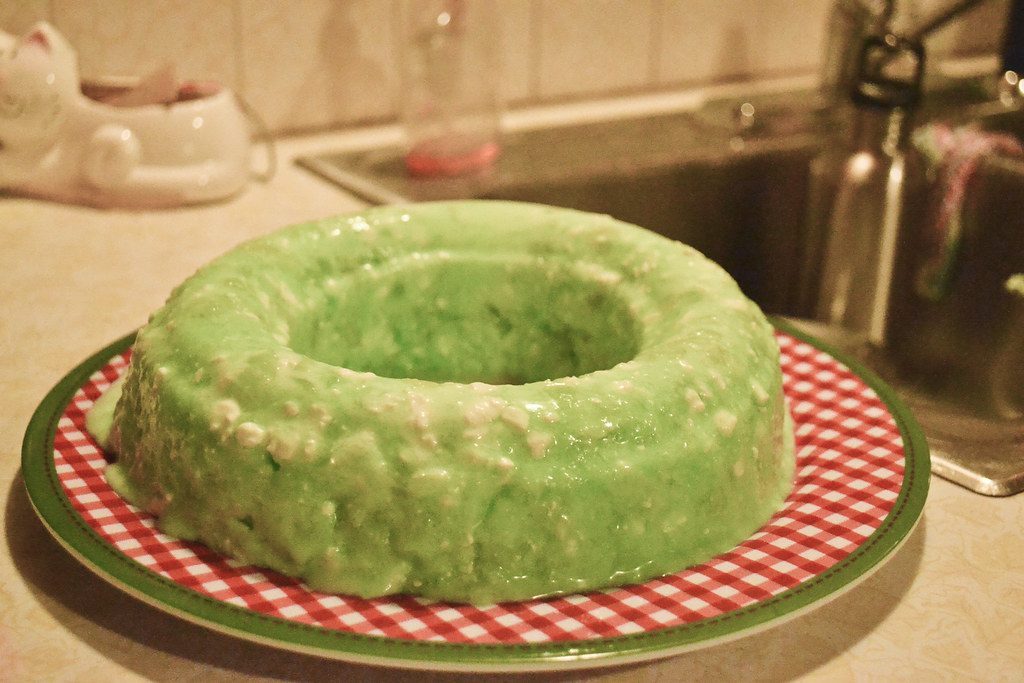
Jell-O’s popularity continued to increase around this time, not to mention more people making aspic after it was popularized by Julia Child, and this was either your favorite or least favorite part of the meal. These wobbly, colorful creations showed up at nearly every potluck, holiday dinner, and family gathering throughout the decade. From the 1930s to the 1960s, Jello salads were a fashionable dish to make and consume, and if you grew up during this era, you probably had Jello salads at almost every celebration.
Some versions were surprisingly tasty, mixing lime Jell-O with cottage cheese, crushed pineapple, and pecans. Others were downright bizarre, suspending vegetables or even seafood in fruity gelatin. The appeal wasn’t always about flavor. These molded salads looked impressive on the table, and they could be made ahead of time, which was a huge plus for busy hosts. Whether you loved them or hated them, Jell-O salads were impossible to escape in the sixties.
TV Dinners in Aluminum Trays
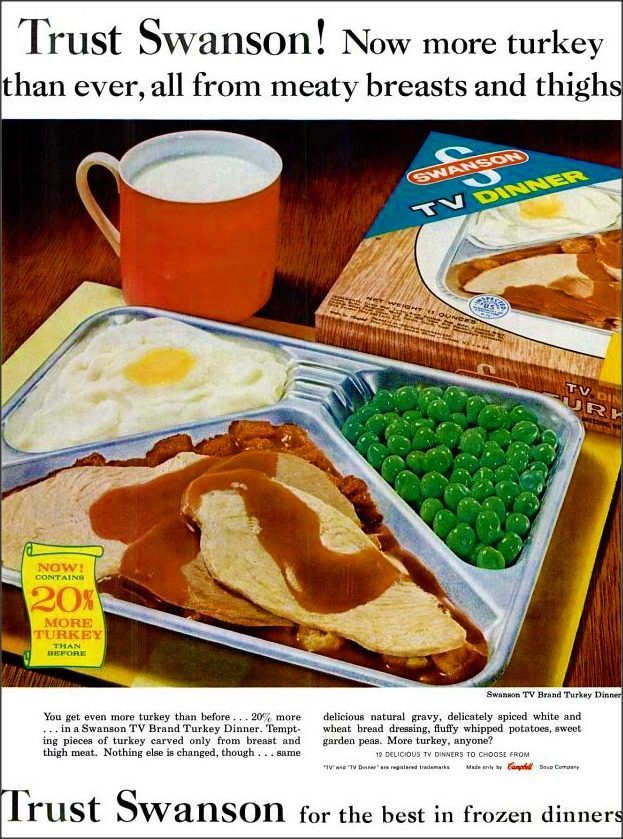
According to the most widely accepted account, a Swanson salesman conceived the company’s frozen dinners in late 1953 when the company had 260 tons of frozen turkey left over after Thanksgiving, and Swanson introduced America to its TV dinner at a time when millions of white women entered the workforce in the early 1950s. Pop them in the oven, and 25 minutes later, you could have a full supper while enjoying the new national pastime: television, and by 1960, more than 87 percent of U.S. households had television sets.
The compartmentalized aluminum trays kept the turkey, corn, and mashed potatoes from touching, which somehow made the whole experience more appealing, especially to kids. These dinners weren’t gourmet by any stretch, yet they symbolized modernity and convenience in an era obsessed with both. Some men even wrote angry letters complaining about the loss of home-cooked meals, though plenty of families embraced the convenience with open arms. TV dinners became a staple that perfectly captured the spirit of the times.
Chef Boyardee Canned Pasta
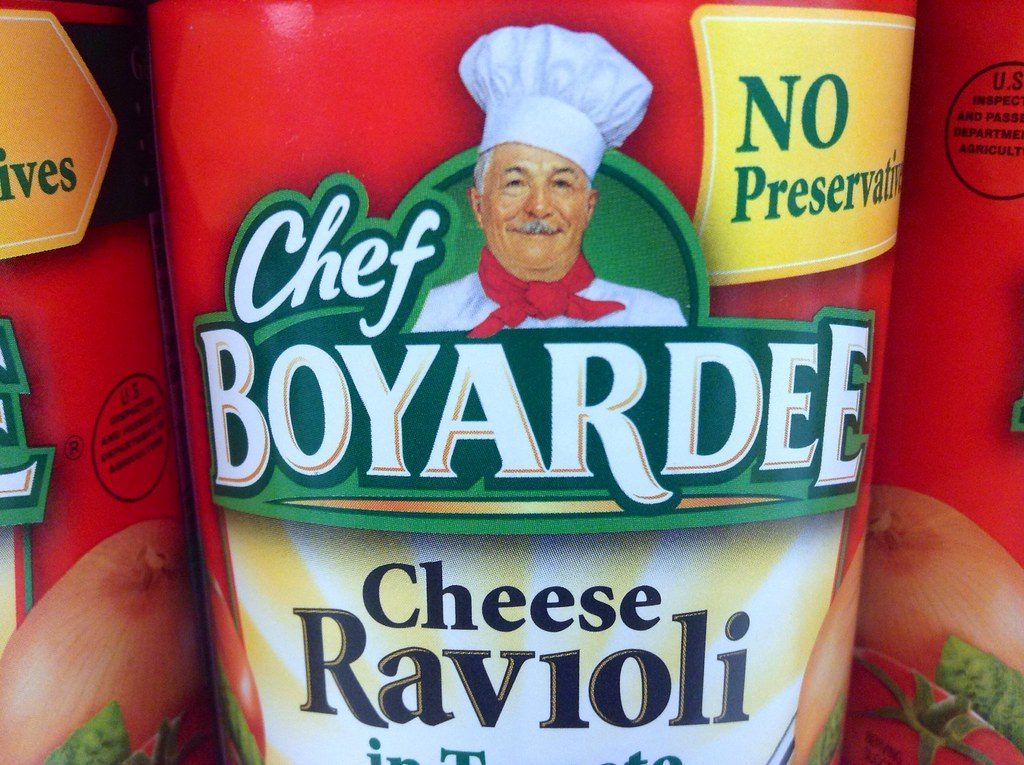
Chef Boyardee was the only chef needed in the kitchen in the 1960s, and those easy-to-cook cans made it all the better, with chicken being cheap (like 29 cents per pound cheap) and so was oil, so there was no reason to head to KFC when you can do it at home. Canned spaghetti and meatballs or ravioli became pantry staples for families who needed a quick meal solution without much fuss. Sure, it wasn’t authentic Italian cuisine, yet it filled bellies and saved time.
Kids especially loved these meals because they were predictable and didn’t require any adventurous eating. You knew exactly what you were getting every single time you popped open that can. The sauce was sweet, the pasta was soft, and everything heated up in minutes on the stovetop. For working mothers juggling multiple responsibilities, Chef Boyardee represented a lifeline that made dinner possible even on the most chaotic evenings.
Fried Chicken Made at Home
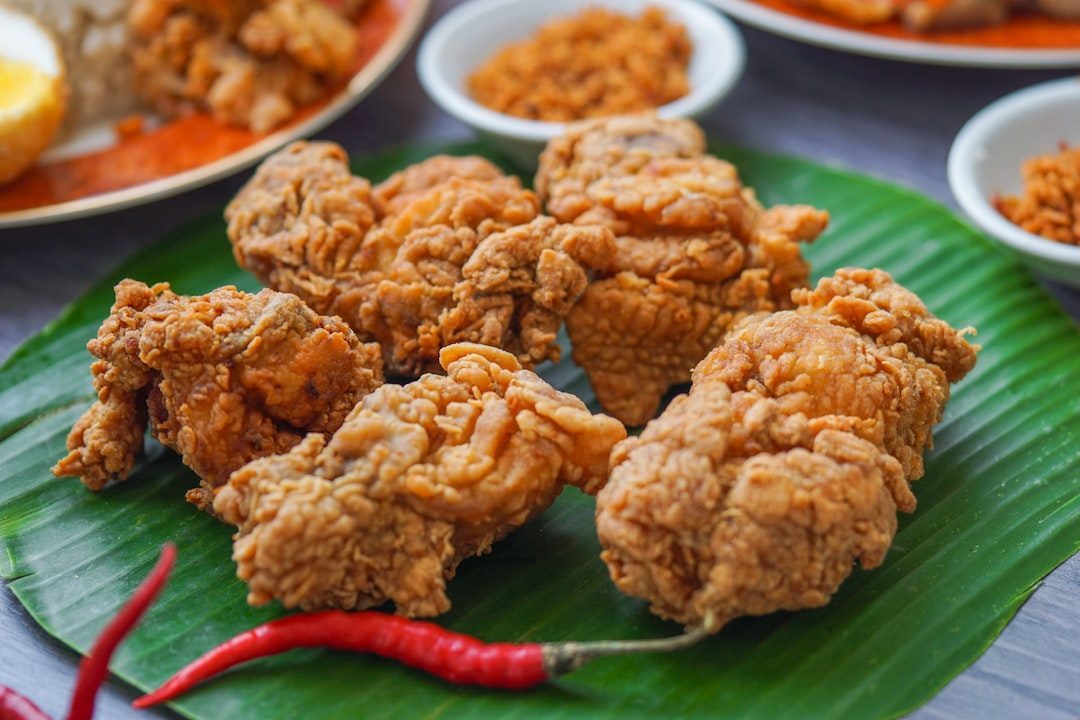
Maybe you were getting a bucket for some take-out, but usually fried chicken happened at home, with chicken being cheap (like 29 cents per pound cheap) and so was oil, so there was no reason to head to KFC when you can do it at home. Families would coat chicken pieces in seasoned flour, then carefully lower them into hot oil until they turned golden brown and crispy. The smell alone was enough to make your mouth water and draw everyone to the kitchen.
Home-fried chicken was a weekend staple or special occasion dish that brought people together around the table. It required more effort than opening a can or heating a frozen meal, which made it feel celebratory. The crispy skin and juicy meat underneath were worth every minute spent standing over that hot stove. Leftovers, if there were any, made excellent sandwiches the next day or could be enjoyed cold straight from the fridge.
Pot Roast Slow-Cooked to Perfection
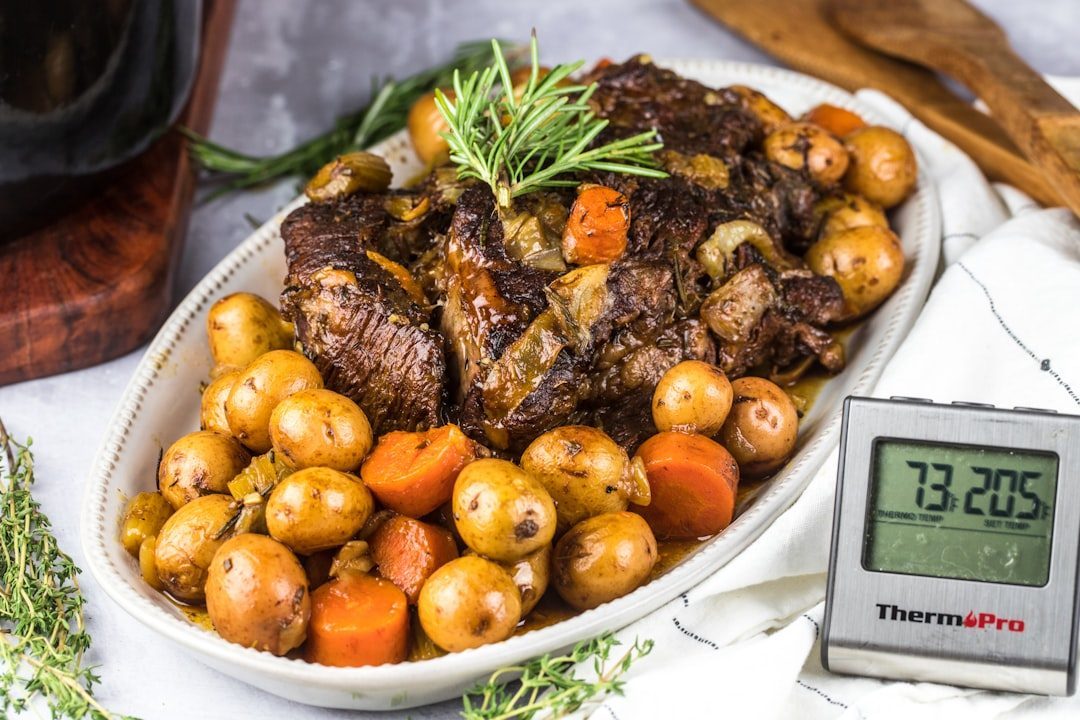
Pot roast was a hearty and comforting meal that was popular in the 1960s, made by slow-cooking a beef roast with vegetables such as carrots, onions, and potatoes and often served with crusty bread and butter. Any beef on sale from the grocery store and some canned veggies were an easy kickoff for pot roast in the sixties, and this was more of a labor of love than a lot of meals around this time, but thanks to modern ovens, pot roast still didn’t require too much energy.
The beauty of pot roast was that it practically cooked itself once you got it in the oven. Families could put it together in the morning, let it slowly braise all day, and come home to a house filled with the most incredible aroma. The meat would be fall-apart tender, and those vegetables soaked up all the rich, beefy flavors. Leftovers could be repurposed into sandwiches or hash, making pot roast a smart choice for stretching the grocery budget across multiple meals.
French Onion Dip and Chips
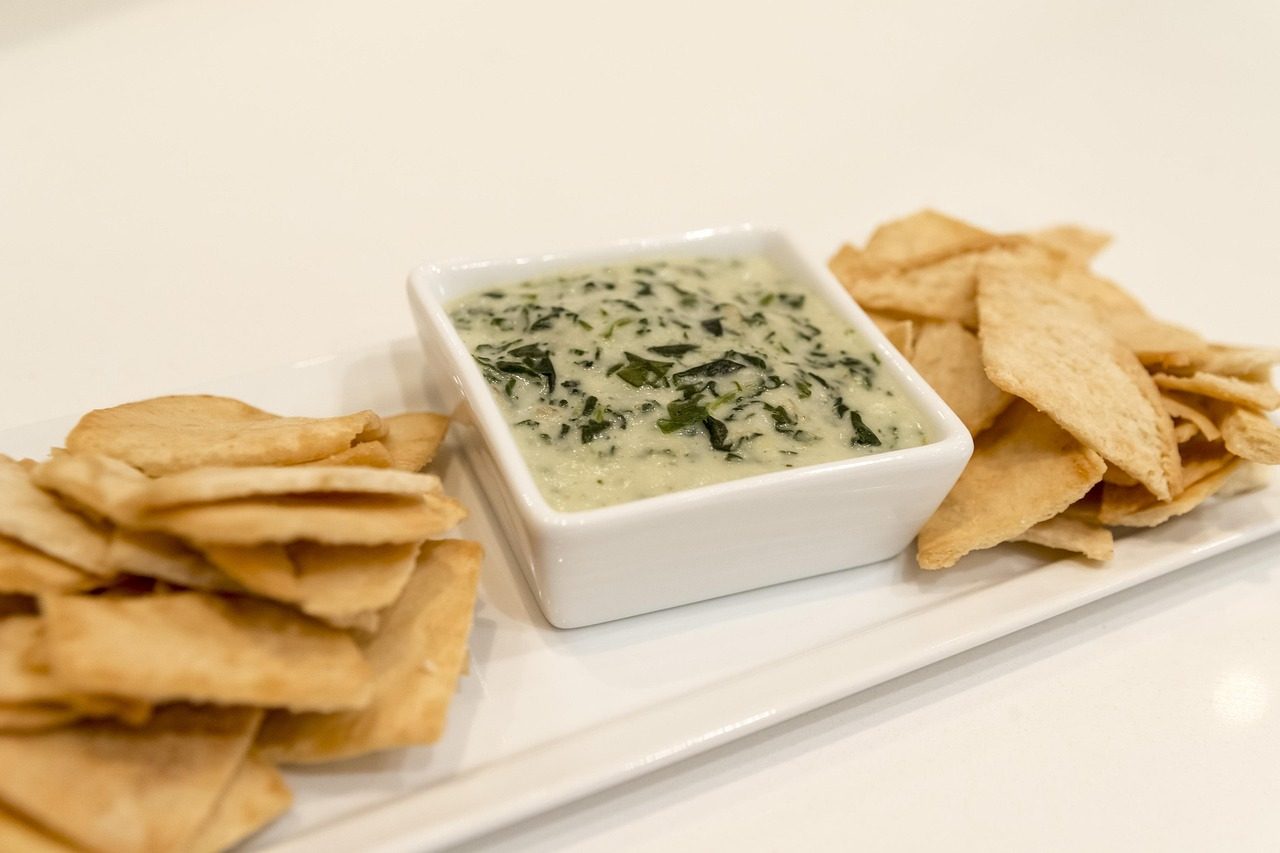
Revolutionary simplicity transformed American entertaining when Lipton promoted mixing their dried onion soup with sour cream, and this two-ingredient wonder became the standard accompaniment to potato chips at every gathering. Onion dip was wildly popular in the 1960s, especially a recipe that called for the addition of Lipton onion soup mix. This wasn’t technically a main course, though for some families it might as well have been given how much they consumed at parties and casual get-togethers.
The tang from the sour cream combined with the savory onion flavor created something genuinely addictive. Party hosts would serve it in hollowed-out bread bowls to look fancy, though most people were perfectly happy scooping it straight from a bowl with rippled potato chips. The simplicity was the whole point. You could throw together this crowd-pleasing dip in under two minutes, making it the perfect solution for unexpected guests or last-minute entertaining. It became so iconic that grocery stores started stocking the ingredients side by side.
Macaroni Salad Loaded With Mayo
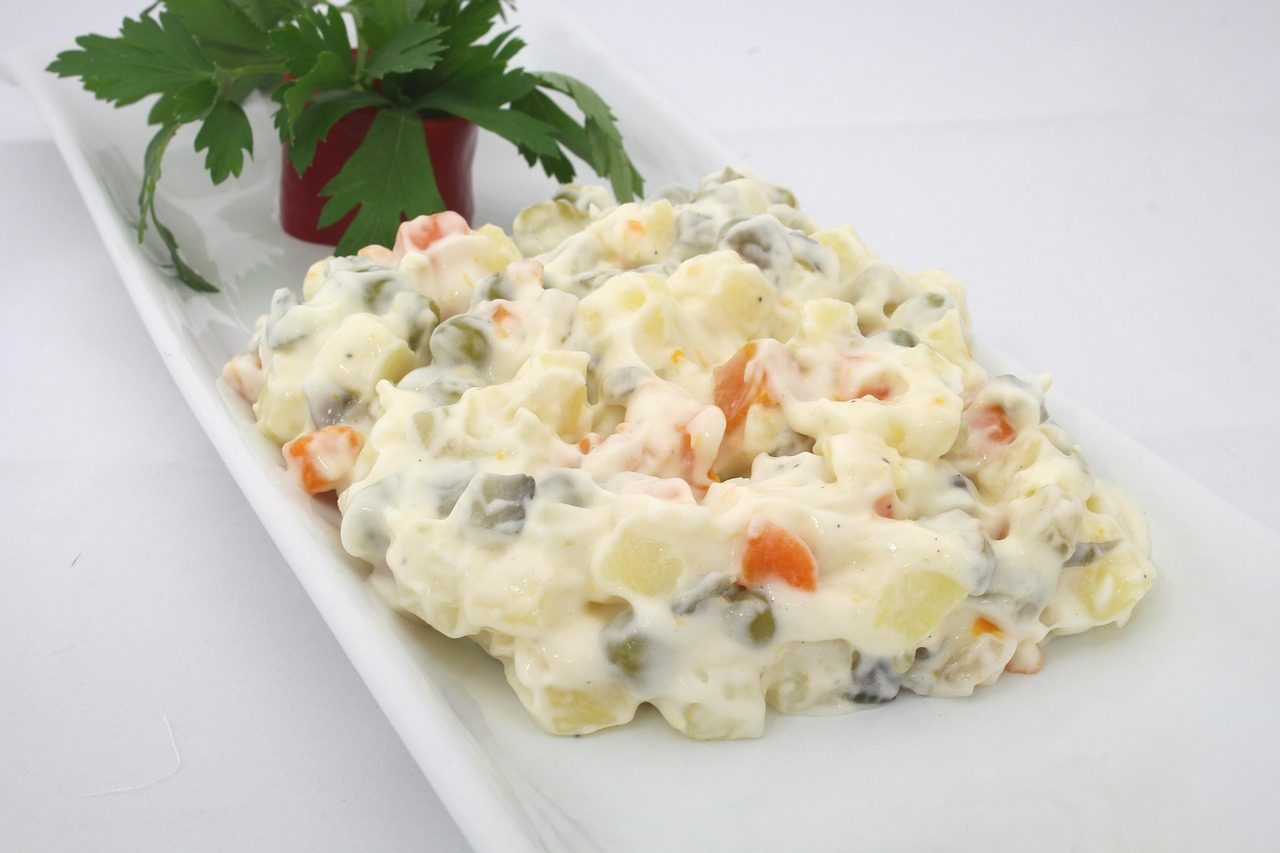
It was popular to make salads out of many things in the sixties by mixing them with mayo, but macaroni salad really blew up in popularity at that time, and common in Hawaii as well as on the mainland, that perfect, goopy pasta salad has remained in our hearts and minds for 80 years. This cold side dish appeared at picnics, barbecues, and family dinners throughout the warm months. Elbow macaroni would be cooked, cooled, then tossed with mayonnaise, chopped vegetables, and sometimes a bit of mustard or pickle relish.
The result was creamy, tangy, and filling enough to almost count as a meal on its own. Some versions included diced ham or hard-boiled eggs to add protein, while others kept it simple with just celery and onion for crunch. Macaroni salad was one of those dishes that tasted better the next day after the flavors had time to meld together in the fridge. It represented the kind of practical, make-ahead cooking that defined the decade and made entertaining feel manageable for everyone involved.
Conclusion
Looking back at these retro dishes brings up so many memories and emotions about how different dinner tables looked just a few generations ago. These meals were middle-class markers for reasons beyond taste, as they fit tight budgets and predictable routines, leveraged the brand-new power of convenience foods in tidy cans and boxes, and turned ovens into warming stations while giving families with two working parents a way to sit down together most nights.
The sixties represented a unique moment when home cooking collided with modern convenience, creating a culinary landscape that was equal parts practical and nostalgic. These dishes weren’t always gourmet or even particularly healthy by today’s standards. Yet they served their purpose beautifully, bringing families together around tables for shared meals and conversation. So which of these retro dishes do you remember eating? Did your family have their own special twist on any of these classics? Tell us in the comments what meal takes you right back to your childhood dinner table.