
Every restaurant server has been there. That moment when a customer opens their mouth, and something in your gut just knows. Not paranoia. Not a bad day. Just pure, pattern-recognized experience telling you that this particular table is going to require an extra layer of patience.
The language customers use reveals a tremendous amount about how the next hour is going to unfold. Certain phrases, often sounding politely framed or completely innocent, carry hidden meanings that seasoned servers read like a menu they’ve memorized. And in an industry where, a single negative interaction can cost a restaurant a significant portion of its loyal customers, with nearly half of diners choosing never to return after just one unsatisfactory experience, understanding these signals matters more than ever. Let’s dive in.
1. “I Know the Owner”
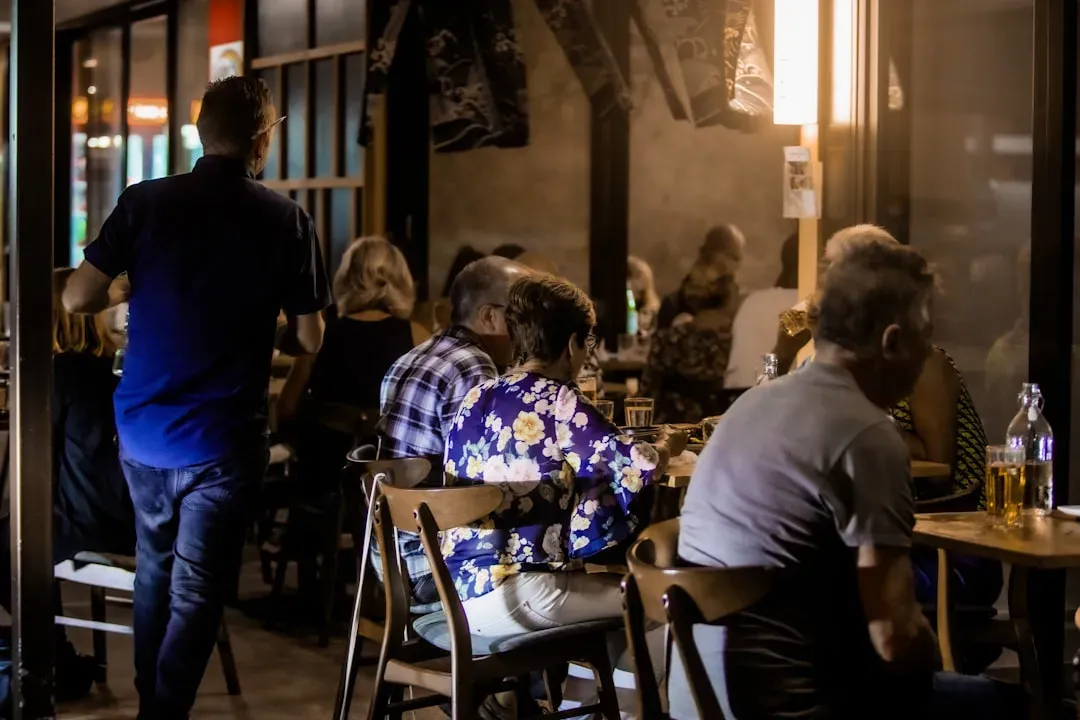
This one is practically a classic. The moment someone drops this line before their order has even been taken, it’s rarely a good sign. It usually isn’t about friendship at all. It’s about leverage, an attempt to signal a special status before any interaction has warranted it.
Think of it like someone at a concert announcing they know the band right before demanding to skip the line. The key thing to understand is that difficult customer behavior is often not a personal attack, but is driven by external pressures and a need for control in the moment. Still, the “I know the owner” opener almost always precedes an expectation of preferential treatment, unadvertised discounts, or special rule exceptions.
Servers who hear this phrase frequently brace themselves. It sets a hierarchical tone from the very first sentence, which rarely leads to a relaxed, respectful dining experience for anyone involved.
2. “Oh, Just One More Thing…”
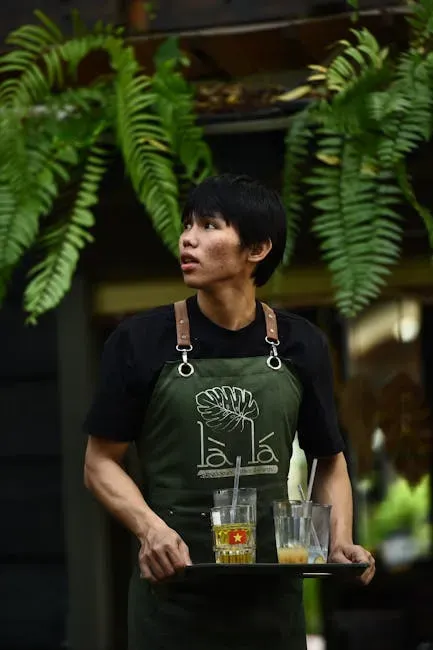
Honestly, this might be the single most anxiety-inducing phrase in the server vocabulary. It sounds harmless, even endearingly apologetic. But in practice, it means the interaction is nowhere near over, even when it very much should be.
As one former waitress described, those five innocent little words could make her stomach drop instantly, not in a disaster way, but in that mildly soul-sucking way, like “I forgot to mention I’m using a coupon.” The phrase is a soft warning that a string of additional requests, conditions, or complaints is incoming.
The problem compounds when “just one more thing” becomes a pattern across an entire meal. Four rounds of it in five minutes is genuinely exhausting for a server managing multiple tables simultaneously. It’s not the question itself, it’s the relentlessness of it.
3. “I’m a Very Easy Customer, Don’t Worry”
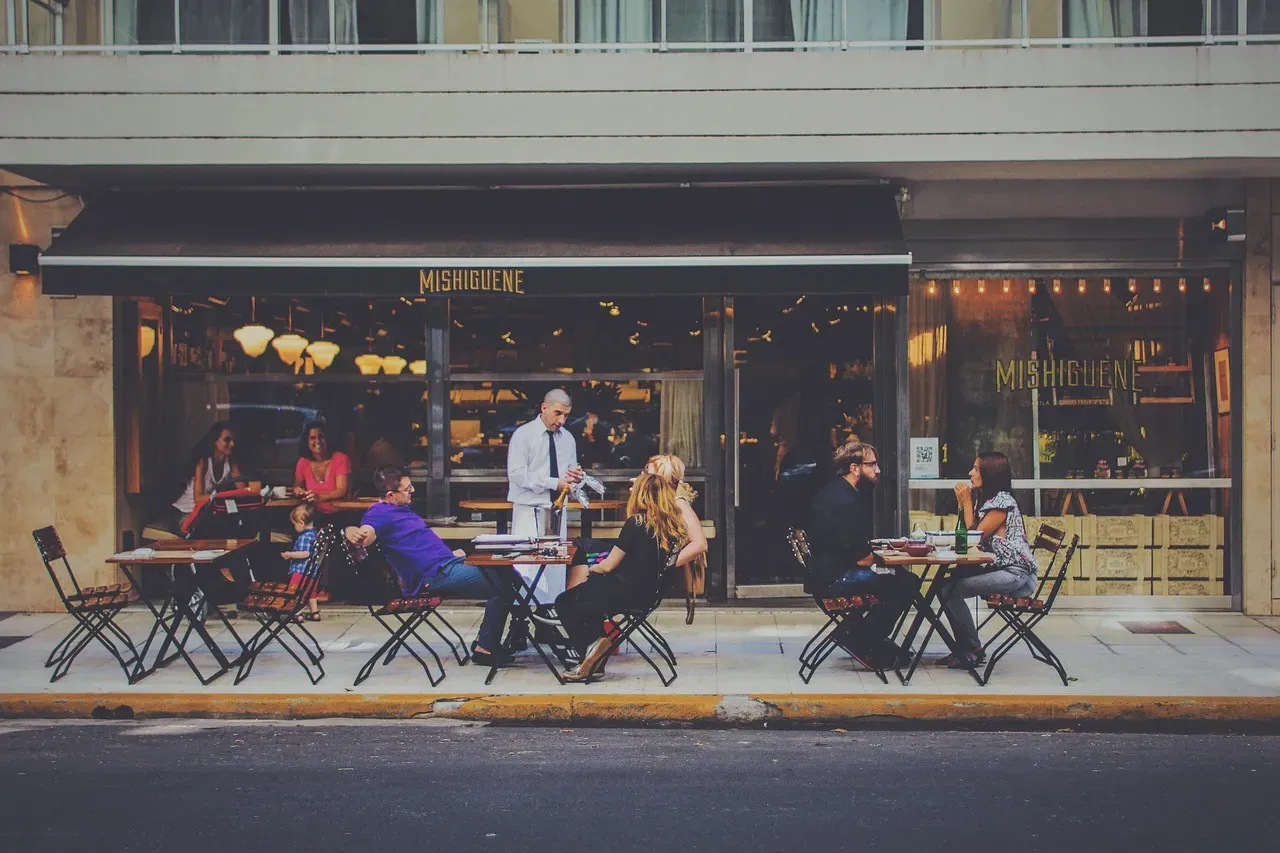
Let’s be real. The truly easygoing customers never announce it. This phrase is a paradox disguised as reassurance. In almost every case, the person saying it is projecting a self-image that, within the next few minutes, reality will directly contradict.
Every restaurant encounters guests who test the limits of patience and politeness, and it’s not uncommon for a vague customer to express their dissatisfaction without clear details, making it genuinely challenging for staff to pinpoint the actual issue. Pre-announcing easygoingness is often the verbal equivalent of saying “I’m not racist, but…” before a sentence that proves otherwise.
Servers have learned to treat this phrase as a yellow flag. Not a red one, necessarily. Sometimes it’s just nervous energy or social awkwardness. But enough of the time, it’s followed by a complicated order, a long list of substitutions, or a detailed complaint that suggests the customer’s definition of “easy” differs wildly from everyone else’s.
4. “The Last Time I Was Here…”

This phrase opens a door that almost never leads anywhere pleasant. It’s a comparison trap, a setup that frames the current experience as already inferior to a past one before a single dish has been served. The customer isn’t just ordering a meal, they’re arriving with an agenda.
Inconsistent service is a real pain point for diners, and restaurants are advised to create clear service protocols so staff can deliver a consistent experience every time. The issue arises when customers weaponize past visits as emotional benchmarks to argue down prices, demand specific servers, or justify escalating complaints mid-meal.
It puts staff in an impossible position. They can’t change what happened on a previous visit. They can only work with right now. Yet this phrase demands they defend a history they may know nothing about.
5. “Can You Check With the Chef on That?”
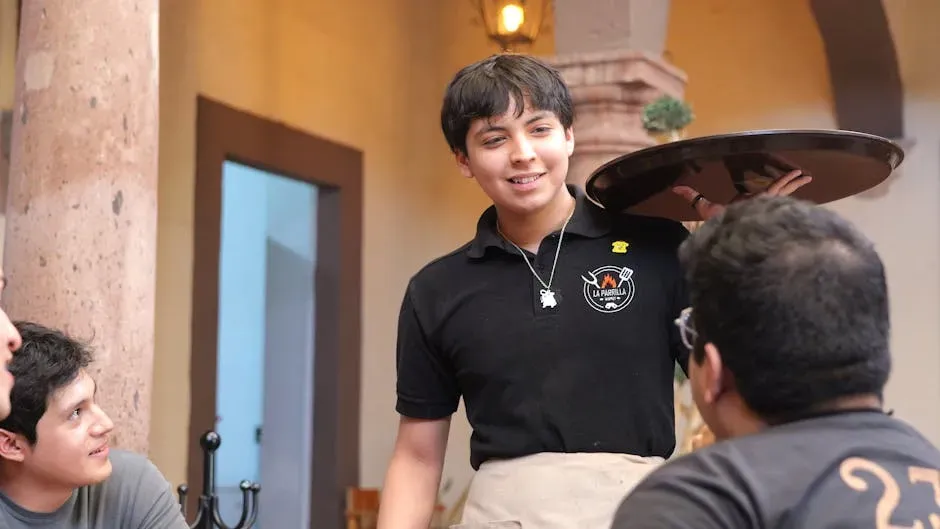
Here’s the thing: a genuine allergy question or dietary clarification isn’t just reasonable – it’s exactly what restaurant staff want and expect. You should absolutely ask, every time. Clear communication helps ensure safety and a better dining experience for everyone. According to the National Restaurant Association’s State of the Restaurant Industry 2025 report, consumers place a high value on cleanliness and a friendly, welcoming staff – standards that remain both essential and achievable across the industry heading into 2026.
The red flag version of this phrase comes when it’s used repeatedly, for preferences rather than needs, or as a mechanism to customise a dish beyond the kitchen’s reasonable capacity. There’s a meaningful difference between “I have a nut allergy, can you confirm the sauce is safe?” and “Can you ask the chef if he can make the risotto without the parmesan, but add truffle oil, and also can you ask if the bread is from today?”
Servers notice this pattern quickly. Difficult customers come in many forms, and the impatient customer who expects everything instantly is only one type. The hyper-customising customer, who seemingly views the menu as a rough suggestion, creates real pressure on kitchen staff and slows service for everyone in the dining room.
6. “Is That Really the Price?”
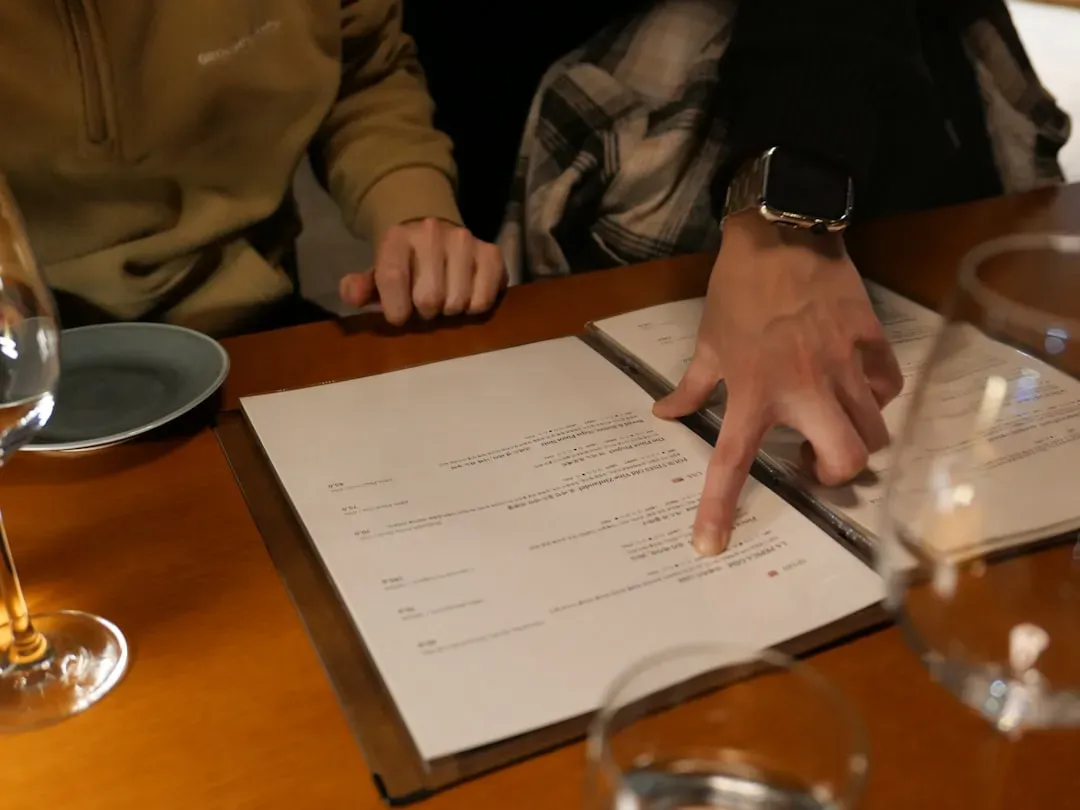
Price sensitivity is completely valid and entirely understandable. Revenue Management Solutions’ survey revealed that roughly a third of respondents plan to dine out less, and three out of four believe restaurant prices are higher, citing high prices as the primary reason for cutting back on spending. Diners are feeling the squeeze, and that’s real.
The difference between a budget-conscious customer and a difficult one is tone. Asking about a price, comparing it to competitors, or checking the menu in advance are all reasonable behaviors. Performing visible disbelief at a stated menu price, then questioning the server as if they personally set it, is a different thing entirely.
According to a Coresight Research survey from 2024, an overwhelming majority of diners observed menu price increases, and this widespread perception reflects a real shift in how expensive dining out has become. Servers understand the frustration. They live it too. Still, expressing disbelief at a menu price through sarcasm or repeated questioning places staff in a powerless, uncomfortable position with zero ability to fix it.
7. “I’ll Know What I Want When You Come Back” (Then Flags You Down Immediately)
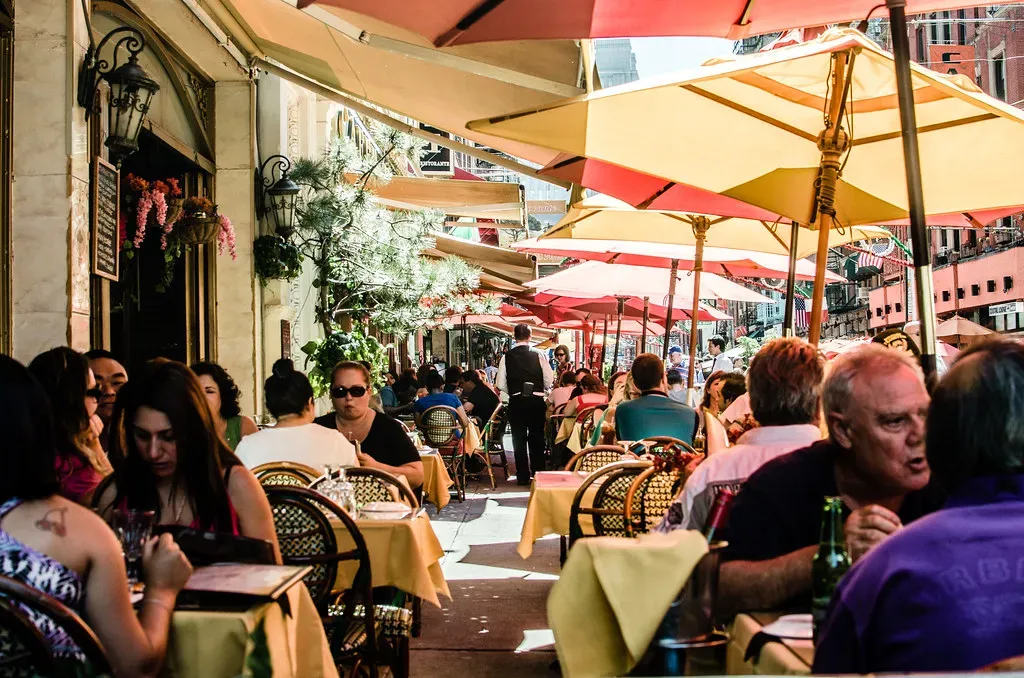
This one plays out the same way almost every time. The customer says they need a moment, the server gracefully steps away to give them space, and within about thirty seconds, the customer is craning their neck, making eye contact, or literally waving to get attention back. It’s a small thing, individually. Collectively, across a four-hour shift, it is genuinely destabilising.
Vague customers who express dissatisfaction without clear details are a genuine challenge because they make it hard for staff to know what’s actually being requested. The “I need a minute” followed by immediate flagging is a cousin of this problem. It signals indecisiveness layered with urgency, which is one of the more exhausting combinations for a server to navigate.
Among restaurant managers and employees, their biggest challenges include staffing at more than half, burnout at half, and compensation at nearly half. Burnout from constant interruptions and contradictory requests is a real and documented feature of this industry. Every erratic flag-down adds to that load.
8. “I Eat Here All the Time”
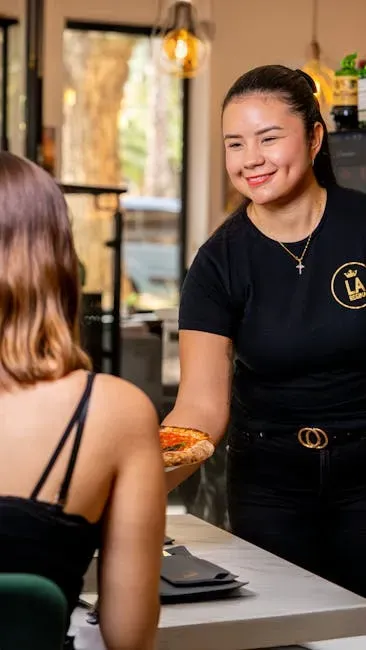
Loyalty is genuinely wonderful, and regular customers who feel at home in a restaurant are the lifeblood of any dining establishment. Roughly half of restaurants say that bringing back repeat customers is a significant ongoing challenge. So yes, returning diners matter enormously.
The problem version of “I eat here all the time” is when it’s deployed as a negotiating tool or a justification for rule-bending. It implies that frequency of patronage should translate into special permissions, like skipping the reservation system, receiving unadvertised discounts, or overriding kitchen decisions. That’s a social contract that restaurants never actually agreed to.
Servers often feel caught between wanting to honour loyalty and unable to bend rules that exist for genuinely good operational reasons. The phrase can create a mini power struggle that leaves everyone feeling awkward and unappreciated, which is exactly the opposite of what a good dining experience should feel like.
9. “My Friend Had a Bad Experience Here”
Arriving at a restaurant pre-loaded with a cautionary tale from someone else’s bad night is an interesting choice. It frames the entire upcoming experience through a lens of suspicion before the bread has even landed on the table. Honestly, it’s a bit like boarding a plane and immediately telling the flight attendant that your friend had a terrible experience with this airline.
About sixty percent of guests say that a negative experience with a server is the main reason they won’t return to a restaurant, which means reputation genuinely matters and bad stories spread. Still, arriving with an inherited grudge puts staff in the impossible position of disproving something they weren’t there for.
The subtext is usually a warning: I’m watching. I’m pre-skeptical. And if anything goes wrong, I have backup evidence for a negative review. It creates a dynamic where the server feels audited rather than trusted, which makes genuine, warm hospitality significantly harder to deliver naturally.
10. “I Don’t Usually Complain, But…”
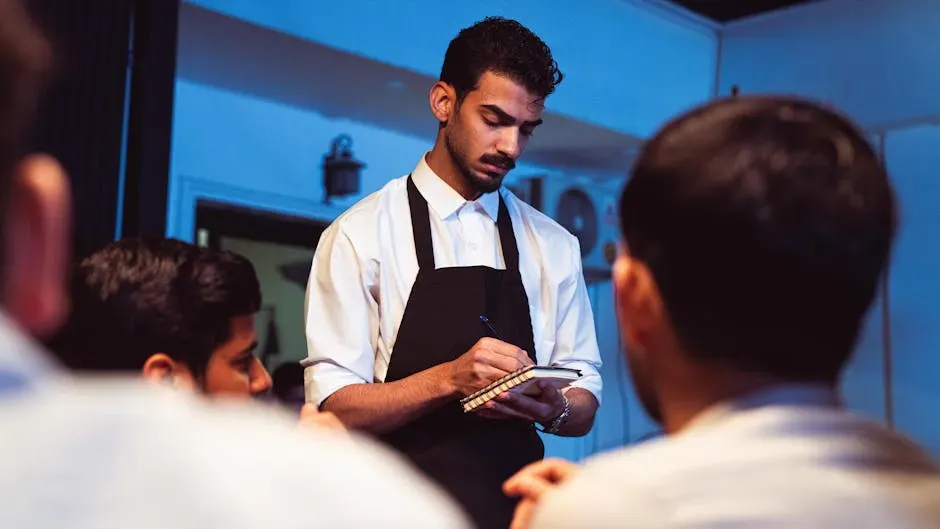
This one is a near-perfect predictor of an incoming complaint. The phrase works as a kind of social disclaimer, an attempt to preemptively establish a reputation for reasonableness before saying something unreasonable. It’s the dining equivalent of “with all due respect” in a boardroom argument.
There is increasing frustration among consumers, and consumers are far less loyal to brands that are consistently underperforming. Some complaints are genuinely valid and should absolutely be heard and addressed. The “I don’t usually complain, but…” framing, however, tends to introduce complaints that are more about personal preference, mood, or a general desire to express dissatisfaction than about any actual error on the restaurant’s part.
Active listening not only addresses the customer’s problem but also helps diffuse tension when dealing with a difficult customer. The best servers know this and use it well. Still, the energy required to de-escalate manufactured complaints is considerable, and this particular phrase is an almost unfailing announcement that de-escalation is exactly what’s about to be needed.
11. “We Won’t Be Leaving a Tip If This Doesn’t Improve”

Few phrases in a dining setting carry quite the same destabilising weight as this one. It transforms tipping, which should be a reflection of service quality at the end of a meal, into a threat weapon deployed mid-service to control behavior through fear. It is, to put it plainly, a power move.
Restaurant employees continue to rely heavily on gratuities, and in 2024, the average full-service worker earned roughly $23.88 per hour, with base pay now accounting for about forty three percent of total income, up from thirty five percent in 2020. Tips still form a critical portion of server income in most states, which is precisely why this threat lands so hard.
Average tip sizes have declined from about 15.5% in 2023 to just under 15% by the second quarter of 2025, with tipping rates hitting their lowest levels in several years, according to Square data. That softer tipping environment has carried into 2026, putting added pressure on service workers. Using the threat of a withheld tip as leverage mid-meal isn’t constructive feedback – it’s closer to workplace intimidation. And it may be part of a bigger problem: according to Legion’s 2025 State of the American Hourly Workforce report, more than half of restaurant and hospitality workers say they plan to leave their jobs within the next year.
The Language of Dining Tells a Story

Words carry weight everywhere, but in a restaurant, they carry it fast and loud. Servers are essentially reading people all day long, and the phrases covered above are ones that experienced hospitality workers recognise almost instinctively as signals of turbulence ahead.
None of this is about judging every customer harshly. Most difficult interactions come from genuine stress, frustration, or simple unawareness of how these phrases land on the other side of the table. The key understanding is that such behavior is often not a personal attack, and that external stressors like traffic, work pressure, or an upset mood can lead people to behave in ways that don’t reflect their true character.
The next time you sit down at a restaurant, it might be worth pausing before reaching for one of these phrases. Not because servers are keeping score, but because a small shift in language can genuinely change the entire atmosphere of the experience, for everyone at the table and the person serving it. Worth thinking about, isn’t it?
What do you think about it? Have you ever caught yourself using one of these phrases? Tell us in the comments.