
There’s a quiet kind of confidence that comes from knowing your way around a kitchen. Not chef-level confidence, not restaurant-quality plating, just the simple, grounding knowledge that you can feed yourself and the people you love without panic. Turning 30 is one of those invisible milestones where life suddenly feels more real, and honestly, your cooking skills should feel more real too.
Only about a third of Gen Z consider themselves skilled cooks, compared to roughly half of Millennials, and that gap has consequences far beyond dinner. For a significant number of people, saving money is a real motivator for cooking, yet so many young adults still haven’t built the foundational recipes that make a kitchen feel like home rather than a mystery. These are the eleven dishes that will change all of that. Let’s dive in.
Table of Contents
1. A Proper Pasta From Scratch (or at Least a Real Sauce)
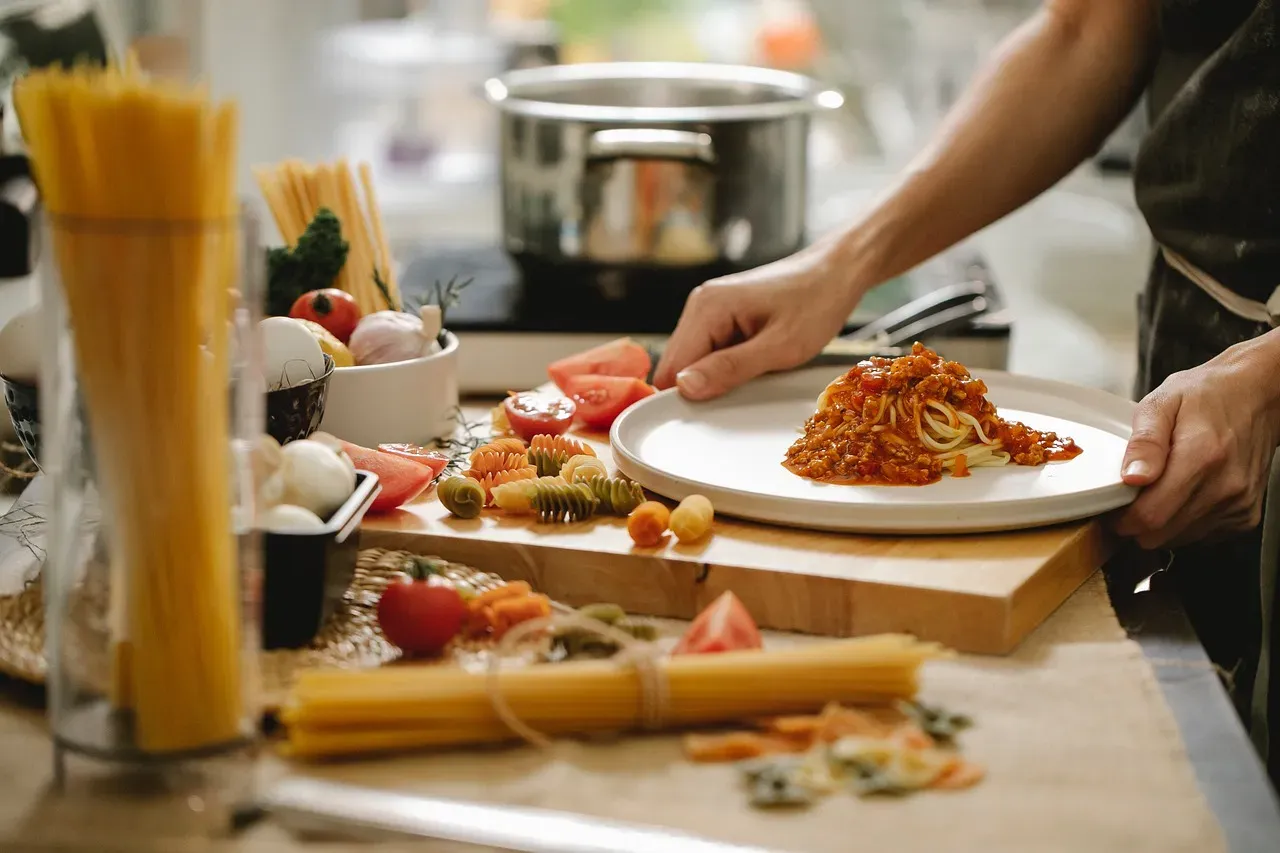
Here’s the thing: pasta is probably the most forgiving dish you’ll ever make, and yet so many people still get it wrong. Cooking pasta sounds easy, but if you just boil salted water, throw the pasta in, and walk away, you might come back to a stuck-together clump or soggy, overcooked noodles. The small details actually matter enormously here.
The five best pasta sauces to start with are the classics: a simple tomato sauce, a meat sauce, a pesto, a garlic and olive oil sauce, and a cream sauce. With those basics, you can confidently tackle almost any other sauce you find. Start with a fresh tomato sauce. A fresh tomato-based sauce is a brilliant starting point for lots of dishes, and you don’t need to go out and buy jars of ready-made pasta sauce ever again.
2. Perfectly Cooked Eggs (Every Style)
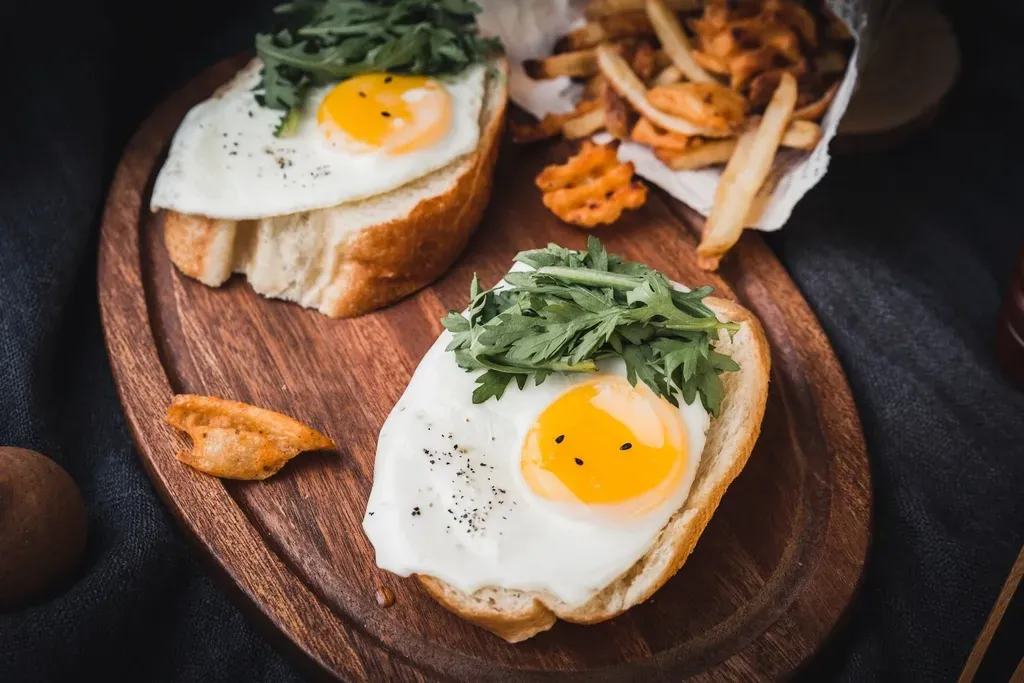
It sounds laughably simple. Eggs. Everyone can cook eggs, right? Honestly, no. Nailing a runny-yolked soft boil, a silky scramble, or a properly set omelette takes real practice and a bit of patience. Start your eggs at room temperature rather than straight from the fridge. For soft-boiled, place them in simmering water for three to five minutes depending on size. For hard-boiled, start in cold water and bring to the boil for seven to ten minutes.
Eggs are one of those foundational ingredients that show up everywhere in cooking, from baking to sauces to weeknight dinners. Some recipes call for separating yolks from whites. If you don’t have a separator, crack the shell in the middle with the blunt side of a knife, open it into two halves, and gently pass the yolk between the shells. The white will separate and drip into the bowl below. Master eggs, and you’ve quietly mastered a dozen other recipes along the way.
3. Roasted Vegetables That Actually Taste Good
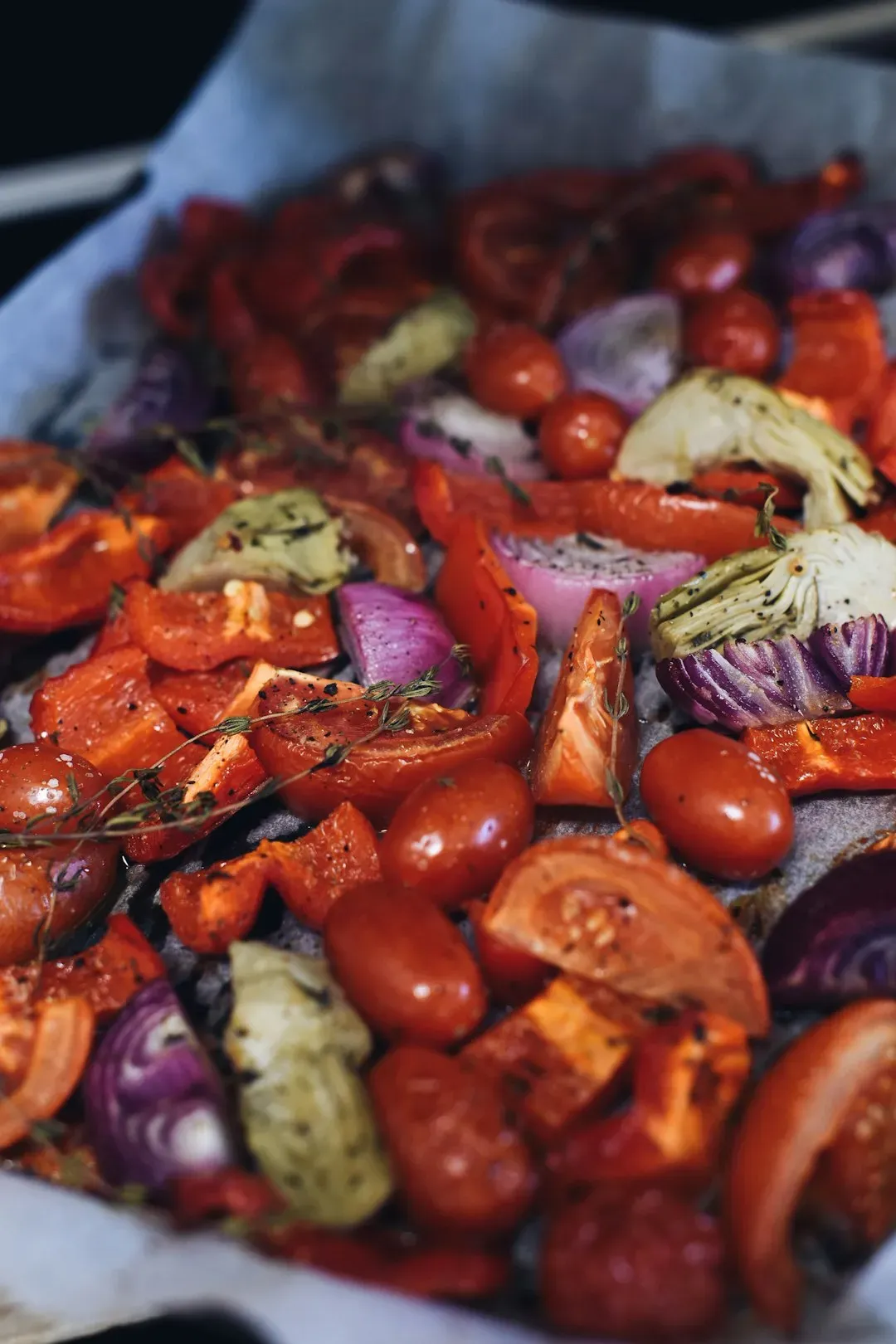
Smart cooks know that roasted vegetables have far more flavor than boiled or steamed ones. This is one of those truths that changes how you eat entirely once you discover it. Think of roasting not as a cooking method but as a flavor amplifier. Things like broccoli, onions, bell peppers, tomatoes, squash, and carrots are all great roasted, and it’s very simple. You just want them cut to similar-sized pieces, drizzled with olive oil and seasoned, and that’s about it for truly delicious vegetables.
Preheat your oven for ten minutes so it’s properly hot, around 190 degrees Celsius for a fan oven. That initial blast of heat is what gives vegetables those beautifully caramelized edges that make them so irresistible. Root vegetables like potatoes and carrots take around forty to fifty minutes, while mushrooms and peppers need only fifteen to twenty minutes. Once you know this, you’ll never drown vegetables in a pot of water again.
4. A Go-To Chicken Dish
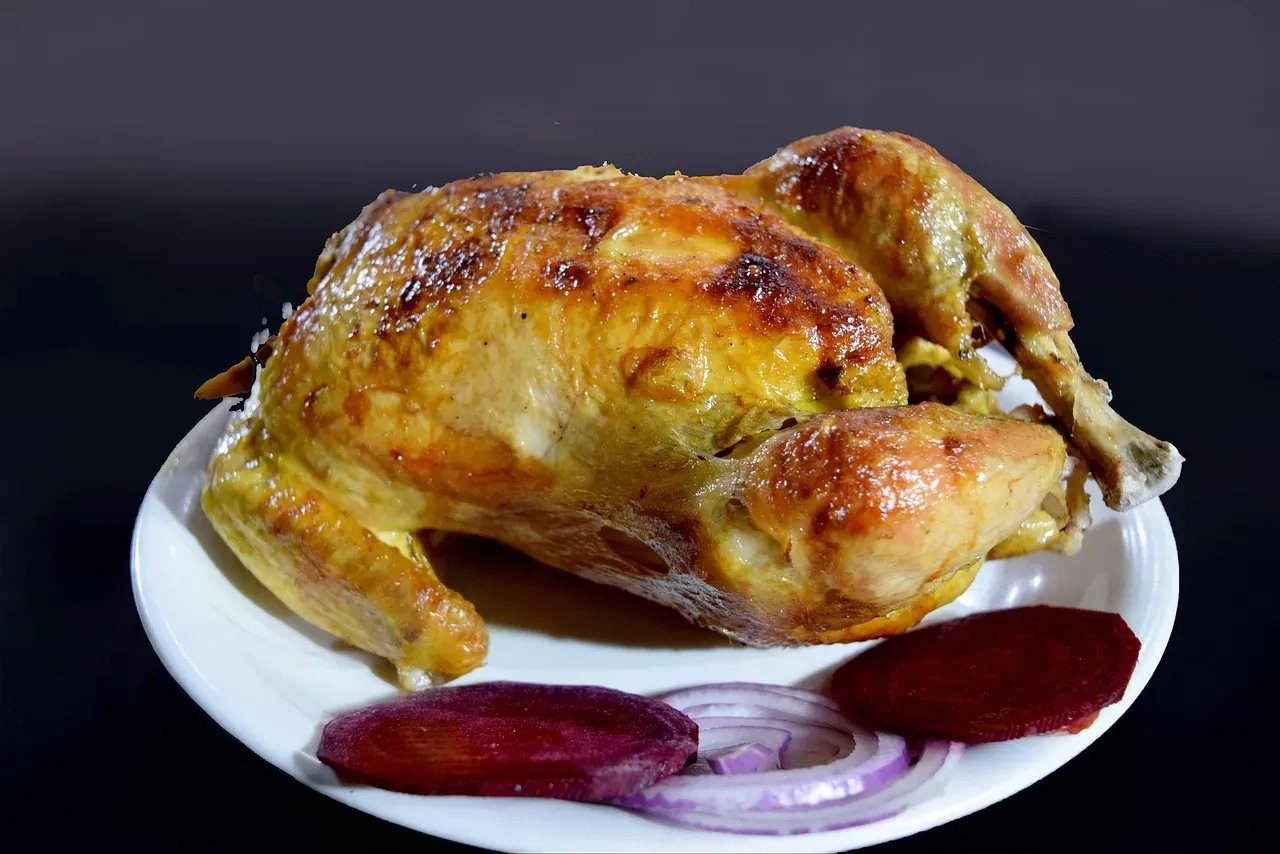
Chicken is the most cooked protein in most households, and learning to handle it correctly is non-negotiable. If you want your meat to stay juicy and develop that lovely seared, brown color, you need to brown it first. Quickly pan-fry it in hot oil until the outside is seared brown with no red bits remaining, then transfer it for whatever other cooking method you’re using.
You should know how to roast, grill, braise, and pan-fry so you aren’t limited to just ground meat dishes and casseroles. A simple roast chicken with herbs, lemon, and garlic is the kind of dish that impresses everyone at a dinner table and costs very little to make. To ensure your meats are cooked to the right temperature, an instant-read thermometer is a must-have kitchen accessory. It takes the guesswork out entirely and keeps everyone safe.
5. A Hearty Soup or Stew
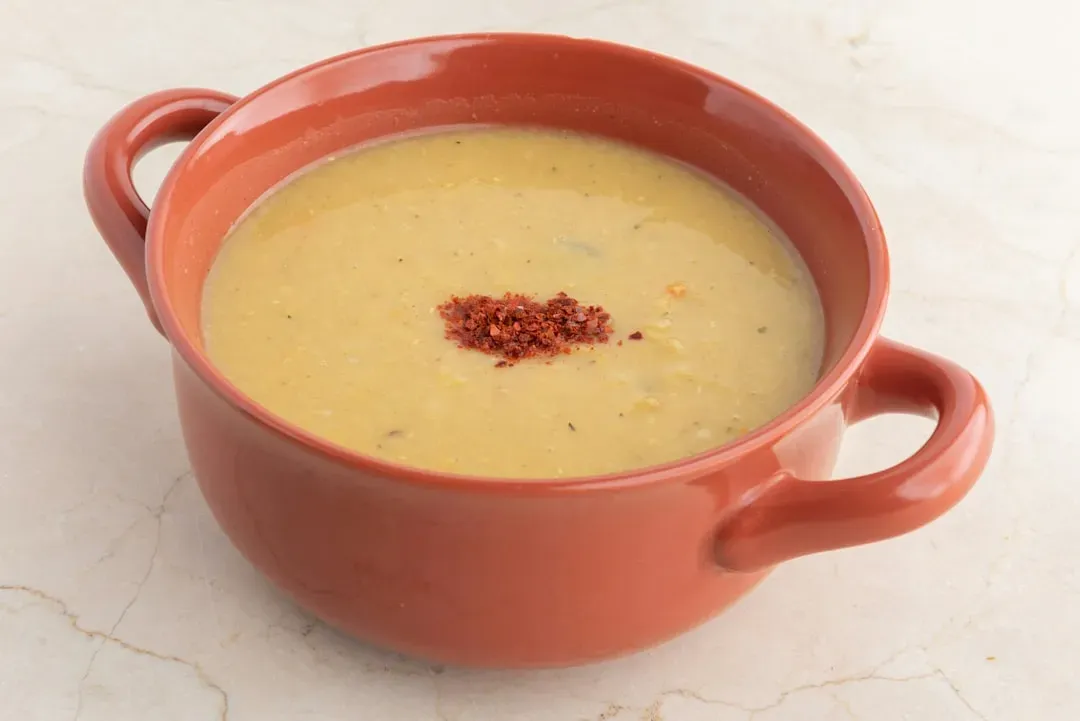
Few things in life feel as comforting as a bowl of homemade soup. It’s also one of the most forgiving recipes to learn because there are almost no rules. A basic soup teaches you how to layer flavors, manage heat, and use up whatever you have in the fridge before it goes to waste. Having the skills to make something delicious from leftovers cuts down on time spent shopping and cooking, saves money, and minimizes food waste.
Understanding the difference between boiling and simmering is essential for cooking soups and stews. Learn how to adjust heat and maintain a gentle simmer. A hard boil when you need a gentle simmer will destroy a stew’s texture and leave you with something tough and sad. Start with a classic vegetable soup or a simple chicken broth, then build from there. The confidence gained from that first successful pot is genuinely something.
6. Perfect Rice on the Stovetop
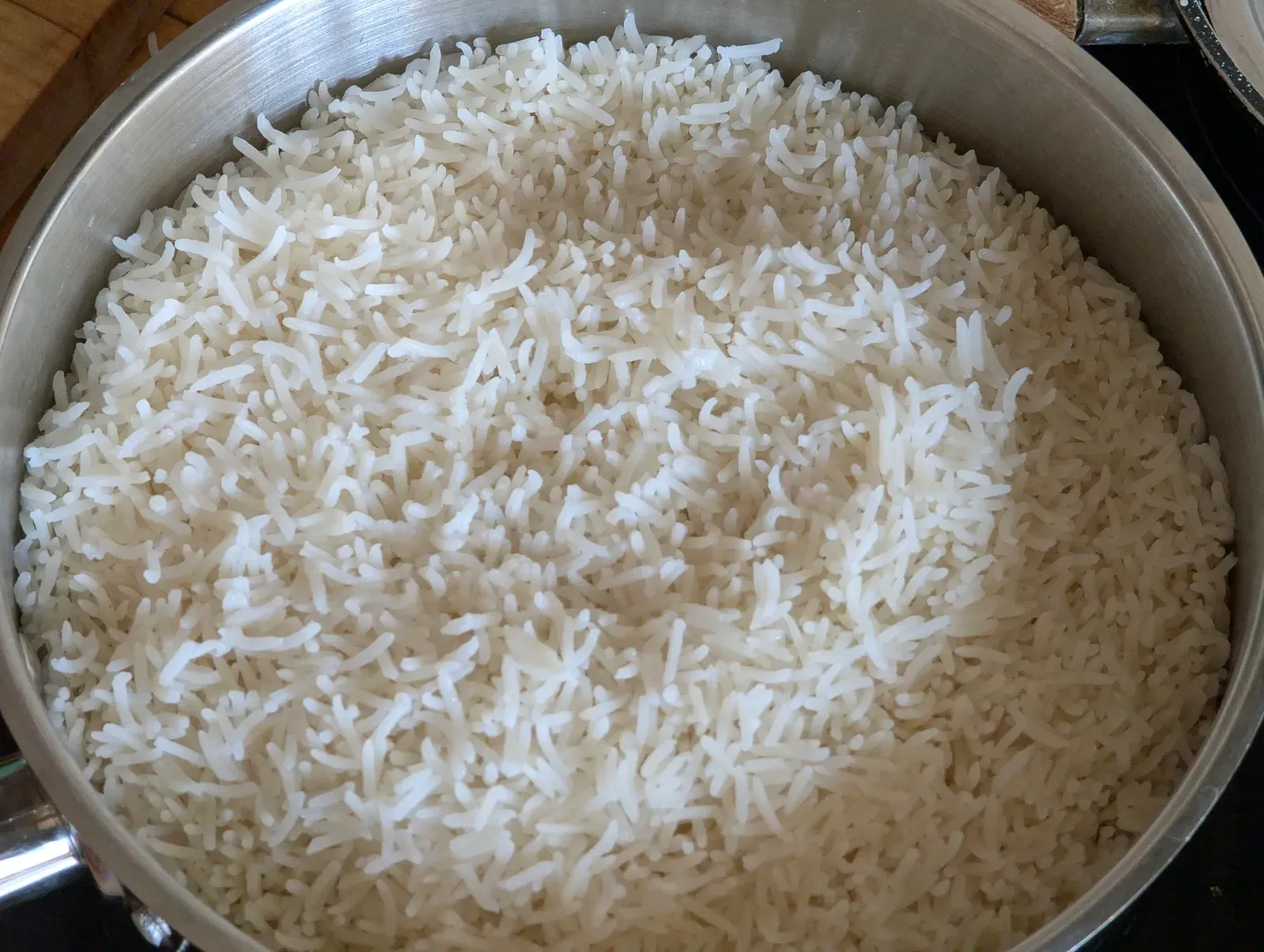
I know it sounds unglamorous, but perfectly cooked rice is something a surprising number of adults genuinely cannot do. Of the adults who cook more at home, the vast majority are preparing more pasta and rice than anything else, making these staple skills the most practically useful you can learn. Rice is the backbone of so many cuisines across the world, from Japanese to Indian to Mexican, and getting it right opens up an enormous range of dishes.
The ratio is everything. Too much water and you get a soggy, mushy mess. Too little and you’ll find crunchy, half-cooked grains at the bottom of the pan. A standard ratio for white rice is typically one part rice to two parts water, brought to a boil, then dropped to the lowest simmer with a tight lid. Often the key to truly great food is what happens before it cooks. Even the simplest ingredients like rice can be transformed with the right spices, a squeeze of lemon, and some herbs.
7. A Classic Tomato-Based Sauce for Everything
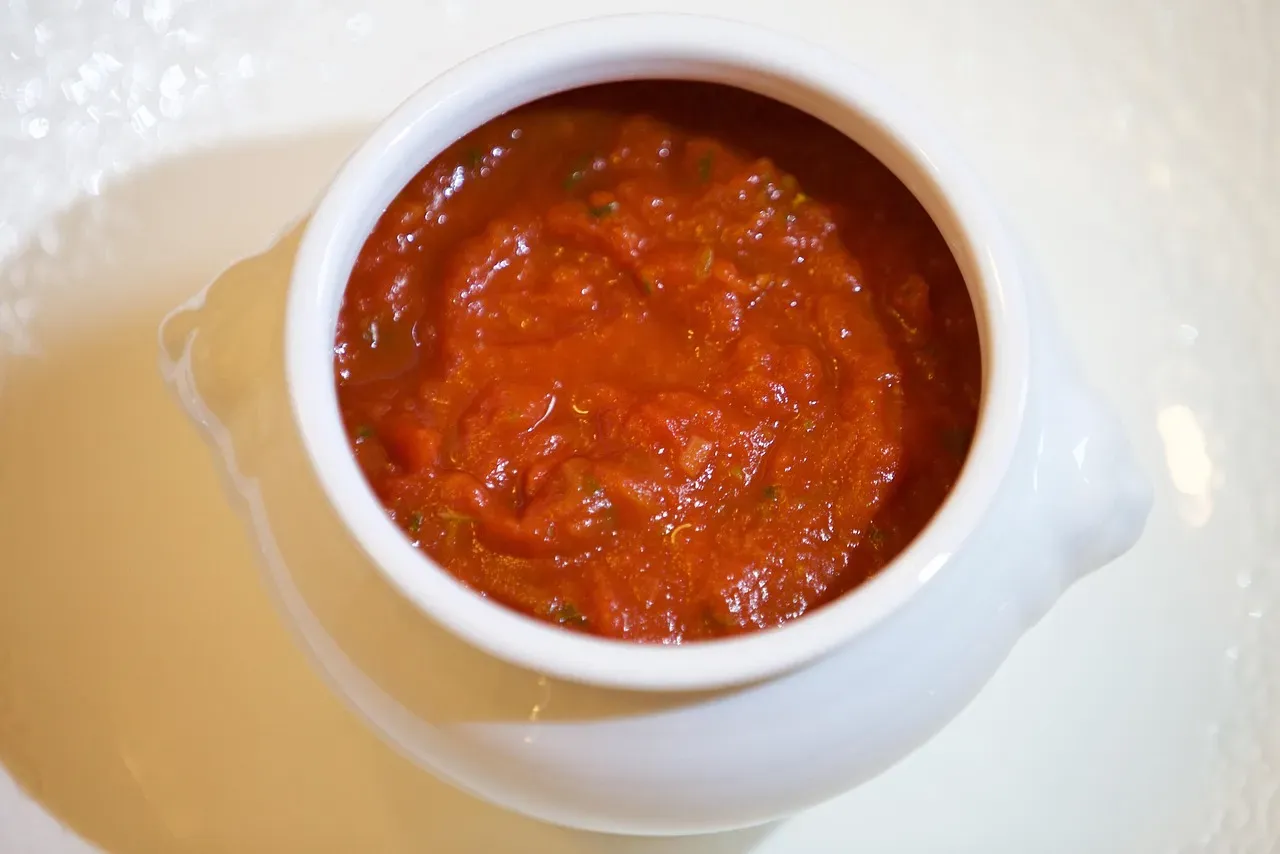
A great homemade tomato sauce is one of those recipes that quietly powers a huge portion of your weekly cooking. It goes on pasta, baked chicken, eggs, pizza, stuffed peppers, and a dozen other things. The beauty is in its simplicity: you essentially need tomatoes, garlic, olive oil, and time. The patience to let it reduce slowly is the real secret ingredient.
Proper seasoning is an essential part of making food taste genuinely good. Salt and black pepper are the building blocks, but don’t stop there. Experiment with other herbs and seasonings as you get bolder. Taste often to make sure you’re not adding too much. A sauce that isn’t seasoned properly will taste flat no matter how good your other ingredients are. Season as you go, not just at the end, and your tomato sauce will be genuinely restaurant-worthy.
8. A Simple Stir-Fry
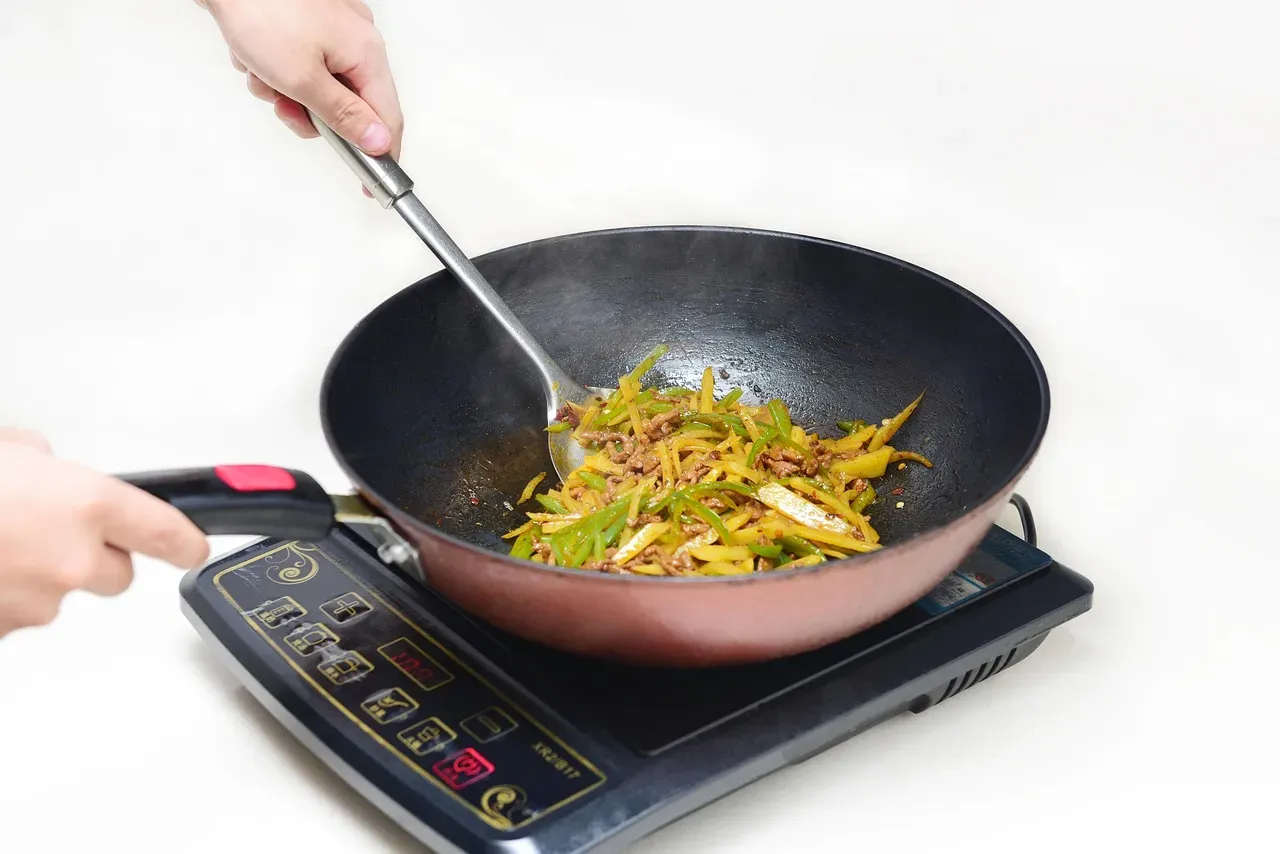
Mastering the art of sauteing and stir-frying is valuable because these techniques are used across a wide range of recipes. A good stir-fry is fast, healthy, and almost infinitely flexible. It’s the kind of recipe that works on a Tuesday night when you have twenty minutes and whatever is left in the vegetable drawer. The key is high heat, a little oil, and not overcrowding the pan. Overcrowding is the number one reason home stir-fries turn into limp, steamed disappointments.
To make cooking easier and less stressful, prepare ingredients in advance. Chop vegetables, measure spices, and marinate your protein ahead of time so you can focus entirely on the cooking process. In a stir-fry, everything moves so fast that there’s no time to be chopping mid-cook. Prep everything first, lay it out, and then hit the pan with confidence. It sounds obvious, but this single habit separates good home cooks from frustrated ones.
9. Homemade Salad With a Proper Dressing
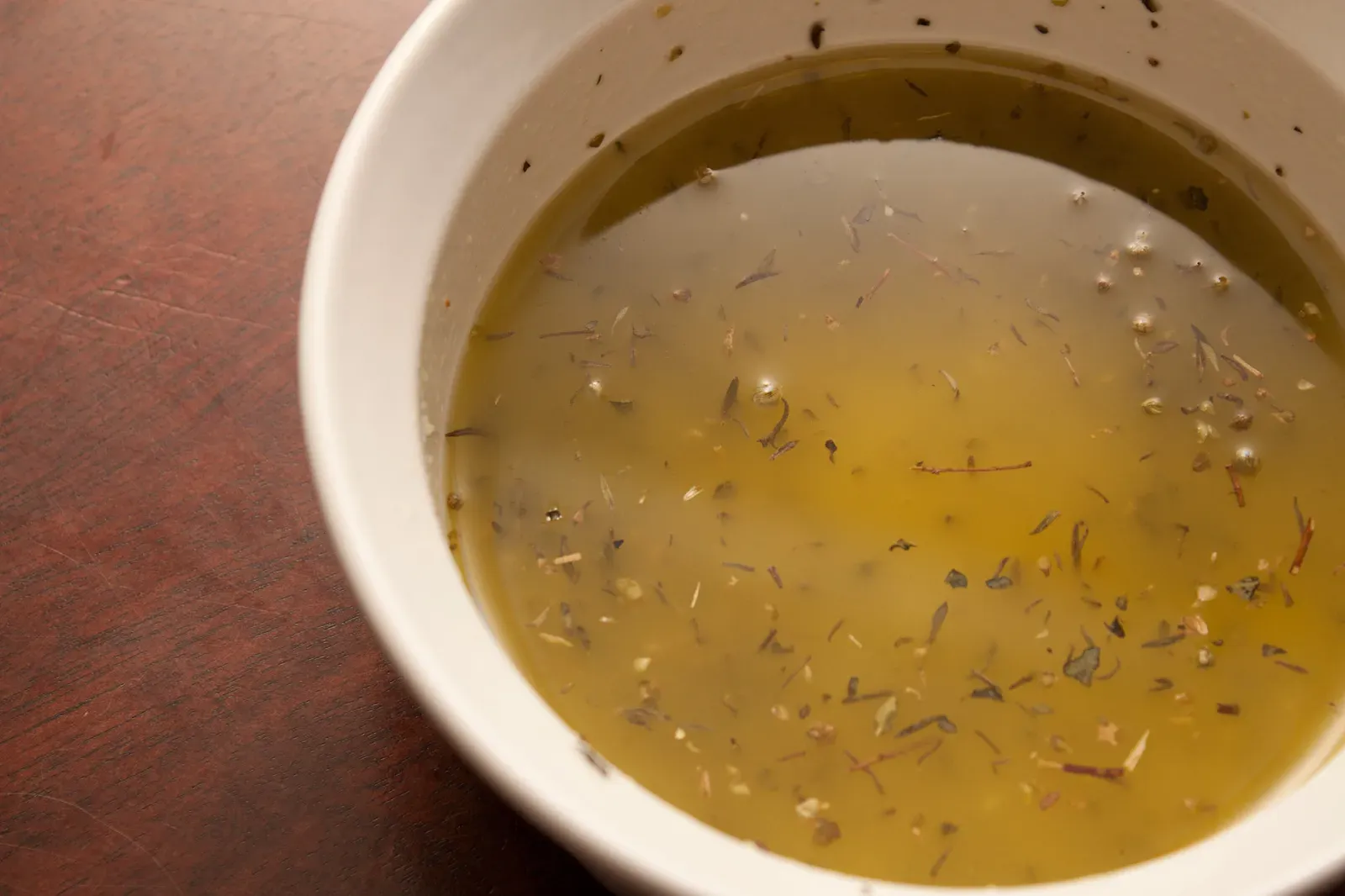
A salad is not lettuce in a bowl with bottled dressing poured over it. That’s a sad thing we’ve all accepted, and it’s time to do better. A real homemade dressing takes about ninety seconds to make and transforms even the most basic salad into something you actually want to eat. The foundation is simple: an acid like lemon or vinegar, a fat like olive oil, something sweet, and seasoning. The ratio of three parts oil to one part acid is the classic starting point.
People who cook at home more often tend to have healthier overall diets without higher food expenses. A salad habit built around a real dressing and seasonal vegetables is one of the easiest nutritional upgrades you can make in your twenties. USDA data confirms that restaurant meals are on average notably higher in calories, fat, and sodium compared to home-cooked alternatives. A homemade salad is one of the clearest examples of where cooking at home just plainly wins on every level.
10. Something You Can Bake From Scratch
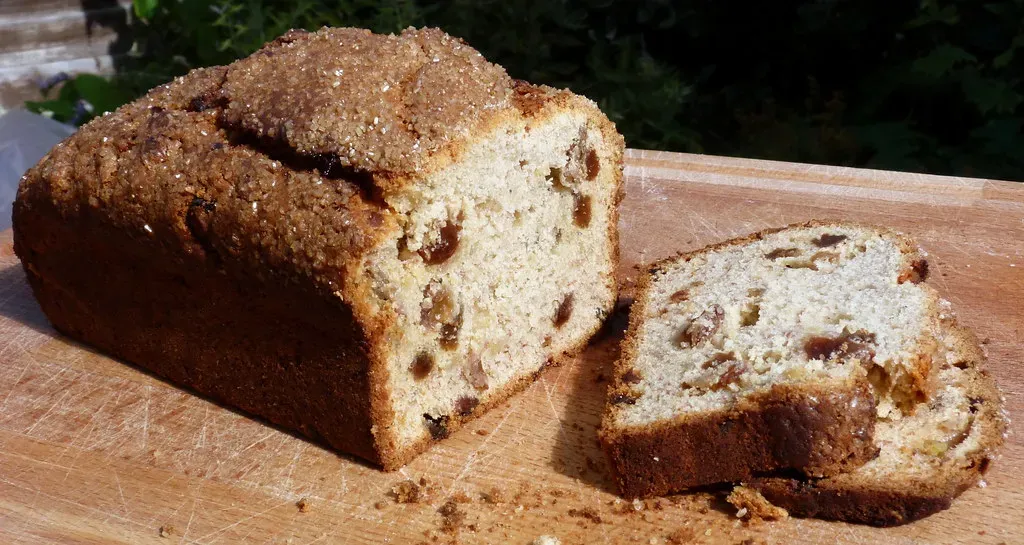
Baking is its own discipline, and honestly it can feel intimidating at first. Unlike savory cooking where improvisation is encouraged, baking is a science. Baking requires learning how to measure ingredients accurately, follow baking times and temperatures precisely, and understand why preheating the oven matters. Start with something like banana bread or a basic chocolate chip cookie. Both are forgiving enough for beginners and rewarding enough to keep you hooked.
Basic baking can be a great stress-reliever and another way to use up leftover fruit. A banana loaf or batch of muffins is something worth knowing how to make. There’s something deeply satisfying about pulling a tray of cookies out of the oven that you made from actual ingredients. Cooking and baking can be a therapeutic and enjoyable activity that helps you unwind. In a busy, fast-paced world, taking the time to prepare something from scratch can provide a much-needed break from daily stress. That benefit alone makes learning to bake more than worth it.
11. A Sheet Pan or One-Pot Dinner
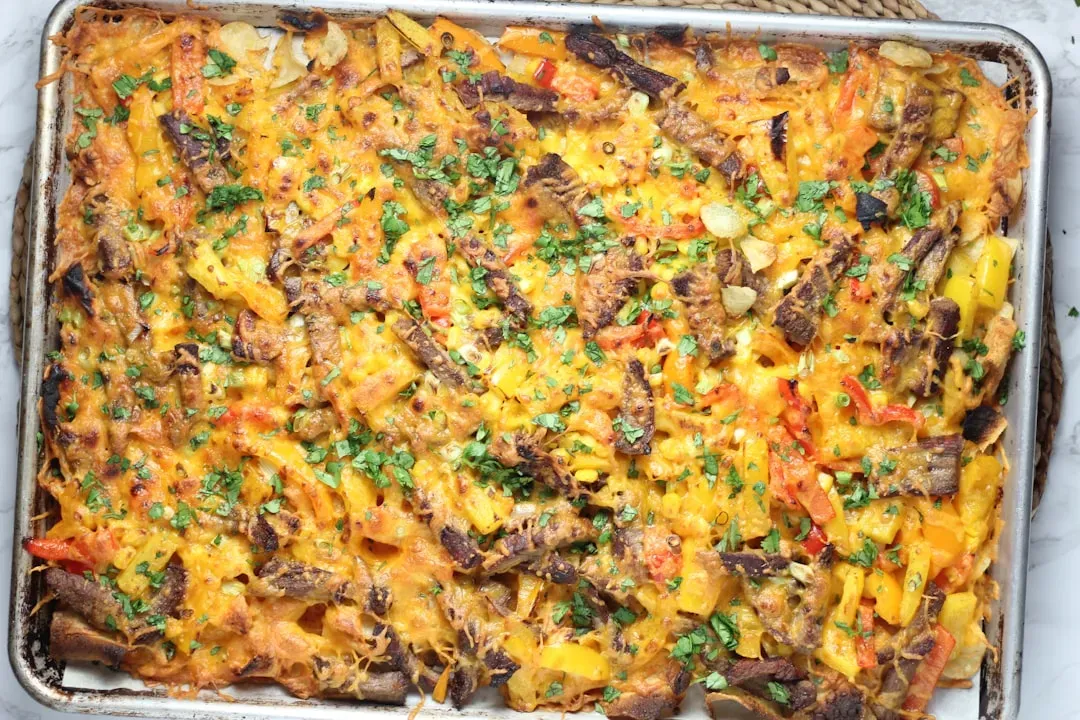
An essential skill to master is the brilliance of one-pan and sheet pan meals. The beauty is the ease of the recipe and practically no cleanup afterward. There may be some prep involved in chopping vegetables and meat, but the payoff is worth it because you just throw everything in and let it cook. This style of cooking is what separates people who cook regularly from people who only cook when they have time. It removes the excuses.
Sheet pan recipes are particularly great because all of the food can roast together in the oven with the flavors mixing beautifully. They’re even more hands-off than stovetop meals because you can put them in the oven and not check on them until they’re nearly done. Think chicken thighs with potatoes and green beans, all on one tray. Season well, slide it in the oven, and thirty minutes later you have a real meal. An enormous majority of Americans expect to cook as much or more in the coming year than they did previously, and the sheet pan dinner is exactly the kind of recipe that makes that goal completely achievable.
The Bigger Picture: Why These Recipes Actually Matter
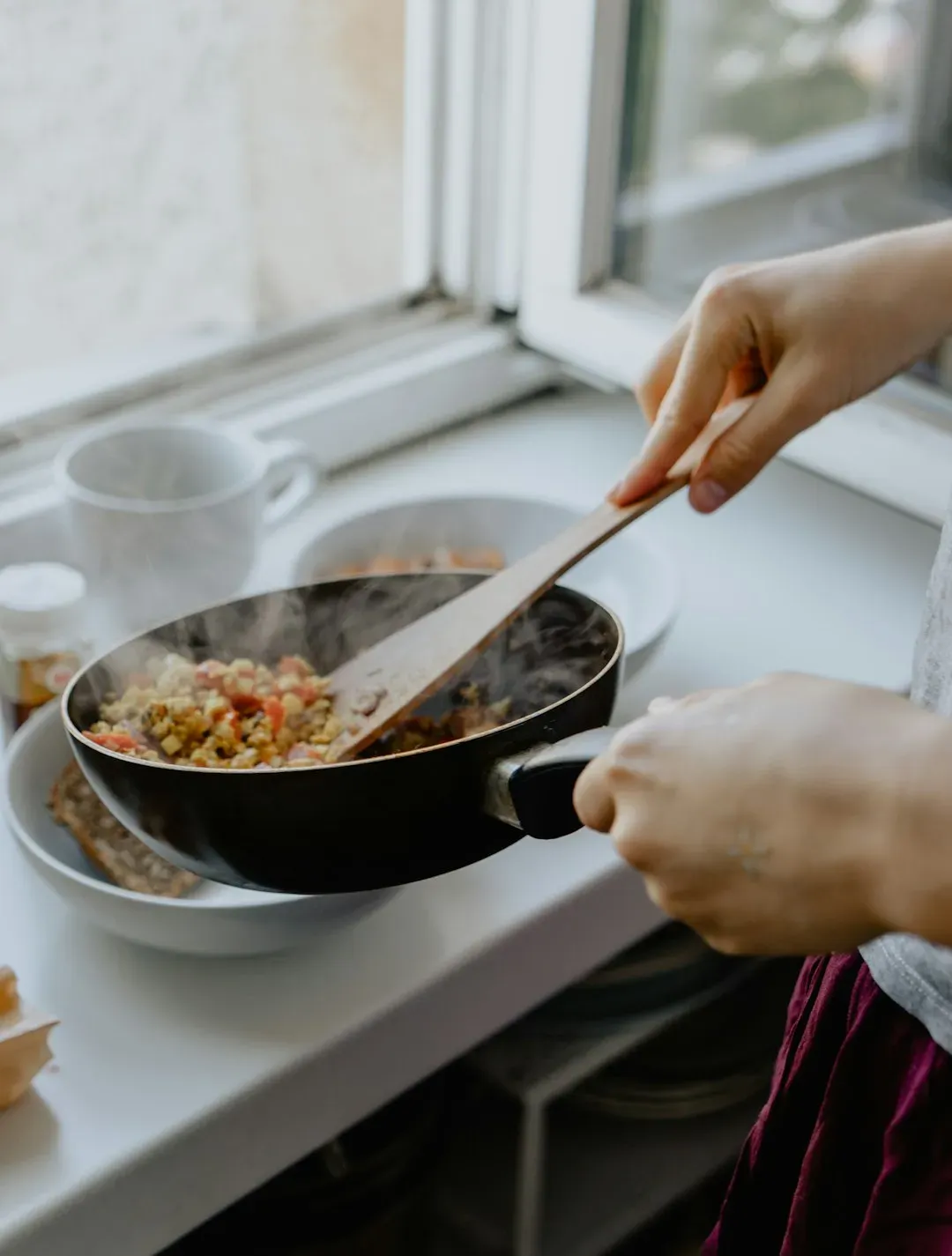
Home food preparation can be an affordable method for improving diet quality and reducing intake of ultra-processed foods, both of which are important drivers of diet-related chronic diseases. That’s not just a lifestyle choice. It’s genuinely one of the most impactful health decisions a young adult can make. A typical homemade meal costs around five dollars per serving, which is a significant saving compared to the national average of twenty-three dollars per person for a restaurant meal, according to U.S. Bureau of Labor Statistics 2024 food spending data.
Gen Z is actually the generation that enjoys meal preparation the most compared to Boomers, Gen X, and Millennials. Over half say they like or love meal preparation. The enthusiasm is there. It just needs a little direction. Friends and family remain the number one source for cooking inspiration at around forty one percent, but YouTube and other social media channels now strongly rival traditional learning. The tools and motivation to become a capable cook have never been more accessible. The only thing left to do is start.
These eleven recipes aren’t about becoming a gourmet chef before your thirtieth birthday. They’re about having a repertoire that makes you feel capable, independent, and a little more at home in your own kitchen. Mastering them is less about impressing others and more about building a relationship with food that serves you for the rest of your life. So, which one are you cooking first?