
There’s a persistent myth that eating well in America means spending a lot of money. That a truly memorable meal has to come with a jaw-dropping bill. Honestly, it’s just not true. Across this country, a growing number of cities are quietly building reputations not just for great food, but for great food that doesn’t require you to refinance your apartment.
The post-pandemic years pushed restaurants to raise prices due to higher ingredient costs, and that made diners more cautious, often sticking to familiar spots rather than adventuring into new ones. But the cities on this list are different. They offer the thrill of culinary discovery without the financial sting. Let’s dive in.
Table of Contents
1. Miami, Florida: The Undisputed Flavor Capital
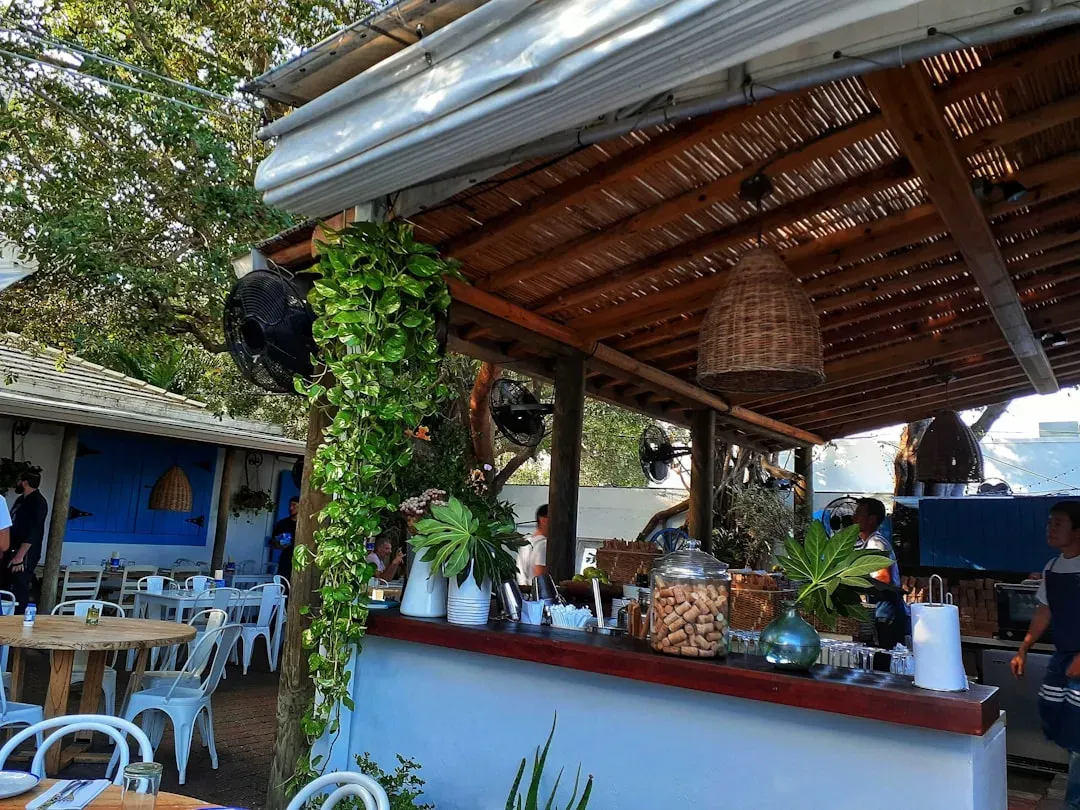
If you haven’t been paying attention to Miami’s food scene lately, here’s a wake-up call. Miami, Florida ranked as the number one city for food lovers in WalletHub’s 2025 study, excelling in both affordability and food diversity. That’s not a fluke. It’s the result of a city built on cultural crossroads, where Cuban, Caribbean, Latin American, and Southern American traditions collide daily on your plate.
Miami leads the country when it comes to the availability of affordable restaurants rated at least 4.5 stars out of 5, and it also boasts one of the highest numbers of restaurants per capita in the country. Think about that for a second. That’s not just quantity. It’s quality at scale. Miami also has a high diversity of restaurants and is home to 14 that have earned Michelin stars, and if you’re a home chef, it’s packed with farmers’ markets, gourmet food stores, butcher shops, and kitchen supply stores.
2. Houston, Texas: The Most Diverse Food City You’re Probably Underrating
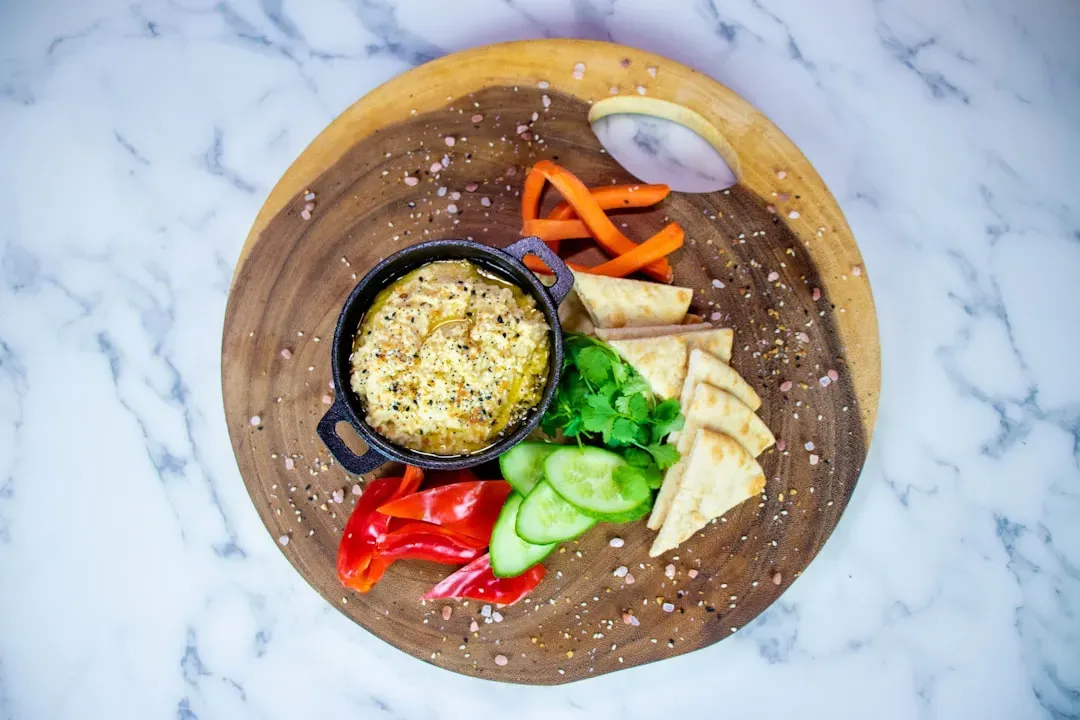
Let’s be real. Houston doesn’t always get the credit it deserves. People think of oil, heat, and sprawl. Food lovers know better. This multicultural metropolis is where anything goes food-wise, from barbecue to Southern, Chinese, Mexican, Vietnamese, and South American favorites, and the good news is Houston is a relatively affordable city to dine out in. That combination is genuinely rare.
In 2024, Houston was named one of Travel + Leisure’s top 10 “Best Food Cities in the U.S.” and had six restaurants receive Michelin stars. That’s an extraordinary leap for a city that many food journalists once dismissed. Looking ahead, Houston’s dynamic food scene continues making an impact as the city adds to its more than 12,000 restaurants. Twelve thousand restaurants. That’s not a city. That’s a culinary universe.
3. New Orleans, Louisiana: Where Every Bite Tells a Story
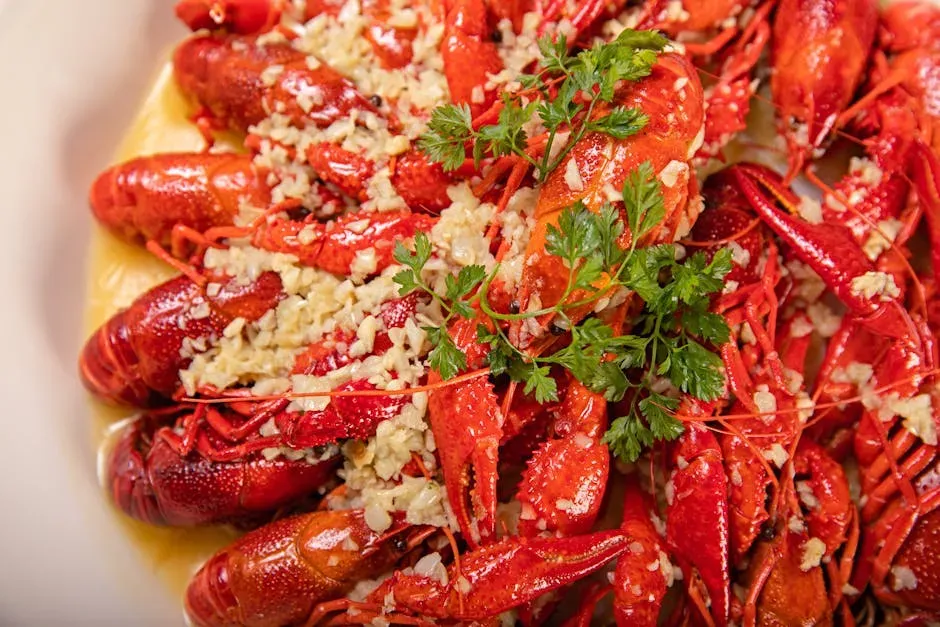
New Orleans is as famous for its food scene as it is for live music and the colorful annual Mardi Gras, with American, African, and French influences and flavors colliding to produce a feast for the palate, including iconic dishes like jambalaya, crawfish étouffée, gumbo, and po’ boys. There’s nowhere else in America that eats like this. Nowhere.
The city doesn’t stand still either. In 2025, a croissant-esque king cake from Ayu Bakehouse emerged as one of New Orleans’ favorites, and head chef Kelly Jacques was named one of Food & Wine’s 2025 best new chefs. I think what makes New Orleans so special is that you can eat a $7 po’ boy from a corner shop and it might genuinely be the best sandwich you’ve ever tasted. The price doesn’t dictate the pleasure here.
4. Portland, Oregon: The Food Cart Capital of America
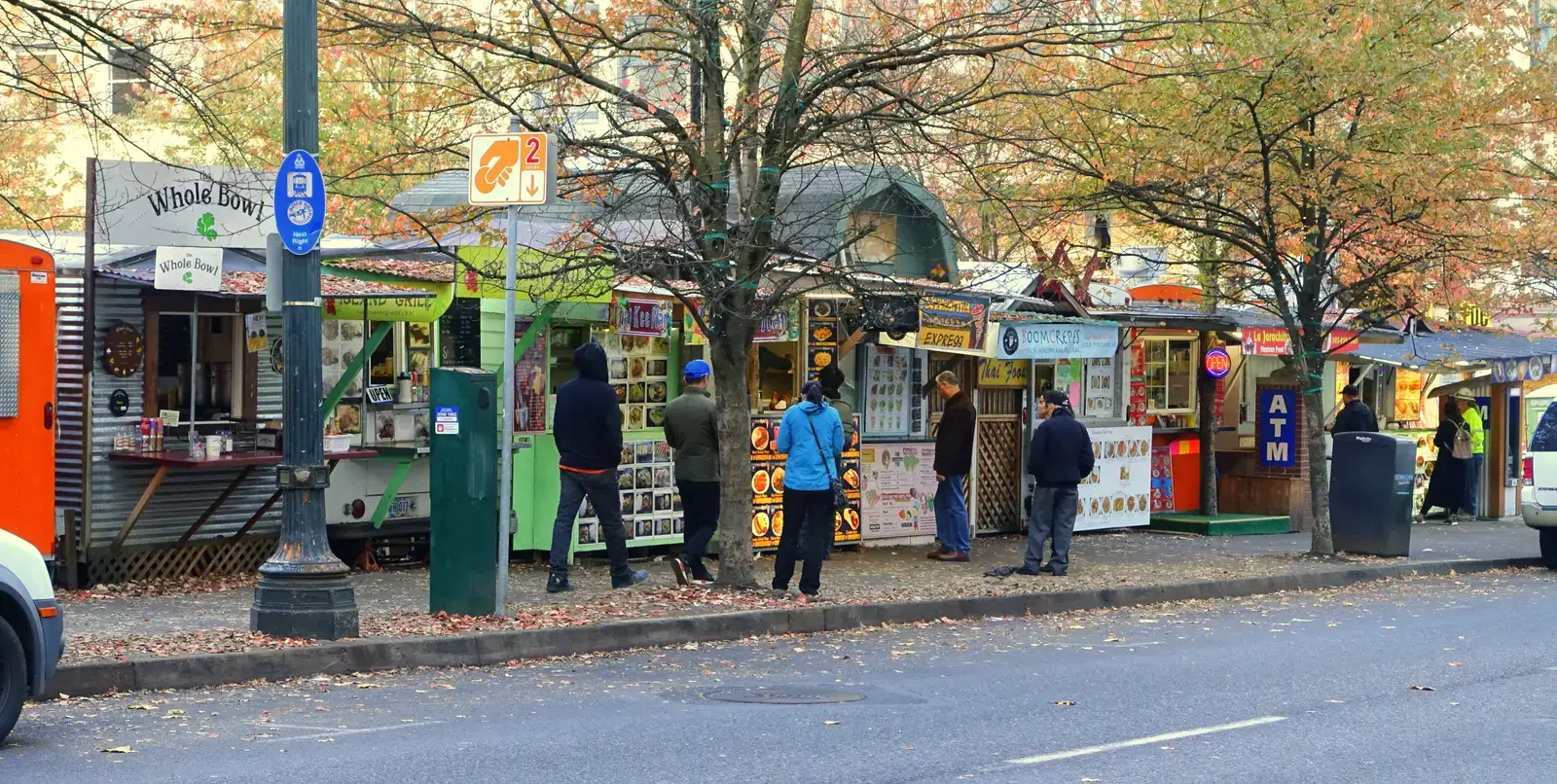
Portland has something other cities struggle to replicate: an entire food culture built around accessibility. WalletHub ranks Portland, Oregon among the top foodie cities in America, and it’s not hard to see why when you walk through the city’s legendary food cart pods. Think of them as outdoor food halls where the entry price is never intimidating.
Portland Dining Month is an opportunity for diners to sample Portland’s top restaurants at an affordable price every March, and in 2026, the city’s top restaurants are once again offering three-course meals at two price options, making it one of the best times to experience one of the nation’s most talked-about culinary destinations affordably. On top of that, Yelp’s data shows that diners increasingly yearn for casualness and affordability, with roughly four out of every five businesses on their Top 100 list priced under $30 per person. Portland fits that appetite perfectly.
5. Las Vegas, Nevada: Far More Than a Buffet Town
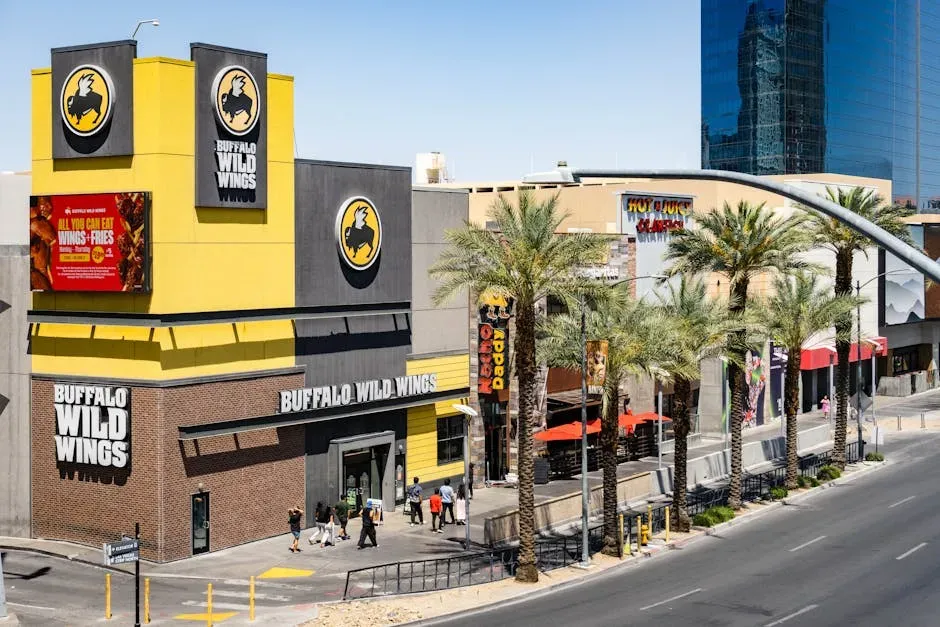
Most people still picture Las Vegas as a city of enormous casino buffets piled with soggy food. That image is decades out of date. Gone are the days when the all-you-can-eat buffet dominated; Las Vegas has shifted upmarket regarding food, and restaurants from celebrity chefs have become the stars of the local culinary scene. The quality leap has been staggering.
A three-course meal for two at a mid-range restaurant in Las Vegas costs around $75, and the city offers more than 243 mid-range dining spots per 100,000 people, adding up to more than 1,400 options in this price range. That is genuinely strong value for a major American city. The city also serves up all kinds of international cuisine, including French, German, Mediterranean, and Japanese. Vegas rewards the curious eater in ways that most visitors never discover.
6. Denver, Colorado: Rocky Mountain Flavors on a Real-World Budget
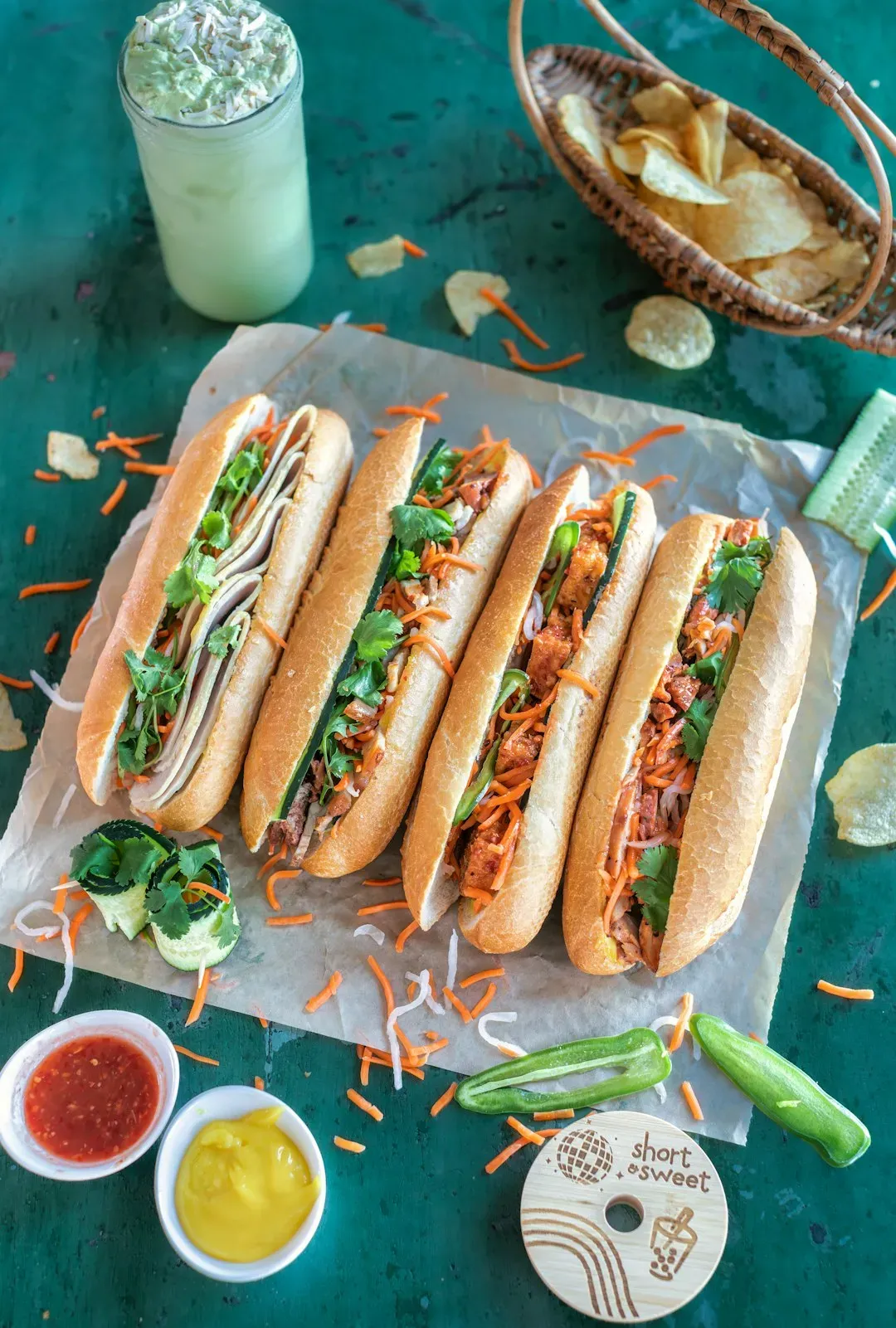
Denver has quietly become one of the most interesting food cities in the American West, and the prices haven’t caught up with the quality yet. That’s the sweet spot. A three-course dining experience for two in one of Denver’s mid-range restaurants is priced at $80, with cuisine options including Mexican, Vietnamese, Japanese-Italian fusion, and French, and you’ll find about 167 mid-range restaurants per 100,000 people.
Denver has a high foodie score due to factors such as the cost of a meal and the number of Instagram-worthy restaurants at different price points. It’s a city where you can share a $14 banh mi for lunch, then splurge on a creative tasting menu for dinner without feeling like you’ve thrown your budget off a mountain. Denver welcomed more than 37 million visitors in 2024, generating over $10 billion in spending, and the dining scene has been a central part of that draw.
7. Chicago, Illinois: Deep Dish Is Just the Beginning
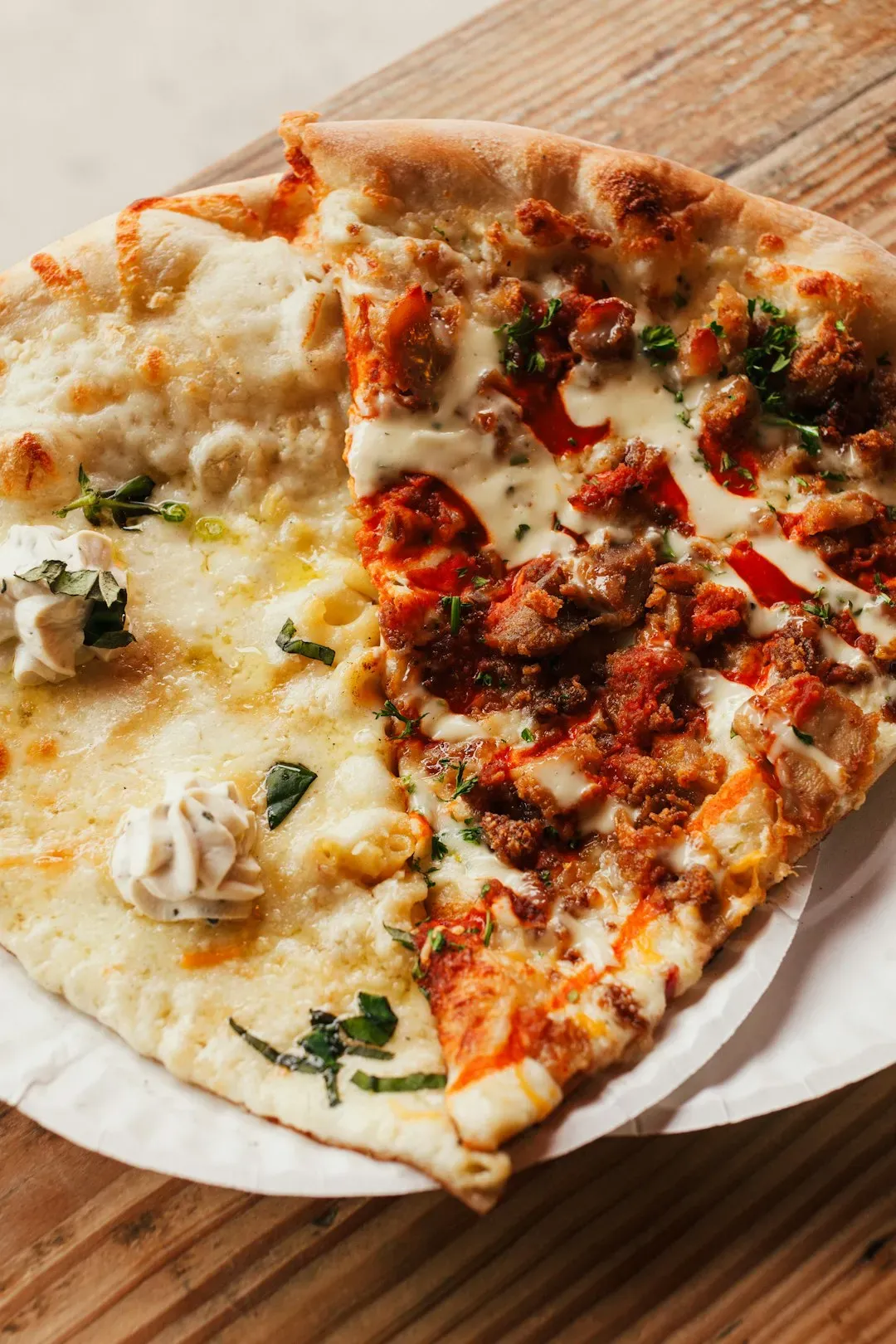
Chicago gets reduced to deep dish pizza in a lot of conversations, and that’s a little bit unfair. Honestly, it’s a massive undersell. With close to 80 neighborhoods, Chicago has a thriving foodie scene to rival any global city, where you can dine on dim sum in Chinatown, head down Mexico Way in Pilsen, or dine island-style in Greektown. The depth of authentic international food here is genuinely remarkable.
Chicago’s vibrant neighborhoods showcase the city’s value perfectly: Pilsen offers affordable Mexican cuisine from family-run taquerias and caldos shops, while Argyle Street serves up Vietnamese pho and banh mi at reasonable prices. As for numbers, eating a three-course meal at a mid-range restaurant in Chicago will cost around $95 for two, and if you eat like a local, you can try the city’s famous Chicago dog, Italian beef sandwich, deep-dish pizza, or fried chicken for far less.
8. Seattle, Washington: Surprisingly Affordable and Wildly Delicious
Seattle surprises people. They hear Amazon, Starbucks, expensive tech culture, and assume the restaurant scene must be brutal on the wallet. Seattle may be a company town, but the city is actually one of the most affordable places to eat in the country, with journalists reporting eating very well on just $38 a day during a work visit. That’s a remarkable stat for a major West Coast city.
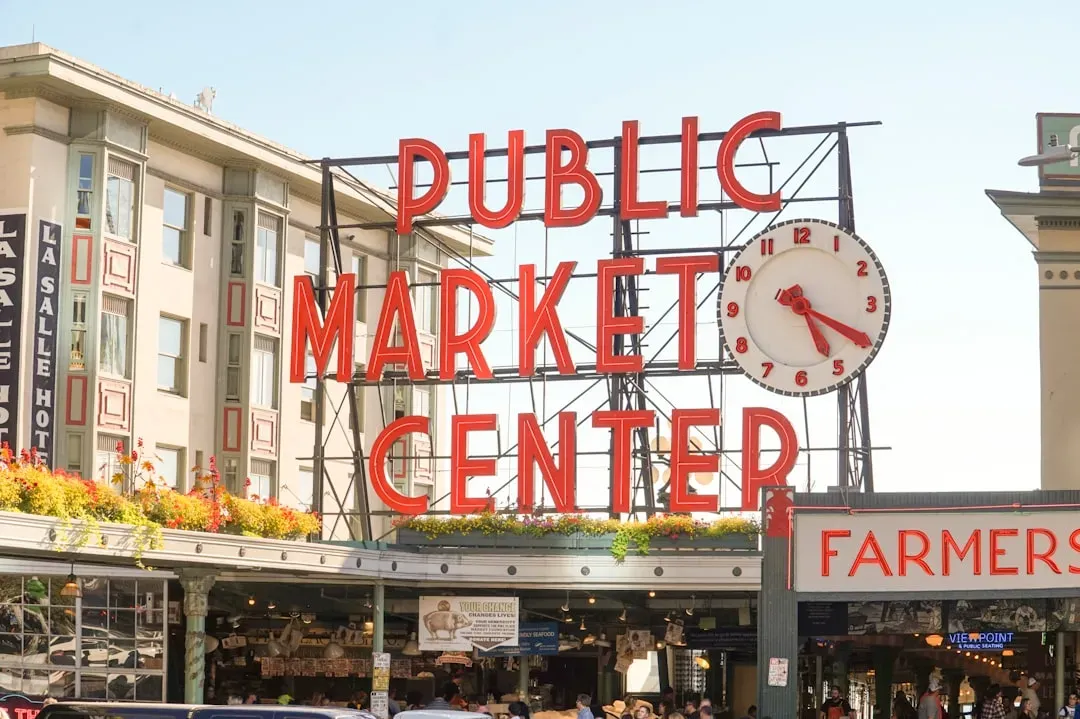
San Francisco and Seattle both feature among the leading cities for diversity of restaurant types, access to healthy food options, and a large number of food festivals and craft breweries per capita. Seattle’s Pike Place Market alone is an all-day eating destination. You can graze on fresh Dungeness crab, hand-rolled sushi, and locally made cheese all within a few hundred steps of each other, and still leave with money in your pocket.
9. San Diego, California: Tacos, Fusion, and Ocean-Fresh Everything
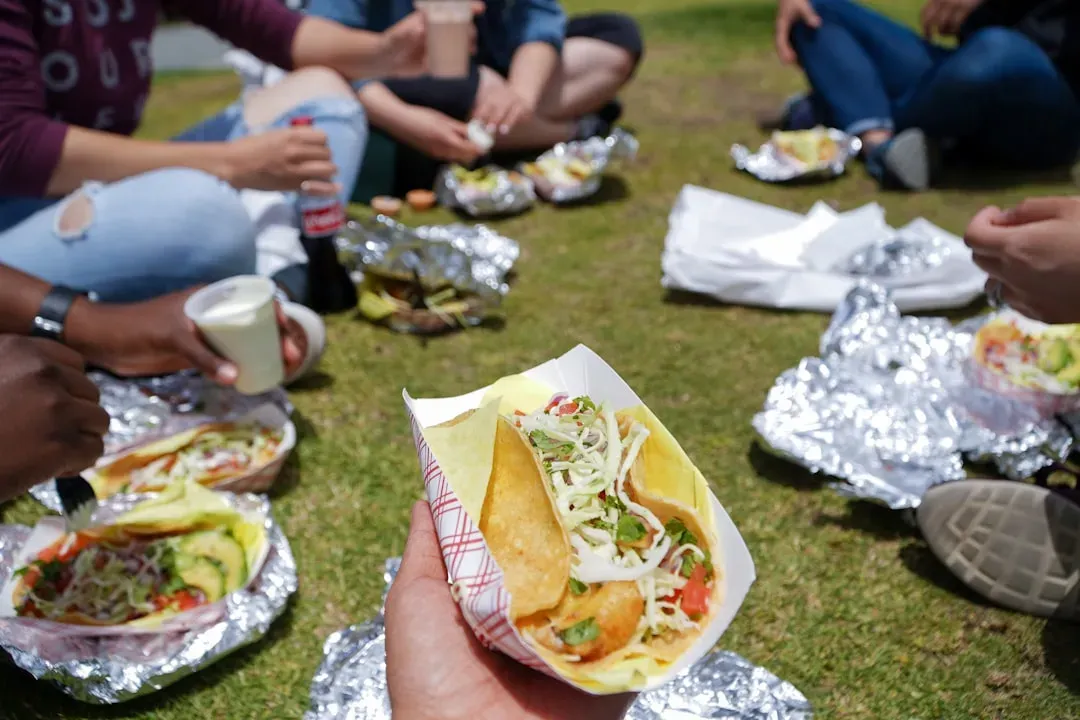
San Diego is one of those cities where the casual food culture is so strong that it almost overshadows the more serious dining scene. Almost. San Diego is an international melting pot, and in every corner of the city you will find restaurants and shops of different cuisines and cultures. The proximity to Mexico gives it an edge that no other major California city quite replicates.
A three-course dinner for two at a mid-range restaurant in San Diego sits at $88, and with 92 mid-range restaurants per 100,000 people, including Vietnamese, Filipino, Japanese, and Italian options, that’s approximately 1,270 dining opportunities. Fish tacos here are essentially a food group of their own. Fish tacos are an absolute staple in San Diego, built on a soft-shell corn tortilla with a fresh fish fillet, shredded cabbage, chipotle-sour cream dressing, and a touch of pico de gallo on top. For a few dollars, it’s hard to beat.
10. Washington, D.C.: Power City With a Surprisingly Affordable Plate
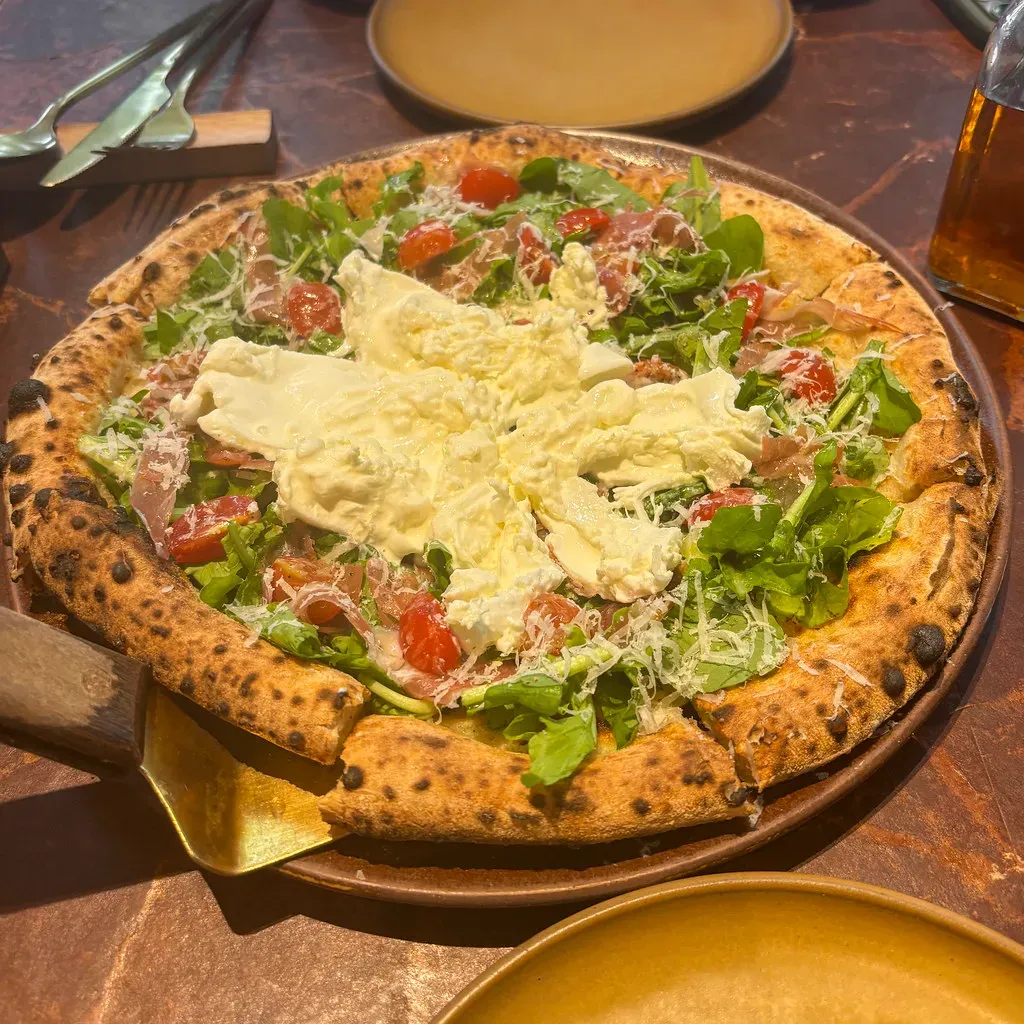
Most people still associate Washington, D.C. with power lunches and expense accounts – and that image isn’t entirely wrong. But for everyday diners, the city is increasingly inviting. Rising-star chef Michael Rafidi, who won the James Beard Foundation Outstanding Chef of the Year award in 2024, continues to turn heads with his Levantine-inspired pizzas at Yellow. A wood-fired pie topped with burrata, harissa, and fresh basil goes for $22 – remarkably accessible for James Beard-caliber dining.
Chef José Andrés offers great value at many of his D.C. restaurants, with China Chilcano offering a three-course lunch menu for $28, and Jaleo serving a weekday marinated lamb sandwich with a side of your choice, including gazpacho, for $16. The city has also developed a strong food hall culture. The Chancery Market serves a diverse array of bites, from Indian street food to Korean fried chicken, with a chicken tikka bowl at Kati Roll Wala for just $12.99. D.C. rewards the food lover who looks beyond the tourist corridors.
A Final Thought for the Hungry Traveler

Great food and financial ruin don’t have to go hand in hand. That’s the quiet lesson these ten cities keep teaching. WalletHub evaluated over 180 U.S. cities using 28 key indicators of foodie appeal, ranging from the cost of groceries to the affordability and accessibility of high-quality restaurants and food festivals. The results confirm what adventurous eaters have long suspected: the best bites in America aren’t always the most expensive ones.
Any American city is affordable if you stick to fast food, but there are a good number of places where even some Michelin-starred or recommended places are affordable, and in some cities, even restaurants helmed by award-winning chefs are affordable relative to local incomes. The cities on this list prove that point beautifully. The next time someone tells you that eating well costs a fortune, point them toward Miami, Portland, or Houston. Their wallet will thank you, and so will their taste buds.
What city on this list surprised you the most? Tell us in the comments.