
Not all fish are created equal. Some are nutritional powerhouses that can genuinely transform your heart, brain, and overall health. Others? Well, let’s just say they’re more filler than fighter. If you’ve ever stood in the fish aisle wondering whether that cheap fillet is actually doing anything good for your body, you’re not alone. Fish is a low-calorie, high-protein food packed with nutrients, and roughly nine out of ten Americans don’t eat enough of it. The gap between the best and worst choices is bigger than most people realize. Let’s dive in.
#10 – Tilapia: The Bargain Buy with a Nutritional Catch
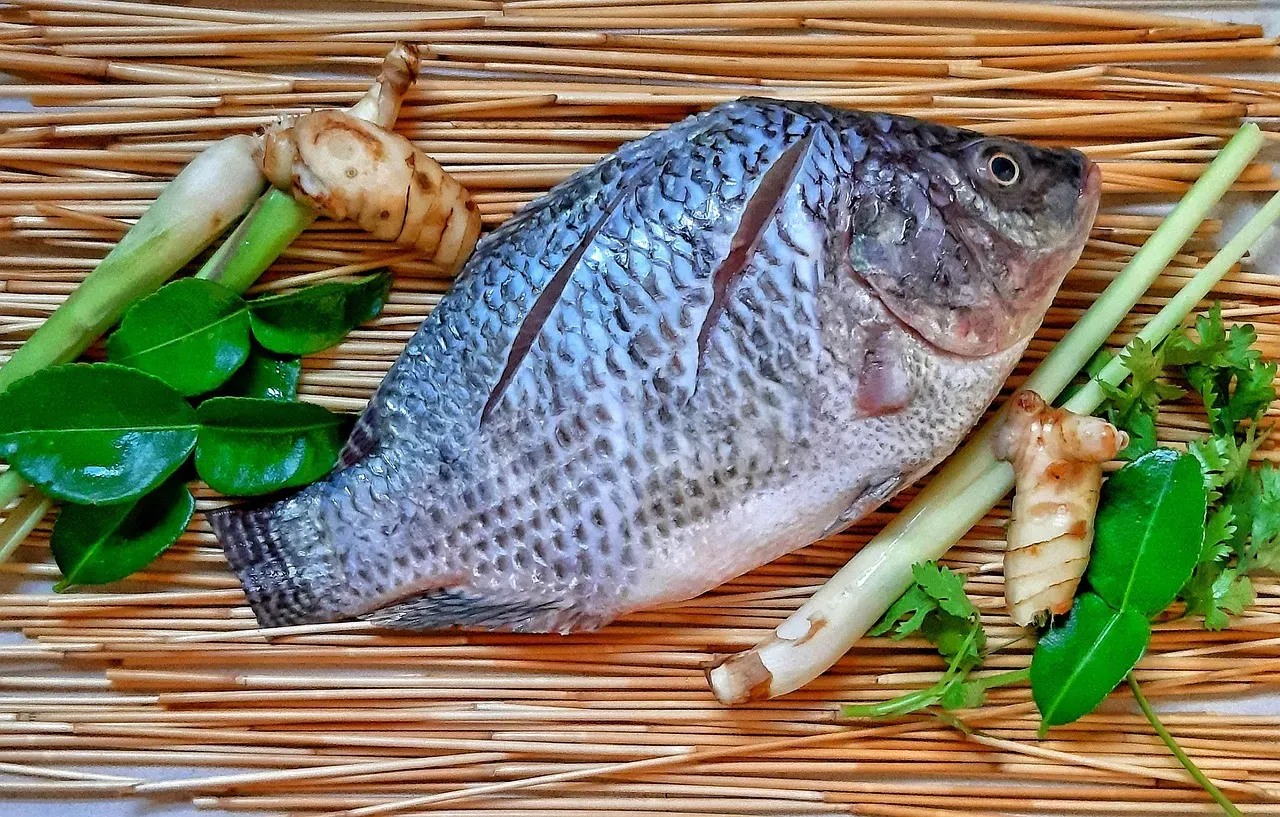
Tilapia is often called the fast food of the fish world – it’s widely farmed, incredibly affordable, and provides decent protein at around 21 grams per serving. Honestly, that’s not bad for the price. The problem shows up when you look at the fat profile more carefully.
Farm-raised tilapia often consumes a diet of corn and soy rather than natural algae, which results in higher omega-6 fatty acids – an imbalance that potentially promotes inflammation rather than fighting it. A 2024 study in the UK Biobank confirmed that a higher ratio of omega-6 to omega-3 fatty acids is associated with greater risk of all-cause, cancer, and cardiovascular mortality. That’s a real concern when tilapia consistently sits near the bottom of the omega-3 charts.
#9 – Flounder: Light, Low-Calorie, but Limited
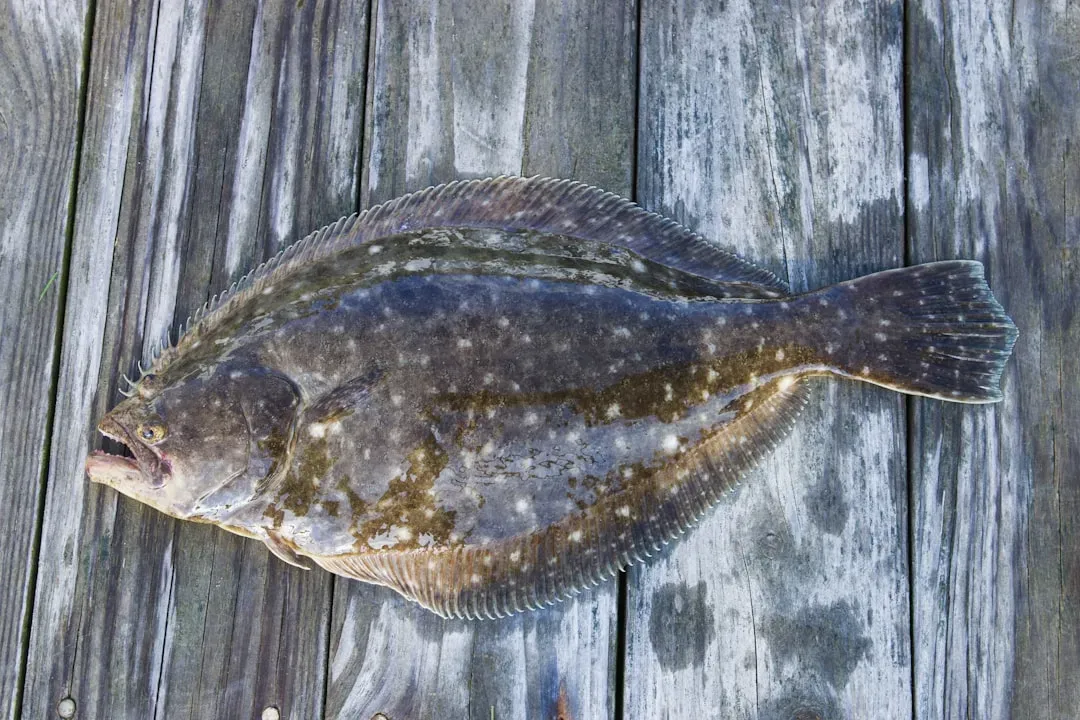
Flounder is a flat, bottom-dwelling fish with a delicate texture that works well for light cooking methods. With just 78 calories per three-ounce serving, it shines for weight-conscious eaters, delivering about 16 grams of protein and minimal fat. It’s the kind of fish you’d recommend to someone who’s still warming up to seafood.
Flounder ranks lower on nutrition lists because it contains merely around 150 milligrams of omega-3s and only modest amounts of vitamins compared to oilier species. Health organizations suggest an intake of at least 250 to 500 milligrams of omega-3 EPA and DHA per day, which means flounder alone won’t get you there. It’s fine, just not impressive.
#8 – Swordfish: Great Protein, Serious Mercury Problem

Swordfish is highly rich in macro and micronutrients, including proteins, essential amino acids, lipids, vitamins, and minerals. It is also a primary dietary source of long-chain omega-3 polyunsaturated fatty acids, particularly EPA and DHA, both of which play a beneficial role in health promotion and prevention of cardiovascular disease. So far, so good.
Here’s where things go sideways. Swordfish has an average mercury load measuring 0.995 parts per million, with the highest loads reaching 3.22 parts per million. That’s dangerously high. When fish eat contaminated food, mercury builds up in their bodies. Large fish that are higher in the food chain eat smaller fish, so they accumulate even more mercury. The longer a fish lives and eats, the larger it grows and the more mercury it can collect. Swordfish should be an occasional treat, not a weekly staple.
#7 – Cod: The Reliable Everyday White Fish

Cod is a lower-calorie option that doesn’t skimp on nutrition. It is a lean, white fish packed with protein, Vitamin B12, and phosphorus – and when looking for a healthy fish that is low in fat but high in satiety, cod is a natural choice, especially for those new to seafood seeking a milder flavor. Think of it as the reliable sedan of the fish world: not flashy, but it gets the job done.
Cod is a great source of phosphorus, niacin, and vitamin B-12, and a three-ounce cooked portion contains between 15 and 20 grams of protein. It does fall into the lower omega-3 tier, delivering under 250 milligrams per serving, which puts it behind the oily fish options. Still, it’s low in mercury and widely available – a solid, sensible choice for regular rotation.
#6 – Pollock: The Underrated Workhorse You’ve Already Eaten

Let’s be real – most people have no idea they eat pollock all the time. McDonald’s uses pollock for all their Filet-O-Fish sandwiches, sourced from sustainable fisheries, and it’s also the fish inside the breaded fish sticks many of us grew up eating. Behind all that batter is a genuinely nutritious fish. Pollock delivers around 600 milligrams of omega-3s per serving, along with roughly 20 grams of protein and just 90 calories.
Based on FDA monitoring data, pollock had a mean mercury content of just 0.031 parts per million. A guide published by the Natural Resources Defense Council lists pollock on their “least mercury” list of fish. A 2024 study also found that daily pollock protein intake improved muscular strength and muscle control. For a budget-friendly, mercury-safe, genuinely functional fish, pollock punches well above its reputation.
#5 – Halibut: The Filling Fish with a Solid Mineral Profile
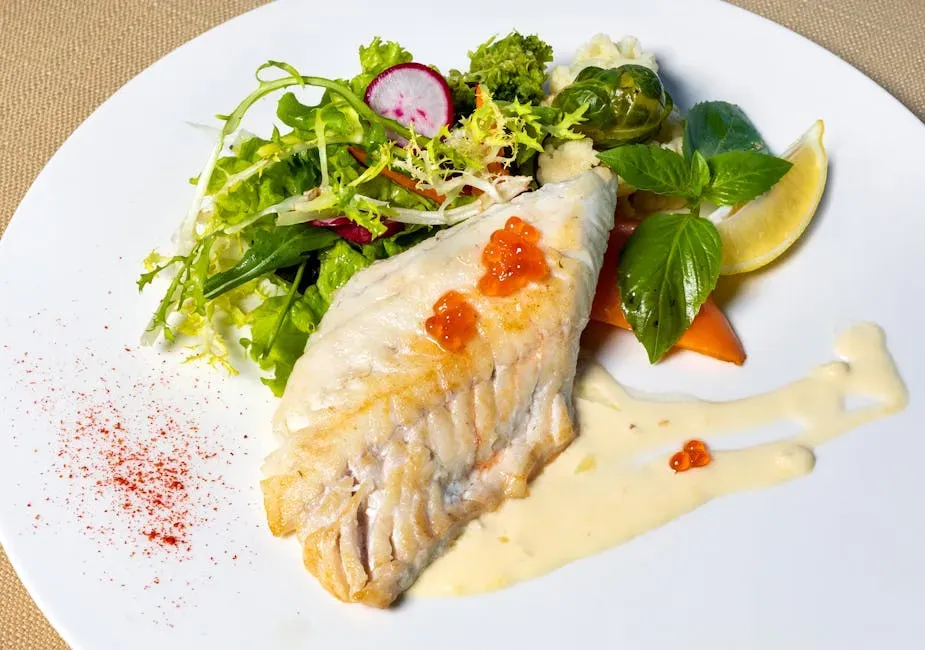
According to the Satiety Index of Common Foods published in the European Journal of Clinical Nutrition, halibut ranks as the second most filling food overall. Study authors attribute this to its impressive protein content and its influence on serotonin, one of the key hormones responsible for regulating appetite. For anyone managing weight, that’s a genuinely useful property.
Halibut typically contains higher levels of omega-3 fatty acids compared to cod, and both fish are low in saturated fats and cholesterol, making them heart-healthy choices when included as part of a balanced diet. Halibut supports energy production and bone health through high levels of niacin, phosphorus, and magnesium. It’s also worth noting that Pacific halibut is the more sustainable choice – Atlantic populations remain under pressure from overfishing.
#4 – Trout: The Vitamin D Champion Most People Ignore
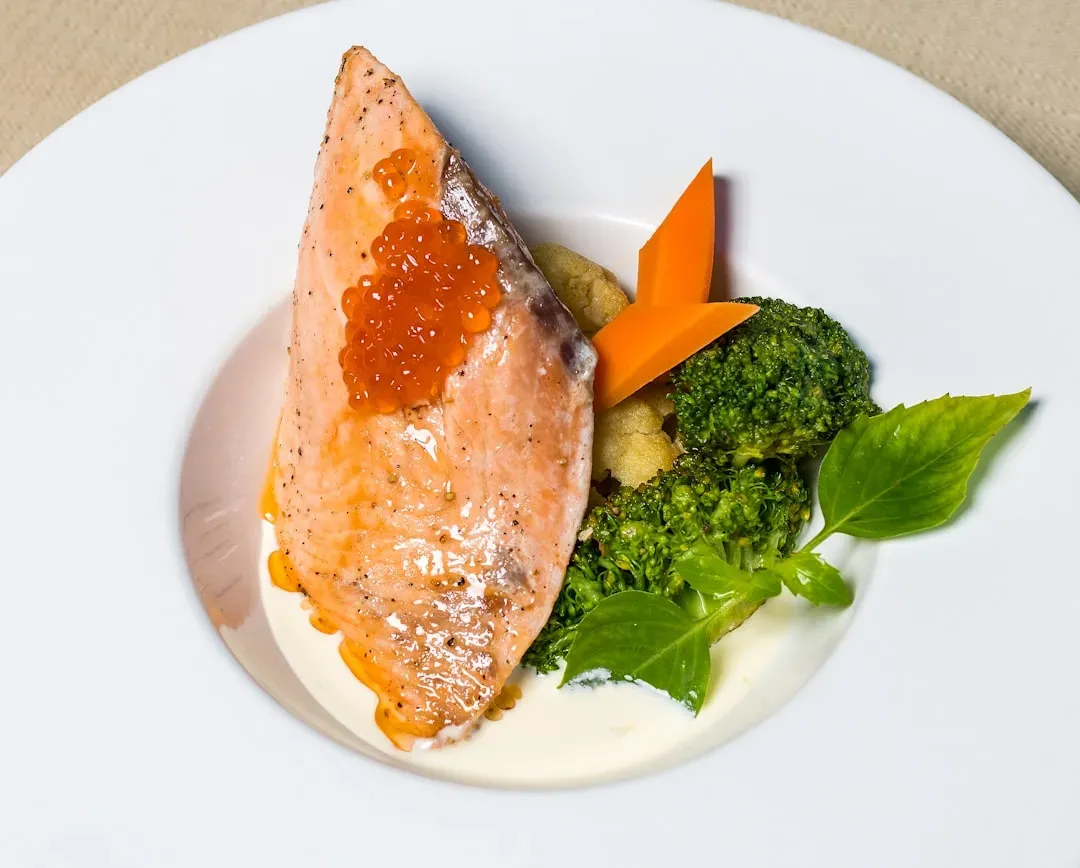
Trout is lower in calories than many other fish but still delivers plenty of protein and omega-3 fats. It also has more vitamin D than most fish options, covering around 81 percent of your daily value – and vitamin D is needed for immune and bone health. That’s a remarkable nutrient density for a relatively modest fish. Vitamin D deficiency is extremely common in the modern world, which makes trout quietly one of the most valuable things you can put on your plate.
Farm-raised rainbow trout delivers a clean, mild flavor and impressive nutrition, with each serving packing around 1,000 milligrams of omega-3s – significantly more than lean white fish options. U.S.-farmed trout also earns sustainability recognition, making it a win for both personal health and the planet. It’s honestly one of the most underappreciated fish in the supermarket.
#3 – Mackerel: The Omega-3 Powerhouse with a Polarizing Flavor
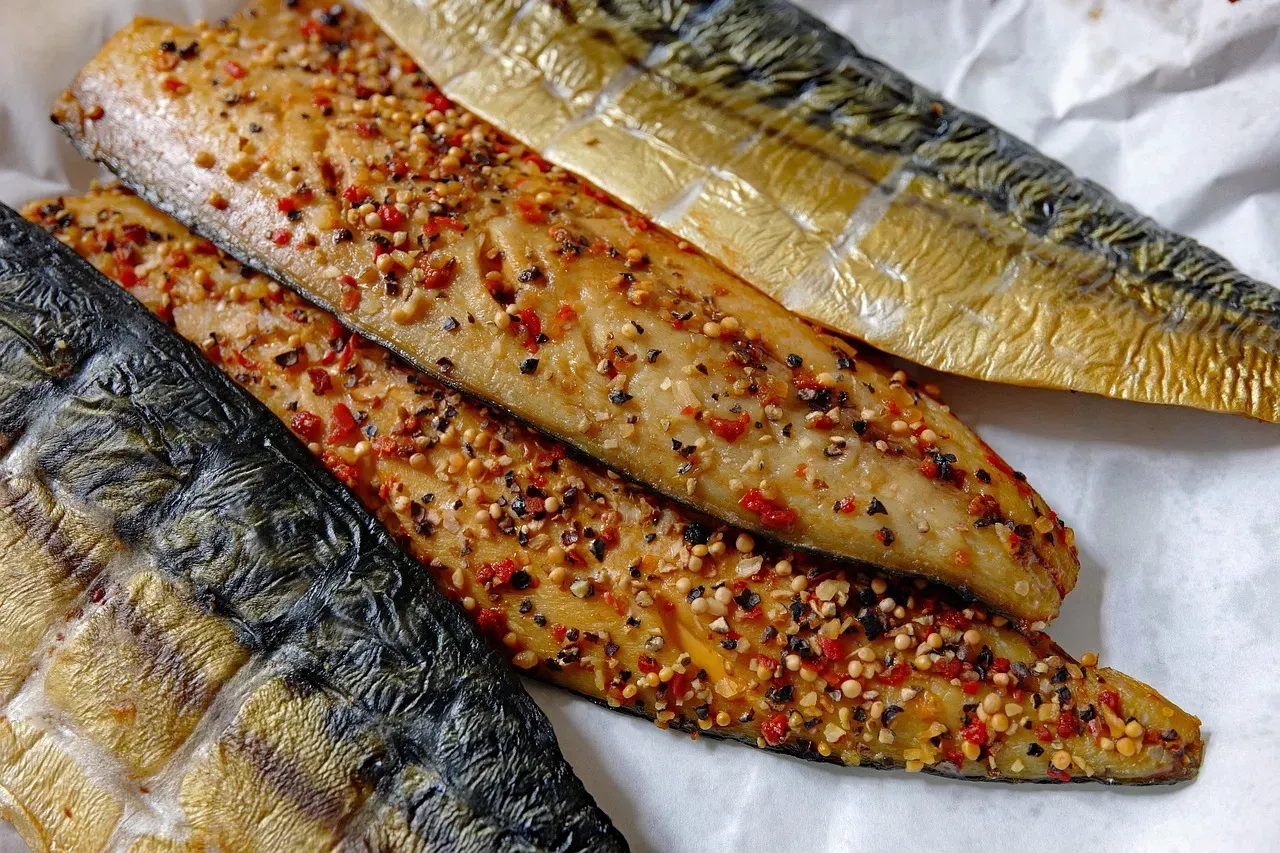
Not to be confused with king mackerel, which is high in mercury, Atlantic mackerel is a nutritional heavyweight. The distinction matters enormously. Atlantic mackerel delivers a remarkable amount of omega-3 fatty acids per serving, along with complete protein, selenium, and B vitamins. It’s also among the omega-3-rich fish that are notably low in mercury, which makes it a genuinely safe and powerful option.
Studies show that eating fatty fish like mackerel twice weekly can reduce heart disease risk by up to roughly a third, making this bold-flavored fish worth acquiring a taste for. Mackerel is often described as having a strong, fishy taste – people either love it or hate it. I’ll admit it’s not for everyone. But if you can get past that punch of flavor, few fish give you this much nutrition for the price.
#2 – Salmon: The Celebrity Fish That Actually Earns Its Fame
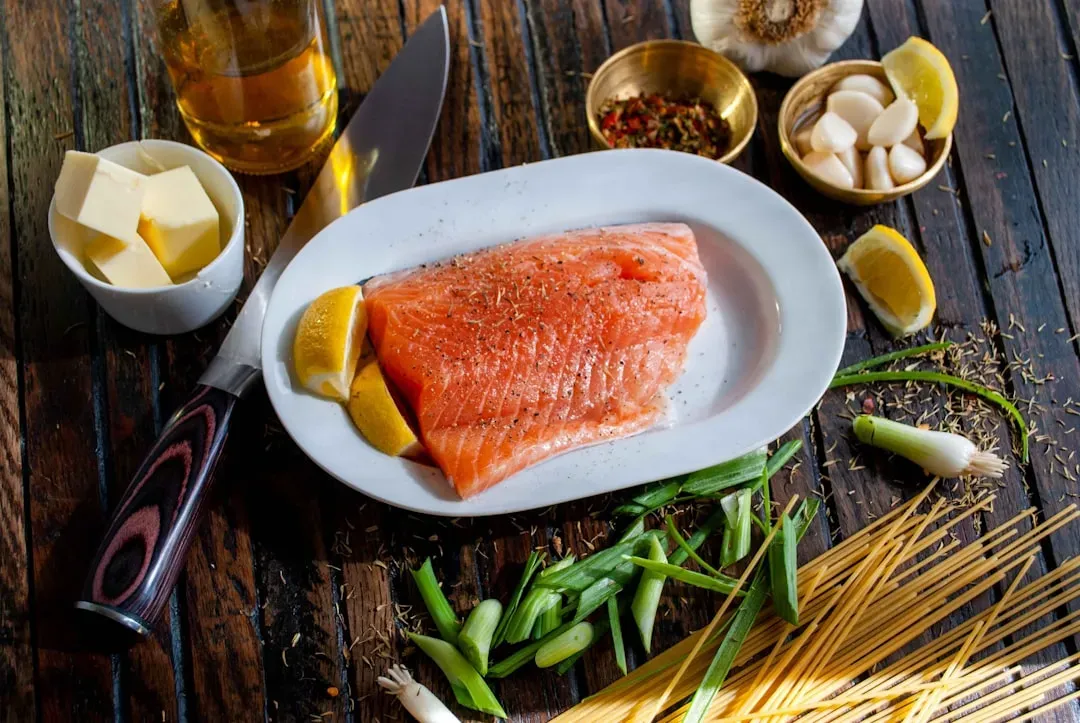
Wild salmon’s rich pink flesh contains astaxanthin, a powerful antioxidant that may reduce inflammation and enhance skin health. Each serving delivers around 1,200 milligrams of omega-3s, 22 grams of complete protein, and impressive vitamin D levels. Fish like salmon is also a core part of the Mediterranean diet, which has been shown to support heart health. It’s one of those rare cases where the hype and the evidence actually line up.
There’s a genuine debate about whether wild or farmed salmon is the better option. Farmed salmon is significantly cheaper, but it may contain less omega-3s and fewer vitamins and minerals, depending on whether it’s fortified. If your budget allows, opting for the wild variety is the better call. Either way, salmon is one of the most well-researched, broadly beneficial foods you can put on your plate – and the data backs that up consistently.
#1 – Sardines: The Tiny Fish That Tops Every List

Canned sardines are considered the MVP of the seafood world, given their affordability, shelf stability, and nutritiousness. These tiny fish are loaded with marine-based omega-3 fatty acids, the type of fat known to fight inflammation and support brain, heart, and metabolic health. Gram for gram, canned sardines actually contain even more of this powerhouse nutrient than salmon. That’s not something most people expect.
Beyond omega-3 content, sardines are also one of the best dietary sources of calcium, with a single can providing as much as a glass of milk. They’re naturally rich in vitamin D as well, a nutrient that aids calcium absorption and plays a crucial role in immune function and bone health. A 2021 study published in the journal Clinical Nutrition found that people with prediabetes experienced a reduction in markers indicating lower risk of Type 2 diabetes and heart disease when they included sardines in their diet twice per week. For something this cheap and this easy to store, the science behind sardines is genuinely hard to argue with.
What This All Means for Your Plate

The pattern here is clear. All fish are high in protein and low in saturated fat. The most nutritious fish are also high in beneficial omega-3 fats, which may support heart health. Compelling evidence indicates that modest fish consumption substantially reduces cardiovascular risk, in particular cardiac mortality, related at least partly to the benefits of omega-3 fatty acids. The gap between eating a slab of tilapia and a can of sardines is nutritionally enormous.
The American Heart Association recommends eating fish rich in healthy unsaturated fats at least twice a week. Eating a variety of fish will also help reduce any potentially bad effects due to environmental pollutants. The smartest move isn’t to obsess over one perfect fish – it’s to rotate between the top half of this list regularly. Your heart, brain, and bones will notice the difference far sooner than you’d think.
So the next time you’re in the fish aisle, ask yourself: are you reaching for the easiest option, or the best one? They’re rarely the same can on the shelf.