
Every year, millions of people fill their shopping carts with brightly labeled powders, exotic berries, and premium health foods, convinced they are buying their way to better health. The global superfoods market has exploded into a multi-billion dollar industry, powered by wellness influencers, glossy packaging, and bold claims that range from anti-aging miracles to cancer prevention. It sounds compelling. It really does.
The uncomfortable truth is that the science often tells a very different story. There is currently no set scientific definition for what counts as a superfood. Regulatory bodies like the FDA and EFSA do not recognize or regulate the term. It was coined by food marketers and influencers to make certain foods appear superior and boost sales. So which of these trendy staples are genuinely draining your wallet without delivering real results? Let’s find out.
Table of Contents
1. Açaí Berries

Few foods have enjoyed a more spectacular rise than the açaí berry. The global açaí market thrives on bold promises, from anti-aging and immunity to weight loss and cancer prevention. Those little purple bowls photographed on social media have turned a regional Amazonian fruit into a global luxury product with a price tag to match.
The commercial promotion of açaí often overstates the available evidence, with claims of anti-cancer or weight-loss effects based on preliminary laboratory findings that have not been substantiated in human trials. The National Center for Complementary and Integrative Health highlights that no independent peer-reviewed studies support claims that taking açaí supplements alone helps with weight loss. Meanwhile, the average price of super berries such as goji and açaí is tens of times higher than humble raspberries, blackberries, or apples, but they certainly don’t have ten times the nutritional value.
2. Goji Berries
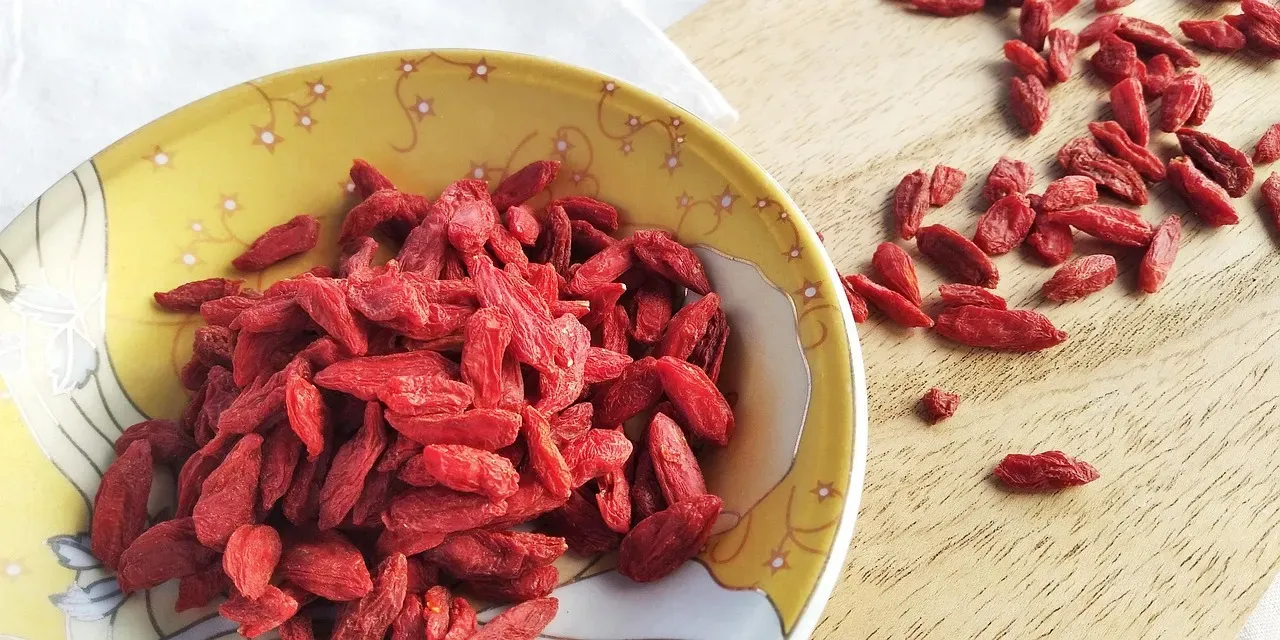
Goji berries have been marketed with an almost mythical backstory, tied to ancient Himalayan wisdom and extraordinary longevity. It’s a brilliant story. The only problem is that the science isn’t buying it.
Various goji berry products are sold as health foods, but the evidence of their health benefits so far comes from scientific studies using purified extracts of the fruit at much higher concentrations than the products actually contain. The antioxidants found in goji berries are also present in far cheaper and more accessible fruits such as blueberries, strawberries, and grapes. Research into their specific health benefits beyond general antioxidant activity remains limited and inconclusive. Honestly, a bag of frozen mixed berries from the local supermarket does practically the same job at a fraction of the cost.
3. Wheatgrass
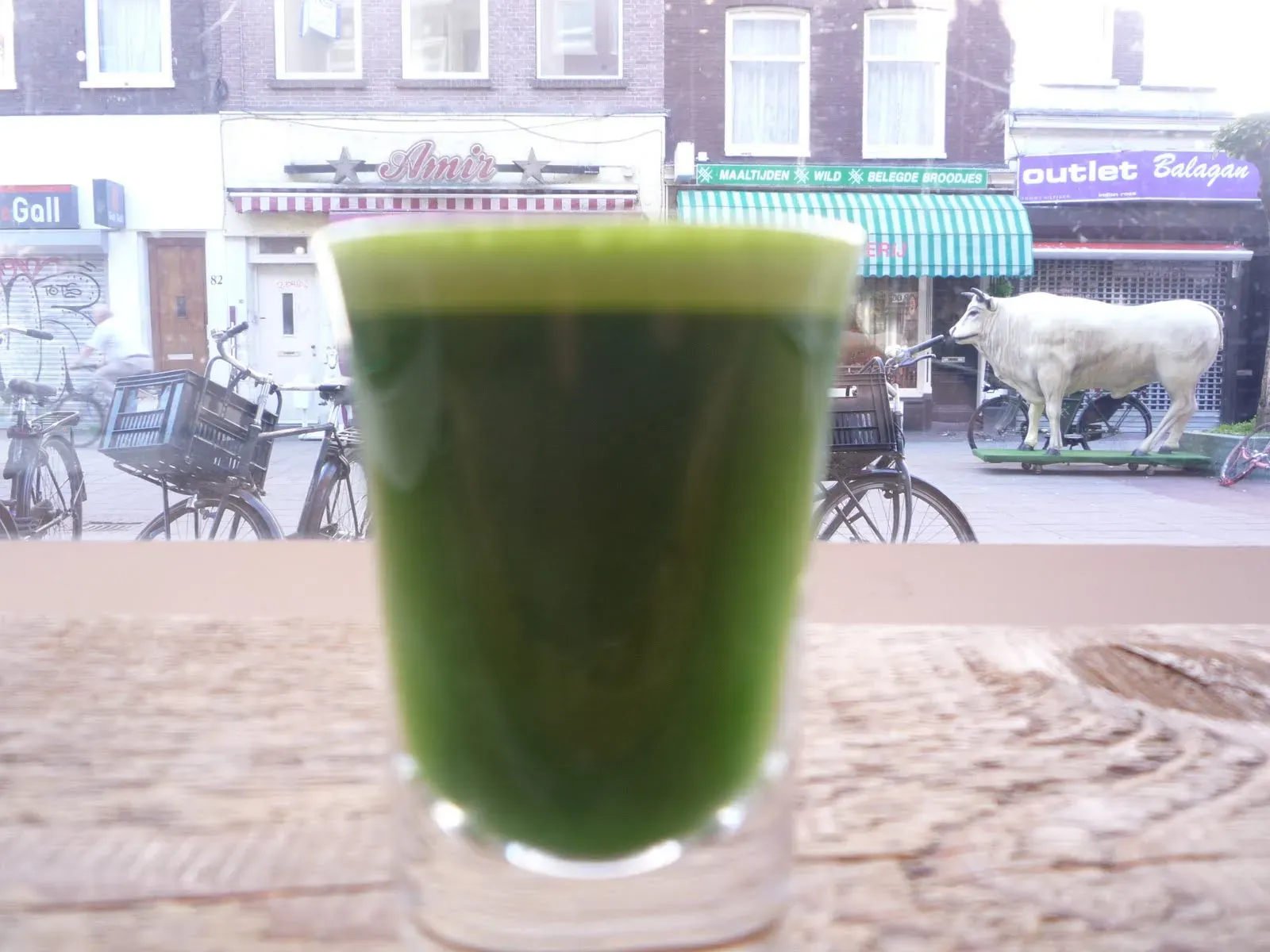
Walk into any juice bar in 2026 and you’ll still find someone cheerfully shooting a bright green glass of wheatgrass. The ritual feels healthy. The price tag, however, feels like punishment.
There is no sound evidence to support the claim that wheatgrass is better than other fruits and vegetables in terms of nutrition. The nutrients found in wheatgrass are also present in spinach, kale, parsley, and other widely available leafy greens that cost a fraction of the price per serving. The taste is widely considered unpleasant, and the portion size in a typical shot is too small to deliver meaningful quantities of the nutrients listed on marketing materials. Claims around wheatgrass alkalising the blood have no physiological basis, since the body regulates blood pH within a very narrow range regardless of dietary input.
4. Manuka Honey
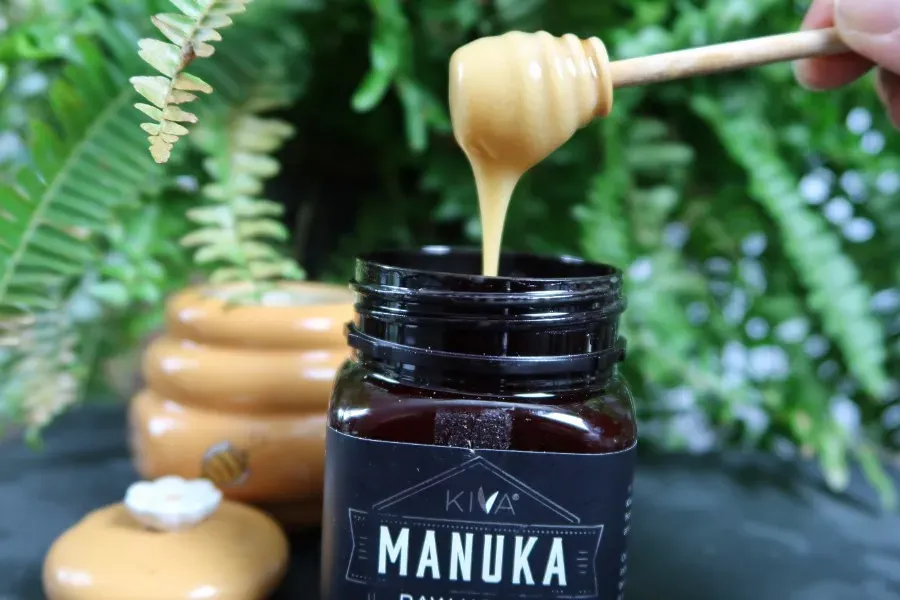
Manuka honey is perhaps the most expensive condiment in the history of human civilization. A single jar can set you back the price of a decent restaurant meal, all in the name of its supposedly miraculous antibacterial properties.
The concentration of its active compound varies enormously between products, and the grading system used on labels is proprietary and inconsistently applied across brands. Studies on its antibacterial effects are largely conducted in laboratory settings and do not translate directly to the same outcomes when consumed orally. Raw local honey contains its own range of enzymes and antimicrobial compounds and is available at grocery stores for a fraction of the price. The premium paid for Manuka honey is driven largely by origin branding and grading mystique rather than conclusive clinical evidence.
5. Spirulina and Chlorella
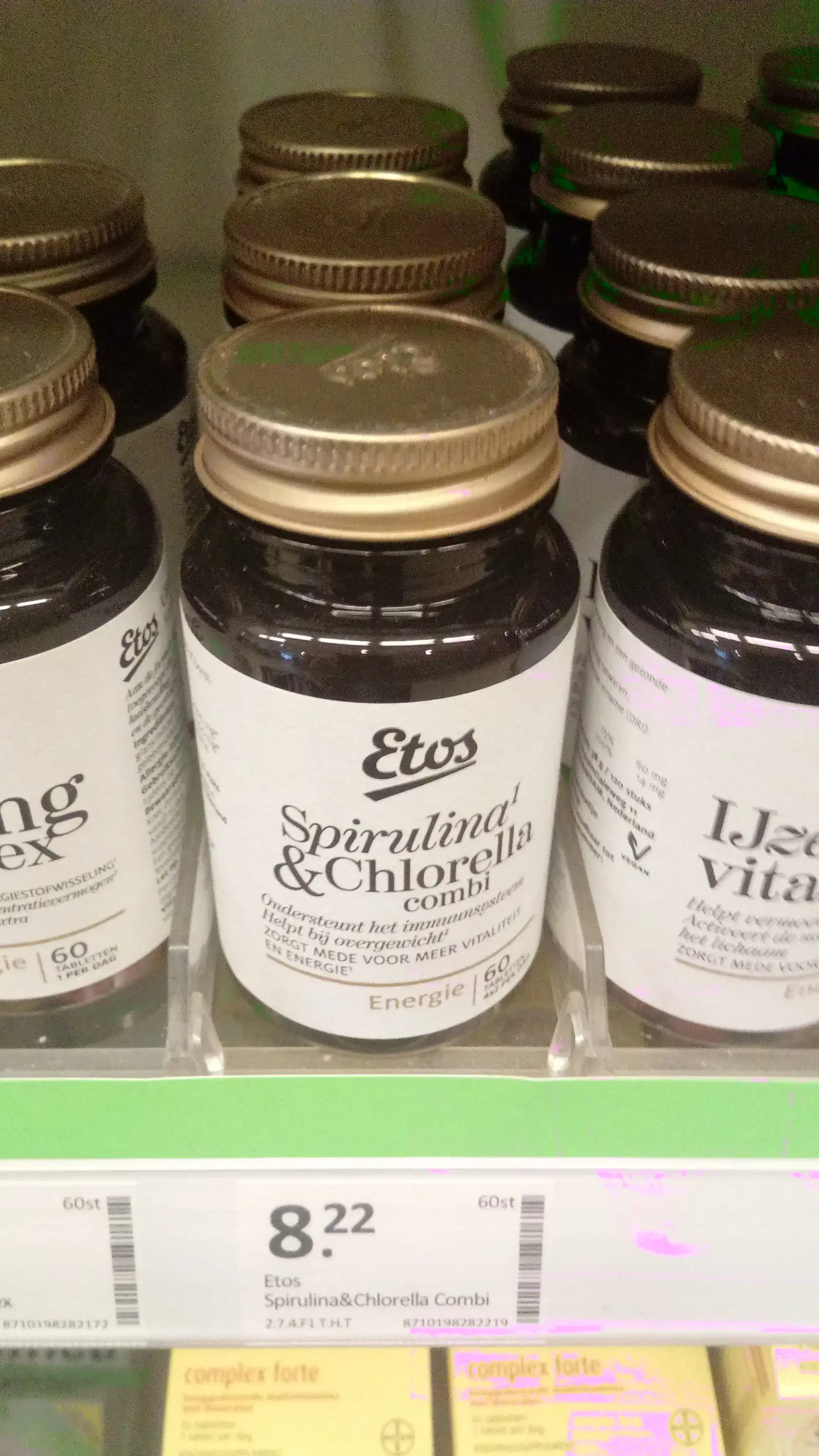
These two algae powders are everywhere in the wellness world right now, popping up in green smoothies and detox kits with sweeping promises attached. When dried, chlorella is about 45% protein and spirulina is between 51 and 71% protein, compared to beef which is between 17 and 40% protein depending on cut. Impressive numbers, right? Here’s the thing though.
Spirulina lacks any scientific evidence that proves it helps in the treatment of metabolic and heart disorders as well as mental health disorders including anxiety, depression, and ADHD. Studies on spirulina’s more exotic claimed benefits such as immune boosting and heavy metal detoxification remain preliminary and largely underpowered. Spirulina is a blue-green algae packed with protein and vitamins, however the research on its long-term health benefits is limited, and some people may experience digestive issues or allergic reactions. There’s also a very real safety angle worth knowing: as of January 2026, the CDC reported 45 people infected with a Salmonella outbreak strain linked to a super greens dietary supplement powder, with illnesses starting between August and December 2025 and 12 hospitalizations recorded.
6. Coconut Oil
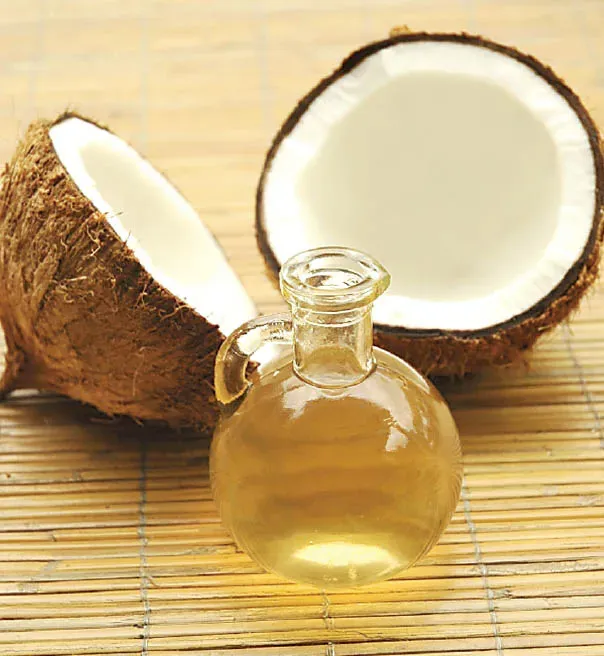
Coconut oil had its heyday as the darling of the wellness world, promoted as a metabolism-boosting miracle fat that you could basically eat by the spoonful. Many people genuinely believed it. The American Heart Association, however, had a very different view.
Coconut oil, once exalted as a metabolism-boosting miracle, was flagged by the American Heart Association for its high saturated fat content and potential to raise LDL cholesterol. Coconut oil was marketed as a weight-loss miracle, but the American Heart Association warns that excessive consumption can raise bad cholesterol levels. Coconut oil is high in saturated fat, which can contribute to heart disease if consumed in large amounts. Choosing healthier oils like olive or avocado oil for cooking is a more evidence-based approach. Think of it like this: just because something comes from a tropical plant does not make it heart-friendly.
7. Kale
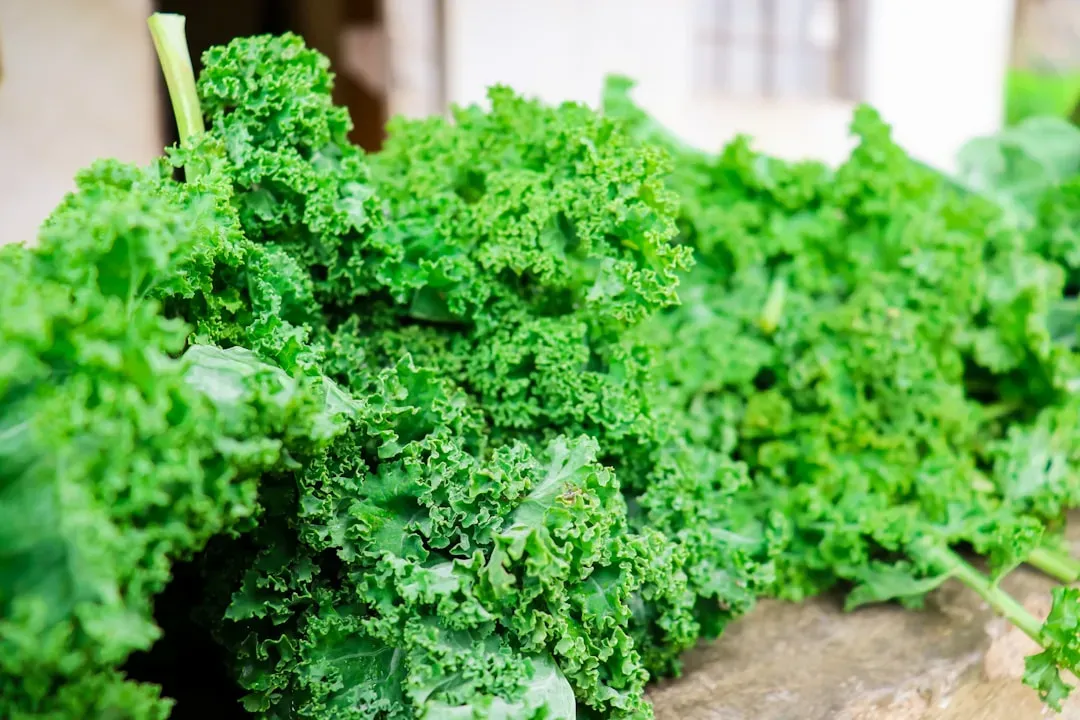
Let’s be real. Kale became a cultural icon. It’s on tote bags. It has its own fan clubs. People pay premium prices for it at farmers’ markets when the humble vegetable aisle sits two feet away with perfectly nutritious alternatives.
Kale is considered a superfood that many people believe to be healthier than other types of vegetables, but even though kale is indeed healthy and may reduce inflammation and show potential anti-tumor effects, it does not mean other vegetables are less healthy or that kale is a prerequisite for optimal health. Broccoli is far cheaper than kale, yet contains more vitamin C and vitamin K and therefore supports heart function better. Kale’s vitamin K and antioxidants? Spinach has them too. So why pay more for the trendier option?
8. Goji and Açaí-Based Supplements
Beyond the fresh fruit or frozen form, the supplement version of these products takes the financial hit to a whole new level. Capsules, powders, and concentrated pill forms line pharmacy shelves with eye-watering price tags and extraordinary promises.
Studies have found that over half of marketed supplements contain little genuine açaí content. In 2013, the Federal Trade Commission ordered certain online marketers of açaí products for weight loss to pay $9.4 million in fines and settlements for misleading claims. Just because a component of a superfood may kill cancer cells in a dish in the lab does not mean that eating large amounts of a food containing this component will prevent you from getting cancer. The gap between a lab result and what actually happens in your body is enormous, and marketing rarely bothers to explain that gap.
9. Collagen Powder

Collagen powder has become one of the most hyped wellness products of the last few years, commanding premium prices in both health stores and supermarkets. Social media is flooded with before-and-after skin transformations credited entirely to a daily collagen shake. It looks convincing.
Much of the available evidence comes from cell culture or animal models. While these are good tools for scientists, they don’t automatically apply to humans. Humans have considerable environmental and genetic variances that make us much more complicated. Even when studies are done in humans, they’re often tested in very high concentrations over short durations not reflective of regular balanced diets. The body simply digests collagen powder into amino acids like any other protein. Eating a variety of plant-based protein sources such as beans, soy, legumes, and quinoa means your body will have the amino acids it needs to make collagen naturally. The key is making sure your diet contains enough protein.
10. Green Superfood Powders
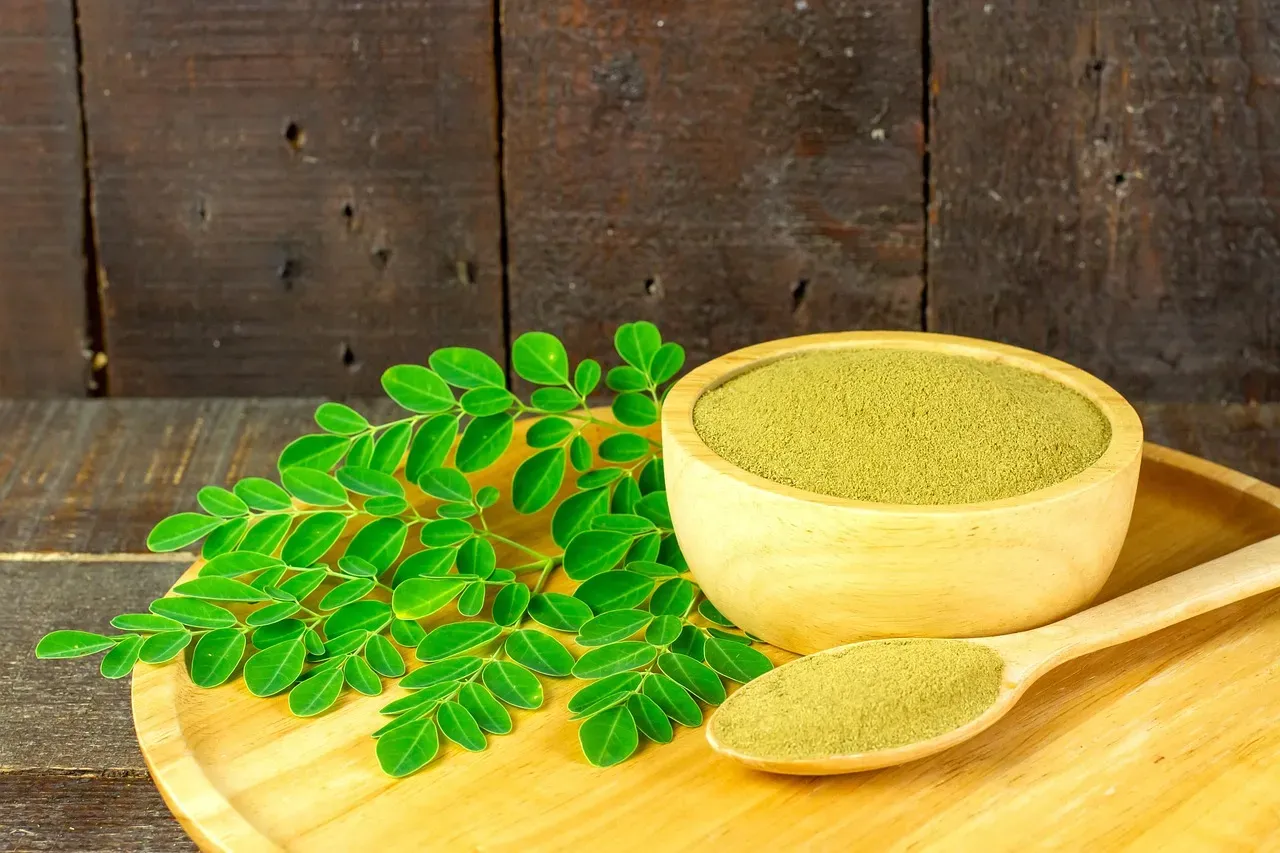
Green powders are sold as the ultimate convenience hack, a single scoop promising to replace a full day’s worth of vegetables. They look healthy. The marketing is practically medicinal. The price per serving is often eye-watering.
A fixation on superfoods can distract people from the benefits of healthy everyday foods. What most western diets are lacking is not any one super source of nutrients, but variety. Everyday fruits, vegetables, and whole foods each have their own unique nutrient profile and individual factors that promote health and wellbeing. The increasing demand for superfoods as a component of healthy western diets does not always have a scientific basis and is oftentimes the result of marketing strategies to seek new market niches by food companies. Although many food products have been considered superfoods and intensively sought by consumers, scientific evidence for their beneficial effectiveness and their so-called superpower is yet to be provided. More research and collaboration between researchers, industry, consumers, and policymakers is still needed to differentiate facts from marketing gimmicks.
The Bottom Line

Here’s what the science consistently comes back to: no single food item, or even the top ten superfoods combined, has enough superpowers to replace a balanced, varied, and healthy diet. The superfood industry is extraordinarily skilled at selling hope, wrapping it in attractive packaging, and charging you a premium for the privilege.
Consuming a nutritious, balanced diet that is rich in vegetables and fruits, no matter if they carry the superfood label or not, is one of the best ways to promote health and reduce the risk of various health conditions. A bag of frozen spinach, a bowl of lentils, or a handful of ordinary strawberries can deliver comparable nutritional value to many of these pricey products. I think the most powerful thing you can do is simply eat more whole foods, not more expensive ones.
Next time you reach for that $45 green powder or those $15 goji berry bites, ask yourself: are you buying better health, or are you buying a very sophisticated story? What do you think? Have you ever felt let down by a superfood that promised the world? Share your thoughts in the comments.