
There is something almost magical about the food that grandparents made. Not magical in a theatrical sense, but in a quiet, unhurried way. A spoonful of soup, a slice of homemade pie, a plate of buttery mashed potatoes. These weren’t elaborate meals. They were simple. Honest. And somehow, decades later, completely unforgettable.
Science is actually catching up to what most of us already knew in our bones. The emotional grip that grandparents’ cooking holds over us is real, documented, and deeply wired into the human brain. Ready to feel a lot of things at once? Let’s dive in.
Table of Contents
1. Chicken Soup: The Original Cure for Everything
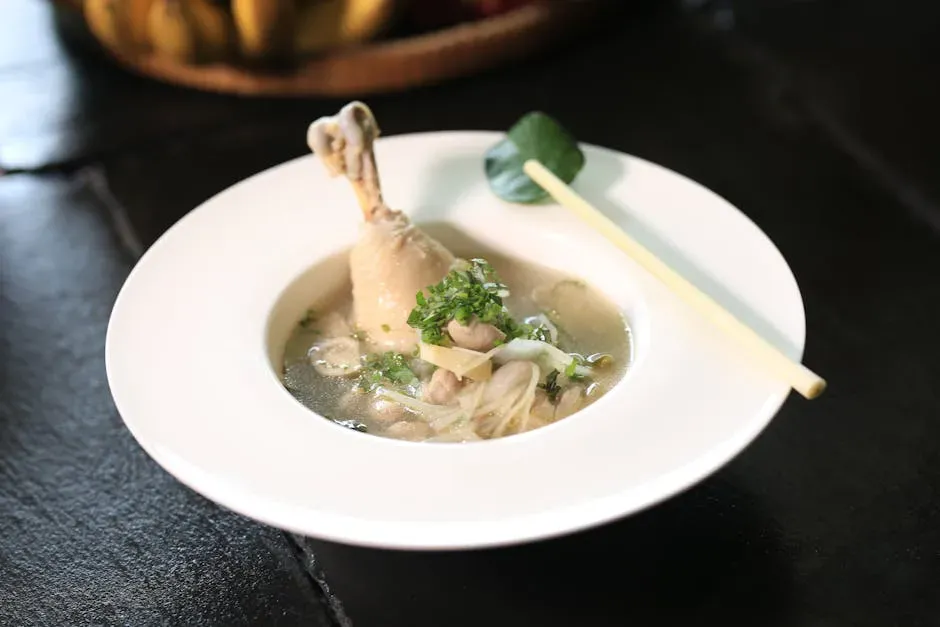
Ask almost anyone about a meal they remember from their grandparents, and chicken soup tends to come up within the first thirty seconds. A bowl of chicken noodle soup might remind someone of being cared for when sick. That association between warmth, care, and recovery runs extraordinarily deep. Honestly, no bowl from a restaurant has ever quite replicated it.
Cozy food memories are most always connected with a special person, usually a parent or grandmother, and often a ritual connected with the making or eating of the food. Grandma’s chicken soup was never just chicken and broth. It was the hours it spent simmering on the stove, the handmade noodles (or the ones bought in the brown paper bag from the market), and the fact that someone made it specifically for you.
2. Mashed Potatoes: Creamy, Buttery, and Completely Timeless
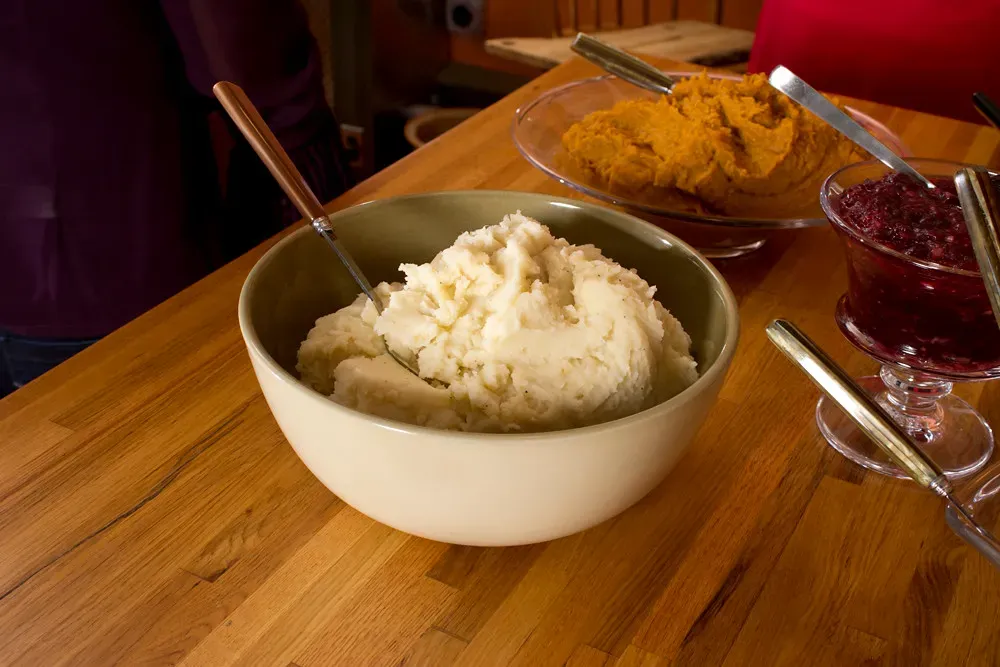
Mashed potatoes are one of the simplest yet most effective comfort foods from a grandparent’s repertoire. The way she made them, with a generous amount of butter, a splash of cream, and a touch of salt, created a side dish that was creamy, smooth, and utterly satisfying. There is something almost meditative about the process of making mashed potatoes from scratch, something a boxed version could never replicate.
On cold days, you’ll find yourself feeling all kinds of nostalgia and craving mashed potatoes flooded with gravy. It’s not just flavor and smell, either. Texture itself triggers memory. That velvety, pillowy consistency is stored in the brain as much as any aroma. Fluffy, a little sweet, and perfectly creamy, these mashed potatoes are as close to grandma’s as you will get, and they are a must-have for family dinners.
3. Baked Macaroni and Cheese: The Dish That United Every Generation
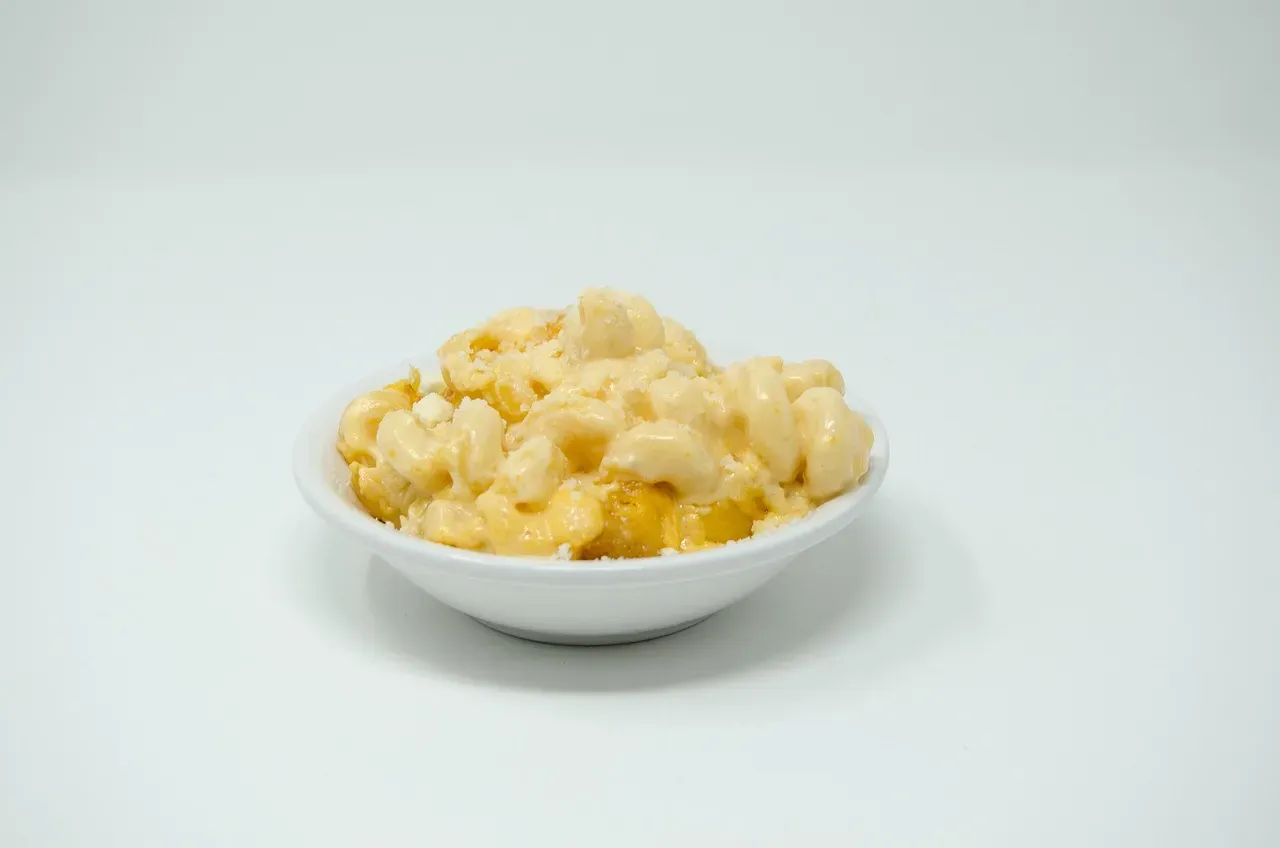
One of the most indulgent yet comforting recipes many grandchildren inherited was baked macaroni and cheese. The creamy cheese sauce, baked until bubbly and golden on top, always feels like a celebration of simple pleasures. The method involved making a homemade cheese sauce using butter, flour, milk, and sharp cheddar cheese, which was then folded with tender pasta and baked until the perfect crust formed.
Beneath the crispy crust lies a rich, velvety interior where macaroni meets a luscious cheese sauce. Each forkful is a journey of flavors, from the sharpness of cheddar to the creaminess of the sauce. It’s a dish that evokes warmth and comfort, perfect for family gatherings or cozy dinners. A testament to the joy of home cooking, baked macaroni and cheese is a staple of nostalgic meals, bringing smiles to all ages. Let’s be real. No fancy restaurant version has ever beaten grandma’s.
4. Meatloaf: A Sunday Dinner Staple Nobody Could Resist
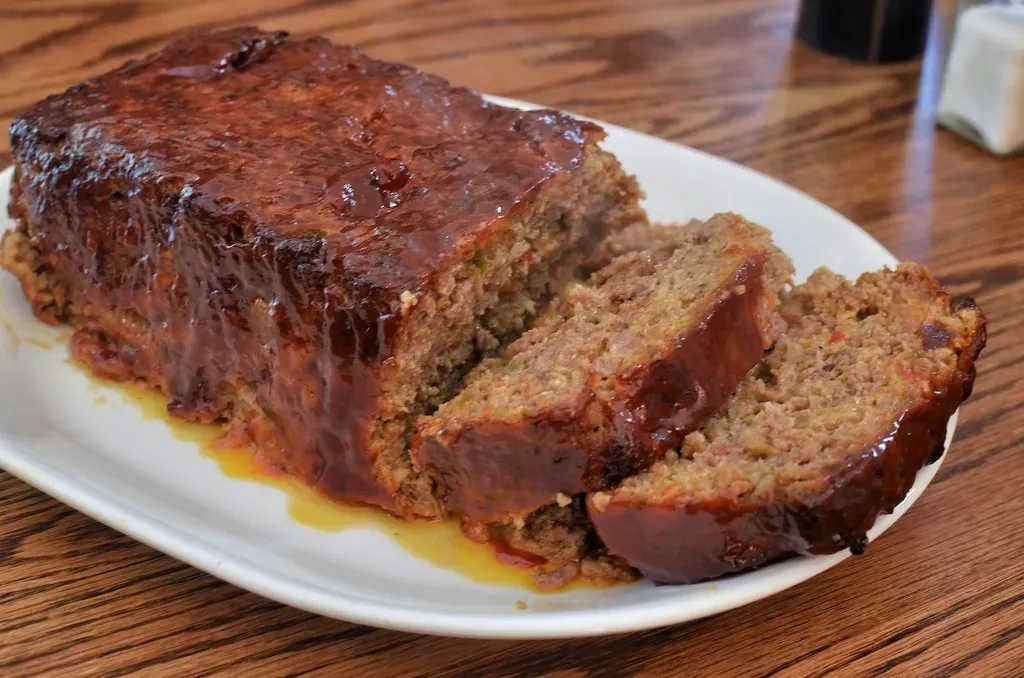
Meatloaf, with its savory blend of seasoned ground beef often glazed with ketchup or tomato sauce, is a staple of Sunday dinners. Its robust flavor profile, enhanced by herbs and spices, provides a delightful depth that satisfies even the heartiest of appetites. When sliced, the inner texture reveals a moist, tender crumb, making each bite a revelation. Often served alongside mashed potatoes, this dish holds a special place in family gatherings.
Research actually confirms why meals like these embed themselves so stubbornly in memory. Research conducted in the United States found that 72% of food experiences elicited nostalgia, significantly higher than other nostalgia-inducing stimuli such as music. Think about that. A simple meatloaf beats out your favorite song at triggering those deep, warm feelings. Childhood foods hold significant nostalgic value, a phenomenon known as “long-standing nostalgia,” which relates to the deep-rooted emotion tied to childhood memories.
5. Pot Roast: The Slow-Cooked Sunday Ritual
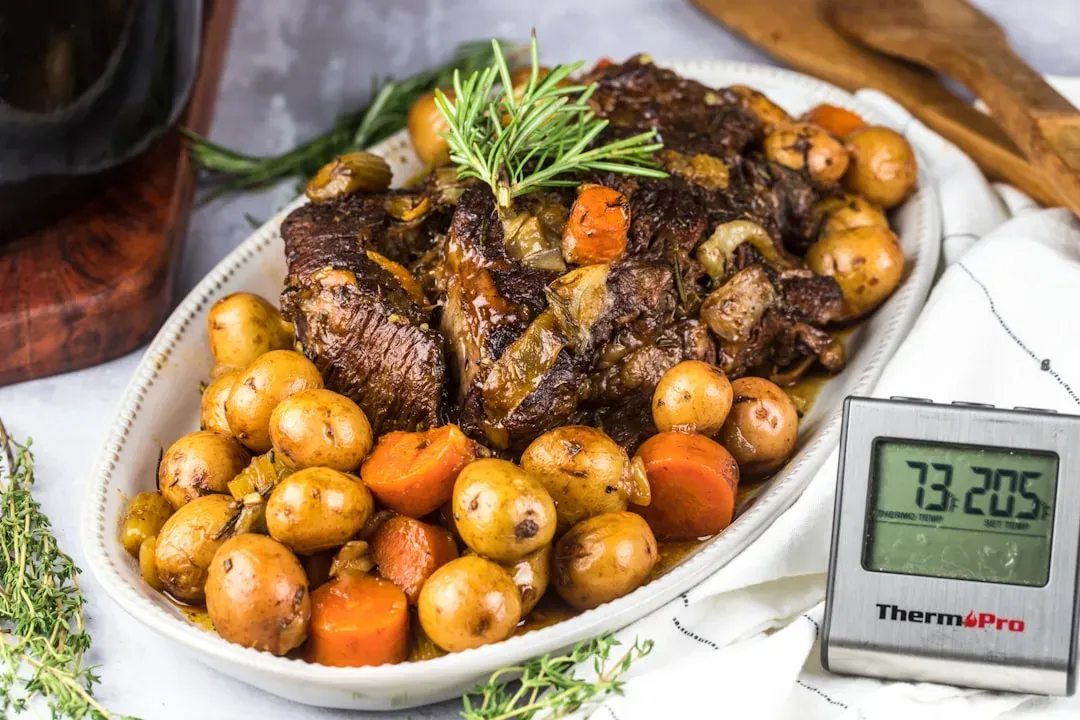
The Sunday roast was a weekly ritual for many households. Versions of this dish braise beef slowly with garlic and herbs for that timeless, fork-tender tradition. There was something ceremonial about a pot roast. It meant Sunday. It meant family was coming. It meant no one was going anywhere for a few hours. This is the pot roast recipe that dreams are made of, thanks to the tender, juicy beef that melts in your mouth, surrounded by perfectly seasoned veggies in a rich, savory gravy.
Tough cuts of beef, slow-cooked with tomatoes and onions until fork-tender, result in a comfort-rich dish that begs for mashed potatoes on the side. Grandmas loved using affordable cuts and turning them into something extraordinary with time and patience. Each bite delivers a savory, melt-in-your-mouth experience that’s hard to forget. It’s a perfect metaphor, really. Turning something humble into something beautiful, through patience and love.
6. Apple Pie: The Smell Alone Could Unlock a Decade
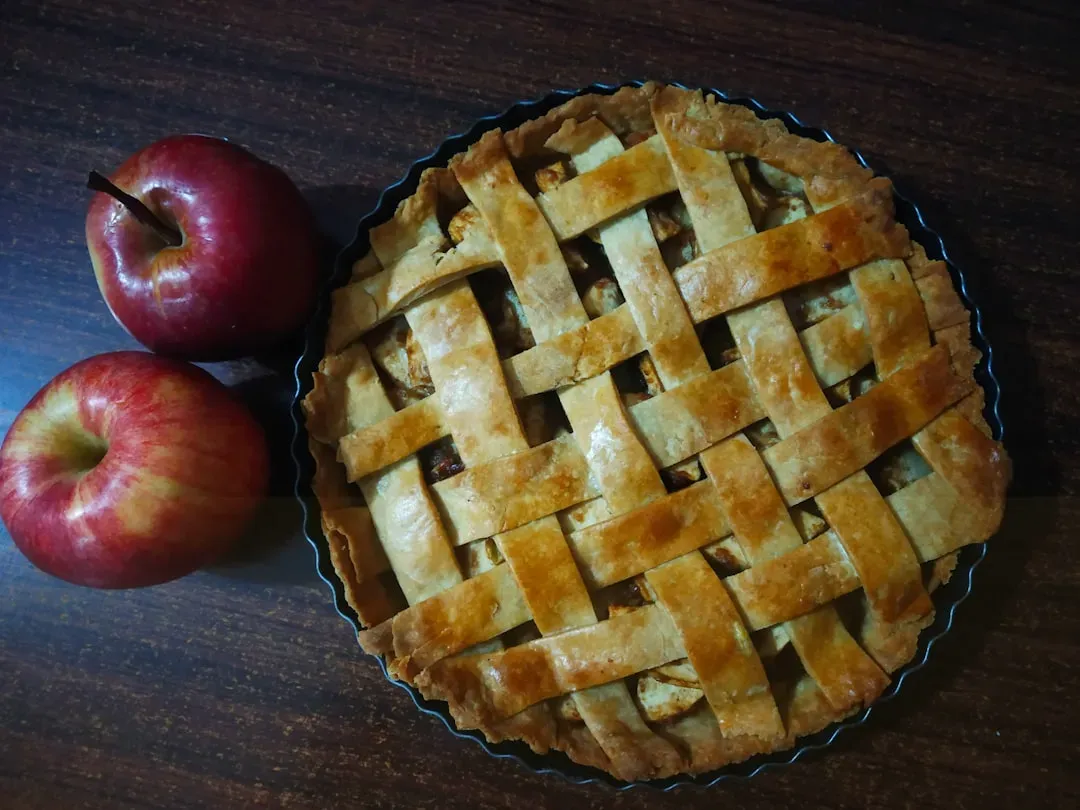
Here’s the thing about apple pie. You don’t even need to taste it. The scent alone does all the work. Smell signals travel to the olfactory cortex, the amygdala, and the hippocampus. If the hippocampus deems a smell important, connected with a particularly emotional moment, it can file the information and store it indefinitely. Even decades later, the same scent can bring the memory and emotional salience of the moment flooding back.
Flaky pastry hugging sweet, cinnamon-laced apples with a woven lattice on top is pure grandma artistry. One slice can make you feel like a kid again. This pie symbolizes harvest celebrations and family gatherings. There’s a reason it’s called an American classic. It’s simple, honest, and undeniably delicious. Whether it’s the cozy aroma of a pot roast simmering in the oven or the sweet scent of an apple pie cooling on the countertop, each recipe promises to bring a sense of nostalgia and joy to your kitchen.
7. Chicken and Dumplings: Soft, Pillowy Perfection
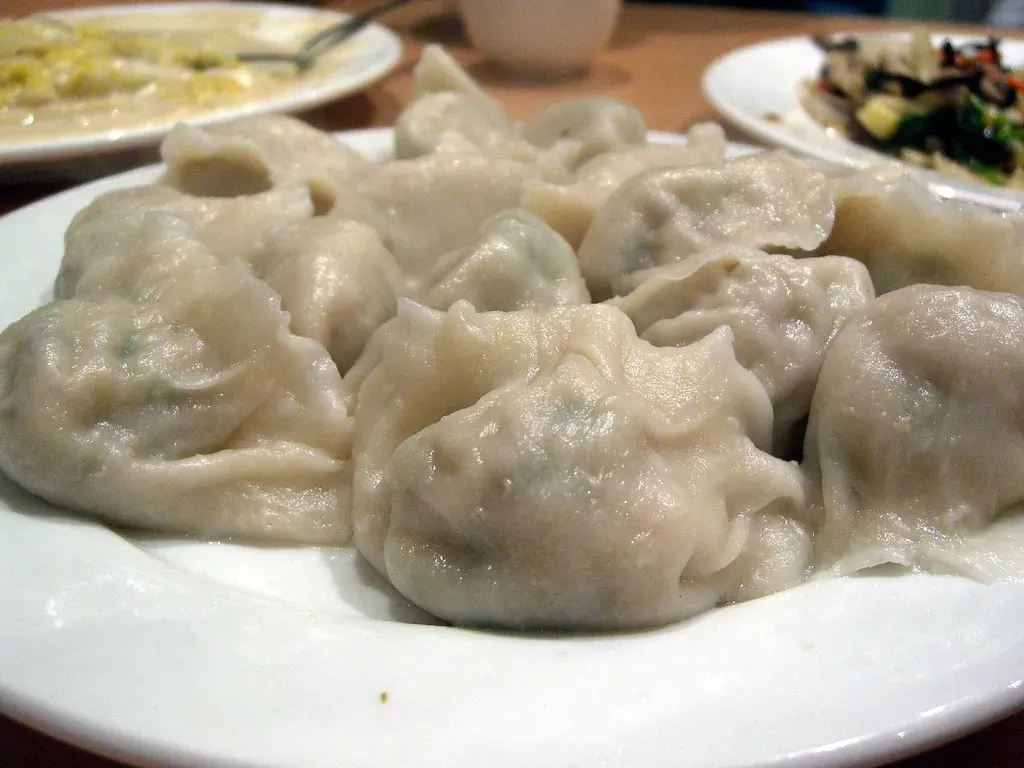
Nothing says “home” quite like a bowl of chicken and dumplings. Imagine tender pieces of chicken nestled within a sea of soft, pillowy dumplings. The rich, savory broth envelops each bite, creating a harmony of flavors that warms the soul. The texture of the dumplings, slightly chewy yet satisfyingly soft, contrasts beautifully with the succulent chicken.
Chicken and dumplings also highlights something important about the science of food memory. The connection between taste and memory lies within the complex physiology of the brain. When we eat comfort foods, taste buds send signals to the brain, triggering the release of neurotransmitters and activating memory centers. This process allows the brain to form associations between the taste of a particular food and the emotions, experiences, and memories associated with it. In other words, every bite of those dumplings is actually a memory being reinforced.
8. Biscuits and Gravy: Simple, Southern, and Deeply Satisfying
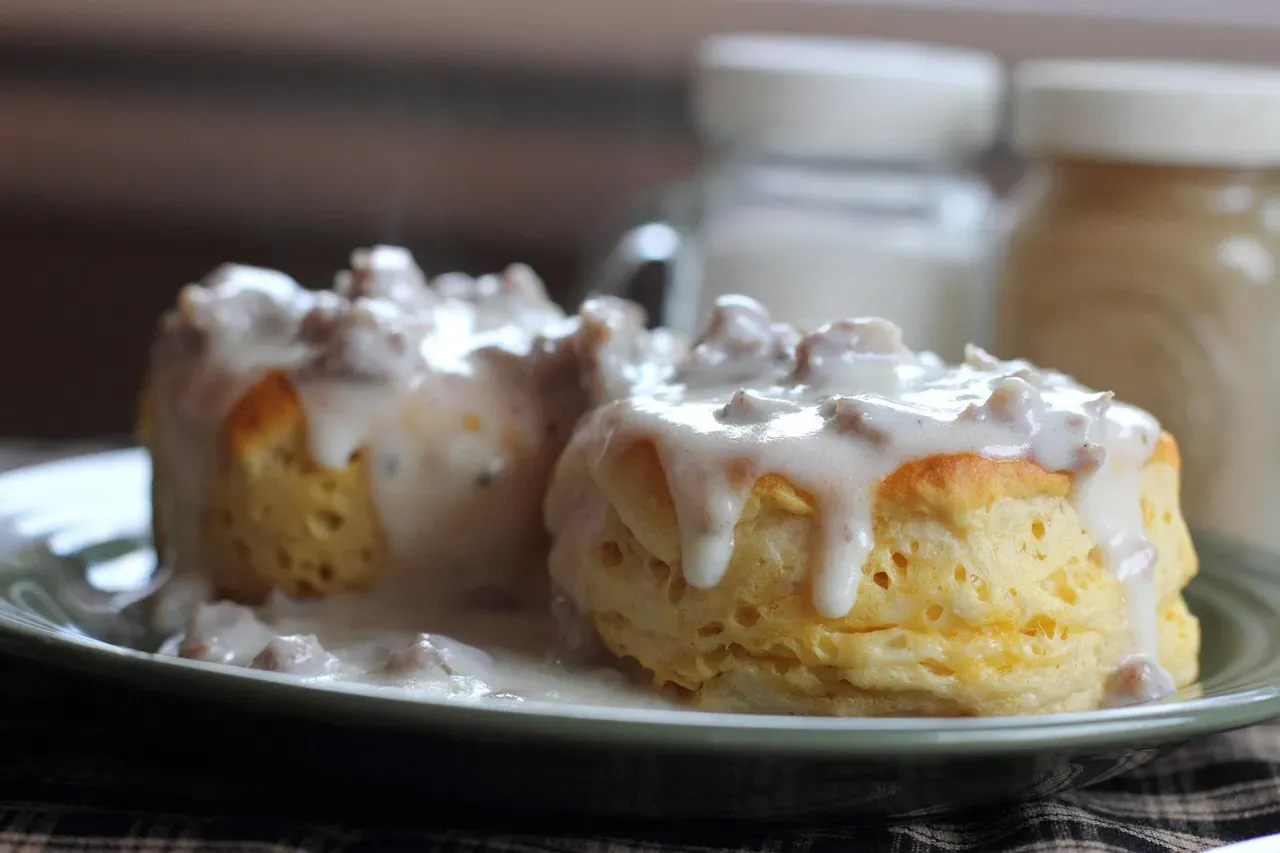
Southern breakfasts have featured this pairing for generations. Buttery biscuits topped with creamy sausage gravy make for an old-school morning feast. There is almost no dish more straightforward in its composition, yet more impossible to forget. Biscuits and gravy means Saturday mornings. It means no school, no rush. It means someone was up early, cooking for you before you even opened your eyes.
Flaky on the outside, tender on the inside, and perfect with a dollop of butter or jam. If you’ve never had a biscuit fresh from the oven, you’re missing a slice of heaven. The broader emotional power at play here is well-documented. The SIAL Insights 2024 found that, after years of pandemic disruption and economic pressure, four in ten Europeans said comfort was their main reason for enjoying food. That trend has held steady into 2026, with simple, warm, carbohydrate-rich breakfasts like this one remaining a go-to answer to those cravings.
9. Rice Pudding: Humble, Creamy, and Quietly Unforgettable
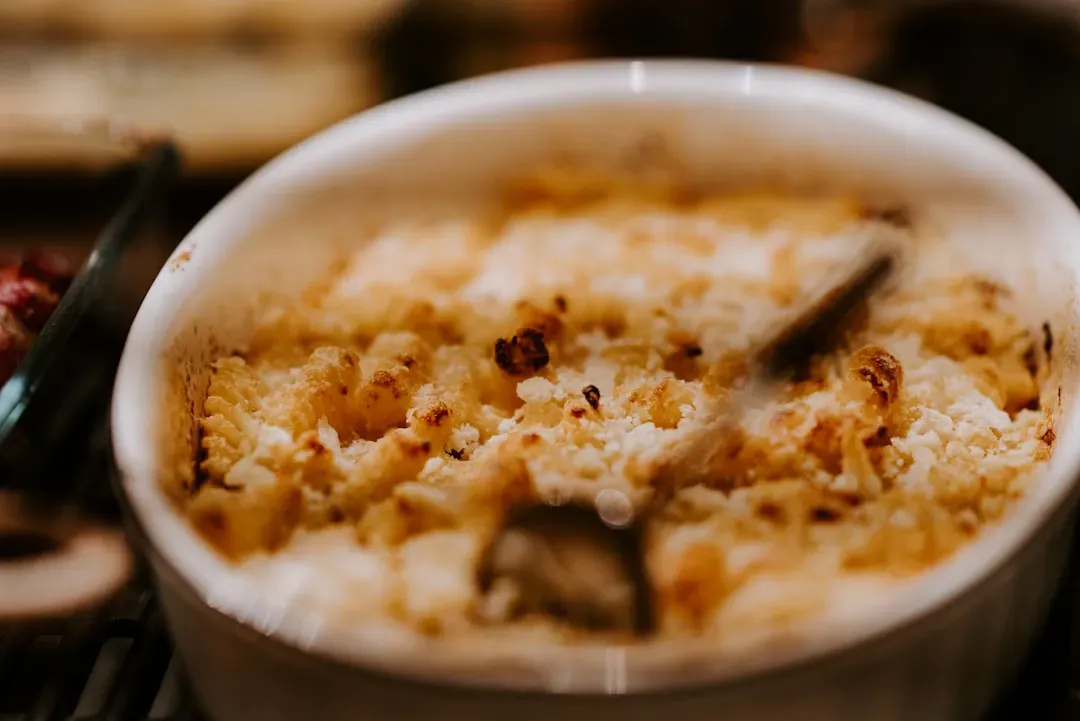
Slow-cooked rice in milk, sweetened and spiced with cinnamon or nutmeg, is humble, creamy, and instantly comforting, especially served warm. Grandmas swore by its thriftiness, transforming leftover rice into a dessert that united the whole family around the table. It’s hard to say for sure, but I think rice pudding might be the most underrated comfort food ever made. It gets no fanfare. No dramatic Instagram moment. Just warmth, sweetness, and memory.
Research suggests that experiencing nostalgia results in short and long-term benefits, including a heightened sense of life’s meaning and increased positive affect. A bowl of rice pudding is basically a small therapy session wrapped in cinnamon. Studies suggest that nostalgic or comforting foods can momentarily lift low mood, much like music or scent. When used mindfully, the right meal may offer a form of emotional self-care, a small, edible therapy session that restores balance during turbulent times.
10. Homemade Cookies: Because the Smell Was Half the Point
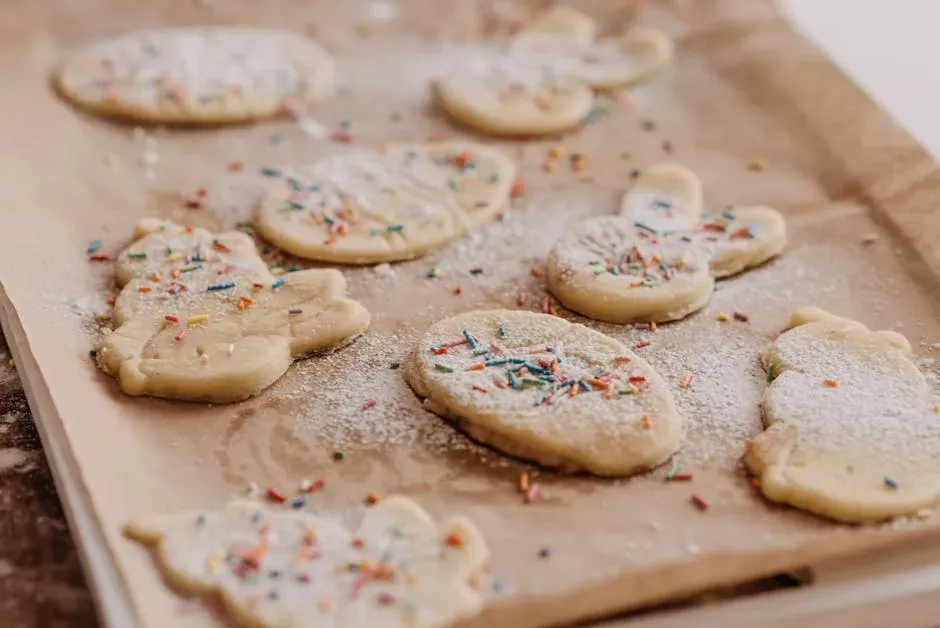
Freshly baked cookies might be the single most powerful olfactory memory trigger that exists. Smell is the only fully developed sense a fetus has in the womb, and it’s the one that is most developed in a child through approximately age 10. Because “smell and emotion are stored as one memory,” childhood tends to be the period in which you create the basis for smells you will like and hate for the rest of your life. This is precisely why the smell of grandma’s cookies is so deeply lodged in us.
Parents and grandparents can foster the love of cooking and develop a strong bond with children and grandchildren by teaching them how to prepare their favorite family recipes. Cooking together is a wonderful hands-on activity that results in tasty food to eat and creates memories among generations. The cookie itself is almost secondary. What kids actually remember is standing on a step stool, covered in flour, next to someone who had all the time in the world. As adults, when we prepare and share these nostalgic dishes with our own families, we are not only reliving our memories but also creating new ones. These moments become part of the next generation’s memories, ensuring that the legacy of these foods continues.
Why These Meals Still Hold Such Power Over Us
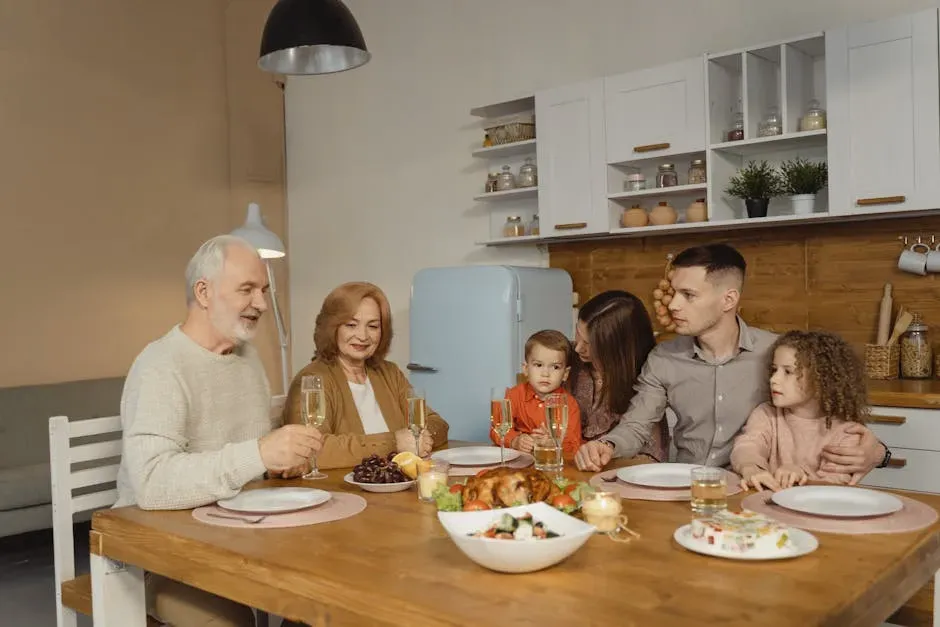
It’s worth pausing to appreciate what is really happening when we taste or smell one of these old meals. The brain’s olfactory system is uniquely wired to access the hippocampus, where memories are stored, and the amygdala, where emotions are processed. Unlike other senses, which pass through several layers of cognitive processing, smell and taste have a direct pathway to these memory and emotion centers, which is why they can trigger such intense recollections.
Nostalgia associated with food experiences was linked to more comfort, and nostalgia for food experiences elevated comfort by strengthening social connectedness. These meals were never really about the ingredients. They were about the person who made them. They were about the table you sat at, the sounds in the kitchen, the feeling that the world outside did not matter for an hour. It’s not just about the taste or the ingredients, but the way each recipe was crafted with care, using what was on hand and made with love. These recipes have such enduring appeal because they aren’t complicated or trendy. They are humble and honest, and that’s exactly what makes them so comforting.
Grandparents cooked simply because they had to. No meal kits. No instructional YouTube videos. No trending recipes. Just instinct, tradition, and an unspoken understanding that feeding someone well is one of the most loving things you can do. The meals on this list aren’t special because they were fancy. They’re special because of who made them, and because somewhere in your brain, that memory is still intact, waiting for the right smell to bring it all rushing back. What meal from your grandparents’ kitchen do you still think about? Tell us in the comments.