
Most of us think of health inspectors as the gatekeepers of restaurant kitchens. The white coats, the clipboards, the slightly uncomfortable walk-through. But here’s the thing – a shocking number of the same risky habits that get restaurants flagged are happening every single day in home kitchens across America. And the consequences can be just as serious.
According to the CDC, foodborne illness causes roughly 1 in 6 Americans – about 48 million people – to get sick, 128,000 to be hospitalized, and 3,000 to die each year. A lot of those cases trace right back to the home. We’re talking DIY fixes, shortcuts, and well-meaning habits that home cooks keep repeating – the same ones that make food safety professionals wince. Let’s dive in.
—
Table of Contents
1. Thawing Meat on the Counter
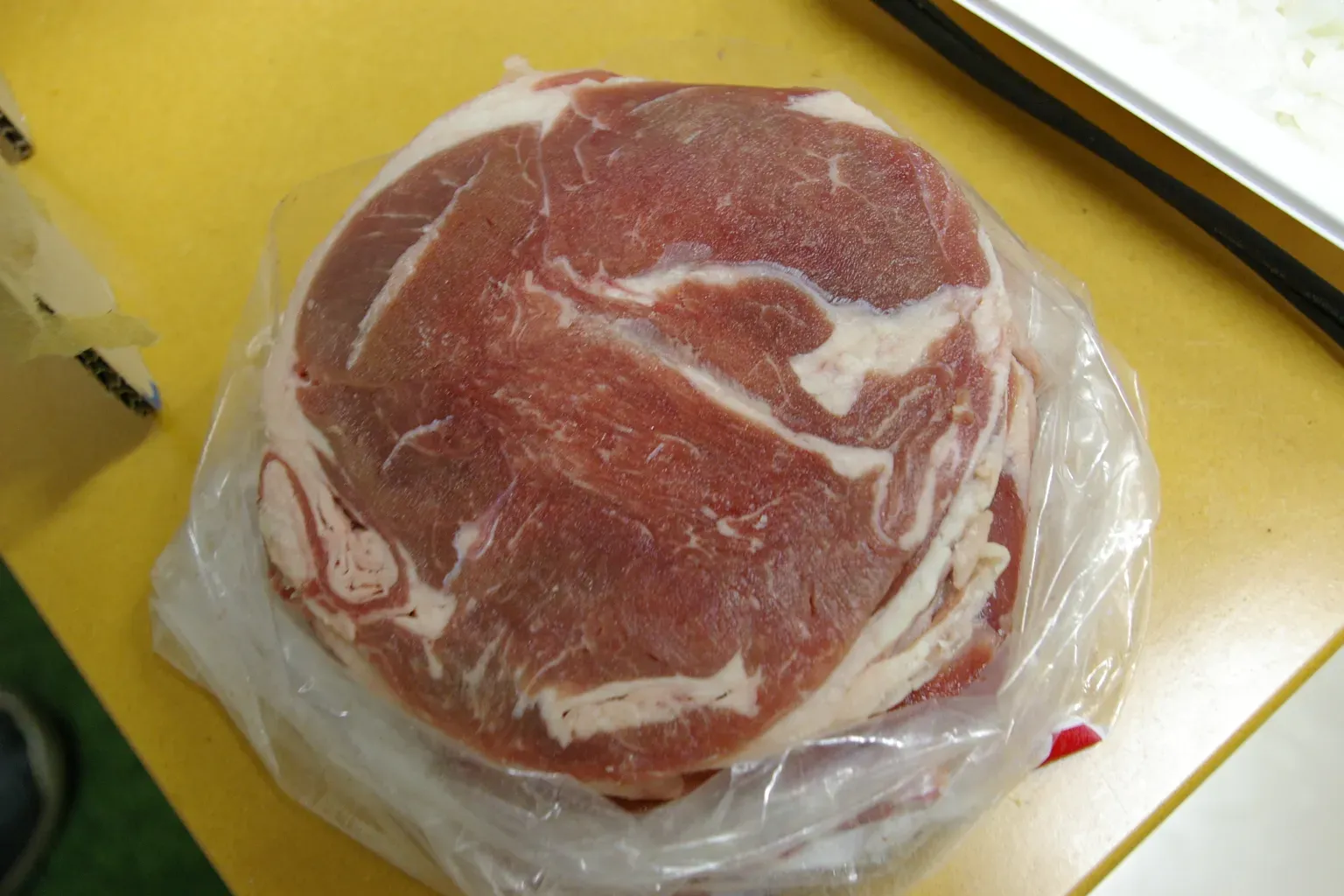
This is probably the most common kitchen shortcut in existence. You forget to pull the chicken from the freezer, so you just leave it on the counter for a few hours and figure it’ll be fine. Honestly, it feels logical – but it really isn’t.
The CDC is clear: never thaw food on the counter, because bacteria multiply quickly in the parts of the food that reach room temperature. Room temperature thawing creates a bacterial playground – when food sits in the danger zone between 40°F and 140°F, bacteria can double every 20 minutes.
The correct approach is to never thaw food at room temperature at all, since food must be kept at a safe temperature during thawing. The three safe methods are: in the refrigerator, in cold water, and in the microwave. It takes a little planning, but it’s a non-negotiable.
—
2. Using One Cutting Board for Everything

Let’s be real – most home cooks own exactly one cutting board. Maybe two if they’re feeling organized. The problem is when that same board goes from raw chicken straight to a cucumber salad without a proper wash in between.
Cross-contamination is how bacteria spread, and improper handling of raw meat, poultry, seafood, and eggs can create an inviting environment for it, allowing harmful bacteria to spread to food and throughout the entire kitchen, leading to foodborne illness.
The fix is simple: use one cutting board for fresh produce and a separate one for raw meat, poultry, and seafood – and never place cooked food on a plate that previously held raw meat. Cutting boards that are not properly cleaned are responsible for approximately 10% of cross-contamination cases. Color-coded boards are actually a brilliant and underrated idea.
—
3. Guessing Meat Doneness by Color Alone
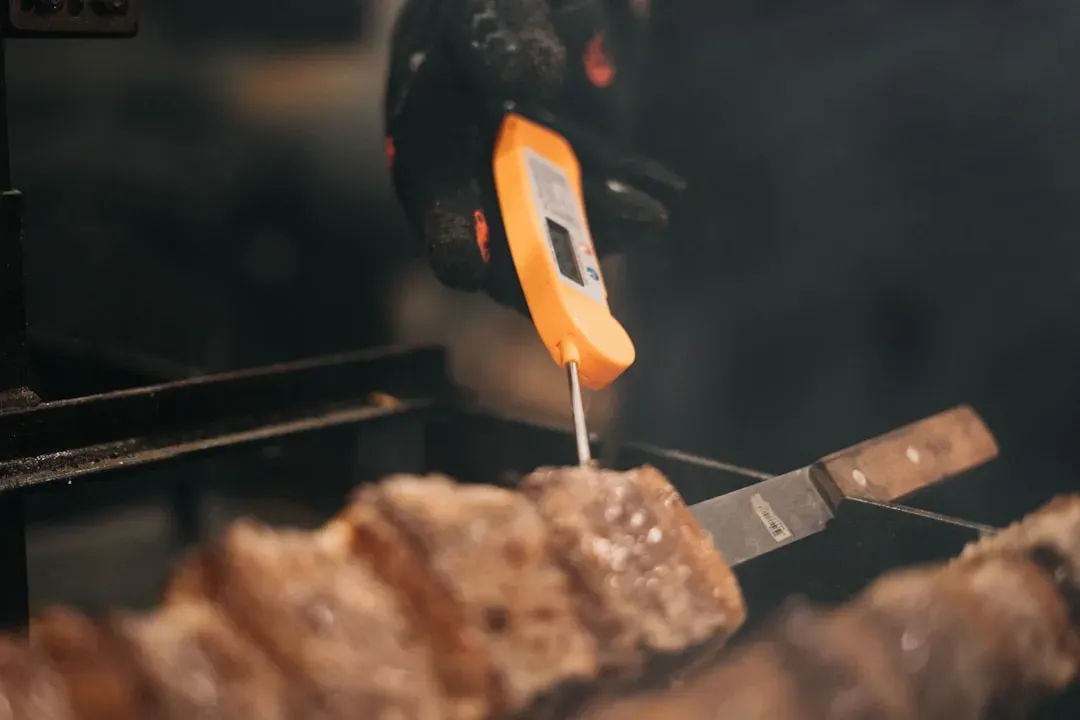
I know it sounds obvious, but the “pink in the middle means it’s not done” trick is one of the most persistent myths in home cooking. People poke, cut, and squint at their meat for signs of doneness – when the only reliable tool is a thermometer.
It’s a myth that meat is cooked when the juices run clear or when hamburger turns brown in the middle. Using color isn’t a good way to determine whether meat has been cooked to a safe internal temperature – it’s the heat in the center of the meat that matters, and the only way to confirm it is with a food thermometer.
Even though roughly 73% of people in one Kansas State University study claimed to own a food thermometer, only about 7% were observed using one correctly, and fewer than half knew the suggested end temperature for poultry. The USDA recommends cooking poultry to 165°F and ground beef to 160°F – and no amount of visual guessing replaces that.
—
4. Ignoring the Refrigerator Temperature
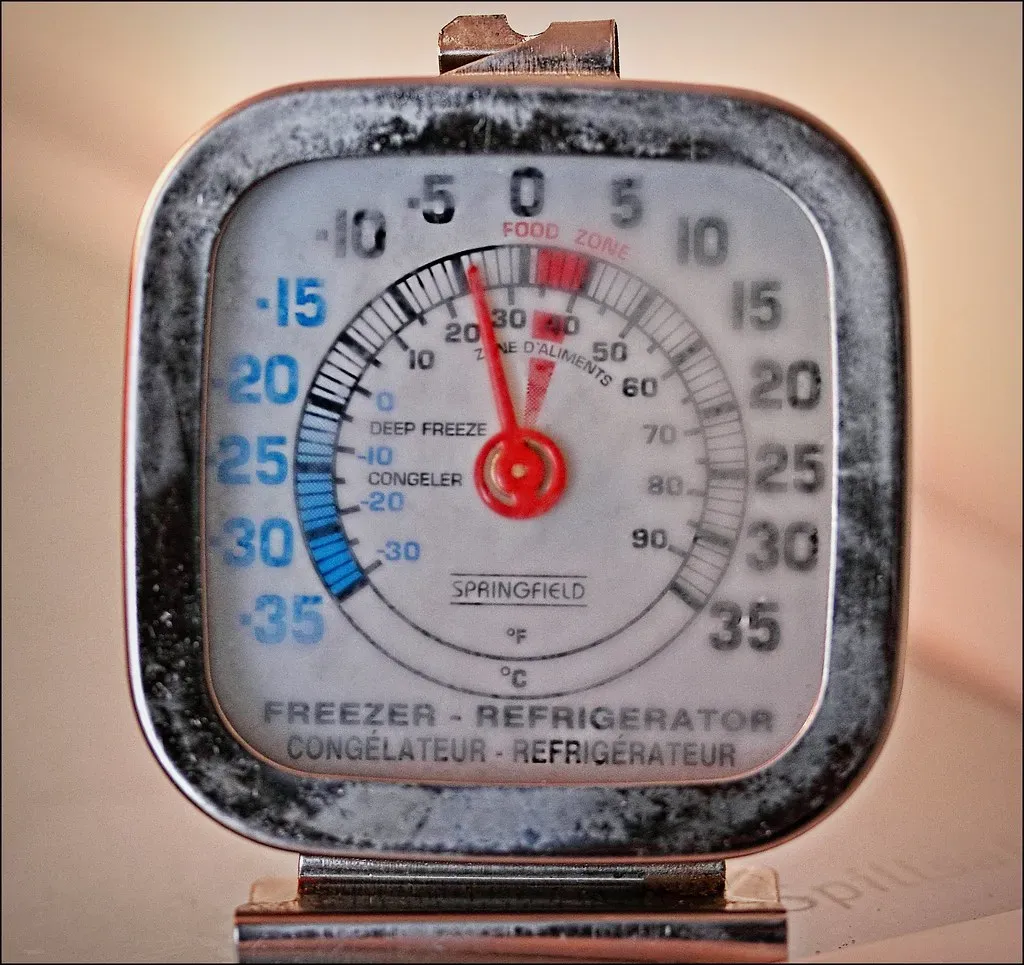
Most people have never checked what temperature their refrigerator is actually running at. They assume it’s cold enough because, well, it feels cold when you open it. That’s not good enough when you’re dealing with perishable food.
The USDA recommends checking the temperature of your refrigerator and freezer with an appliance thermometer – the refrigerator should be at 40°F or below and the freezer at 0°F or below. Any warmer and you’re entering what food safety experts call the danger zone, in which bacteria can multiply to harmful levels within just a few hours.
Nearly half of home kitchens lack proper food storage practices, increasing the risk of spoilage and contamination. A cheap appliance thermometer costs just a few dollars and could save you from a seriously nasty experience. Don’t skip it.
—
5. Washing Raw Chicken Before Cooking
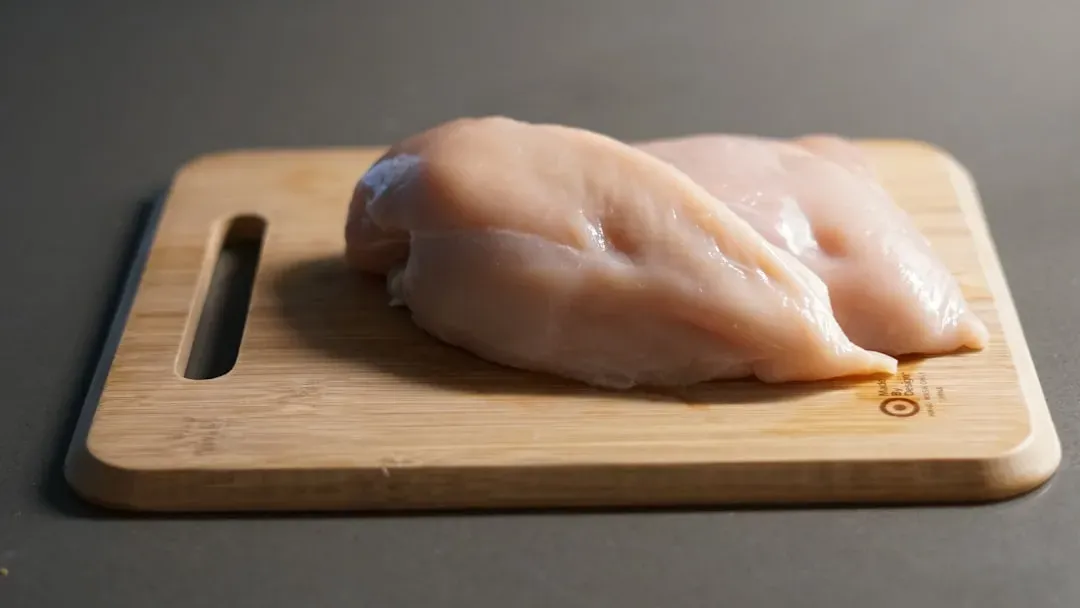
This one genuinely surprises people. For generations, home cooks have rinsed raw chicken under the tap before throwing it in the pan – thinking they’re cleaning off bacteria. It feels right. It’s not.
You shouldn’t wash the chicken itself – if you try to fight germs by rinsing raw meat before cooking, you’re only spreading bacteria around your kitchen. Splashing water carries those bacteria onto your sink, your countertop, nearby dishes, and your hands.
Simply cooking meat thoroughly will eliminate pathogens – no rinse required. The heat does the work, not the water. This is one of those habits passed down through families that health inspectors and food scientists desperately want people to unlearn.
—
6. Storing Raw Meat on the Wrong Refrigerator Shelf
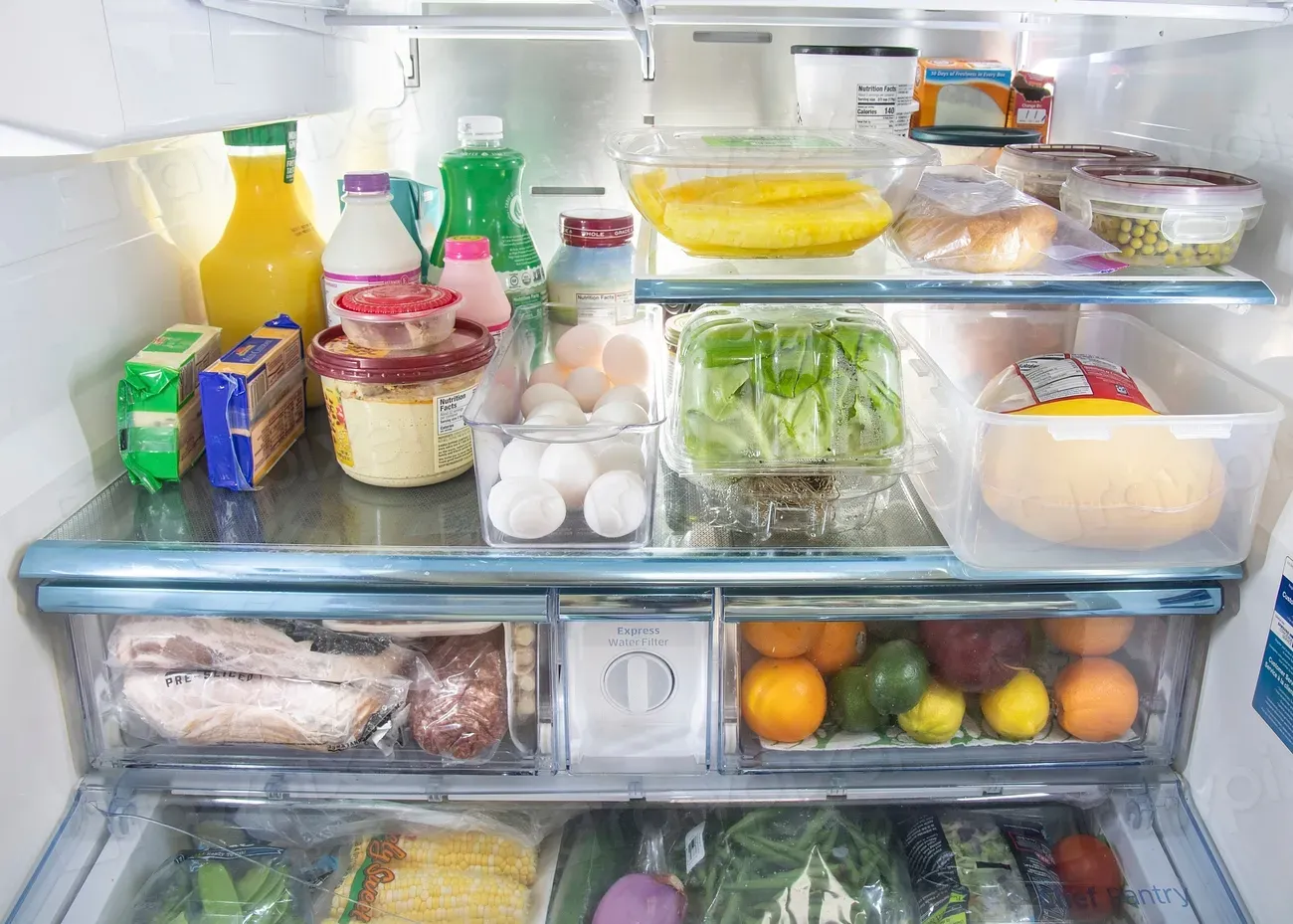
Here’s a fix that seems minor but carries real risk. Most people just shove raw meat wherever there’s space in the fridge. That package of ground beef on the top shelf? It’s dripping directly onto the vegetables below it.
Cooked and ready-to-eat food should always be stored above raw food in the refrigerator. A common storage oversight occurs when food items are not stored according to recommended guidelines, and this encompasses temperature control, packaging integrity, and the proper separation of raw and cooked foods.
Perishable food such as meat and poultry should always be wrapped securely to maintain quality and to prevent meat juices from getting onto other food. It’s such a small adjustment, but it’s also one of the top violations health inspectors flag in professional kitchens all the time.
—
7. Leaving Leftovers Out Too Long
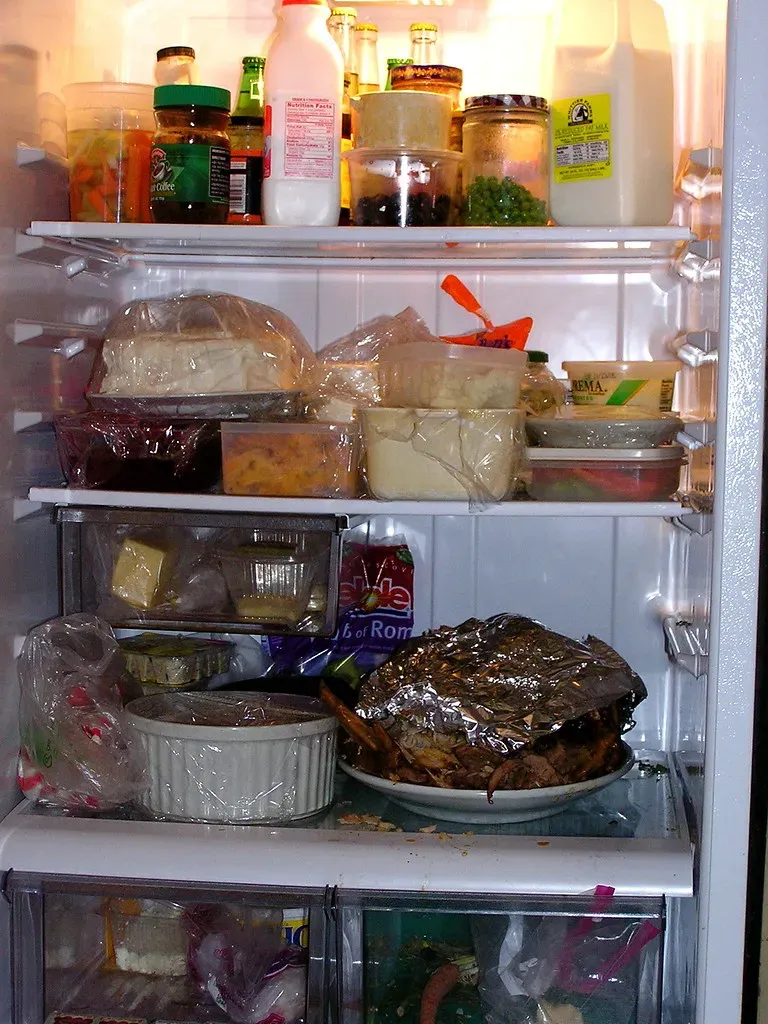
Dinner’s done, the table is cleared, but the pot of pasta is still sitting on the stove an hour later. Sound familiar? Most home cooks have done this more times than they’d like to admit.
Bacteria grow rapidly between the temperatures of 40°F and 140°F – once food is safely cooked, leftovers must be refrigerated within 2 hours of cooking or after being removed from a warming appliance. Any perishable food left at room temperature for more than 2 hours should be thrown away (1 hour if the temperature is over 90°F, such as outdoors in summer).
Around 35% of all food poisoning outbreaks are caused by improper sealing of leftovers and storage containers. The leftover pasta sitting out might look and smell perfectly fine, but bacteria that cause illness often don’t affect the taste, smell, or appearance of food. That’s what makes this particular mistake so dangerous.
—
8. Skipping Hand-Washing Between Food Tasks
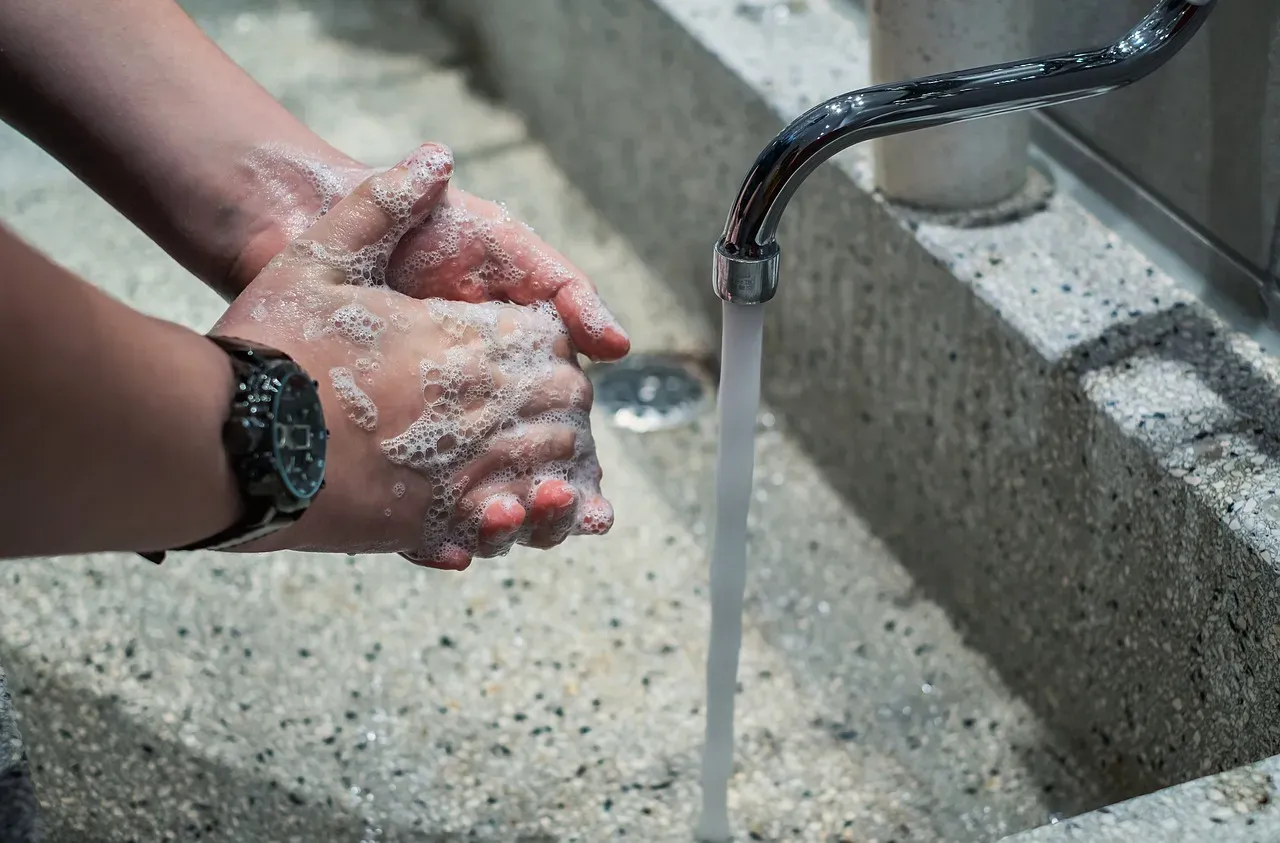
Washing hands properly sounds so basic that it almost feels insulting to mention. Yet the data tells a very different story about what actually happens in real kitchens. People handle raw poultry, then reach for the salt shaker, then grab a piece of bread – and think nothing of it.
A Kansas State University video surveillance study found that roughly half of the adults observed did not properly wash their hands after touching raw poultry – even though 90% of them claimed they did. The gap between what people say and what they actually do is striking.
Using soap and water for 20 seconds is what the CDC says effectively stops the spread of germs. In a survey, 56% of consumers admitted to not washing their hands properly before preparing food. Think of your hands as the single most active cross-contamination tool in the kitchen. Wash them constantly. Seriously.
—
9. Using a Damaged or Deeply Grooved Cutting Board
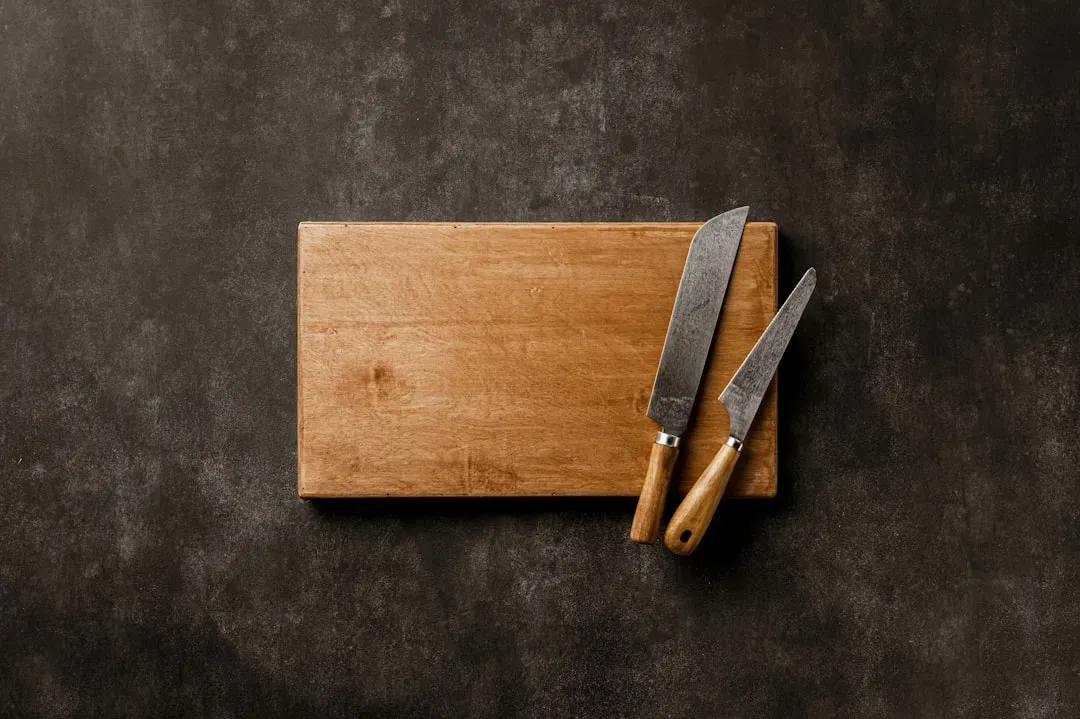
This one sneaks up on you. Over time, cutting boards develop deep grooves, scratches, and crevices – especially wooden ones. Home cooks keep using them because they still technically work. But those grooves are a bacteria hotel.
It’s a myth that plastic or glass cutting boards don’t hold harmful bacteria the way wood ones do. Any type of cutting board can harbor harmful bacteria on its surface, and regardless of type, it should be washed and sanitized after each use.
Any type of cutting board should be discarded if it becomes excessively worn or develops hard-to-clean grooves. That battered old board you’ve had since college might feel like a trusted companion in the kitchen, but at some point it becomes more hazard than helper. Replacing it is genuinely one of the easiest safety upgrades you can make.
—
10. DIY Electrical and Appliance Fixes Without Professional Help
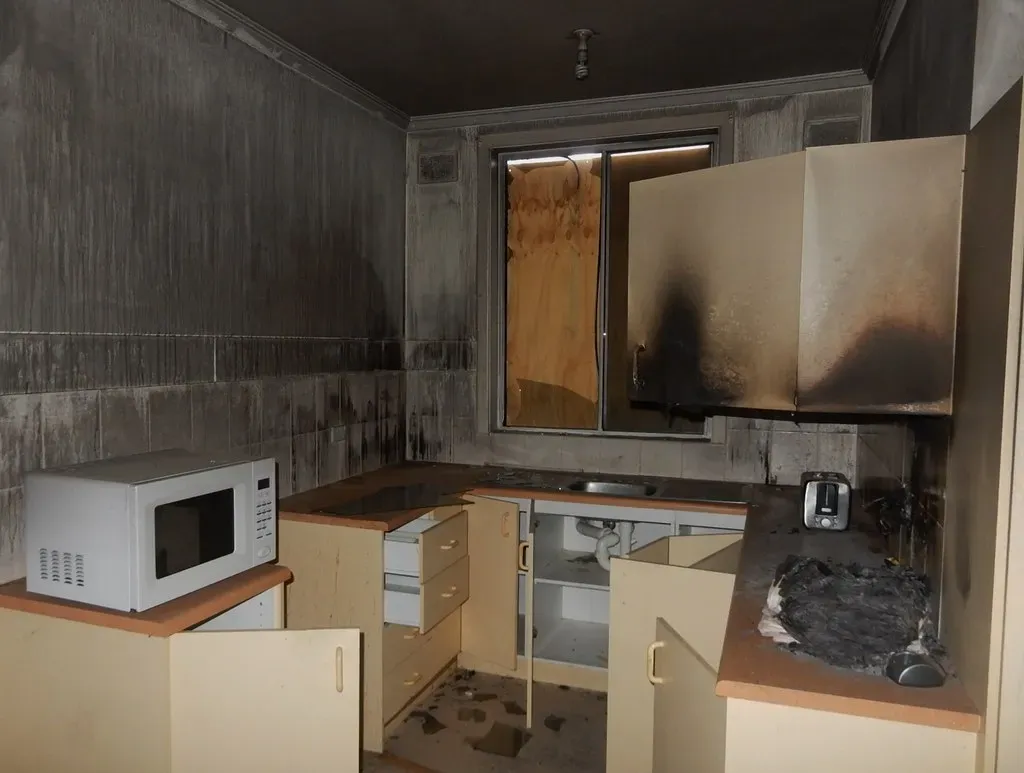
People love fixing things themselves – it saves money, and there’s a satisfying sense of accomplishment. But kitchens are not the place to improvise with appliances. Frayed cords, DIY oven repairs, and makeshift fixes to faulty burners are a different category of risk entirely.
Kitchen fires can be serious, often involving combustibles that ignite and foods that flare up – but defects in ovens, burners, electrical and gas connections can also be hazardous in their own right. Nearly 15% of kitchen injuries are caused by faulty electrical appliances, often due to poor maintenance or damaged cords.
According to the National Fire Protection Association, there are roughly 172,000 residential cooking fires in the United States each year, and cooking is the leading cause of fires and injuries that occur in our homes. Taping a broken cord, propping open a faulty gas valve, or bypassing a safety feature on an oven might feel like a quick fix – but it’s the kind of shortcut that health and safety professionals see turn catastrophic. Call a professional. Always.
—
The Bigger Picture: Why These Habits Persist

It’s worth asking why these mistakes keep happening year after year despite being so well-documented. The honest answer is that most of them feel harmless in the moment. Thawing on the counter, skipping the hand-wash, keeping that old cutting board – none of it looks dangerous until it is.
Consumers are spending more time eating at home and preparing their own meals, and whether driven by cost consciousness, health goals, or lifestyle flexibility, the home kitchen has become a primary food preparation space – which brings with it greater responsibility to handle food safely.
Foodborne diseases resulting from these breaches may afflict millions of people annually worldwide, and the World Health Organization reports around 600 million instances of foodborne diseases globally each year. Those numbers are a reminder that food safety isn’t just restaurant business. It starts right at home, in your own kitchen, every single day.
The good news? Every single one of the ten issues above has a simple, low-cost fix. No fancy equipment needed. Just awareness, a few new habits, and the willingness to unlearn some old ones. What would you change in your kitchen today?