
Most people walk into a restaurant, glance at the menu, and maybe check the vibe before ordering. What they almost never do is look around with a critical eye. That’s a problem, because the restaurant industry has a complicated relationship with food safety, and the signs of a troubled establishment are hiding in plain sight.
About 800 foodborne outbreaks are reported to the CDC every year, and most of them happen in restaurants. That’s not a small number. These aren’t fringe operations either. They span the full range, from greasy spoons to fine dining rooms. The red flags are there if you know what to look for. Let’s dive in.
Table of Contents
1. The Menu Is an Encyclopedia
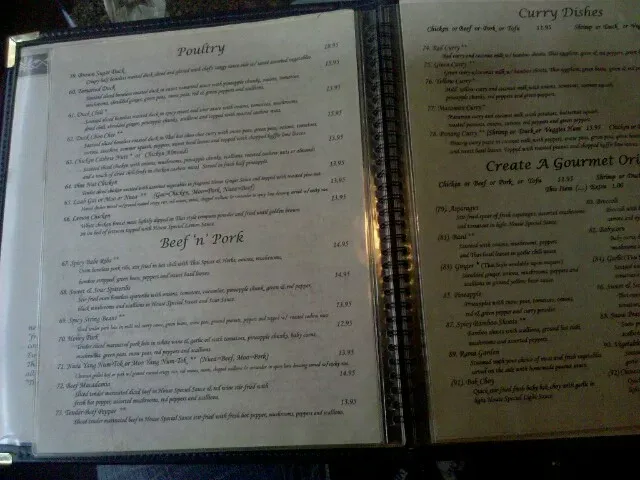
There’s a certain kind of restaurant you’ve probably seen. It offers everything from sushi to pasta, from curries to burgers, all on a menu that could double as a small novel. It feels like abundance, but honestly, it should give you pause.
If a restaurant has a menu that is 10 pages long and spans Italian food to Indian to Chinese, that’s a big red flag. With so many dishes and so many different types of cuisine, it’s a clear sign that a restaurant hasn’t mastered any of them.
If there are 100 dishes, when do you think was the last time somebody ordered the same meal you’re ordering? If you choose a dish that doesn’t have a lot of turnover, it might be made with old ingredients that have been sitting around in the back since the last time someone picked it off the menu.
No kitchen could execute that many cuisines well. It only means that their food is pre-made or frozen. Think of it like a musician who claims to master every instrument. You’d be skeptical. Your stomach should be too.
2. The Bathrooms Tell a Hidden Story
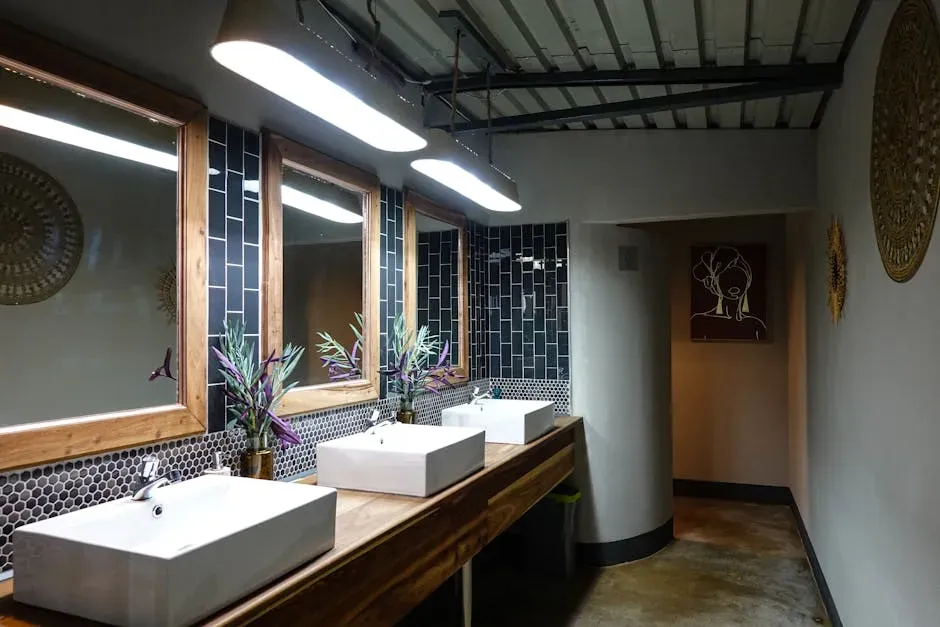
Here’s a simple rule that veteran food safety professionals live by: always check the bathroom before you order. It sounds like an odd habit, but it is genuinely one of the fastest ways to gauge a restaurant’s overall hygiene standards.
Always do a restroom check before ordering food. A filthy restroom means that management doesn’t care about basic hygiene standards. This is visible through no soap, broken fixtures, or mysterious puddles. If they can’t maintain a small restroom, their food safety practices seem questionable at best.
You’ve probably heard the saying, “You can judge a restaurant by its toilet.” The idea is that if a restaurant can’t take care of the most unhygienic room in the building, a room that customers can actually see, God knows how things look behind the scenes.
The logic is pretty airtight. Hand washing for at least 20 seconds with soap and clean, running water is one of the single most effective ways to prevent the spread of disease and germs like salmonella and E. coli. When a restaurant doesn’t ensure that hand soap is available in the restrooms for both employees and patrons, it’s a signal that food safety is not a priority for the establishment.
3. Sticky, Stained, or Worn-Out Menus
You pick up the menu and something feels slightly off. Maybe it’s sticky. Maybe it smells faintly of last Tuesday. Most diners brush it off, but what’s on the surface of that menu might genuinely disturb you.
According to studies, menus can have bacteria counts as high as 185,000 per square centimeter, far more than a toilet seat. The reason is that scores of people touch restaurant menus and yet they are rarely cleaned.
Studies have shown that traces of E. coli and S. aureus (staph) can be found on menus, thanks to their being passed from hand to hand. Plastic menus are more germy than paper menus, especially if they get wet.
I know it sounds crazy, but the menu is often the dirtiest object at your table. A restaurant that cares about cleanliness will have menus that are visibly clean and in good condition. A sticky, cracked, or deteriorating menu is more than just an aesthetic failure. It’s a hygiene signal you shouldn’t ignore.
4. The Dining Area Is a Mess
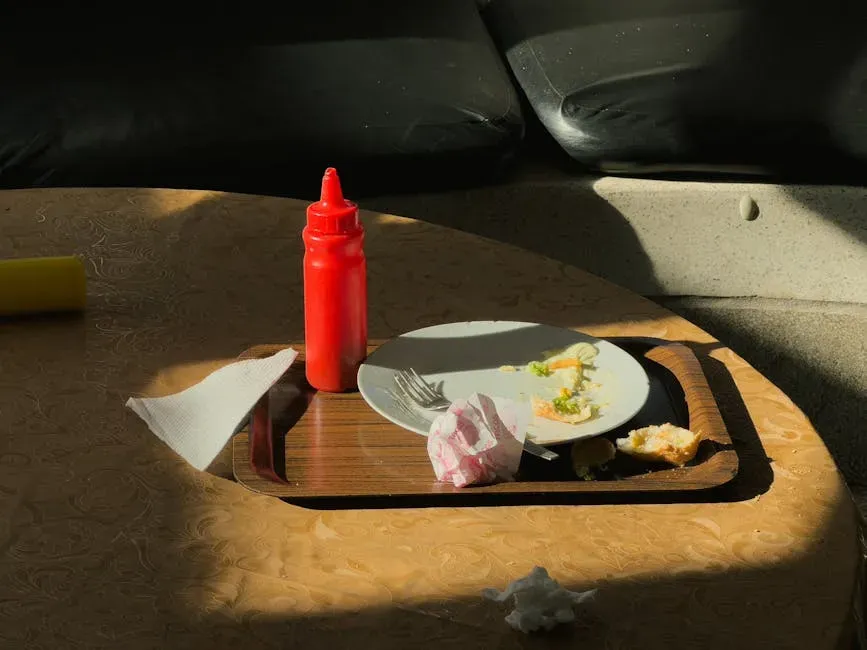
Dirty floors, tables that haven’t been properly bussed, cluttered server stations, and chairs that look like they haven’t been wiped down in days. These aren’t just annoying. They are genuine warning signs.
One of the clearest signs that a restaurant may not be up to standard is visible messiness or lack of cleanliness in the dining area. This can manifest in many ways, from dirty floors to un-bussed tables to cluttered service areas, and it immediately raises concerns about how the restaurant is being managed.
Research estimates that the average restaurant chair contains as much as 184 individual bacteria per square centimeter. These sources are more likely to have examples of intestinal bacteria, such as E. coli.
Many restaurants rely on dirty rags covered in invisible bacteria to wipe off tables after each guest. All this does is add more germs to the equation. Think of it like mopping a floor with dirty water. The effort is there, but the result is actually worse than doing nothing. A clean dining room is the minimum standard, not a luxury.
5. Glassware Handled the Wrong Way

Watch how your server picks up your glass. It’s a small detail, easy to overlook. Most people are just happy to get their drink. Still, the way a glass is handled can reveal a lot about a restaurant’s hygiene training.
One of the most obvious signs a restaurant is unaware of how to safely serve drinks is how the waitstaff or bartenders handle glassware. The golden rule is that the top third of the glass “belongs to the customer,” meaning nobody else should be touching the part where the customer puts their mouth.
One study found that the rims of glasses are often loaded with germs because waiters tend to grab the rim of the glass, as a result getting germs everywhere. It’s the kind of thing that once you see it, you can’t unsee it.
This isn’t about being overly fussy. It is about a baseline standard that every food handler should know and follow. Almost every restaurant serves drinks, and there are nearly as many safety precautions related to drink service as there are to food. A server who grabs your glass by the rim likely hasn’t had proper food safety training at all.
6. The Ice Machine Is a Silent Threat

Nobody thinks about the ice. It’s just frozen water, right? Let’s be real, though. The ice machine in a restaurant might be one of the least-inspected and most contaminated pieces of equipment in the entire building.
A literature review from 2024 showed that most studies indicate that restaurant ice machines have more bacteria than machines producing ice for industrial purposes. Recent research indicates that as much as a quarter of ice used in restaurants tests positive for bacteria.
Mold is a resilient organism that thrives in moist environments, making ice machines an ideal habitat for its proliferation. Airborne mold spores, ever-present in the environment, can infiltrate ice machines through air circulation, nesting in nooks and crannies, awaiting conditions conducive to their growth.
Pay attention to beverage dispensers and ice machines too. They’re both hotbeds for mold and should be free from dirt or residue. Bartenders should also be using a proper scoop for ice. Scooping ice with a drinking glass is a huge safety risk. If the glass breaks, there’s no way of guaranteeing you’ve cleared the shards out of the machine without emptying the entire thing.
7. Visible Pests or Signs of Infestation
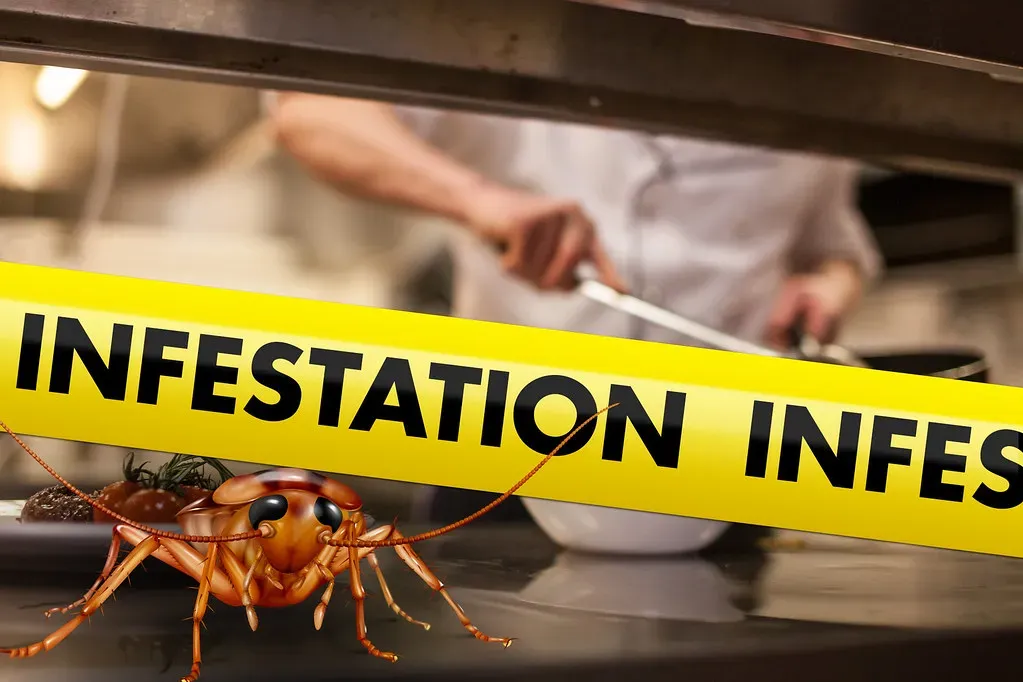
Spotting a roach or a mouse in a restaurant is the kind of experience that ruins a meal instantly. Most people know this is bad. What they might not realize is how far the problem goes beyond the visible creature itself.
Pests can leave many different signs, some more obvious than others. Insects, like flies or ants, are easy to spot. Other pests, like rodents, often leave droppings or scuff marks along the bottom of walls. Besides the potential health hazards posed by pests, their presence is often caused by poor hygiene practices.
If a restaurant is storing food properly, staying on top of its cleaning procedures, and disposing of waste in the correct manner, they’re unlikely to have any problems. In my experience, pests are the result of poor safety standards, not the cause of them.
The CDC reported over 1,078 norovirus outbreaks from August 2024 through mid-January 2025, nearly double the outbreaks from the same period the previous year. A once-rare strain called GII.17 became dominant, catching populations off guard with little existing immunity. Pest activity in restaurants can contribute directly to these kinds of outbreak spikes. A single fly landing on food can carry enough pathogens to make multiple people sick.
8. Sick Staff Still Working the Floor

This one is unsettling to witness. A server coughing into their hand before bringing you a bread basket. A kitchen worker visibly running a fever. Sick employees in food service environments are a serious, documented public health concern.
An employee who is sneezing, coughing, or wiping their nose may be contagious and at risk for cross-contamination. According to ServSafe guidelines, employees should report their symptoms to a supervisor, see a healthcare provider, and refrain from preparing and serving food until the infection has passed.
Research found that chefs’ hand hygiene did not meet microbiological reference standards, even after washing. Notably, Campylobacter persisted at 27 percent and 30 percent on chefs’ hands, posing a significant risk of cross-contamination and foodborne diseases.
Data collectors observed at least one food worker action that could lead to contamination in over 63 percent of restaurants. The most frequently observed action that could lead to contamination was bare-hand or dirty glove contact with ready-to-eat food, occurring in nearly 36 percent of restaurants. Sick staff who are still working is not just a red flag. It is a structural failure in management policy.
9. The Restaurant Is Empty During Peak Hours

It’s a Friday evening at 7 PM. Every other place on the block has a wait. This one has plenty of empty tables and a host who greets you just a little too eagerly. That contrast alone should make you think twice.
If it’s 7 PM on a Friday night and the restaurant is a ghost town, you have your answer. Usually, neighbouring establishments are packed. But in this case, locals know something that you don’t. Empty restaurants during peak dining hours often signal poor food quality, bad service, or worse.
The crowd is a signal. It’s like a financial market in miniature. Local knowledge flows quickly, and regular diners vote with their feet every single night. A place that empties out during peak hours has usually earned that reputation through repeated disappointment.
Restaurants with kitchen managers certified in food safety were less likely to have critical violations on their inspections, according to a March 2024 CDC study. Low footfall restaurants often cut costs in exactly this area, reducing training and certification standards to save money. The empty chairs tell you something about priorities.
10. Overly Aggressive Cleaning Smells During Service
You walk in and get hit by an overwhelming smell of bleach or industrial cleaning products. Your first thought might be that this place is spotless. Rethink that instinct. There’s a meaningful difference between clean and chemically masked.
Overpowering bleach or cleaning product odors during service hours suggests that they are covering up another smell. This could also mean that the staff is cleaning during meal prep. This is a health code violation, as your food could get contaminated with unwanted chemicals.
If you’ve ever been unfortunate enough to suffer from a bout of food poisoning, you already understand the importance of having a health code. If a restaurant fails to follow food safety regulations, it’s only a matter of time before someone ends up seriously ill.
Foodborne diseases resulting from these breaches may afflict millions of people annually worldwide. With around 600 million instances of foodborne diseases reported yearly, the World Health Organization claims that contaminated food is a major factor in the worldwide burden of disease. A restaurant that applies cleaning chemicals while food is being prepared is not being more cautious. It is actively adding a new risk to your meal. Strong chemical odors in a dining room during service are a warning, not a reassurance.
Conclusion
Most diners walk into a restaurant hoping for a good experience and leave without ever noticing what they missed. The signs described here are not obscure. They are visible, observable, and meaningful indicators of how seriously an establishment takes the health of its guests.
Food safety is not just the responsibility of regulators and health inspectors. Recognizing the signs of a bad restaurant can really help you avoid disappointing dining experiences and make sure every meal out is a good one. Some warning signs are obvious, but others are a bit harder to notice.
The next time you walk into a restaurant, take sixty seconds to look around before opening the menu. Check the bathrooms, watch how staff handle glassware, notice the crowds, and trust your instincts. What would you have noticed on your last meal out?