
You walk into a steakhouse feeling like a king. The smell of sizzling meat fills the air, the menu is thick as a novel, and everything looks incredible. But here’s the thing – not everything on that menu deserves your attention or your hard-earned money.
Experienced chefs know things the average diner simply doesn’t. They understand which dishes are kitchen afterthoughts, which items arrive frozen, and which menu choices quietly signal that you have no idea what you’re doing. The gap between what you can order and what you should order is bigger than most people realize. Let’s dive in.
Table of Contents
1. Well-Done Steak
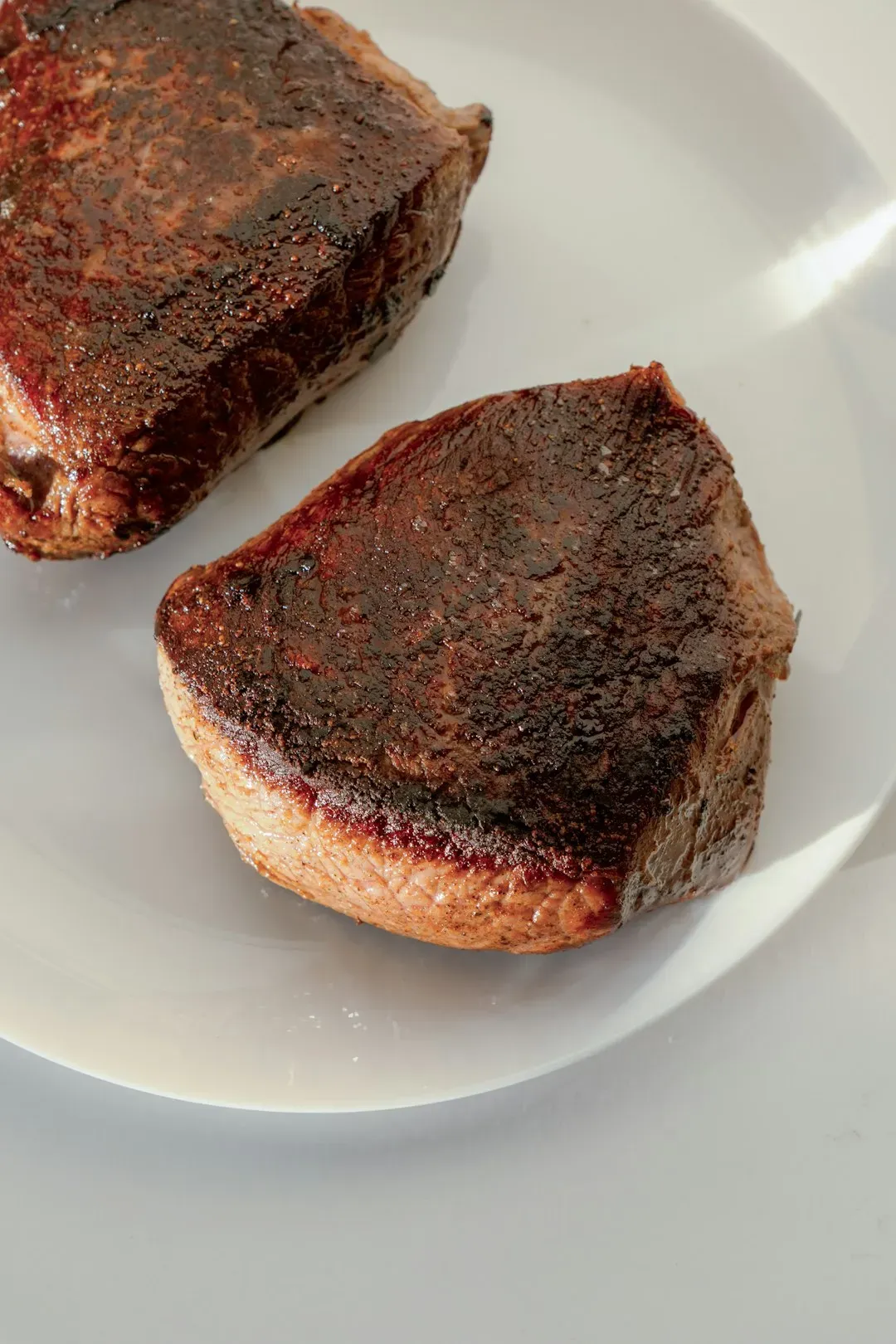
Let’s be real – nothing makes a steakhouse chef quietly cringe more than a well-done order. Chef Dennis Littley, a classically trained chef and owner of AskChefDennis.com, is direct about it: cooking a steak to well-done robs it of its natural juices and flavors, leaving you with a tough, dry piece of meat. The science is simple. The more heat you apply, the more moisture escapes, and with moisture goes flavor.
Eating your steak well-done means you’re eating a dry, hard piece of meat that has been cooked well beyond what any quality cut should ever endure. At that point, the juices are largely gone, the fibers are hard, and the flavor has quite literally been cooked away. There are even murky rumors about restaurants deliberately using inferior cuts of meat for well-done orders, which is a good enough reason on its own to stop requesting it.
2. Fish at a Non-Surf-and-Turf Steakhouse
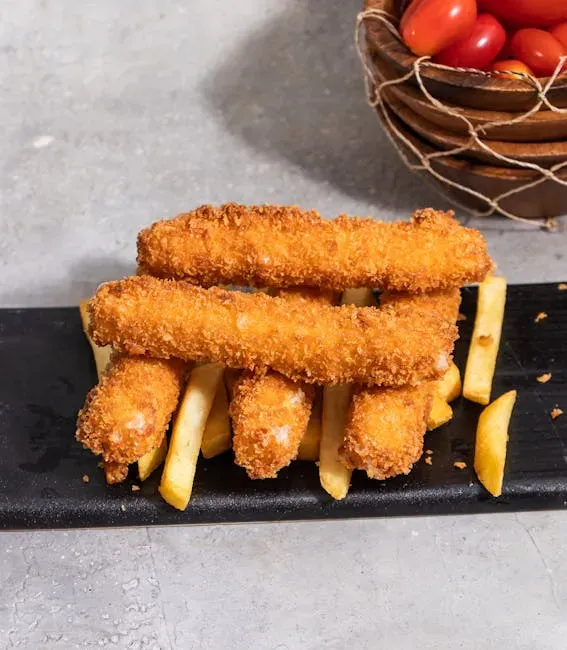
Ordering fish at a steakhouse that doesn’t specialize in seafood is a gamble most chefs simply refuse to take. Jeremy Shigekane, executive chef of 100 Sails & Bar at the Prince Waikiki Hotel in Honolulu, is blunt about it: “Never order fish at a steakhouse. Just like with sushi, I believe in sticking to what the restaurant does best.” It sounds obvious when you say it out loud, yet so many people still do it.
The reason is simple: if you’re dining at a steakhouse, you’re at a place that specializes in steak, with chefs who are pros at cooking red meat. Although they can probably put together a decent fish dish, there’s a real risk of these being something of an afterthought. Steakhouses spend considerable effort building relationships with top beef suppliers, but their relationships with seafood suppliers may not be nearly as robust, leading to an inferior product.
3. Pasta or Vegan Add-Ons
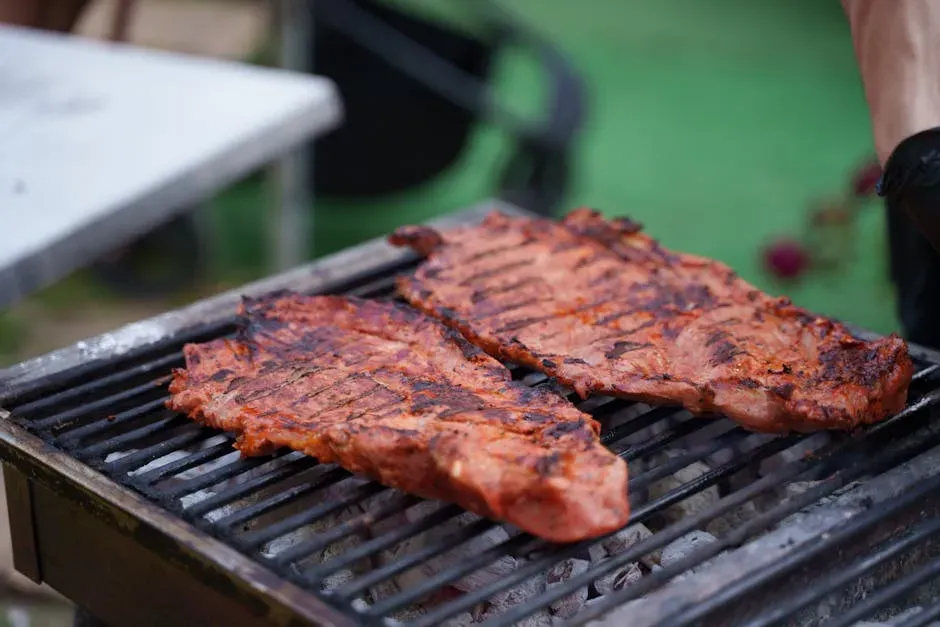
Steakhouses that toss pasta or vegan options onto their menu are doing it out of obligation, not passion. Executive chef Josh Mouzakes of ARLO at San Diego’s Town and Country Resort says to stay away from any kind of pasta or vegan options thrown on the menu for diversity, because steakhouses are designed to grill, so you should eat off the grill. Honestly, that’s about as clear as culinary advice gets.
Chef Jeremy Sharpe, Executive Chef at Premier Residences of Chevy Chase, agrees: “When dining at a steakhouse, pasta is often a misstep. Dishes made with alfredo sauce pasta or deep-fried macaroni and cheese bites, while trendy at chain restaurants, simply don’t pair well with a high-quality steak.” Think of it this way – you wouldn’t go to a sushi bar and order a burger. Same logic applies here.
4. Filet Mignon
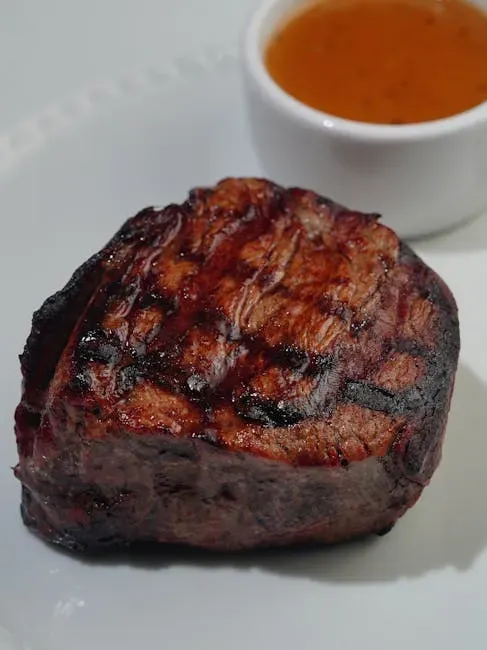
This one might surprise you. Filet mignon is one of the most popular cuts in the world, but chefs have some serious reservations about it. According to Diana Manalang, chef-owner of Little Chef Little Cafe in New York City, it’s an unpopular opinion about a popular cut – but the reason is clear: it’s tender and juicy, but because it’s so lean, it has no real flavor. You’re essentially paying premium prices for a very soft but oddly bland experience.
The downside to this cut is its lack of fat content, resulting in a less robust taste profile that often requires additional sauces or toppings to enhance its flavor, regardless of the quality of the meat. Chef Greg Engelhardt encourages people to explore other cuts of meat to discover a wider range of flavors and textures that are not limited to the widely known filet mignon. At Alexander’s Steakhouse, a filet mignon costs $71, and Delmonico’s owner Dennis Turcinovic has stated that filet mignon is an unadventurous choice that you can get pretty much anywhere.
5. The Baked Potato
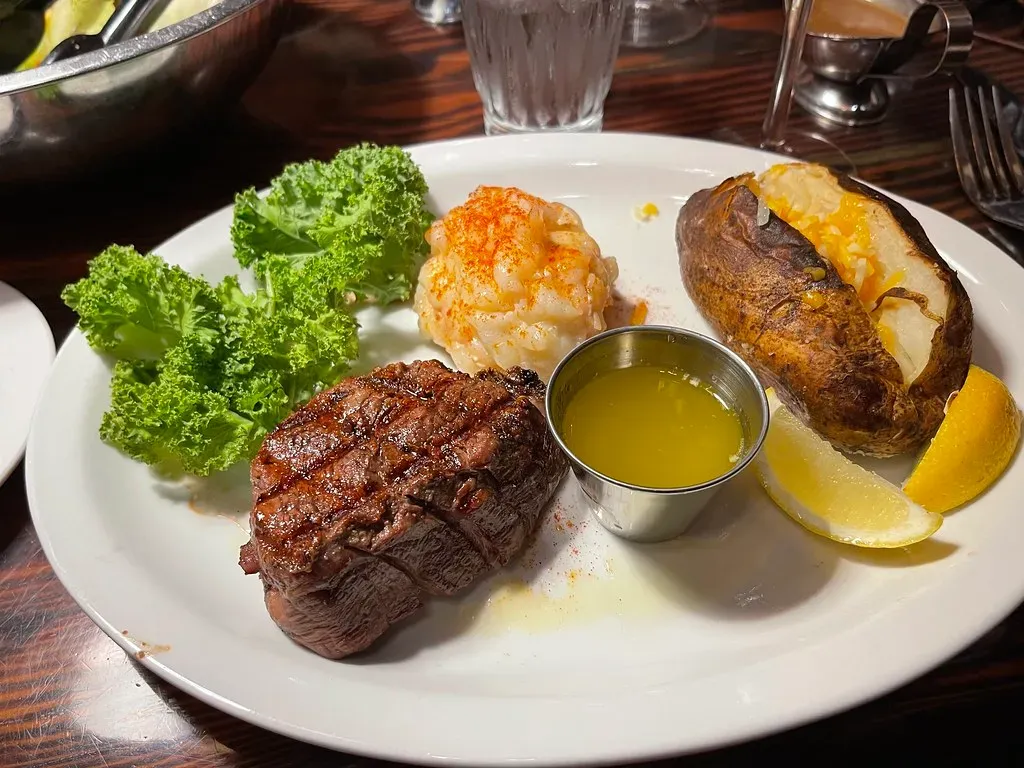
It’s an icon. A steakhouse classic. And yet, it might be the most consistently disappointing side dish on the entire menu. Kyle Taylor, Founder and Chef at HE COOKS, doesn’t recommend the loaded baked potato at steakhouses. “Most steakhouse baked potatoes end up dry and under seasoned, then they just drown the thing in generic sour cream and that pre-shredded cheese from a bag,” he explains.
Taylor adds: “You’re honestly better off spending those calories on something the kitchen actually puts some thought into.” It’s the kind of item that sounds great in theory but lands on your plate as a lukewarm disappointment. For the price you’re paying at a high-end steakhouse, you deserve better than a pre-shredded bag of cheese.
6. Lobster Mac and Cheese
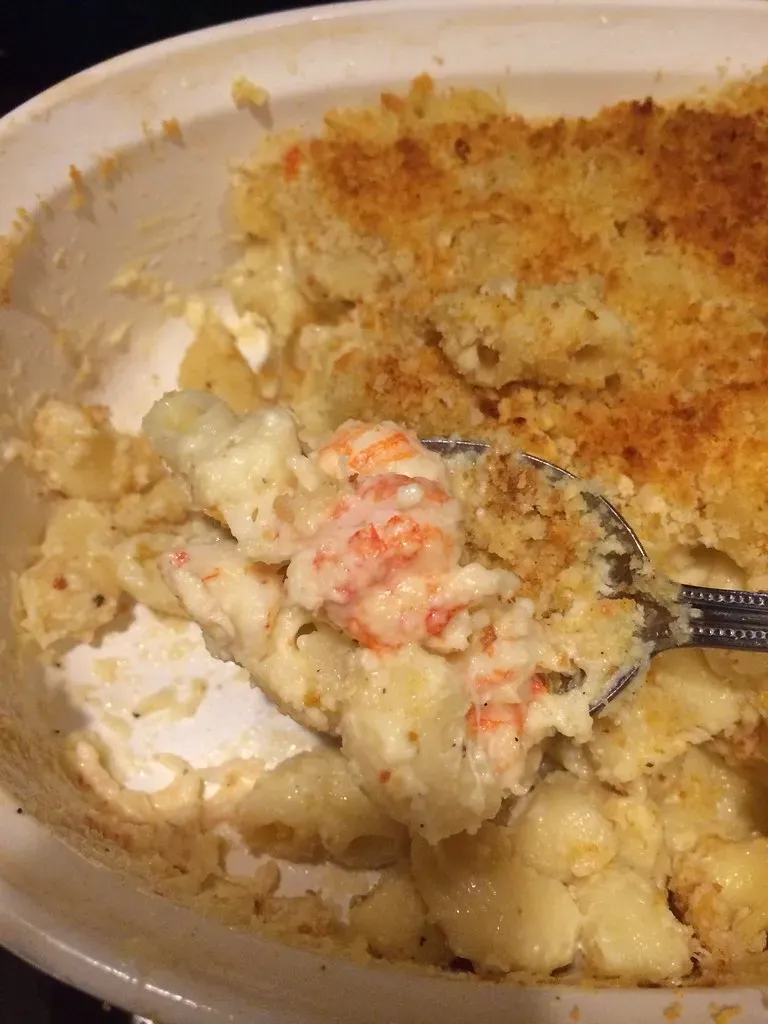
Few things on a steakhouse menu look as enticing as lobster mac and cheese. Rich, creamy, expensive-sounding. The reality, though, is often far less glamorous. Executive Chef Samuel-Drake Jones of Hudson VU in NYC warns diners to stay away from lobster mac and cheese at a steakhouse. Unless you’re in a restaurant that offers some type of lobster dish or is truly passionate about their seafood program, the lobster meat was likely brought in prefabricated in a sealed bag. Because lobster is so expensive, chefs and owners are less likely to discard this item and will hold on to it longer, potentially past its time of peak freshness.
For this same reason, your lobster mac probably came fresh out of the freezer. I know it sounds crazy, but it’s a very real situation in kitchens across the country. You’re paying a luxury price for something that may have been sitting in a freezer for weeks.
7. Steamed Vegetables
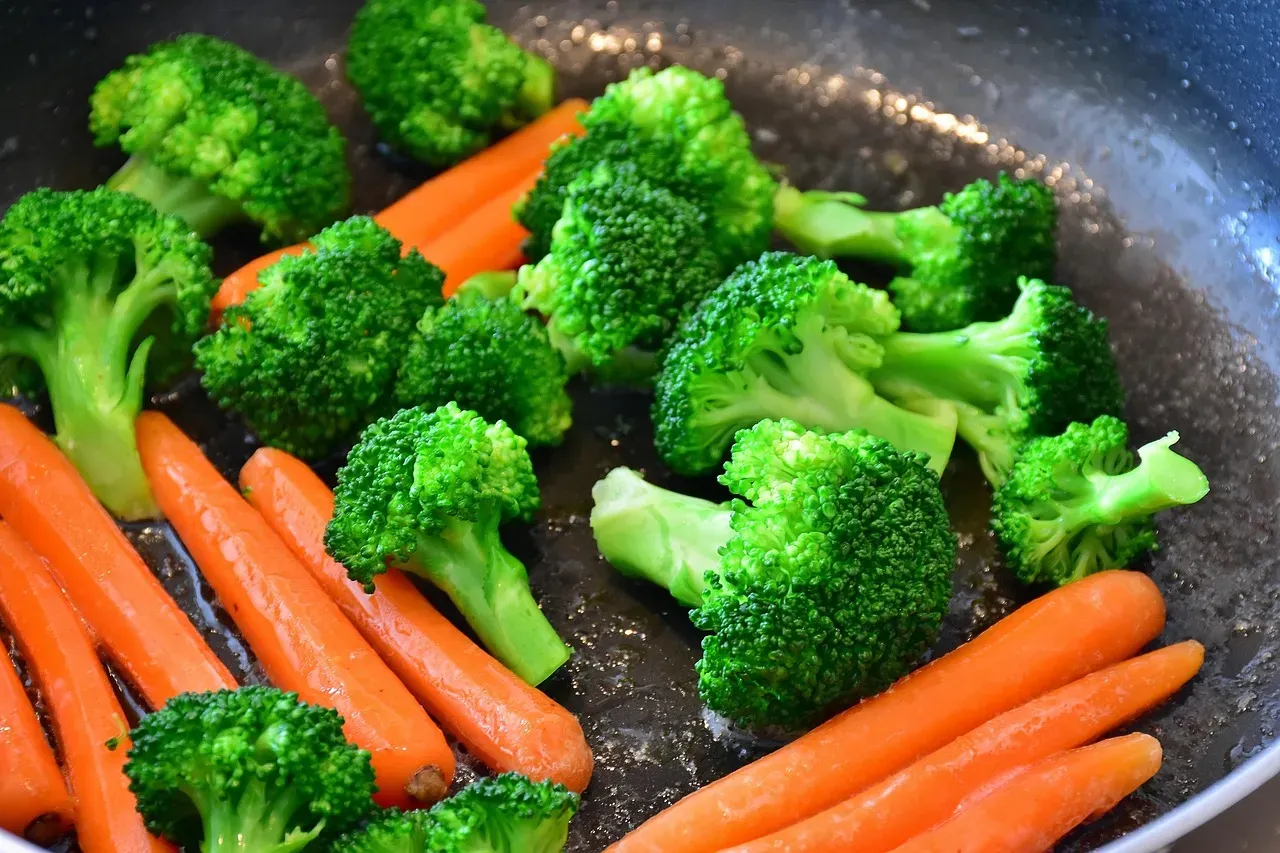
Ordering steamed vegetables at a steakhouse sounds like a sensible, healthy choice. In practice, it’s often one of the worst decisions you can make on that menu. Chef Nicholas Lomba of Bar Lumière warns that steakhouses often don’t put much thought into steamed veggies, so what you usually get is a bland green vegetable that was just steamed and thrown on a plate. For an establishment charging premium prices, that’s a pretty uninspired result.
According to another chef, these veggies often won’t actually be steamed but boiled, and since these aren’t items that sell often, there is a good possibility that the water has not been changed during the whole service. There’s something deeply unsettling about that. If you want vegetables with your steak, ask for something roasted or sautéed – at least the kitchen has to pay attention to those.
8. Stuffed Mushrooms

Stuffed mushrooms are everywhere on steakhouse appetizer menus, and chefs almost universally shake their heads at the sight of them. Chef Dennis Littley does not recommend ordering stuffed mushrooms at a steakhouse. A lot of steakhouses love to throw these on the appetizer or side menu, but more often than not, they end up overloaded with breadcrumbs and cheese, masking any actual mushroom flavor. They also tend to get soggy fast, and mushrooms naturally release moisture as they cook. If they’re prepped ahead of time, which they often are in busy kitchens, you’re left with a mushy, heavy bite that’s more filler than flavor.
Maricel Gentile, Chef and Owner of Maricel’s Kitchen, echoes this: stuffed mushrooms at a steakhouse are often drowning in butter or oil and soggy, which masks the natural umami of the mushrooms. They can also be pre-made in bulk and just heated before serving, causing them to be soggy. They’re a crowd-pleaser in concept, just not in execution at a place that’s primarily focused on grilling beef.
9. Chicken Breast
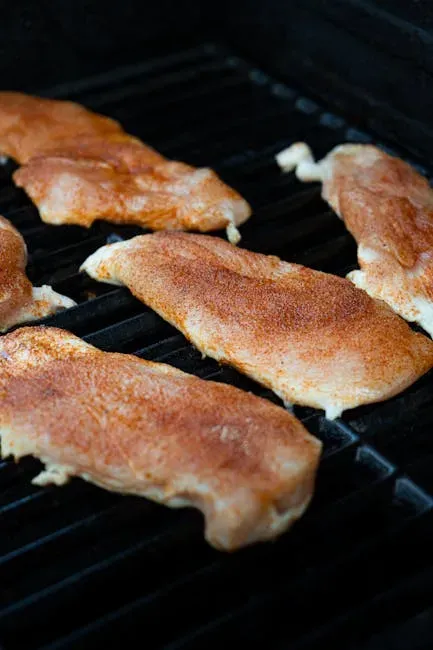
Ordering chicken breast at a steakhouse is the culinary equivalent of going to a world-class bakery and asking for a glass of tap water. Why would you want the flavor and richness of the restaurant’s specialty, only to risk a dried-out piece of poultry when dining at a restaurant that specializes in perfectly cooked red meat and charging higher prices for it? The math simply doesn’t work in your favor.
Chicken is arguably the worst offender among non-steak options at a steakhouse, as many chefs think you should never order it while eating out. An often-quoted reason is that many establishments tend to cook the chicken far too dry, but some chefs simply think it’s boring compared to other, more interesting proteins. If chicken is genuinely what you’re craving, there are much better places to get it than a steakhouse kitchen that isn’t optimized for it.
10. Bottled Steak Sauce
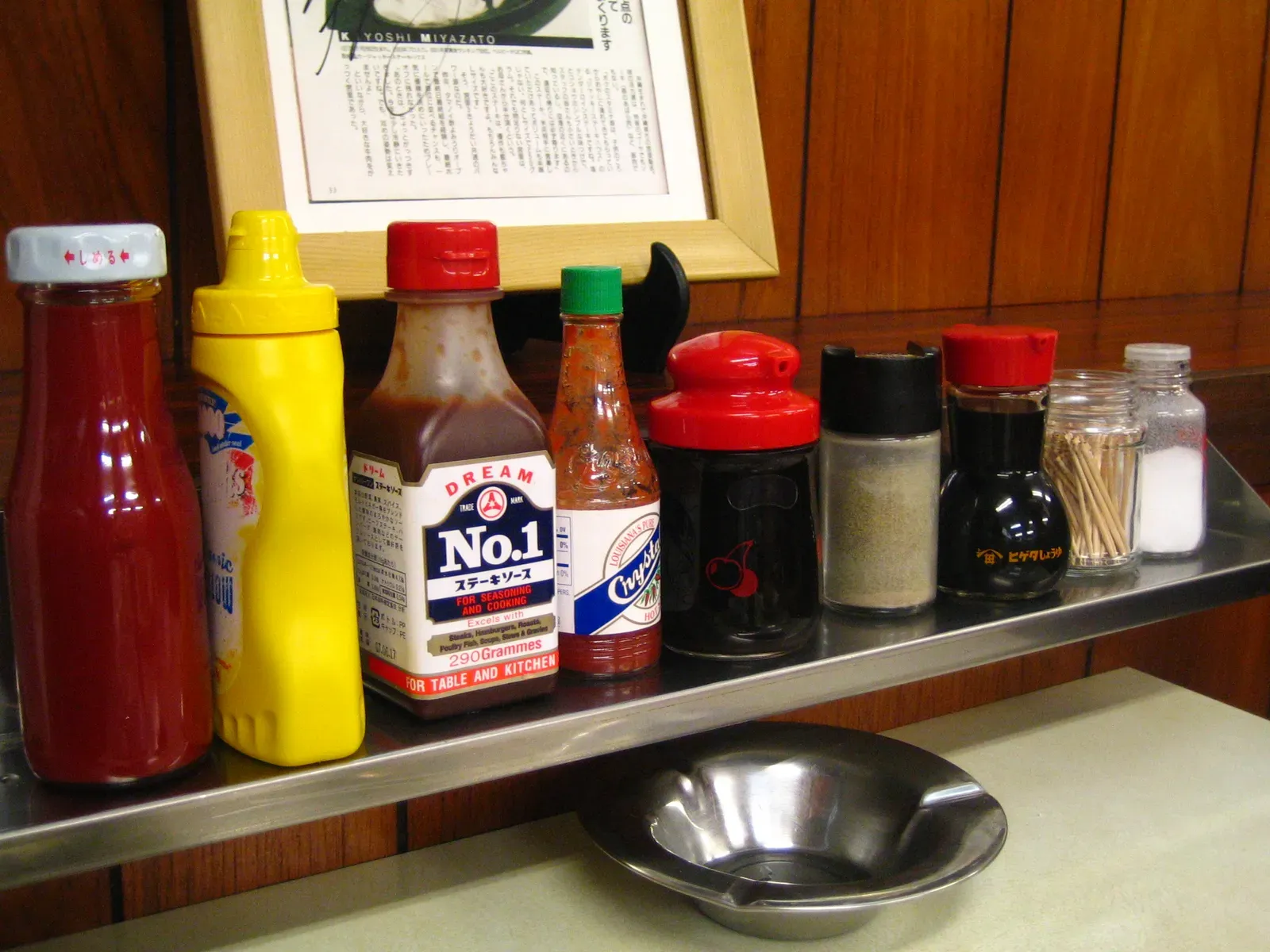
Reaching for that bottle of steak sauce might feel instinctive. Familiar. Comforting. Chefs, however, see it as an almost tragic waste of good beef. The main reason behind bottled steak sauce’s sidelined status is the fact that chefs dislike its tendency to mask the flavor of the beef. This wasn’t a problem back when steak quality was often more dubious, but today’s beef is a far cry from the era when steak sauce was relevant.
There is a bottomless list of sauces that can genuinely enhance steak, but too much rich, heavy dressing can completely suffocate the natural flavors of a great cut of meat. Think of it this way: a master painter doesn’t slap white house paint over a finished canvas. When a steakhouse is serving quality beef, the last thing the chef wants is for a bottle of tangy, sugar-laden condiment to undo everything. Chances are that whatever dish you ordered already comes with a carefully selected sauce designed to bring out the best in it.
Final Thought
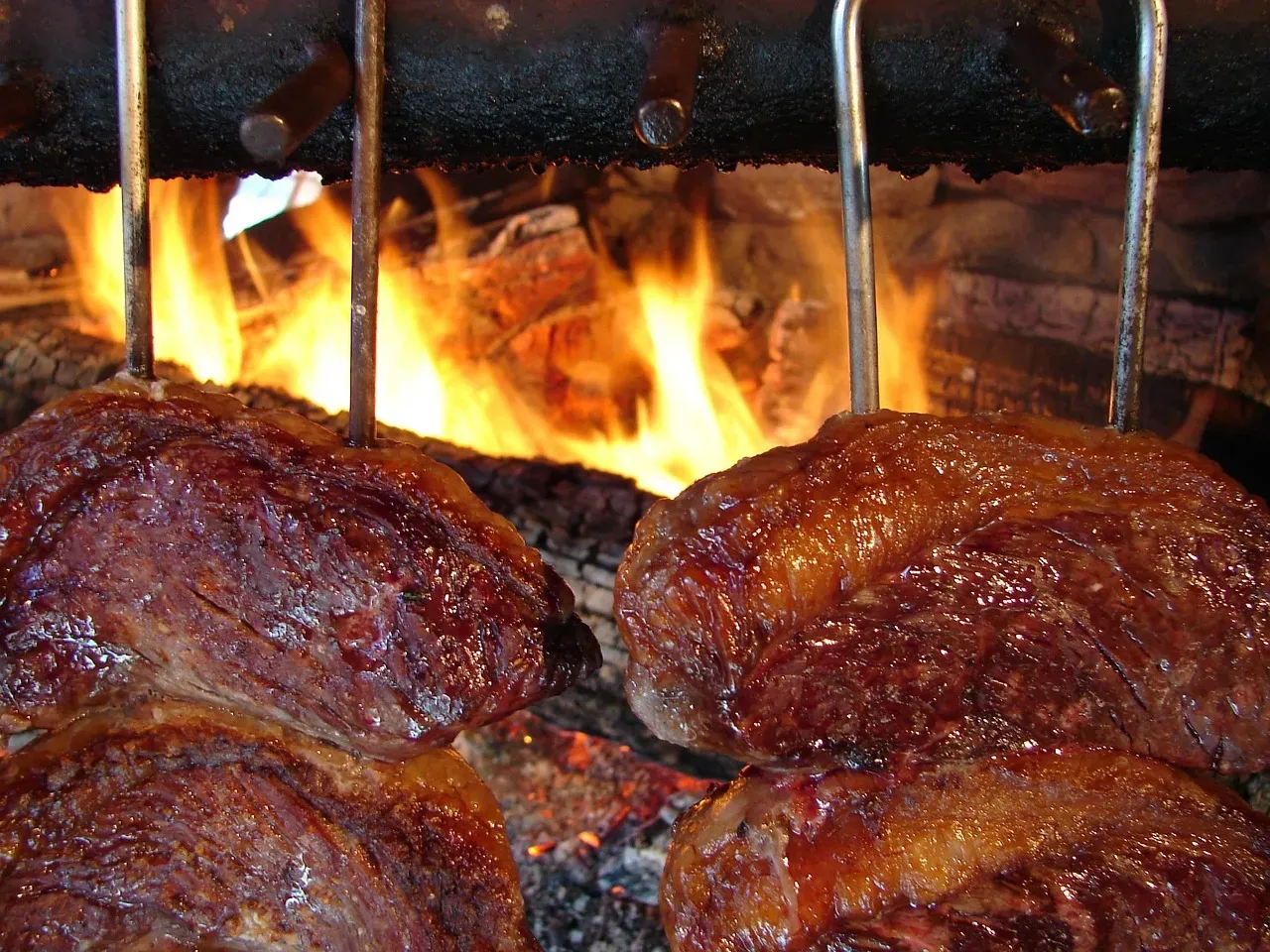
The next time you sit down at a steakhouse, remember this: the kitchen is built around one thing, and it does that one thing better than almost anything else on the menu. Every item that strays too far from that core specialty carries real risk – of frozen ingredients, of underdeveloped technique, or simply of wasted money on a dish nobody in that kitchen truly cares about.
Stick to what the steakhouse is genuinely proud of. Order the cuts with the most marbling. Ask questions. Skip the bottled sauce. The chefs who spend their careers mastering the grill have already figured this all out – they just don’t always put it on the menu.
What would you have guessed was the most surprising item on this list? Tell us in the comments.