
Walk into any butcher shop and you’ll see the usual suspects displayed behind the glass case. Ribeyes, sirloins, maybe some nice looking pork chops. Yet the folks with the knives and the know-how have been holding out on us for generations.
There’s an entire world of meat cuts that rarely make it past the cutting room door. These are the so-called butcher’s cuts, treasured for their incredible flavor, unexpected tenderness, or sheer rarity. You won’t find them at your average supermarket. Skilled professionals recognize their value and, well, let’s be honest, they’ve been known to snag these beauties for their own dinner tables instead of putting them out for sale.
Hanger Steak – The Original Butcher’s Secret
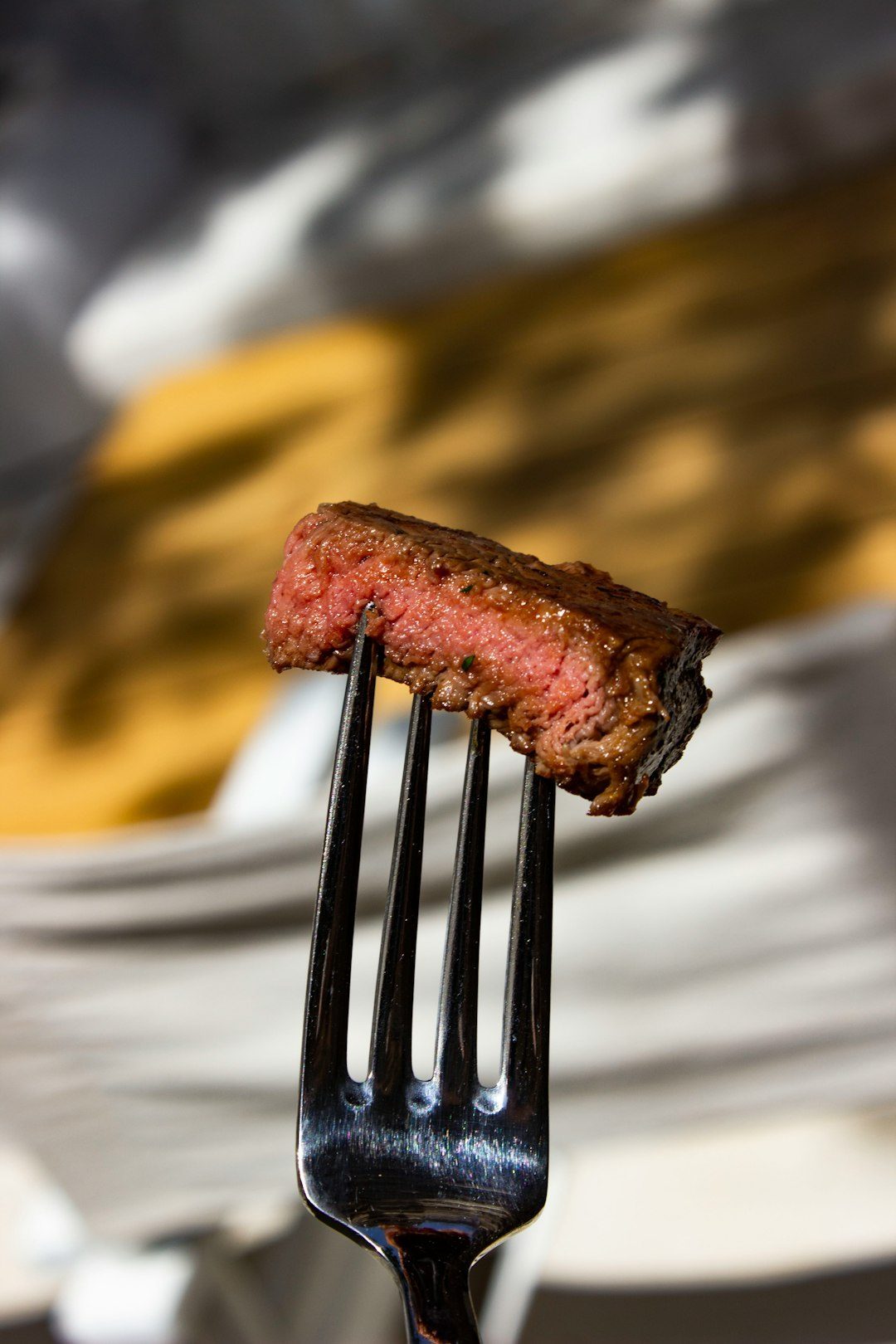
There’s only one hanger steak per animal, which has long earned it the nickname butcher’s steak because butchers would secretly keep this cut for themselves. This V-shaped cut literally hangs from the diaphragm between the loin and rib, giving it that distinctive name. It delivers a rich, hearty beefy flavor similar to ribeye but without the hefty price tag.
The texture is slightly coarser than premium cuts like ribeye, but the intensity of beef flavor more than makes up for it. Smart butchers have been quietly enjoying this gem for decades while selling the pricier cuts to customers who don’t know any better. It’s best cooked medium-rare to preserve its tenderness and should always be sliced against the grain for maximum enjoyment.
Ribeye Cap (Spinalis Dorsi) – Butcher’s Butter
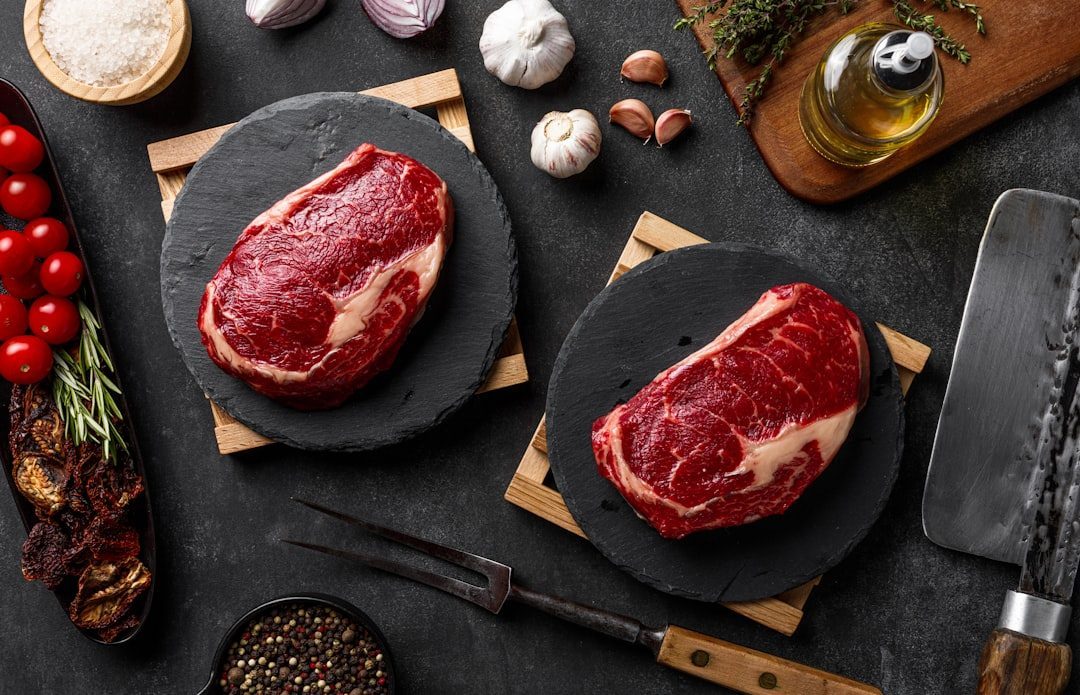
The ribeye cap, also known as spinalis dorsi, delivers exceptional marbling and extraordinary tenderness, sitting on top of the ribeye and making that steak so special. Most butchers know this is the crown jewel of beef, which is exactly why they often set it aside for their own dinner tables rather than putting it out for sale.
Let’s be real here. Any meat aficionado will tell you that while tenderloin may be the most tender cut, it lacks in the flavor department, and it’s unanimous amongst hardcore carnivores that the ribeye cap is where it’s at. It’s almost as tender as the tenderloin but has every bit the flavor of a ribeye – you’re getting the butter-soft texture of filet mignon with the rich, beefy punch of a ribeye. When you do find this cut, it’s typically rolled and tied with butcher’s twine, creating a compact medallion perfect for high-heat cooking.
Flat Iron Steak – The Hidden Shoulder Gem
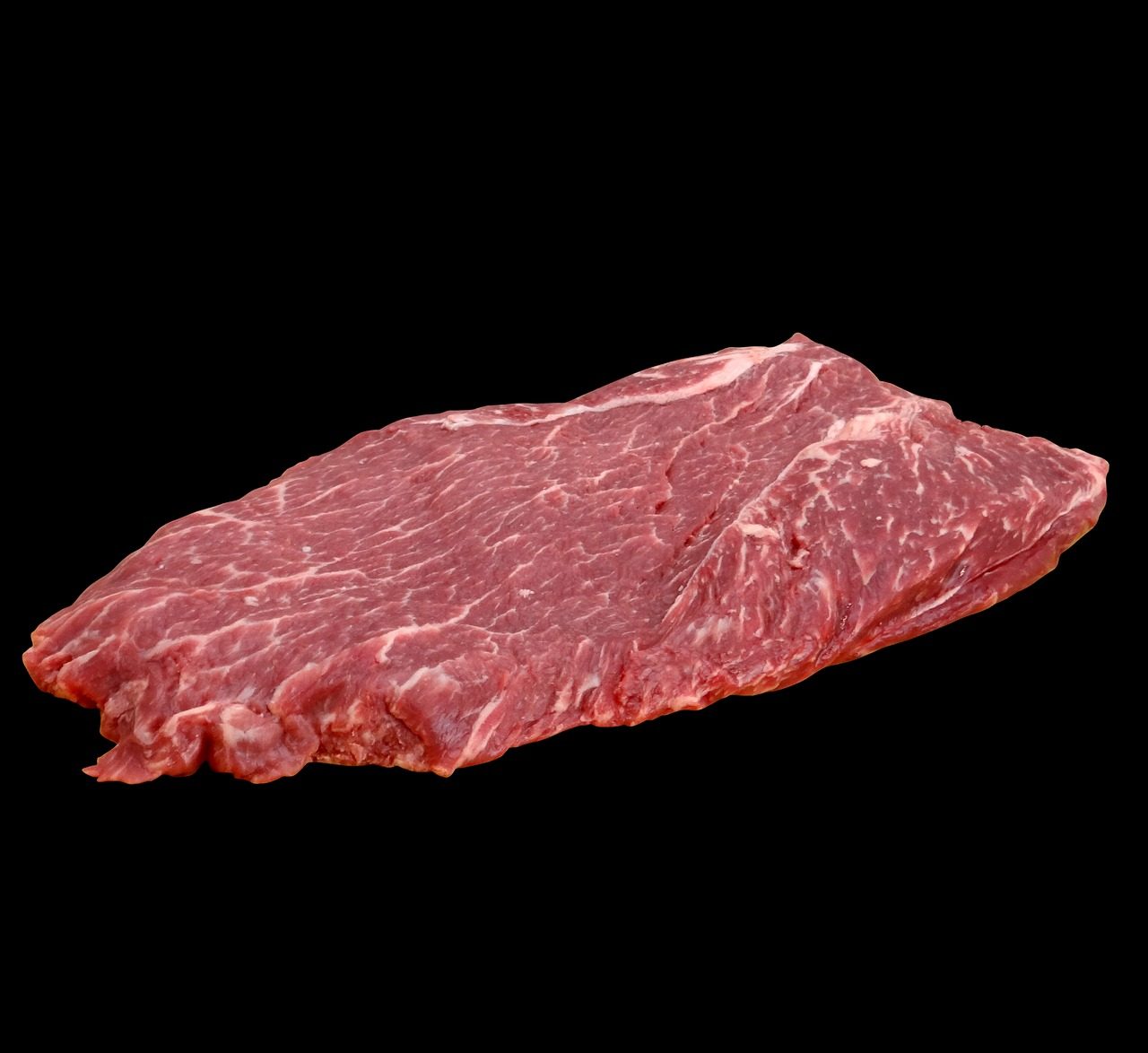
Flat iron steak may be the best-kept secret in the meat industry, coming from the shoulder area, specifically from the chuck primal, which is normally known for tougher cuts. Flat iron is extremely tender – the second most tender cut just after filet mignon – with no connective tissues and very fine grain, possessing rich marbling that makes it amazingly buttery and juicy.
It’s like finding a diamond in rough terrain. This cut is considered the second most tender muscle in the beef carcass, although it isn’t the most photogenic steak and needs a skilled butcher to remove the connective tissue and prepare it properly. The best part? It typically costs roughly half the price of filet mignon while delivering comparable tenderness and superior flavor.
Teres Major – The Poor Man’s Filet Mignon
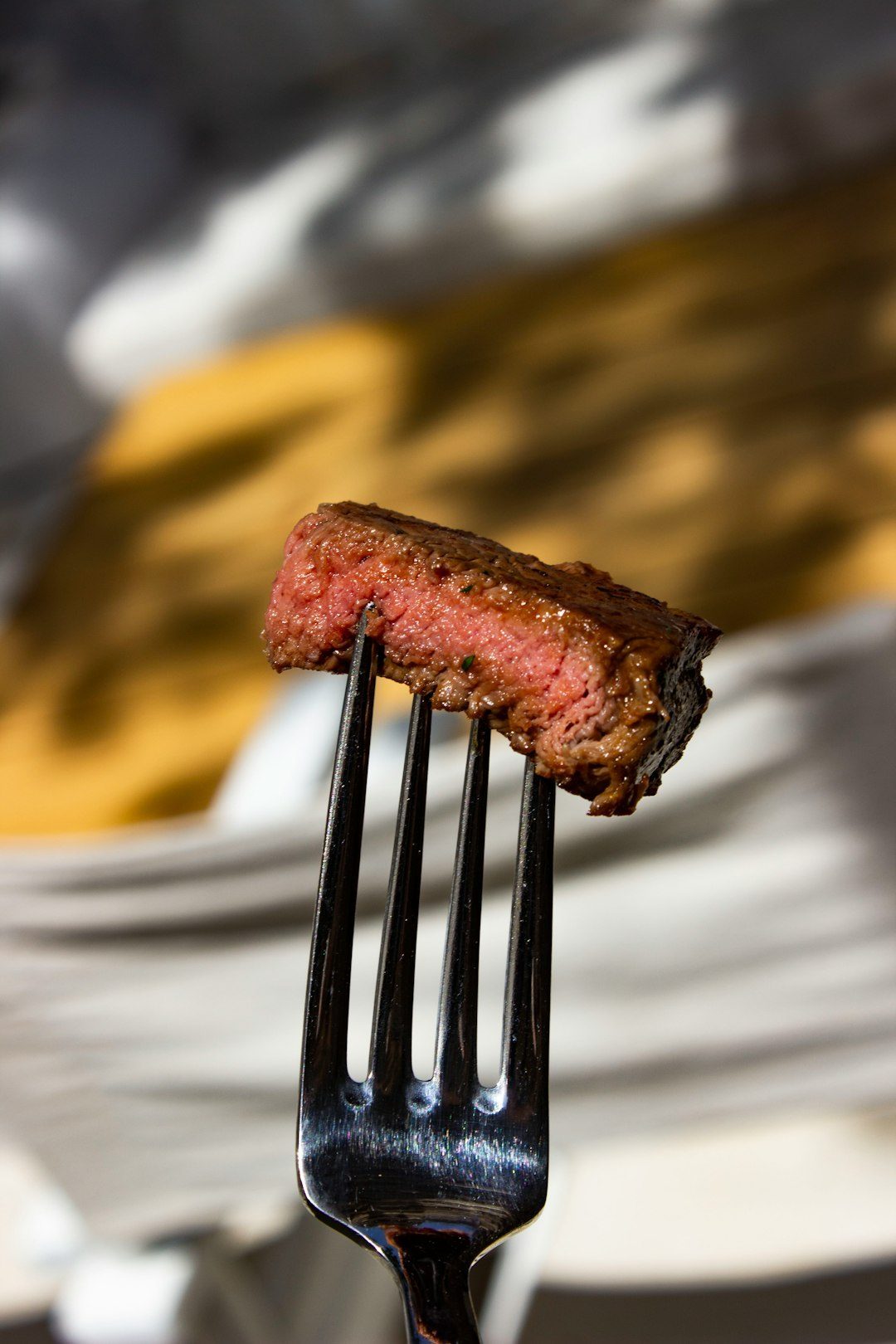
You won’t find teres major unless you visit the butcher’s shop, and this particular muscle that connects the front shoulder and the shoulder blade is super tender while still retaining plenty of that amazing chuck flavor. Only the tenderloin beats teres major in terms of sheer tenderness, but teres major is cheaper and way more complex in taste.
It’s the second or third most tender cut next to tenderloin and ribeye, and has much more flavor than a tenderloin as it comes from a heavily used, active muscle, which means it gets more blood flow, helping develop complex, rich beefy flavor with hints of iron like a hanger steak. There’s a lot of work that goes into retrieving these small steaks – we only get roughly two pounds from every fourteen hundred pounds of beef – but it’s so worth it.
Denver Steak – The Chuck’s Secret Weapon
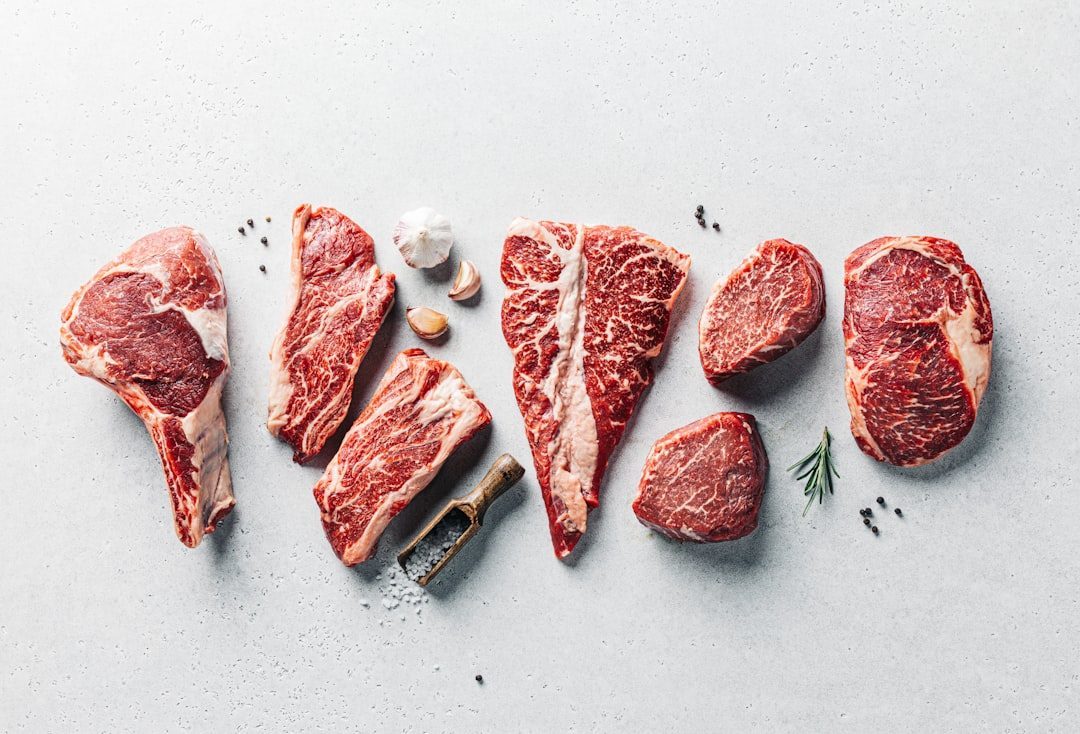
Denver steak is the fourth most tender steak after tenderloin, flat iron and ribeye cap, and is a hidden gem of beef cut that not many butcher shops carry as it requires nice butchering skill, being tender, juicy and beautifully marbled. This cut comes from deep within the chuck primal, underneath the chuck eye, and the gorgeous marbling catches the eye from the butcher counter, shaped like a top sirloin but displaying as much intramuscular fat marbling as a New York strip or ribeye steak.
Most people assume anything from the chuck will be tough. The Denver steak breaks all the rules. Denver steaks contain enough intramuscular fat to keep the meat juicy as it cooks, and their beefier flavor makes up for that lack of richness compared to ribeyes. Smart butchers have been keeping this one under wraps for years.
Oyster Steak (Spider Steak) – The Hip’s Hidden Jewel
The intramuscular fat looks like a cool spider web and the overall shape kind of resembles an oyster, and this cut is found in the inner part of the cow’s hip bone, quite rare to find but filled with an awesome natural flavor and quite a bit of marbling. Located in the round primal area, oyster steak is a unique cut nestled inside a cow’s hip on the Aitch bone, shaped like a crescent moon and boasting beautiful marbling throughout, and with only two tiny oyster steaks per cow, it’s a relatively rare find.
Because of the way beef is usually processed, the oyster steak is exposed to air during the week or so that the animal hangs, which gives it an intense flavor. This tiny gem typically weighs no more than six ounces but delivers a punch far above its weight class. It’s best cooked quickly at high heat, about two to three minutes per side.
Tri-Tip – California’s Underrated Cut
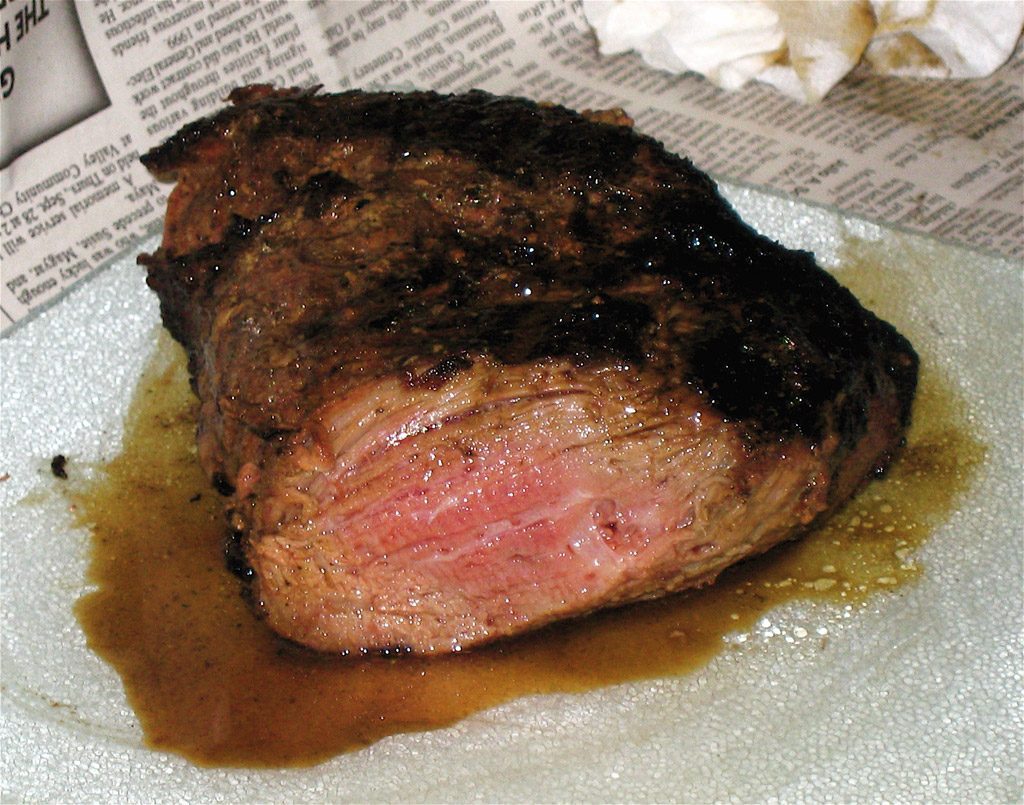
Prior to the 1950s, the cut was only used to make stew meat or ground beef, but it has a desirable flavor profile and makes a great roast, and can also be portioned into steaks for a quick and easy cook-up on the grill. Tri tip has two distinct grain patterns – one vertical and one horizontal – requiring cutting in half where the two grains intersect, then slicing each piece against the grain for maximum tenderness.
This triangular-shaped cut comes from the bottom of the sirloin and is often referred to as a poor man’s brisket as it grills fast like a steak but cuts like a brisket, making it a faster and cheaper alternative. Knowledgeable butchers appreciate this versatility and often grab these cuts for their own barbecue adventures.
Beef Cheeks – The Mini-Briskets
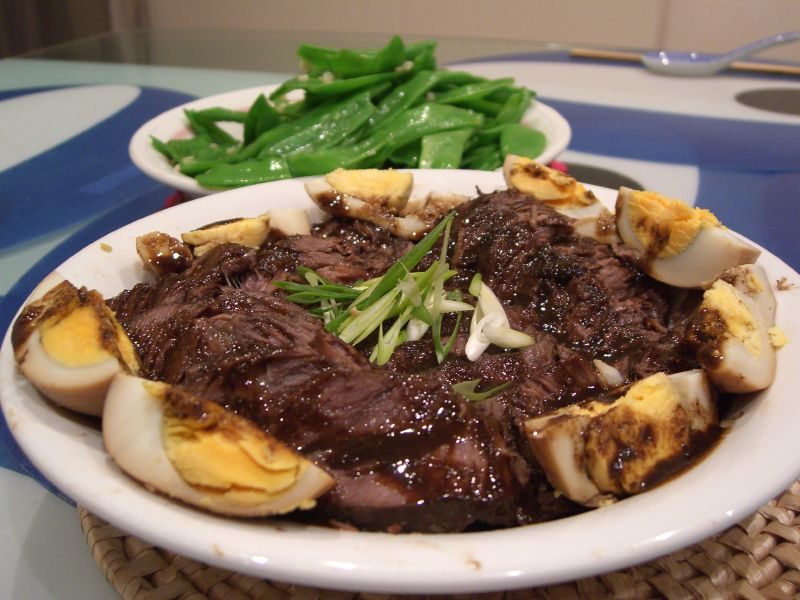
Cheeks are always the most succulent and tender cut of any creature, and beef cheeks make a pot roast or stew of incomparable richness and are a great swap-out for veal shanks in an osso buco style braise. This underrated cut has generally been available only by special request from a butcher, but these small pieces of heaven are arguably the best meat in the animal.
They are densely marbled and offer a rich, deep flavor, and when slow-cooked, these mini-briskets are meltingly tender, like the best pot roast you’ve ever experienced. Beef cheeks are springing up on trendy restaurant menus everywhere as a chef’s favorite, and when cooked, they have a similar texture to short ribs or pulled pork, perfect for adding to soups, stews, ragu and more.
Pork Jowl (Guanciale) – The Fattier Bacon
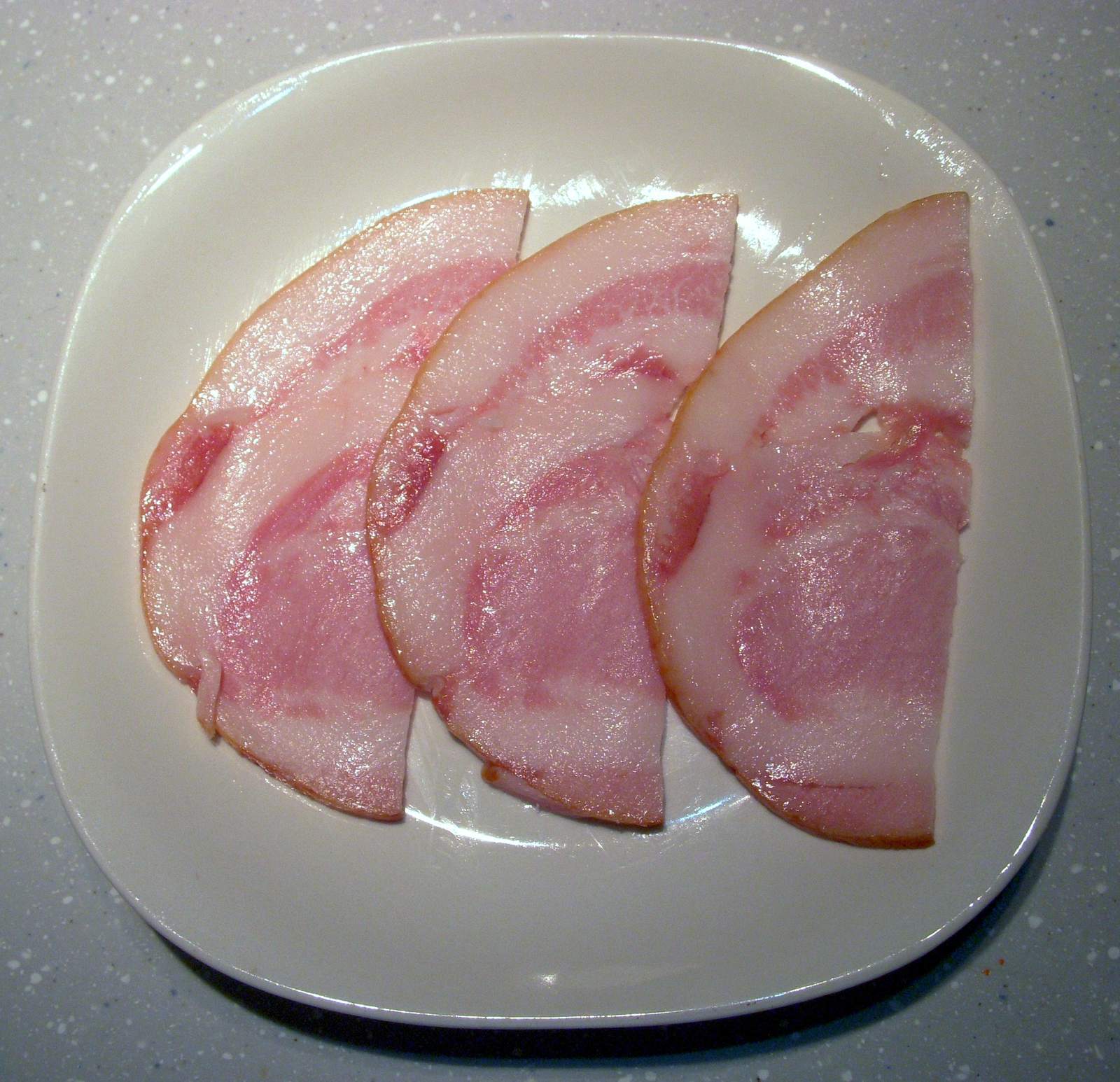
Pork jowl is a hidden gem for those who appreciate rich, deeply flavorful cuts, taken from the cheek of the pig, and is a well-marbled, fatty cut known for its incredible succulence and intense taste, with high fat content creating a silky, melt-in-the-mouth texture when cooked properly. The jowls are the biggest cut of meat on the head, fatty and delicious and can be used to make an Italian smoked meat called guanciale which is similar to bacon but fattier.
While they taste very similar, jowl comes from the cheek area of the pig and regular bacon comes from the belly section, with jowl bacon coming in shorter slices and sometimes referred to as the poor man’s bacon because it costs less than regular bacon but tastes just as good. This cut is a powerhouse of flavor, often used to make traditional dishes like guanciale, adding a depth of taste that’s hard to match with other parts of the pig.
Secreto (Pork Skirt Steak) – The Aptly Named Cut
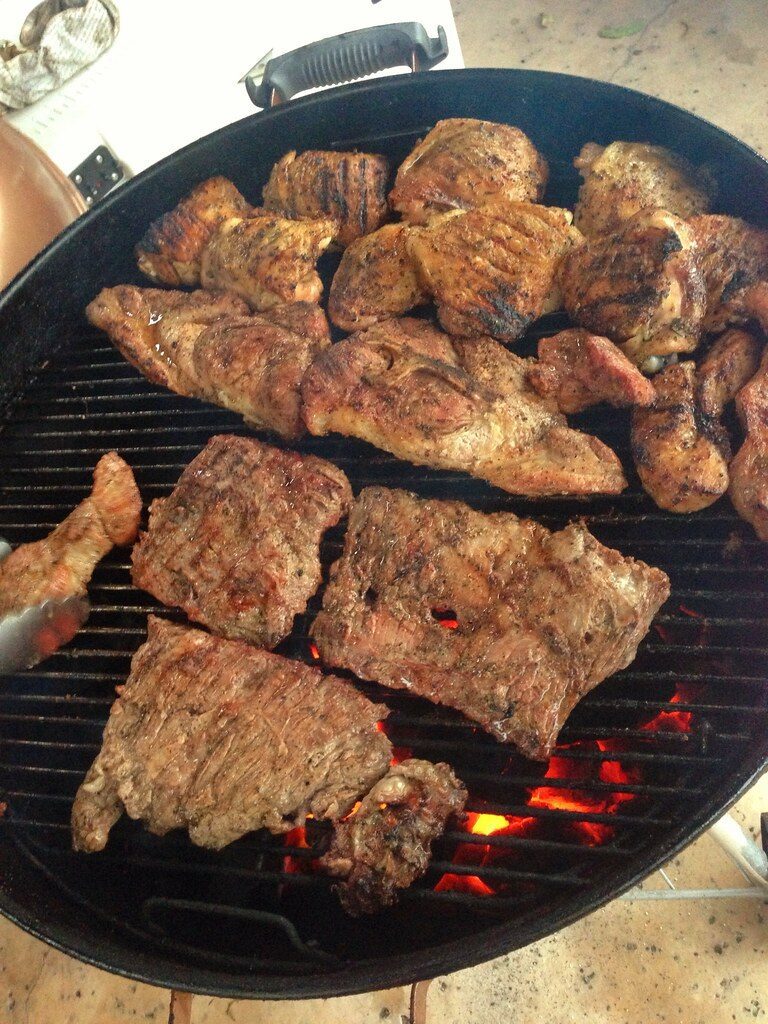
The name literally means secret in Italian because the cut has been a butcher’s secret for eons, and it’s essentially a pork skirt steak with great deep porky flavor, similar to the flavor of ribs. It lays over the belly right next to the spare ribs and is often removed before the bellies are turned into bacon so that the baconers can have lunch, and it looks just like a beef skirt steak, only smaller, generally only four to six ounces.
Much like the skirt steak on a cow, the secreto benefits from being tenderized with a Jaccard knife or a marinade, and because it’s so small and so thin, it should be cooked as quickly as possible over high heat – one to two minutes per side on a ripping hot pan. Slice it across the grain and throw it over a salad, tuck it into fajitas or tacos, or just enjoy it on its own next to some grilled vegetables.
Conclusion
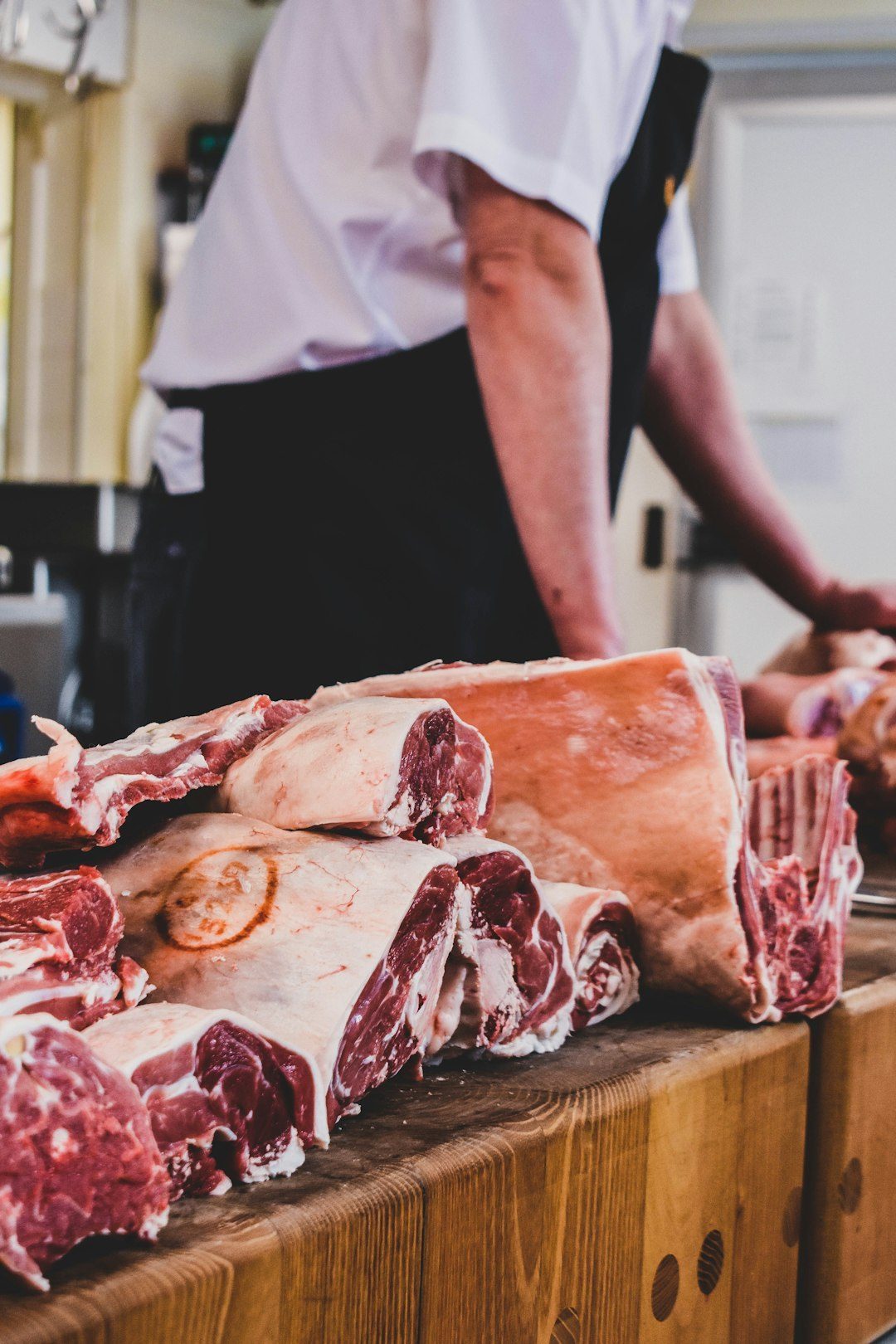
The world of butcher’s cuts reveals something fascinating about how meat makes its way from the cutting room to your plate. These hidden gems have been quietly enjoyed by those in the know for generations, offering extraordinary flavor and tenderness that rival or even surpass the famous cuts we all recognize.
Artisanal craftsmanship and specialty cuts specific to smaller butchers are in high demand as more consumers discover what butchers have known all along. The next time you visit your local butcher shop, don’t be shy about asking for these lesser-known cuts. You might just discover your new favorite steak at a fraction of the price you’d pay for the mainstream options. Have you tried any of these secret cuts yet?