
Most people walk right past them at garage sales, estate auctions, and dusty thrift store shelves. A faded spine, a few stained pages, maybe a hand-written note inside the front cover. To most people, it looks like junk. To a growing community of collectors and culinary historians, it could be a goldmine hiding in plain sight.
Rare vintage cookbooks have become one of the most quietly explosive categories in the collectibles market. Prices that would have seemed laughable a decade ago are now entirely real. So before you donate that old recipe book from your grandmother’s kitchen shelf, you might want to read every single word of what follows. Let’s dive in.
Table of Contents
1. First Editions Can Be Worth Staggering Sums
Here’s the thing most casual observers miss: the difference between a first edition and a later printing of the same cookbook can mean the difference between pocket change and a life-changing payday. The first edition of Julia Child’s “Mastering the Art of French Cooking” had only 5,000 copies printed, making it a rare collector’s item today, with one copy listed on Kitchen Arts & Letters priced at $5,834, while copies on AbeBooks range from $2,500 to as high as $25,000.
The scarcity principle is brutally simple. A rare book is one that is either out of print or has been reprinted several times over, causing those early editions to become scarce, and for a rare book to have a high resale value, it must also be in demand. Think of it like a vintage baseball card: the fewer printed, the higher the stakes. The Joy of Cooking, another American kitchen staple, tells the same story. First editions of Irma Rombauer’s independently financed 1931 printing sell at around $6,800, going up to $8,000 for signed versions, and first editions of the book’s first trade printing can be worth even more, with a signed 1936 copy listed for $10,000 online.
2. A Signed Copy Can Multiply Value Dramatically

An author’s signature is not just a personal memento. In the world of rare cookbooks, it is a financial multiplier. The ones worth the most money tend to be first, limited, or rare editions, as these are the most difficult to come by, and in most cases, cookbooks that have been signed by the author also end up being worth much more.
The numbers back this up in remarkable ways. An early first-edition printing of “Mastering the Art of French Cooking” that is in good used condition and autographed by Child retails for about $3,500, while an unsigned version of the same printing in the same condition could command $2,500. The gap widens even further with the Joy of Cooking. Rarer copies of that book have sold for even higher prices, with Sylvia Plath’s 1953 edition of the cookbook, including her notes in the margins, sold at auction for $14,000. That last one honestly blew my mind. A copy that once belonged to a famous poet, with her own handwriting inside, is not just a cookbook anymore. It’s a piece of literary and culinary history fused into one object.
3. The Dust Jacket Makes or Breaks the Deal
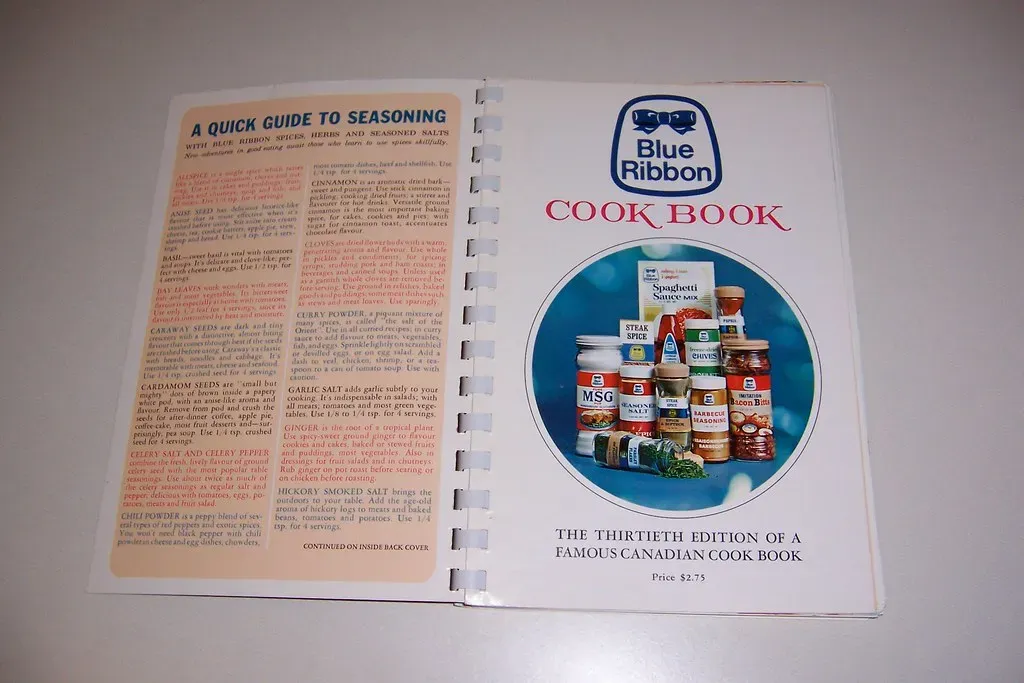
Honestly, this is one of the most underrated facts in the entire collector world. People throw away dust jackets all the time, not realizing that flimsy paper wrapper can account for a massive chunk of a book’s total value. First editions, especially those signed by Julia Child herself, can list for hundreds of dollars, and collectors particularly value the original dust jacket version for its historical completeness.
Look for missing pages, stains, loose binding, or an absent dust jacket because these factors will all be taken into consideration if you try to sell it, so consider any damage when buying. That applies to selling just as much as buying. The original Joy of Cooking dust jacket is a perfect example. Only 3,000 copies of the first edition were printed, making it one of the rarest American cookbooks today, and copies with the original dust jacket with the dragon can fetch up to $9,000. The jacket alone transforms the value. Without it, you have a rare book. With it, you have a treasure.
4. Celebrity Ownership Can Catapult a Cookbook’s Price Into Another Stratosphere
It sounds almost absurd, but the previous owner of a cookbook can matter just as much as the author. Extremely old books, books by celebrity chefs, and even cookbooks once owned by famous people command the highest prices. The cookbook world has its own version of provenance, and it works powerfully.
Consider what happened with Ruth Bader Ginsburg’s collection. Bonhams, an international auction house, sold eight titles on cooking and food from the Library of Justice Ruth Bader Ginsburg for $15,300 in January 2022. Eight cookbooks. Not first editions of landmark titles, just books that once sat on the shelf of a celebrated Supreme Court Justice. Christie’s similarly sold the “Cookbook of the Pope’s Secret Chef,” written by Italian Renaissance chef Bartolomeo Scappi and dated circa 1570, for $18,750. The story attached to a cookbook is sometimes worth more than the recipes inside it.
5. Regional and Community Cookbooks Are Quietly Exploding in Value
Let’s be real. Most people have never thought twice about that spiral-bound church cookbook sitting in a kitchen drawer. Turns out, those humble little volumes can be worth serious money. Local cookbooks printed by regional clubs or churches can be highly sought-after, and the small print runs of these collections mean that only so many precious copies exist.
Long overlooked on dusty shelves, vintage cookbooks are enjoying a revival, with collectors, food lovers, and nostalgia seekers driving prices higher and turning once-humble recipe guides into coveted cultural artifacts. The numbers can be genuinely shocking. One eBay listing for a 142-page spiral cookbook titled “Arizona Cook Book: Indian, Mexican, Western, Arizona Products, Backpacking-Camping, Patio Barbecue” was listed for sale at $6,850. A spiral-bound cookbook from 1983, for nearly seven thousand dollars. Community cookbooks are rich sources for the study and analysis of both community foodways and cultural history more generally, typically compiled by women and published to raise funds, making them highly local productions that reflect the values and aspirations of the communities in which they were produced.
6. Cookbooks With Cultural and Historical Significance Attract Serious Institutions
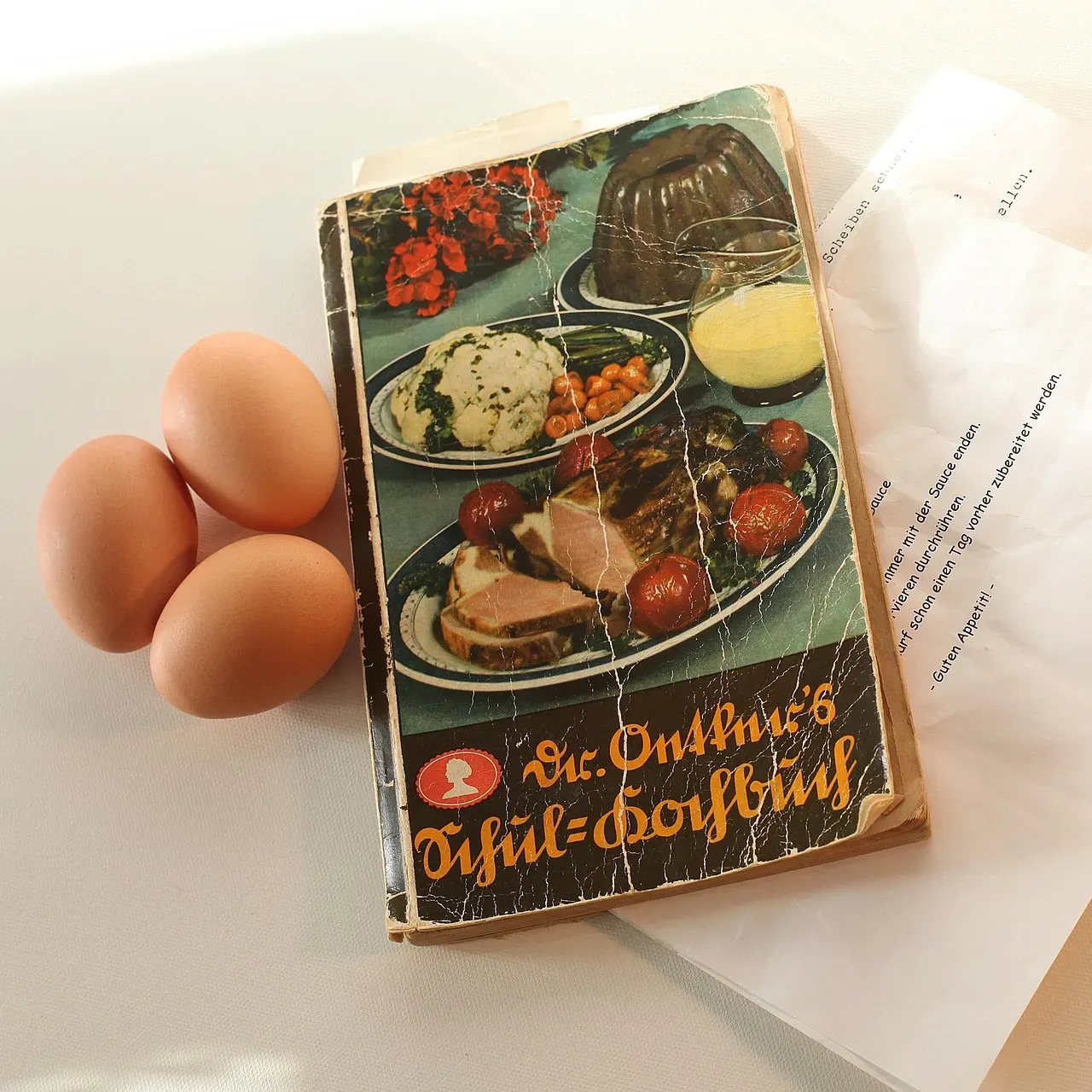
The collector market is not just individual enthusiasts. Libraries, universities, and research institutions are actively acquiring vintage cookbooks, and that institutional demand helps drive prices upward. Culinary texts yield far more than recipes when closely scrutinized, as they are written from the point of view of an individual or a community and have much to say about ethnic identity, family and community life, social history, the roles of women and men, values, religion, and economics.
African American culinary history is one of the most actively collected areas in this space right now. Rufus Estes’ “Good Things to Eat,” self-published in 1911, is one of the first cookbooks written by an African American chef, and a 1911 edition in used condition commands about $9,500. That is extraordinary. Well before the popularization of soul food and before the advent of celebrity media chefs, countless talented African American chefs were responsible for elegant cuisine in fine restaurants, hotels, clubs, and dining cars across the country, including Rufus Estes. These books are not just collectibles. They are irreplaceable cultural documents.
7. Even Out-of-Print Cookbooks From the Last Few Decades Can Be Surprisingly Valuable
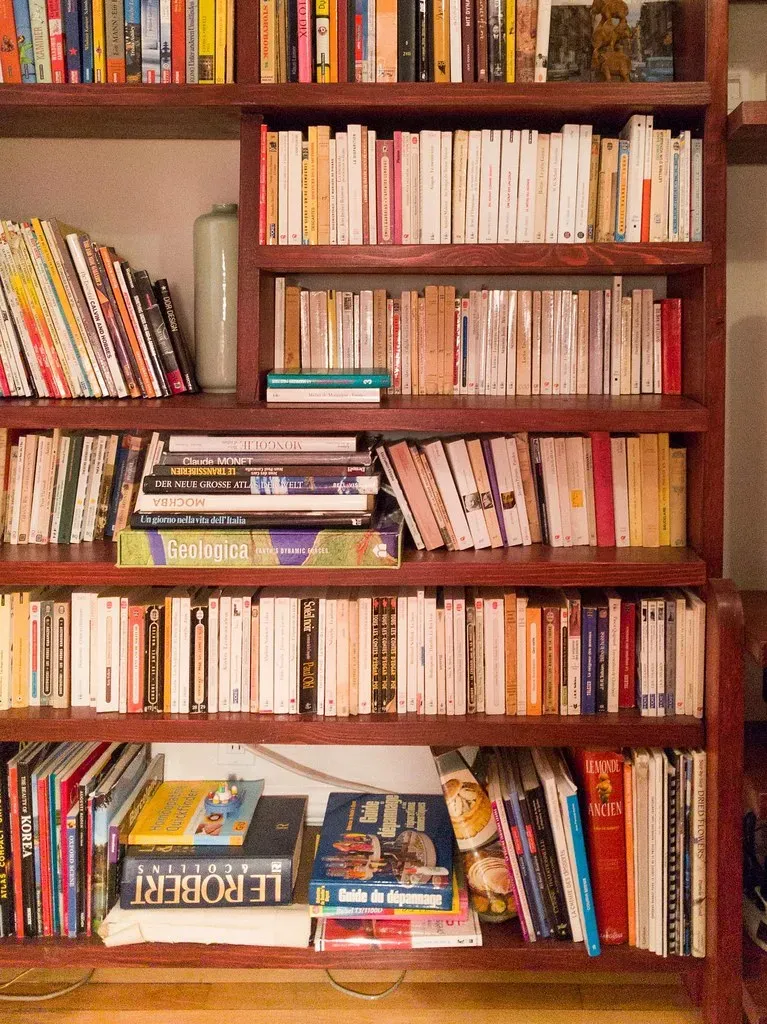
You do not have to go back a century to find a valuable cookbook. Some titles from the 1990s and 2000s have already started appreciating. It’s hard to say for sure how far this trend will go, but the pattern is clear. Published in 2009, “Dashi and Umami: The Heart of Japanese Cuisine” was not definitively old-school, but it’s worth far more than other cookbooks of the same age, as dashi and umami were emerging foodie concepts when it was published, and the book went out of print less than 10 years after its publication.
The recipe for value here is almost formulaic: influence plus scarcity equals price appreciation. Old cookbooks are sometimes collected as a financial investment, and the value of a cookbook can go up over time, especially if it’s considered rare, has historical significance, and is in good condition. Collectors may want to keep an eye on future modern classics, like the James Beard Award-winning “Salt Fat Acid Heat” by Samin Nosrat from 2017, since one day a first edition of Nosrat’s book may fetch prices close to Julia Child’s books, and you could already have a copy. Something to think about next time you’re clearing out a shelf.
8. Condition Is Everything, and Storage Mistakes Are Irreversible
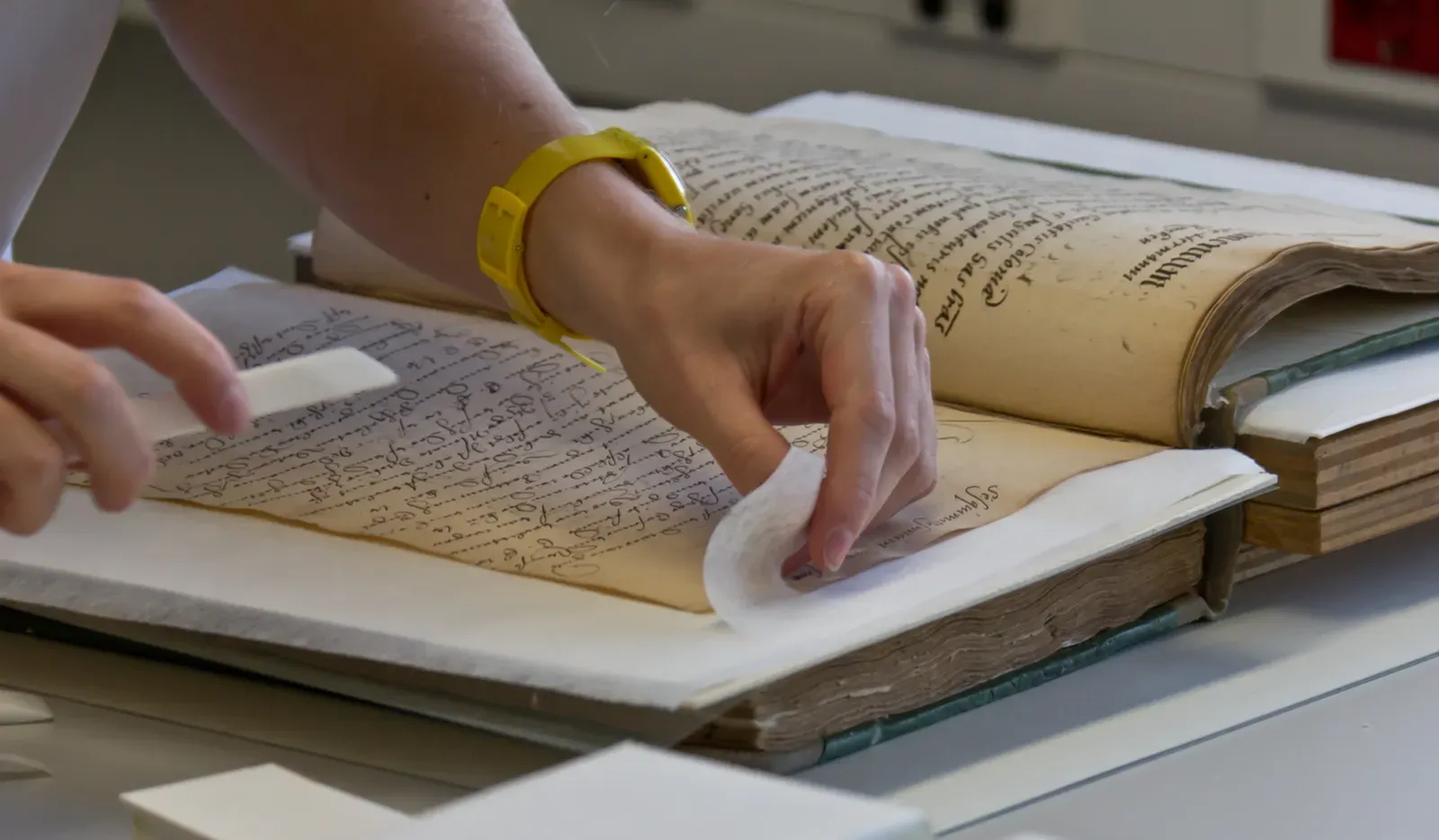
This is where collectors and hopeful sellers make catastrophically avoidable errors. A cookbook that could have been worth thousands gets stored incorrectly for a few years and loses a huge portion of its value. The damage done by moisture, sunlight, or poor shelving cannot be undone. If your books are very rare or expensive, you need to make sure you place them away from heat and moisture, which doesn’t mean locking them away in a glass cabinet but rather making sure they are out of direct sunlight, not near a fire, and kept away from damp areas like bathrooms or kitchens.
The best way to store books is upright on a shelf with bookends to prevent warping, and if you are stacking them sideways, keep the pile small so the bottom books aren’t squashed. Dust regularly and consider using transparent polythene to protect covers, and never place them in plastic as this can lock in moisture. These are not complicated precautions. Think of it the same way you would treat a fine wine: the environment around it determines everything about its future value. The demand for rare cookbooks is fueled by the fact they are so hard to find, especially in good condition.
9. The 1700s to 1850s Represent the Most Valuable Historical Tier
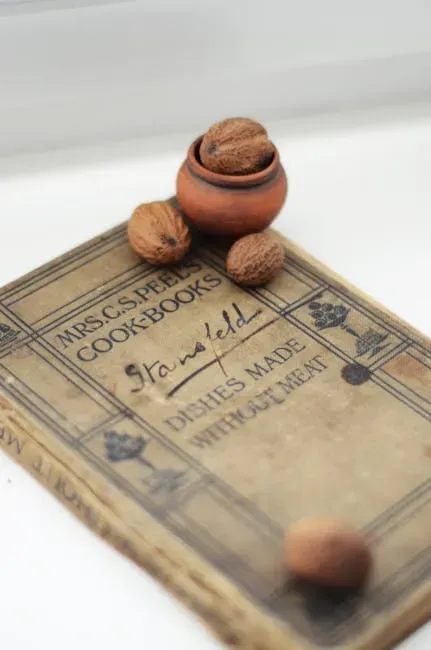
If you want to talk about serious money and genuine rarity, the 18th and early 19th centuries are where the most exceptional valuations happen. These books predate electricity, refrigeration, and standardized kitchen appliances. They document a way of life that is completely unrecognizable to modern readers. Many collectors are drawn to these older books because they catered for kitchens before electricity, microwaves, and refrigerators, and their recipes reflect dishes, ingredients and styles of cooking that have been forgotten, with cookbooks from the 1700s to 1850s commanding four-figure prices.
One of the most compelling examples is “The Frugal Housewife” by Susannah Carter, first published in 1765. Not many copies of Carter’s original text remain, so collectors and historians consider it worth a great deal. A slightly more recent edition from 1796 was listed online for $3,700, but first editions are worth much more, and a copy of the first American edition from 1772 was listed for auction with Sotheby’s at an estimated value of $20,000 to $30,000. Another formidable title is “The Compleat Housewife” by Eliza Smith. First published in 1727, it offers a glimpse into 18th-century life and is far more than a cookbook, functioning as a manual for managing an entire household, and it includes over 500 food recipes and more than 200 medicinal remedies, having been the first cookbook published in the American colonies in 1742.
10. The Market Is Actively Growing, With Brisk Online Sales Driving Prices Higher
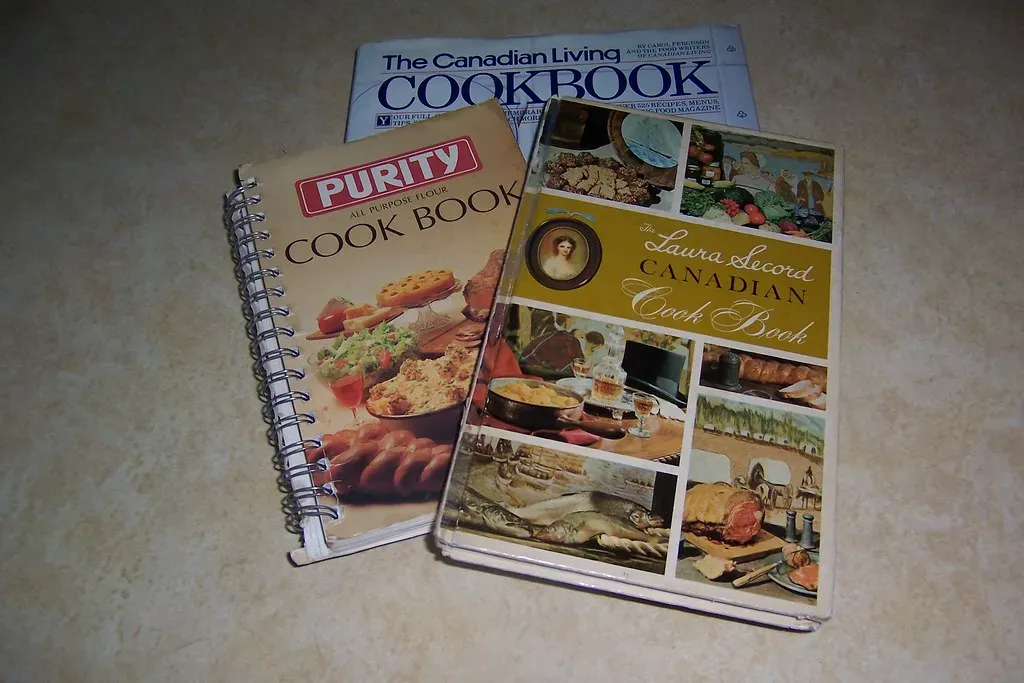
This is not a niche hobby anymore. Country Living Magazine reported that vintage cookbooks may be worth hundreds of dollars, and online auctions and resellers report brisk sales, while antique shops and used bookstores note that titles rarely stay on the shelves for long. The market has moved decisively online, and that accessibility has brought in a whole new wave of collectors who might never have visited an estate sale or antiquarian book fair.
This nostalgia is one key reason collectors today crave vintage cookbooks and might be willing to pay more for them than a whole cart full of ingredients at the grocery store. There is something deeply human about that impulse, honestly. Other vintage cookbooks command a range of prices that hover between $1,000 and $10,000, and basically, if it is old, iconic, and rare, it may be worth a lot of money. The collecting world has a simple mantra for this, and it turns out it applies perfectly to cookbooks: the rarest ingredients always make the most valuable dish.
Conclusion: Your Kitchen Shelf Might Be Hiding a Small Fortune
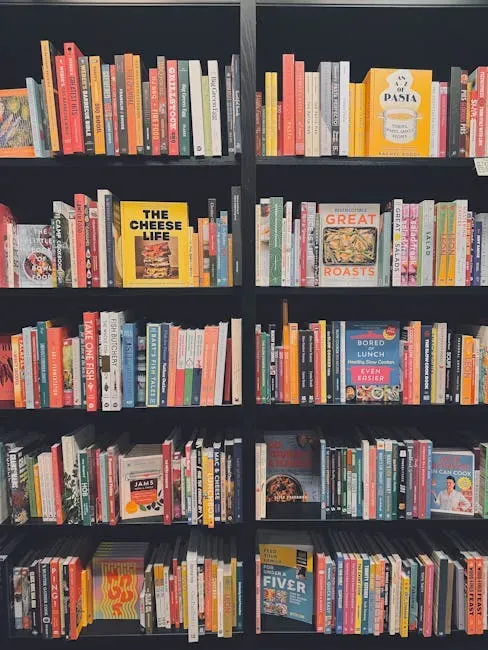
The world of rare vintage cookbooks is one of those collector niches that rewards the patient, the informed, and the curious. It is not just about money either. These books are time capsules, cultural artifacts, and in many cases, the only surviving record of culinary traditions that would otherwise be completely lost. The fact that they can also be valuable investments is almost a bonus.
The most important takeaway here is simple: do not throw anything away before you look it up. Check the edition, check the condition, check for signatures, and check for that dust jacket. The gap between a book worth $10 and a book worth $10,000 can come down to something as thin as a piece of paper around the cover.
So take a good long look at those old cookbooks gathering dust in your home. What would you have guessed was sitting there all along?