
We all do it. A little rinse instead of a full handwash. Leaving dinner out on the counter “just for a bit.” Using the same cutting board for the chicken and the salad without a second thought. These small moments feel harmless – maybe even efficient – but they can put you and your family in serious danger.
Foodborne illness is a preventable public health challenge that causes an estimated 48 million illnesses and 3,000 deaths each year in the United States alone. That’s not a restaurant problem or a factory recall problem. That’s a kitchen problem. Your kitchen, potentially. The shortcuts below are far more common than most people realize – and some of them are outright violations of established food safety rules. Let’s dive in.
Table of Contents
1. Thawing Meat on the Counter
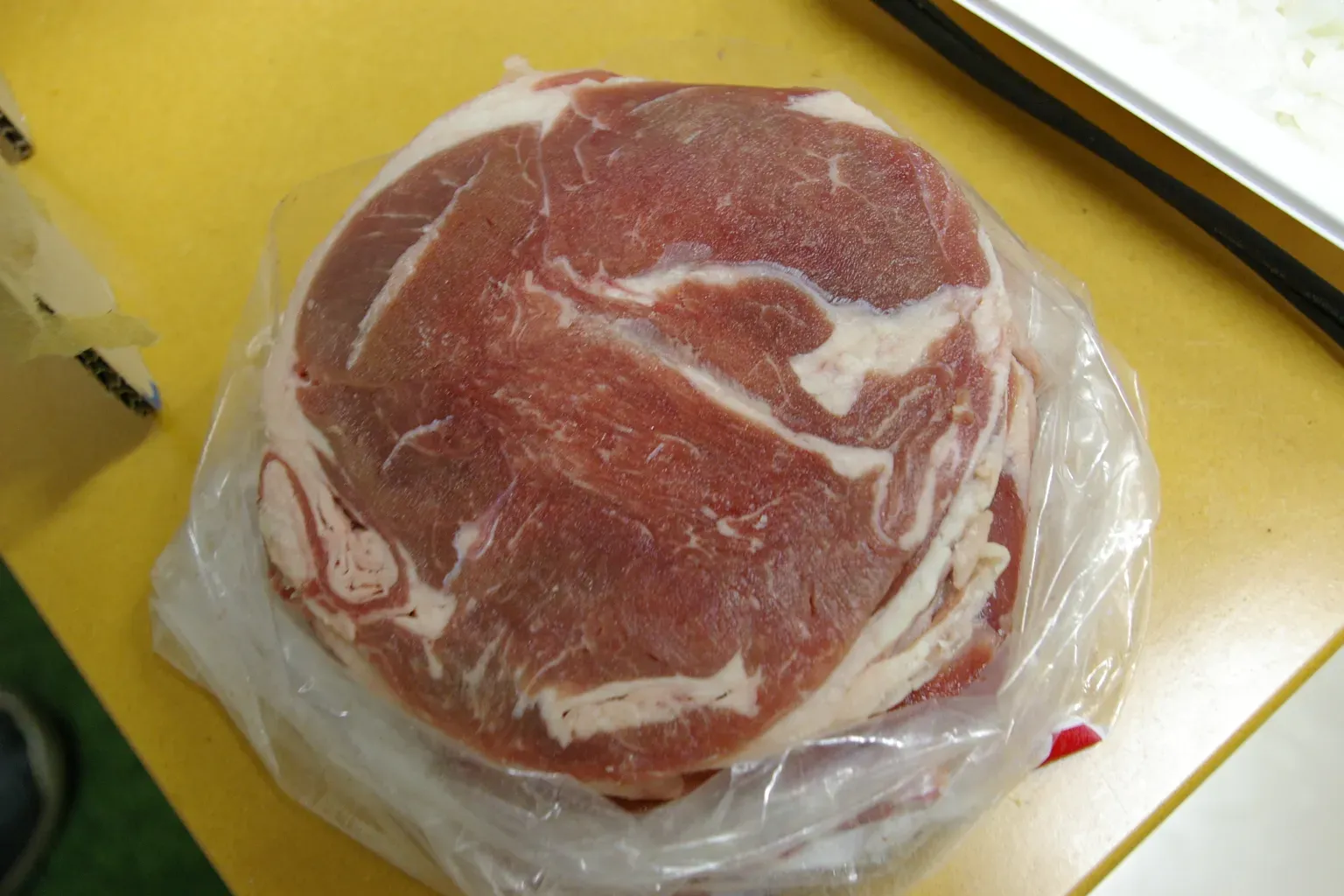
You pull frozen chicken out of the freezer, set it on the counter, and plan to cook it in a few hours. Sounds reasonable, right? Honestly, it’s one of the most common food safety violations people commit without even realizing it.
Thawing food properly is crucial to prevent the growth of harmful bacteria. Unsafe thawing methods, like leaving food at room temperature or running it under hot water, keep the outer surface of food in the danger zone far too long.
Bacteria grow most rapidly between 40°F and 140°F, doubling in number in as little as 20 minutes – a range often called the “Danger Zone.” The safe alternatives are thawing frozen food in the refrigerator, in cold water, or in the microwave. Skipping these steps isn’t just risky – it directly violates USDA food safety guidelines.
2. Skipping Handwashing Before Handling Food
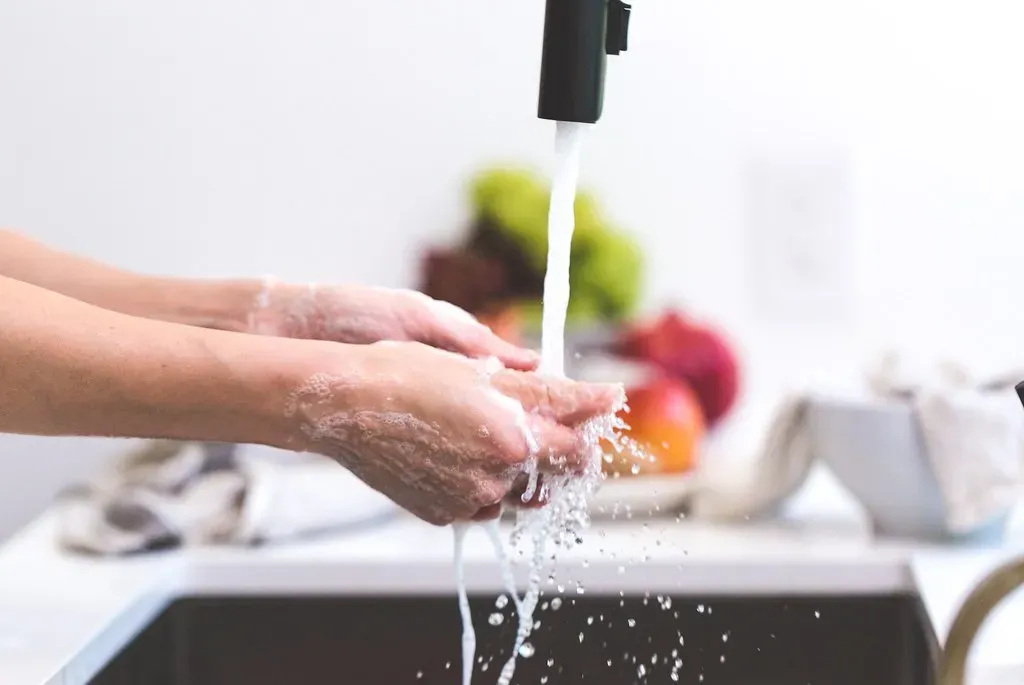
Most of us think we wash our hands well. The research says otherwise – and the numbers are genuinely shocking. A 2023 USDA study showed that participants failed to wash their hands correctly 97% of the time.
Only 1% of more than 200 study participants demonstrated correct handwashing based on CDC recommendations: wet hands with water, rub with soap for at least 20 seconds, rinse, and dry using a clean single-use towel. Think about that for a second. One percent.
Researchers found hands to be one of the primary vehicles of contamination, specifically when preparing raw poultry and meat. Incorrect handwashing is one of the largest causes of foodborne illnesses. The fix is simple, free, and takes about 20 seconds. There’s really no excuse here.
3. Using One Cutting Board for Everything
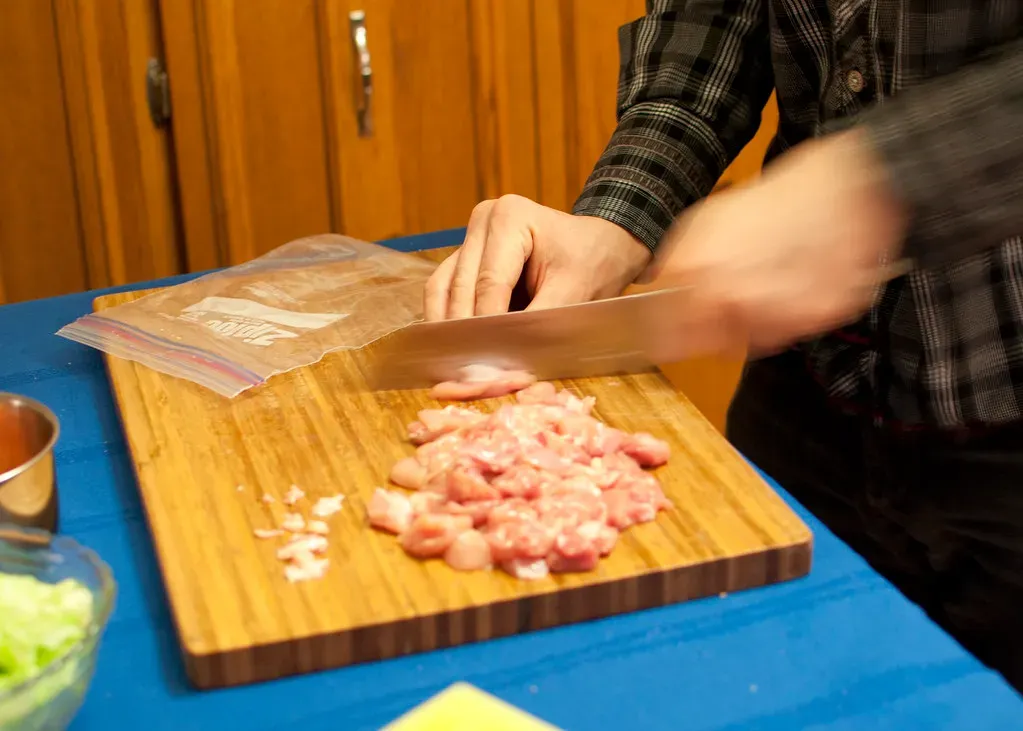
Here’s the thing – that one wooden cutting board doing triple duty for raw chicken, fresh vegetables, and sliced bread is essentially a bacterial relay race happening right under your nose. The CDC specifically recommends using one cutting board or plate for raw meat, poultry, and seafood, and a completely separate cutting board or plate for produce, bread, and other foods that won’t be cooked.
A ready-to-eat food prepared on the same cutting board as contaminated raw poultry is a recognized cross-contamination pathway – as is a food worker who handles raw foods without washing their hands afterward before touching ready-to-eat food.
Even though most people do use separate utensils and cutting boards, most fail to clean and sanitize properly afterward, leading to additional contamination. Owning two cutting boards is cheap. A hospital visit is not.
4. Leaving Cooked Food Out for Hours
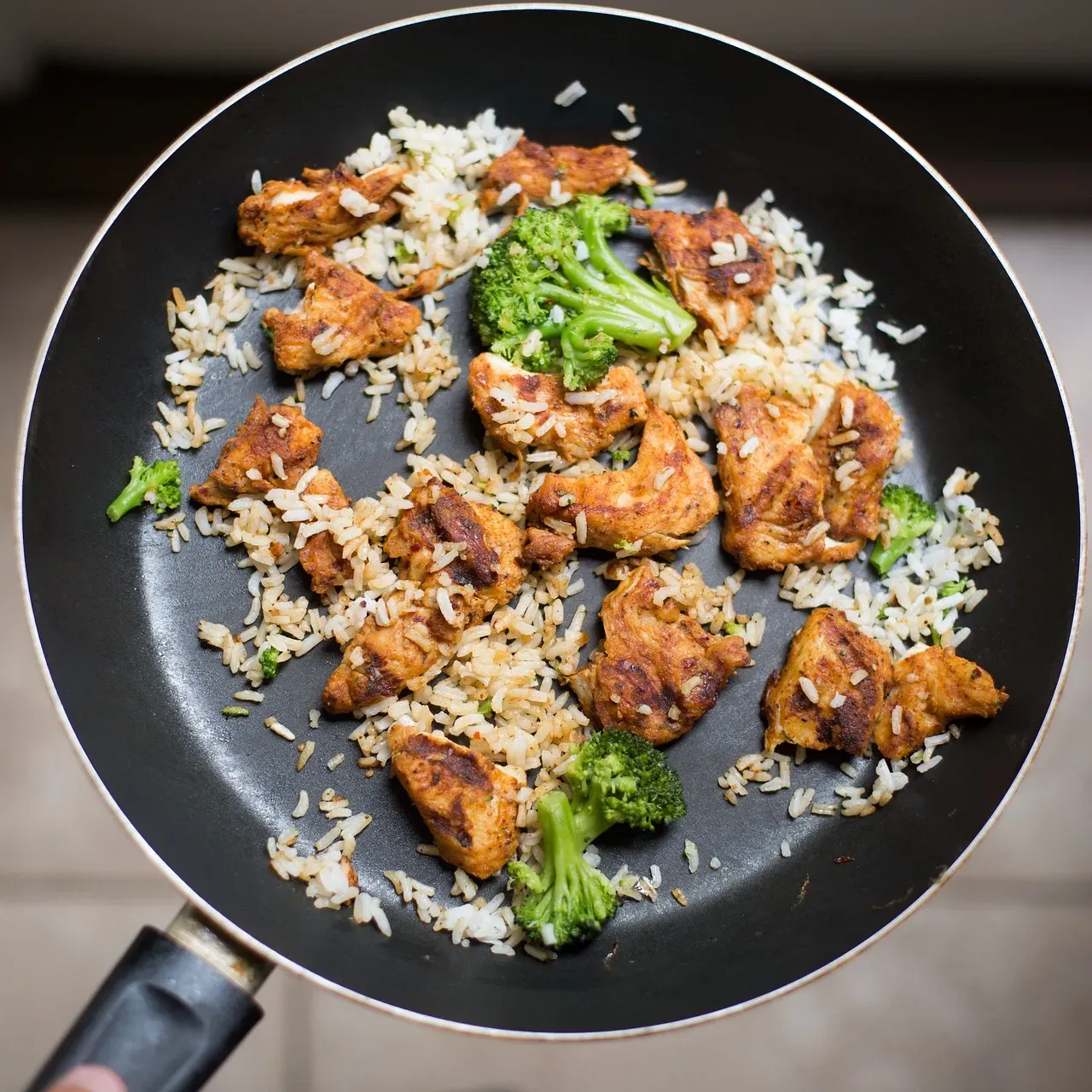
Dinner’s done, everyone’s full, and the pot of pasta sits on the stove while you watch TV. This is such a normal scene in so many homes. It’s also a direct path to food poisoning. The USDA Meat and Poultry Hotline advises consumers to never leave food out of refrigeration for over 2 hours. If the temperature is above 90°F, food should not be left out for more than 1 hour.
Leaving food out too long at room temperature can cause bacteria such as Staphylococcus aureus, Salmonella Enteritidis, E. coli O157:H7, and Campylobacter to grow to dangerous levels that can cause illness.
One of the most common causes of foodborne illness is improper cooling of cooked foods. Because bacteria are everywhere, even after food is cooked to a safe internal temperature, they can be reintroduced and reproduce. For this reason, leftovers must be put in shallow containers for quick cooling and refrigerated within 2 hours. Simple rule, massive consequences if ignored.
5. Not Cooking Meat to Safe Internal Temperatures
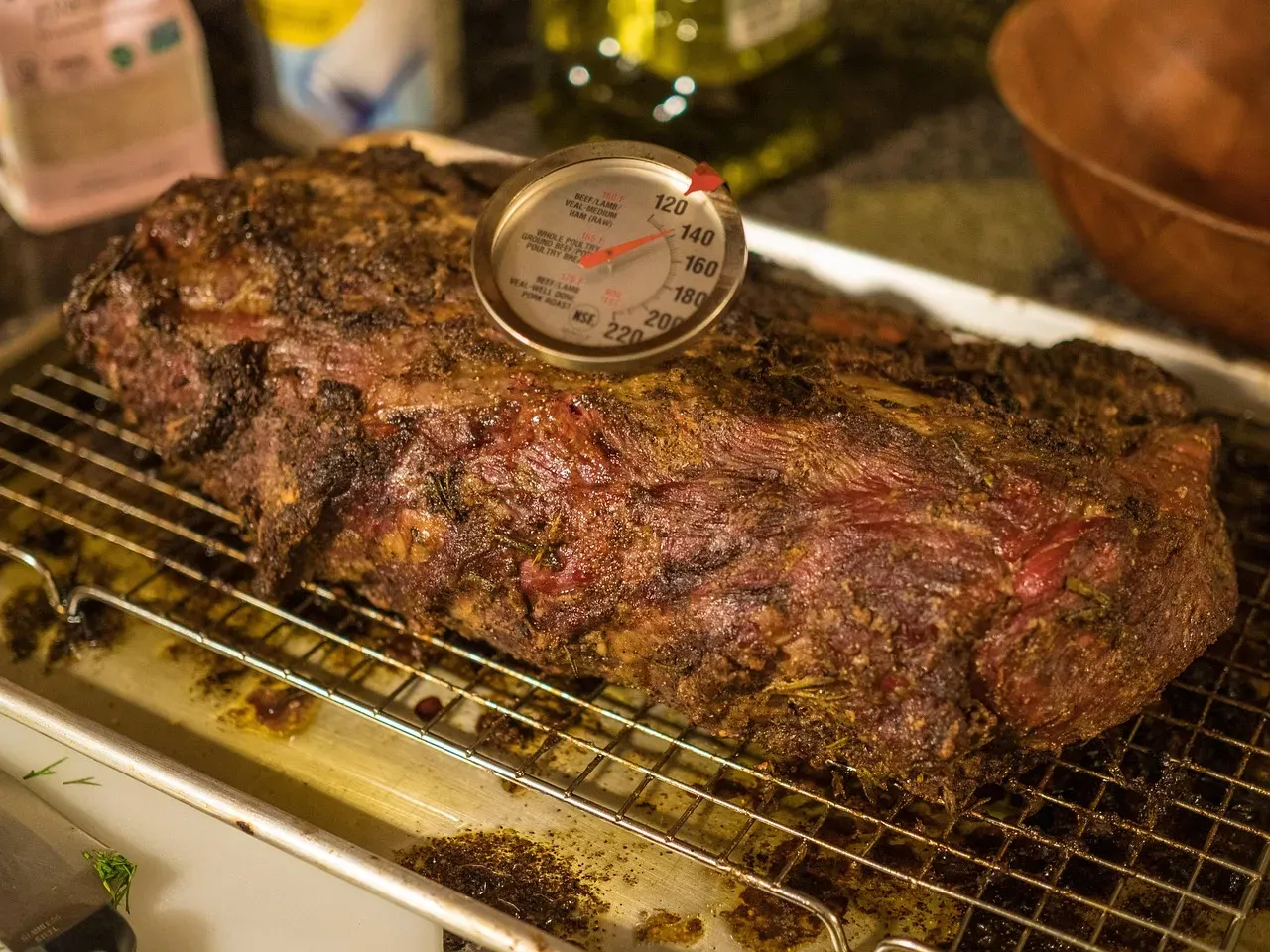
Let’s be real – most home cooks eyeball doneness. If the meat looks cooked through, it must be fine. Except it doesn’t work that way, and the science is very clear on this. When foods are not cooked to recommended minimum internal cooking temperatures, harmful bacteria can multiply and make you sick.
Cooking food to the right temperature kills harmful bacteria. Poultry must reach an internal temperature of 165°F, ground meat 160°F, and steaks, roasts, and chops 145°F, followed by a three-minute rest.
Color and texture alone are unreliable indicators of doneness. A food thermometer costs just a few dollars and takes three seconds to use. If raw meats have been mishandled in the “Danger Zone” for too long, bacteria may grow and produce toxins. Those heat-resistant toxins are not destroyed by cooking – meaning even properly cooked food can still make you sick if it was mishandled beforehand.
6. Washing Raw Chicken Before Cooking It
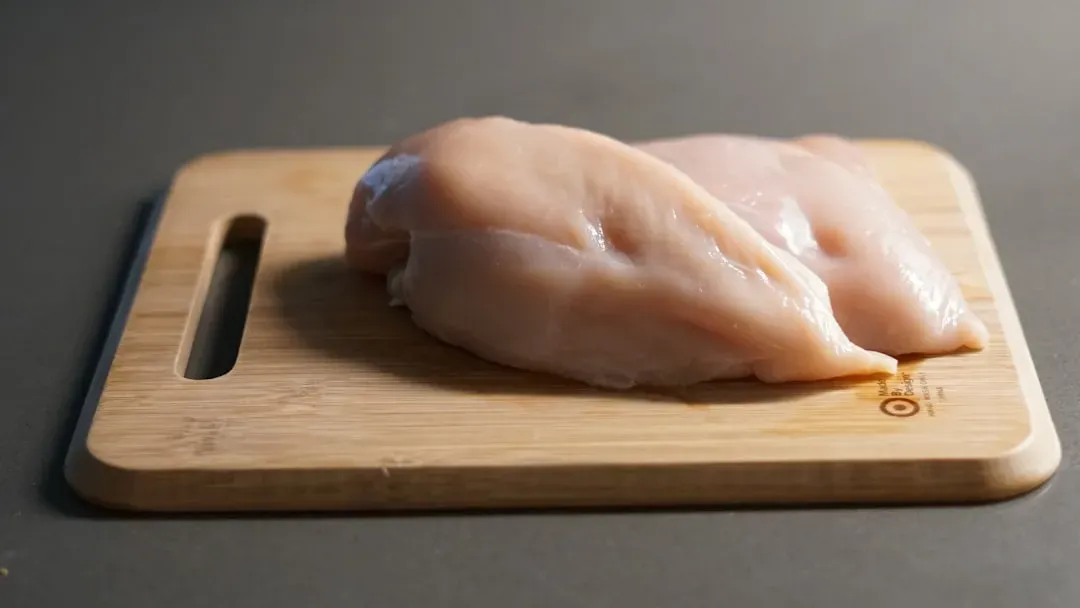
This one surprises people every time. Washing chicken before cooking is a deeply ingrained habit in many households. It feels clean and responsible. It is, in fact, the opposite. Raw chicken, meat, and eggs should not be washed because rinsing them can spread harmful bacteria rather than eliminate them. Water alone does not effectively eliminate these bacteria, and when water contacts the meat, it can scatter bacteria onto nearby surfaces such as sinks, hands, clothes, and kitchen areas.
A study found that 14% of participants still had bacteria in their sinks after they attempted to clean the sink – meaning even the cleanup after a chicken rinse leaves pathogens behind. The splatter from washing chicken can travel up to three feet in all directions.
The FDA and USDA have both discouraged this practice for years. The only thing that kills bacteria on raw poultry is heat. Ensuring that chicken and meat are cooked to the recommended internal temperatures is the most effective way to kill bacteria and ensure food safety.
7. Ignoring the “Two-Hour Rule” for Buffets and Parties

Holiday parties, backyard cookouts, birthday spreads – food sitting out on a table for three or four hours is something almost everyone has experienced. It looks festive. It’s actually a food safety minefield. According to the World Health Organization, unsafe food causes 600 million cases of foodborne diseases and 420,000 deaths globally each year, with temperature abuse being one of the top contributing factors.
Bacteria can multiply rapidly if left at room temperature or in the Danger Zone between 40°F and 140°F. Perishable food should never be left out for more than 2 hours, or 1 hour if exposed to temperatures above 90°F.
I know it sounds crazy, but something as innocent as a cheese platter or a bowl of potato salad sitting out for an extra hour at a summer barbecue genuinely puts guests at risk. Salmonella illnesses occur more often in the summer precisely because the bacteria thrive in warm temperatures and unrefrigerated foods at outdoor gatherings. Rotate food back into cooling or discard it – not after dinner, but on the clock.
8. Storing Raw Meat on the Top Shelf of the Fridge
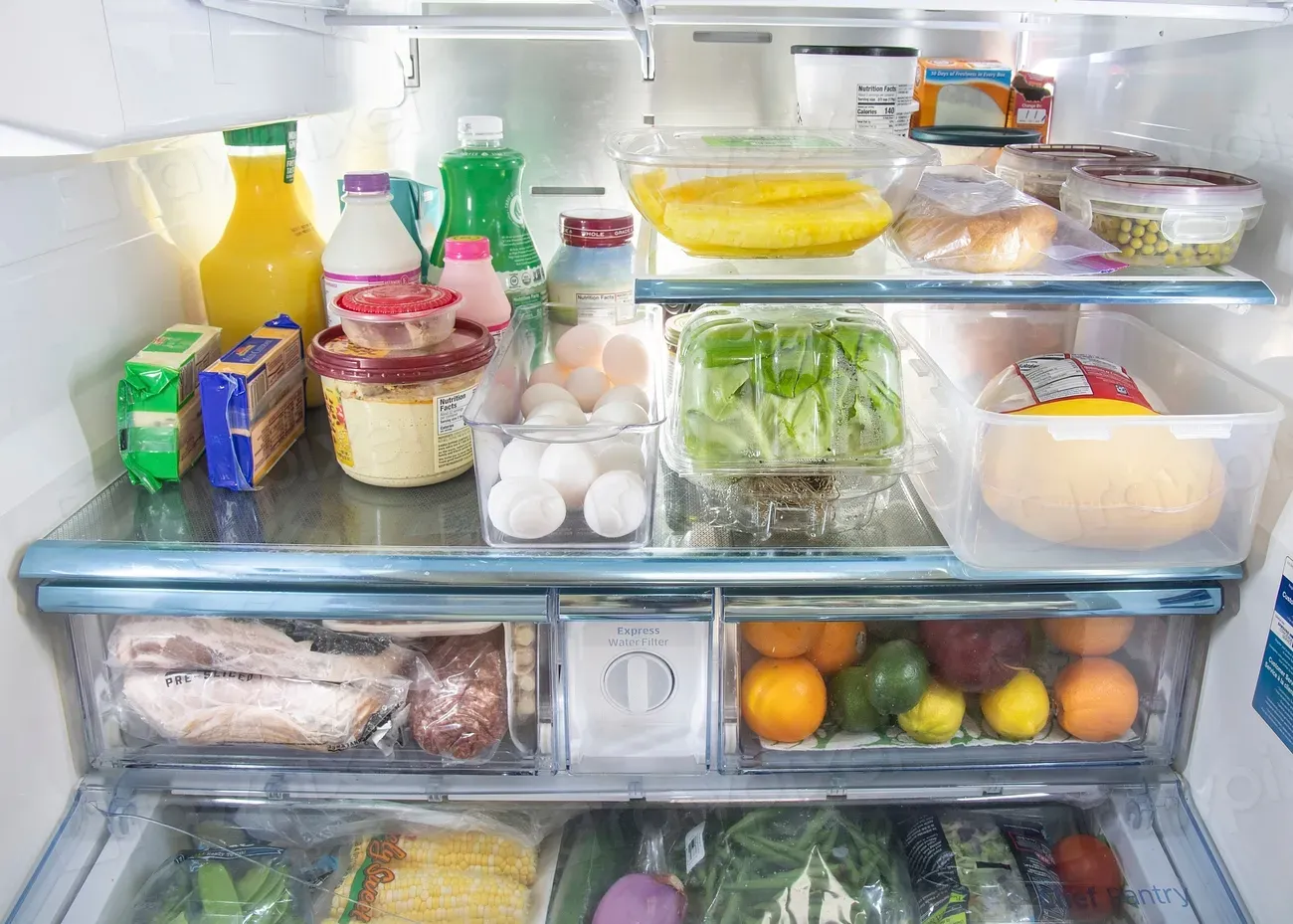
Where raw meat lives in your refrigerator matters far more than most people think. Storing it anywhere but the bottom shelf is a setup for drip contamination onto everything below it. Home kitchens should prioritize fridge organization by storing raw meats on lower shelves to prevent drips, and keeping the refrigerator at or below 40°F.
The CDC advises keeping raw or marinating meat, poultry, seafood, and eggs separate from all other foods, and storing raw meat in sealed containers or wrapping them securely so the juices don’t leak onto other foods.
Think of it like this: juice from a package of ground beef dripping onto uncovered strawberries below is essentially the same as pouring contaminated liquid directly onto ready-to-eat food. Safely cooked and ready-to-eat foods can become cross-contaminated with pathogens transferred from raw meat, poultry, seafood products, and their juices. A few seconds of thoughtful fridge organization can prevent a serious illness.
9. Reusing Marinades That Touched Raw Meat
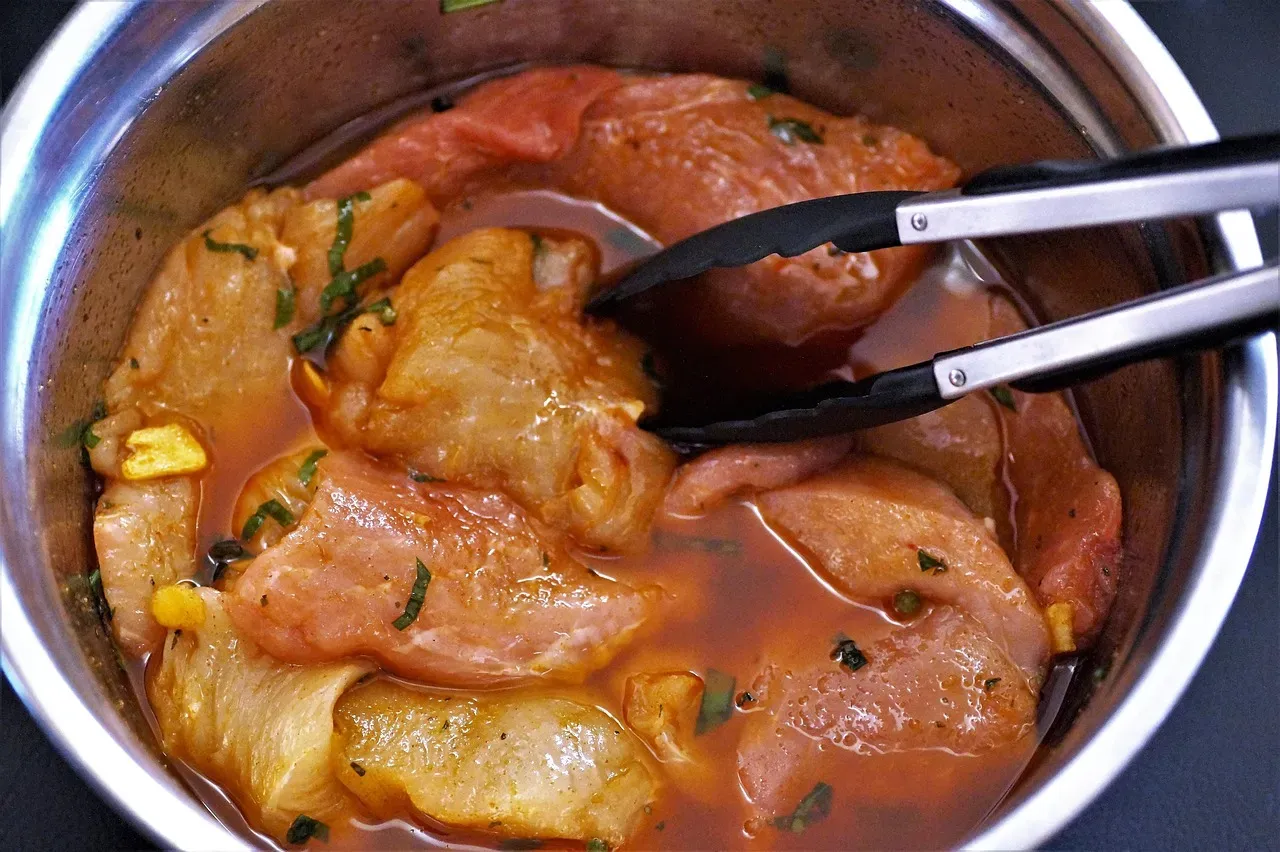
You marinated the steak overnight and now want to brush the same marinade over it during grilling or use it as a sauce. This feels like smart, flavorful cooking. It is, without question, a food safety violation. The marinade that sat with raw meat is now effectively contaminated with the same bacteria as that raw product.
Foods can become cross-contaminated with pathogens transferred from raw meat, poultry, and seafood. Most cases of foodborne illness can be prevented with proper cooking or processing of food to destroy pathogens. The problem is that many people use marinating liquid as a finishing sauce without cooking it first – and bacteria in that liquid survives.
The fix is straightforward. Either set aside a separate portion of marinade before it touches raw meat, or boil the used marinade to 165°F before applying it to cooked food. The fundamental rule is to always use separate plates and utensils for raw and cooked foods, and never place cooked food back onto a surface or container that held raw meat.
10. Dismissing Food Recalls Because “It Seems Fine”
This is arguably the most dangerous shortcut of all, and it’s entirely invisible in the kitchen. Recalled food often looks and smells perfectly normal. That’s what makes it so frightening. The 2025 Food for Thought report shows that 1,392 Americans fell ill in 2024 after consuming contaminated food, up from 1,118 in 2023, while hospitalizations more than doubled, jumping from 230 to 487. The numbers highlight that foodborne risks remain a serious and growing concern heading into 2026.
The incubation period for someone developing Listeria after consuming a contaminated product is within two weeks – and cases occur every year where people are getting sick from foods long after a recall was publicly announced.
Only two recall notifications are legally required – one from the FDA and one from the company issuing the recall. Those notifications are posted on the FDA website and in company press releases, but there is no requirement to directly contact grocery stores, restaurants, or consumers. Checking the FDA recall list regularly takes about 60 seconds. Foodborne illness costs Americans an estimated $75 billion annually in medical care, lost productivity, and premature deaths. Staying informed is genuinely one of the most powerful food safety tools available to any home cook.
The Bottom Line: Small Habits, Big Consequences

None of these shortcuts feel dangerous in the moment. That’s exactly why they’re so common and so consequential. Food safety breaches include a spectrum of problems, including inappropriate food handling, contamination, and disregard of health rules – and foodborne diseases resulting from these breaches may afflict millions of people annually worldwide.
Because many people recover from food poisoning without medical attention, the true numbers are likely much higher than reported. The CDC estimates that 1 in every 6 Americans becomes ill every year from contaminated food or beverages. These aren’t abstract statistics. They represent real people with real consequences.
The good news is that the solutions here are almost embarrassingly simple. A second cutting board. A refrigerator thermometer. A timer when food is sitting out. Twenty seconds of handwashing. None of this requires expensive equipment or culinary expertise. It just requires knowing what the rules actually are – and taking them seriously. What would you change in your kitchen starting today?