
Have you ever picked up a brightly colored snack at the grocery store without a second thought? Most Americans don’t realize they’re consuming ingredients that other countries have deemed too risky for their citizens. While European nations have implemented strict precautionary measures to protect public health, the United States continues to allow these controversial additives in everyday foods.
The difference isn’t accidental. It stems from fundamentally different regulatory approaches to food safety. Europe tends to follow the precautionary principle, banning substances when there’s credible evidence of potential harm. The U.S. Food and Drug Administration, meanwhile, generally considers ingredients safe until proven dangerous. This creates a situation where your favorite chips, bread, or soda might contain chemicals that Europeans simply won’t touch.
Table of Contents
Brominated Vegetable Oil
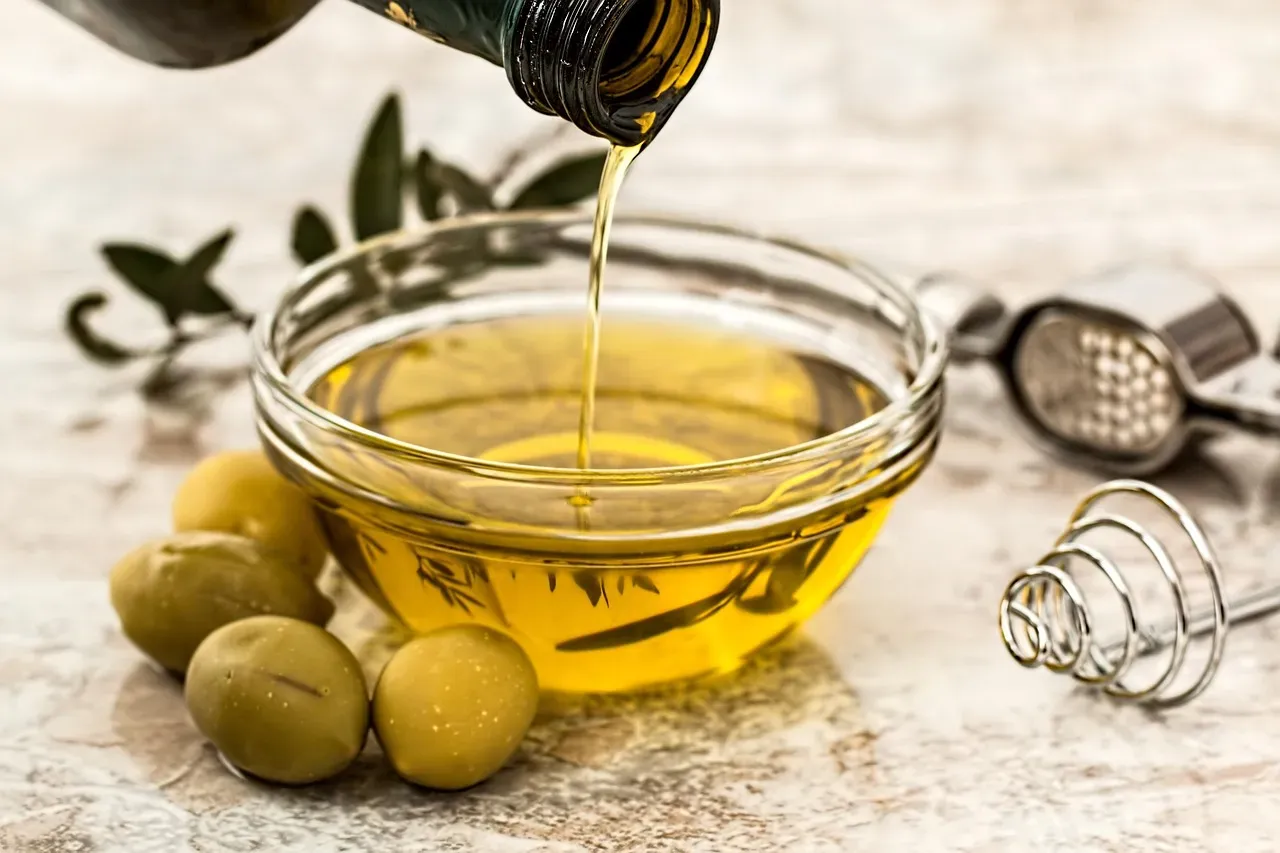
BVO has been banned from drinks sold in Europe and Japan for years, yet it lingered in American beverages until very recently. On July 3, 2024, the FDA revoked its food additive regulation after concluding that the intended use of BVO in food is no longer considered safe after studies conducted in collaboration with the National Institutes of Health found potential adverse health effects in humans. This chemical was used in citrus-flavored sodas to prevent flavoring oils from floating to the top.
Case reports of adverse effects show that a man who consumed two to four liters of a soda containing BVO daily experienced memory loss, tremors, fatigue, loss of muscle coordination, headache, and ptosis of the right eyelid. The bromine in BVO can accumulate in body tissues over time. Though major brands have eliminated the ingredient from their product lines, it’s still found in many commonly available products, such as multiple flavors of D&G Genuine Jamaican Soda, Sun Drop, and several store-brand soft drinks. Even though the federal ban took effect in August 2024, some products may still contain BVO during the one-year compliance period.
Potassium Bromate
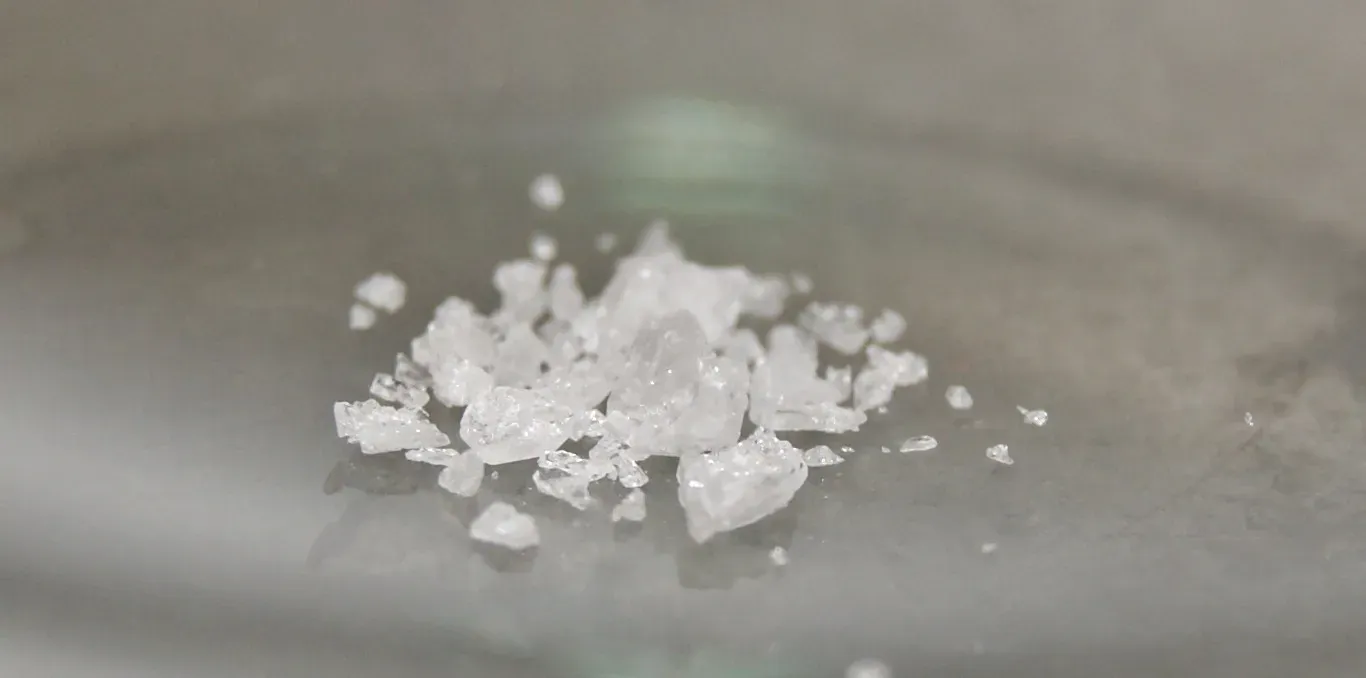
In 1999, the International Agency for Research on Cancer categorized potassium bromate as possibly carcinogenic to humans, and it has been banned as a food additive in Europe since 1990, in Canada since 1994, and in India since 2016. This powerful oxidizing agent is used in bread and baked goods to strengthen dough and help it rise higher. Potassium bromate is banned from food products in the European Union, Argentina, Brazil, Canada, Nigeria, South Korea, and Peru.
Despite being linked to kidney tumors and thyroid issues in animal studies, the additive remains legal in most U.S. states. EWG has identified over 200 products that contain potassium bromate, including Gomez flour tortillas, Hy Vee blueberry crisp and Hanover baked sourdough soft pretzels. California enacted a law in October 2023 that banned the manufacture, sale, and distribution of potassium bromate, along with three other additives, with the law taking effect in 2027. The food industry argues that baking converts bromate into harmless bromide, but tests have shown residual amounts remain detectable after baking.
Azodicarbonamide
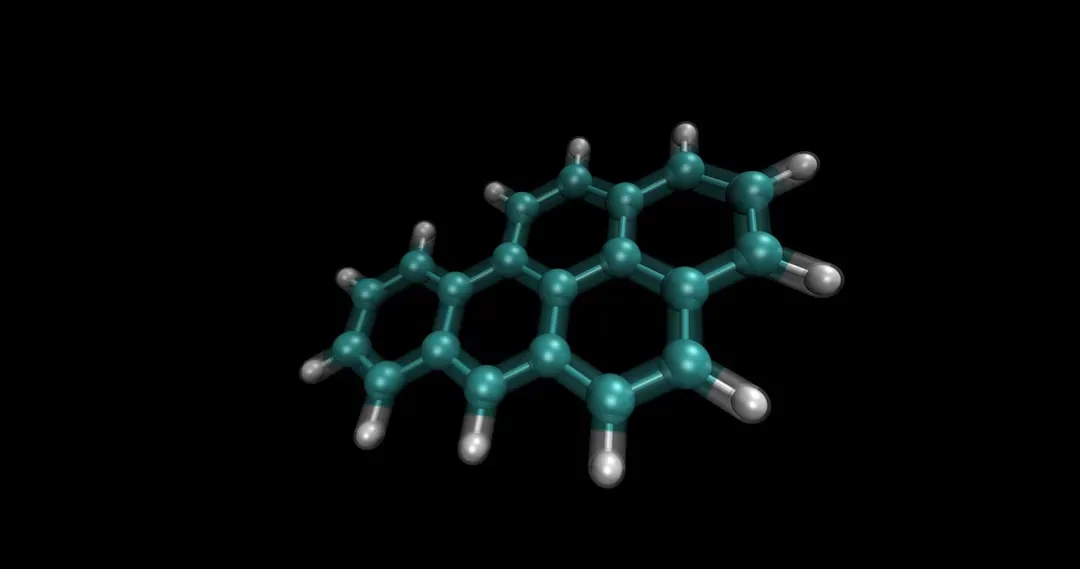
You might know this one as the yoga mat chemical. In jurisdictions such as Australia and the European Union, azodicarbonamide as a food additive is banned. This orange-red crystalline substance serves as a flour bleaching agent and dough conditioner in American bread products, yet it’s also used to manufacture foamed plastics like yoga mats and shoe soles.
Azodicarbonamide breaks down completely during breadmaking, and two of the chemicals’ breakdown products, semicarbazide and urethane, are known to cause health problems, with semicarbazide causing cancer in mice and urethane being known to cause cancer and damage to the reproductive system. ADA is not approved for use in either Australia or the European Union because of safety concerns and potential cancer concerns, and WHO reported that it causes kidney problems in animals. Despite public pressure that convinced Subway to remove it from their bread years ago, many fast-food chains and commercial bakeries still use this additive in their products.
Red Dye 3
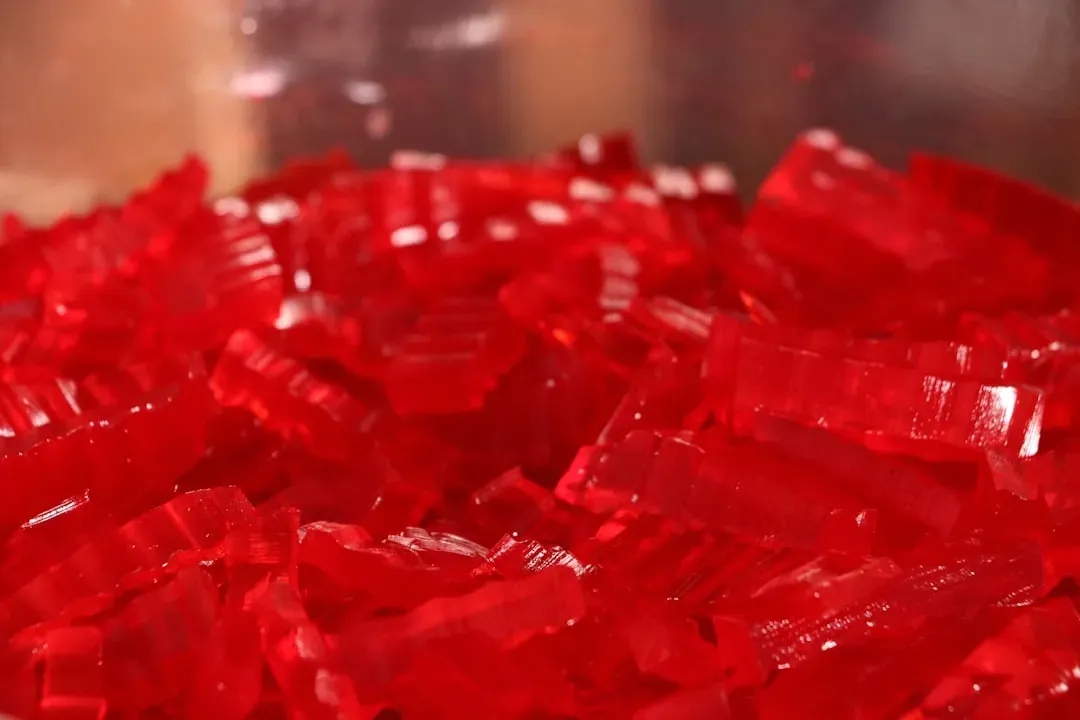
Red dye 3 has been banned from use in topical drugs and cosmetics since 1990, when the FDA found that the additive causes cancer in animals. The irony is striking. This artificial coloring has been forbidden in lipsticks and makeup for over three decades, yet remained perfectly acceptable in candy, baked goods, and beverages that Americans consume. The FDA announced in 2025 it would revoke authorization for the use of Red No. 3 in food and ingested drugs.
It’s found in thousands of foods, from things like Brach Candy Corn to Entenmann’s Little Bites Party Cake Muffins, and even products you might not suspect, like Vigo Yellow Rice. The dye has been prohibited in Europe for over 30 years due to its links to thyroid tumors in laboratory animals. California included it in their 2023 Food Safety Act, banning it from products sold in the state starting in 2027. Let’s be real, if something is dangerous enough to ban from cosmetics, why should we be eating it?
Titanium Dioxide
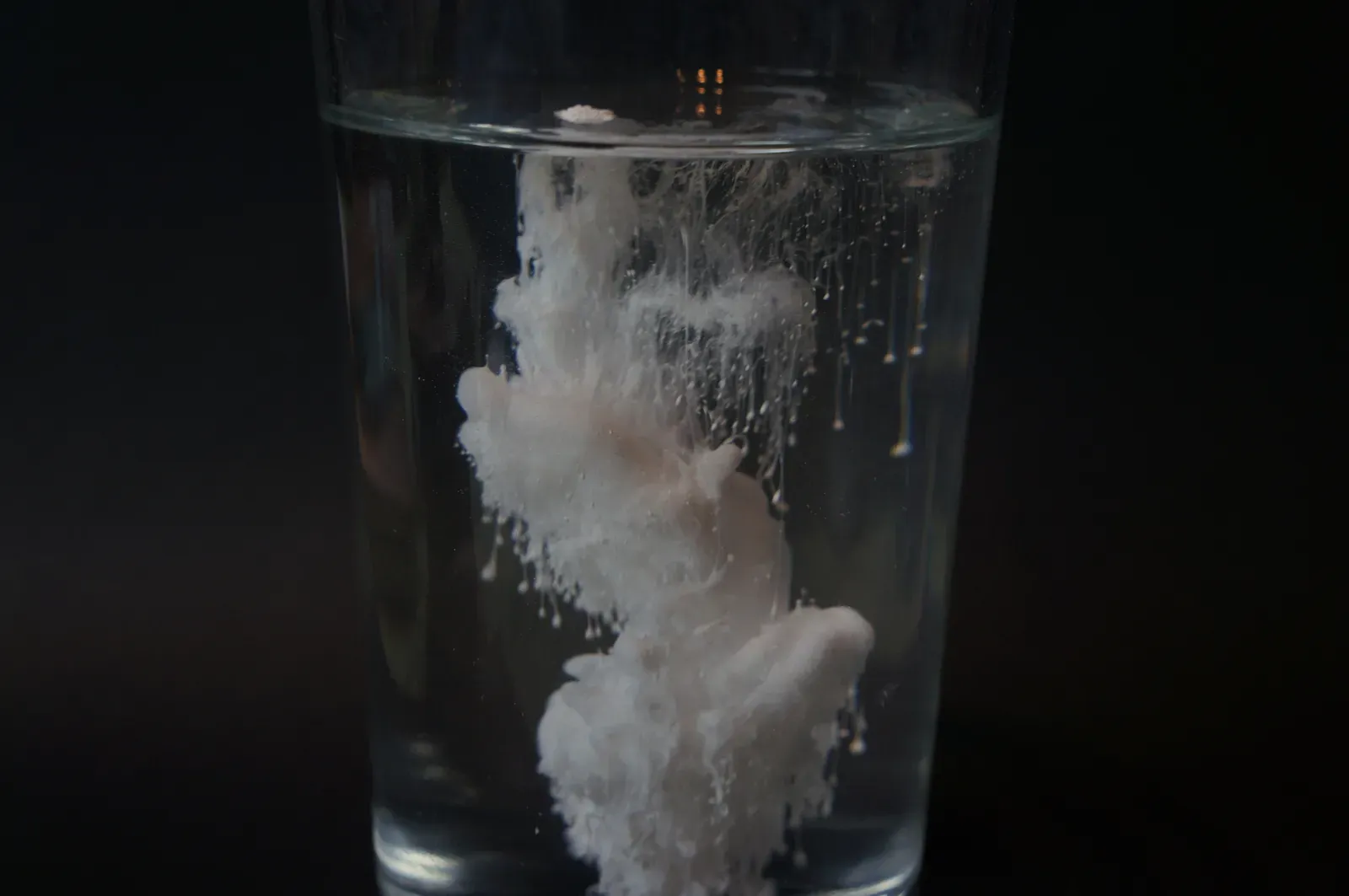
This white pigment makes foods look brighter and more appealing, showing up in everything from salad dressings to candy. The European Food Safety Authority banned titanium dioxide as a food additive in 2022, citing concerns about its potential to damage DNA at the nanoparticle level. The concern centers on whether these tiny particles can damage DNA and potentially lead to cancer.
In the U.S., it’s still found in many confections, including Sour Patch Kids watermelon candies, Hostess chocolate cupcakes and Hostess powdered Donettes, Friendly’s cake singles birthday cake ice cream, Zweet sour belts, and Skittles. Environmental Working Group filed a petition to the FDA in 2023 asking it to ban titanium dioxide, calling it a chemical that builds up in the body and could harm the immune and nervous systems. France actually banned it even earlier than the rest of the EU, back in 2020. The FDA is currently reviewing the safety of this additive, but for now it remains in countless American products.
Artificial Food Dyes (Red 40, Yellow 5, Yellow 6)
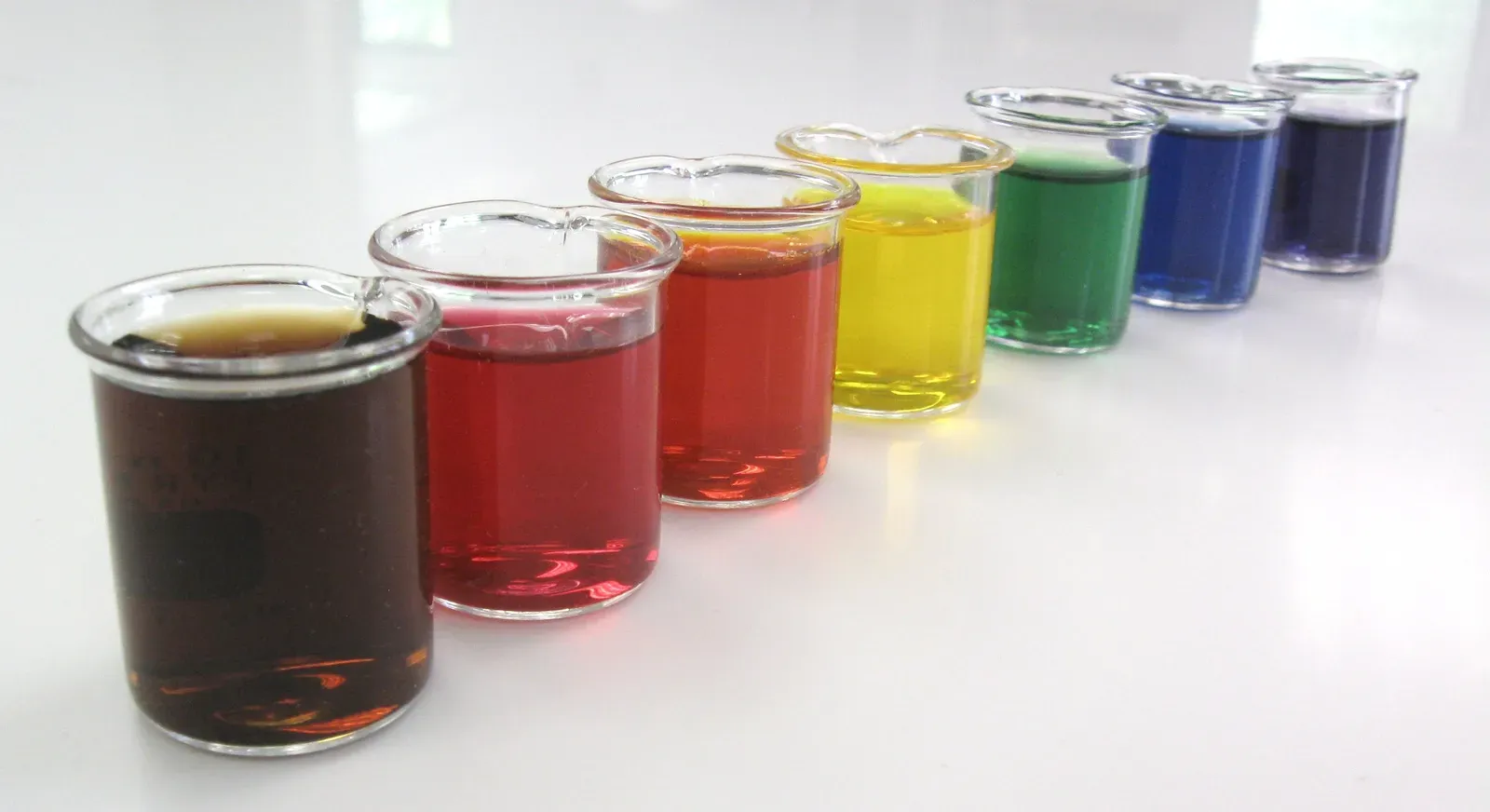
Several artificial food colorings including Blue 1, Blue 2, Green 3, Red 3, Red 40, Yellow 5, and Yellow 6 are pervasive in the American food system, appearing in many foods including Skittles, Doritos, Pop Tarts, Gatorade, Lucky Charms, Tostitos Queso, Pillsbury Crescent Rolls, and Little Debbie’s snacks. While technically not banned outright in Europe, the situation there is drastically different.
Although technically not banned in Europe, food dyes are heavily regulated, and foods that contain these dyes are required to carry a warning label that states the product may have an adverse effect on activity and attention in children. The California Environmental Protection Agency’s Office of Environmental Health Hazard released a report in 2021 concluding that synthetic food dyes are associated with adverse neurobehavioral outcomes in children. That warning label requirement has led many European manufacturers to simply reformulate their products with natural alternatives rather than scare away customers. American kids, though? They’re still getting the full petroleum-derived rainbow in their breakfast cereal.
Butylated Hydroxyanisole and Butylated Hydroxytoluene
These preservatives, commonly abbreviated as BHA and BHT, extend the shelf life of foods like cereals, chewing gum, potato chips, and processed baked goods. They’re also used in petroleum products, cosmetics, and rubber. Various studies conducted by the European Food Safety Authority have found that, in animals, BHT is linked to liver tumors, birth defects, reproductive issues, endocrine disruption, thyroid problems, and lung cancer.
The product is banned in food in the EU and heavily restricted in the U.K., though the FDA allows BHT in foods. Major brands including Kellogg’s, Post, Quaker, Lean Cuisine, Stouffer’s, and Pillsbury continue to use these compounds in their products. What’s particularly concerning is that BHT can be absorbed through the skin, meaning it’s not just about food consumption. Many common beauty brands like Garnier and Paul Mitchell also incorporate these chemicals into their products, creating multiple exposure pathways for American consumers.
Propylparaben
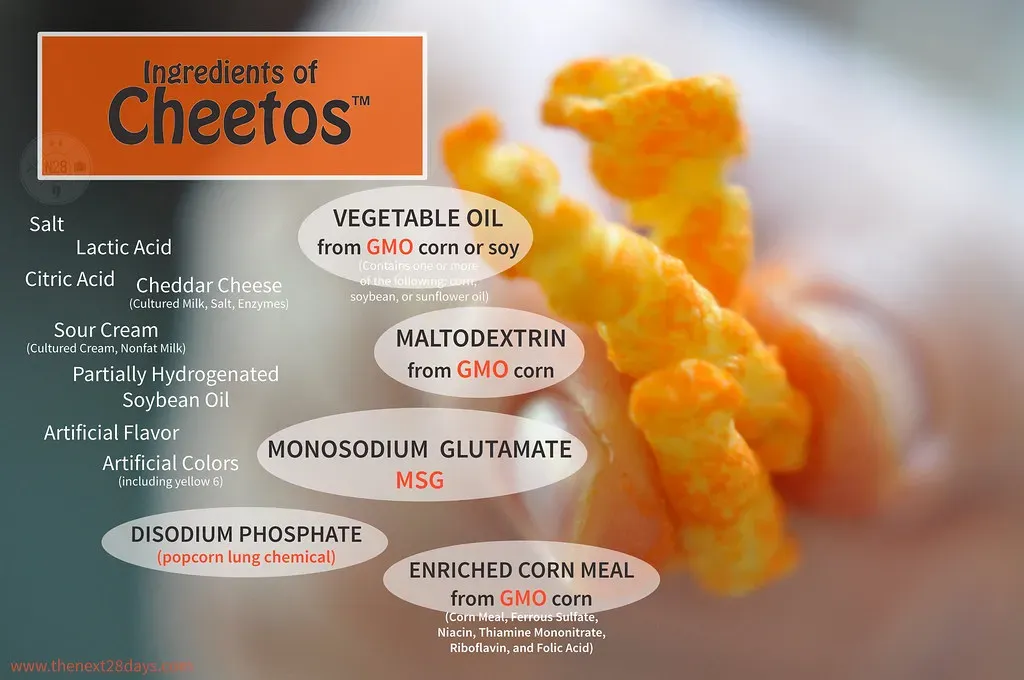
In the United States, propylparaben is used as a preservative in a variety of packaged and processed foods to prevent spoilage. This chemical helps keep foods fresh longer by inhibiting mold and bacterial growth. Europe takes a much more cautious stance on this preservative due to concerns about its effects on hormone function and fertility.
California Governor Gavin Newsom signed a bill into law in October 2023 banning the use of potassium bromate, along with three other common food additives including brominated vegetable oil, propylparaben, and red dye No. 3. Studies have suggested that propylparaben can disrupt the endocrine system, potentially affecting reproductive health and hormone balance. It appears in various packaged foods, tortillas, food dyes, and even some baked goods. The European Union has restricted its use in both food and cosmetics, recognizing the cumulative exposure risk from multiple sources.
Olestra (Olean)
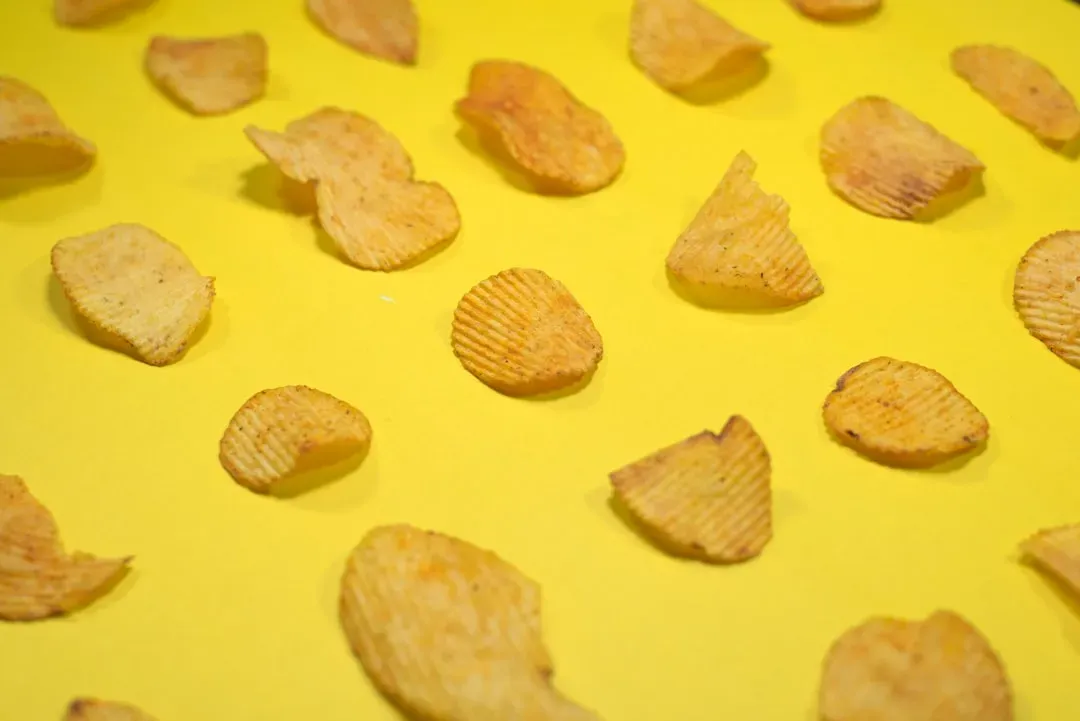
Remember the fat-free chip craze of the 1990s? Olestra is a fake fat that bodies can’t absorb, and it was used as a fat and oil substitute because it didn’t add any calories, with companies primarily adding it to food like potato chips to create snacks that were low-fat and low-calorie. It sounded like a miracle until people actually started eating it.
Olestra was plagued by one glaring problem: it had a tendency to wreak havoc on the gastrointestinal tract, and not long after it hit the market, the FDA and olestra’s parent company, Proctor & Gamble, were flooded with callers reporting stomach cramps, flatulence, diarrhea, and leakage. The chemical also absorbs fat-soluble vitamins A, D, E, and K from the body. Canada, the United Kingdom, and the European Union all banned olestra from food products. While it’s not as widely used in the U.S. anymore due to its infamous reputation, it technically remains legal and can still be found in some products.
Recombinant Bovine Growth Hormone (rBGH)
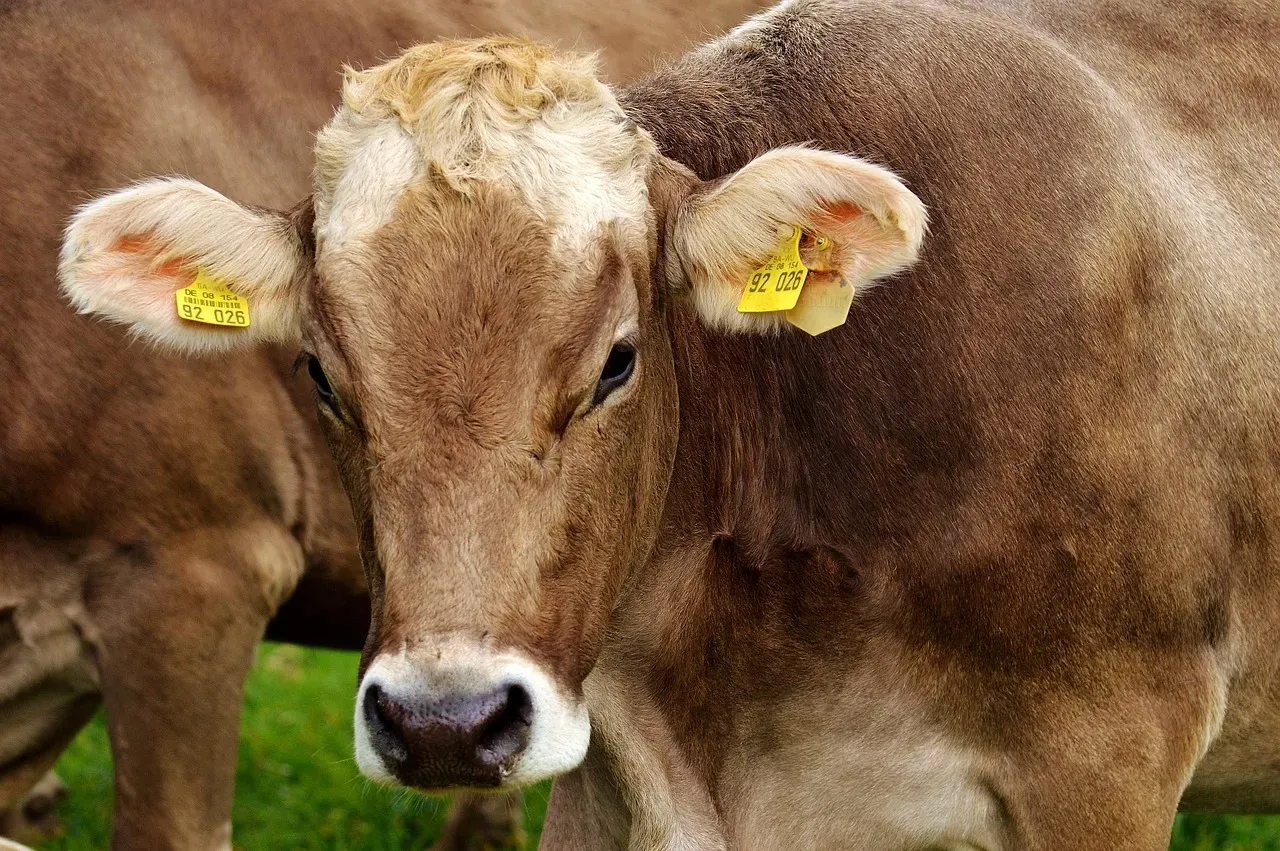
This synthetic hormone is injected into dairy cows to increase milk production. Europe and Canada have both banned its use in dairy farming, but it remains common in American agriculture. The hormone itself doesn’t directly appear in snack foods, but dairy products made with rBGH milk certainly do, from cheese crackers to ice cream treats.
The concern isn’t just about the hormone itself. Cows treated with rBGH tend to develop more infections, requiring increased antibiotic use. Many major American dairy brands and ice cream companies, including Ben & Jerry’s and some organic producers, have publicly opposed rBGH and refuse to use milk from treated cows. European regulators determined that the potential health risks and animal welfare concerns outweighed any benefits, leading to a continent-wide ban that’s been in place for decades. I think it’s telling that American companies marketing their products as premium or natural make a point of stating they’re rBGH-free, recognizing that consumers are increasingly uncomfortable with this practice.
Conclusion
The gap between European and American food safety standards reveals a troubling reality about what ends up on grocery shelves in the United States. While the European Union has banned several food additives due to potential health risks, some of these ingredients remain approved for use in the United States by the FDA. This isn’t about being alarmist or suggesting that every snack will cause immediate harm. It’s about acknowledging that American consumers are unknowingly exposed to substances that much of the developed world has decided aren’t worth the risk.
There is growing pressure for the FDA to re-evaluate the safety of certain food additives, with advocacy groups and recent scientific findings continuing to push for stronger regulations to align with international food safety standards. California’s pioneering Food Safety Act demonstrates that change is possible, even if it has to happen state by state rather than at the federal level. Until broader reforms arrive, reading ingredient labels and choosing products from companies committed to cleaner formulations remains the best defense. What do you think about the fact that your snacks contain ingredients banned elsewhere? Does it change how you’ll shop going forward?