
Walk down any grocery aisle today and you are practically swimming in feel-good labels. “Naturally Grown.” “Eco-Friendly.” “Hormone-Free.” They’re everywhere, printed in earthy greens and warm browns, designed to make you feel like you’re doing something right. But here’s the uncomfortable truth: a shocking number of these labels are little more than marketing decoration, and the food industry knows it.
Organic products cover grocery store shelves and menus, yet more than half of shoppers already believe that labeling something as organic is simply “an excuse to charge more,” and more than one third say they believe “organic” is marketing jargon with no real value or definition. Honestly, those shoppers are onto something. Let’s dive in and look at the ten labels most likely to be fooling you right now.
1. “All Natural”
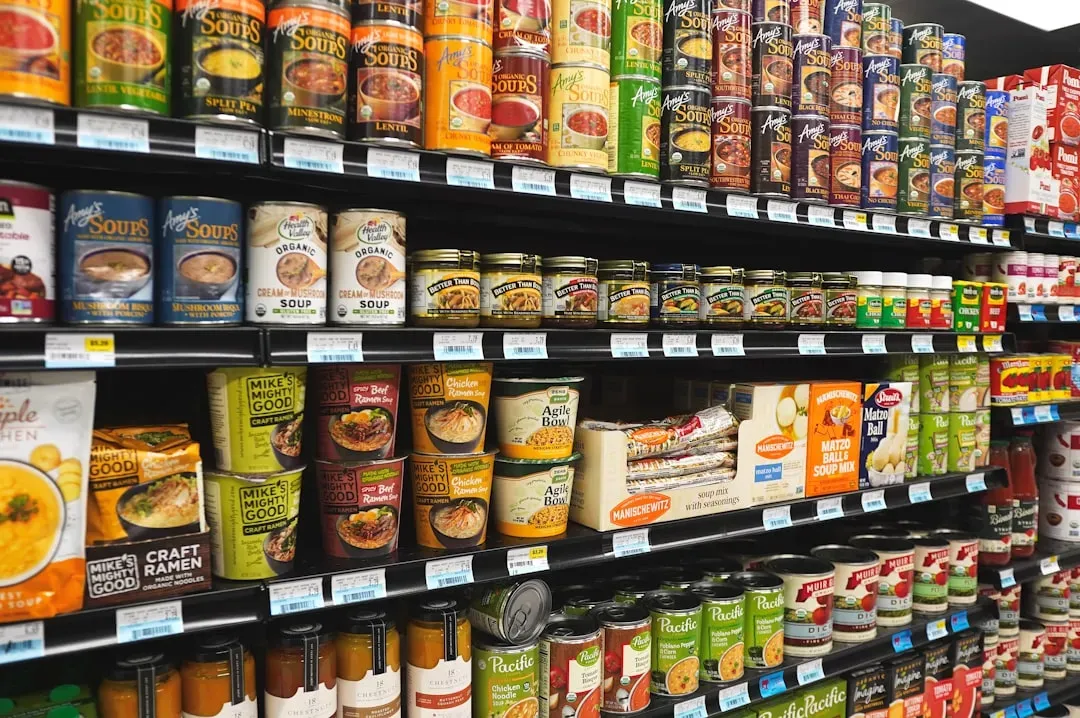
This one might be the biggest con in the supermarket. It sounds wholesome, it feels reassuring, and it sells products by the billions. The problem? It means almost nothing.
The “All Natural” label on food is meaningless – not just from a philosophical standpoint, but from a regulatory one too. There is no formal definition for “natural foods” and the FDA has shied away from establishing guidelines for the term’s use. So any brand, for any product, can essentially slap “All Natural” on the front of their packaging with virtually zero accountability.
Although a “natural” label usually implies healthier or safer food, that’s simply not the case. You could find high-fructose corn syrup, factory-farmed meat, or heavily processed snacks all hiding comfortably behind that three-word phrase. Let’s be real – if a label needs to tell you it’s natural, it probably isn’t.
2. “Made With Organic Ingredients”
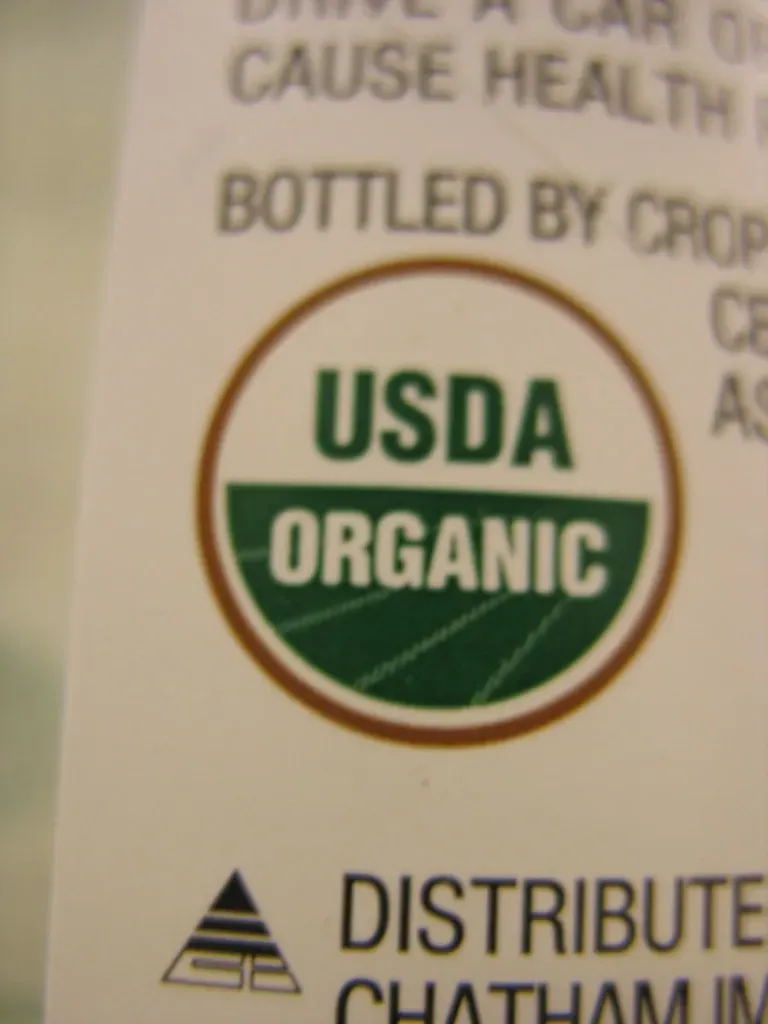
This label sounds like it’s almost as good as fully certified organic. It isn’t. Not even close. The phrase is a masterclass in saying something that sounds impressive while committing to very little.
Under USDA rules, a product labeled “made with organic ingredients” only needs to contain a minimum of seventy percent organic content. That means up to thirty percent of what’s inside that package can be completely conventional, including ingredients treated with synthetic pesticides or fertilizers. The label doesn’t require the USDA organic seal, either.
As larger companies entered the organic market, critics argued that standards loosened, shifting the movement’s focus from grassroots purity to a more profitable label. The “made with organic” phrasing is a perfect example of that shift in action. You’re paying a premium price for a product that may be only slightly better than its conventional counterpart.
3. “Free-Range”
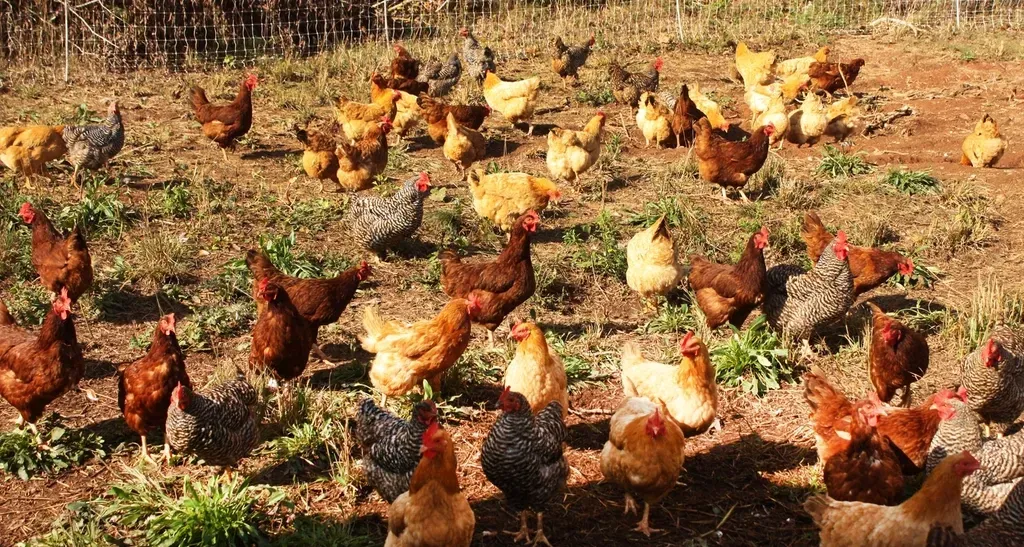
Picture a chicken roaming golden fields under an open sky. That’s exactly what food companies want you to see when you read “free-range.” The reality is far less cinematic.
The often-seen label “free-range,” for example, may only mean that some animals had minimal access to a small outdoor run and otherwise live indoors, crowded in barren sheds. The USDA requires poultry products using the free-range claim to provide chickens with access to the outdoors for over half of their lives, but unfortunately there is anecdotal evidence that many growers make little effort to ensure chickens actually get outside.
The range of things that “organic” actually means for animals has produced what the USDA’s Agricultural Marketing Service labeled a market failure for the organic label: because stipulations about welfare are so vague, consumers can’t be sure what the label actually guarantees. Per its own research, AMS has concluded that a majority of organic consumers choose to buy organic because they believe the label guarantees provisions like actual outdoor access. A door that technically leads outside – even if animals never use it – can legally fulfill the requirement.
4. “Cage-Free”
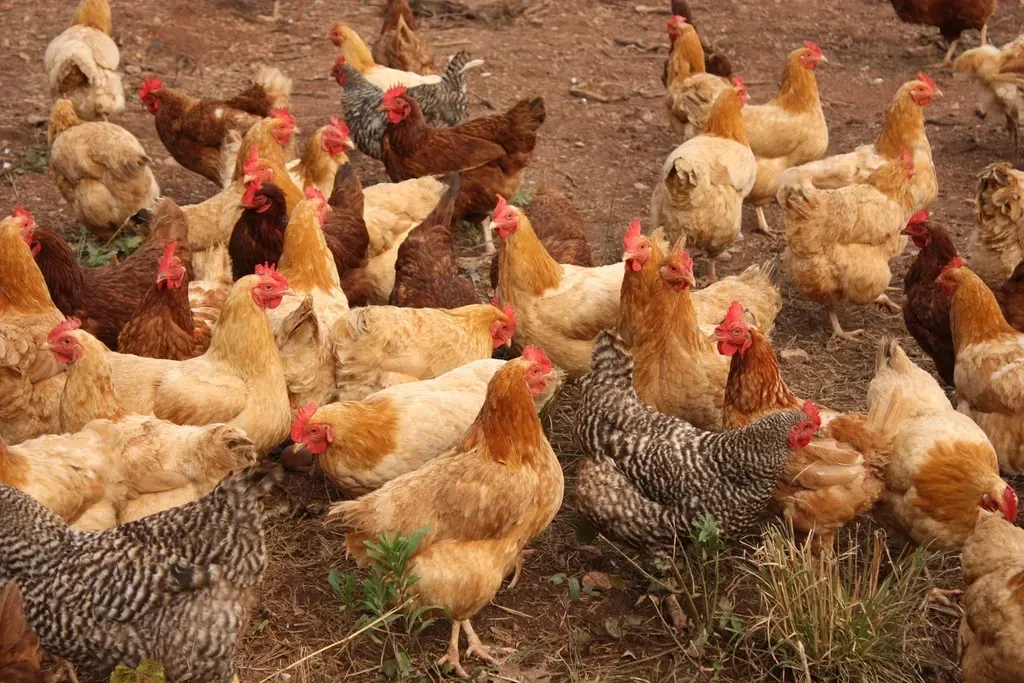
Here’s one that trips up even the most well-intentioned shoppers. “Cage-free” sounds unambiguously better. No cages! Freedom! Except the full picture is considerably grimmer than that.
While “cage-free” claims on egg cartons indicate that cruel battery cages are prohibited, the same claim is meaningless on the packaging of chicken meat products because those birds spend their entire lives in giant, cramped warehouses – not in cages. Removing the cage doesn’t mean providing space, light, or anything remotely resembling a natural environment.
Food producers are using labels like these – whether meaningful or not – more than ever, because they know that demand for meat, egg, and dairy products from more humane sources is rising: ASPCA research shows that the vast majority of grocery shoppers are seeking out products with positive animal welfare claims and are willing to spend more money on these items. In short, companies have a financial incentive to use the label, not an ethical one.
5. “Non-GMO”
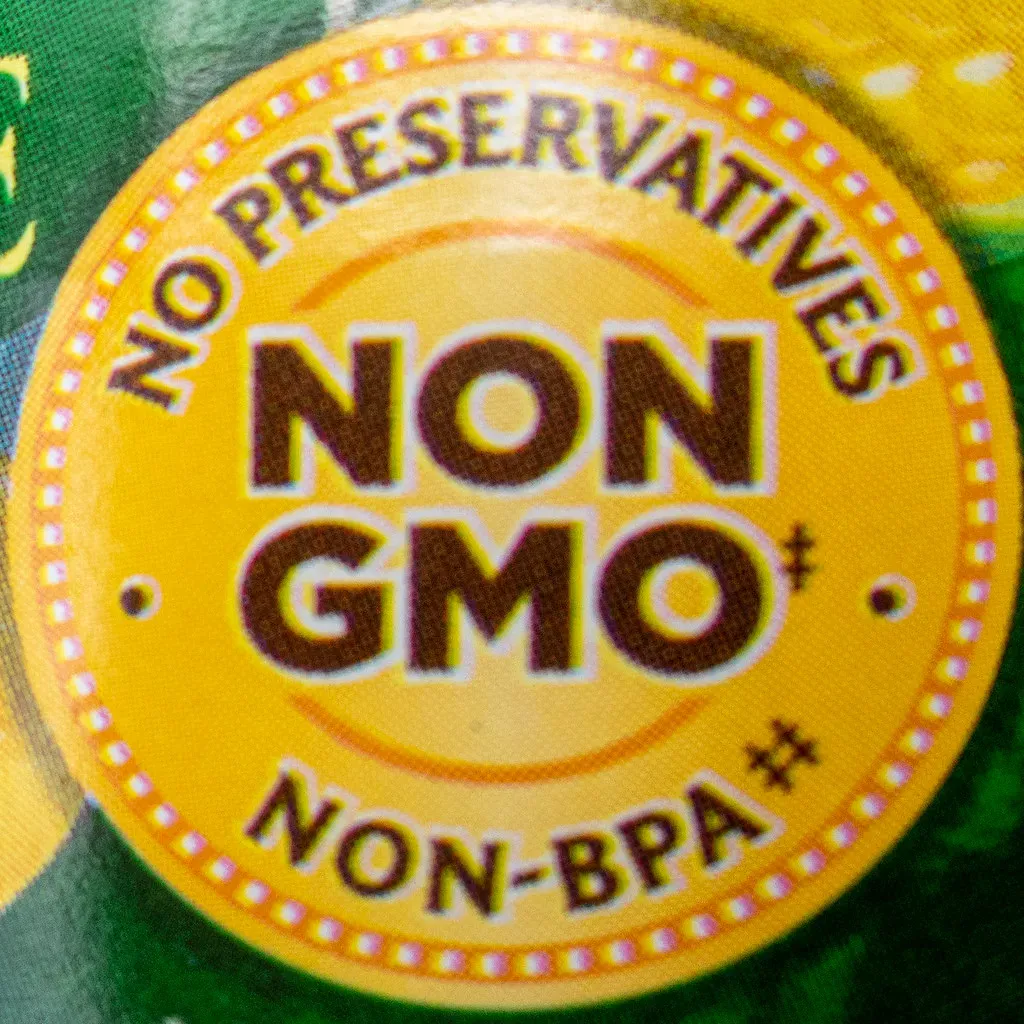
The non-GMO label is everywhere these days, and it carries an aura of scientific credibility that many shoppers find deeply reassuring. That confidence, it turns out, may be largely misplaced.
Neither the FDA nor the USDA regulates non-GMO labeling, and products using the term often contain trace amounts of genetically modified organisms, either as a direct ingredient or cross-contaminant. Non-GMO labels are often used by retailers simply to increase prices. In one example, grocery stores were selling tomatoes with “Non-GMO” labels when there have never been GMO tomatoes commercially available.
I know it sounds crazy, but companies can legally print “Non-GMO” on a product that has no GMO equivalent in existence, purely as a marketing tactic. Labels like “natural” or “eco-friendly” sound appealing but do not follow the same strict standards as “organic,” and larger brands might leverage loopholes for profitability. The non-GMO label has increasingly become a version of this same game.
6. “Hormone-Free”
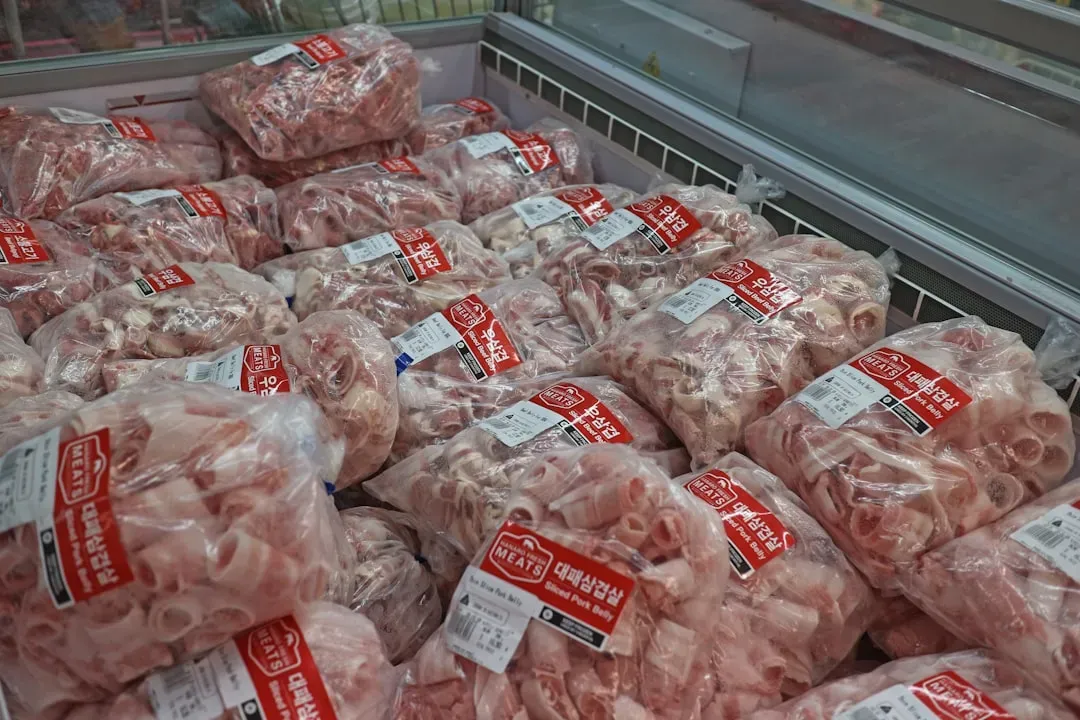
Hormone-free chicken and pork sound like a reassuring upgrade from the standard stuff. Here’s the thing – it’s a claim that’s essentially illegal to contradict in the first place, which makes it spectacularly hollow as a marketing differentiator.
The USDA already prohibits the use of added hormones in the production of pork and poultry. So when a brand proudly stamps “Hormone-Free” across its chicken packaging, it’s technically telling the truth – while also implying that its competitors are doing something they’re legally forbidden from doing. It’s a genius piece of misdirection.
The lack of enforcement is particularly glaring with antibiotic-related claims. While the rules around what companies can say about their antibiotic use practices are fairly tight, there is no guarantee that the claim is accurate without testing and verification. The same systemic gap applies to hormone-related claims on poultry and pork products sitting on your grocery store shelf today.
7. “Eco-Friendly” or “Sustainably Farmed”
Walk into any major supermarket and you’ll spot “eco-friendly” or “sustainably farmed” on everything from bottled water to breakfast cereal. These labels carry a warm, responsible glow. They also carry no legal definition whatsoever.
Some kinds of claims are still difficult to certify, particularly those relating to regenerative agriculture. The market for these labels and claims is still evolving as scientists and farmers work to establish which practices make a significant difference when it comes to climate change, soil health, biodiversity, and other factors. Without a standardized benchmark, “sustainably farmed” can mean almost anything a marketing team wants it to mean.
Closing loopholes like these would require the USDA to set standards for claims, something it has been unwilling to do. This is in part due to the fact that the agency doesn’t have on-farm oversight that would enable it to verify whether standards were being followed. As a solution, it delegates that responsibility by encouraging producers to seek out third-party certifications – but it still stops short of requiring them. So for now, “sustainably farmed” remains glorified packaging design.
8. “Humanely Raised”
Few labels pull at the heartstrings quite like “humanely raised.” It evokes images of happy animals, open spaces, and ethical farming. The verification behind that image, however, is often nonexistent.
Common terms like “humane” and “humanely-raised” are also unreliable unless paired with strong, independent welfare certifications. The new USDA guidelines aren’t totally useless for consumers, since they do give access to slightly more information about claims like “humanely raised” than in the past – but if explanations for the terms lack depth or point to only one standard, those claims may be pretty hollow.
Industrial organic practices involve large-scale corporate operations that comply with federally approved organic processes but exploit regulatory loopholes, including by maintaining low animal welfare standards and offering minimal transparency in supply chain processes. A “free-rider problem” exists among industrial organic operations that use the USDA organic label without demonstrating the spirit of the organic movement. “Humanely raised” without third-party verification is, functionally, just a feeling a company is selling you.
9. “Pesticide-Free”
This label sounds definitive. Scientific. Like someone actually tested the product. The truth is murkier, and it matters because pesticide concerns are one of the primary reasons consumers pay extra for organic products in the first place.
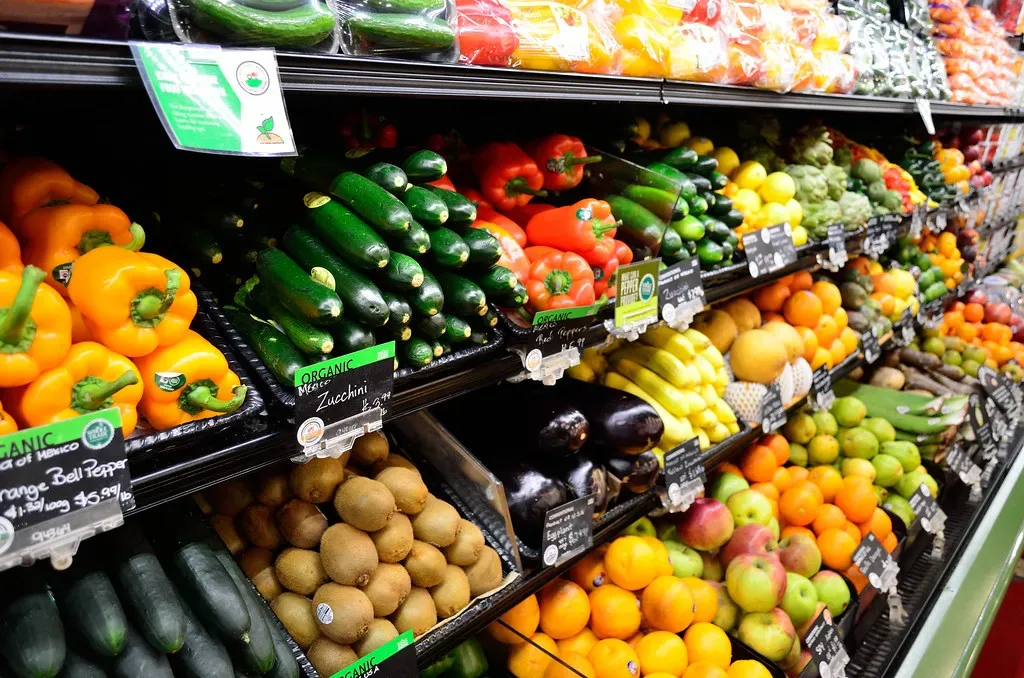
Organic foods are not pesticide-free, as many people may think. Organic farmers are allowed to use approved organic pesticides as well as some approved synthetic pesticides. There is a large variation in pesticide toxicity and environmental impact – within and between organic and synthetic pesticides – so “natural” pesticides aren’t inherently less toxic or better for the environment either.
If certified organic products can still contain pesticides, imagine how little accountability exists for products carrying the looser, unregulated label “pesticide-free.” The organic certification system, for all its bureaucracy and rules, can be worked around – and people do that often. There is definitely an incentive for producers to simply claim organic status, since producers can charge a premium. Nobody takes a carrot or a potato and tests it to see if there are any chemicals on it.
10. “USDA Organic” on Imported Products
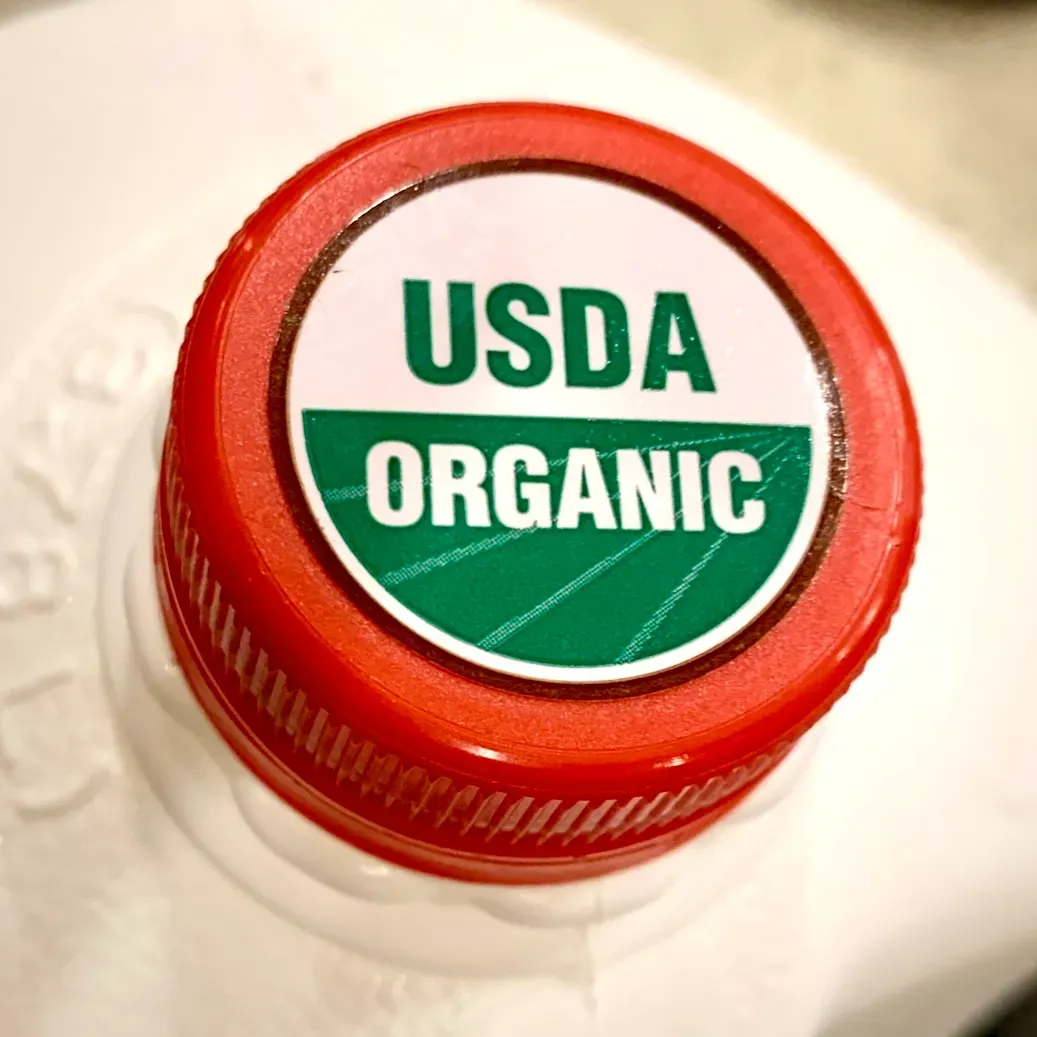
Even the gold standard label – the actual USDA Certified Organic seal – is not immune to abuse, particularly when the product comes from overseas. This is the one that perhaps should concern consumers the most, because it exploits the label people trust most.
Organic regulations were outpaced as supply chains grew increasingly complex and globalized to meet the needs of what is now a multi-billion-dollar organic industry. Uncertainty grew as a number of high-profile organic fraud cases came to light, and USDA’s inconsistent interpretation and implementation of organic regulations did little to inspire confidence. These concerns threatened the reputation of organic labeling and sparked a significant policy shift toward greater oversight.
Organic food is big business in the U.S., and the certified organic label fetches a premium price for producers – so much so that fraud from both domestic and imported sources had become a major concern among organic industry business owners, investors, and advocates. Representing the biggest change to organic regulations since the passage of the Organic Food Production Act in 1990, the Strengthening Organic Enforcement Rule was created to crack down on organic fraud and provides a significant increase in oversight and enforcement authority to reinforce the trust of consumers. Still, the scale of the global supply chain makes perfect enforcement an ongoing challenge.
What You Can Actually Do About It
So where does all of this leave you, standing in the grocery aisle with a box of something that claims to be “naturally grown, pesticide-free, humanely raised, and eco-conscious”? It leaves you informed, which is the most powerful place to be. The labels have their limits, but your skepticism doesn’t have to.
What’s still missing is verification, which, given the USDA’s refusal to require testing or evidence for claims, can only come from trustworthy third-party certifiers that provide published standards and perform audits to ensure companies and products are meeting them. If you’re trying to buy food produced in a specific way, turning to brands with third-party certifications is your best bet.
The meaning of “organic” today has been diluted. Rather than representing the founding spirit of the organic movement, the market for organic products is now dominated by large corporations that follow the lowest regulatory standards permitted. The solution isn’t to stop caring about what you eat. It’s to look past the front of the package – and start reading what’s actually in it. What label have you been trusting without question? Tell us in the comments.