
Fruit is supposed to be the healthy choice. It is nature’s version of a sweet treat, after all. Most of us grew up being told to eat more of it. So it might come as a surprise to learn that certain fruits can pack more sugar than you would guess, and for anyone actively watching their sugar levels, that matters. We are not talking about processed candy here. We are talking about whole, natural, seemingly innocent foods sitting in your fruit bowl right now.
All fruits contain some amount of naturally occurring sugars, or fructose, and because that fructose is accompanied by fiber, it slows down your body’s insulin response, making it a healthier alternative to added sugars. Still, not all fruits are created equal. Some carry surprisingly large sugar loads that can add up fast, especially if you are managing blood sugar, following a low-carb plan, or simply trying to be more mindful. Let’s dive in.
Table of Contents
1. Mango: The Tropical Sugar Bomb
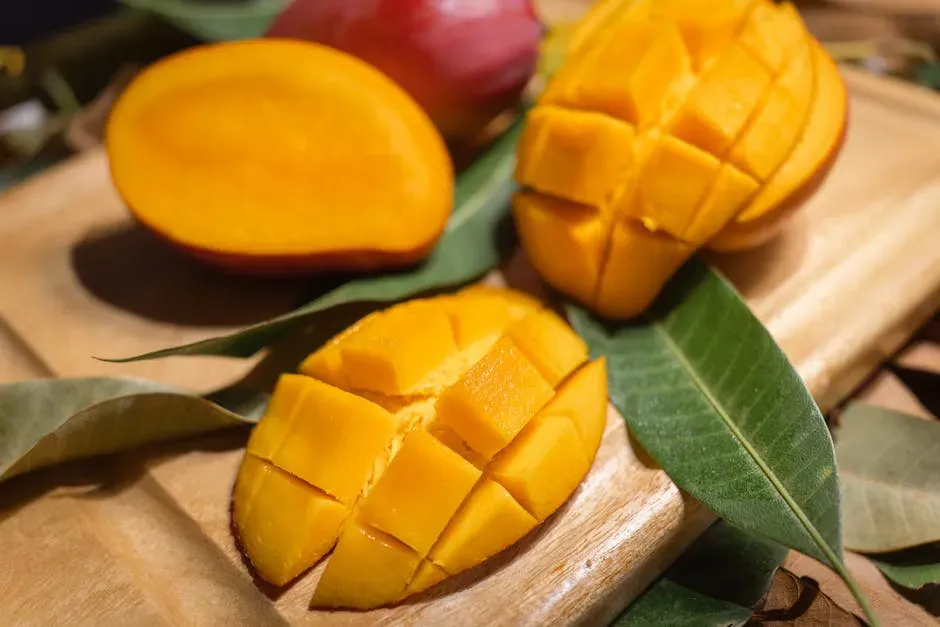
Mangoes are beloved, and honestly, it is hard to argue with their creamy sweetness. But here is the thing. One mango contains a striking 46 grams of sugar. That is not a small number. To put it in perspective, the sweet treat sugar equivalent is roughly 50 pieces of candy corn.
Tropical fruits typically have higher sugar levels, with mangoes being a prime example. Mango provides about two thirds of the recommended daily value of vitamin C and is rich in soluble fiber and carotenoids that act as antioxidants. The nutritional value is real. However, for those , the sheer volume of natural sugar in a single fruit is simply too much to ignore.
2. Grapes: Tiny Fruits, Serious Sugar
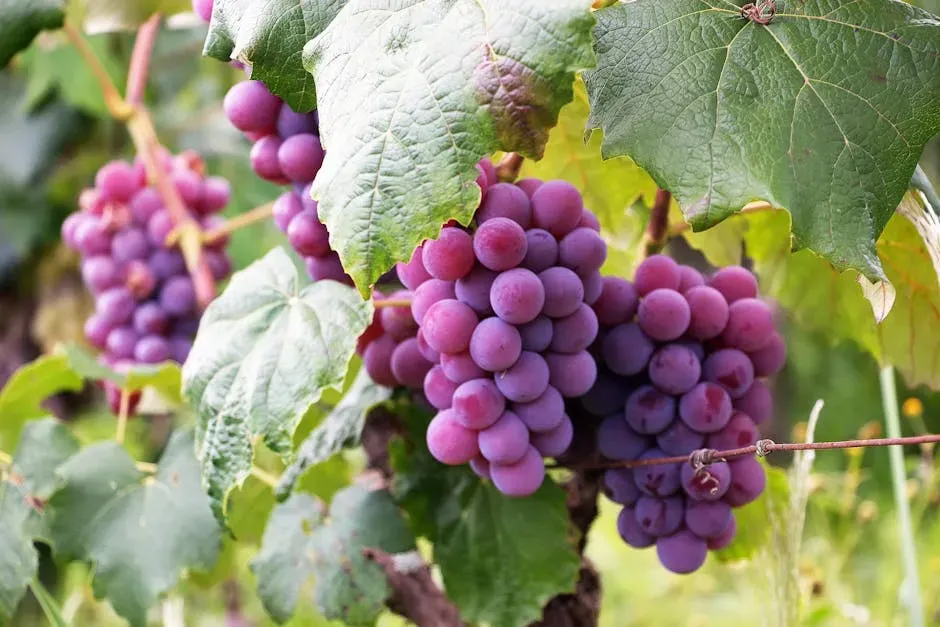
A cup of grapes has about 23 grams of sugar. That is a lot for something that is so easy to pop in your mouth. Grapes are almost dangerously snackable. You sit down with a bunch and before you know it, you have consumed the sugar equivalent of several cookies. Portion awareness here is everything.
Grapes have antioxidant, antimicrobial, anti-inflammatory, and anti-carcinogenic properties. Black grapes have a higher GI than green grapes, but they contain more beneficial quercetin and resveratrol, potent antioxidants that may protect against cardiovascular disease. The sugar in grapes becomes an even bigger problem upon transformation into a raisin. The drying out has negative nutritional effects, and when you pick up a raisin, you are holding something that contains 59 grams of sugar per 100 grams. Dried grapes, in other words, are a completely different animal.
3. Banana: The Everyday Offender
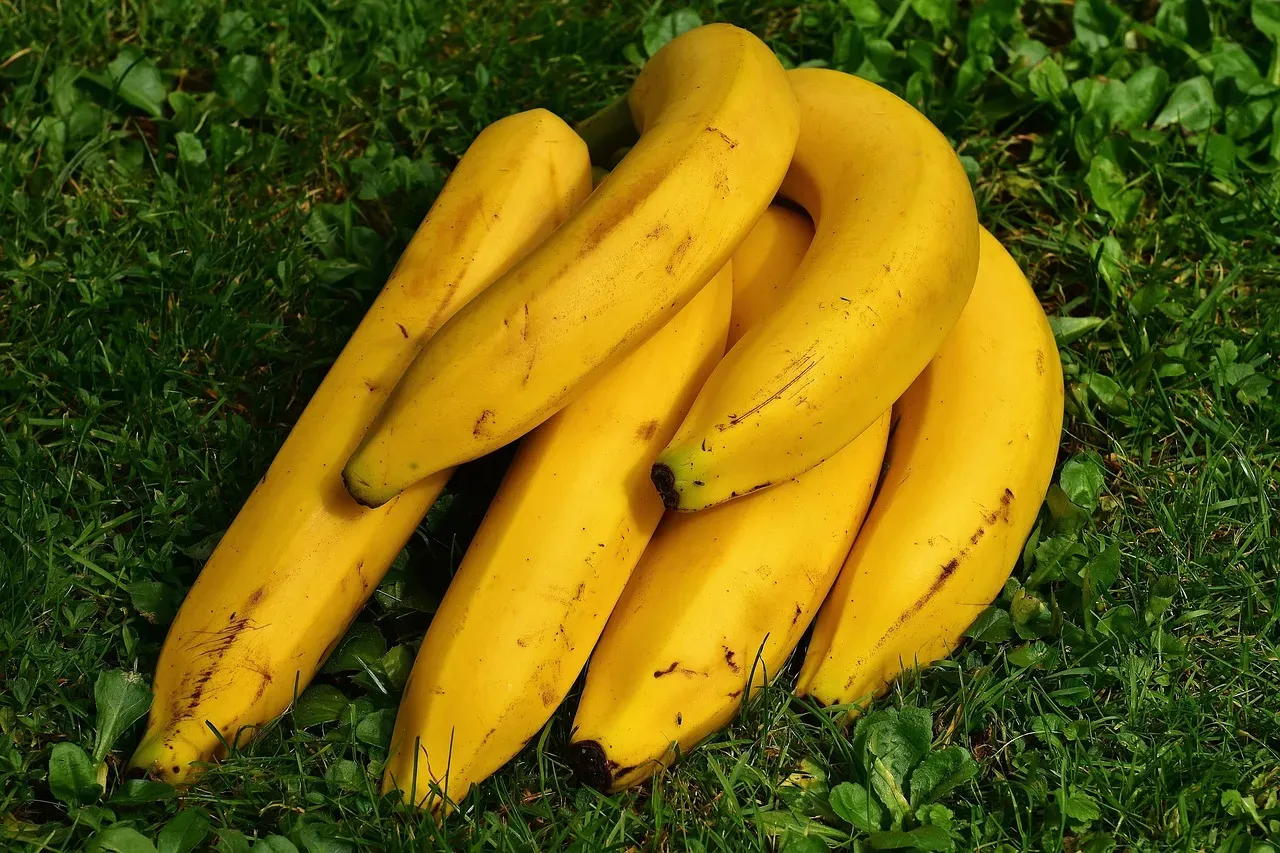
A single banana contains 15.4 grams of sugar. Bananas may not seem like the sweetest of treats, but there is a decent amount of sugar hidden beneath that peel, and the sugar content increases as bananas ripen and go from green to yellow. Most people eat fully ripe bananas, meaning they are getting a higher sugar hit than they realize.
In one analysis, ripe bananas contained around 15 grams of combined glucose and fructose, while unripe green bananas contained just 3.2 grams. Unripe bananas are also a good source of resistant starch, which has metabolic benefits. Bananas are a good source of vitamin B6, potassium, magnesium, and fiber, but as a banana ripens, its sugar content increases, so riper bananas will raise blood sugar more than less ripe ones. If you cannot give them up entirely, go green.
4. Pineapple: Sweet With a Catch

A cup of pineapple chunks contains 16.3 grams of sugar, with a sweet treat sugar equivalent of a slice of cherry pie. Pineapple’s sticky sweetness owes itself to high sugar levels, and those levels only go up if the fruit is juiced, dried, or served in a sugary syrup. It is one of those fruits where preparation method makes a significant difference.
Pineapple is a rich source of minerals, vitamins, fiber, and other nutrients, and it also has anti-inflammatory and antioxidant properties. Pineapple contains bromelain, an enzyme that breaks down proteins and has anti-inflammatory properties, according to the National Cancer Institute. Impressive benefits, no question. Still, for someone tracking sugar consumption closely, a full cup serving adds up quickly. Think of it as a flavoring agent rather than a main event.
5. Cherries: Irresistible but Dense in Sugar
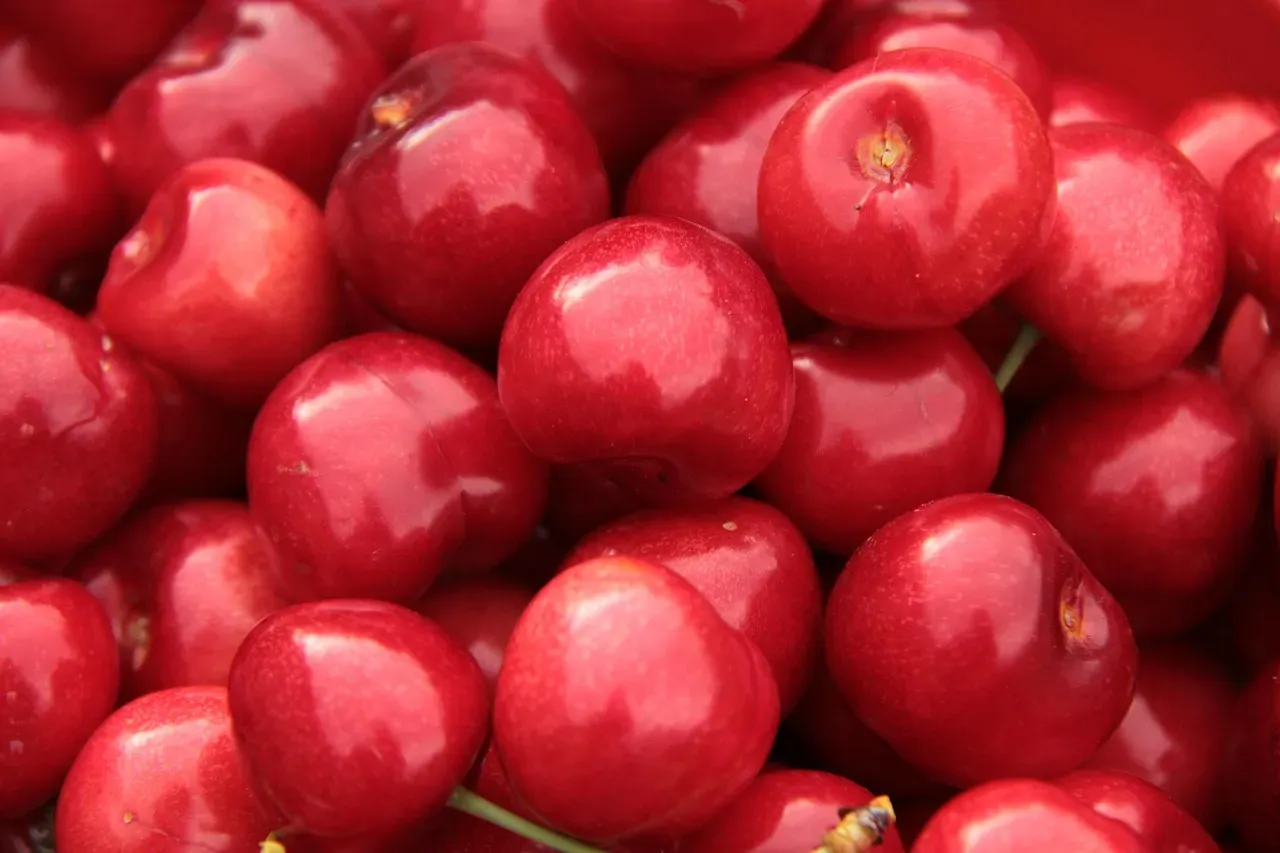
Sweet cherries are among the fruits with high sugar content. A cup of cherries contains an average of 18 grams of sugar. They are small, beautiful, and very easy to overeat. A bowl of cherries disappears in minutes, and the sugar adds up much faster than you expect.
High-sugar fruits include mangoes, pears, grapes, cherries, bananas, figs, and watermelon. Both sweet and tart cherries are low in calories and come with lots of nutrients, including fiber, potassium, and vitamin C. They are nutritionally solid. The issue is purely the sugar density relative to how small they are. Measuring a specific portion before eating is genuinely the smartest move here. I know it sounds a bit extreme, but the difference between one cup and two cups is 18 grams of sugar. That is significant.
6. Pears: The Quietly Sugary Fruit
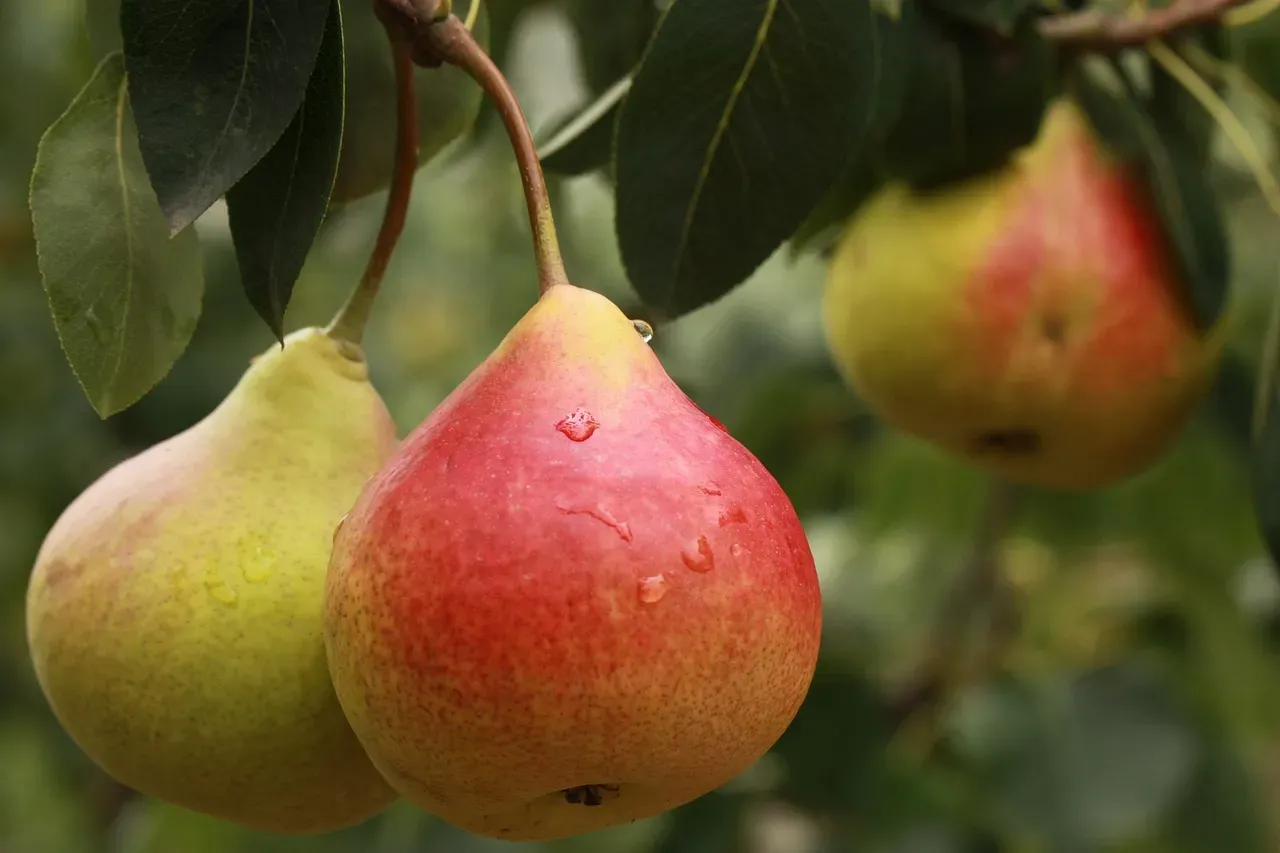
A medium pear contains 17.4 grams of sugar. Pears are one of those fruits people rarely think to question. They feel wholesome, almost old-fashioned. But their sugar content rivals that of oranges and other better-known offenders. The sugar story with pears is similar to apples regarding fructose and fiber.
One pear contains roughly one fifth of the daily value of fiber, and they are also a good source of vitamin C and potassium. Make sure you eat the skin, since that is where most of the fiber is found. That fiber does help moderate the blood sugar response. However, for those on strict low-sugar eating plans, nearly 17 grams from a single medium fruit is still a meaningful amount. Swap in half a pear if you want the benefits without the full sugar load.
7. Figs: Ancient Fruit, Modern Sugar Concern

For every 100 grams of fresh figs, you will consume around 16 grams of sugar. This number soars to a whopping 48 grams of sugar per 100 grams of dried figs, with a fairly high GI score of around 61. That means those cautious of their blood sugar levels may want to monitor portions carefully.
Fresh or dried figs have been shown to possess both intellectual and physical fortifying properties. In comparison with other commonly consumed fruits such as apples, dates, and grapes, figs provide a higher concentration of calories, dietary fiber, potassium, calcium, iron, and vitamins. That is genuinely impressive nutritional density. But dried figs especially belong in the category of things you eat mindfully, not mindlessly. A small handful of dried figs can easily push past your daily sugar targets before you have even finished your morning snack.
8. Watermelon: The Summer Trap
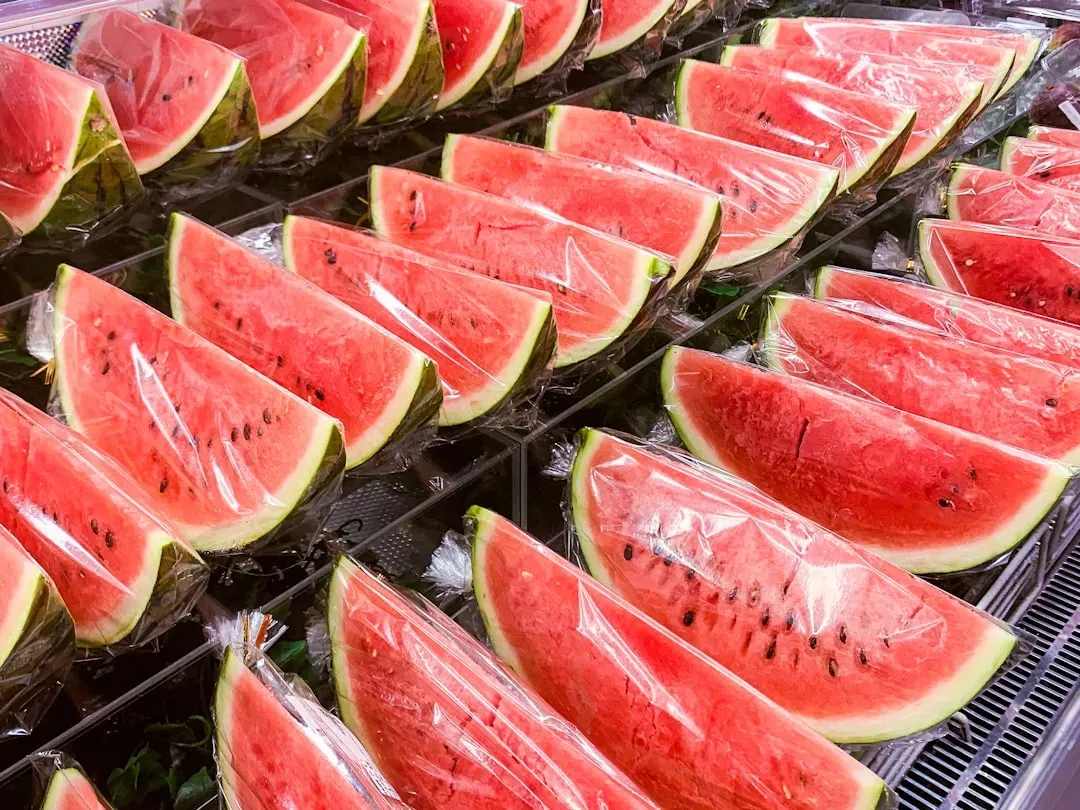
Watermelon is a hydrating and refreshing fruit, especially popular in summer. It provides water, electrolytes, and vitamins like A and C. However, it is also one of the fruits high in sugar, and a large slice can contain up to 17 grams of sugar, so it is best to limit your intake to one or two slices per day if you are watching your sugar levels.
Watermelon may be high in sugars but it is low in carbohydrates, which means that eating a single slice on a hot summer day should not send your blood sugar levels skyrocketing. Honestly, one slice is rarely where it ends on a hot July afternoon, though. The real risk with watermelon is its sheer volume. It is served in huge wedges at barbecues and it is incredibly easy to eat far more than a single portion without a second thought.
9. Lychee: Small but Surprisingly Sweet
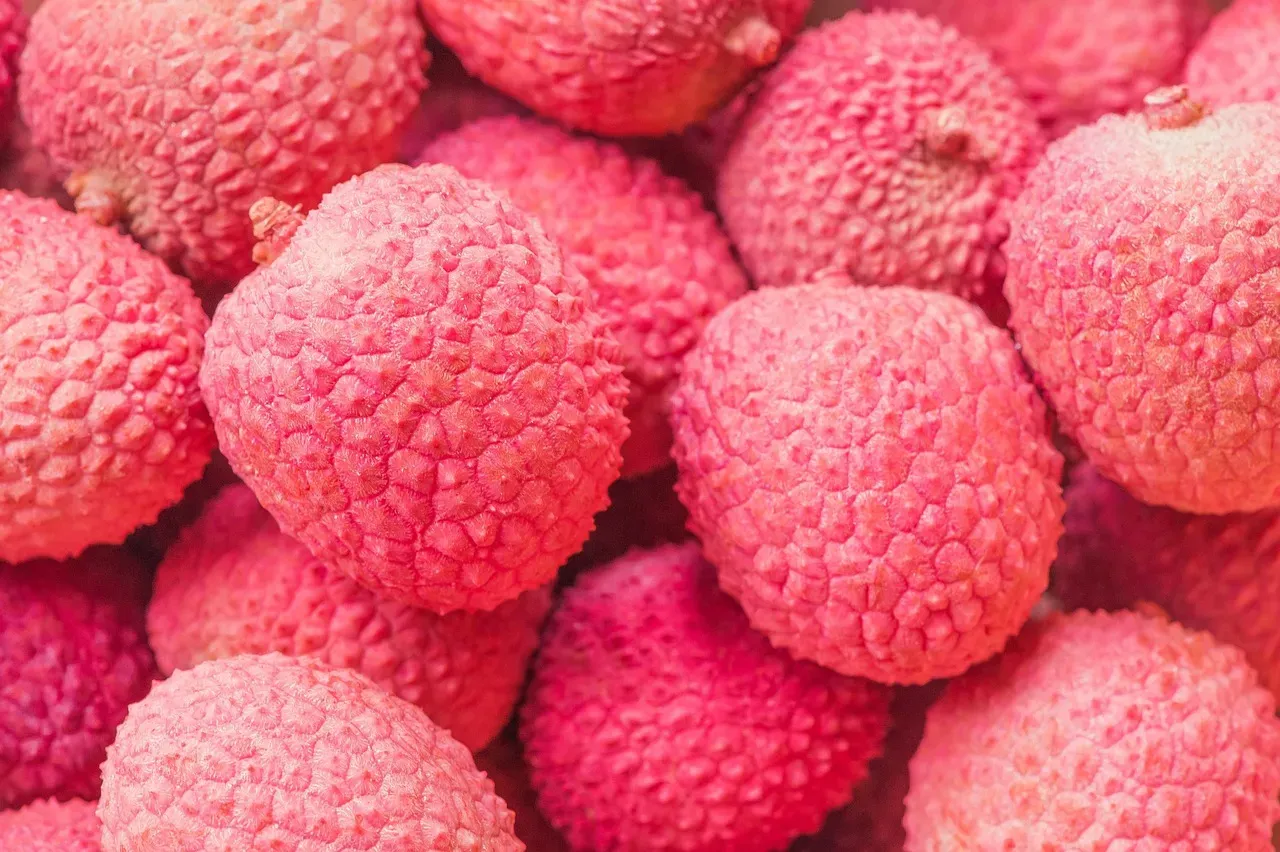
Litchis, raw, contain about 28.94 grams of sugar per cup. Lychee is high in natural sugars, which can affect blood sugar levels. Therefore, people with diabetes should consume lychee in moderation and monitor their blood glucose, and while its fiber and antioxidants offer potential benefits, portion control is essential.
Lychee is rich in vitamin C, which is important for a healthy immune system. It also contains other beneficial nutrients like vitamin B6, niacin, riboflavin, folate, copper, potassium, phosphorus, magnesium, and manganese. Lychee is also high in antioxidants, which can help fight free radicals in the body. Eating lychees fresh versus consuming them in dried form or canned in syrup can lead to very different blood sugar responses. Fresh lychees have a moderate glycemic index, while dried lychees or those preserved in sugary syrups can significantly increase their glycemic index and impact on blood sugar. Stick to fresh if you do eat them, and keep portions firmly in check.
10. Plantains: Starchy, Sweet, and Carb-Heavy
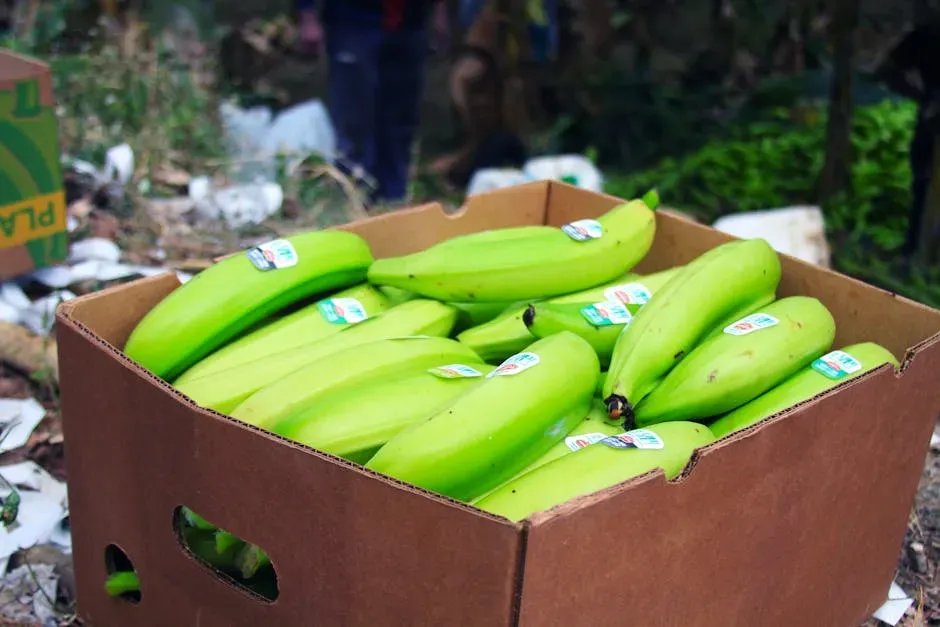
Yellow raw plantains contain about 47.28 grams of sugar per whole plantain according to USDA data. That places them among the highest-sugar fruits on the list. The problem with plantains is that, like bananas, they do not have nearly enough fiber to offset the amount of carbs, meaning that glucose can rush straight into the bloodstream and may cause a blood sugar spike.
As a plantain ripens, its starch content converts to sugar, increasing its glycemic index. This makes ripe plantains have a higher glycemic index and potentially a more significant impact on blood sugar levels compared to their unripe counterparts. The one major positive is that plantains contain resistant starch, which resists digestion as it passes through the gastrointestinal tract and ends up in the colon where it feeds friendly gut bacteria. Some human studies show that resistant starch may help improve insulin sensitivity and lower blood sugar levels. If you cook them while still unripe and let them cool before eating, you can preserve more of that resistant starch and reduce the glycemic impact.
A Final Word on Sugar and Fruit
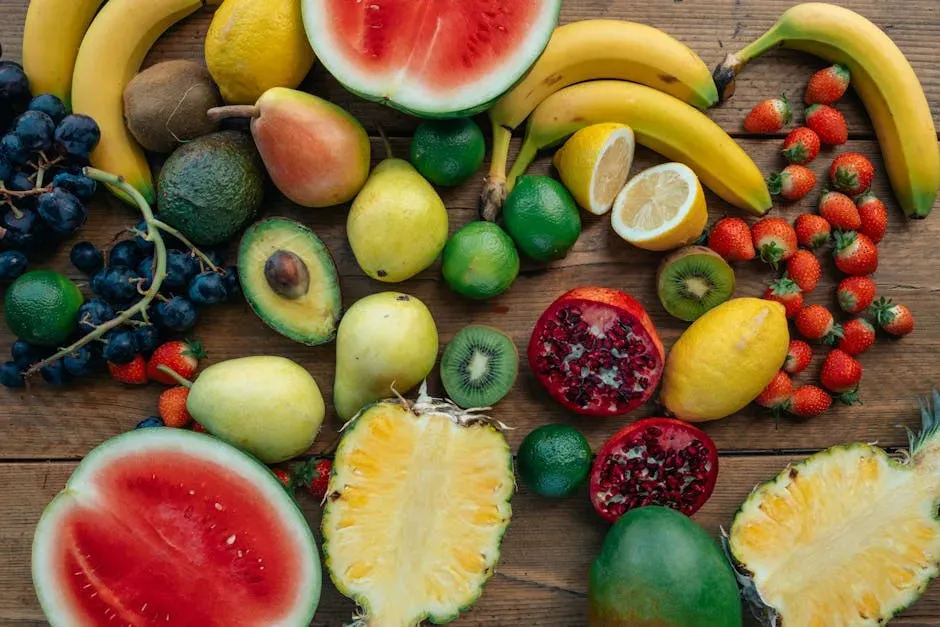
Let’s be real: none of these fruits are villains. Although naturally occurring sugars in foods like fruit and dairy can be part of a healthy diet, too much added sugar can be harmful to health, especially for people with diabetes. The goal here is not to fear fruit but to understand it better.
According to the American Heart Association, healthy adults should aim for less than 36 grams of sugar per day for men and less than 25 grams per day for women. A single mango already exceeds both those limits. Pairing fruit with a source of fat, protein, or fiber, such as plain Greek yogurt, cottage cheese, walnuts, or peanut butter, can help curb a blood sugar spike. Small adjustments in how and how much you eat these fruits can make a significant difference, without completely giving up the flavors you love.
Knowledge is the real tool here. Now that you know which fruits carry the heaviest sugar loads, you can make smarter choices without going cold turkey on nature’s sweetest foods. What fruit surprised you most on this list?