
There is a particular kind of silence that fills a room when a guest spots something unexpected in your kitchen. No words. Just a glance, a micro-pause, a mental note quietly filed away. We have all been that guest at least once, standing near someone’s open fridge and thinking things we would never actually say out loud.
Hosting is an art, and the pantry is basically your social resume. Whether we like to admit it or not, what lives on your kitchen counter and inside your fridge sends a message. Let’s dive in – because some of these might surprise you.
Table of Contents
1. The Overflowing Tower of Instant Noodle Packets
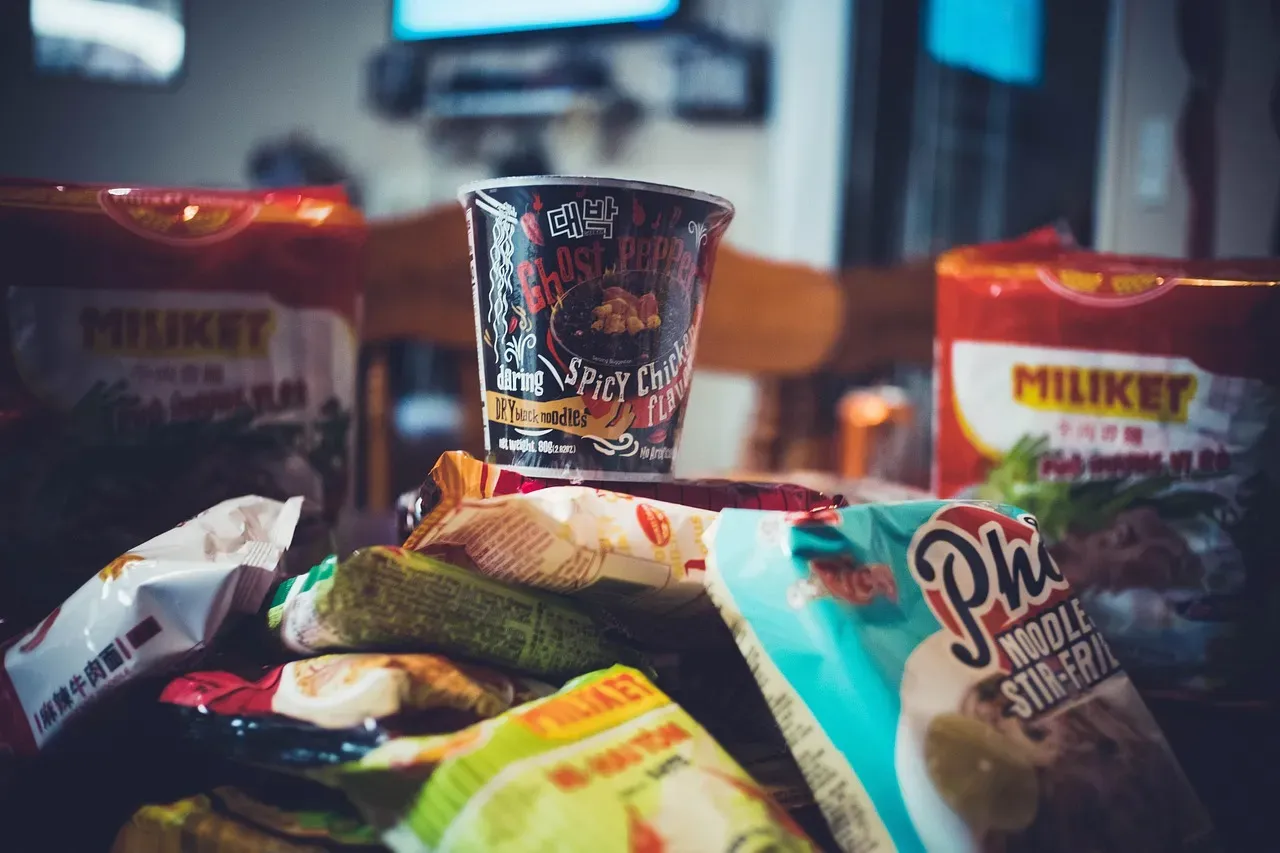
Instant noodles are a comfort food staple, and honestly, zero shame in that. They have saved countless late nights and empty-wallet moments for basically everyone alive. The issue isn’t the noodles themselves – it’s the tower of forty-something packets stacked on your counter like some kind of carb fortress that guests will inevitably see the second they walk into the kitchen.
Here’s the thing: visible food choices carry social weight, whether we think that’s fair or not. A 2024 study of over 2,300 UK adults found that nearly three quarters were aware of the term “ultra-processed food,” and more than half reported that whether they consider something ultra-processed directly affects their food choices. Instant noodles are about as processed as it gets. Tuck them into a cabinet and no one needs to know how many you own.
2. Pre-Made Nacho Cheese in a Jar
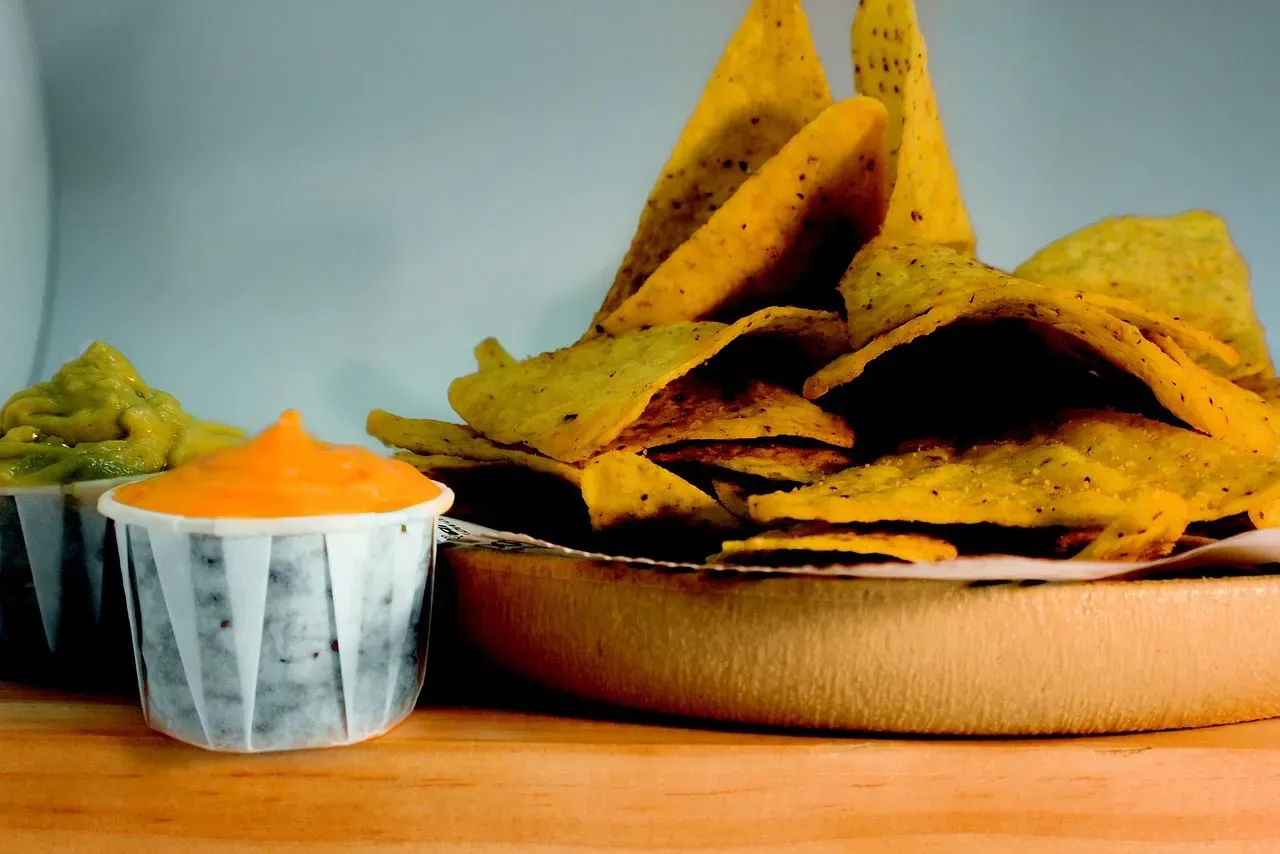
A jar of liquid nacho cheese sauce sitting on the counter in plain sight is one of those things that will draw a glance and a half-smile from a certain type of guest. Not everyone. But someone. It’s the specific combination of neon orange color, the brand name, and the word “product” somewhere on the label that does it.
Ultraprocessed foods now make up more than half of all calories consumed at home, having risen from about half in 2003 to over 54 percent in 2018, which means jarred cheese sauce has a lot of company in the average kitchen. Still, visibility is the issue here. Keep it in a cabinet, bring it out for the actual snacking, and no one bats an eye.
3. A Fridge Full of Takeout Containers
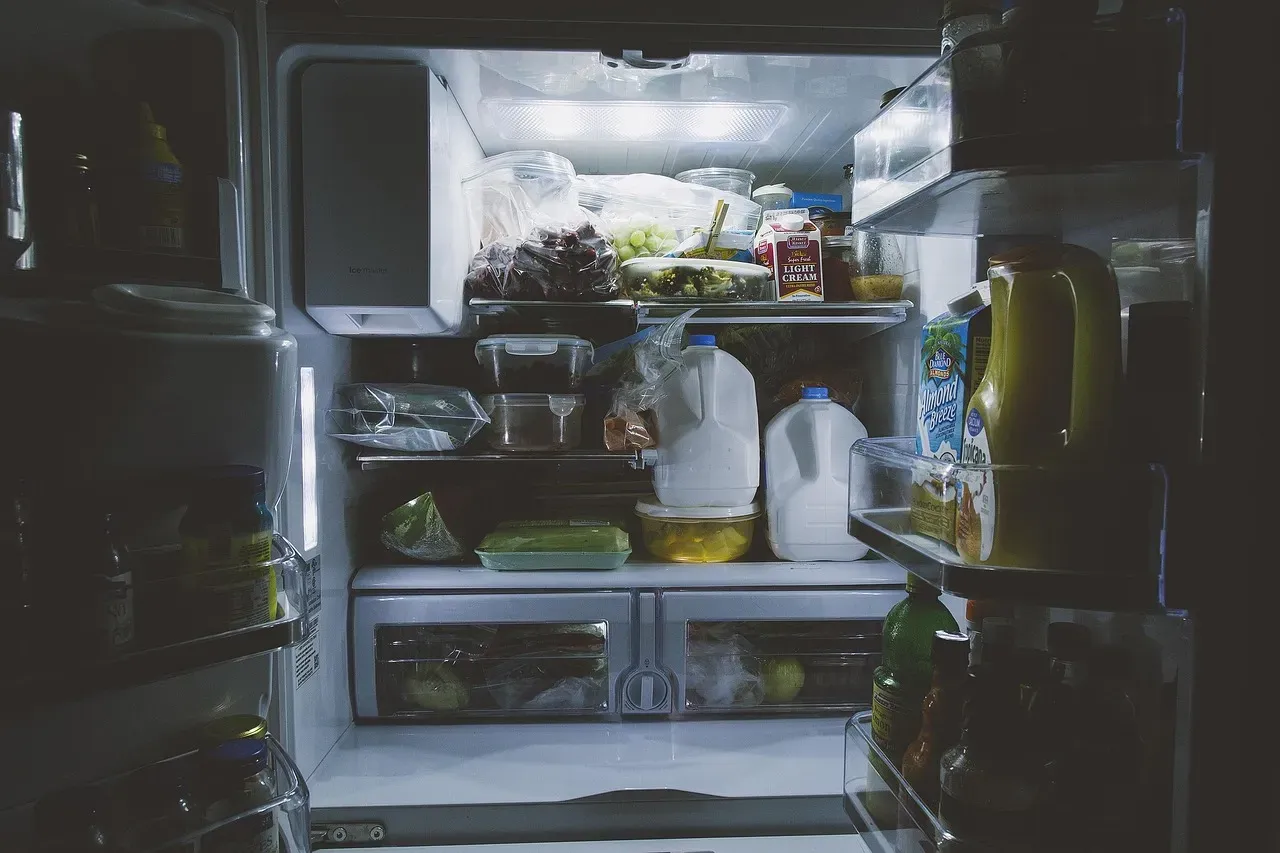
Opening the fridge to get a guest a drink and revealing a Tetris-wall of takeout containers from six different restaurants is a very specific kind of reveal. It tells a story – a busy, modern, delivery-reliant story – that not everyone interprets the same way. Some guests will think it’s totally fine. Others will quietly note it.
Nearly one in five Canadians have passed off food deliveries as homemade to impress guests or social media, and that number climbs to around one in five Americans and a full quarter of Australians who have done the same. That statistic alone tells you how much people care about the perception of home cooking. If your fridge is primarily takeout boxes, at least consolidate them somewhere less visible before guests arrive.
4. Expired Condiments Crowding the Fridge Door
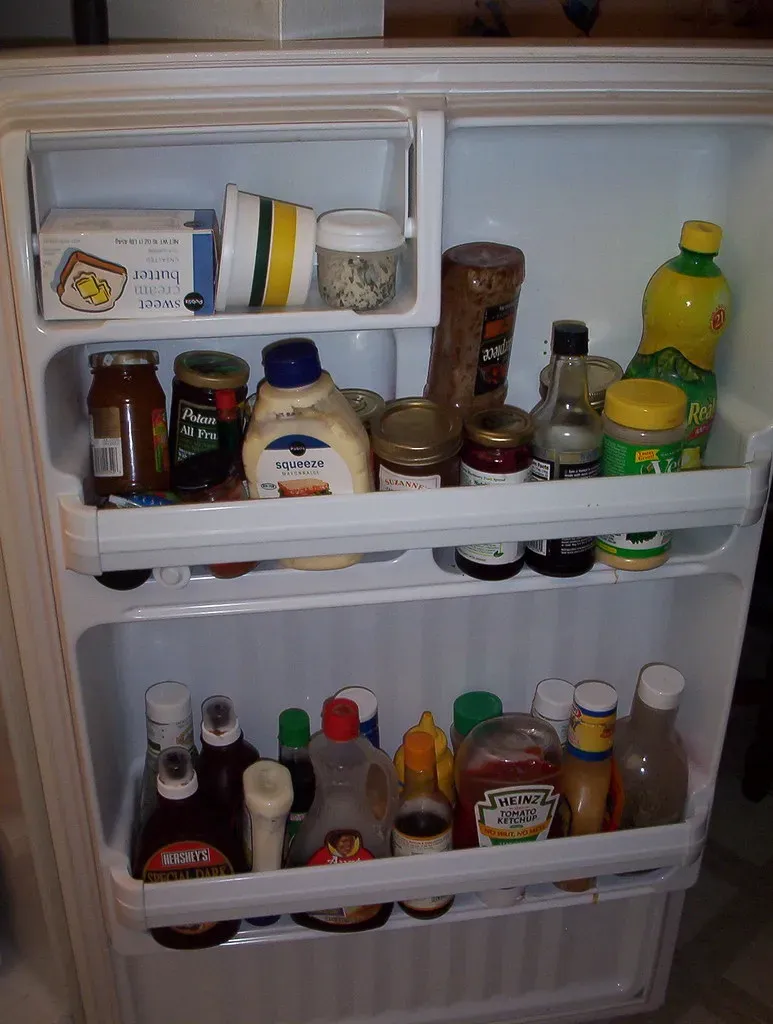
The fridge door is the one section of the refrigerator that practically invites guests to browse. And nothing quite signals “I don’t notice what’s happening in my own kitchen” like a row of mustard bottles, hot sauces, and salad dressings with expiration dates from two years ago. Honestly, it’s one of those things that is easy to overlook until someone else sees it.
Assuming everyone eats the same food often leads to uncomfortable mealtime situations, and gracious hosts take care to prepare thoughtfully before visitors arrive. That same thoughtfulness applies to the basics. A quick five-minute clear-out of expired fridge door items before guests arrive costs nothing and signals that you are someone who actually maintains their kitchen.
5. The Family-Size Bag of Gas Station Chips
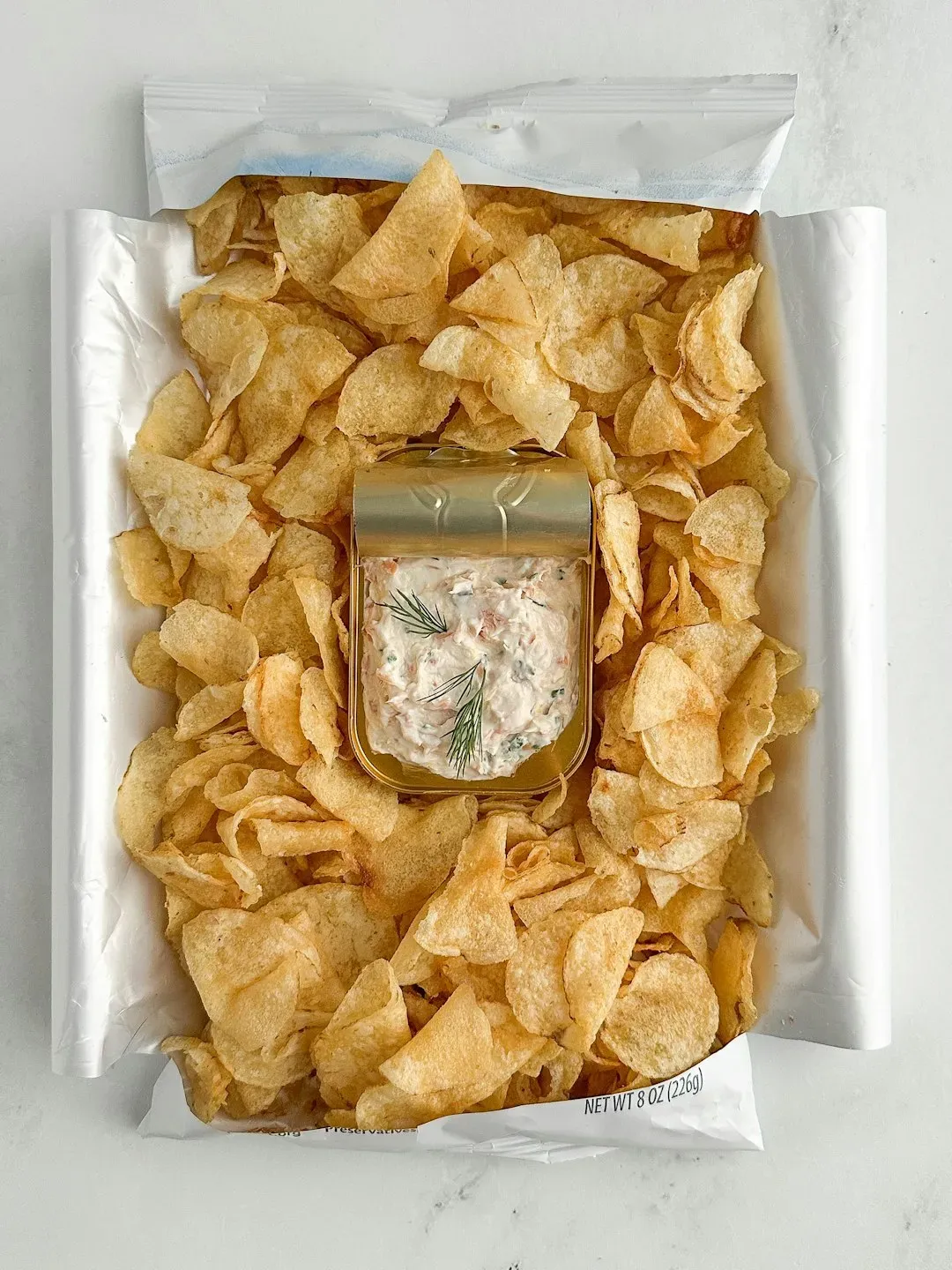
There is a meaningful difference between a nice bowl of crisps set out for guests and a crinkled, half-eaten family-size bag of chips that looks like it came from a road trip two weekends ago sitting on the counter. Size and presentation are everything. The bag itself – with its oil-stained exterior and folded-over top held by a chip clip – is the problem, not the chips.
Research has noted that time scarcity and shelf-stability increase the appeal of ultraprocessed foods, and less developed cooking skills are also associated with higher processed food intake – a reminder that this isn’t about judging people’s lifestyles. It’s about optics. Pour the chips into a bowl, put the bag away, and suddenly the whole thing looks intentional.
6. Rows of Energy Drinks on the Counter

A single energy drink by the coffee machine? Fine. An entire shelf or collection of them arranged across the counter? That raises eyebrows. Energy drinks as a visible lifestyle fixture tend to come across as either a student dorm aesthetic or an intense gamer setup – neither of which screams “curated hosting environment.” The smell doesn’t help either.
Ultra-processed foods, which include many popular energy drinks, are often high in simple carbohydrates, salt, and fat, yet low in fiber and protein. More importantly, from a social optics standpoint, a kitchen counter dominated by cans sends a particular message. Move them to a dedicated shelf inside a cabinet and your kitchen instantly reads cleaner and more intentional.
7. Meal Replacement Shakes and Diet Products in Plain Sight
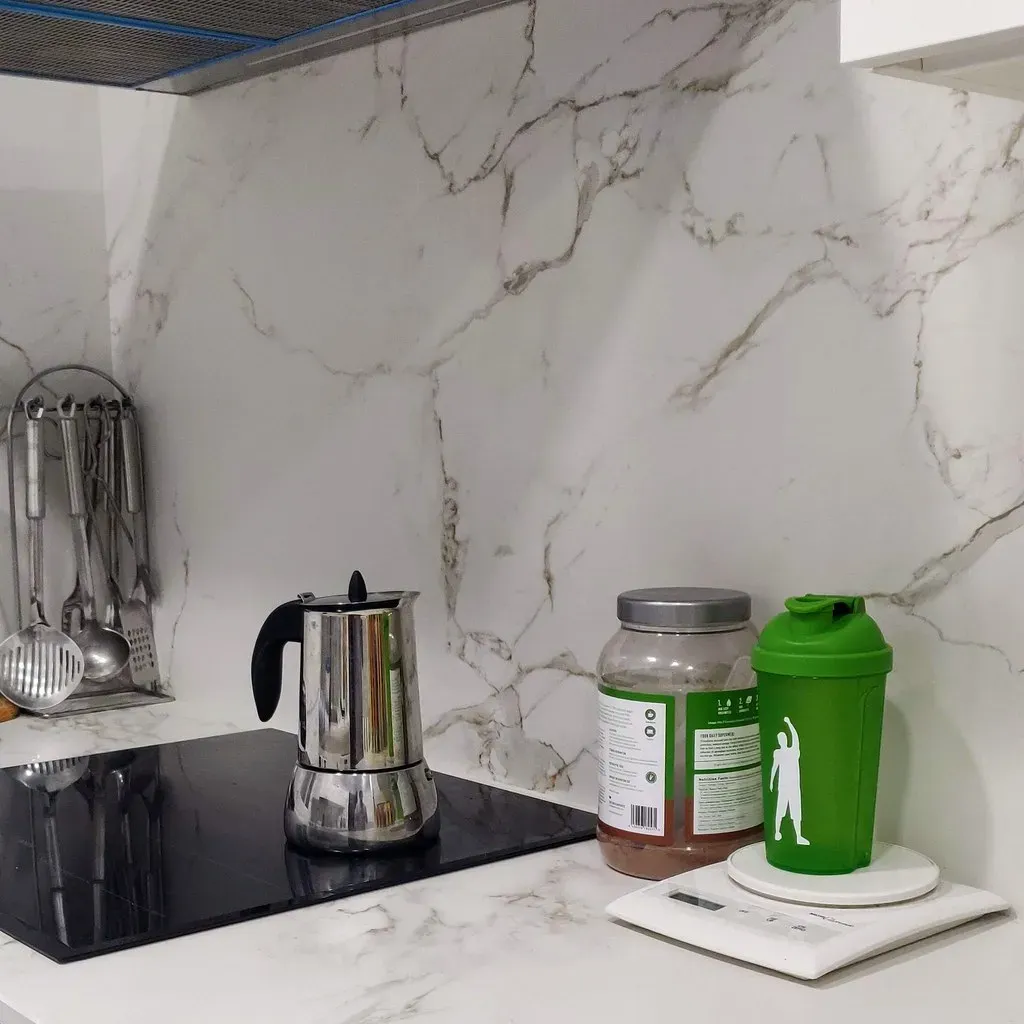
This one is a bit more personal and nuanced. Diet shakes, meal replacement products, and weight-loss-branded foods sitting on the counter or prominently in the fridge create an awkward social dynamic for guests who notice them. It doesn’t mean you should feel any shame about using them – you shouldn’t. The issue is purely about the social conversation it tends to unintentionally invite.
Hosts today must navigate a remarkably wide range of dietary identities among guests, from gluten-free to keto to vegan and beyond. When guests spot diet products on your counter, it can subtly shift the mood of a visit into territory that feels more clinical than welcoming. Tucking these items out of sight costs you nothing and keeps the atmosphere warm and relaxed rather than pointed.
8. A Grease-Splattered Takeout Menu Collection
Paper takeout menus pinned to the fridge or stacked on the counter communicate something very specific about cooking frequency in your household. It’s a charming throwback in some ways – physical menus feel almost retro now. The problem is when they are visibly worn, grease-stained, and clearly the result of very regular use.
According to recent survey data, the average American dined out about five times per month in 2024, with takeout adding even more food occasions on top of that. We are all eating plenty of delivered food – that is not the secret. It’s just that a stack of battered paper menus on the counter makes it the headline of your kitchen’s story. Recycle the paper menus; your phone already has the apps.
9. Individually Wrapped Processed Cheese Slices Left on the Counter
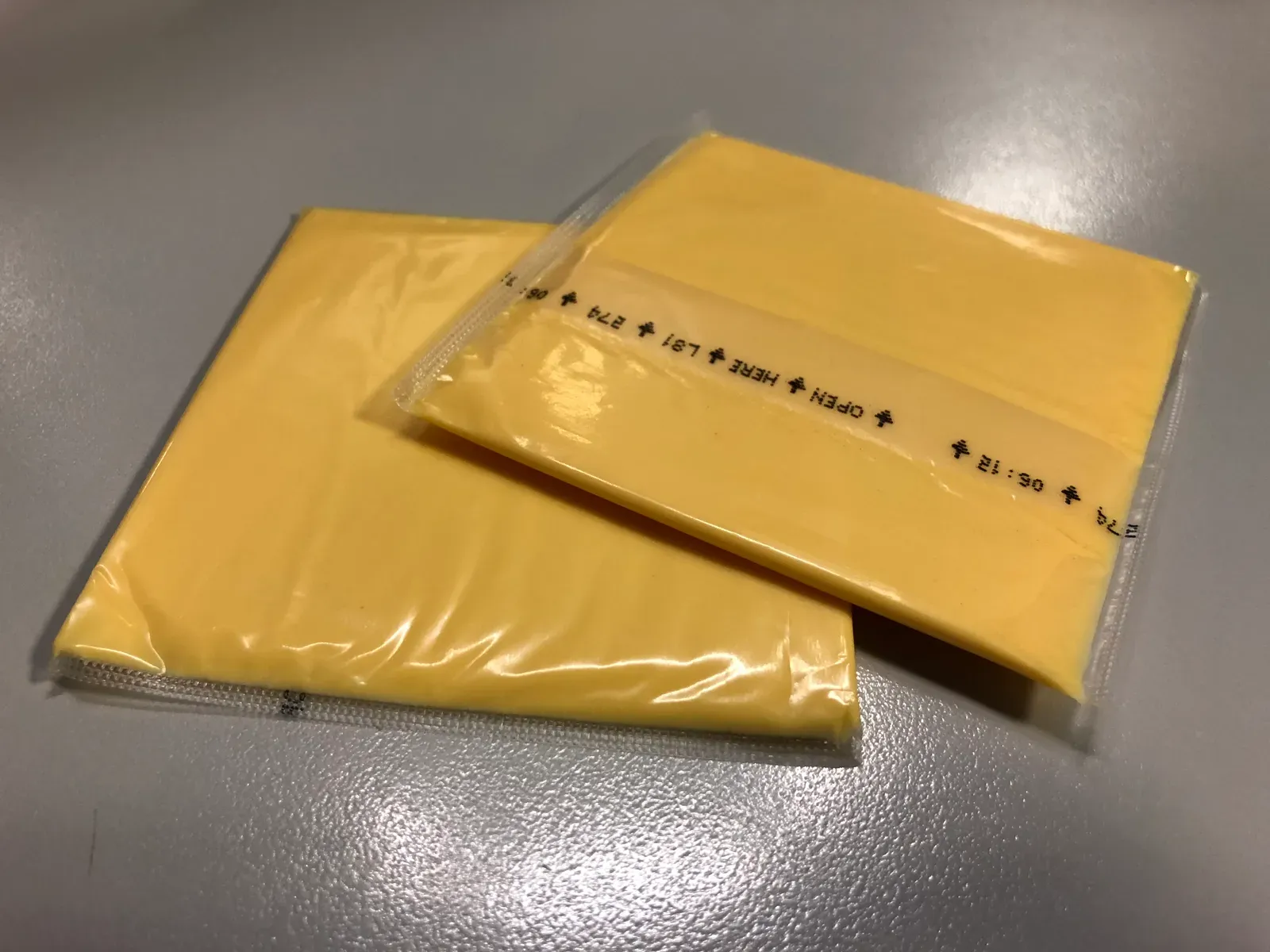
Processed cheese slices – the individually plastic-wrapped kind – sitting out on the counter next to the bread are one of those small details that certain guests will notice without saying anything. It’s not that there’s anything wrong with them. They melt beautifully on a sandwich, and they have been a pantry staple for decades. The issue is entirely about where they live when company arrives.
Research published in The Lancet in 2025 confirmed that ultra-processed food patterns are globally displacing traditional diets centered on whole foods, and that this shift results in significant deterioration of diet quality. Guests who are increasingly aware of that conversation will quietly register the processed cheese on the counter as part of their mental picture of your kitchen. It takes three seconds to put them in the fridge. Do it.
10. The Visible, Guilt-Stained Candy Stash
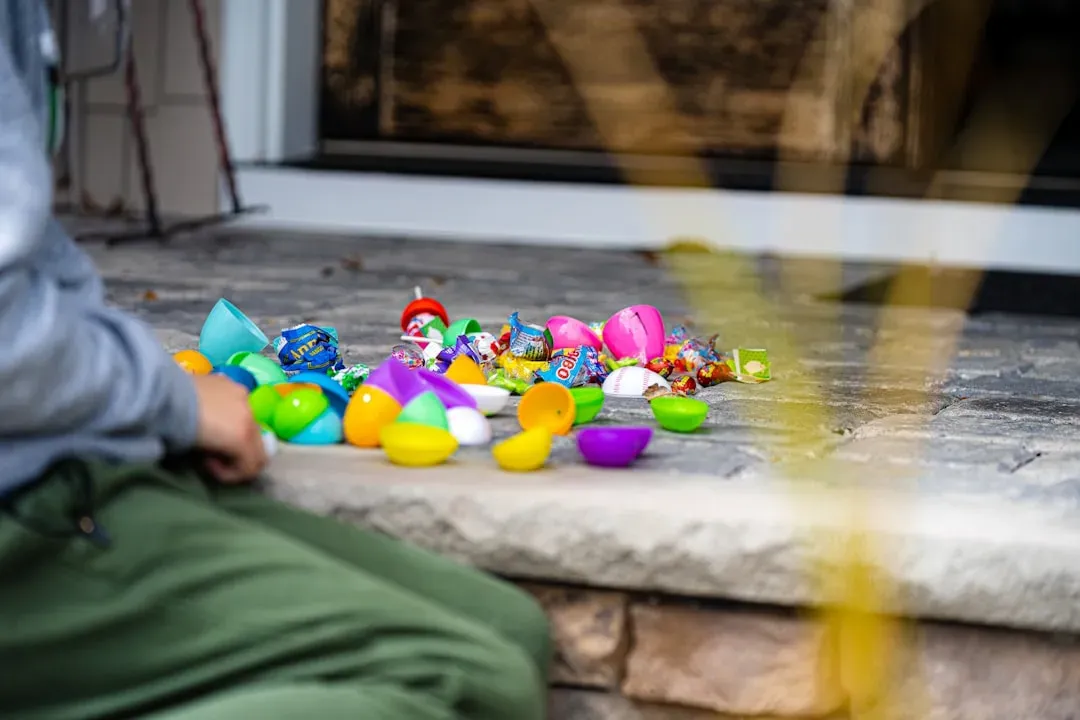
Everyone has one. The candy stash – whether it’s a bowl of gas station gummies, a pile of miniature chocolate bars left over from Halloween, or an assortment of hard candies in a dish by the door – is a perfectly fine thing to have. The “quiet judgment” version of this is specifically when the stash is enormous, clearly accessed constantly, and slightly chaotic in its presentation.
The topic of ultra-processed foods has been increasingly discussed in public media since around 2024, making it likely that more people than ever are aware of and sensitive to the subject in 2025 and 2026. Guests are paying closer attention to food environments than they used to. A neat, small candy dish reads as a thoughtful touch. A sprawling mountain of wrappers and half-eaten bags reads as something else entirely. Edit the display, and keep the full stash somewhere private.
The Bigger Picture: It’s Not About Perfection
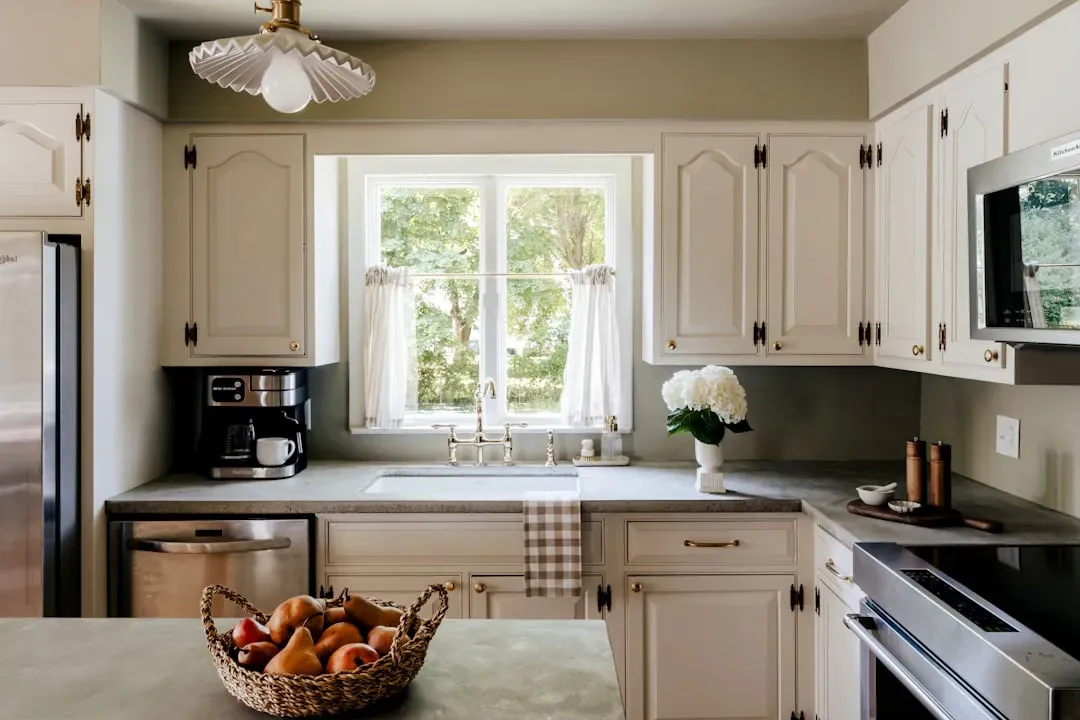
Let’s be real – nobody expects a restaurant-quality kitchen when they visit a friend’s home. Food matters at a gathering, of course, but the real magic of hosting lies in the people and the atmosphere, and the most skilled hosts curate not just the menu but the entire sensory environment of a visit. That includes what guests see when they glance around your kitchen.
The items on this list aren’t shameful to own. Most of us have at least three of them in our kitchens right now – I’d bet on it. The point is simply about visibility and the unspoken signals that food choices broadcast. Stocking and presenting your space thoughtfully shows a high level of consideration for your visitors, and that consideration is ultimately what guests remember long after the visit ends.
A kitchen doesn’t need to look like it belongs in a magazine. It just needs to feel like someone actually thought about the experience before you walked in. What would your guests notice if they looked around your kitchen right now?