
Most of us genuinely believe we’re perfectly pleasant diners. We smile, we say please, we think we’re doing fine. Honestly, though, some of the most common habits people carry into restaurants are the exact ones that make servers cringe the moment they glance over at your table.
It’s not personal. It’s just that serving is a complicated, physically demanding, emotionally draining job, and some customers make it so much harder than it needs to be. A server’s job is high-stress by nature. They have to get used to a fast-paced environment and juggle different customer demands while keeping a smile on their face. So before your next dinner out, it might be worth a quick look in the mirror. Let’s dive in.
Table of Contents
1. Snapping, Waving, and Finger-Clicking to Get Attention
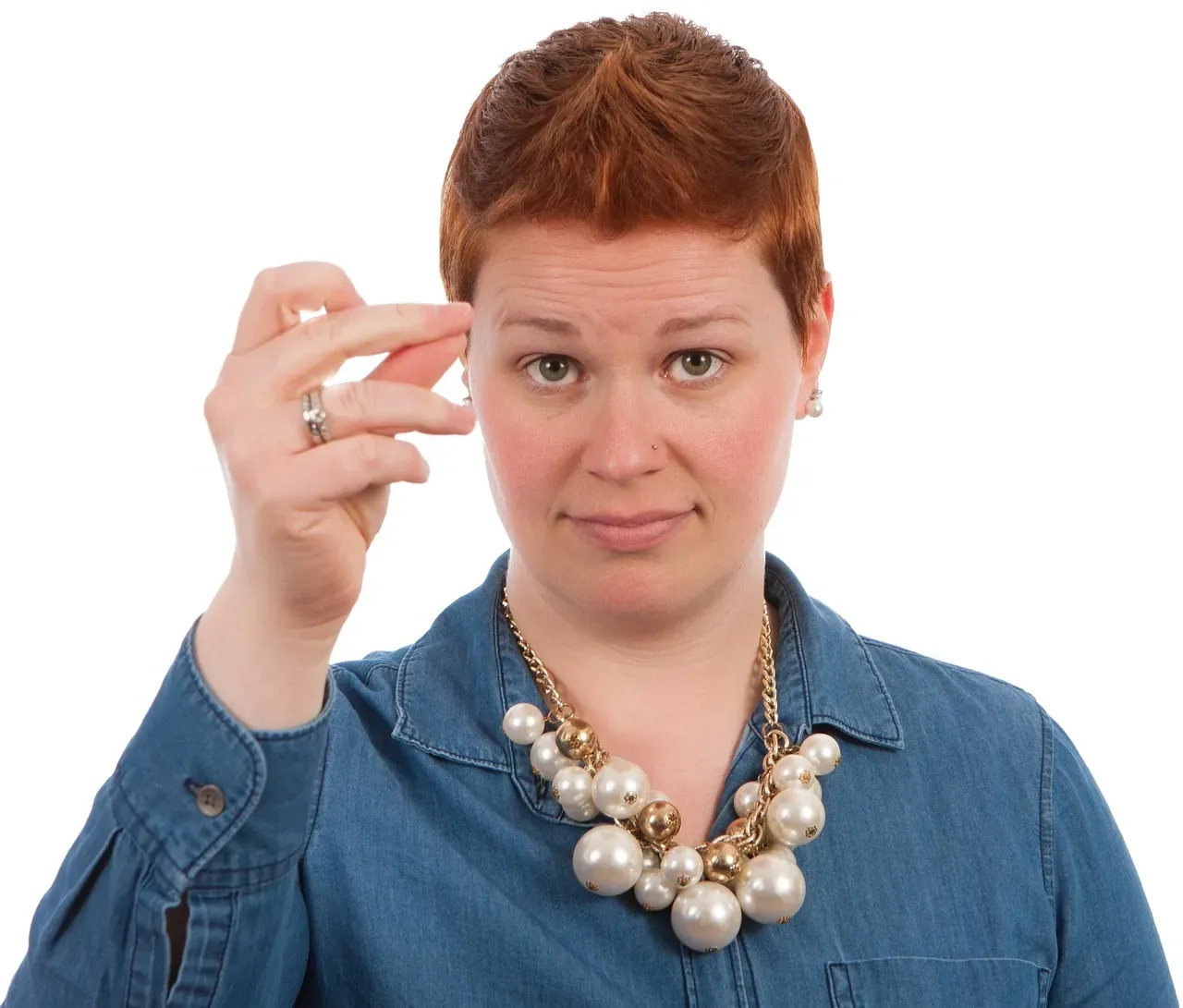
There are few things in the restaurant world that make servers bristle faster than someone snapping their fingers in the air like they’re summoning a pet. It feels dehumanizing, it’s widely recognized as one of the top pet peeves in food service, and it does absolutely nothing to get you faster service. In fact, it might slow things down.
From snapping their fingers to interrupting the staff, some complaints servers raise seem almost unbelievable, and others prompt quite a discussion in the comments. Servers report that literally nothing irritates them more than when people snap at them, with one saying plainly: “I’m not your dog or your servant. Do not snap at me.” A simple, patient wave or calm eye contact works just as well, takes zero effort, and keeps everyone’s dignity intact.
2. Pretending to Be Ready to Order When You’re Not
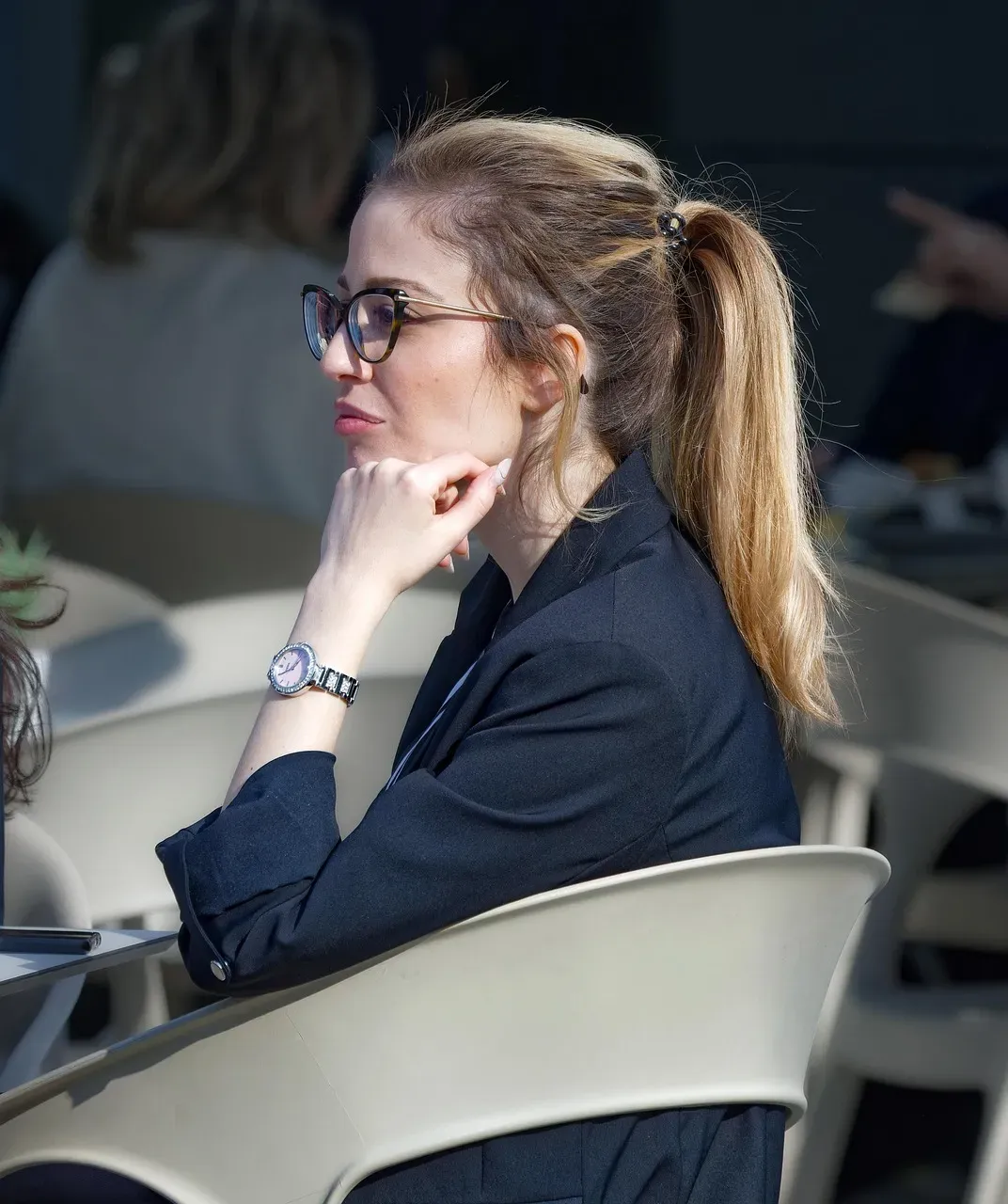
This one sounds small. It isn’t. When a server walks all the way across a busy dining room to take your order, the last thing they want is to stand there for three minutes while you slowly flip back through every page of the menu. Your server has several other tables waiting on them right now, and every second counts.
Servers report hating when people say they’re ready to order when they’re really not, noting: “If you’re still looking at the menu, that’s fine, but let your server know so they can go take care of other things.” One server also shared frustration when customers think they’re the only table, even interrupting mid-order at another table. Restaurant workers describe the habit plainly: “If you don’t know what you want to order but tell the server you are, then you have them stand there as you casually look at the menu. Talk it over with the table then ask the server to come over when you’re ready to order.”
3. Camping at the Table Long After the Bill Is Paid
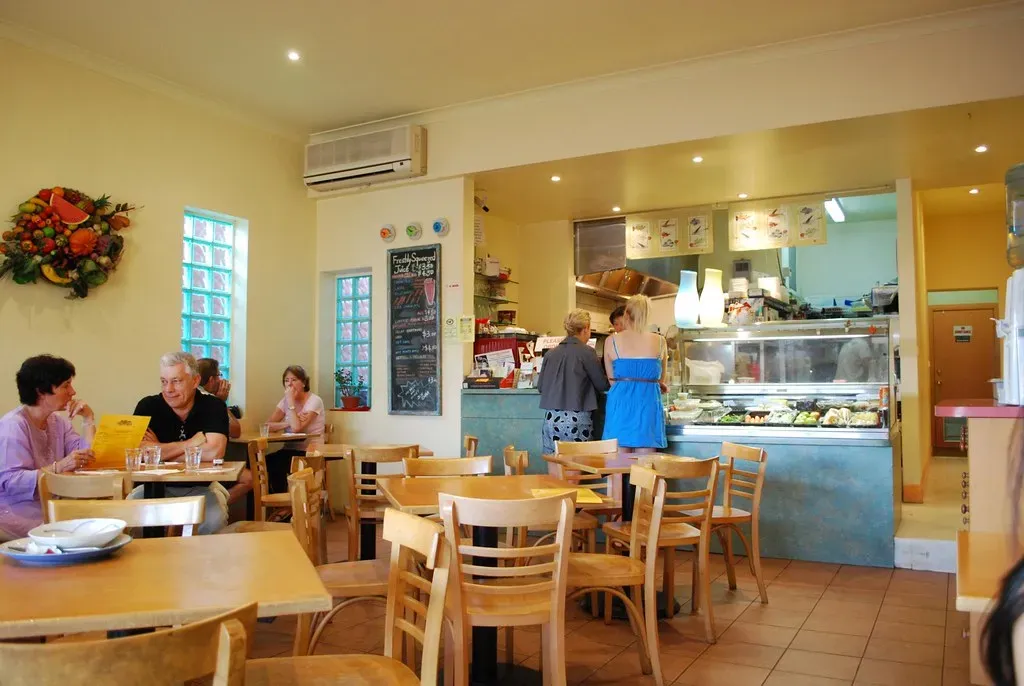
Look, I get it. A great meal with good friends deserves a long, leisurely finish. A little post-dinner conversation is absolutely fine. But staying planted for another hour after the check is settled, while a line of waiting guests stretches out the front door, is a real problem for your server and the restaurant as a whole.
One of the most important metrics in a restaurant that directly impacts the bottom line is the table turnover rate. It needs to be long enough for guests to enjoy their dining experience, but short enough to reduce waiting times for others. With already tight profit margins, turning over more tables at a faster rate means seating more guests and maximizing profits. Hanging out long after the meal, what many restaurant workers call “camping,” is considered not okay. As one server explained on Reddit: “This is NOT okay. Not only are you interfering with my work because I need to turn tables quickly to make money, but you’re also being insanely rude to people waiting at the door.”
4. Walking In Right Before Closing Time
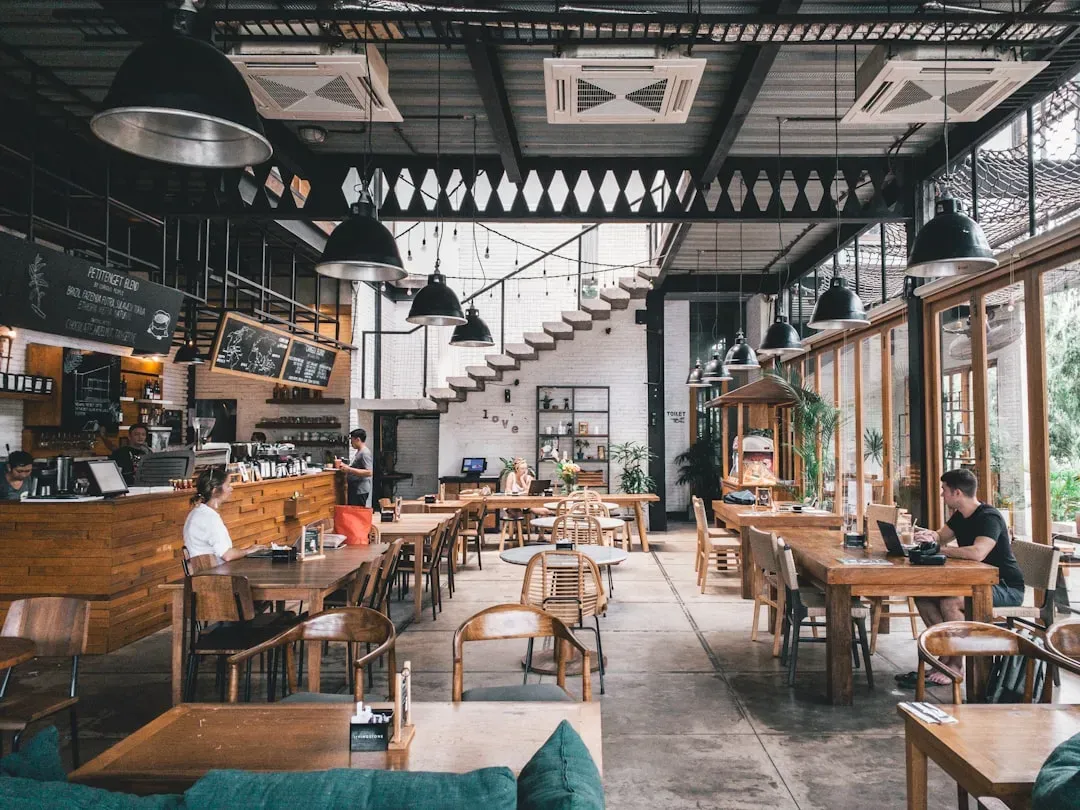
Think of it this way: if your office closed at 5pm and a colleague waltzed in at 4:58pm demanding a three-hour project, you’d be quietly furious. That’s exactly what closing-time diners do to restaurant staff, every single shift. The kitchen has already started breaking down equipment. The servers are mentally clocked out and physically exhausted.
Servers describe walking in shortly before closing as “incredibly inconsiderate,” noting that the kitchen has likely already started packing up, the servers and bartenders are ready to go home, and arriving that late will ruin their day. There’s no rule that says a restaurant has to stop taking orders the moment the clock strikes closing, but doing it with zero awareness of the impact on the team behind the scenes is genuinely unkind. A little consideration goes a very long way.
5. Faking a Food Allergy to Get Special Treatment
This one is actually dangerous, not just annoying. When diners claim a severe allergy to avoid an ingredient they simply dislike, servers and kitchen staff are thrown into full protocol mode. Every dish gets altered, cross-contamination is triple-checked, and the entire flow of the kitchen shifts. Then the diner eats the dish without a second thought, making it obvious the allergy was never real.
Servers are vocal about this one: “The number of people that admit after the fact or I overhear that ‘x is gross; I just don’t like it’ is wild. Allergies are serious, so I will jump through hoops to keep people safe. You’re wasting my time, my other tables’ time, and the kitchen’s time if you lie about an allergy.” Here’s the thing: if you dislike an ingredient, just say so. Most kitchens will happily accommodate a real preference. No drama needed, no allergy protocol required.
6. Rearranging Furniture Without Asking
It feels harmless, doesn’t it? You slide a chair over here, push two tables together there, and suddenly your group has a cozy little setup. From where your server stands, though, this is a genuine headache, one that goes well beyond aesthetics or personal preference.
When customers take it upon themselves to push tables together and shuffle chairs around like it’s their own private dining room, staff have to intervene. There are many reasons not to rearrange the dining room, including liability: if anything happens, even as little as stubbing your toe, the restaurant could be on the hook for the accident. Seating is actually an incredibly meticulous process that takes precision to manage. Most importantly, just because a table is empty does not mean it’s available. If there isn’t a sign by the front door offering seating instructions, just wait for the host. Your instinct should never be to just seat yourself, especially if you’re in a large party.
7. Treating Servers as Though They’re Invisible
Here’s a surprisingly common habit: completely ignoring the server when they arrive at the table. Conversations keep going, phones stay up, and the server just hovers in that awkward no-man’s-land, waiting for acknowledgment. It sounds like a small thing, and people probably don’t even realize they do it.
Servers report this behavior as universally rude, with many noting that customers act as though they had been rudely interrupted just because the server had the gall to approach and try to take an order. Using no basic manners means failing at the fundamentals of common courtesy. While a server is doing their job to provide a service, it’s still always appreciated when guests say a simple “please” and “thank you.” Treating your server like the human being that they are shouldn’t be a surprising thing to say, but you might be shocked by how many customers demand rather than request.
8. Leaving a Shockingly Low Tip (or None at All)
No list like this would be complete without the tip conversation. It’s a touchy subject, I know. Yet the reality of server wages in the United States makes tipping not just a courtesy, but a financial lifeline for millions of workers. The federal tipped minimum wage has barely shifted in decades, sitting where it does because tips are supposed to make up the difference.
In 2025, the federal tipped minimum wage rate remains at $2.13 per hour. Many restaurants also require servers to “tip out” the rest of the restaurant staff from their own earnings. If a customer chooses not to tip, the server has actually paid a portion of their own money to do their own job of serving you. Recent surveys indicate a decline in the percentage of people who “always tip,” dropping from around three quarters in 2019 to about two thirds in 2023. That slide in generosity is happening precisely when the cost of living is making it harder for servers to make ends meet.
9. Unleashing Unruly Kids Without Oversight
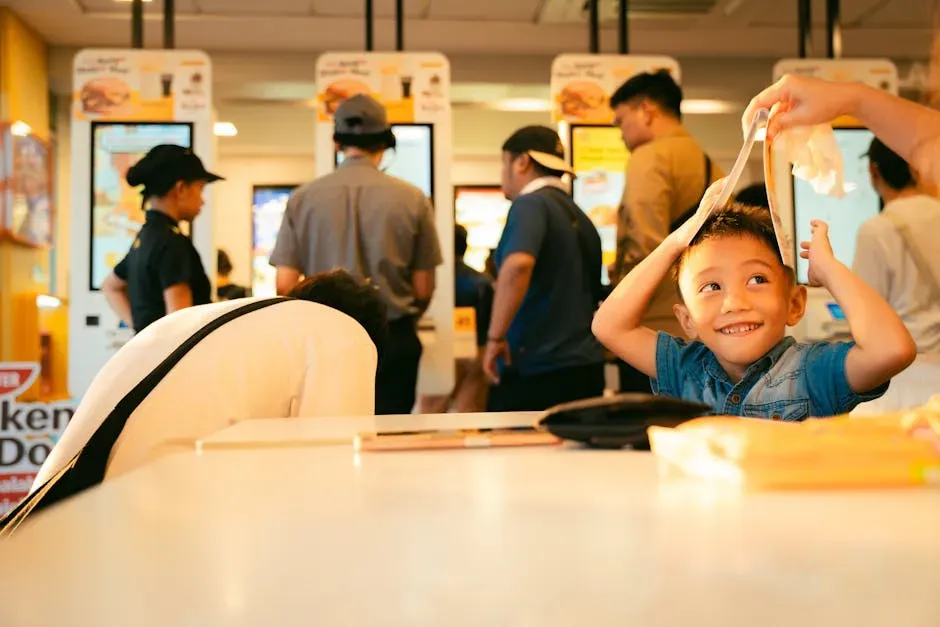
Kids at restaurants are genuinely great. Most servers have no issue with children at tables. The problem is not the kids; it’s the parents who treat a dinner out as a full parental break, leaving children to roam the floor, knock things over, and generally turn the dining room into a chaotic obstacle course for the staff.
Most servers don’t have any problem with kids coming into their restaurants. Whether they’re coloring at the table, watching a show on an iPad, or nibbling something from the kids’ menu, kids are great, accompanied with an adult or guardian, of course. However, there have been more than a few occasions in any server’s lifetime when parents have decided that going out to eat also means they get to take a break from parenting altogether. A child darting between the legs of a server carrying hot plates is not a minor inconvenience. It’s a genuine safety hazard for everyone involved.
10. Displaying Full-On Customer Entitlement
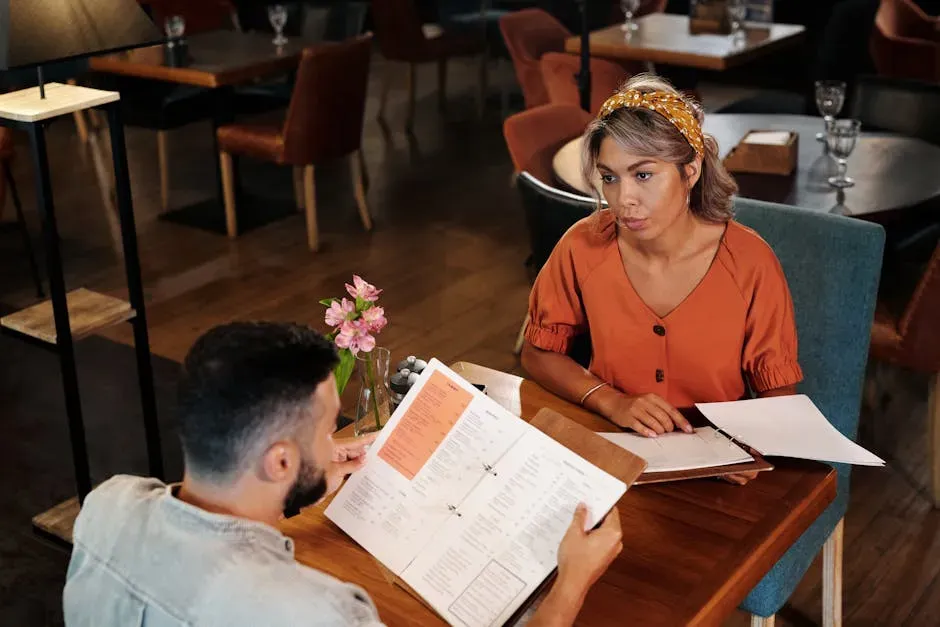
This is the big one, the habit that underpins nearly all the others on this list. Entitlement in a restaurant looks like snapping, demands, complaining about things beyond anyone’s control, expecting special treatment because you’re spending money, and generally acting as though the staff exist to absorb whatever mood you walked in with. It has gotten noticeably worse in recent years, according to those working in the industry.
According to Food and Wine, customer entitlement at restaurants is now extremely high and restaurant workers are at their limit. The pandemic worsened customer behavior, often making the staff feel unsafe and unvalued. Many servers report “impatience regarding wait times, name-calling, frustration over limited seating and menu options, and disregard for safety protocols.” This sort of behavior is what customer entitlement looks like: people expecting the impossible, getting annoyed over tiny hiccups, or thinking it’s okay to yell at or harass the staff. Treating a server with basic human dignity is the single most powerful thing a diner can do, and it costs absolutely nothing.
Final Thought
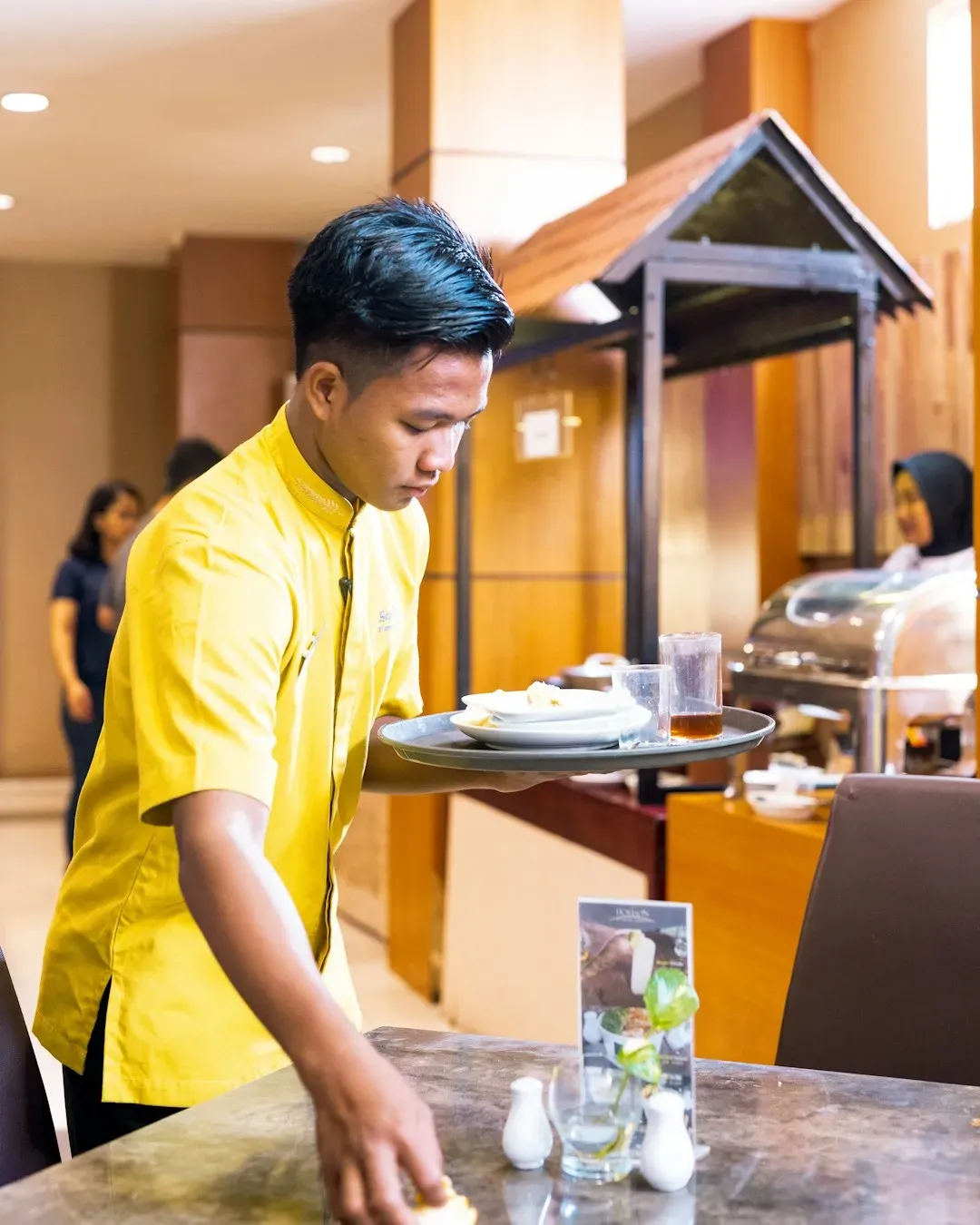
None of these habits are unfixable. Most of them come down to awareness, patience, and a small dose of empathy. Servers are managing multiple tables, keeping dozens of details in their heads at once, staying on their feet for hours, and doing it all with a smile no matter what kind of day they’re having.
The next time you sit down at a restaurant table, it might be worth a quiet thought about the human being standing across from you. Six in ten adults have worked in a restaurant at some point in their lives, which means most of us already know what that feels like. So here’s a simple question worth sitting with: if you’ve ever worn that apron yourself, would you want to be your own customer?